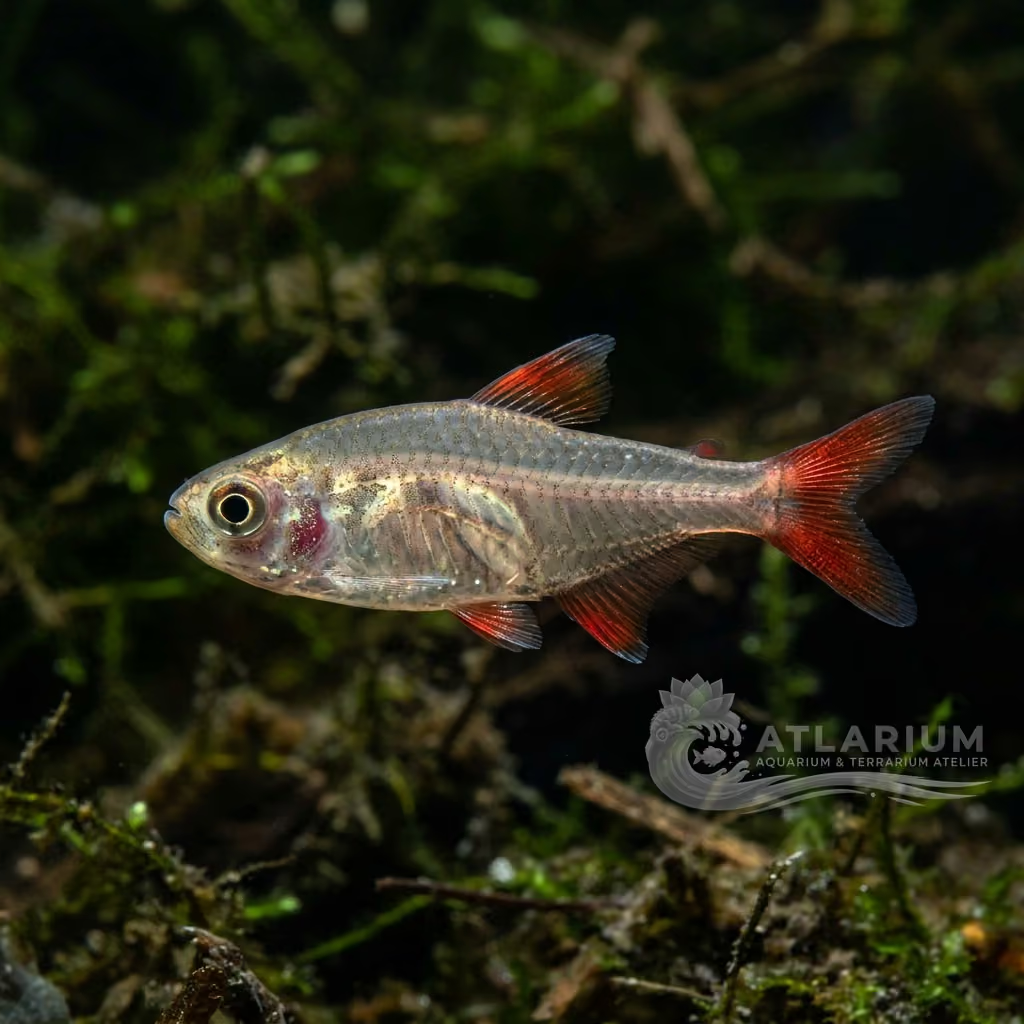
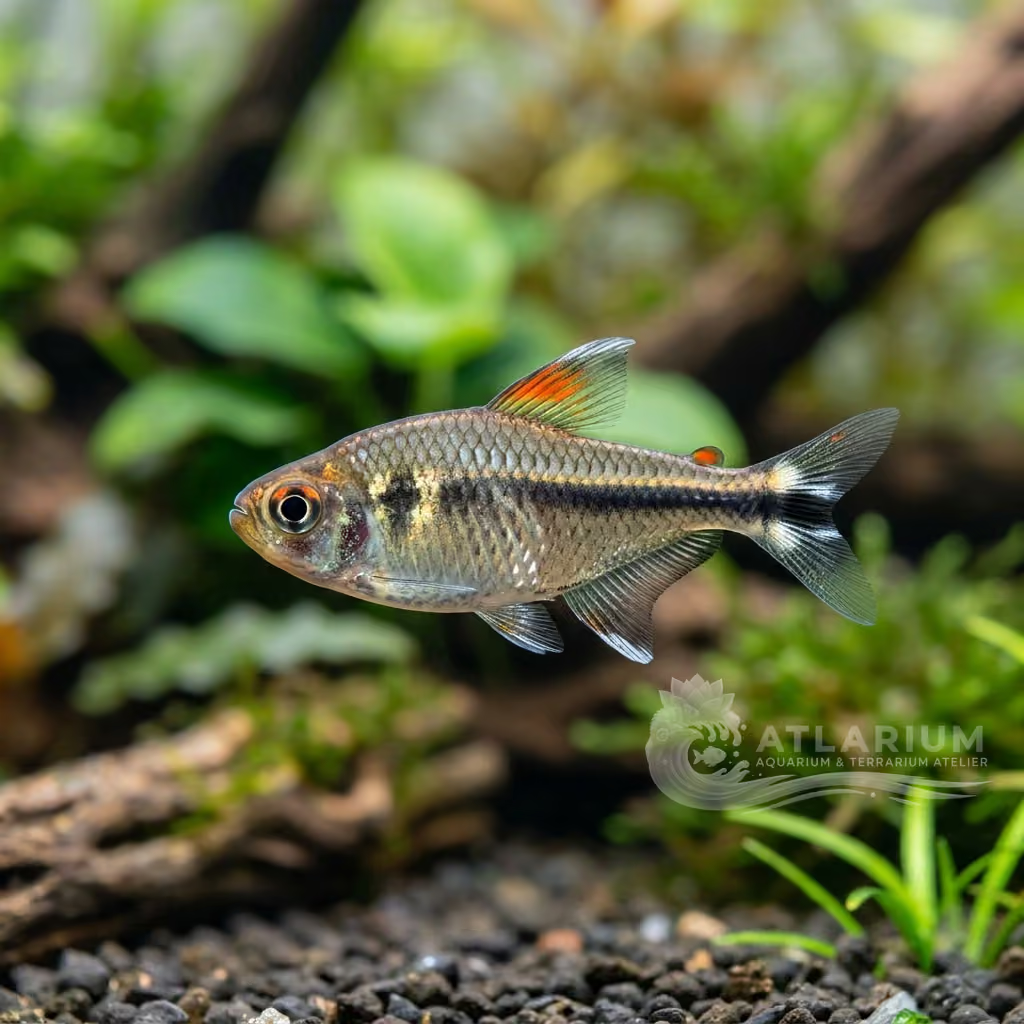
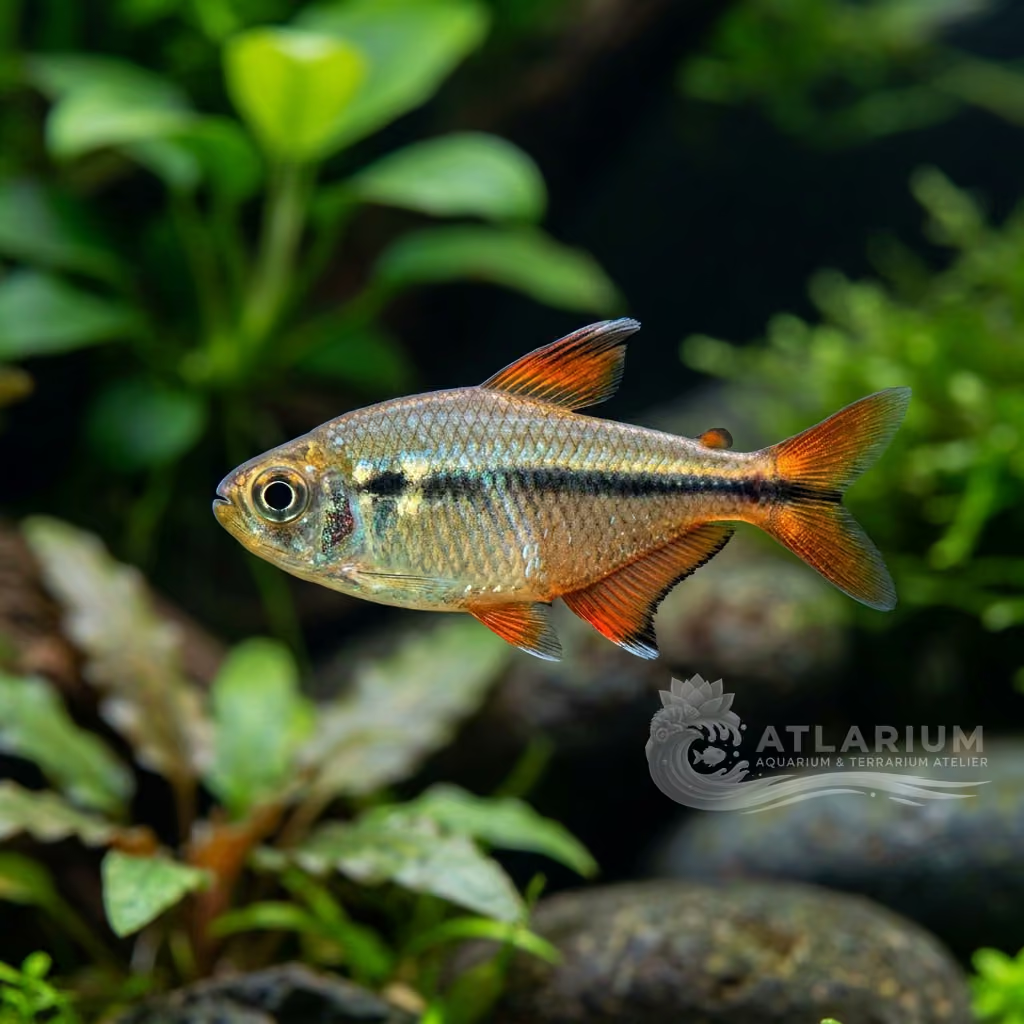
Cardinal Tetra
Paracheirodon axelrodi
Cardinal Tetra (Paracheirodon axelrodi) is a freshwater species with an adult-size reference of about 5 cm. It needs at least 80 litres and 10 individuals, with its social and territorial profile taken into account.
Water Temperature
25 - 30 °C
pH Value
4 - 6.5
Water type
Freshwater
Tank level
Middle
Adult size
5 cm
Minimum tank volume
>= 80 L
Minimum group
>= 10
GH
1 - 8 dGH
KH
0 - 4 dKH
TDS
15 - 160 ppm
Conductivity
23 - 250 uS/cm

Species description
Geographical Origin and Habitat: A freshwater species; the enclosure should provide stability, oxygenation, space and shelter consistent with its behaviour without turning one habitat description into a mandatory recipe.
Taxonomy and Morphology: The accepted scientific name is Paracheirodon axelrodi; the verified classification records genus Paracheirodon, family Acestrorhamphidae, subfamily Megalamphodinae, order Characiformes. Historical names remain searchable as synonyms rather than separate species.
Social Behavior: Cardinal Tetra is gregarious and should be kept in a school. The minimum reference is 10 individuals; sex, maturity and available space can require a more conservative composition. Observe access to food, resting behaviour, chasing and use of shelter. Isolation, persistent competition or aggression means the number, composition or environment needs to be corrected.
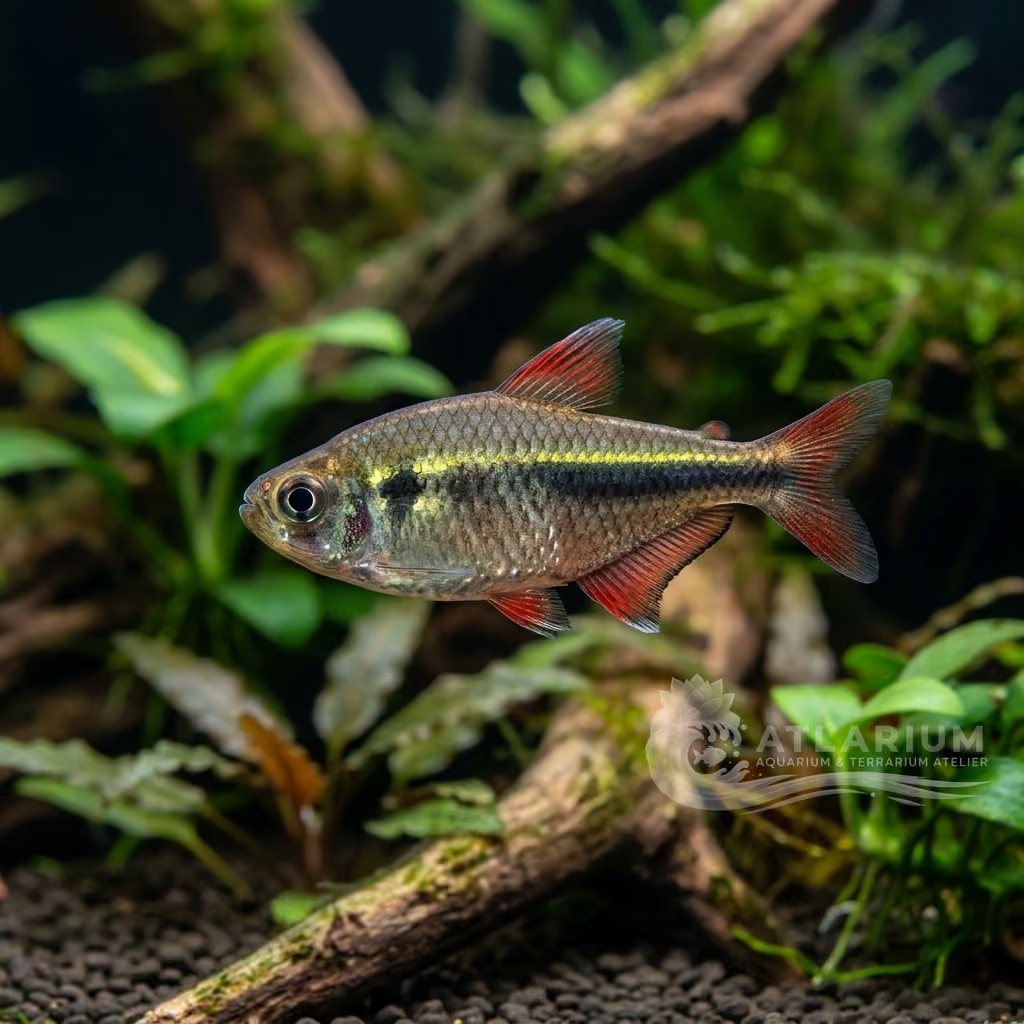
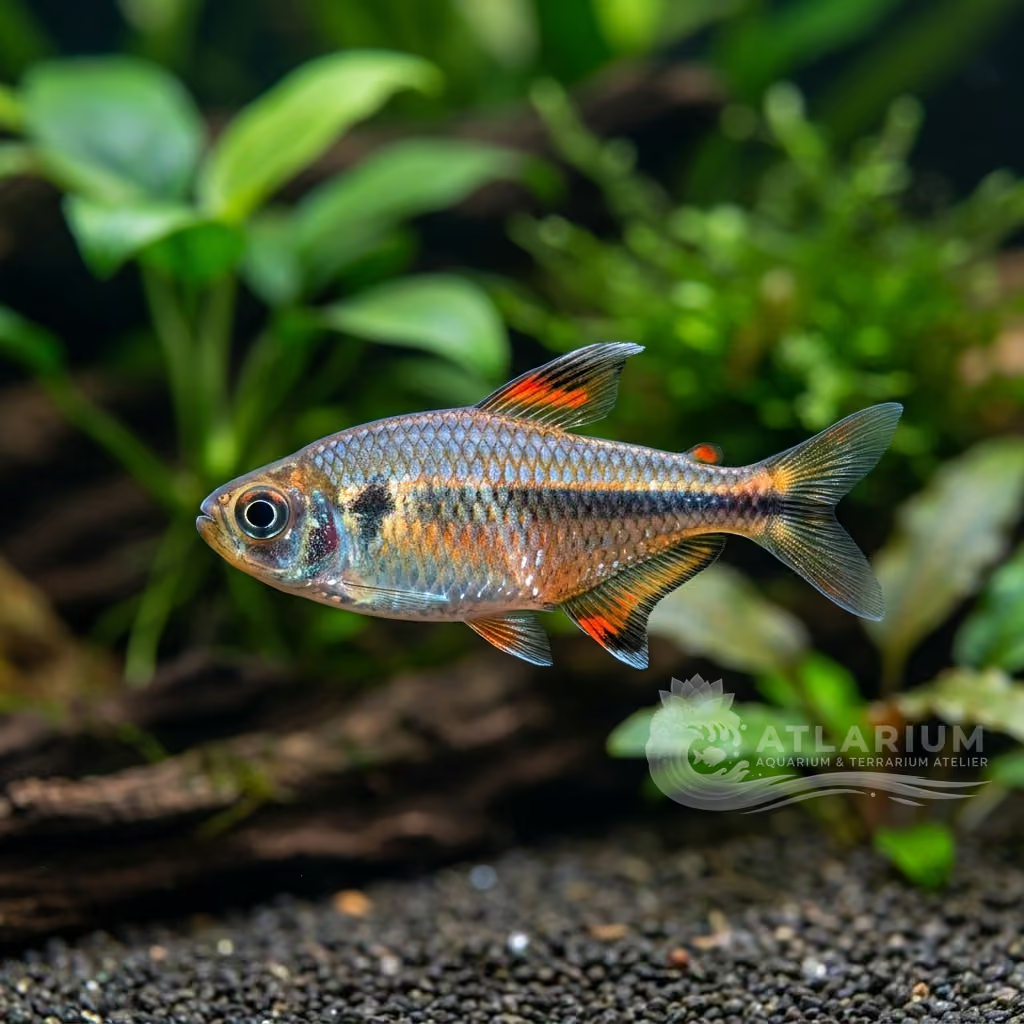
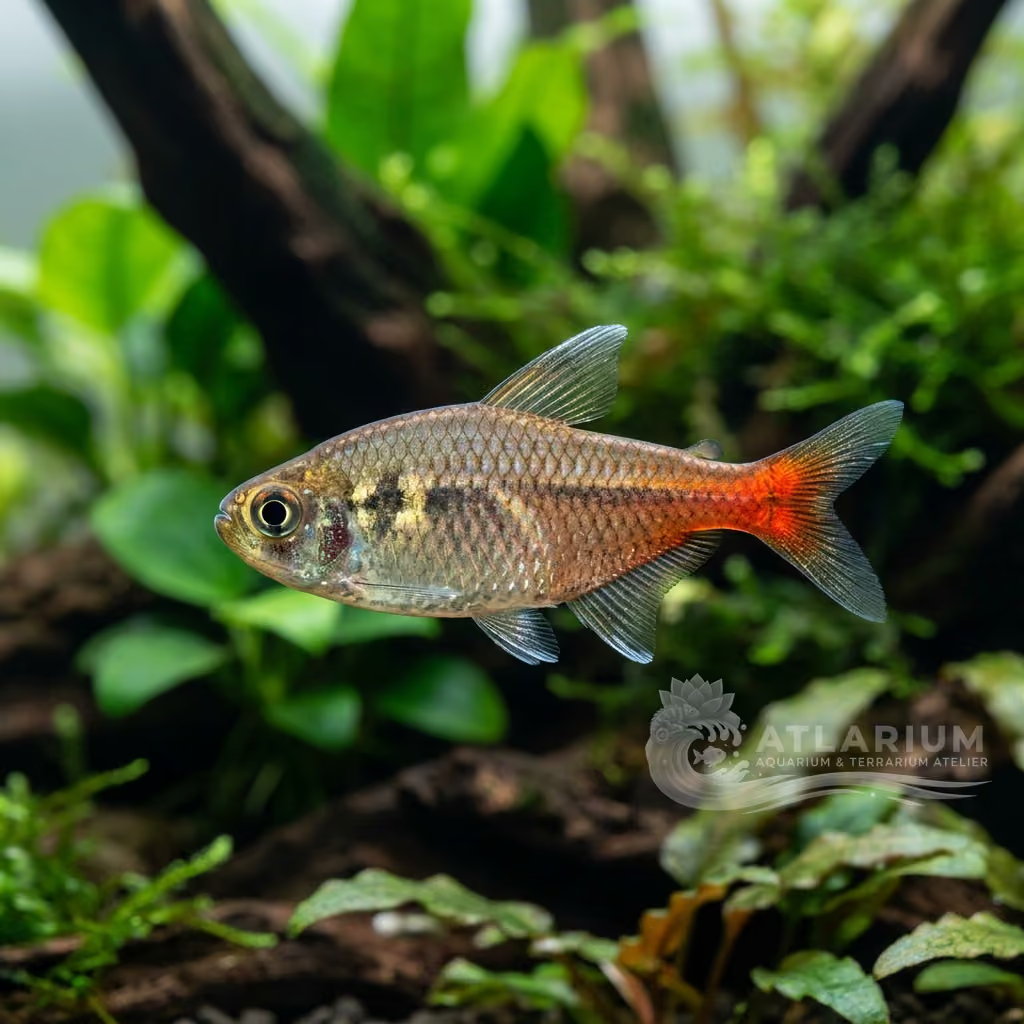
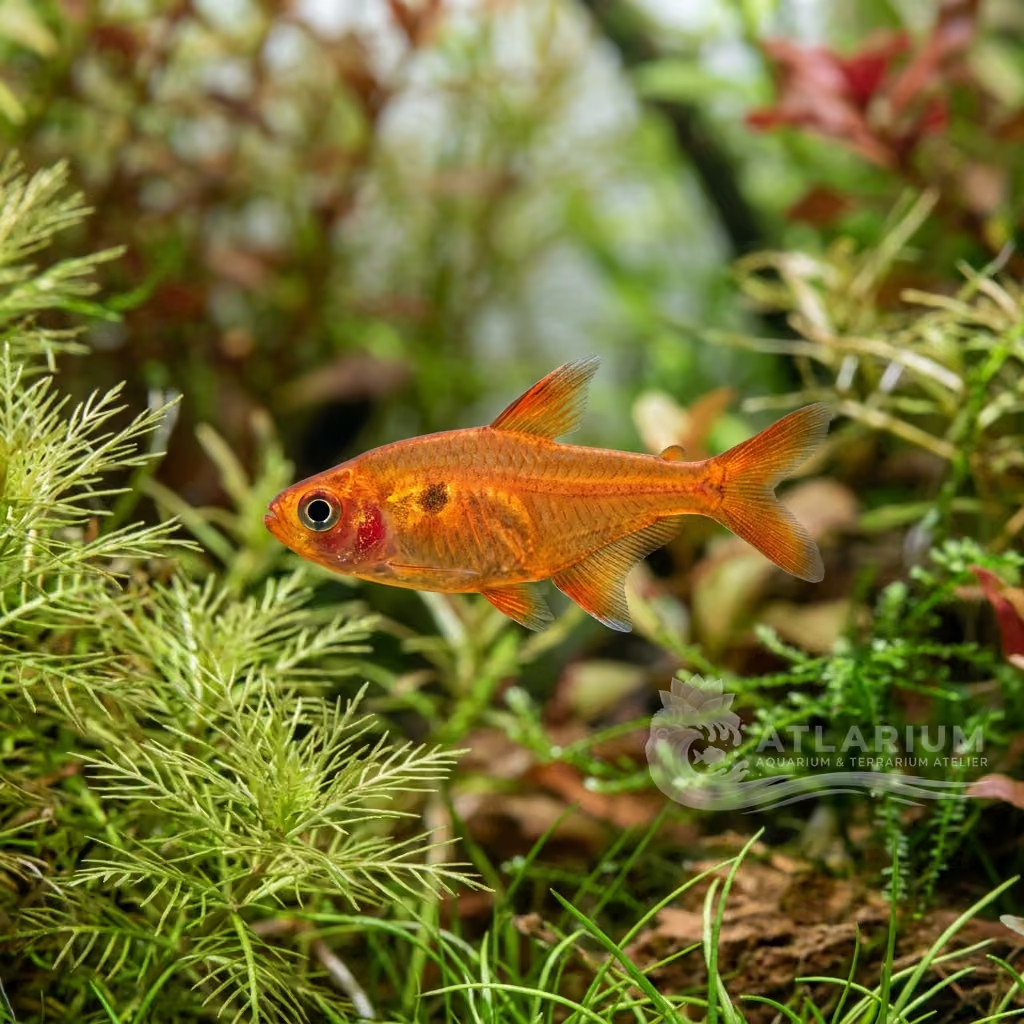
Coloration and Sexual Dimorphism: Colour and shape can vary with age, sex, physiological state and environmental conditions. Identification and sexing require recognized species-level characters; one appearance or photograph is not enough.

Care, breeding and tankmates
Aquarium Setup: Cardinal Tetra needs an aquarium of at least 80 litres, sized for adult body size and a minimum group of 10 individuals. Filtration, shelter and swimming room must match the species and the actual number kept. Volume alone does not make an enclosure suitable: tank shape and length, usable area, oxygenation and the ability to separate territories must reflect adult behaviour.
Diet and Feeding: The recorded diet is omnivorous. Offer appropriately sized foods varied within that category, and adjust quantity and frequency from actual intake, body condition and leftovers. One food or a fixed schedule is not suitable for every age and situation.
Water Quality: Maintain stable, well-oxygenated water appropriate to a freshwater species; the card's reference values are 25–30 °C, pH 4–6.5. Verify conditions with reliable tests and size maintenance and filtration to the actual load. Ranges are not automatic thresholds for treatment or rapid chemical correction.
Compatibility and Cohabitation: The cohabitation profile is suitable for a compatible community, with a generally peaceful temperament. Keep at least 10 individuals; tankmates, stocking density and decor must allow escape, rest and feeding without excessive competition. Watch interactions especially during feeding, maturity and breeding. Persistent chasing, injury or exclusion from food requires a change in stocking or layout, or separation of the animals.
Aquarium Breeding: The recorded reproductive profile is “egg scattering”. Breeding should be attempted only with healthy adults, separation capacity and a plan for eggs or young. Do not treat unverified triggers, sex ratios or hatch times as universal for this species.
Risks and Diseases: Prevent problems through quarantine of new arrivals, stable water, appropriate feeding and daily observation. Similar signs can have different causes, so check parameters, history and diagnosis before medication. Follow the product label and qualified aquatic-veterinary advice; there is no universal reduced dose for a species or family.

Geographic origin and distribution
A freshwater species; the enclosure should provide stability, oxygenation, space and shelter consistent with its behaviour without turning one habitat description into a mandatory recipe.
Origin
Amazon, Orinoco, and Guianas

Fish profile
- Temperament
- Peaceful
- Cardinal Tetra has a generally peaceful temperament. Insufficient space, an unsuitable social ratio or incompatible tankmates can substantially change observed behaviour.
- Diet
- Omnivore
- They are omnivorous micro-predators in the wild. In the aquarium, they accept crushed flakes and micro-pellets. Supplement with live or frozen daphnia for optimal health.
- Life expectancy
- 5 years
- Adult size
- 5 cm
- Sex ratio
- School
- Cardinal Tetra is gregarious and should be kept in a school. The reference minimum is 10 individuals and must not be read as permission to overcrowd the aquarium.
- Feeding frequency
- Twice daily
- Feed them small amounts once or twice a day. Provide only what they can consume within two minutes. Overfeeding can quickly pollute their small environment.
- Bioload
- Low
- These small tetras have a very low bioload. They generate minimal waste in the aquarium. Standard filtration is usually more than enough.
- Flow
- Stagnant
- They prefer gentle to moderate water flow. Harsh currents can exhaust these small fish and cause stress. A sponge filter creates an ideal slow-moving environment.
- Jump risk
- No
- Reproduction
- Egg scatterer
- They are egg scatterers providing no parental care. Breeding requires very soft, acidic water and dim lighting. Parents will consume their own eggs if not separated.
- Compatibility & tankmates
- Community
- The cohabitation profile is suitable for a compatible community, with a generally peaceful temperament. Keep at least 10 individuals; tankmates, stocking density and decor must allow escape, rest and feeding without excessive competition. Watch interactions especially during feeding, maturity and breeding. Persistent chasing, injury or exclusion from food requires a change in stocking or layout, or separation of the animals.
- Tank level
- Middle
- These tetras swim in the middle levels of the water. They appreciate open swimming areas and dense vegetation. They rarely venture to the absolute surface or bottom.

Scientific Parameters & Models
FishBase
Window to the official scientific data of the species
FishBase v25.04Data synced on: 06/15/2026
- Trophic level
- 3.3 ± 0.39 se
- Resilience
- High (less than 15 months)
- Phylogenetic uniqueness (PD50)
- 0.625
- Bayesian Length-Weight
- a = 0.01122, b = 3.07
- VulnerabilityLow vulnerability (10 / 100)

Image gallery
Licensed images linked to the species or, when marked, to the closest representative taxon.

Related species
Recommendations grouped by close relatives, companion choices, and similar care.