Axelrod's Bloodfin Tetra
Brittanichthys axelrodi
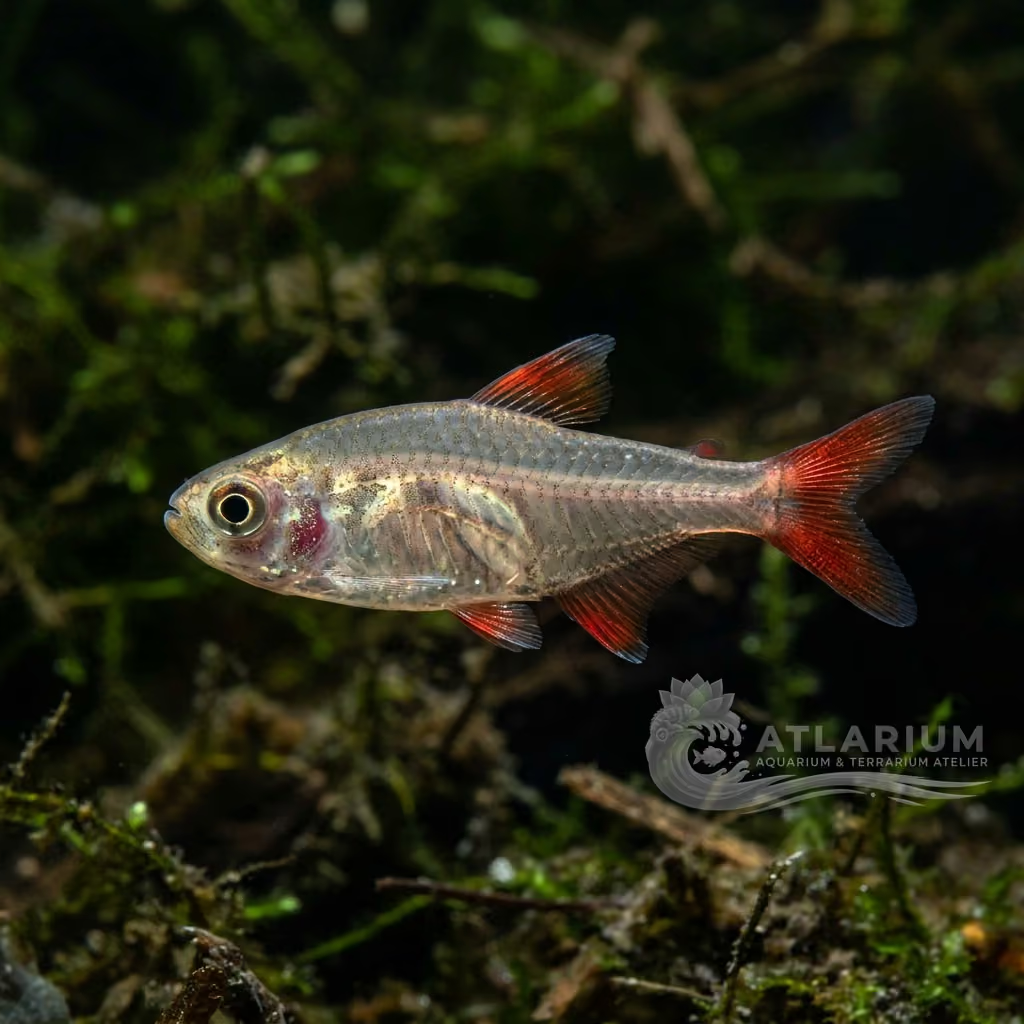
Ethereal micro-characin with a translucent reddish/pinkish livery. Males present a bizarre and elongated structure on the caudal scales, one of a kind, suitable for sperm transfer.
Water Temperature
24 - 28 °C
pH Value
5 - 6.5
Water type
Freshwater
Tank level
Surface and middle
Adult size
3 cm
Minimum tank volume
>= 60 L
Minimum group
10 - 12
GH
1 - 5 dGH
KH
1 - 4 dKH
TDS
25 - 115 ppm
Conductivity
39 - 180 uS/cm

Species description
Geographical Origin and Habitat: Rio Negro basin in Brazil and Orinoco in Venezuela/Colombia. Inhabits dark forest streams (blackwater) and flooded forests (Igapó) rich in plant organic matter.
Taxonomy and Morphology: Axelrod's Bloodfin (Brittanichthys axelrodi). Dwarf characin (max 3 cm / 1.2 inches). It is one of the fish with the most pronounced male dimorphism: they possess a complex, hook-shaped (or spine-like) caudal gland protruding from the base of the fin.
Social Behavior: Peaceful, but often frightened. A school of at least 10-12 specimens is essential. Males engage in frequent "displays" puffing their fins to intimidate each other or to court females.
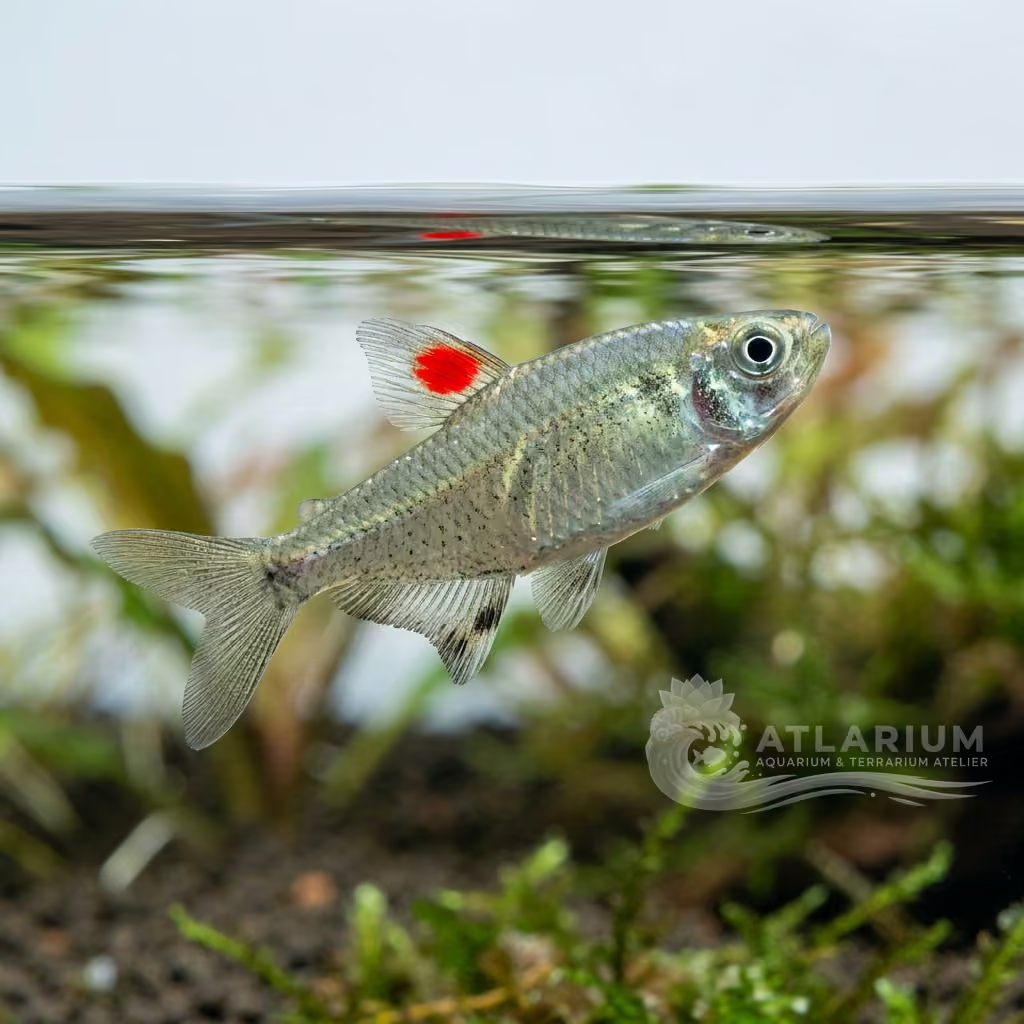
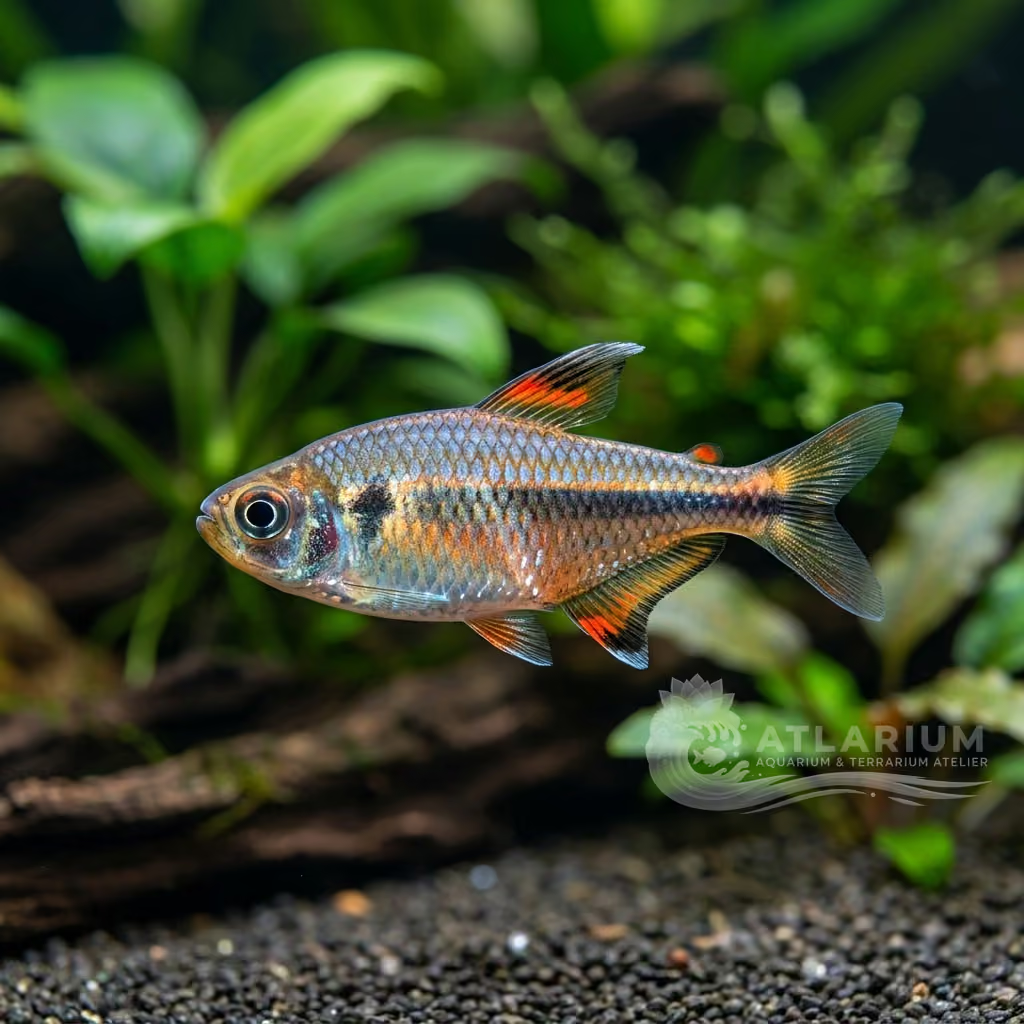
Coloration and Sexual Dimorphism: Olive-gray to translucent body. The name "bloodfin" comes from the blood-red bases of the dorsal, anal and caudal fins. Females lack the complex glandular hook (caudal hook) typical of males.

Care, breeding and tankmates
Aquarium Setup: Minimum 60 cm (24 inches). A very strict blackwater biotope is ideal: fine silica sand, twisted branches, a dense carpet of dry leaves (Catappa or Oak) to release humic acids. Very weak light and floating plants are mandatory.
Diet and Feeding: Micropredators. They often disdain industrial dry feeds at first. Wean them with vinegar eels, brine shrimp nauplii, copepods (Cyclops) and live or frozen daphnia to ensure long-term health.
Water Quality: Fragile and delicate. Does not tolerate nitrogenous pollutants or hard waters at all. Needs a very acidic pH (5.0-6.5) and minimum conductivity (GH 1-5). Well-matured water and regular changes with osmosis.
Compatibility and Cohabitation: Easily overwhelmed by frantic companions. Insert only with other placid nano-characins (e.g. Tucanoichthys, dwarf Nannostomus), pygmy Corydoras and Otocinclus.
Aquarium Breeding: The exact role of the males' caudal hook is a mystery, but presumably serves to hold the female. Spawning occurs by releasing eggs randomly in very dark waters. Raising is very difficult due to the smallness of the fry.
Risks and Diseases: Most specimens are wild-caught. They heavily suffer the stress of transport and adaptation to tap water: rigorous quarantine recommended.

Geographic origin and distribution
Rio Negro basin in Brazil and Orinoco in Venezuela/Colombia. Inhabits dark forest streams (blackwater) and flooded forests (Igapó) rich in plant organic matter.
Origin
Tropical oceans and reefsAmazon, Orinoco, and Guianas

Fish profile
- Temperament
- Semi-aggressive
- This species is generally peaceful but is exceptionally shy and easily intimidated by larger or more active fish. Males can exhibit minor territorial behavior and bickering amongst themselves, though this rarely results in injury if kept in a large school. Because of their delicate nature and specialized environmental needs, they are best suited for species-only aquariums. In such setups, they display their natural behaviors, swimming dynamically in tight schools rather than hiding in the plants.
- Diet
- Carnivore
- Axelrod's Bloodfin Tetra is a micro-predator that feeds on tiny invertebrates, zooplankton, and insect larvae in the wild. In captivity, they can be finicky eaters and may initially refuse dried flakes or pellets. It is highly recommended to feed them live or high-quality frozen foods like Artemia nauplii, Cyclops, and Daphnia during their acclimatization phase. Once settled, they may gradually accept finely crushed high-quality dry foods, but live and frozen fare should remain a significant portion of their diet.
- Life expectancy
- 3-5 years
- Adult size
- 3 cm
- Sex ratio
- Group
- While specific sex ratios are not strictly defined for keeping Axelrod's Bloodfin Tetra, they should always be housed in groups of at least 10 to 12 individuals. Males are distinguished by specialized hooks on their anal fins and are known to engage in minor squabbles to establish territory, which is easily managed in a larger school. A balanced mix of males and females is ideal to promote natural schooling and spawning behaviors. Keeping them in small numbers can lead to stress and severe shyness.
- Feeding frequency
- Twice daily
- Due to their small size and high metabolism, Axelrod's Bloodfin Tetras should be fed small portions several times a day. Two to three daily feedings are ideal, ensuring that all food is consumed within a few minutes to prevent water quality degradation. Providing food in small quantities also ensures that less competitive individuals get a chance to eat. Overfeeding must be carefully avoided, as any uneaten food will quickly spoil the delicate water parameters they require.
- Bioload
- Low
- Axelrod's Bloodfin Tetra is a miniature species with a very low biological footprint due to its tiny adult size of 2 to 3 cm. However, they are highly sensitive to build-ups of organic waste and nitrogenous compounds, which means robust filtration and frequent, small water changes are critical to maintaining pristine conditions. Blackwater conditions, facilitated by peat or leaf litter, help support their immune systems and control pathogen levels. A mature, well-cycled biological filter is essential to keep them healthy.
- Flow
- Stagnant
- In their natural habitat within the Rio Negro basin, Axelrod's Bloodfin Tetras inhabit slow-moving tributaries and forest streams. Consequently, they prefer a weak to moderate water flow in the aquarium. Strong currents should be avoided as they can easily exhaust these miniature fish and cause them chronic stress. If the filter output is strong, it is highly recommended to use spray bars, pre-filter sponges, or dense wood and plant arrangements to break up and diffuse the flow.
- Jump risk
- Yes
- Axelrod's Bloodfin Tetra is an active and somewhat nervous species that can easily jump out of the aquarium if startled or stressed. To prevent accidental escapes, a tight-fitting lid or cover slides are absolutely necessary. The risk of jumping is higher during acclimatization, water changes, or when the aquarium lights are suddenly switched on or off. Providing floating plants can help reduce this risk by creating a natural barrier and making the fish feel more secure.
- Reproduction
- Oviparous
- Breeding Axelrod's Bloodfin Tetra in captivity is considered highly challenging due to their unique reproduction method. This species is an "inseminating" characin, where males use specialized hooks on their anal fins to transfer sperm directly to the female's body for internal fertilization. Spawning requires extremely soft, highly acidic water (pH below 5.0) and a quiet, densely planted breeding tank. After laying eggs, the parents should be removed immediately, and the tiny fry must be fed microscopic foods like infusoria or paramecia.
- Compatibility & tankmates
- Species only
- Due to their miniature size, extreme shyness, and strict water quality requirements, Axelrod's Bloodfin Tetra is not recommended for a general community tank. They are best kept in a species-only environment where they feel secure and can swim freely in a large school. If tankmates are desired, only very small, peaceful, and non-threatening species should be selected, such as pygmy corydoras, small pencilfish, or dwarf rasboras. Larger or highly active fish will easily outcompete them for food and cause severe stress.
- Tank level
- Top/Middle
- Axelrod's Bloodfin Tetra typically occupies the middle to upper levels of the water column, where they actively swim and search for food. They appreciate a tank setup with plenty of floating plants or overhanging vegetation to provide shade and security in these upper regions. Well-chosen decor and low lighting will encourage them to venture out from hiding and explore the open swimming areas. Strong, direct overhead lighting should be avoided as it can cause them to retreat to lower, darker parts of the tank.

Scientific Parameters & Models
FishBase
Window to the official scientific data of the species
FishBase v25.04Data synced on: 06/15/2026
- Trophic level
- 3.1 ± 0.4 se
- Resilience
- High (less than 15 months)
- Phylogenetic uniqueness (PD50)
- 0.75
- Bayesian Length-Weight
- a = 0.01122, b = 3.07
- VulnerabilityLow vulnerability (10 / 100)

Related species
Recommendations grouped by close relatives, companion choices, and similar care.