

Encyclopaedia
Ruby tetra
Axelrodia riesei
A micro-characin of translucent ruby color that seems to glow from within under the right lighting. At 1.5–3 cm adult size, native to Colombia's upper Río Meta basin, it is one of the world's smallest aquarium fish. In schools of 10 or more in a mature tank with amber water and dark substrate, the visual effect is extraordinary — a shimmer of living gems. More sensitive than the average tetra: it requires soft, stable water free of nitrogenous compounds. Lives up to 3 years with proper care.
Share
Check out Ruby tetra on Atlarium
22 - 28 °C
5 - 6.5
Freshwater
Bottom and middle
2 cm
>= 40 L
>= 10
1 - 5 dGH
1 - 2 dKH
25 - 95 ppm
39 - 148 uS/cm
Species description
Care, breeding and tankmates
Geographic Origin and Distribution
Origin
Fish profile
- Temperament
- Territorial
- Diet
- Omnivore
- Life expectancy
- 3-5 years
- Sex ratio
- Group
- Feeding frequency
- TWO_THREE_DAILY
- Bioload
- Low
- Flow
- Strong
- Jump risk
- Yes
- Reproduction
- Oviparous
- Compatibility & tankmates
- Peaceful
- Tank level
- Middle/Bottom
Window to the official scientific data of the species
Scientific Parameters & Models
- Trophic level
- 3 ± 0.4 se
- Resilience
- High (less than 15 months)
- Phylogenetic uniqueness (PD50)
- 0.75
- Bayesian Length-Weight
- a = 0.01122, b = 3.07
Image gallery
Licensed images linked to the species or, when marked, to the closest representative taxon.
Related species
Recommendations grouped by close relatives, companion choices, and similar care.
Variants and close relatives
Same atlas type, nearby scientific identity, genus, or family.
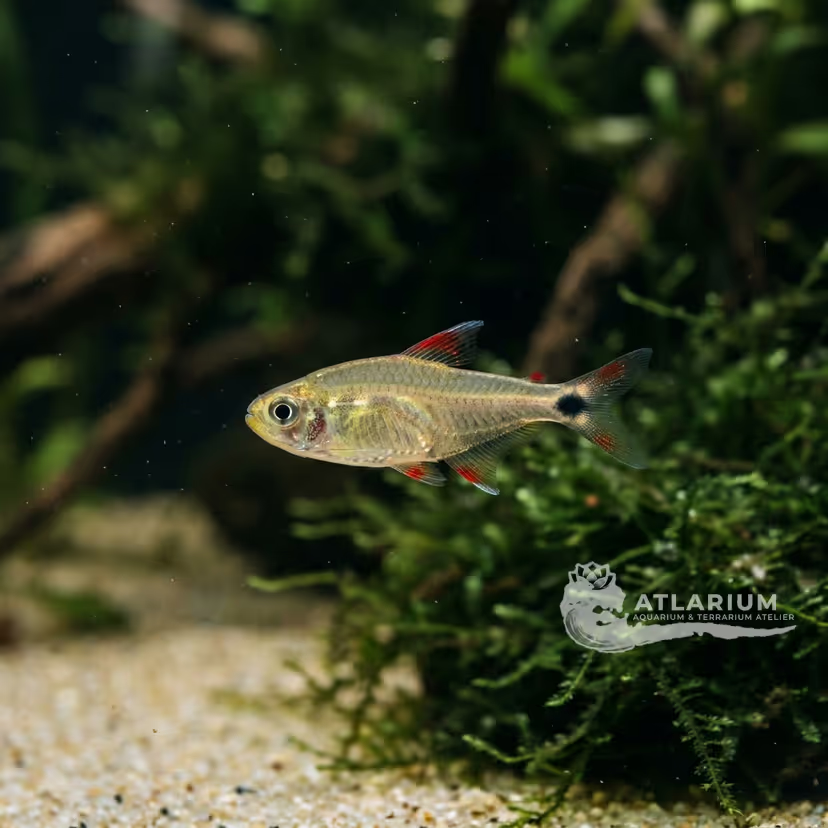
White star tetra
Axelrodia stigmatias

Axelrod's Bloodfin Tetra
Brittanichthys axelrodi
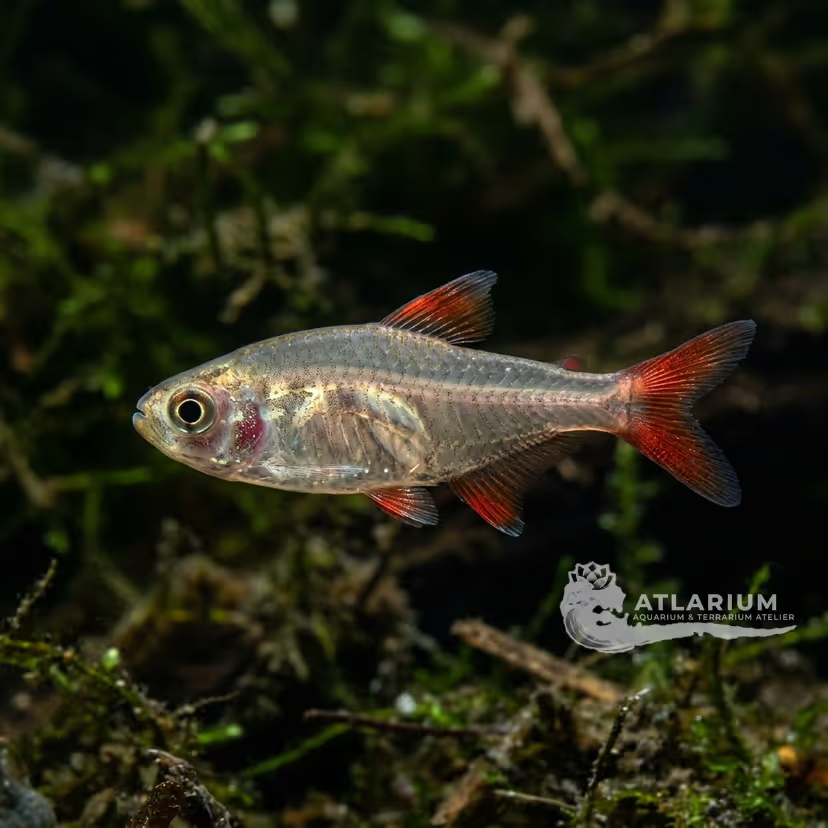
Myers' Bloodfin
Brittanichthys myersi

Blue-bellied Night Wanderer
Cyanogaster noctivaga
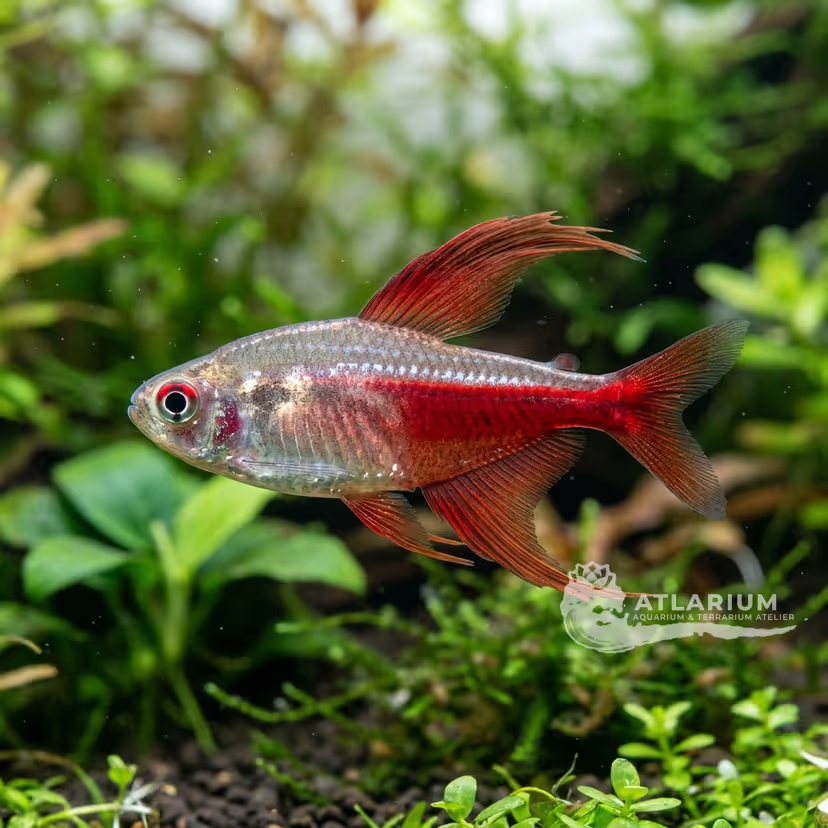
Red Sailfin Tetra
Hemigrammus coeruleus
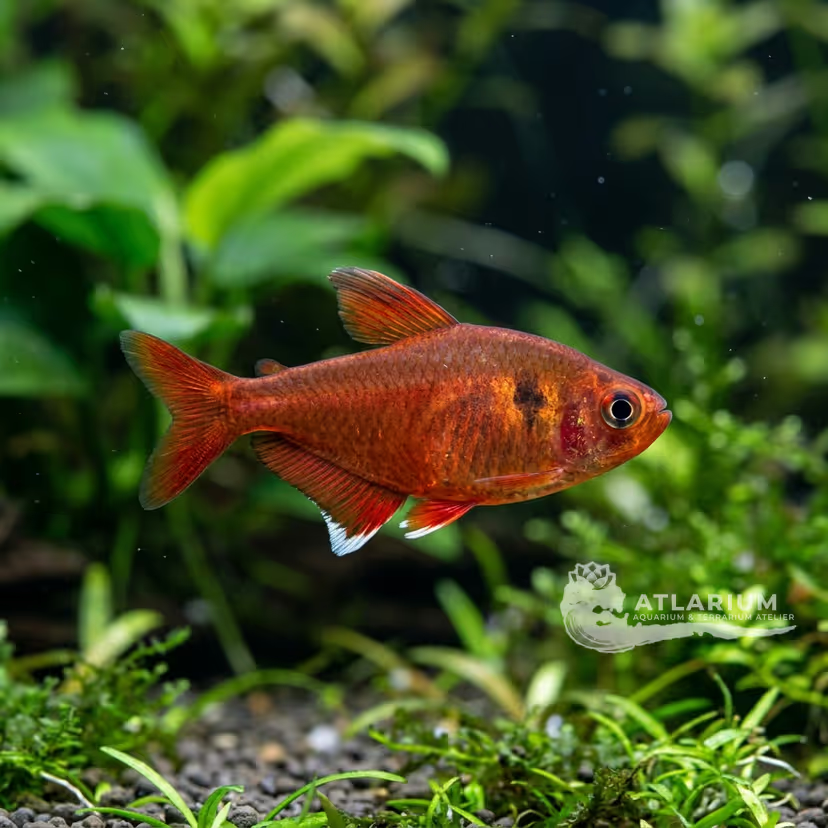
Copeland's Tetra
Hyphessobrycon copelandi
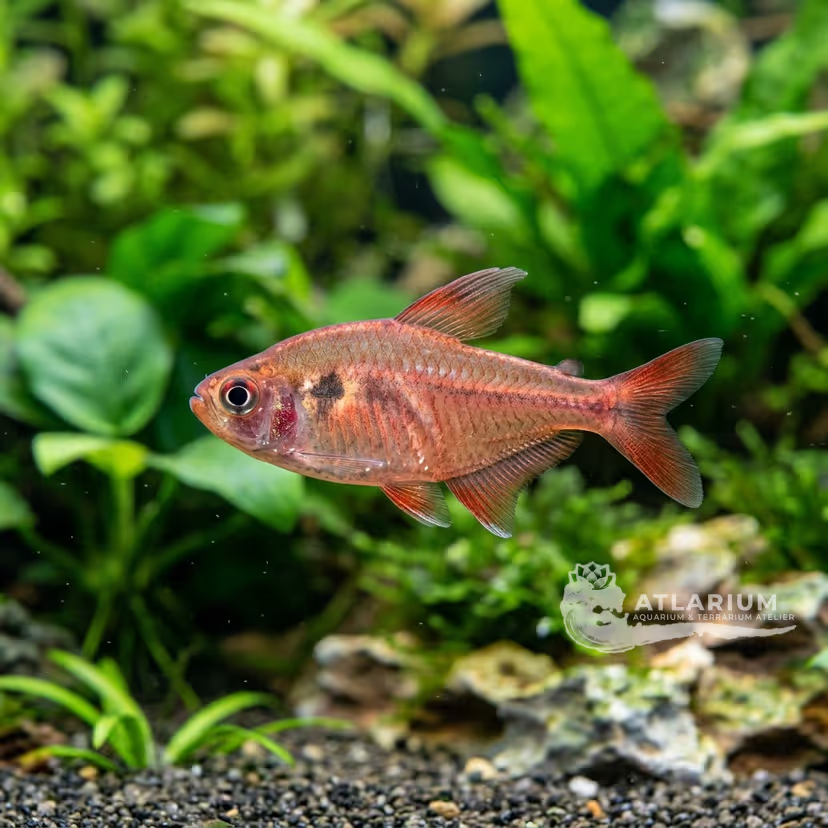
Georgette's Tetra
Hyphessobrycon georgettae
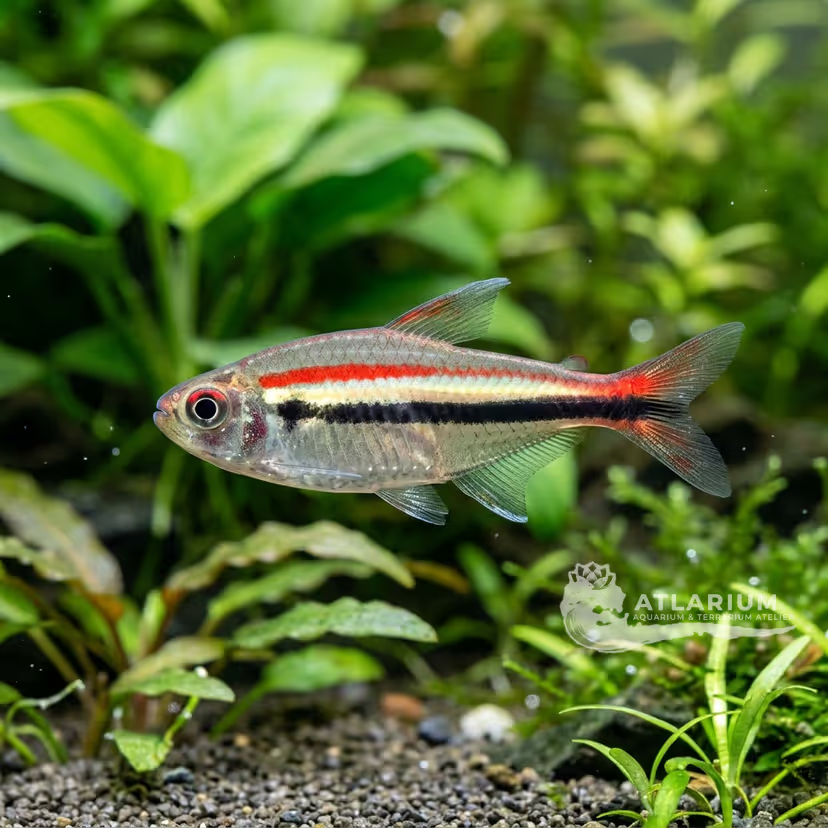
Flag Tetra
Hyphessobrycon heterorhabdus
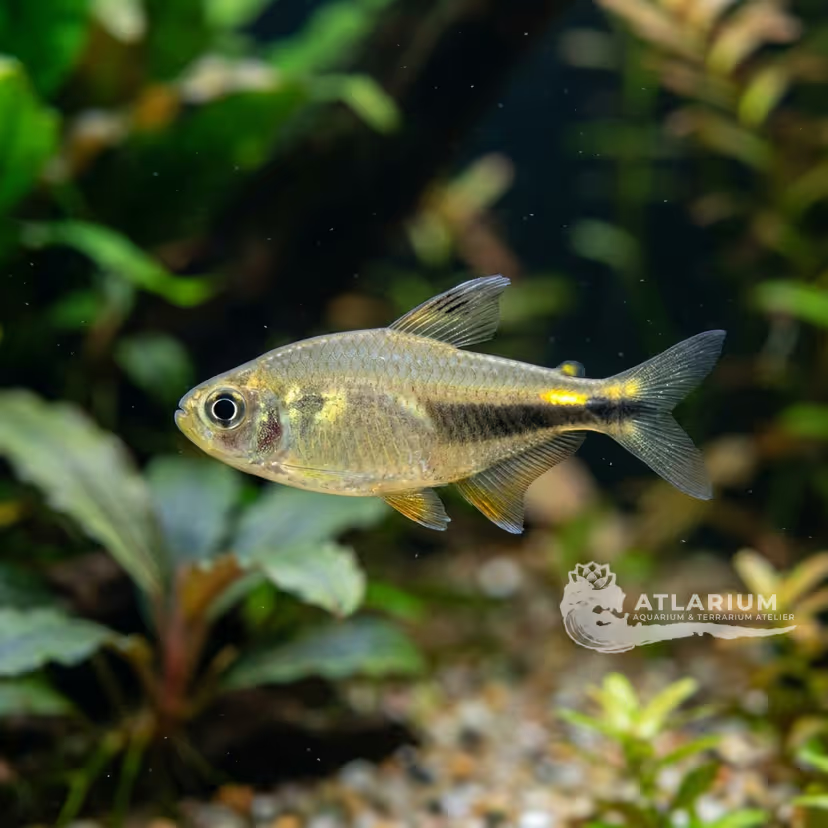
Meta Tetra
Hyphessobrycon metae

Epicharis Tetra
Hyphessobrycon epicharis

Agulha Tetra
Hyphessobrycon agulha
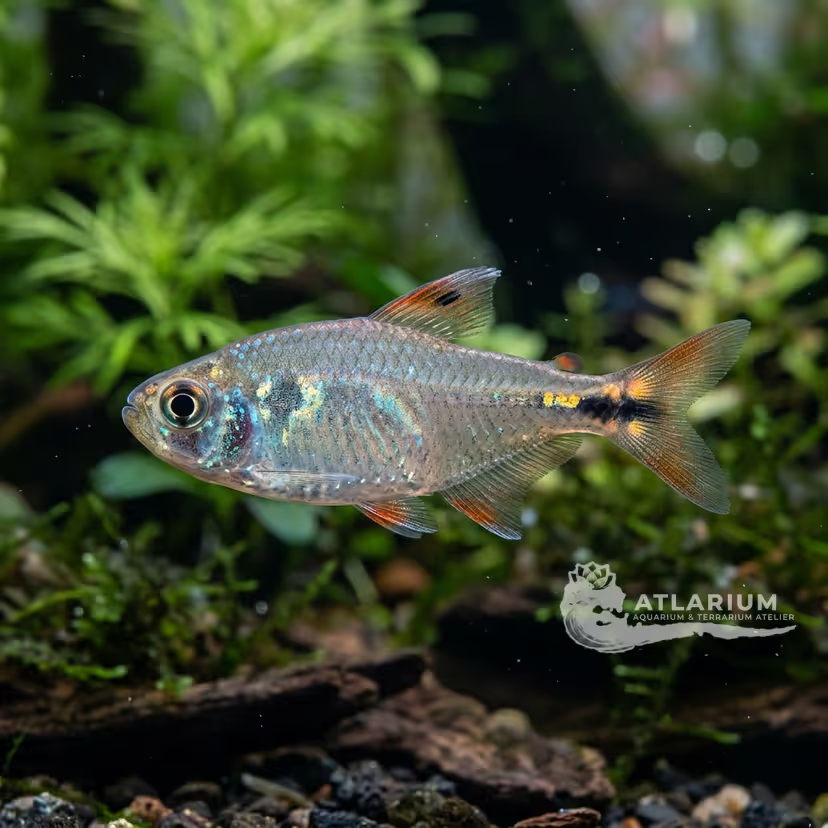
Diancema Tetra
Hyphessobrycon
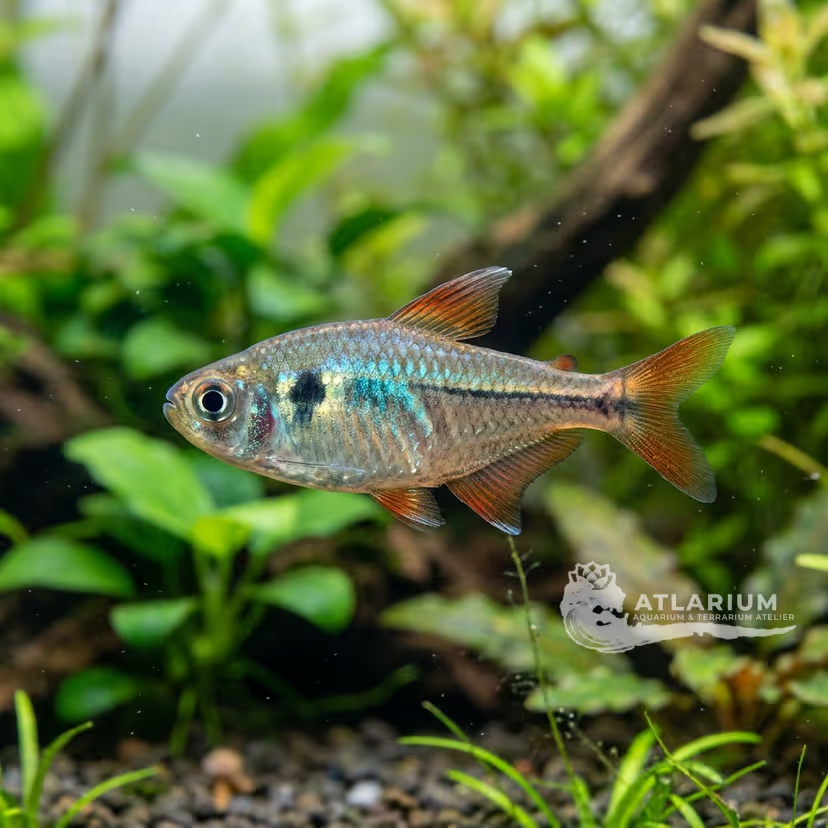
Mutabilis Tetra
Hyphessobrycon mutabilis
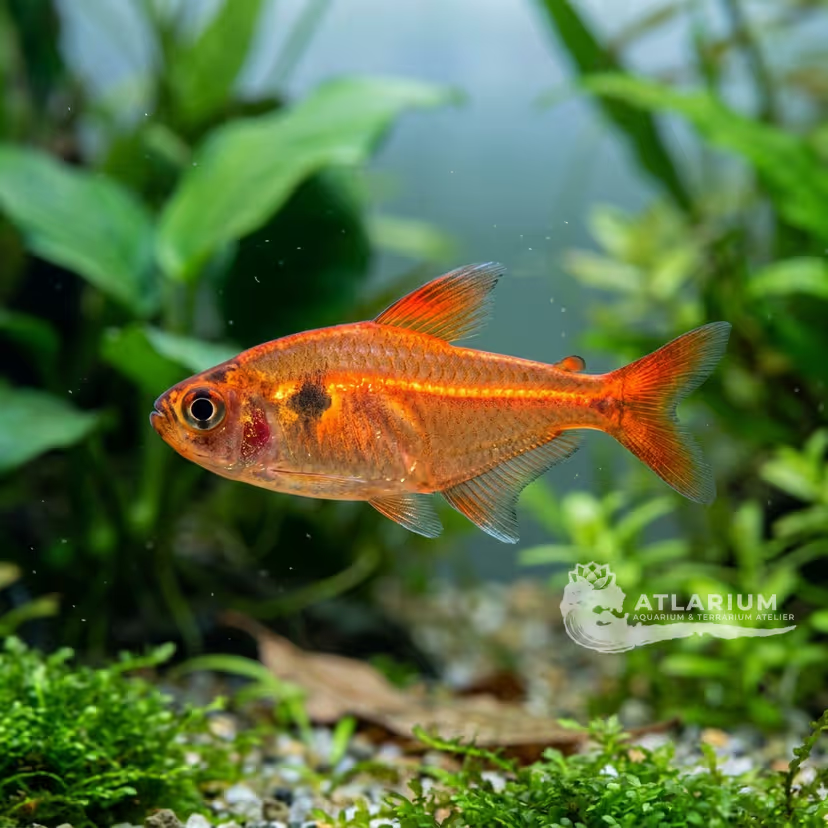
Socolof's Tetra
Hyphessobrycon socolofi
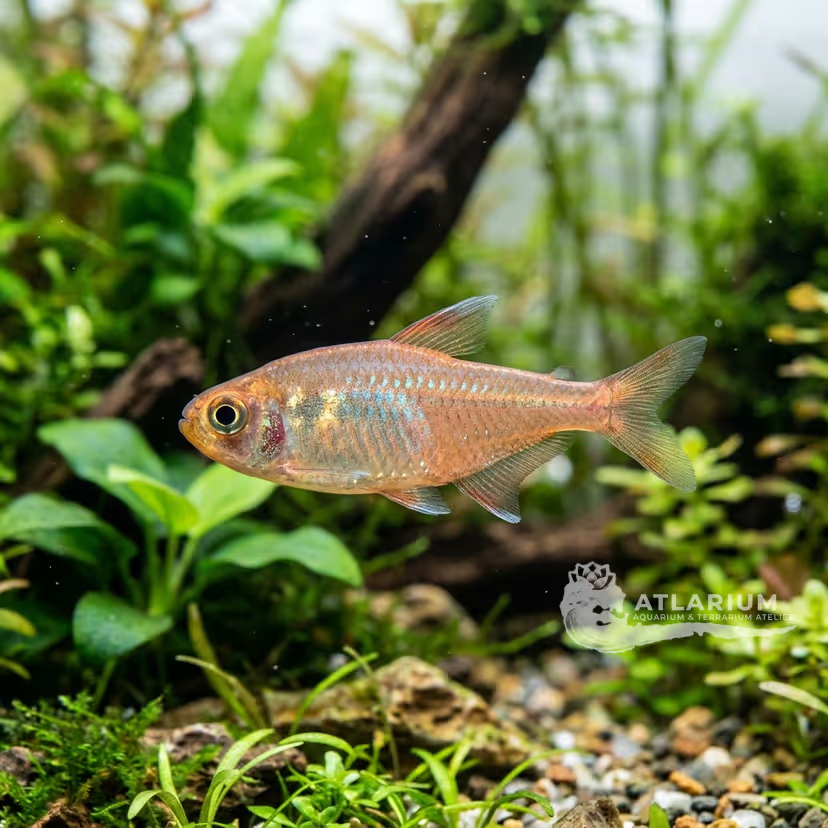
Vorderwinkler's Tetra
Hemigrammus vorderwinkleri

Flame tetra
Hyphessobrycon flammeus
Recommended companions
Compatible cards from coherent ecosystems with matching parameters.

Ammannia latifolia
Ammannia latifolia

Blyxa alternifolia
Blyxa alternifolia

Blyxa cf. vietii
Blyxa cf. vietii

Aldrovanda vesiculosa
Aldrovanda vesiculosa

Bacopa crenata
Bacopa crenata

Aciotis acuminifolia
Aciotis acuminifolia

Alternanthera reineckii "rosaefolia minor"
Alternanthera reineckii "rosaefolia minor"

Ammannia mauritiana
Ammannia mauritiana

Ammannia crassicaulis
Ammannia crassicaulis
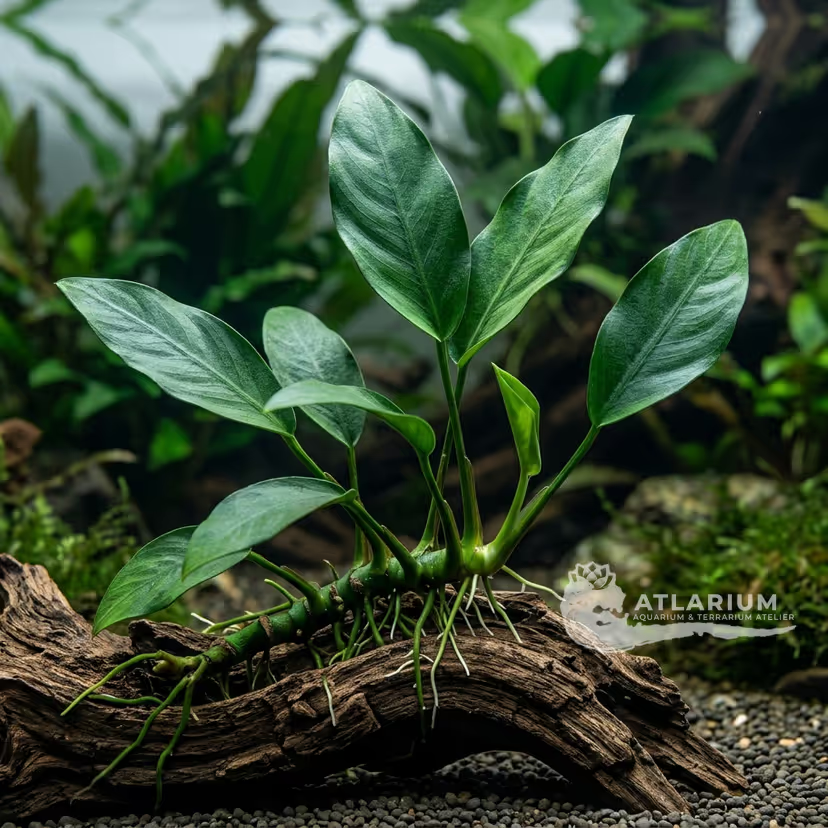
Anubias
Anubias barteri

Anubias nana
Anubias barteri var. nana

Anubias gracilis
Anubias gracilis
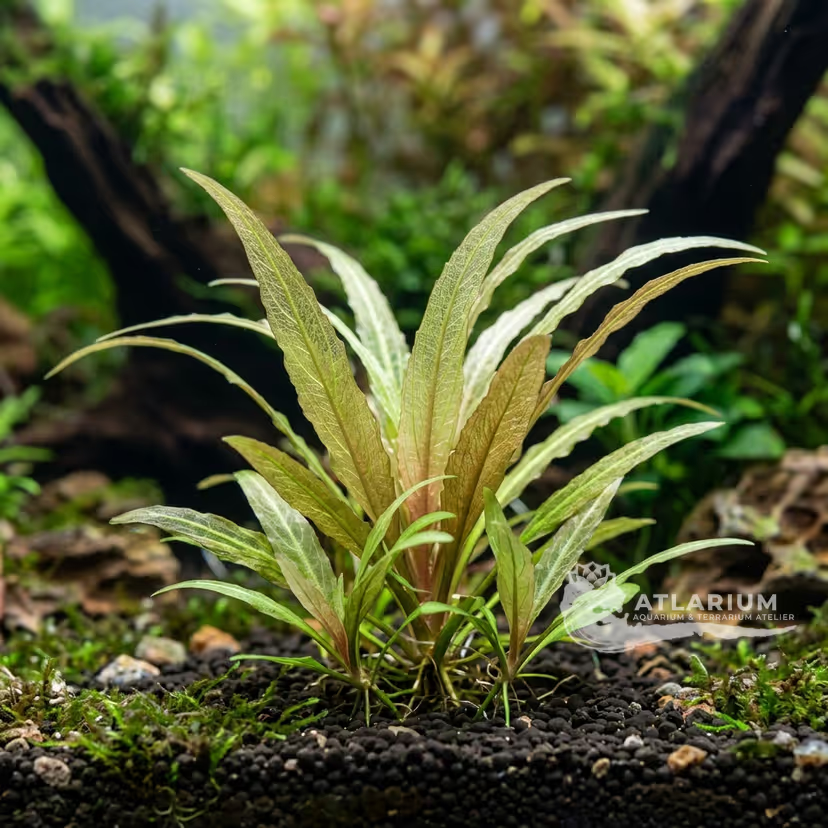
Blyxa japonica var. alternifolia
Blyxa japonica var. alternifolia

Ammannia sp. 'Bonsai'
Ammannia sp. 'Bonsai'

Bucephalandra motleyana "Braun-rot narrow"
Bucephalandra motleyana "Braun-rot narrow"

Bucephalandra motleyana "Riam Macam"
Bucephalandra motleyana "Riam Macam"
Similar care
Cards with similar requirements, difficulty, habitat, and husbandry profile.

Dawn tetra
Aphyocharax nattereri

Black neon tetra
Hyphessobrycon herbertaxelrodi

Blue-ribbon Tetra
Hyphessobrycon melanostichos
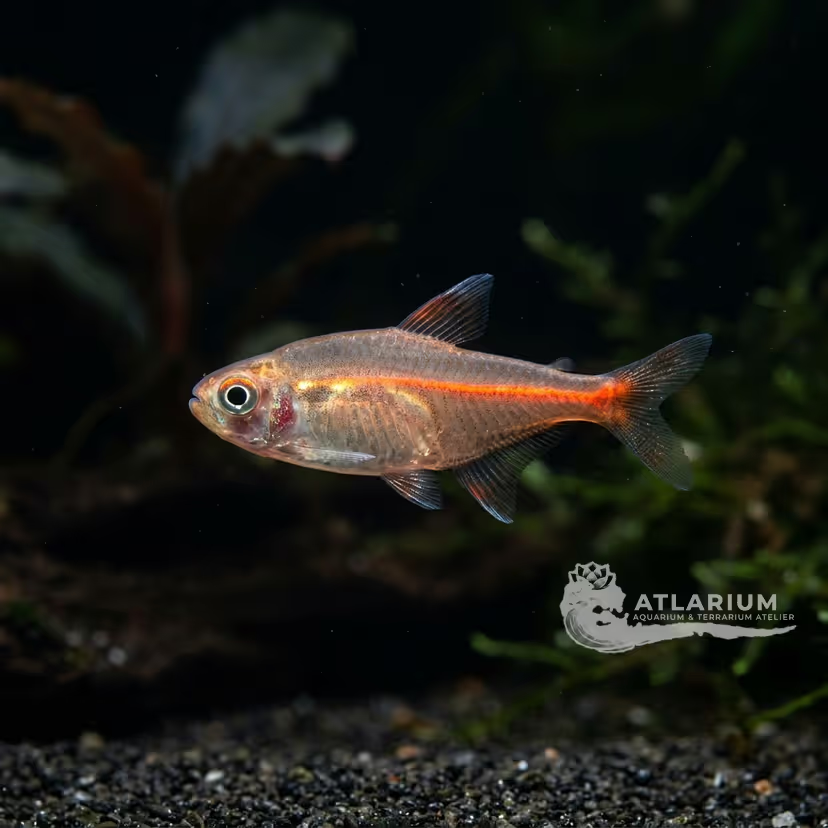
Glowlight tetra
Hemigrammus erythrozonus

Amapá tetra
Hyphessobrycon amapaensis
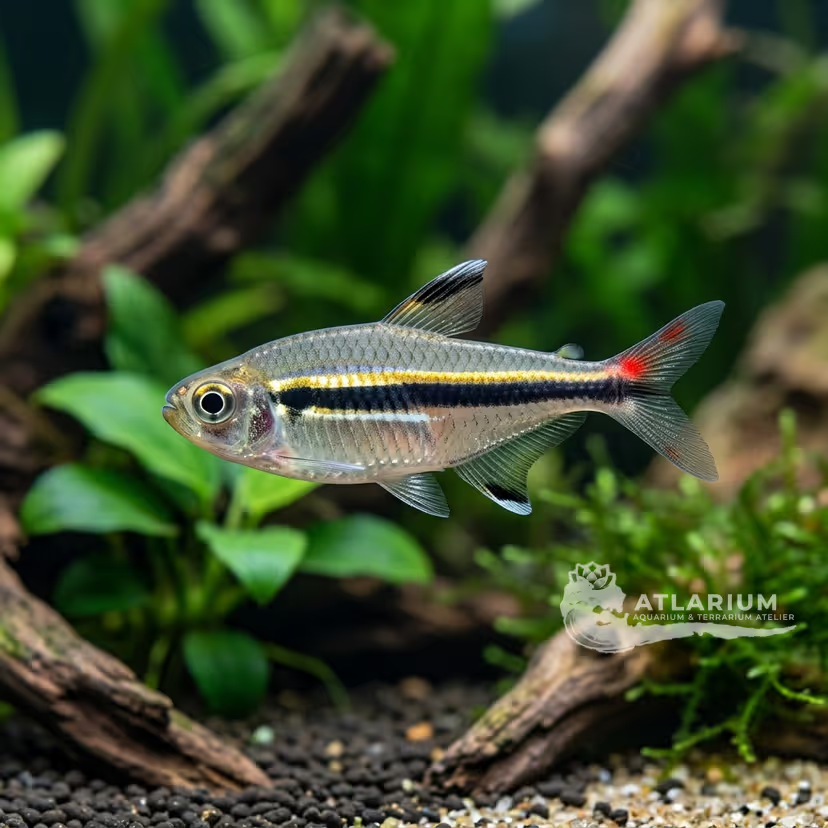
Ulrey's tetra
Hemigrammus ulreyi

Blueberry Tetra
Hyphessobrycon wadai
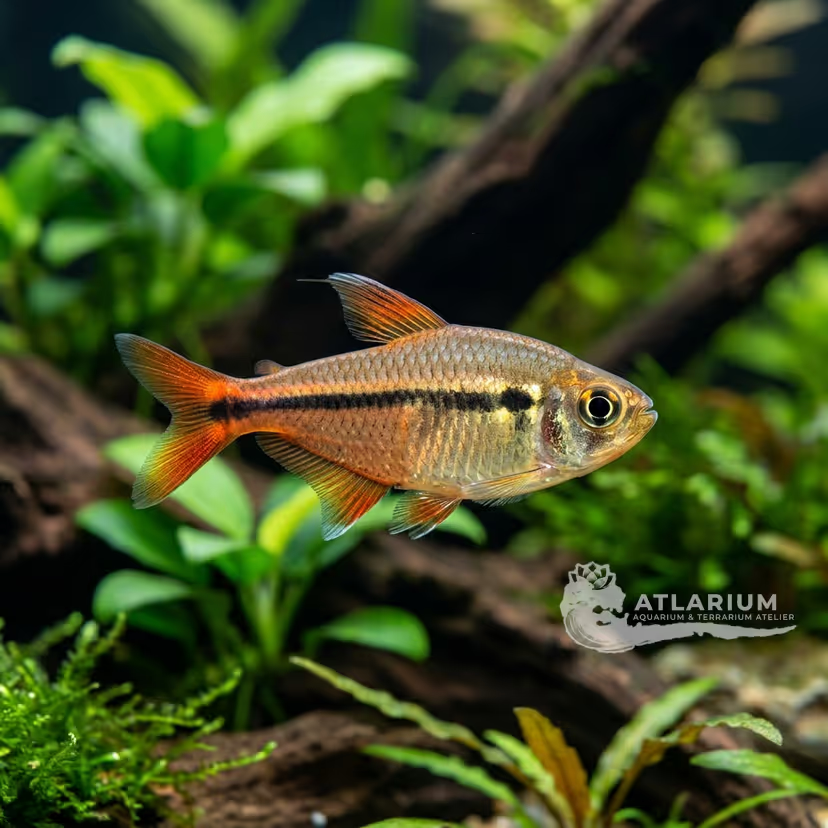
Langean's Tetra
Hyphessobrycon langeanii

Bleeding Heart Tetra
Hyphessobrycon erythrostigma
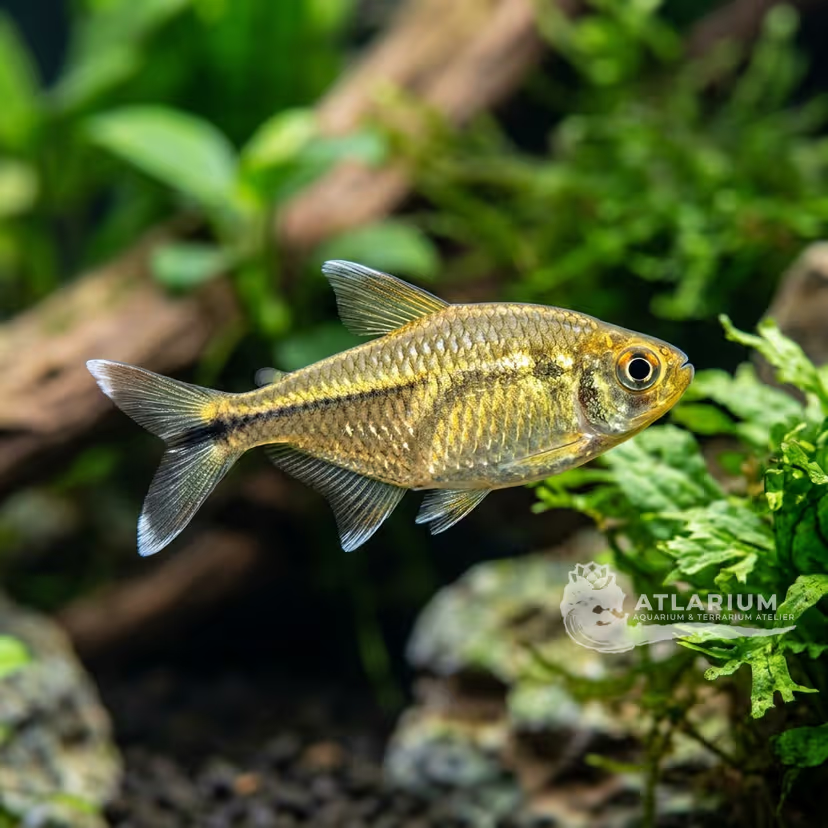
Gold Tetra
Hemigrammus rodwayi

Vilma's Tetra
Hyphessobrycon vilmae
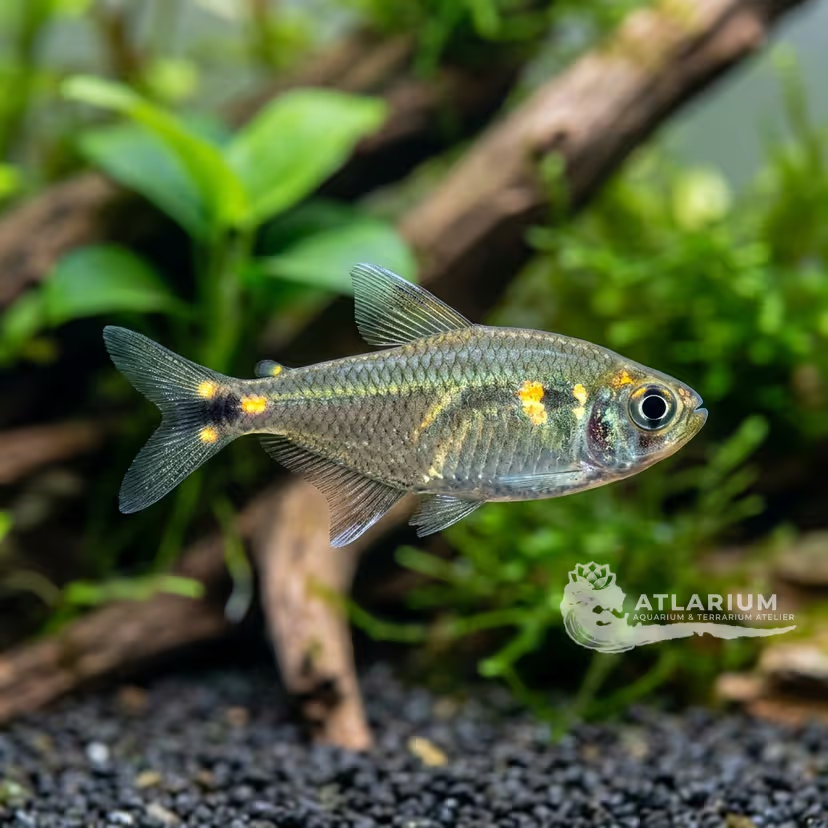
Head-and-tail Light Tetra
Hemigrammus ocellifer

Cochu's Blue Tetra
Boehlkea fredcochui
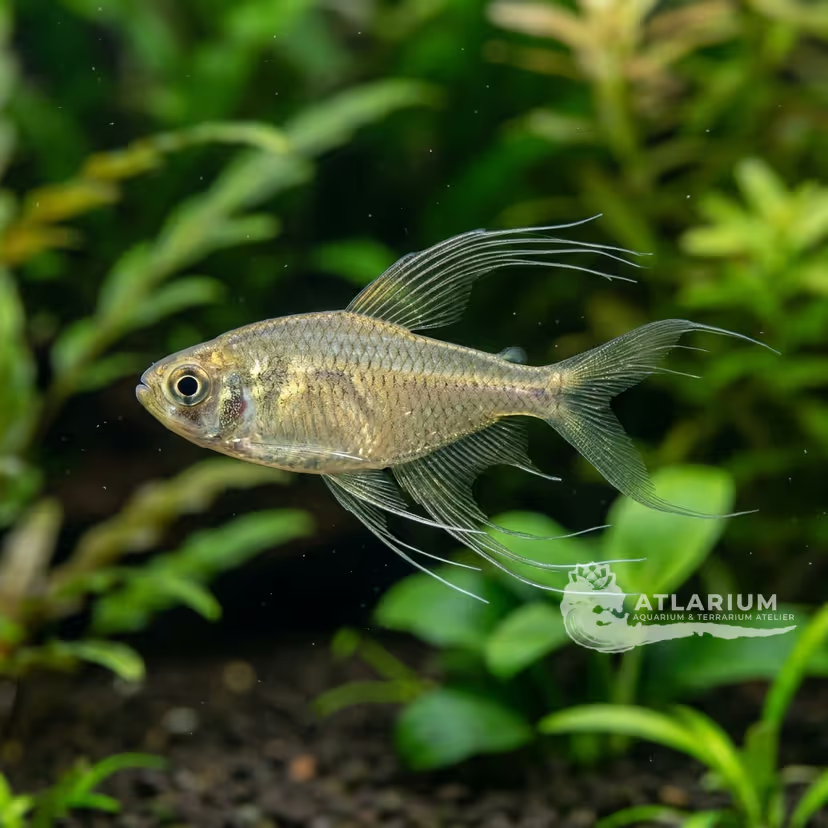
Phoenix Tetra
Hemigrammus filamentosus

Serpae Tetra (Red Minor Tetra)
Hyphessobrycon eques

Ecuador tetra
Hyphessobrycon ecuadoriensis