Xeruin tetra
Tyttobrycon xeruini
A rare, minuscule freshwater fish from the South American Characidae family. Extremely peaceful and shy, it is best appreciated in tranquil, heavily planted nano setups away from boisterous tankmates.
Water Temperature
24 - 28 °C
pH Value
5.5 - 7
Water type
Freshwater
Tank level
Bottom and middle
Adult size
2.5 cm
Minimum tank volume
>= 60 L
Minimum group
>= 6
GH
1 - 10 dGH
KH
1 - 3 dKH
TDS
25 - 180 ppm
Conductivity
39 - 281 uS/cm

Species description
Geographical Origin and Habitat: This species is native to the Amazon River basin in South America, with specimens collected primarily from the Xeruini River basin in Brazil. It inhabits slow-moving streams, small tributaries, flooded forests, and blackwater areas characterized by slow currents, dense leaf litter substrates, and acidic waters rich in dissolved tannins.
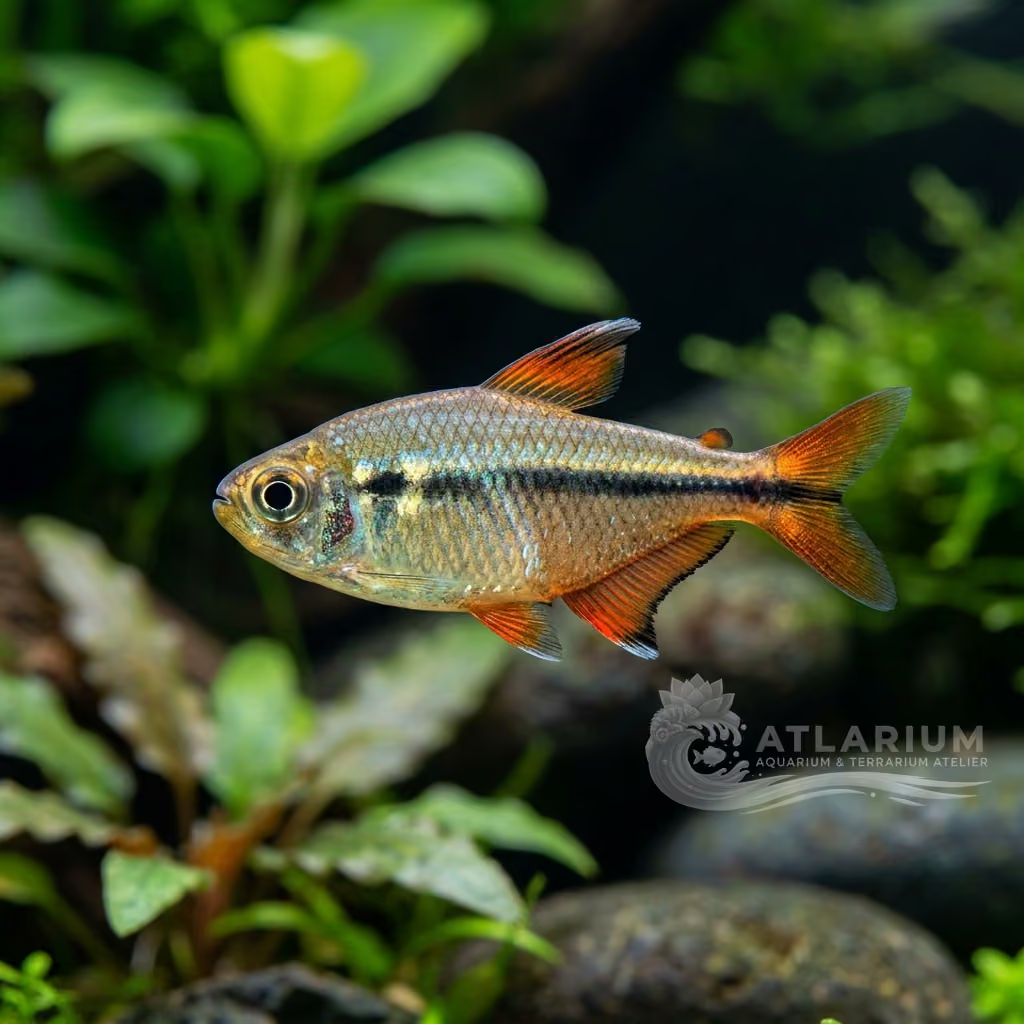
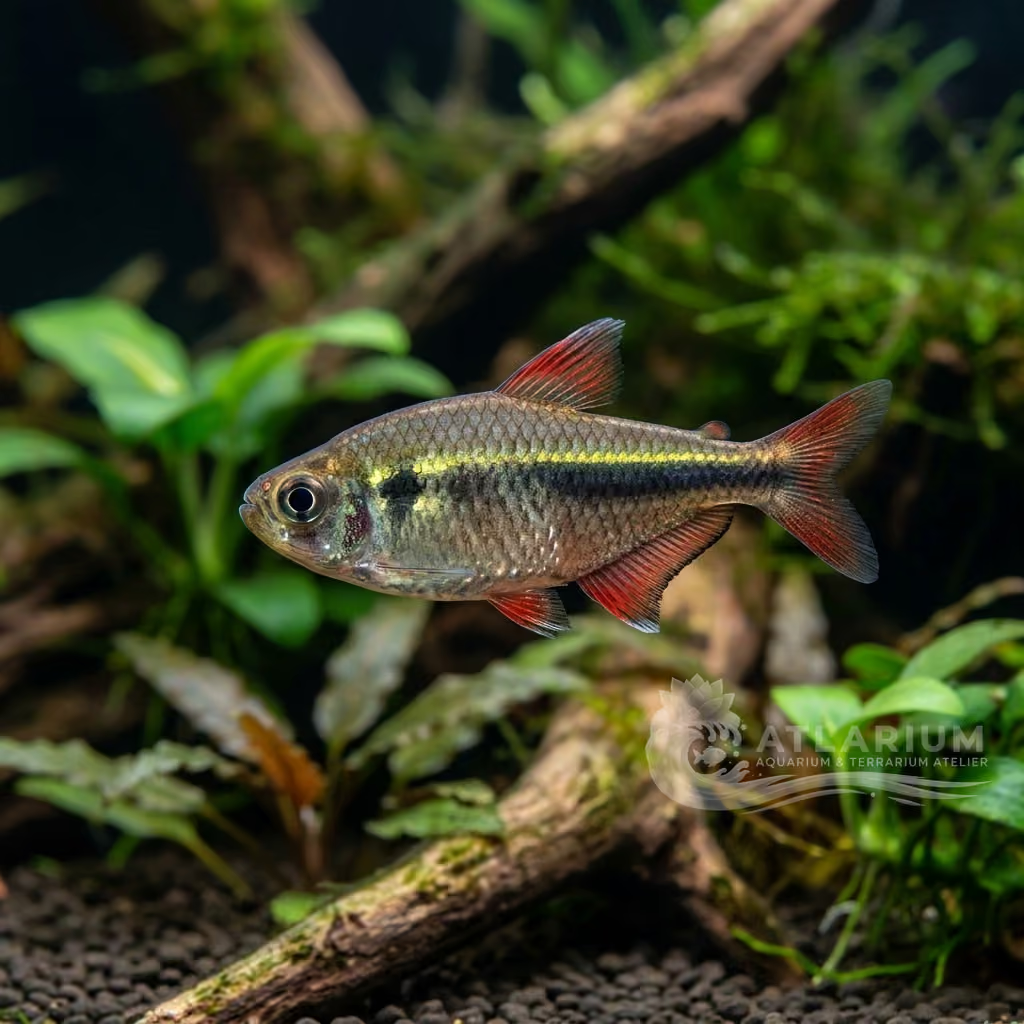
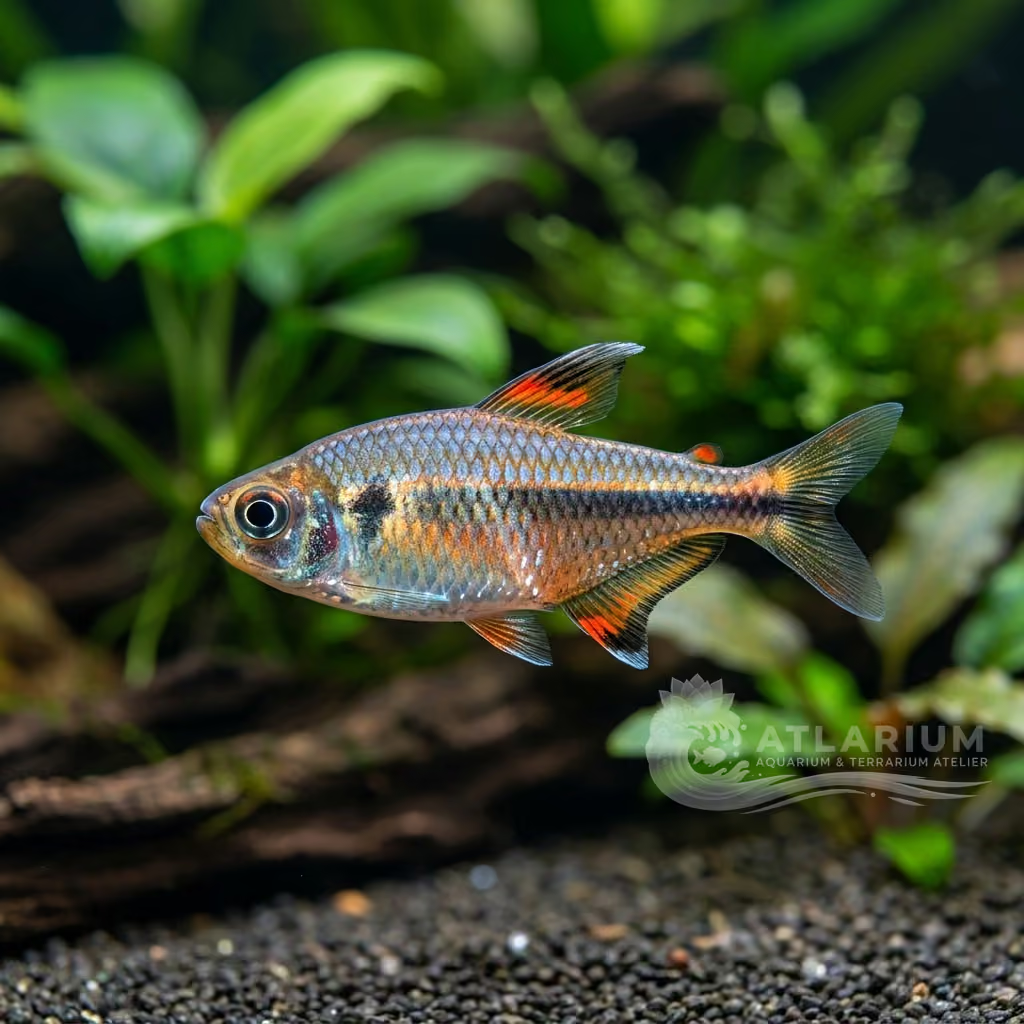
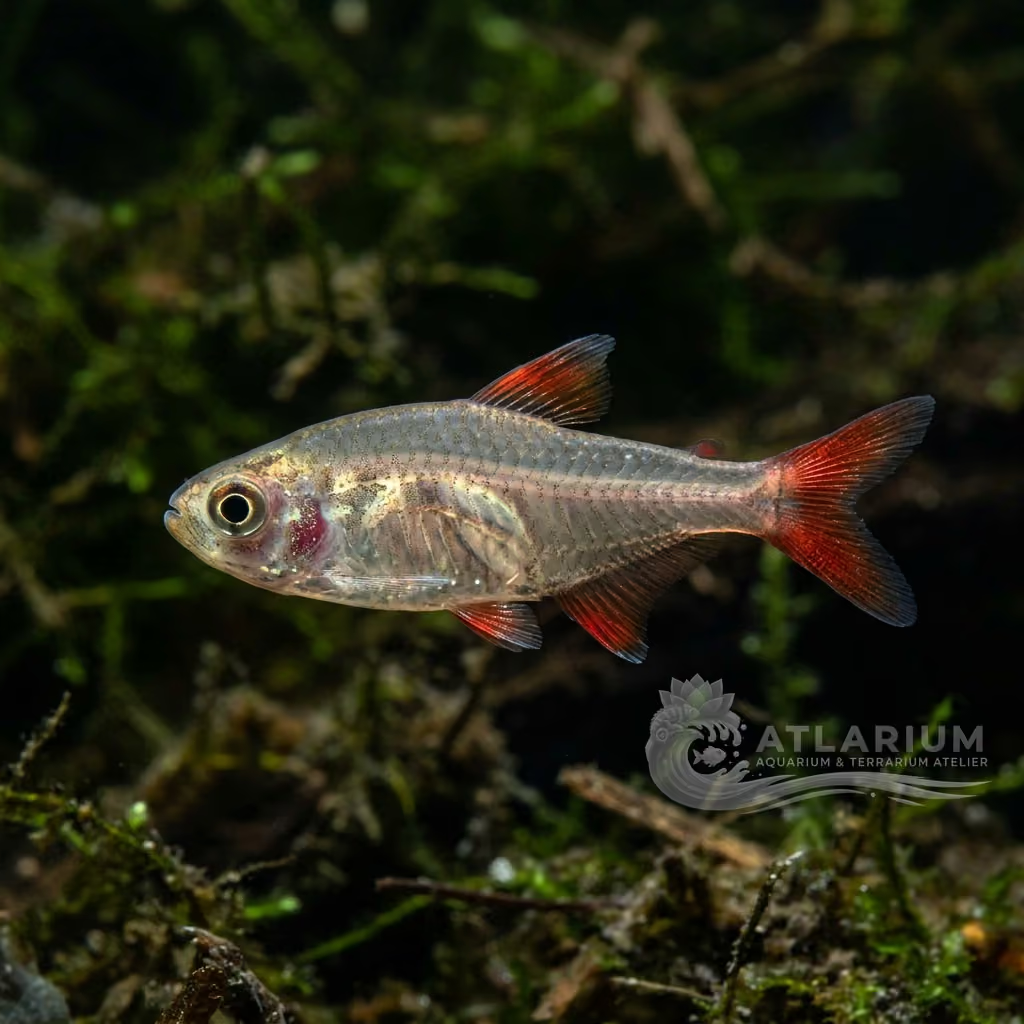
Taxonomy and Morphology: Belongs to the family Characidae and the genus Tyttobrycon, which contains some of the smallest tetras in the world. It is an extremely small fish, with adult specimens reaching a maximum length of only 1.5 to 2 cm. The body is slender, semi-transparent, and elongated, with a small, slightly upturned mouth.
Social Behavior: A very peaceful, shy, and schooling species. It must be kept in groups of at least 10 to 15 individuals to help reduce their shyness and encourage natural shoaling behavior. They show no aggression towards other species and are easily intimidated by large, active, or boisterous tankmates.
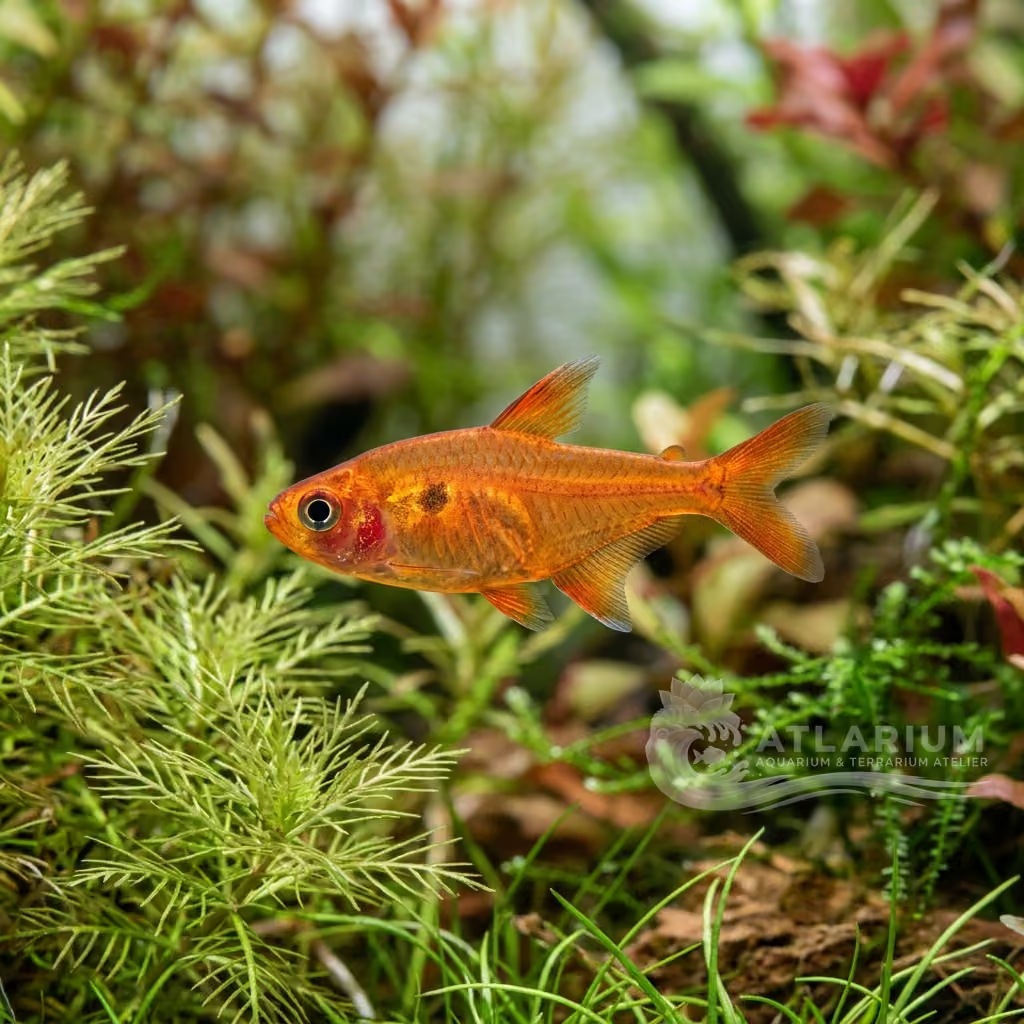
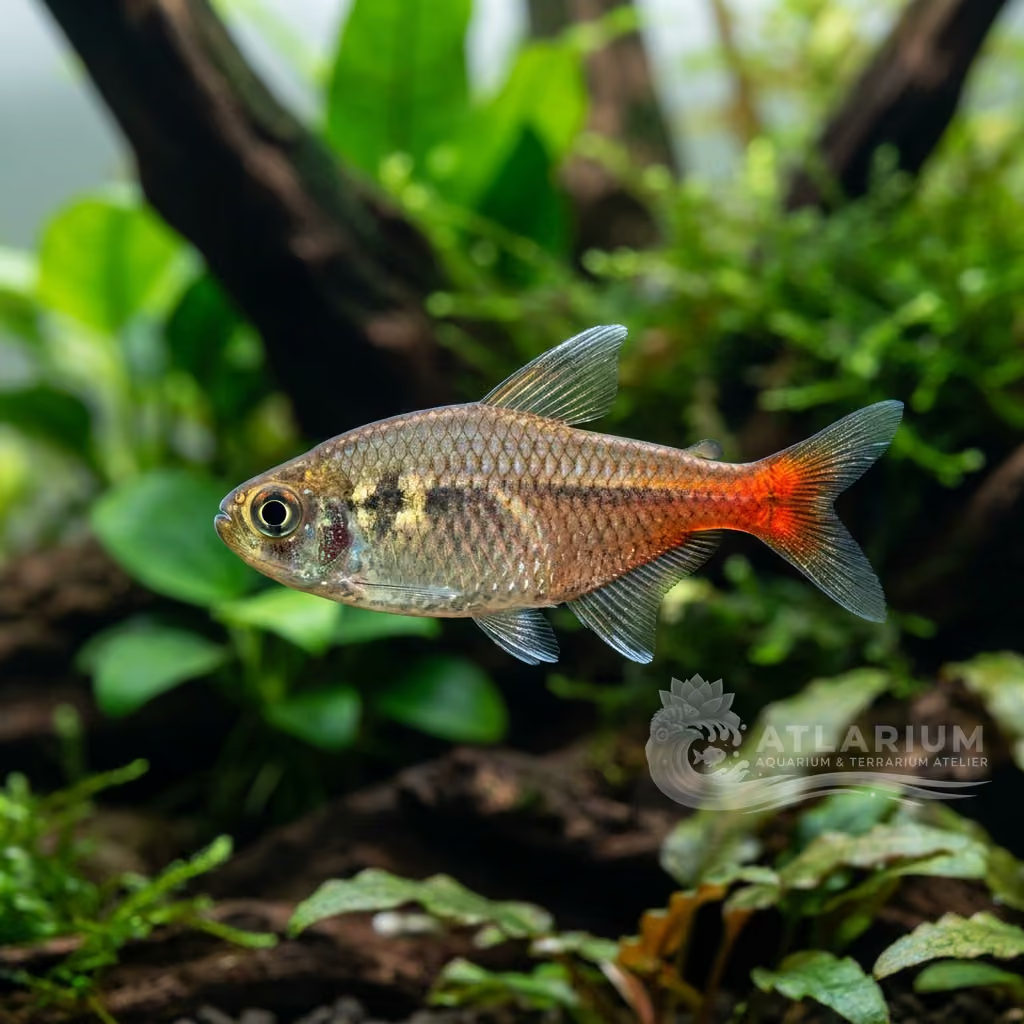
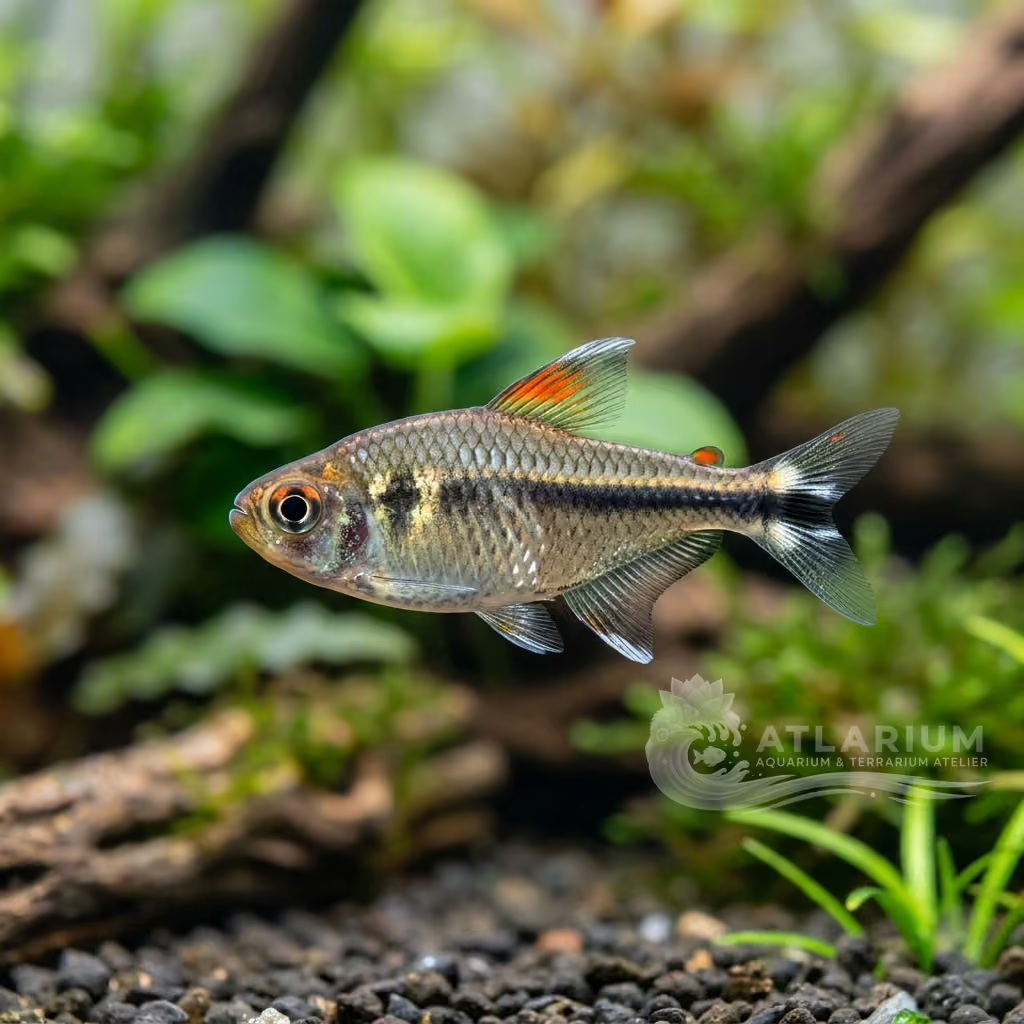
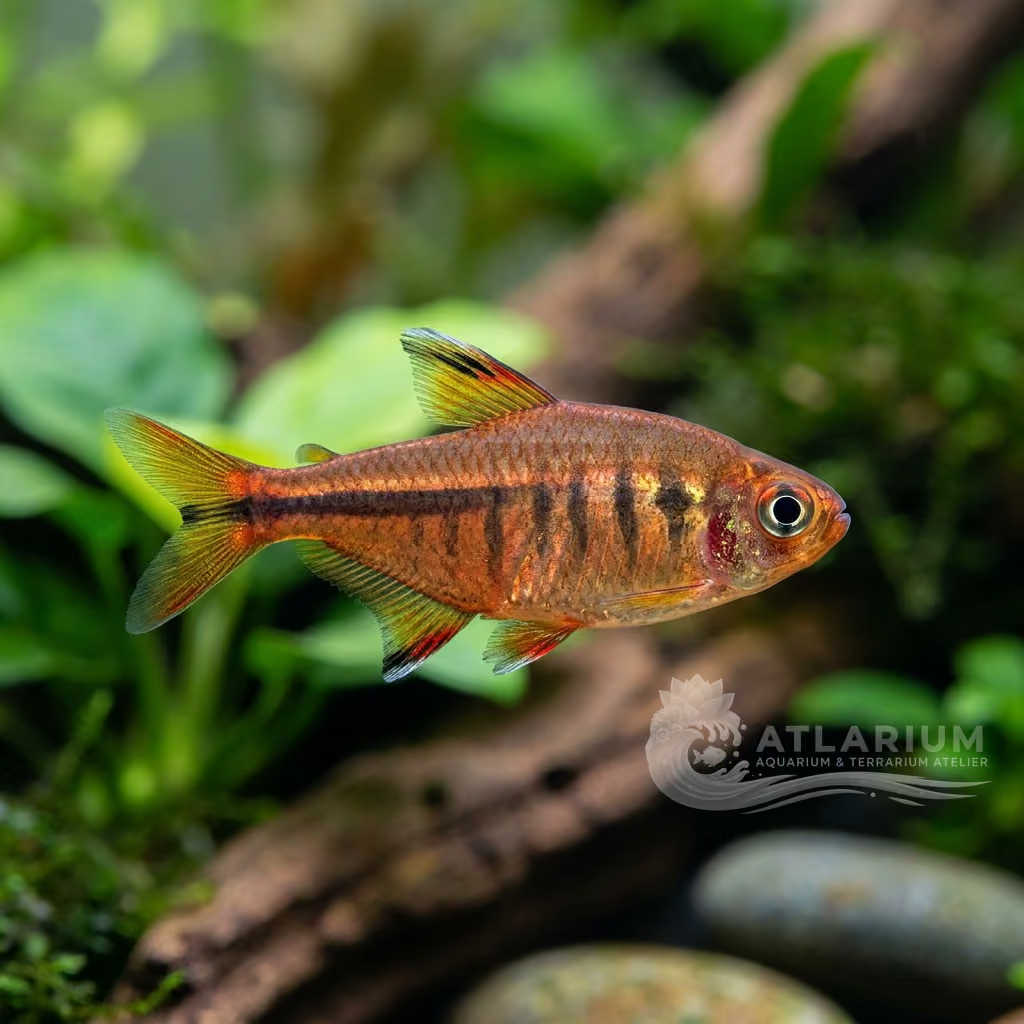
Coloration and Sexual Dimorphism: The body is mostly semi-transparent with silvery or golden iridescence under aquarium lights. A thin, dark or gold longitudinal stripe runs along the flanks from the mid-body to the base of the tail fin. Adult males are generally more slender and show slightly brighter highlights, whereas adult females are noticeably plumper.

Care, breeding and tankmates
Aquarium Setup: Requires an aquarium of at least 40 to 50 liters (approx. 10-12 gallons) to house a small school. The tank should be densely planted with fine-leafed vegetation (such as Java Moss, Java Fern, and Vallisneria) and decorated with driftwood branches to create shaded retreats. Adding dried leaves (like Catappa or Oak leaves) to the dark sandy substrate helps replicate their native blackwater environment.
Diet and Feeding: Omnivorous. Due to their extremely small mouth size, they require microscopic foods. Feed high-quality powdered fry foods, crushed flakes, newly hatched brine shrimp nauplii, infusoria, rotifers, and tiny frozen foods. Feed small amounts 2 to 3 times daily, keeping food suspended in the water column as they rarely feed from the bottom.
Water Quality: Highly sensitive to water quality. Demands soft, acidic conditions: pH 5.5-6.5, very low hardness (GH 1-5, KH 1-3), and temperatures between 23°C and 27°C (73-81°F). Peat filtration is recommended to enrich the water with tannins and humic acids. Ammonia and nitrites must be zero, and nitrates must be kept low with regular, gentle water changes.
Compatibility and Cohabitation: Suitable only for dedicated nano community aquariums with other tiny, peaceful species. Ideal tankmates include dwarf shrimp (Neocaridina), small Otocinclus, chili rasboras (Boraras brigittae), and other dwarf tetras. Never house with medium or large fish (such as angelfish, barbs, or larger tetras) that will easily eat or stress them.
Aquarium Breeding: Breeding in captivity is exceptionally difficult. They are egg-scatterers that deposit eggs among fine plants without parental care. Requires a dedicated breeding tank with warm, highly acidic, and soft water, egg-crate mesh on the bottom, and dense moss. Parents must be removed after spawning. Fry are microscopic and need infusoria.
Risks and Diseases: Due to their minute size, they have low fat reserves and can starve quickly if not fed regularly. They are highly sensitive to osmotic shock; slow drip acclimation is mandatory. They are prone to skin fungal infections if kept in alkaline water or if water conditions deteriorate.

Geographic origin and distribution
This species is native to the Amazon River basin in South America, with specimens collected primarily from the Xeruini River basin in Brazil. It inhabits slow-moving streams, small tributaries, flooded forests, and blackwater areas characterized by slow currents, dense leaf litter substrates, and acidic waters rich in dissolved tannins.
Origin
Amazon, Orinoco, and Guianas

Fish profile
- Temperament
- Semi-aggressive
- They are exceedingly peaceful, shy, and timid fish that rely heavily on their group for security. They must be kept in schools of at least six to ten individuals to feel comfortable and show their natural behaviors. In a properly scaped tank with subdued lighting, they become inquisitive and active explorers.
- Diet
- Carnivore
- In the wild, they are micro-predators that feed on tiny crustaceans and zooplankton in blackwater streams. In the aquarium, they require very fine foods such as crushed high-quality flakes, micro-pellets, and infusoria. Live baby brine shrimp and microworms are excellent treats that will encourage spawning and enhance their delicate colors.
- Life expectancy
- 2-4 years
- Adult size
- 2.5 cm
- Sex ratio
- Group
- A mixed group is completely fine, but aiming for a balanced ratio of males to females is ideal. Males are typically more slender and display slightly more intense coloration, particularly when displaying to females. Females are slightly rounder, especially when gravid with eggs.
- Feeding frequency
- Twice daily
- Because of their minuscule stomachs, they should be fed very small amounts multiple times a day. Two to three tiny feedings ensure they receive adequate nutrition without fouling the water. Observing them during feeding is important to ensure they are not being outcompeted by more boisterous tank mates.
- Bioload
- Low
- These micro-tetras produce a practically negligible bioload, making them excellent candidates for nano and heavily planted aquariums. Regular water changes and a gentle sponge filter are more than enough to maintain pristine water quality. Their tiny size means even a moderate school will barely register on the tank's biological filtration.
- Flow
- Stagnant
- They inhabit sluggish blackwater tributaries and flooded forest floors. They prefer very gentle water movement, as strong currents will easily blow them around and cause severe stress. Baffling the filter output or using an air-driven sponge filter creates the perfect low-flow environment.
- Jump risk
- Yes
- While not renowned as prolific jumpers, any startled micro-fish can easily dart out of an open aquarium. A tightly fitting lid is recommended to ensure they remain safely inside the tank. Floating plants like Amazon frogbit help block out harsh light, reducing their skittishness and lowering the risk of jumping.
- Reproduction
- Oviparous
- Breeding these tiny characins is rare but possible in dedicated, dimly lit blackwater setups. They are egg-scatterers that lay very few eggs among fine-leaved plants or mosses. The parents will consume the eggs if given the chance, so setting up a separate breeding tank with a spawning mop is necessary.
- Compatibility & tankmates
- Vulnerable
- They are exceptionally peaceful and easily intimidated by larger or highly active tank mates. They must be kept with other micro-fish, such as small rasboras, dwarf corydoras, or Neocaridina shrimp. Keeping them with any fish large enough to fit them in its mouth will quickly result in them becoming a snack.
- Tank level
- Middle/Bottom
- They predominantly occupy the middle to lower levels of the water column. They love darting in and out of dense vegetation and exploring the intricate spaces among driftwood branches. They rarely venture to the very top unless food has been introduced.

Scientific Parameters & Models
FishBase
Window to the official scientific data of the species
FishBase v25.04Data synced on: 06/15/2026
- Trophic level
- 3 ± 0.4 se
- Resilience
- High (less than 15 months)
- Phylogenetic uniqueness (PD50)
- 0.5312
- Bayesian Length-Weight
- a = 0.00389, b = 3.12
- VulnerabilityLow vulnerability (10 / 100)

Related species
Recommendations grouped by close relatives, companion choices, and similar care.