Butterfly Pleco
Dekeyseria picta
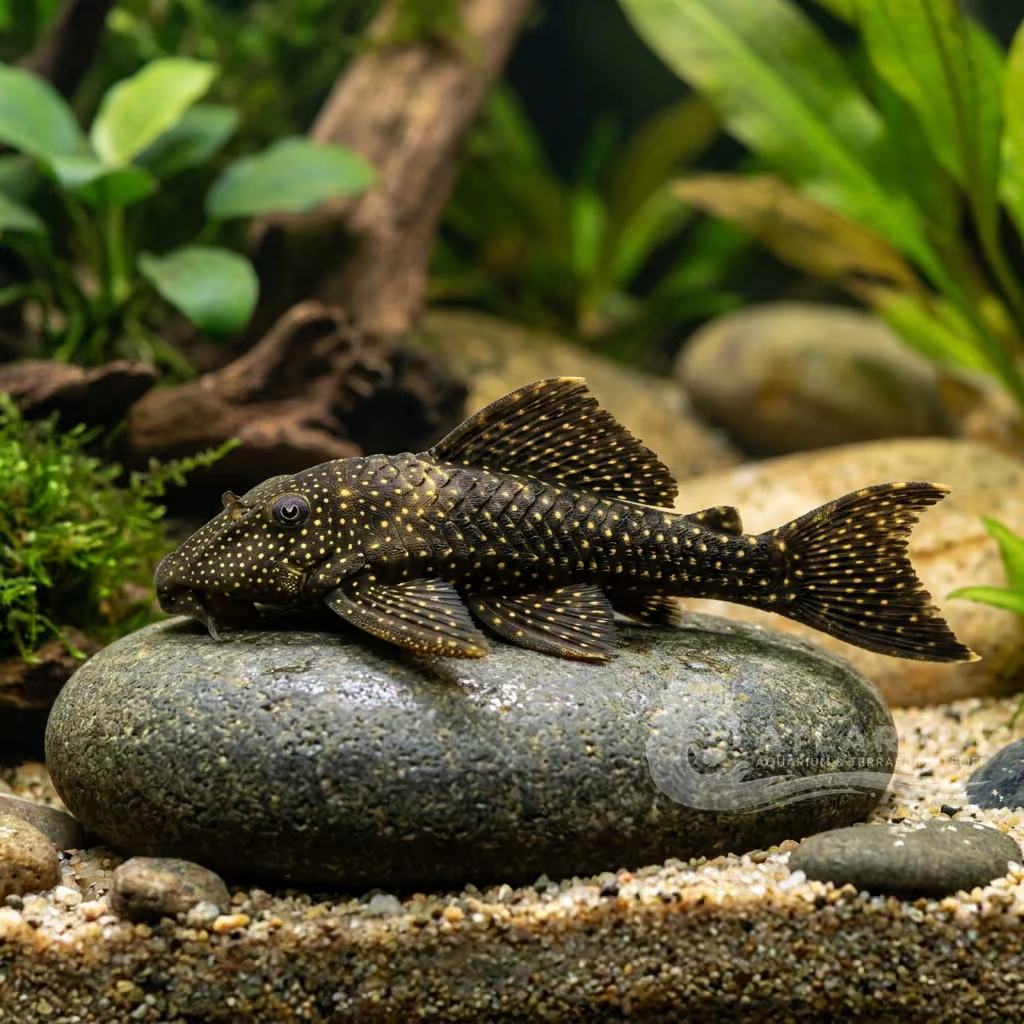
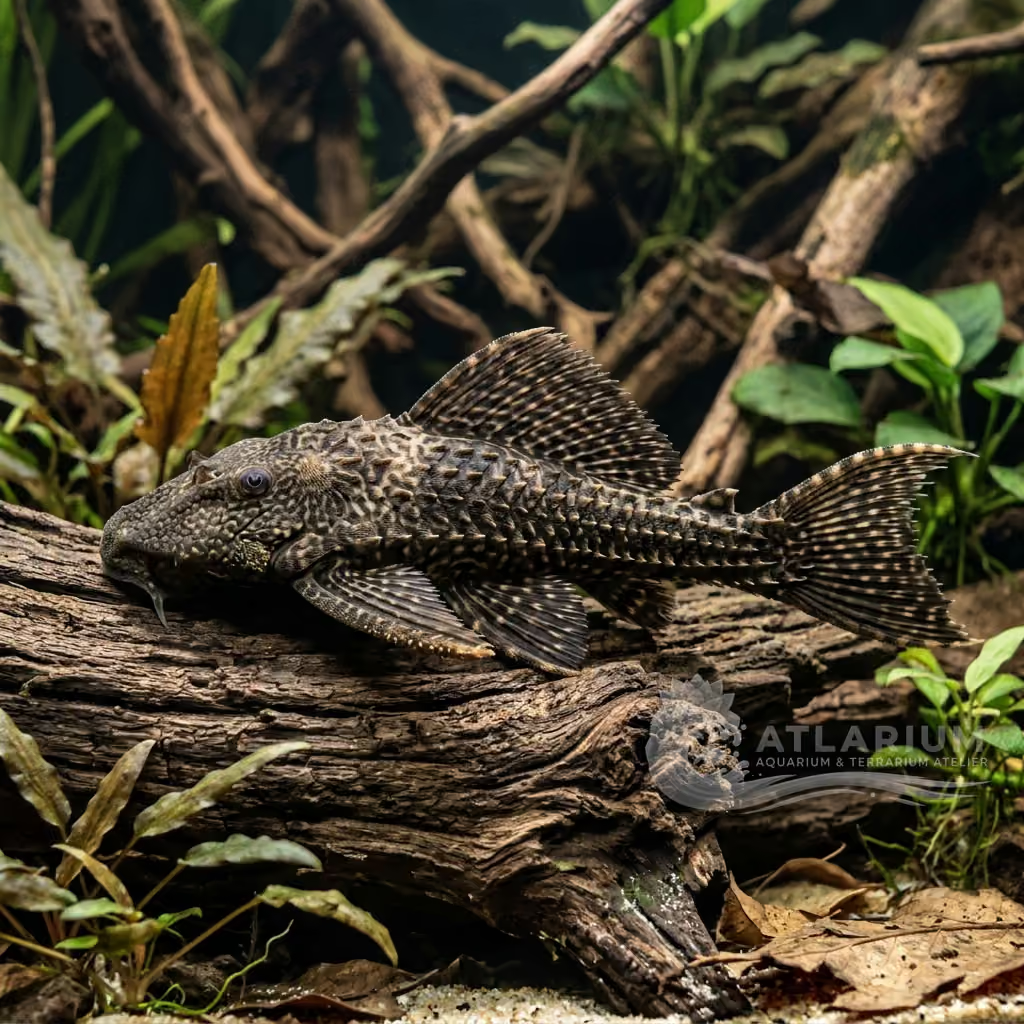
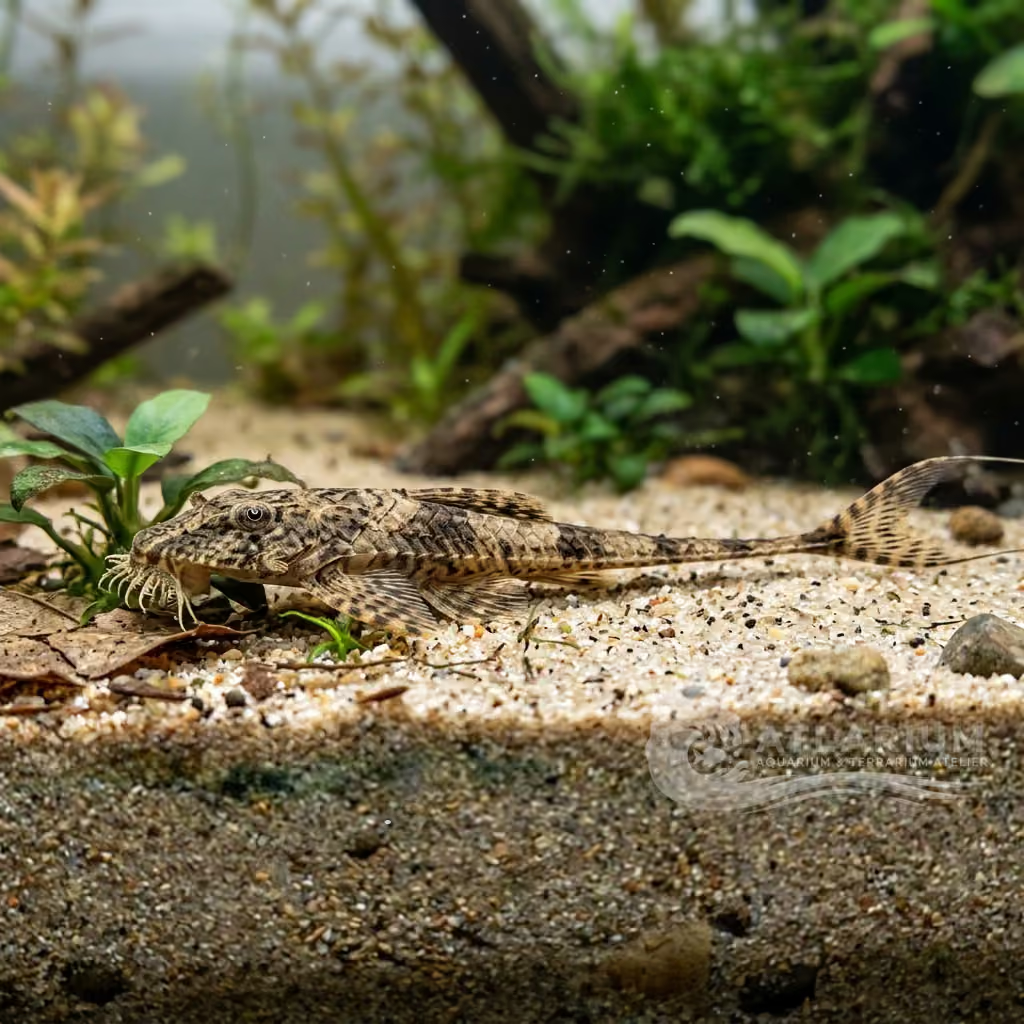
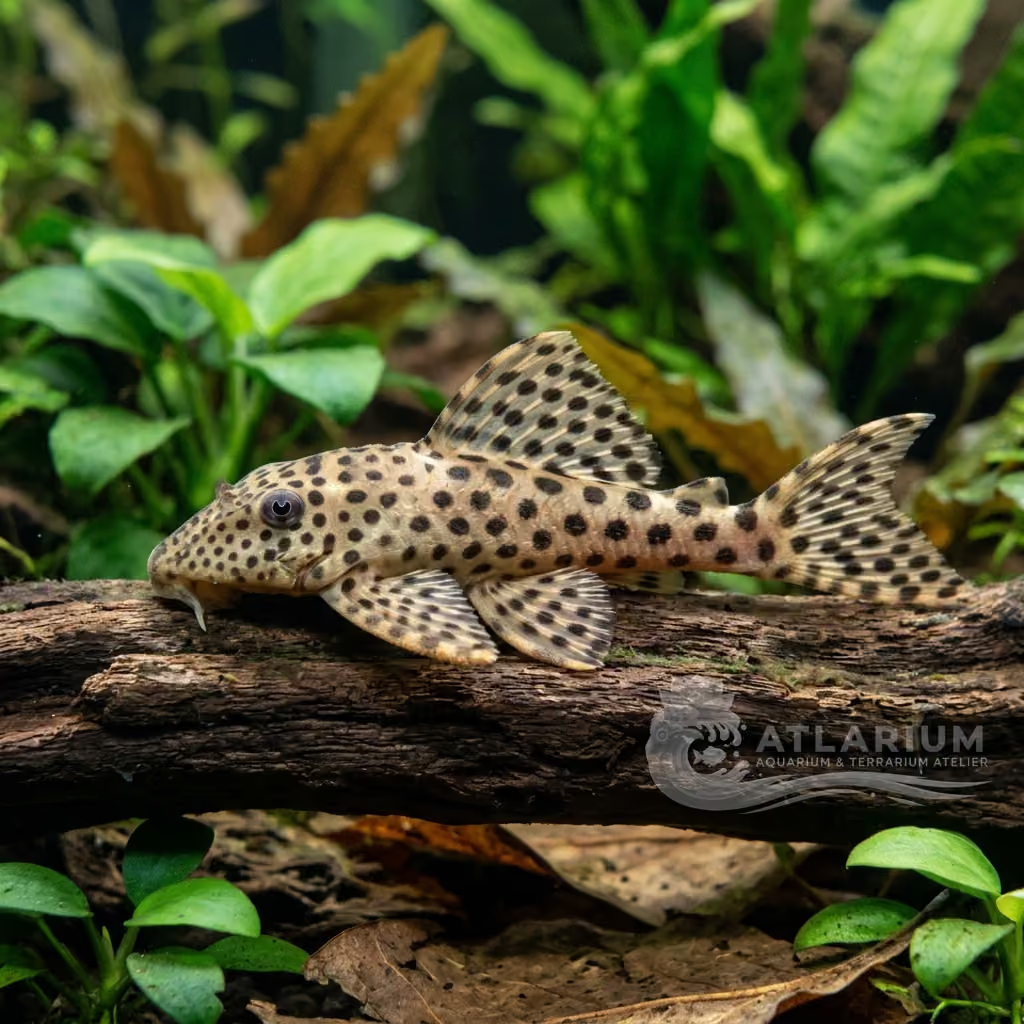
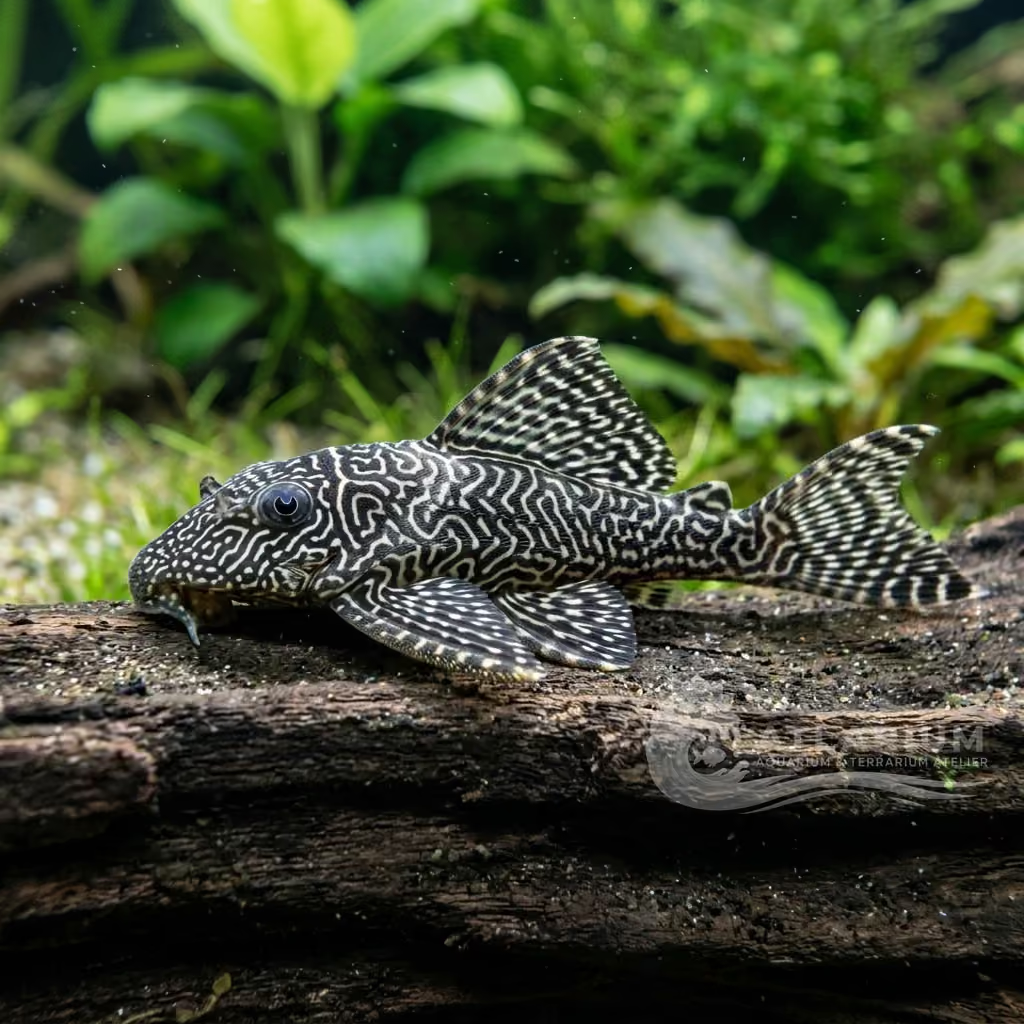
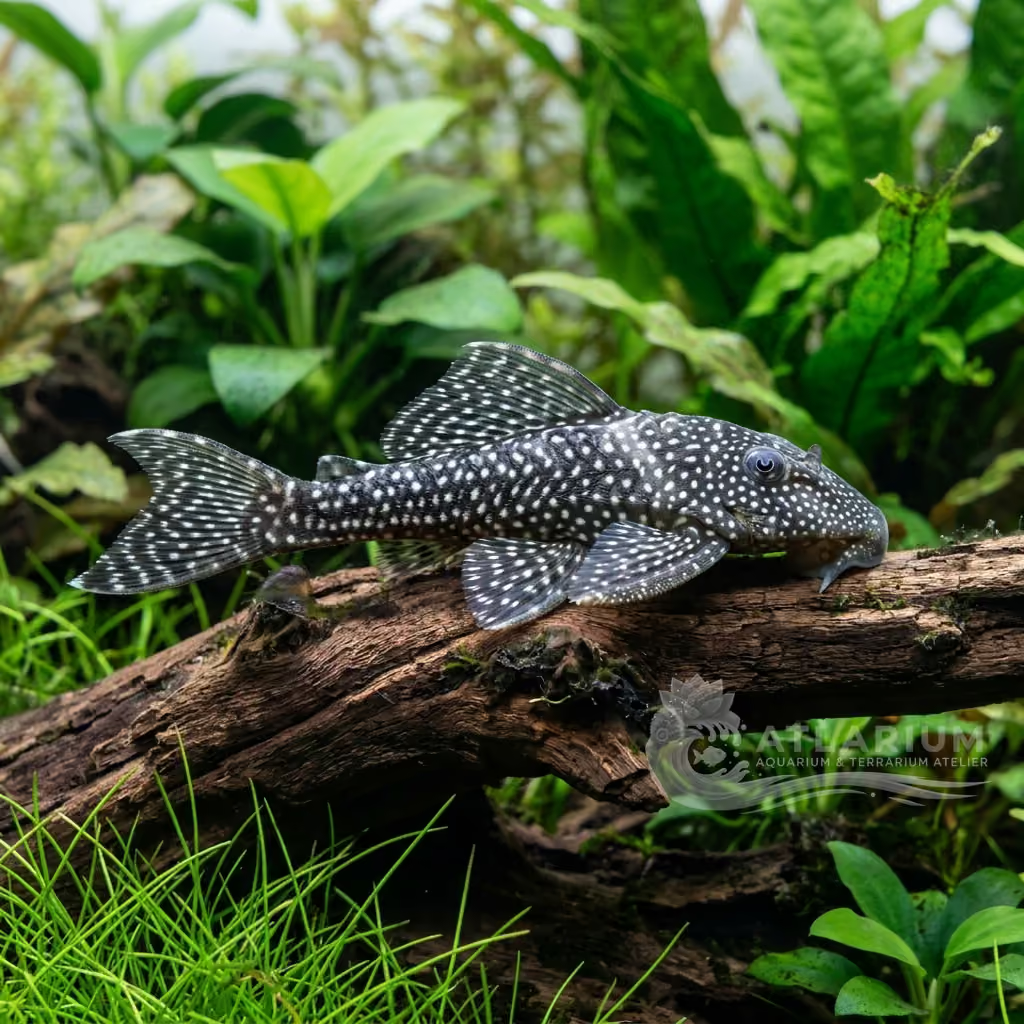
With its wide fins and dynamically changing coloration, the Dekeyseria picta is a small, peaceful, and extremely fascinating Loricariid for planted aquariums.
Water Temperature
24 - 28 °C
pH Value
5.5 - 7
Water type
Freshwater
Tank level
Bottom
Adult size
14 cm
Minimum tank volume
>= 180 L
Minimum group
>= 1
GH
1 - 10 dGH
KH
1 - 5 dKH
TDS
25 - 200 ppm
Conductivity
39 - 313 uS/cm

Species description
Geographical Origin and Habitat: Orinoco River, in South America (Venezuela and Colombia). Lives anchored on heavy stones or wood in rushing rapids, clear streams and highly oxygenated forest bays.
Taxonomy and Morphology: Butterfly Pleco (Dekeyseria picta, often known as L168 or L052, related genus to Zonancistrus). Has a conspicuous flat and widened head ("butterfly" when viewed from above). Very spiny bony plates and a wide snout.
Social Behavior: Predominantly nocturnal "sucker" fish. Extremely static during the day. Reveals strong intraspecific aggression (defends wood with blows of the tail), so it is best to house a single specimen unless you have tanks over 120 cm (48 inches).
Coloration and Sexual Dimorphism: Like a chameleon, it changes its livery based on mood or substrate! In dazzling shape it boasts black-brown "zebra" stripes alternating with saffron or honey color. Males develop an impressive spiny hair (odontodes) on the flanks and pectoral fins.

Care, breeding and tankmates
Aquarium Setup: Rigorous decor based on many real roots (it absolutely needs them to digest) and narrow-slit rocky crevices. Sand on the bottom. The water must be hyper-oxygenated and moved (circulation pumps mandatory).
Diet and Feeding: It is not a 100% algivore! It is an omnivore oriented to the consumption of biofilm and wood (xylophagous), but greedily accepts (and requires) tablets for carnivorous bottom feeders, bloodworms and fresh vegetables (blanched zucchini, potatoes).
Water Quality: Prefers acidic, soft water stained by tannins (despite the current requirements). Avoid pollution (nitrates above 20 ppm) and aseptic tanks without surface biofilm.
Compatibility and Cohabitation: Perfect companion for all fast fish that populate river biotopes beaten by the current: Hemigrammus, peaceful Ancistrus, Loricaria and large Tetras.
Aquarium Breeding: Rare. Cave spawners. The male hides with the female in a narrow "tube" or bamboo, wedges the partner (fertilization) and then devotedly cares for the large amber eggs until they hatch, fanning them tirelessly.
Risks and Diseases: Death by starvation if placed in tanks that are too "clean", newly set up or without soft natural wood. Wounds in case of harsh territorial struggles between peers.

Geographic origin and distribution
Orinoco River, in South America (Venezuela and Colombia). Lives anchored on heavy stones or wood in rushing rapids, clear streams and highly oxygenated forest bays.
Origin
Amazon, Orinoco, and GuianasEast Asia

Fish profile
- Temperament
- Semi-aggressive
- The temperament of the Butterfly Pleco is incredibly docile, peaceful, and generally very shy, particularly during daylight hours. They are masters of camouflage, utilizing their striking striped pattern to blend seamlessly into their surroundings when resting on wood or rocks. Due to their timid nature, providing ample hiding spots is crucial; a tank lacking in cover will lead to a highly stressed and constantly hiding fish. Once comfortable in a well-decorated, dimly lit environment, they will become much more active and visible.
- Diet
- Omnivore
- The Butterfly Pleco is an omnivorous grazer with a very strong inclination toward wood and vegetable matter. A piece of natural driftwood is absolutely essential in their tank, as they constantly rasp on it to aid their digestion. Their diet should be primarily composed of high-quality sinking algae wafers, blanched vegetables like zucchini or cucumber, and Repashy gel foods. They will also readily consume occasional protein-rich treats like frozen bloodworms or sinking carnivore pellets to ensure a balanced nutritional profile.
- Life expectancy
- 5-8 years
- Adult size
- 14 cm
- Sex ratio
- Pair
- Distinguishing male from female Butterfly Plecos is generally only possible when the fish have reached full maturity. Mature males develop significantly more pronounced and longer odontodes (hair-like growths) on their pectoral fins and around the sides of their heads. Females, in contrast, have much shorter odontodes and typically exhibit a noticeably wider, plumper girth when viewed from above, especially when gravid. If breeding is the goal, establishing a small group to allow pairs to form naturally is the best strategy.
- Feeding frequency
- Twice daily
- Because they are continuous grazers, food should be available to them relatively consistently without overwhelming the tank. It is highly recommended to feed them once a day, preferably just before turning the aquarium lights off, as they are primarily nocturnal feeders. Providing a steady supply of natural driftwood and occasional fresh vegetables ensures they always have something to graze on throughout the day and night. Removing uneaten vegetables after 24 hours is crucial to prevent rapid water quality degradation.
- Bioload
- Medium
- Like most loricariids, the Butterfly Pleco produces a moderately heavy bioload despite its relatively small size. Their diet, which consists largely of constant grazing on wood and plant matter, results in the continuous production of significant amounts of solid waste. To manage this effectively, robust mechanical and biological filtration is necessary to keep the water pristine. Regular, thorough gravel vacuuming during water changes is also vital to prevent the accumulation of detritus in the substrate.
- Flow
- Stagnant
- Originating from the fast-flowing, highly oxygenated rivers and streams of the Rio Negro basin in South America, they have a very distinct preference for strong water flow. Replicating this environment is crucial for their well-being; the aquarium must have robust circulation and high levels of dissolved oxygen. The use of powerheads, wavemakers, or air stones to create a vigorous, churning current will closely mimic their natural habitat and promote vibrant health and activity.
- Jump risk
- No
- Reproduction
- Oviparous
- Breeding the Butterfly Pleco in captivity is entirely achievable and is considered highly rewarding for dedicated hobbyists. They are typical cave spawners, requiring tight-fitting, appropriately sized ceramic or slate breeding caves with a single entrance. A significant drop in water temperature, coupled with a large water change utilizing very soft, slightly acidic water, often triggers the spawning process. The male will entice the female into the cave, where she lays the eggs, and he subsequently takes over the sole responsibility of guarding and fanning them until the fry emerge.
- Compatibility & tankmates
- Community
- This species is renowned for its extremely peaceful and somewhat retiring nature, making it an excellent addition to almost any community aquarium. They completely ignore small, mid-water swimming fish like tetras, rasboras, and dwarf cichlids. However, they can be mildly territorial toward other bottom-dwellers, especially other small plecos, if competing for preferred caves or hiding spots. Ensuring an abundance of separate hiding places will completely mitigate any potential squabbles among tank mates.
- Tank level
- Bottom
- This pleco is strictly a bottom-dwelling species that is rarely, if ever, seen swimming freely in the open water column. They spend the vast majority of their time securely attached to hardscapes, particularly favoring the undersides of driftwood or flat pieces of rock. Their flattened body shape is perfectly adapted for navigating the lower regions of the aquarium and slipping into tight crevices. They will completely ignore the upper and middle levels of the tank.

Scientific Parameters & Models
FishBase
Window to the official scientific data of the species
FishBase v25.04Data synced on: 06/15/2026
- Resilience
- High (less than 15 months)
- Phylogenetic uniqueness (PD50)
- 0.5156
- Bayesian Length-Weight
- a = 0.01549, b = 2.96
- VulnerabilityLow vulnerability (10 / 100)

Related species
Recommendations grouped by close relatives, companion choices, and similar care.