Guahibo Pleco
Hemiancistrus guahiborum
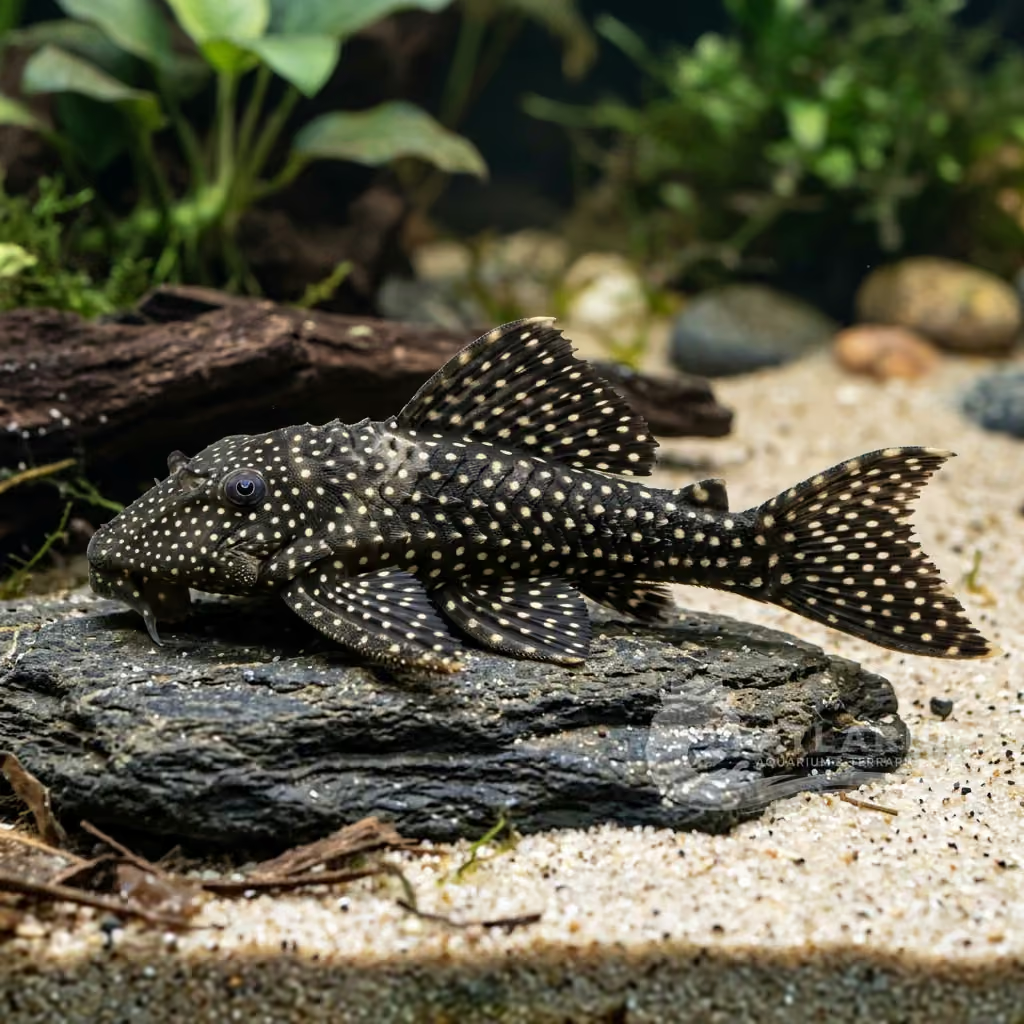
The Spotted Orange Seam Pleco (Hemiancistrus guahiborum, L106) is a beautiful riverine catfish from the Orinoco basin. It requires an aquarium of at least 40 gallons with warm, highly oxygenated water and strong flow. Provide plenty of rocks and driftwood caves for shelter. Its omnivorous diet should include sinking pellets, vegetables, and occasional meaty frozen foods.
Water Temperature
24 - 29 °C
pH Value
6 - 7.5
Water type
Freshwater
Tank level
Bottom
Adult size
15 cm
Minimum tank volume
>= 200 L
Minimum group
>= 1
GH
2 - 12 dGH
KH
2 - 10 dKH
TDS
50 - 280 ppm
Conductivity
78 - 438 uS/cm

Species description
Geographical Origin and Habitat: Endemic to the Orinoco River basin (Venezuela), specifically in areas of strong rapids (Rio Ventuari). Inhabits fast-flowing crystalline rivers over beds of smooth rocks and granite boulders, highly oxygenated.
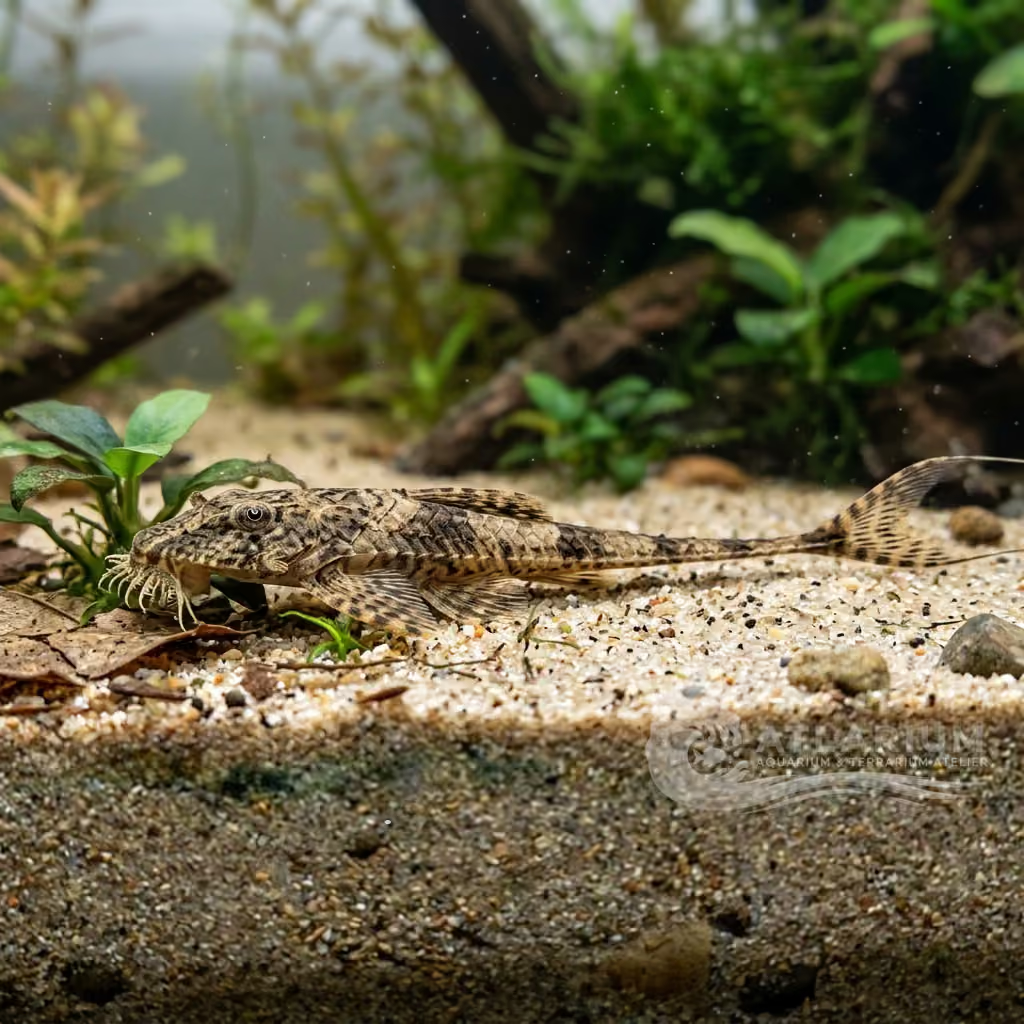
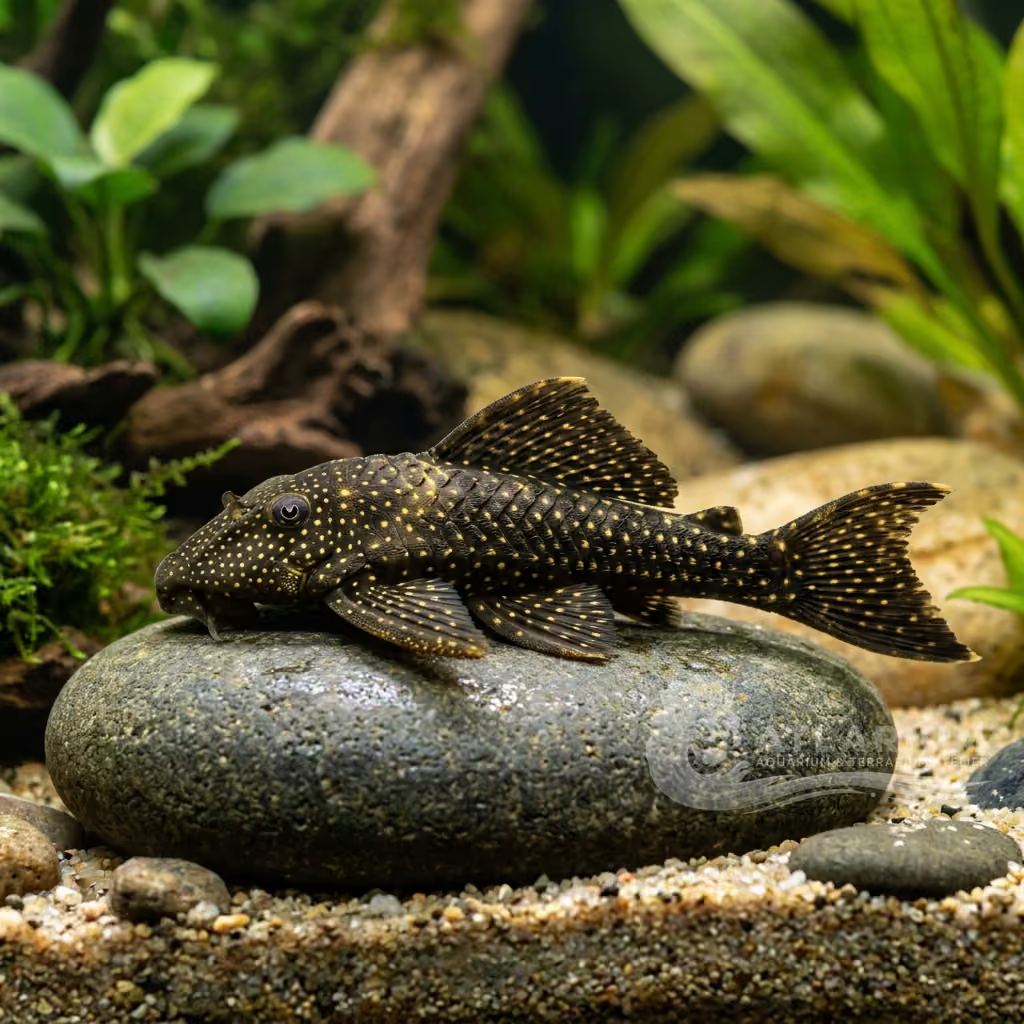
Taxonomy and Morphology: Guahiborum Pleco (Hemiancistrus guahiborum), classified with code L106. Loricariid with a stocky and robust profile, broad head, and a mouth shaped as a powerful sucker adapted to withstand torrential water flows.
Social Behavior: Essentially peaceful but territorial towards other Loricariids in defense of their rocky refuge (cave). Spends the day hidden and becomes active at dusk to forage the exposed surfaces of the rocks.
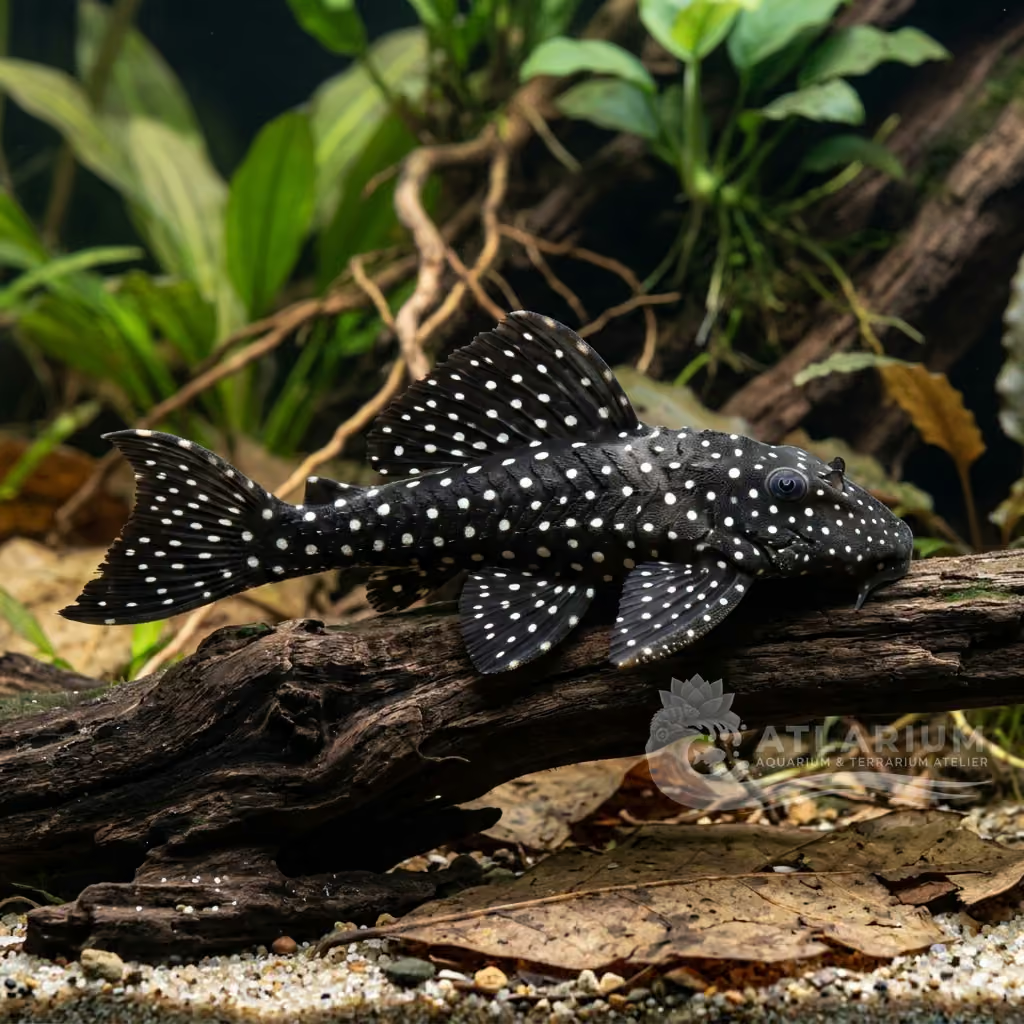
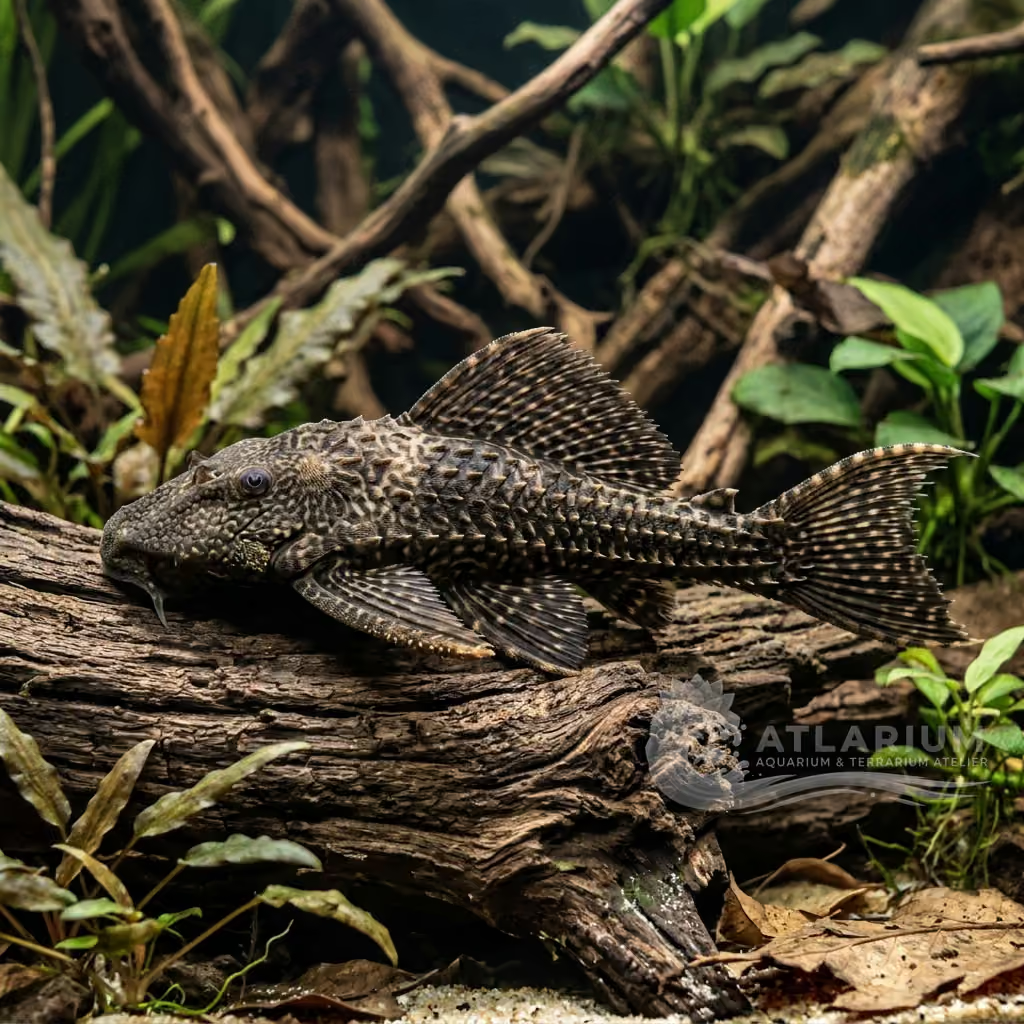
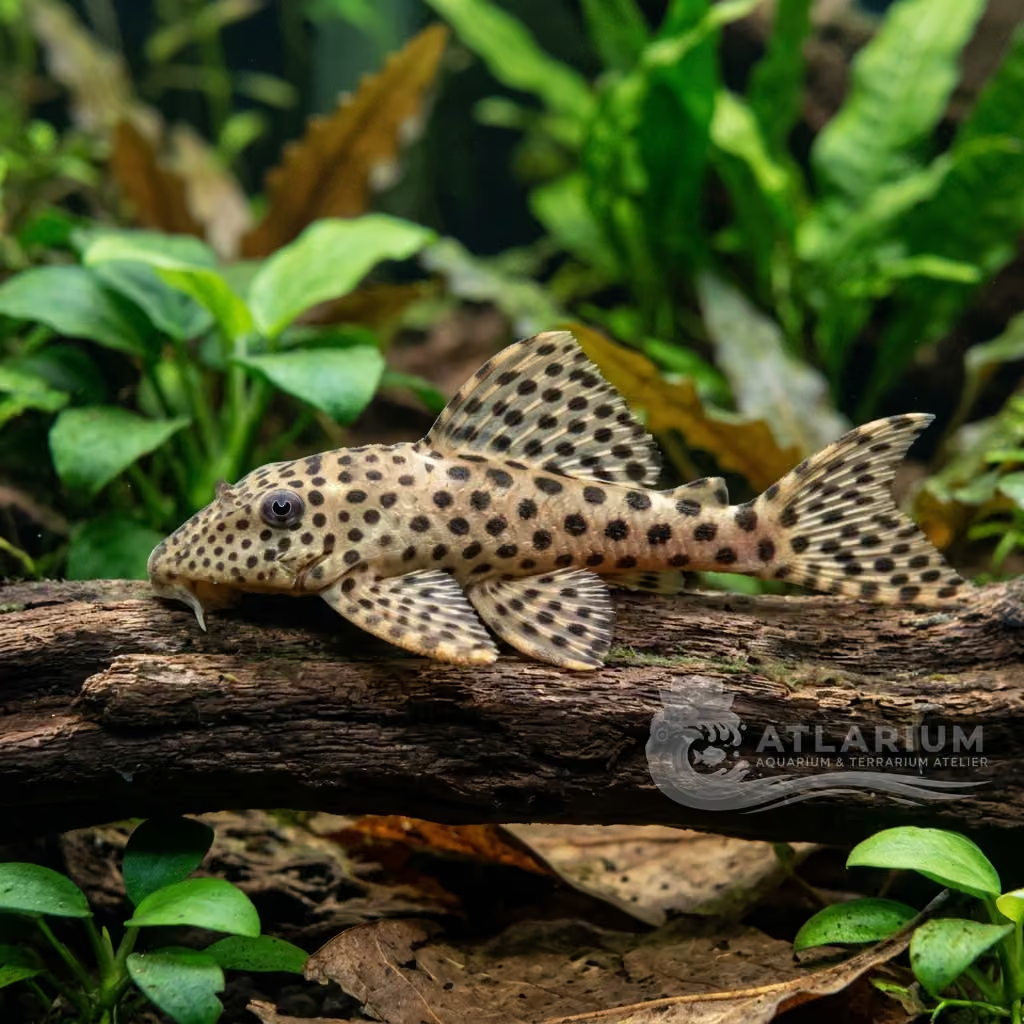
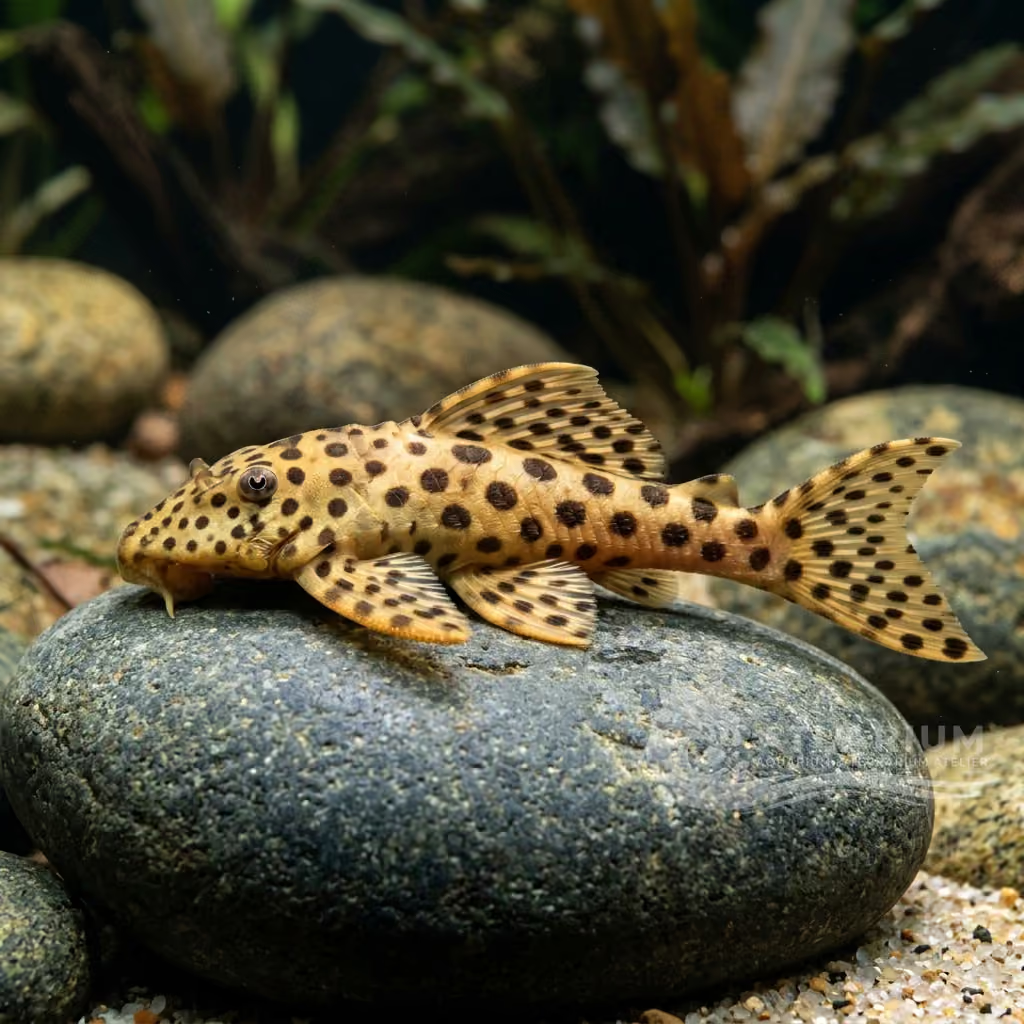
Coloration and Sexual Dimorphism: Very attractive livery: orange-brown body covered with small lighter spots and orange/yellowish borders on the fins (especially dorsal and caudal). Adult males have thicker odontodes on cheeks and pectorals.

Care, breeding and tankmates
Aquarium Setup: Specialized "River Manifold" or stream type tank. Requires very strong water flow, powerful circulation pumps, and very high oxygenation. Decor consists of rounded river pebbles and rocks stacked to form crevices.
Diet and Feeding: Omnivore (Aufwuchs grazer). Scrapes biological film and associated small creatures (insect larvae, freshwater sponges). In the tank, feed with "Repashy" food gels, bottom wafers rich in vegetables and proteins, and wood to gnaw on.
Water Quality: Demands excellent conditions: nitrogenous pollutants close to zero and high temperatures (24-29°C / 75-84°F). Water must be moderately acidic to neutral. Voluminous weekly water changes are strictly necessary.
Compatibility and Cohabitation: Excellent in community tanks replicating rapids. Great with robust South American Characins, small rheophilic Cichlids (e.g. Retroculus) or other catfish adapted to strong current. Avoid too many benthic Loricariids to prevent brawls.
Aquarium Breeding: Cave spawner. The male chooses a narrow cave or smooth tube. The female lays orange eggs inside, and the male fiercely defends and fans them until the fry are fully developed.
Risks and Diseases: Suffers enormously from hypoxia in "normal" tanks with poor flow. If oxygen is low or there are ammonia/nitrite accumulations, it dies quickly. May stop feeding if stressed by dominant fish.

Geographic origin and distribution
Endemic to the Orinoco River basin (Venezuela), specifically in areas of strong rapids (Rio Ventuari). Inhabits fast-flowing crystalline rivers over beds of smooth rocks and granite boulders, highly oxygenated.
Origin
Tropical oceans and reefsAmazon, Orinoco, and Guianas

Fish profile
- Temperament
- Semi-aggressive
- They possess a very shy and peaceful temperament overall. They are generally reclusive during the day, coming out to forage mainly at night. They can display mild territoriality toward other plecos when defending their chosen hiding spot.
- Diet
- Omnivore
- This species is primarily an omnivore that leans heavily towards a vegetarian diet. Provide high-quality sinking algae wafers, blanched zucchini, and natural driftwood to graze on. Occasional meaty foods like frozen bloodworms should be offered for balanced nutrition.
- Life expectancy
- 8-12 years
- Adult size
- 15 cm
- Sex ratio
- Specific M:F ratio
- Males generally develop more pronounced odontodes on their pectoral fins and head. Keeping a ratio of one male to one or two females is ideal for breeding purposes. Avoid keeping multiple males in small tanks, as they will fight over premium caves.
- Feeding frequency
- Twice daily
- Feed them once daily, preferably just before the aquarium lights turn off. Being nocturnal, they are most active and comfortable eating in the dark. Uneaten fresh vegetables should be removed the next morning to prevent water spoilage.
- Bioload
- Medium to High
- This small pleco produces a moderate bioload compared to larger loricariids. Due to its wood-gnawing habits, it produces a fair amount of sawdust-like waste. Good filtration and regular vacuuming of the substrate are necessary to keep the tank clean.
- Flow
- Stagnant
- It thrives in well-oxygenated water with moderate to strong flow. Mimicking the highly oxygenated streams of its native habitat ensures its robust health. Powerheads can be directed near the substrate to sweep away waste and provide current.
- Jump risk
- No
- Reproduction
- Oviparous
- Breeding in captivity is possible but requires a dedicated setup with specific triggers. They are cave spawners where the male diligently guards the eggs and fry until they are free-swimming. Simulating a rainy season with cool water changes encourages spawning.
- Compatibility & tankmates
- Community
- It is a peaceful bottom-dweller that ignores fish occupying the upper water column. It makes an excellent addition to most community tanks and Amazonian biotope setups. However, it may squabble territorially with other bottom-feeders if hiding caves are scarce.
- Tank level
- Bottom
- They strictly inhabit the bottom levels of the aquarium and its hardscape. They spend the vast majority of their daylight hours hiding in caves, under driftwood, or clinging to the underside of rocks. They will occasionally venture onto the glass to scrape algae.

Scientific Parameters & Models
FishBase
Window to the official scientific data of the species
Data synced on: 06/15/2026
- Resilience
- Medium (1.4 - 4.4 years)
- Phylogenetic uniqueness (PD50)
- 0.5
- Bayesian Length-Weight
- a = 0.01549, b = 2.96
- VulnerabilityLow vulnerability (10 / 100)

Related species
Recommendations grouped by close relatives, companion choices, and similar care.