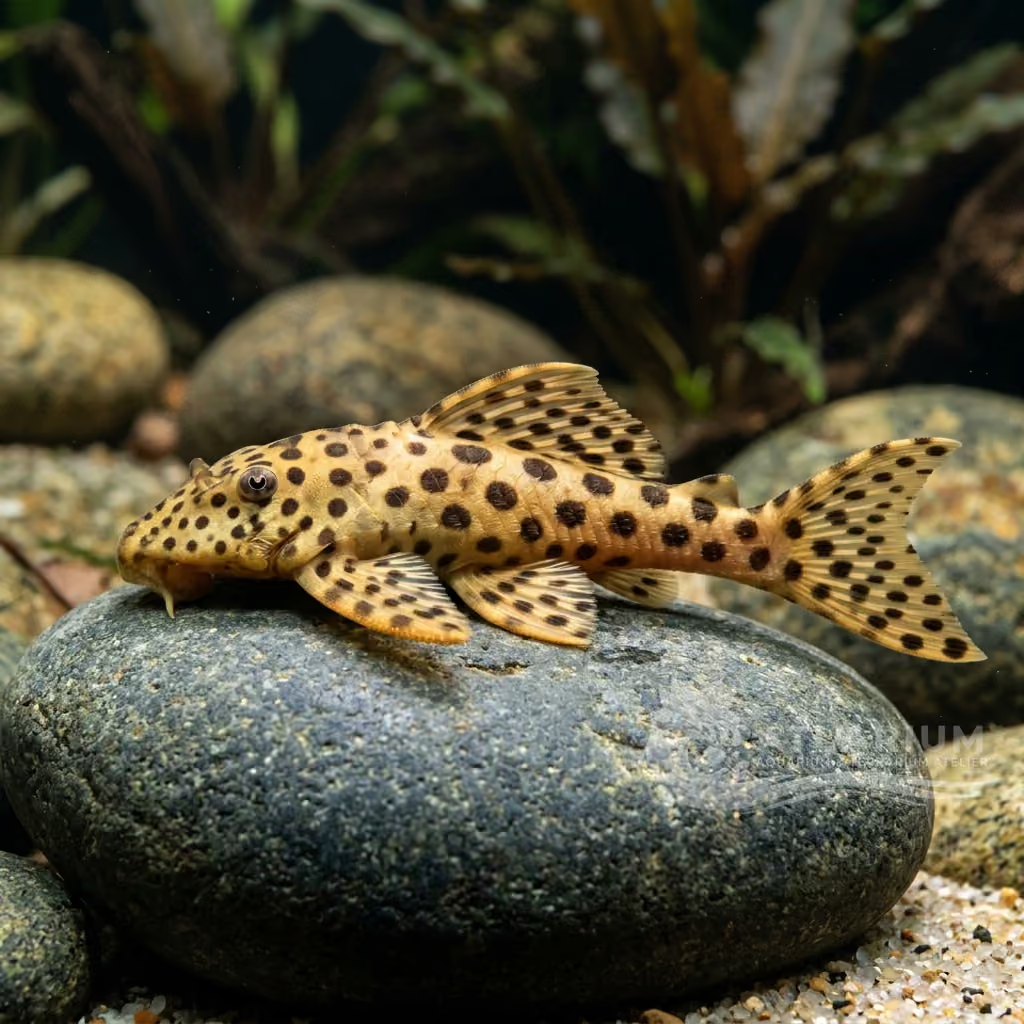
Royal Pleco (L190)
Panaque nigrolineatus
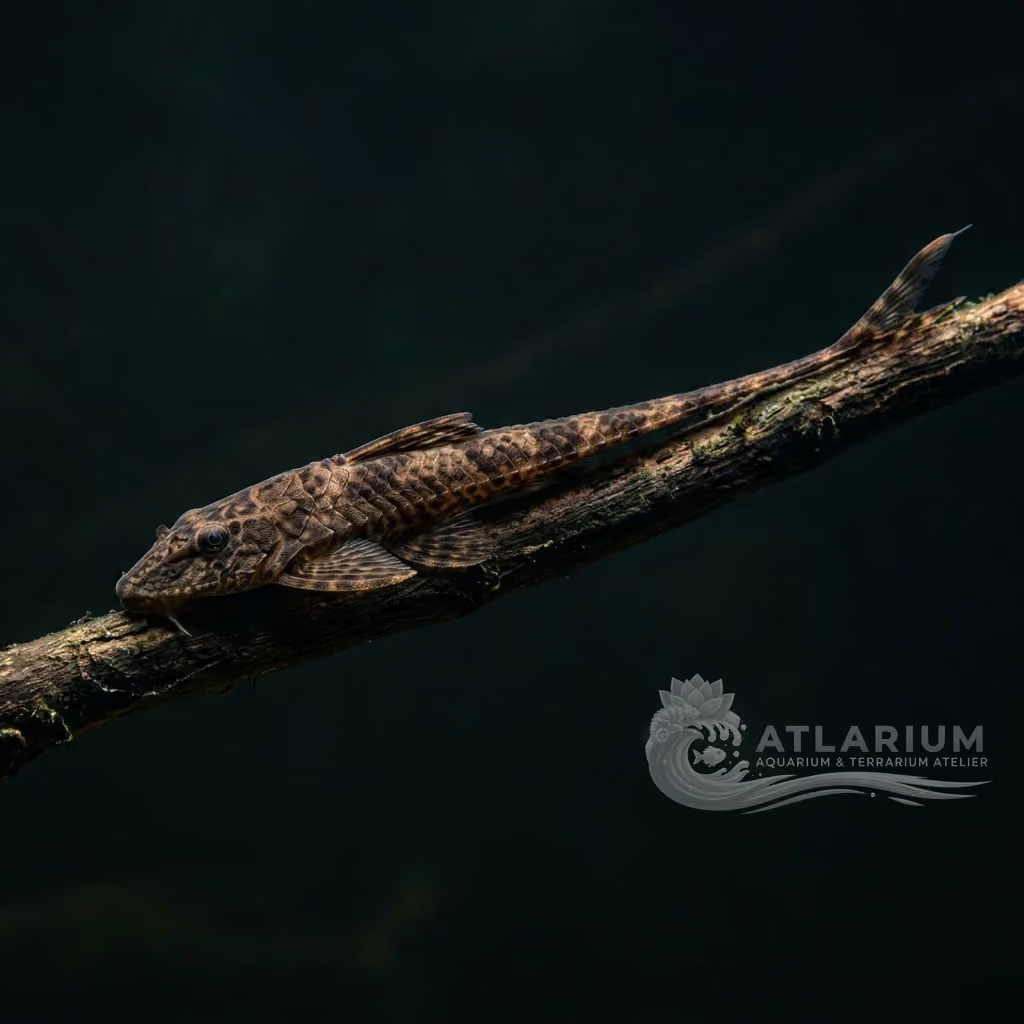
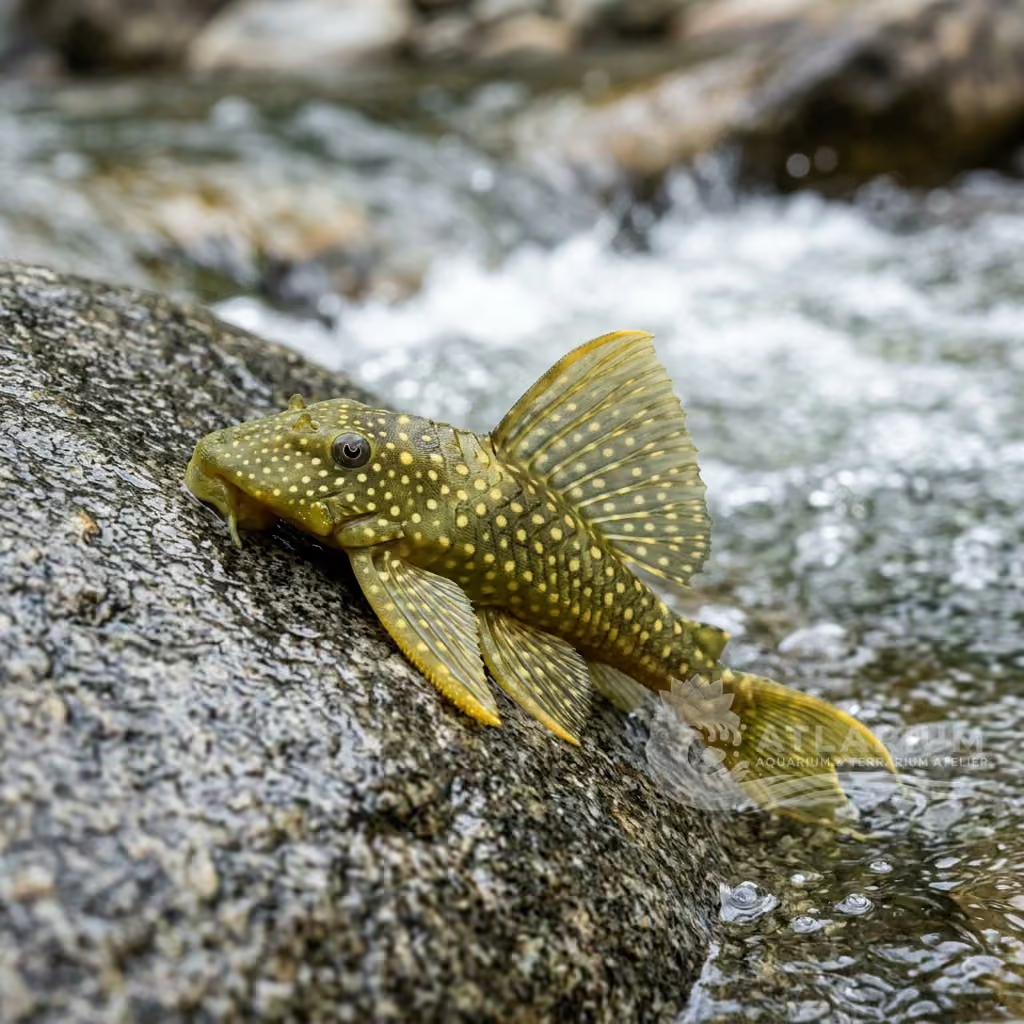
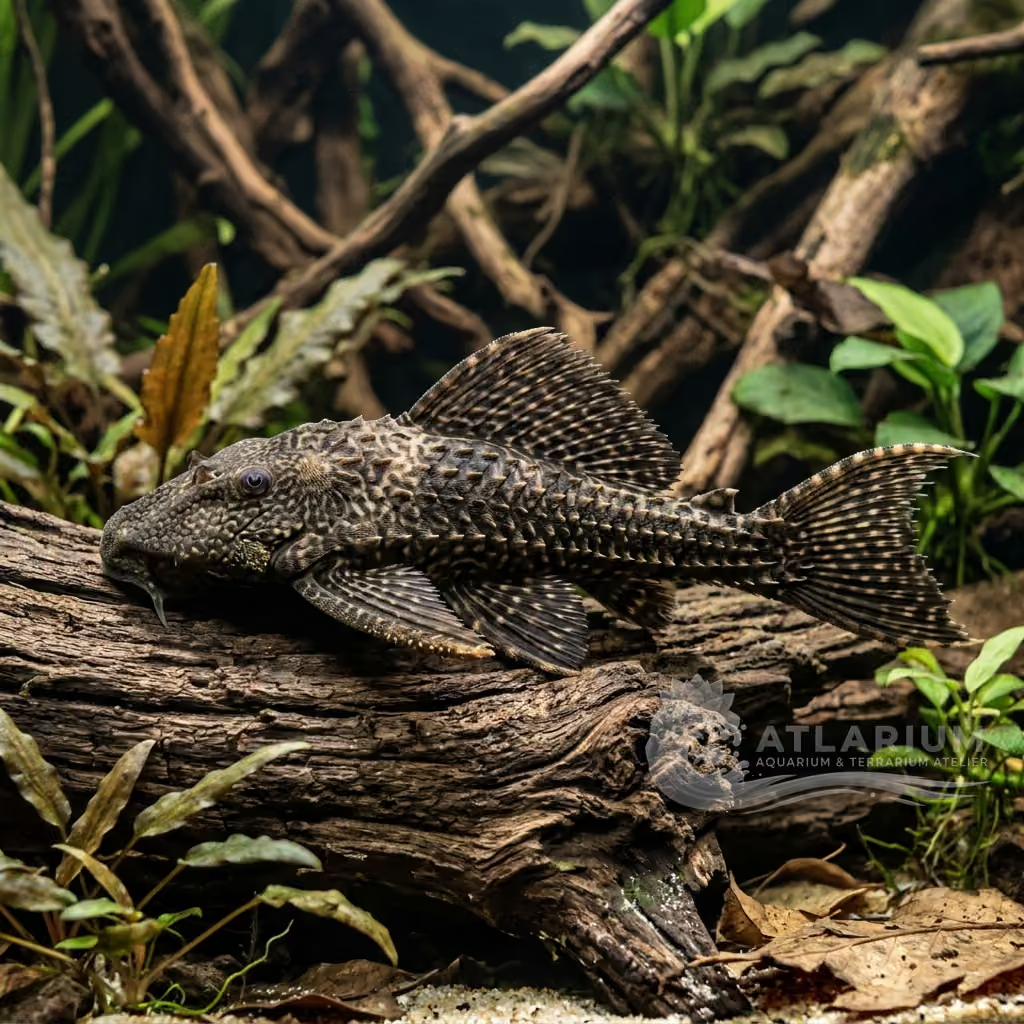
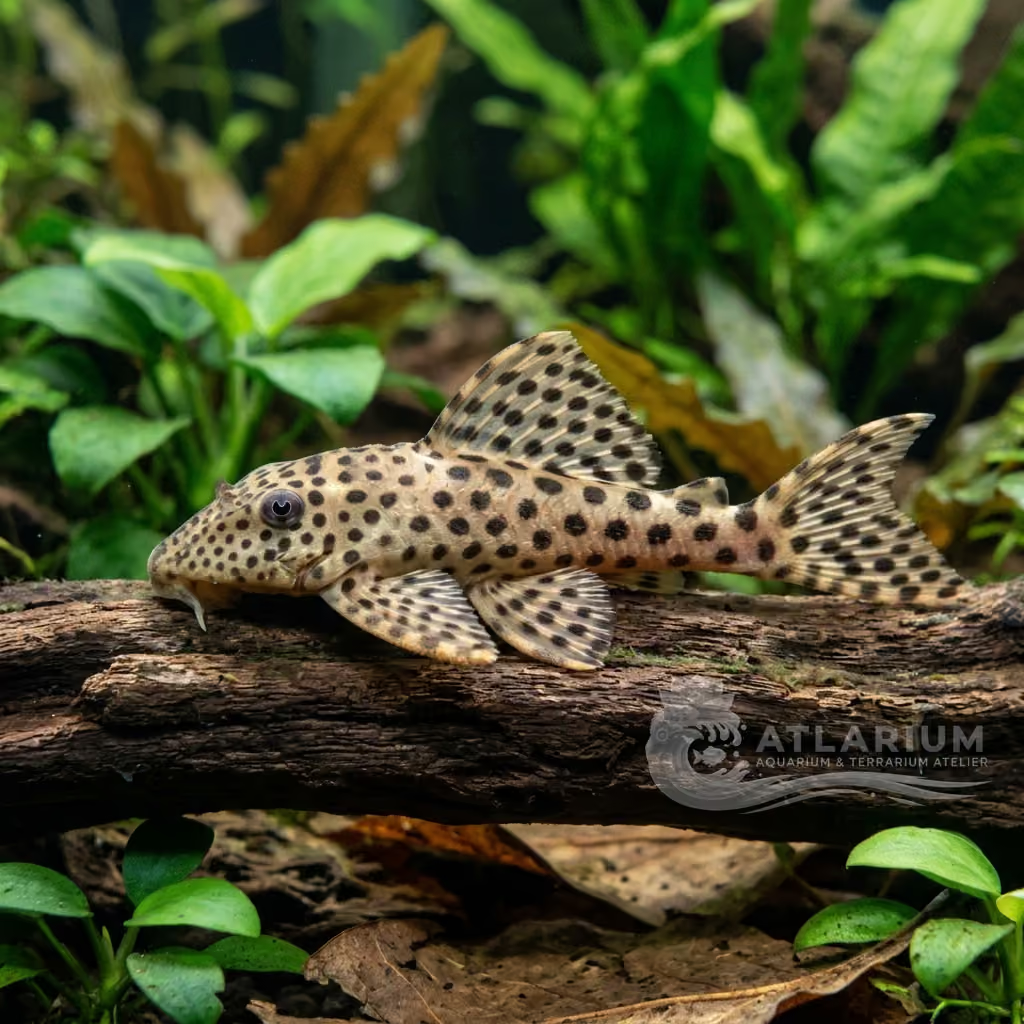
The Royal Pleco or L190 (Panaque nigrolineatus) is undoubtedly one of the most spectacular and iconic armored catfish in the hobby. Unlike normal (and often boring) Plecostomus, the Royal has a compact, massive and stocky body, with a peculiar "big head" shape, adorned with a dense and geometric pattern of parallel horizontal black and pale grey/olive green stripes, combined with a dazzling ruby red eye. It is famous for its very rare xylophagous diet: this animal literally feeds on wood. It has enormously developed spoon-shaped teeth and a digestive system capable of processing and surviving by eating logs. A colossus (up to 40 cm / 16 inches) that requires colossal tanks and equally extreme filtration.
24 - 28 °C
6 - 7.5
Freshwater
Bottom
40 cm
>= 500 L
>= 1
2 - 15 dGH
1 - 7 dKH
40 - 295 ppm
63 - 461 uS/cm

Species description

Care, breeding and tankmates

Geographic origin and distribution
Origin

Fish profile
- Temperament
- Territorial
- They are secretive and peaceful toward different species. They can be extremely aggressive toward conspecifics or similar plecos. Providing numerous hiding spots can help mitigate their territorial nature.
- Diet
- Herbivore
- Wood is a mandatory part of their daily diet. They scrape driftwood continuously to aid their unique digestion. Offer fresh veggies like zucchini and sweet potato multiple times a week.
- Life expectancy
- 10-15 years
- Adult size
- 40 cm
- Sex ratio
- Group
- It is strongly advised to keep only one specimen per tank. Males are intensely territorial and will fight each other severely. A massive footprint is required to house a pair successfully.
- Feeding frequency
- Twice daily
- Driftwood must be available for grazing at all times. Drop sinking foods into the tank every night. Remove any uneaten vegetables the next morning to preserve water quality.
- Bioload
- Extreme
- They produce an exceptionally heavy bioload as they mature. Eating wood results in massive volumes of sawdust and fecal matter. Oversized mechanical and biological filtration is strictly necessary.
- Flow
- Strong
- They prefer strong, highly oxygenated water currents. Powerful flow mimics their natural rapid river environments. It also helps transport their substantial waste into the filter intakes.
- Jump risk
- No
- Reproduction
- Oviparous
- Captive breeding of this species is extremely rare. It requires massive dedicated tanks and complex seasonal water changes. The vast majority of these fish are wild-caught from rivers.
- Compatibility & tankmates
- With caution
- They are peaceful with small to medium community fish. However, they are highly intolerant of other large bottom dwellers. They will aggressively fight other plecos for territory and food.
- Tank level
- Bottom
- They spend their entire lives at the bottom of the aquarium. They will stake a claim under a large piece of driftwood. They never venture into the middle or upper water levels.

Scientific Parameters & Models
Window to the official scientific data of the species
- Resilience
- Low (4.5 - 14 years)
- Phylogenetic uniqueness (PD50)
- 0.5078
- Bayesian Length-Weight
- a = 0.02884, b = 2.98
- VulnerabilityModerate vulnerability (41 / 100)

Image gallery
Licensed images linked to the species or, when marked, to the closest representative taxon.

Related species
Recommendations grouped by close relatives, companion choices, and similar care.