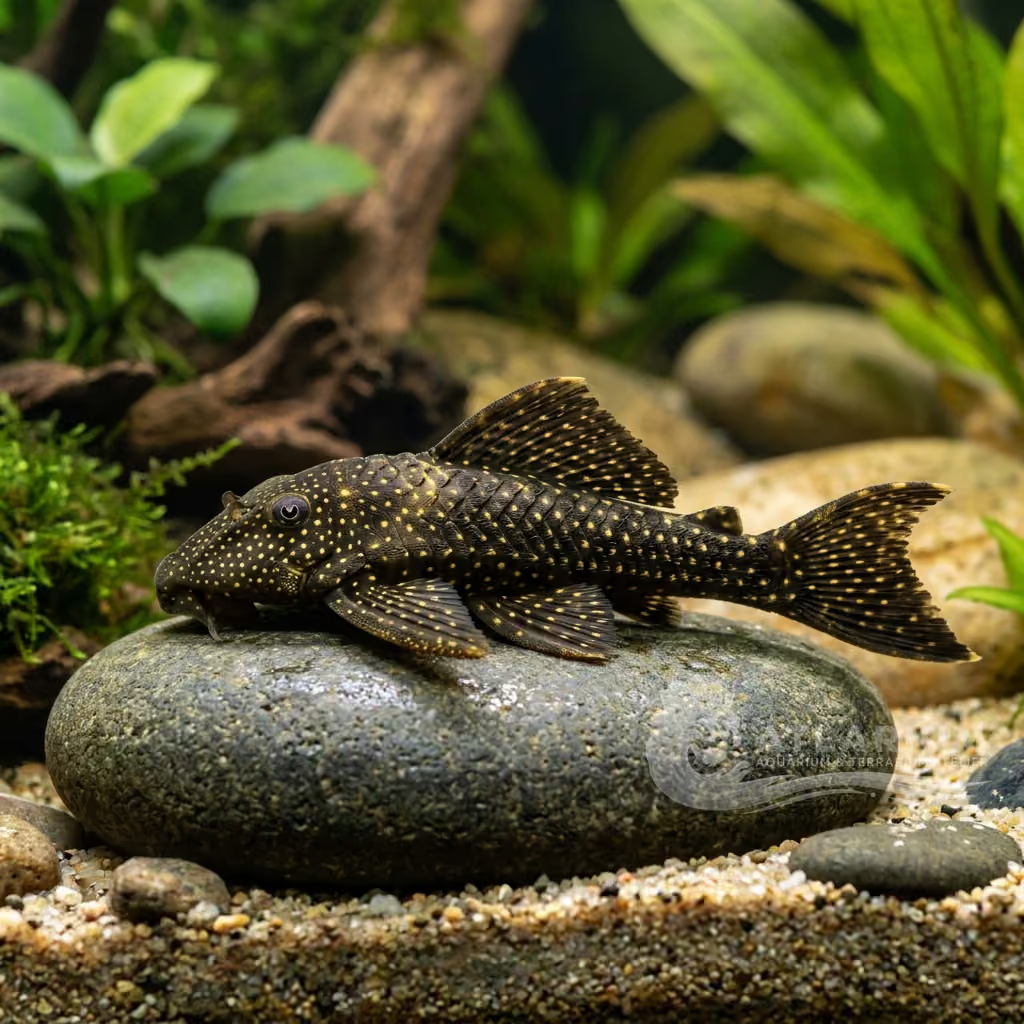
Snowball Pleco
Hypancistrus inspector
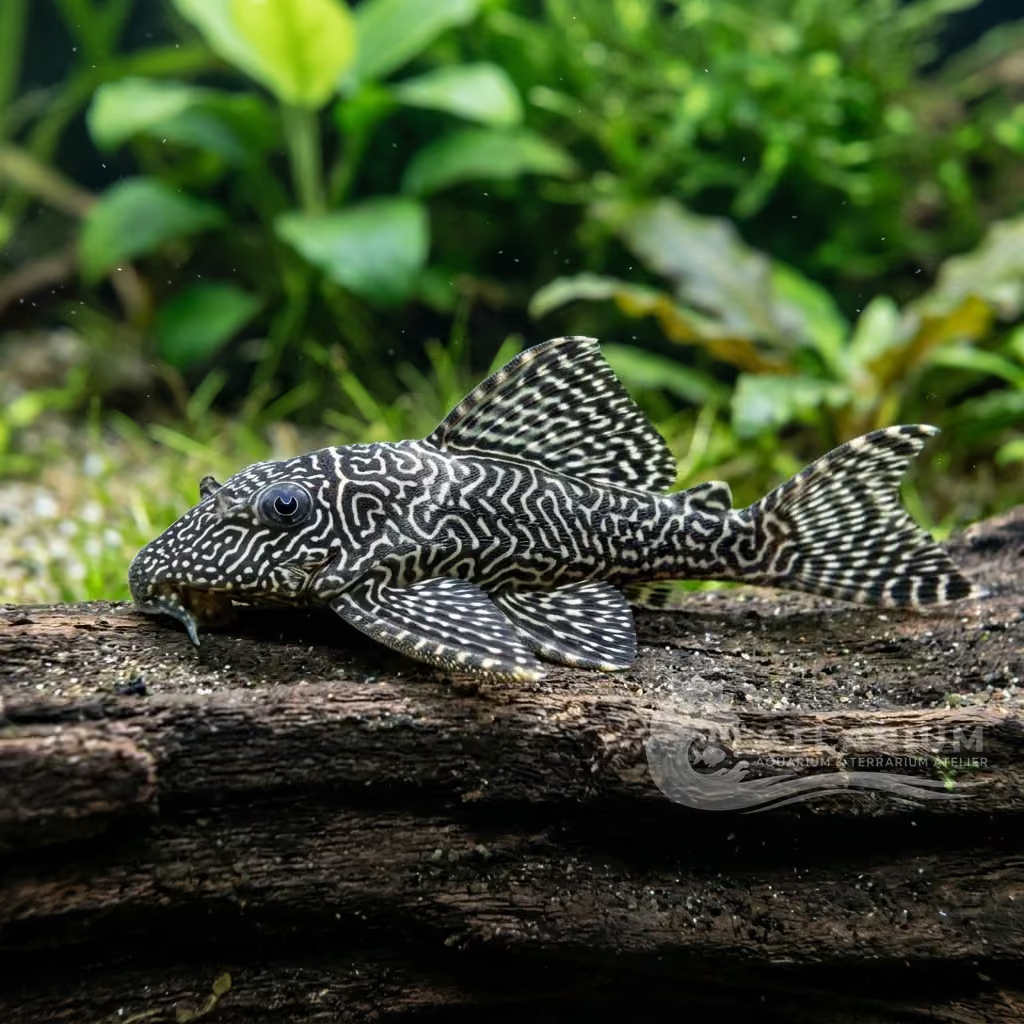
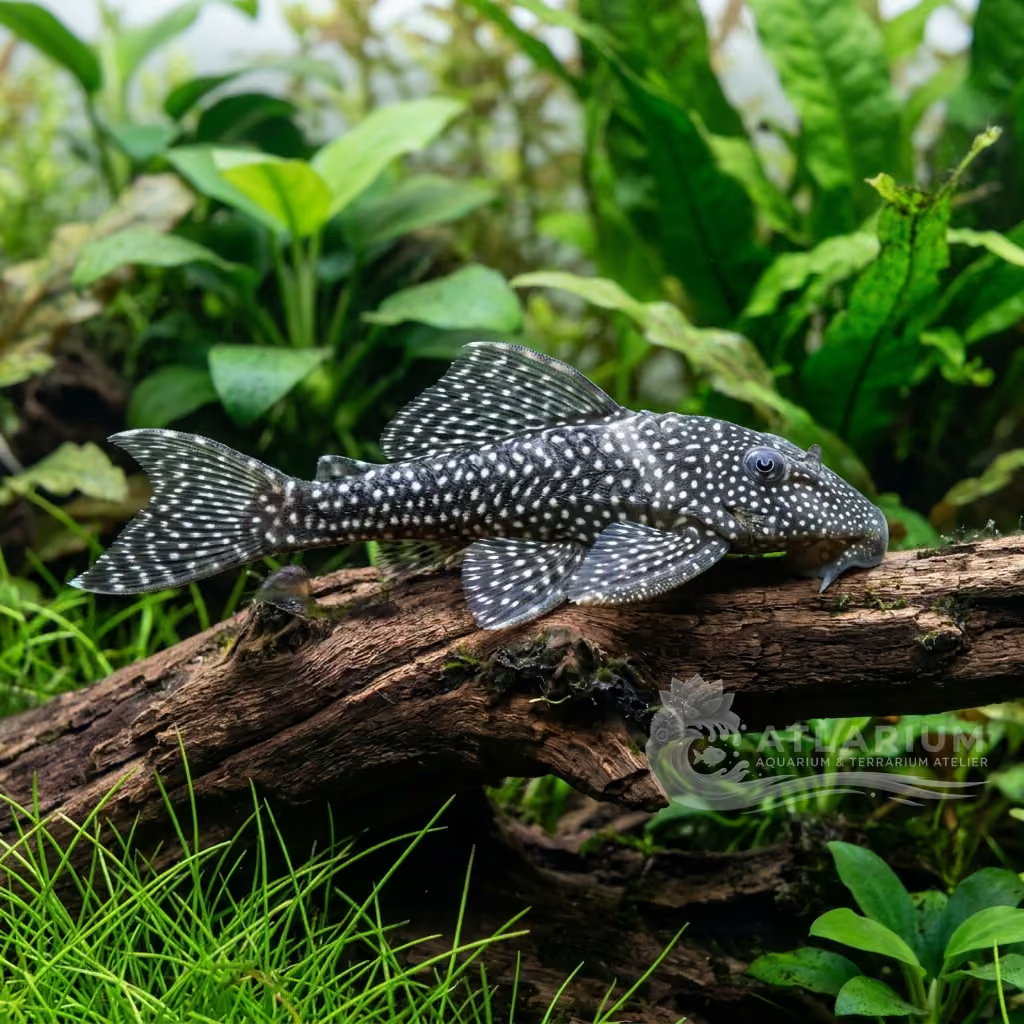
A velvety black body studded with round, regular white dots like snowflakes — hence the name. L102. Less demanding than many Hypancistrus but still a fish for experienced keepers. Unlike herbivorous plecos, it is predominantly carnivorous — prefers protein over vegetables. Reaches 12–15 cm. Needs warm, clean water with current. Strictly nocturnal.
Water Temperature
24 - 30 °C
pH Value
5.5 - 7.5
Water type
Freshwater
Tank level
Bottom
Adult size
15 cm
Minimum tank volume
>= 80 L
Minimum group
>= 1
GH
2 - 12 dGH
KH
1 - 6 dKH
TDS
40 - 240 ppm
Conductivity
63 - 375 uS/cm

Species description
Geographical Origin and Habitat: Rio Casiquiare (Upper Orinoco, Venezuela). Inhabits smooth rock rapids intersected by immense tangles of wood in Blackwater.
Taxonomy and Morphology: L201 / Orinoco Angel Pleco (Hypancistrus inspector). Compared to its cousin "contradens", the inspector has a much flatter head (aerodynamic profile), the white polka dots are much smaller and denser, and the eye is proportionally immense (hence the name).
Social Behavior: Peaceful but markedly asocial. Spends its entire life hidden under trunks; comes out only in pitch darkness to feed. Skirmishes with peers are limited to shoves for the caves.
Coloration and Sexual Dimorphism: Coal-black back and flanks dotted with very fine and bright yellowish-white dots that thin out on the pale belly. Males develop showy odontodes on the cheeks (interopercular odontodes) and a more angular forehead.

Care, breeding and tankmates
Aquarium Setup: Sandy background or smooth pebbles. Absolute obligation to create dens or "crevasses": terracotta tubes, slate caves or wooden castles. The tank should never have bright direct lights. They love considerable currents.
Diet and Feeding: Absolutely does not eat algae! It is a carnivore. Must be fed at night with frozen bloodworms, mysis, and sinking protein wafers. An excess of vegetable fibers can cause occlusions.
Water Quality: Requires pure, warm (27-29°C / 81-84°F) and soft waters, even if captive adults tolerate neutral pH. Extremely sensitive to copper and heavy medicines in the tank.
Compatibility and Cohabitation: Excellent tankmate for Discus tanks (given the heat) or schools of Characins (Cardinal Tetra, Rummy-Nose). Being small it does not bother corydoras. Do not insert large or aggressive benthic fish (Labeos, Loaches) that would steal its food.
Aquarium Breeding: Cave breeder. The male traps the female, forces her to lay up to 30 eggs, fertilizes them and then drives the female away to brood them (fanning them with his fins) for almost 20 days.
Risks and Diseases: Starvation. Shy fish like him tend to waste away if put with fish that eat too fast, since he never comes out during the day to compete for the wafers.

Geographic origin and distribution
Rio Casiquiare (Upper Orinoco, Venezuela). Inhabits smooth rock rapids intersected by immense tangles of wood in Blackwater.
Origin
Tropical oceans and reefsAmazon, Orinoco, and Guianas

Fish profile
- Temperament
- Semi-aggressive
- They exhibit a shy, reclusive, and nocturnal temperament, often frustrating aquarists who rarely see them during the day. Among their own kind, males will bicker over premium caves, though rarely inflicting serious damage. Providing at least two caves per individual is the best way to maintain peace among the bottom dwellers.
- Diet
- Omnivore
- Their diet should be strictly carnivorous, as they do not consume algae or plant matter effectively. Offer a rotating variety of sinking meaty wafers, frozen bloodworms, chopped prawns, and brine shrimp. Vegetable matter will generally be ignored, so focus entirely on high-quality, protein-dense foods.
- Life expectancy
- 5-10 years
- Adult size
- 15 cm
- Sex ratio
- Flexible
- Sexing becomes apparent in adulthood, with males developing noticeably longer odontodes on their pectoral fins and cheeks. Males also tend to have a broader, blockier head shape when viewed from above compared to females. Females maintain a rounder, plumper body profile, particularly when they are conditioned for breeding.
- Feeding frequency
- Once daily
- They should be fed once a day, ideally right before or immediately after the main tank lights are turned off. This species is primarily nocturnal and will actively forage for food in the dark. Ensuring food sinks directly to their hiding spots helps them outcompete faster, surface-dwelling fish.
- Bioload
- Low to Medium
- The bioload produced by this striking pleco is moderate and manageable in appropriately sized aquariums. Like other carnivore plecos, their protein-rich waste demands a well-established biological filtration system. Regular gravel vacuuming and weekly partial water changes are essential to prevent nitrate accumulation.
- Flow
- Strong
- They originate from fast-flowing, oxygen-rich waters and thrive when these conditions are replicated in captivity. Strong water flow created by powerheads or spray bars is highly beneficial and promotes active behavior. Exceptional dissolved oxygen levels, especially at higher temperatures, are absolutely non-negotiable for this species.
- Jump risk
- No
- Reproduction
- Oviparous
- They are typical cave spawners, with the male selecting and meticulously cleaning a suitable crevice or specialized ceramic cave. After coaxing a female to lay eggs inside, the male will banish her and guard the clutch aggressively. He will fan the eggs to ensure oxygen flow and protect the fry until they absorb their yolk sacs.
- Compatibility & tankmates
- Peaceful
- They are generally peaceful towards mid-water and top-dwelling fish, making them suitable for most community setups. However, they can be territorial towards similarly sized bottom dwellers, especially other Loricariids, if space is limited. Best companions include peaceful schooling tetras, dwarf cichlids, and corydoras in larger tanks.
- Tank level
- Bottom
- They are exclusive bottom dwellers that will stake claim to specific caves, crevices, or driftwood tangles. They spend daylight hours securely hidden away, only emerging to forage or defend their territory. An aquarium lacking abundant hardscape will cause them immense stress and lead to health issues.

Scientific Parameters & Models
FishBase
Window to the official scientific data of the species
FishBase v25.04Data synced on: 06/15/2026
- Trophic level
- 2 ± 0 se
- Resilience
- Medium (1.4 - 4.4 years)
- Phylogenetic uniqueness (PD50)
- 0.5005
- Bayesian Length-Weight
- a = 0.01549, b = 2.96
- VulnerabilityLow vulnerability (10 / 100)

Related species
Recommendations grouped by close relatives, companion choices, and similar care.