Hypancistrus sp. L450
Hypancistrus sp. L450
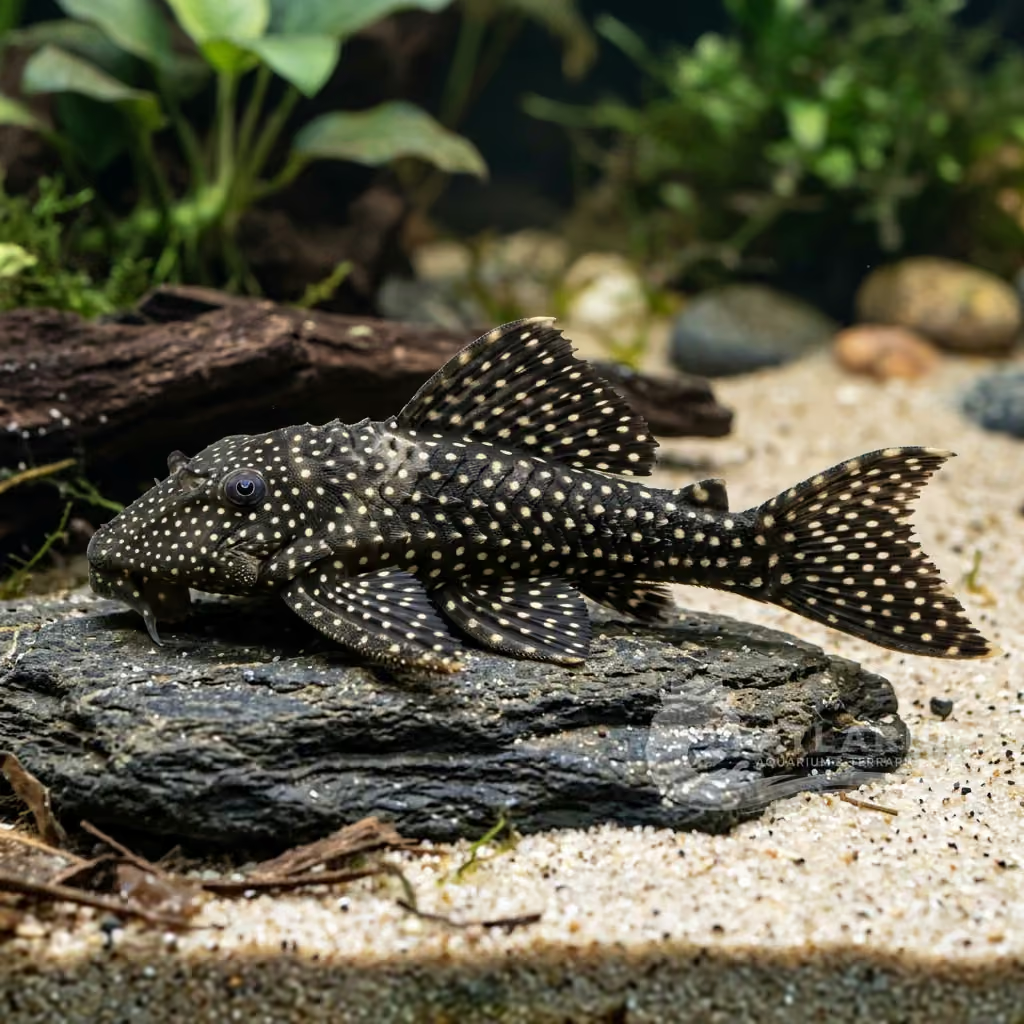
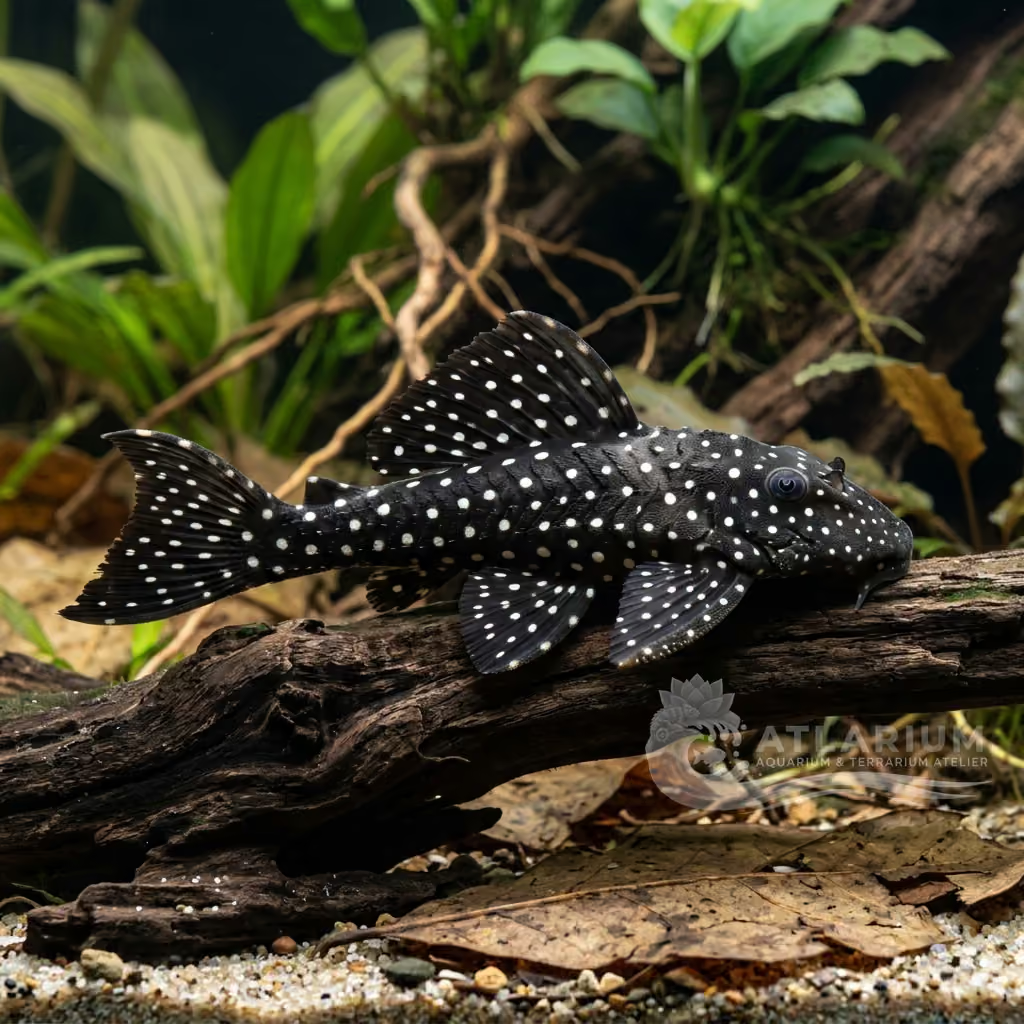
The 'Orinoco Zebra Pleco' (12 cm). One of the most extraordinary and mysterious representatives of the Hypancistrus genus from the Orinoco basin, often confused or associated with the zebra fish network (L046, L173, L316). It features horizontal bands of sharp black contrast on white/cream on the snout, which transform into a thick tangle or more irregular and inclined bands on the rear flanks. Strictly nocturnal animal, inexorably carnivorous, requires boiling, impetuous waters and tubular ceramic hiding places. Extremely rare jewel for dedicated South American aquariums.
27 - 31 °C
5.5 - 7
Freshwater
Bottom
12 cm
>= 100 L
>= 1
1 - 12 dGH
1 - 6 dKH
25 - 240 ppm
39 - 375 uS/cm

Species description

Care, breeding and tankmates

Geographic origin and distribution
Origin

Fish profile
- Temperament
- Semi-aggressive
- They exhibit a distinctly peaceful, shy, and reclusive temperament, strongly preferring the safety of their caves. While generally docile, males will aggressively defend their preferred spawning caves from other males of the same species. Ensuring there are significantly more caves available than there are plecos easily solves any territorial issues.
- Diet
- Omnivore
- Their diet should be almost exclusively carnivorous, consisting of high-quality, sinking protein-rich foods. They will readily devour frozen bloodworms, mysis shrimp, and specially formulated carnivore sinking wafers. They lack the specialized dentition to efficiently scrape algae, so vegetable matter should only be an occasional treat.
- Life expectancy
- 10-15 years
- Adult size
- 12 cm
- Sex ratio
- Specific M:F ratio
- Mature males are easily distinguished by the prominent, elongated odontodes on their pectoral fin spines and cheeks. Males also tend to have a broader, more robust head profile compared to the rounder bellies of mature females. Maintaining a ratio with a higher number of females to males generally yields the best breeding results.
- Feeding frequency
- Twice daily
- They should be fed once a day, with the best time being just after the aquarium lights are turned off. As nocturnal foragers, they are much bolder and more active when searching for food in the dark. Care must be taken to ensure they are getting enough food if kept with fast, aggressive eaters.
- Bioload
- Low to Medium
- This intricately marked pleco produces a moderate bioload consistent with its size and carnivorous diet. Because they require protein-rich foods, their biological waste demands a well-cycled and robust filtration system. Performing regular weekly water changes is highly recommended to keep the environment perfectly pristine.
- Flow
- Stagnant
- They prefer environments with highly oxygenated water and a moderate to moderately strong flow rate. Utilizing powerheads to create a directional current will mimic the river environments they naturally inhabit. Adequate surface agitation is crucial to maintain the high dissolved oxygen levels these fish require.
- Jump risk
- No
- Reproduction
- Oviparous
- They are typical cave spawners, with the male taking on all the brooding and guarding responsibilities. The male selects a tight cave, traps the female to initiate spawning, and then expels her to guard the eggs alone. The male will constantly fan the eggs to ensure oxygenation and protect the newly hatched fry.
- Compatibility & tankmates
- Peaceful
- They are peaceful and somewhat shy community fish that pose absolutely no threat to mid-water or top-dwelling species. They do extremely well alongside calm, similarly sized Amazonian fish like tetras, pencilfish, and Corydoras. Hiding spots must be abundant to prevent them from being bullied by larger, more aggressive bottom feeders.
- Tank level
- Bottom
- They are obligate bottom dwellers that require an aquarium floor featuring complex hardscape elements. Providing numerous ceramic spawning caves, intricate driftwood tangles, and stacked rock crevices is absolutely essential. They will spend nearly the entire day wedged securely into their chosen hiding spots.

Related species
Recommendations grouped by close relatives, companion choices, and similar care.