Demini Angel Pleco (L136)
Hypancistrus sp. L136
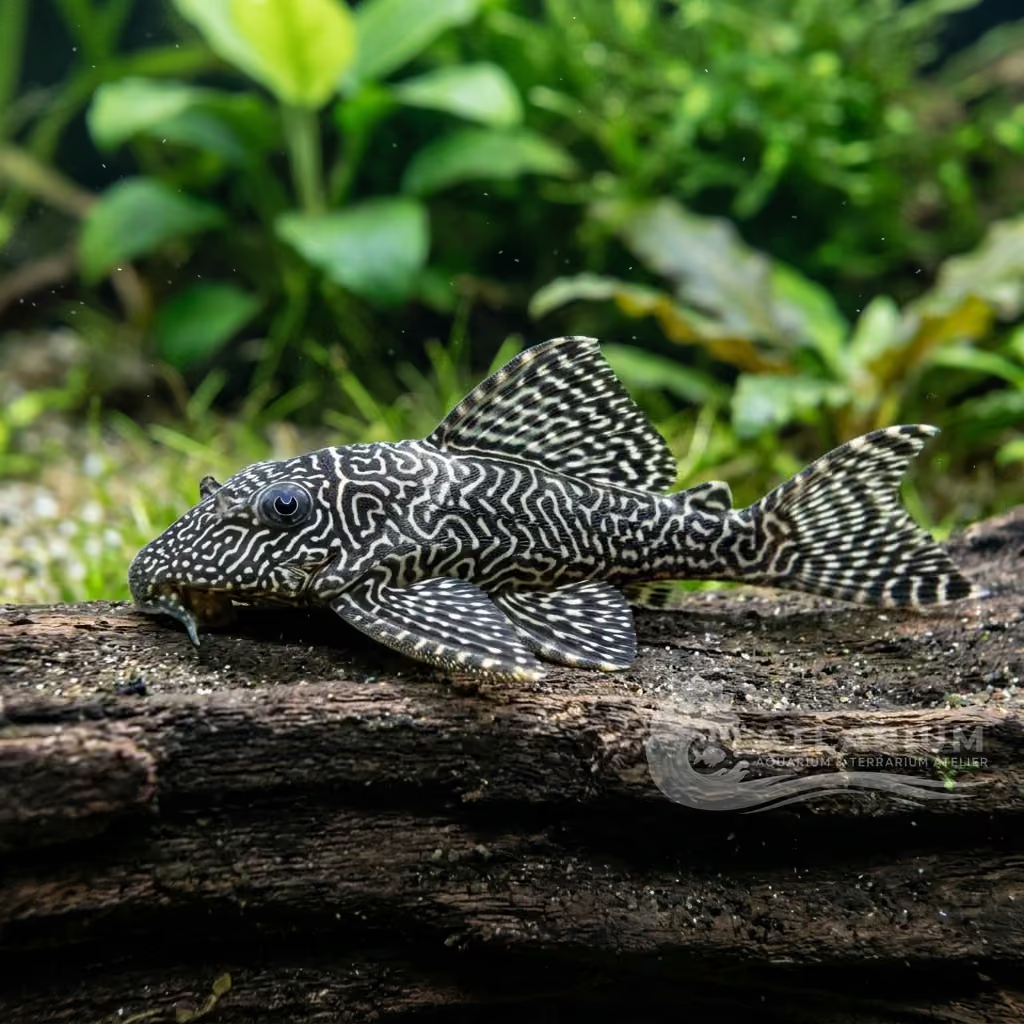
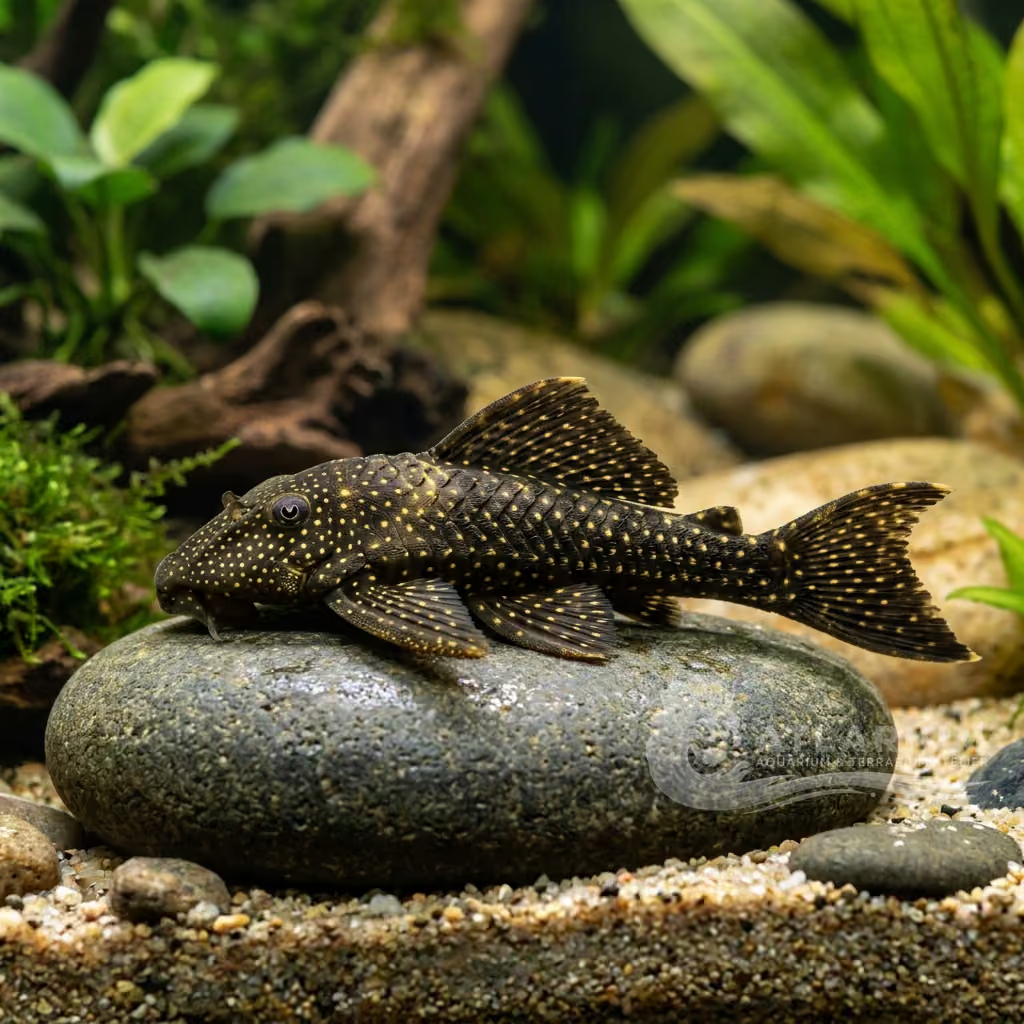
The 'White-Spotted Demini Pleco' (10 cm). A nocturnal carnivorous loricariid, renowned for the incredible contrast between its velvet black body and scattered snow-white spots. Totally inept at scraping algae, it feeds on frozen foods and protein tablets. Demands custom-made caves, lively current and the scorching temperatures typical of the Rio Negro.
Water Temperature
27 - 31 °C
pH Value
5 - 7
Water type
Freshwater
Tank level
Bottom
Adult size
10 cm
Minimum tank volume
>= 100 L
Minimum group
>= 1
GH
1 - 8 dGH
KH
1 - 4 dKH
TDS
25 - 160 ppm
Conductivity
39 - 250 uS/cm

Species description
Geographical Origin and Habitat: The Demini River Loricariid. Comes from the rocky and root-filled stretches of the blackwater rivers of the Rio Negro basin (Rio Demini and Rio Branco). Here the water is strong tea-colored, exceptionally soft and warm.
Taxonomy and Morphology: The Variable Pattern. The L136 complex presents immense taxonomic confusion (L136a, b, c) due to the variability of the white spots, which can be very fine, large or irregular. Morphologically it possesses the typical stocky head and oral apparatus of the *Hypancistrus*, equipped with a few massive teeth not suitable for scraping hard algae or wood, but perfect for grasping meat.
Social Behavior: The Shy Cave-Dweller. Extremely elusive by day, it spends its life anchored inside ceramic caves or very narrow wood crevices. Territorial males among themselves, peaceful and totally harmless to other fish. Active at dusk looking for food.
Coloration and Sexual Dimorphism: Night Black and Snow Stars. Intense black background with white or silver-grey spots. Adult males develop evident "odontodes" (hair-like spines) that are very long and thick on the gill covers (the "cheeks") and along the rays of the pectoral fins, absent or very short in plump females.

Care, breeding and tankmates
Aquarium Setup: Demands "Caves and Warm Current" (Tank min. 80 cm / 30 in). The layout MUST include countless tubular terracotta refuges closed on one side (slightly wider than the fish) and securely stacked rocks. Sandy or fine gravel bottom. Essential a direct and powerful water flow to oxygenate the hot tank.
Diet and Feeding: Carnivorous Micro-Predator. IGNORES ALGAE AND VEGETABLES. It is an obligate carnivore: provide bloodworms, mysis, brine shrimp and highly proteinaceous sinking granules/tablets. Vegetable food will cause malnutrition.
Water Quality: Warm Blackwater Necessity. Requires warm water (27-31°C / 81-88°F) and excellent oxygenation via airstone or venturi. Intolerant to nitrates. Neutral or acidic pH (5.0 - 7.0).
Compatibility and Cohabitation: Peaceful Amazonian Community. Perfect with Discus (they share the heat), Corydoras that tolerate 28°C (like *C. sterbai*) and small pelagic characins. Forbidden large voracious benthic fish that would steal its food at night.
Aquarium Breeding: Cave Spawner. The male attracts the female into the tube, traps her for days until she lays a large cluster of huge yellow eggs. The male expels the female and heroically fans the eggs for weeks, without eating, until the yolk sac of the microscopic clones is absorbed.
Risks and Diseases: Lethality from Wrong Food. The classic newbie mistake is buying an Hypancistrus to "clean the glass of algae"; the animal will die of starvation within a month with a sunken belly. Sensitive to copper and heavy medications.

Geographic origin and distribution
The Demini River Loricariid. Comes from the rocky and root-filled stretches of the blackwater rivers of the Rio Negro basin (Rio Demini and Rio Branco). Here the water is strong tea-colored, exceptionally soft and warm.
Origin
Tropical oceans and reefsAmazon, Orinoco, and GuianasNorth America

Fish profile
- Temperament
- Semi-aggressive
- They possess a peaceful, albeit very shy and retiring temperament, often remaining completely hidden during daylight hours. Males will establish and defend small territories centered around a preferred cave, displaying harmlessly to rivals. Keeping the tank well-structured with plenty of visual barriers minimizes any stress from territorial disputes.
- Diet
- Omnivore
- Their diet leans heavily towards carnivory, requiring a variety of high-quality sinking meat-based foods. Regular offerings of frozen bloodworms, daphnia, brine shrimp, and carnivore pellets will keep them healthy and vibrant. While they may occasionally nibble on biofilm, algae should never be considered a primary food source for them.
- Life expectancy
- 10-12 years
- Adult size
- 10 cm
- Sex ratio
- Flexible
- Sexually mature males are identifiable by their more prominent odontode growth on the first pectoral fin ray and cheeks. Males also present a slightly broader head profile when observed from directly above. Females are generally fuller in the belly, especially when gravid, and exhibit much shorter, stubbier odontodes.
- Feeding frequency
- Twice daily
- Offer food once daily, ideally dropping sinking foods in after the aquarium lights have been shut off. Their nocturnal nature means they are most active and comfortable feeding in the dark. Aquarists must ensure that fast, greedy fish do not consume all the food before it reaches the bottom.
- Bioload
- Low to Medium
- This intricately patterned pleco generates a moderate bioload that is relatively easy to manage. Due to their carnivorous diet, their waste is more protein-dense, requiring established biological filtration to process effectively. Consistent weekly water changes are highly recommended to keep nitrates low and the fish in peak condition.
- Flow
- Stagnant
- Originating from the Rio Demini, they appreciate moderate to moderately strong water flow and high dissolved oxygen. While they do not need torrential rapids, the water should be visibly moving and well-aerated. Using an airstone or pointing a filter output across the surface will easily meet their oxygen demands.
- Jump risk
- Yes
- Like all members of this genus, they are specialized bottom dwellers with an extremely low propensity for jumping. Their anatomy is designed for clinging to surfaces, making jumping out of the water counterintuitive to their nature. A standard hood or lid is sufficient and is primarily needed to prevent water evaporation.
- Reproduction
- Oviparous
- They are willing cave spawners when provided with excellent water quality and a protein-rich diet. The male selects a cave, courts the female, and after spawning, takes on the exclusive role of guarding the eggs. The male will tirelessly fan the eggs and protect the hatched fry until they leave the cave to forage.
- Compatibility & tankmates
- Semi-aggressive
- They are exceptional community fish, exhibiting a completely peaceful demeanor towards mid and top-water swimming species. They thrive alongside peaceful tetras, rasboras, and other gentle Amazonian fish species. They may occasionally squabble with other bottom dwellers over caves, but these interactions rarely lead to injury.
- Tank level
- Bottom
- They are strict benthic fish that will spend their entire lives at the bottom level of the aquarium. A proper setup must include an abundance of caves, stacked rocks, and tangled driftwood for them to explore and claim. Without adequate hardscape to hide in, they will become highly stressed and prone to illness.

Related species
Recommendations grouped by close relatives, companion choices, and similar care.