Zebra Pleco (L046)
Hypancistrus zebra
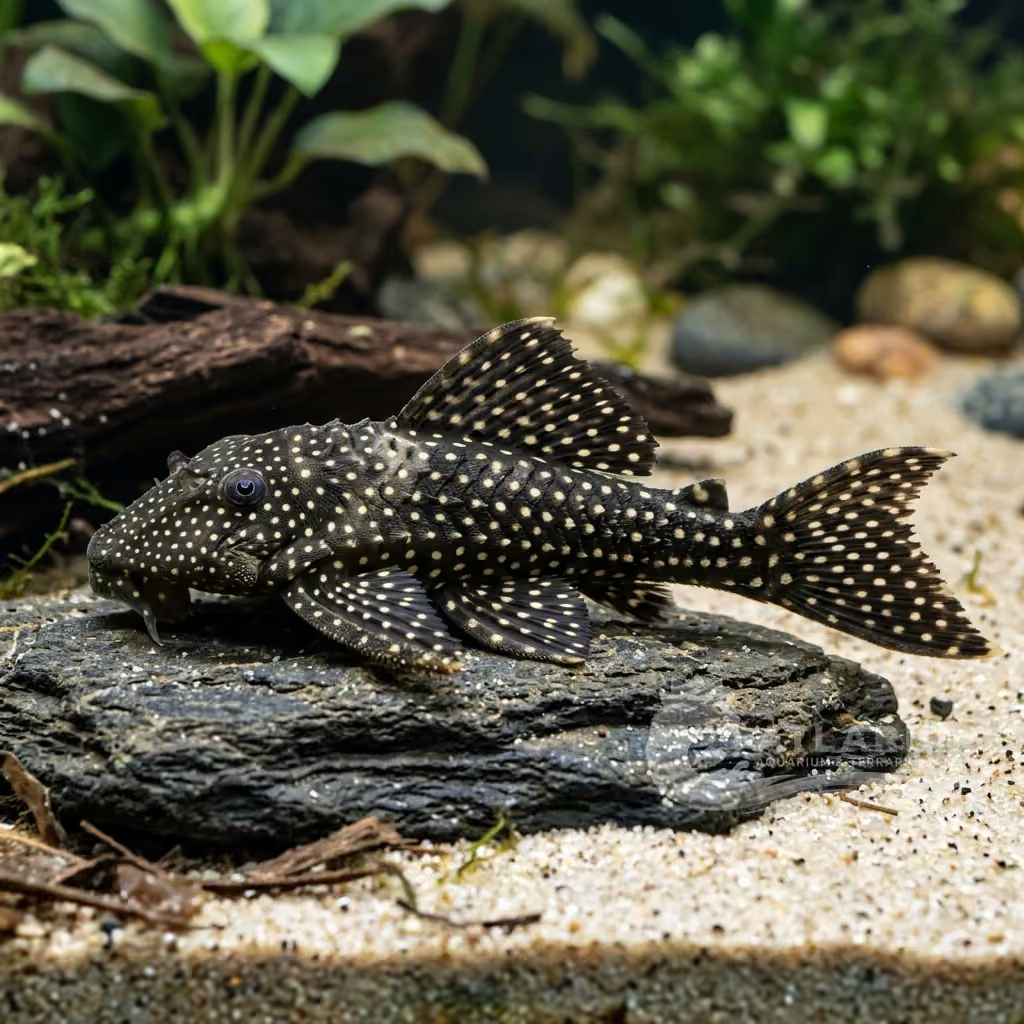
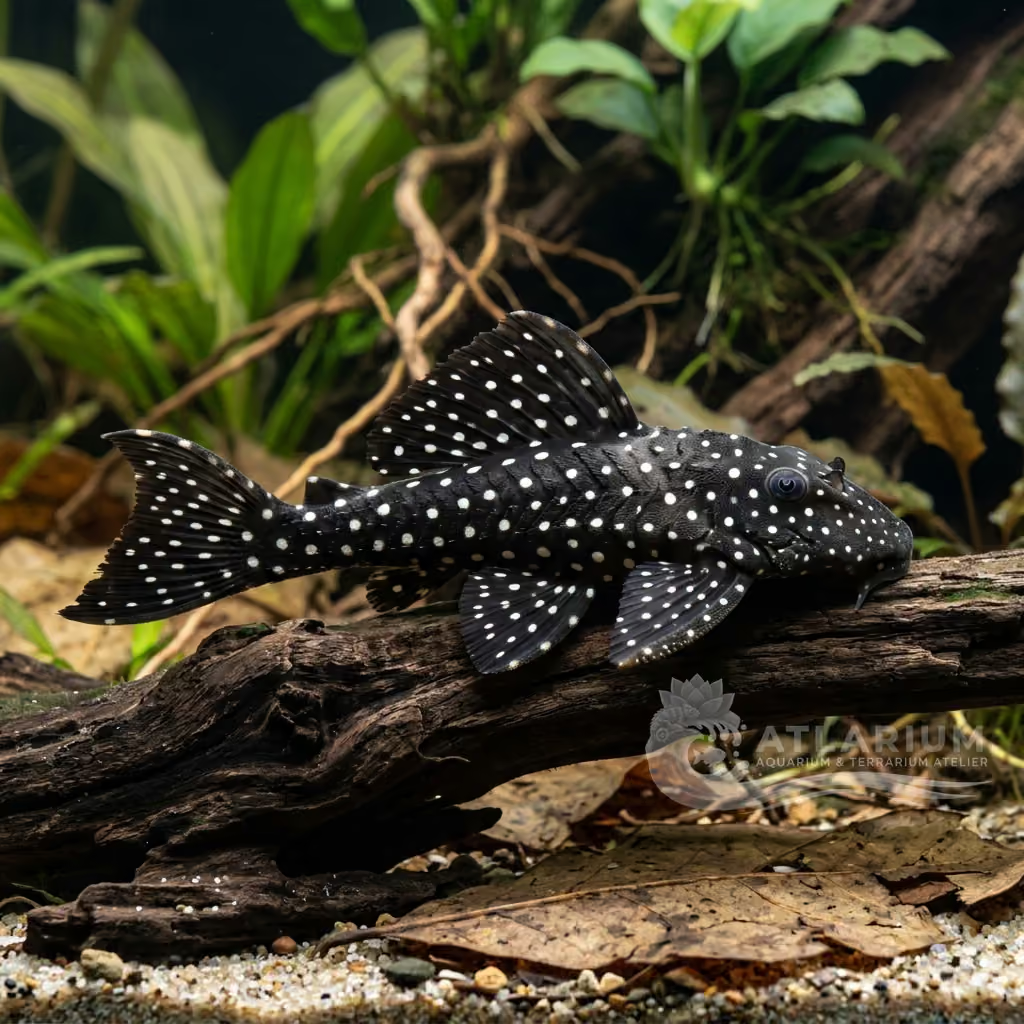
The Hypancistrus zebra is a living legend, native exclusively to a specific area of the Rio Xingu in Brazil, now destroyed by dams. With its black and white striped coat, it is tiny (9 cm) and beautiful, but extremely expensive. Unlike all cleaner fish, it is not an herbivore: it is a ruthless carnivore that requires high-protein foods and meat. It is so shy and slow to feed that, if paired with Corydoras or Loaches, it will starve to death hidden in its rocky caves.
Water Temperature
26 - 30 °C
pH Value
6 - 7.5
Water type
Freshwater
Tank level
Bottom
Adult size
8 cm
Minimum tank volume
>= 100 L
Minimum group
>= 4
GH
2 - 10 dGH
KH
1 - 5 dKH
TDS
40 - 200 ppm
Conductivity
63 - 313 uS/cm

Species description
Geographical Origin and Habitat: Strictly endemic to a tiny stretch of the Rio Xingu in Brazil (Volta Grande). This miniature jewel lives wedged deep within submerged volcanic crevices, where the water flows blazingly fast and extremely hot.
Taxonomy and Morphology: Universally known as L046 (Zebra Pleco). It is one of the smallest, most famous, and rarest Loricariids in the world (max 8-9 cm / 3.5 inches adult). Features a sleek, compact body, large eyes, and a sucker mouth equipped with few but strong teeth, designed to snatch animal prey rather than rasp algae.
Social Behavior: Extremely placid, reclusive, and timid. In non-dedicated tanks, it risks literally dying of fright and starvation by remaining permanently hidden. Highly tolerant of conspecifics, establishing silent micro-hierarchies without causing physical injury.
Coloration and Sexual Dimorphism: The ultimate icon of the hobby: a pristine, razor-sharp zebra-striped pattern of "porcelain" white and ink black (or very dark blue). Utterly unmistakable. The eye features a bluish line on the upper iris. Sexual dimorphism is very slight: dominant males have subtly broader heads and thicker "hair" (odontodes) on the leading edge of their pectoral fins.

Care, breeding and tankmates
Aquarium Setup: Categorically requires a species-only dedicated tank (min 80-100 liters / 20-25 gallons for a small group). The substrate must be a complex labyrinth of stacked flat stones, slate crevices, and tiny ceramic breeding tubes. Plants are pointless. Blistering water flow (powerheads) and extreme aeration are non-negotiable.
Diet and Feeding: FATAL MISTAKE: The Zebra Pleco is NOT a herbivore and does NOT eat algae. It is a strict micro-carnivore. The diet must be 95% protein: frozen bloodworms, mysis, chopped krill, brine shrimp, and high-protein sinking carnivore wafers. Vegetables and wood are entirely ignored.
Water Quality: Parameters are prohibitive for beginners. Demands blistering hot water (28-32°C / 82-90°F). Soft, acidic pH (6.0-7.0) and maniacal mechanical oxygenation. Even mild levels of nitrates or pollutants are lethal. Requires frequent, massive water changes.
Compatibility and Cohabitation: Tankmates are severely discouraged due to its extreme timidity and slow feeding speed. Any other bottom-dweller (even peaceful Corydoras) will easily outcompete it for food, leading to starvation. Only pair with tiny, heat-loving, top-dwelling Tetras that will ignore sinking food. Never mix with other Plecostomus.
Aquarium Breeding: The Holy Grail of Pleco breeding. A strict cave-spawner (demands ceramic tubes calibrated exactly to the millimeter of the male's body width). After courtship, the female lays 7-15 massive yellow eggs which the male fanatically guards. The fry (born already sporting tiny zebra stripes) grow agonizingly slowly.
Risks and Diseases: 1. Lethal Starvation: dies of hunger because beginners treat it as an "algae eater" or house it with greedy fish. 2. Extinction Threat: due to astronomical pricing, it was poached relentlessly. Now its native habitat has been devastated by the Belo Monte Dam on the Xingu River. Export from Brazil is illegal; commercial specimens strictly derive from captive breeding (CITES III).

Geographic origin and distribution
Strictly endemic to a tiny stretch of the Rio Xingu in Brazil (Volta Grande). This miniature jewel lives wedged deep within submerged volcanic crevices, where the water flows blazingly fast and extremely hot.
Origin
Extra-Amazon South America

Fish profile
- Temperament
- Territorial
- They exhibit a highly peaceful, extremely shy, and reclusive temperament, often hiding constantly during daylight hours. While peaceful with other species, males will squabble fiercely with one another over the most prime spawning caves. Providing a significant surplus of specifically sized caves is the key to maintaining harmony within a group.
- Diet
- Carnivore
- They are strict carnivores that require a highly specialized, protein-rich diet to thrive and maintain their striking colors. Offer a varied menu of high-quality sinking carnivore pellets, frozen bloodworms, mysis shrimp, and finely chopped mussels. They completely ignore algae and wood, and feeding them a herbivorous diet will lead to rapid starvation.
- Life expectancy
- 10-15 years
- Adult size
- 8 cm
- Sex ratio
- Flexible
- Sexing is notoriously difficult until they are fully mature, when males develop noticeably longer odontodes on their pectoral fins. Males also possess a distinctly broader, more robust head shape compared to the rounder, plumper bodies of gravid females. Establishing a colony of several individuals is the most reliable way to ensure you have both sexes for breeding.
- Feeding frequency
- Twice daily
- They should be fed once or twice daily, with the primary feeding occurring just after the tank lights go out. Because they are notoriously slow and shy eaters, target feeding near their specific caves is often necessary. Ensure that uneaten high-protein food is removed promptly to prevent sudden and lethal water quality spikes.
- Bioload
- Low to Medium
- The Zebra Pleco has a relatively low bioload compared to larger Loricariids, making it suitable for specialized setups. However, because they demand extremely high water quality and high temperatures, meticulous tank maintenance is strictly required. A highly efficient biological filter and frequent, large water changes are absolutely necessary for their long-term survival.
- Flow
- Stagnant
- Native exclusively to the rapids of the Rio Xingu, they absolutely demand highly oxygenated water with very strong currents. Powerful powerheads must be used to simulate the torrential river flow of their natural Amazonian habitat. Because they require very warm water (82-88°F), vigorous surface agitation is critical to maintain necessary oxygen levels.
- Jump risk
- Yes
- The jump risk for the Zebra Pleco is exceptionally low, as they are anatomically designed to stay anchored to the bottom. In their natural high-flow environment, jumping would result in being swept away by the current. A tight-fitting lid is still recommended primarily to maintain the high water temperatures they require.
- Reproduction
- Oviparous
- Captive breeding is highly sought after but requires patience, pristine water, and a specific high-protein diet. The male selects a tight-fitting cave, courts a female, and then takes on the sole responsibility of guarding the eggs. He will tirelessly fan the eggs and aggressively protect the fry until they have fully absorbed their yolk sacs.
- Compatibility & tankmates
- Community
- They are very peaceful, shy, and somewhat delicate fish that are easily outcompeted for food by aggressive tank mates. They are best kept in a species-only aquarium or with very small, peaceful top-dwelling fish like dwarf rasboras. They should never be housed with aggressive cichlids, robust bottom feeders, or large, boisterous species.
- Tank level
- Bottom
- They are strict, obligate bottom dwellers that will virtually never be seen swimming freely in the mid-water column. Their aquarium must feature a complex array of tight ceramic caves, stacked slate, and smooth river rocks. Without an abundance of tight, secure hiding places, they will suffer from severe stress and potentially die.

Scientific Parameters & Models
FishBase
Window to the official scientific data of the species
FishBase v25.04Data synced on: 06/15/2026
- Resilience
- Low (4.5 - 14 years)
- Phylogenetic uniqueness (PD50)
- 0.5005
- Bayesian Length-Weight
- a = 0.01259, b = 2.92
- VulnerabilityLow vulnerability (10 / 100)

Related species
Recommendations grouped by close relatives, companion choices, and similar care.