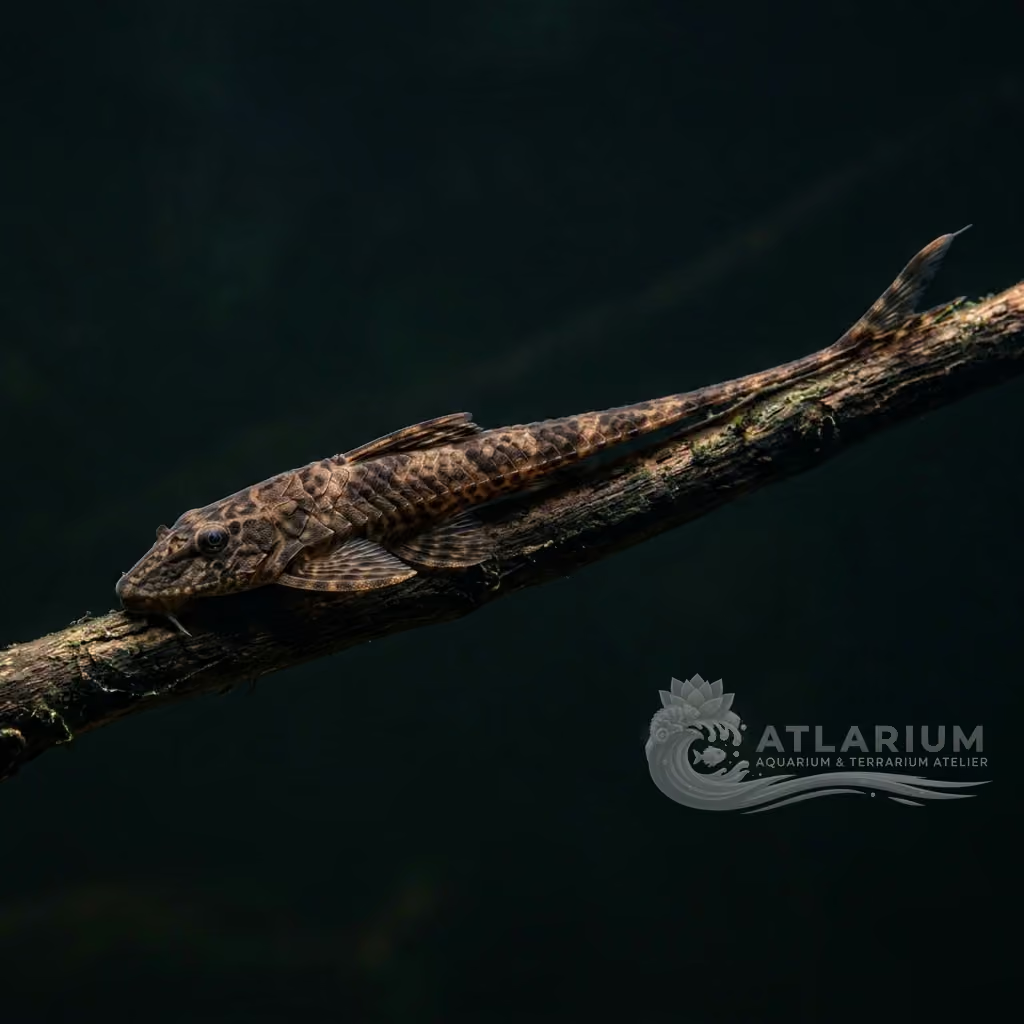
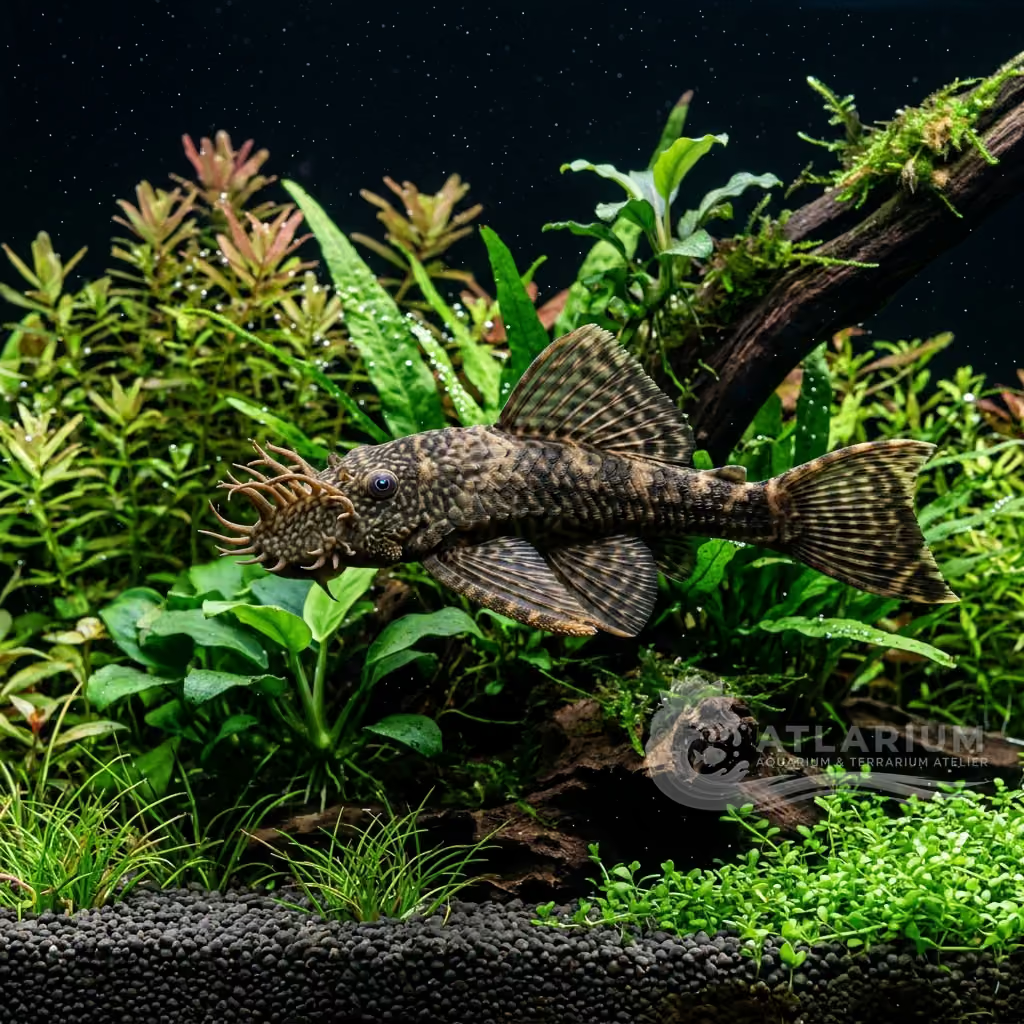
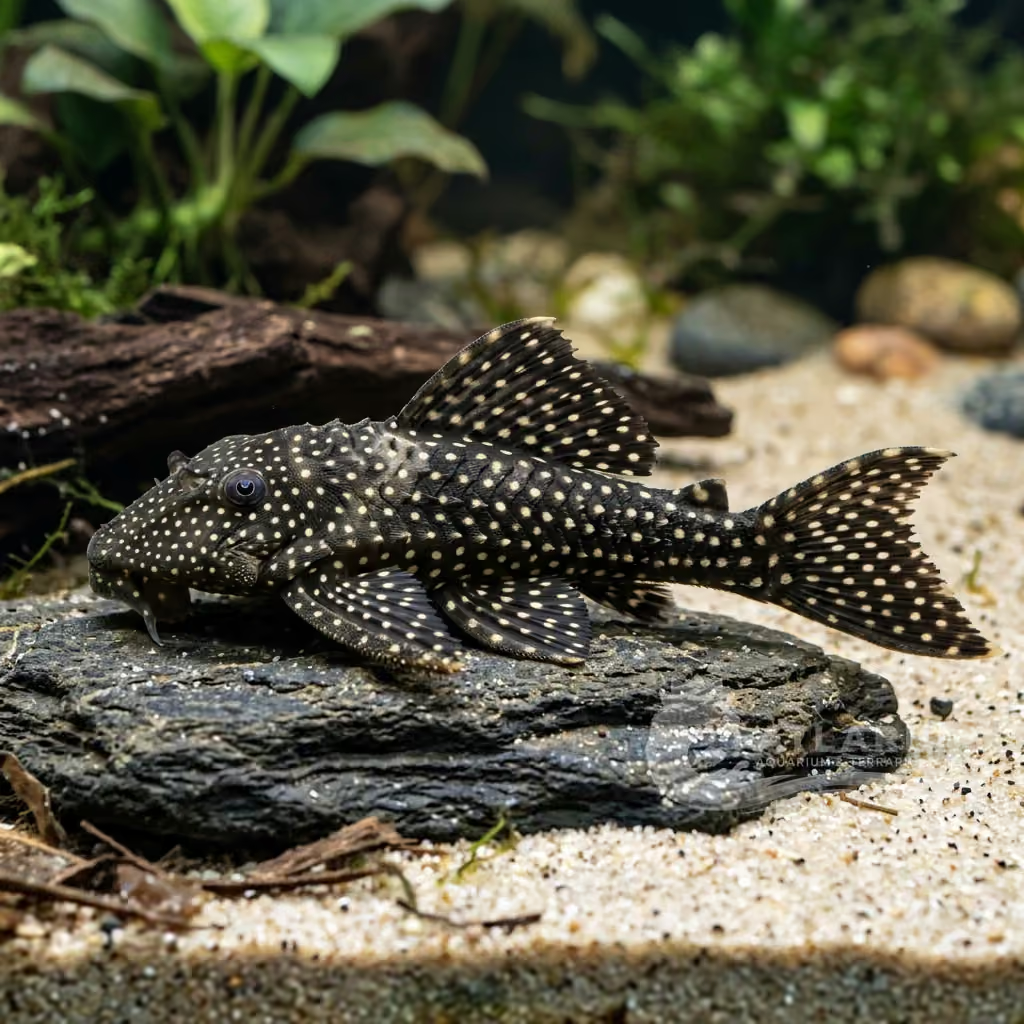
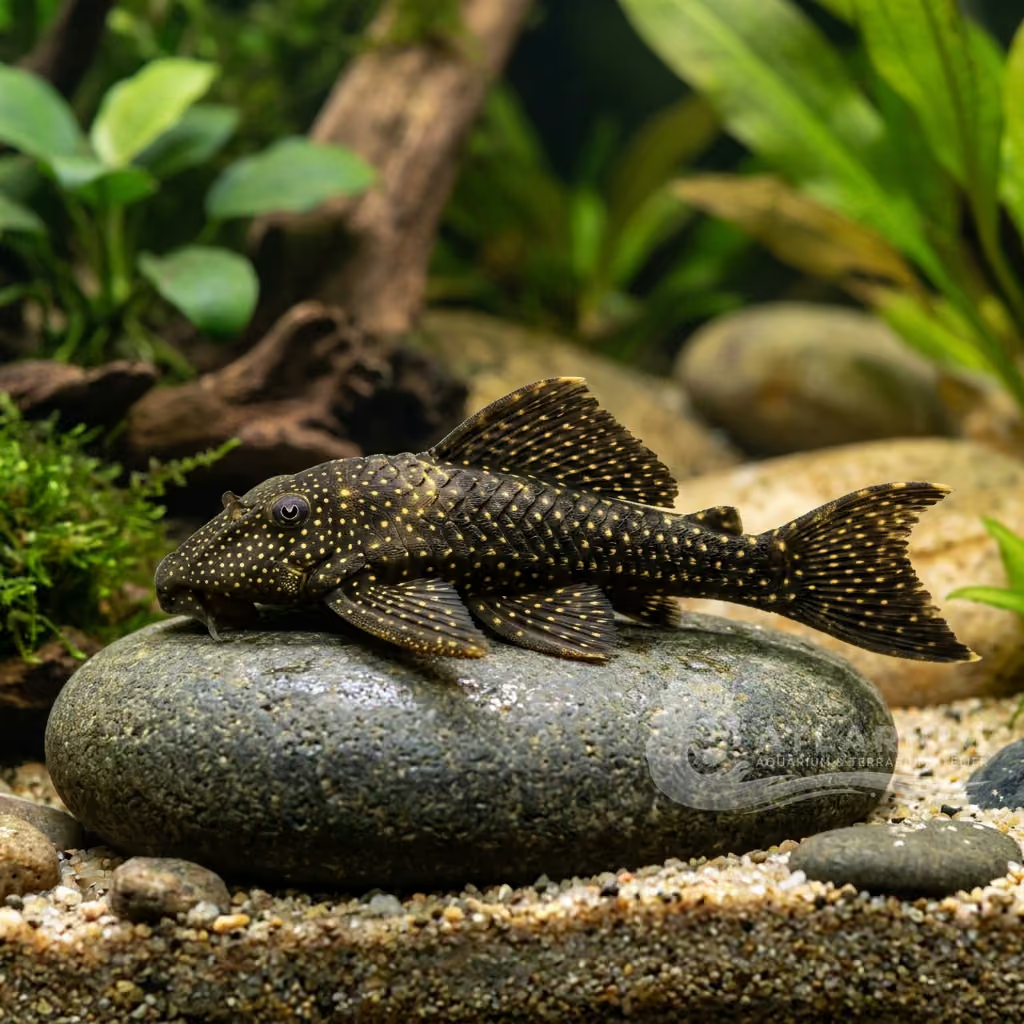
Sultan Pleco (L264)
Leporacanthicus joselimai
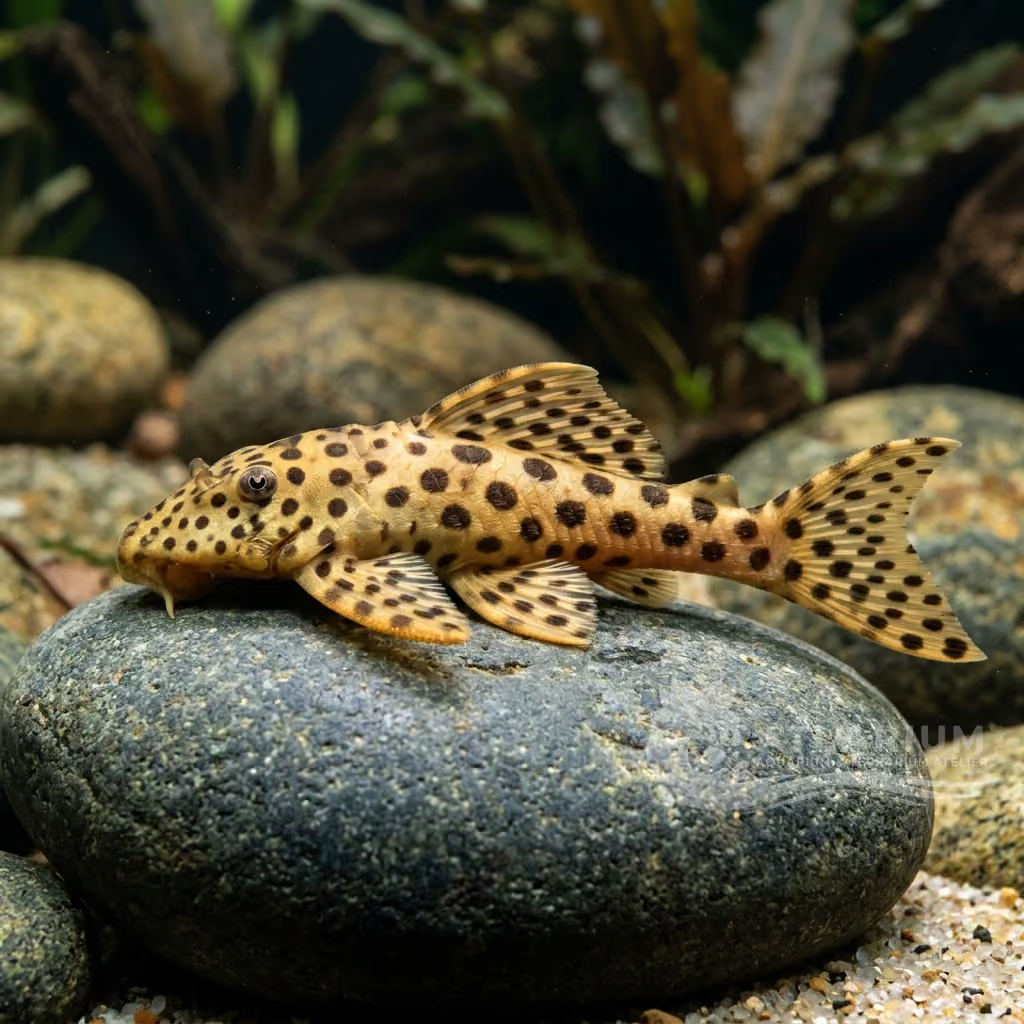
The 'Sultan Pleco' (L264). A bold and marvelous armored freshwater hunter. Distinctly carnivorous (possesses impressive upper vampire teeth), it is gray with deep black spots and dazzling chalk-white borders on the tail and dorsal fin.
Water Temperature
26 - 30 °C
pH Value
6 - 7.5
Water type
Freshwater
Tank level
Bottom
Adult size
15 cm
Minimum tank volume
>= 180 L
Minimum group
>= 1
GH
2 - 15 dGH
KH
1 - 7 dKH
TDS
40 - 295 ppm
Conductivity
63 - 461 uS/cm

Species description
Geographical Origin and Habitat: Fascinating predator endemic to the boundless Rio Tapajós (central Brazil). Undisputed ruler of the rocky bottoms moved by the very powerful hot tropical currents (the rapids), where it spends its life clinging to titanic boulders eroded by water or hidden in dark granite crevices, very far from sandy or muddy areas.
Taxonomy and Morphology: Loricariidae family. Commercially classified as L-264. With an adult maximum size around 15 cm (6 inches), this powerful Loricariid radically breaks away from the classic 'sucker-mouth fish'. The genus Leporacanthicus (from the Latin lepus, hare, due to the bizarre shape of the snout) is famous for a lethal anatomical monstrosity: hidden in the upper jaw are two very long, visible, pointed teeth similar to vampire or rabbit fangs, a lethal weapon evolved solely to tear apart and rip snails and crustaceans from their shells, and sweep away freshwater sponges.
Social Behavior: Brazen master of the seabed, much less phobic and introverted than the shy Hypancistrus. A mature and self-confident specimen will dare to walk openly and brazenly in broad daylight in search of meat. Ferociously territorial and brawling to the point of brutality against any other male of the same species or Loricariids of equal shape and size that dare to violate its favorite rocky crevice. Clashes with blows from gill spikes guaranteed in tanks under 150 cm (60 inches) in length.
Coloration and Sexual Dimorphism: The base bony armor varies from a soft ash gray or pale putty color to a dark rust brown in stressed fish. Geometrically painted on this light mantle are countless distinct, microscopic circular spots of abyssal black (which on the fins become almost blurry little spots). The touch that makes it a masterpiece worth hundreds of euros, however, is the extreme upper edge of the dorsal fin and the two peaks of the V-shaped tail (caudal): they flaunt sharp, dazzling chalk-white (or snow-white, hence 'diamond tips') vertices that do not disappear with age. Well-structured adult males have very square, broad heads trimmed with thick masses of bristly hairy spikes (odontodes) on the cheeks; females with swollen, soft bellies devoid of pronounced pungent bristles.

Care, breeding and tankmates
Aquarium Setup: Demands an aquarium with high water turbulence, tropical stream style. Abandon massive wood in favor of endless stone fields of huge, round river-type cobbles (River-rocks), stacked to erect a dark labyrinth of deep crevices or employing commercial blind tubular L-Cat caves. ABSOLUTELY INDISPENSABLE are one or more powerful circulation pumps (Wave-Makers) positioned at the surface and mid-water to break the water: a Sultan in stagnant, asphyxiating water is a Sultan condemned to die strangled.
Diet and Feeding: IT WILL NEVER EAT ANY ALGAE OFF YOUR GLASS even if starved for months, nor soft zucchini and spinach which will trigger lethal fermenting occlusions. SPECIALIZED CARNIVOROUS PREDATOR (Snail and Mollusk Smasher). It will wipe out any infestation of Planorbis or Physa (snails) from the tank, sucking them out and ripping them from their shells, breaking them with its fearsome, furious pincer-like 'vampire' upper fangs. Forage daily in the evening with 100% heavy meat pellets or wafers, raw whole diced mollusks, and shelled shrimp, mixing greedy frozen foods (massive dripping bloodworms and whole juicy blocks of krill).
Water Quality: Highly intolerant and categorical based on the scorching vital breeding temperatures required (26°C / 79°F bordering on the almost constant summer asphyxiating boiling Amazon hurricanes 30°C / 86°F, lethal without air for goldfish but a paradise ivy to this king of the torrid Tapajós). Being a predator of impetuous rivers with a very high polluting flow, it requires dissolved oxygen in titanic proportions to be inserted through noisy, roaring, and extensive powerful bubbling waterfalls or surface flows that break the water tension, constantly agitated in a grueling manner. Tolerable soft GH at 15 hardness maximum and stable city or Amazonian purist pH (6.0 to a harmless very low weak neutral moderate alkaline limit of 7.5 highly tolerated but never basic 8 or it would die split). Requires frightening massive siphoned water changes and ZERO NITRITE chemical cleaning to withstand the disproportionate digestive gastric manure of the meat that devastates the bottom and the bacteria of the poor minuscule basic asphyxiating filter.
Compatibility and Cohabitation: Animal for a dedicated ultra-tropical community tank in fast turbulent current or in reassuring Discus aquariums (with a compromise on the water jet to accommodate the slowness of the discus). It fits perfectly peacefully with peaceful thick high schools of Cardinals, demanding Pterophyllum angelfish, or calm but massive and voracious large peaceful Amazonian earth-dwelling Cichlids like Geophagus (harmless Earth-eaters). Fatal ethical moral martial prohibition against aggressive giant large Plecostomus roommates, brawling and stressful anxious Clown Loaches, violent biting African Mbuna, or giant ornamental Snails (Neritina, beautiful expensive and very costly giant Apple Snails or highly colorful decorative ones that will instantly become a delicious highly expensive mashed crushed torn emptied macabre brutally broken appetizer for dinner in half an hour by the hungry destructive fury of its protruding vampire spine-fangs and its unstoppable perverse mollusk assassin gluttony).
Aquarium Breeding: Possible very rare achievement if the furious evil alpha male dominates and locks his bride in a violent blind punishment inside the very narrow breeding cave, besieging spherical cream-colored eggs, caring for them crazily obsessively for months fasting, driving predators away in the crevice, and oxygenating the immense vulnerable clusters with whip-like fin strokes, and caring for faded albino fragile newborns prone to infant juvenile mortality from starvation if the food does not touch their extremely fragile and invisible exposed snouts blindly asphyxiated and alone on the dark bottom isolated from the implacable lethal carnivorous competition of fry or ravenous tetras.
Risks and Diseases: Lethal Putrescent Intestinal Occlusion from carnivorous malnutrition and debilitating toxic atrophying intake of solely spoiled vegetables triggered by the absence of the precious mortal vital soft integration, up to the mortal final paralyzing necrosis from cold asphyxia due to fatal vital block, slowing down the metabolism freezing helpless immobile until collapse in mediocre urban waters incautiously kept in cold winter jolts at 23 degrees (73 F) by beginners lacking double exorbitant wattage heaters with lethally helplessly calibrated thermostats ignoring extreme vital absence of aerated surface oxygen shaken by waterfall and jet in inhospitably sterile stabling exposed to dazzling strong light.

Geographic origin and distribution
Fascinating predator endemic to the boundless Rio Tapajós (central Brazil). Undisputed ruler of the rocky bottoms moved by the very powerful hot tropical currents (the rapids), where it spends its life clinging to titanic boulders eroded by water or hidden in dark granite crevices, very far from sandy or muddy areas.
Origin
Extra-Amazon South AmericaEast Asia

Fish profile
- Temperament
- Semi-aggressive
- They are highly territorial over their caves. Aggression is directed at similar species. Otherwise, they ignore mid-water fish.
- Diet
- Omnivore
- Leporacanthicus joselimai requires a meaty diet. Feed it sinking carnivore pellets. Fresh vegetables can be offered occasionally.
- Life expectancy
- 5-8 years
- Adult size
- 15 cm
- Sex ratio
- Flexible
- Keep one male per tank. Multiple females can be kept. Males are very territorial.
- Feeding frequency
- Twice daily
- Feed them once a day. Nighttime feeding is preferred. Remove uneaten food promptly.
- Bioload
- Medium
- Leporacanthicus joselimai generates a high bioload. This is due to its size and diet. Strong filtration is required.
- Flow
- Stagnant
- This species thrives in strong water flow. Good oxygenation is essential. Use powerheads to simulate natural rivers.
- Jump risk
- No
- Reproduction
- Oviparous
- Breeding in captivity is difficult. They are cave spawners. The male guards the eggs.
- Compatibility & tankmates
- With caution
- It is peaceful with top-dwelling fish. It can be aggressive to other bottom dwellers. Keep it as the only pleco.
- Tank level
- Bottom
- Leporacanthicus joselimai is a bottom-dwelling fish. It needs plenty of hiding spots. Driftwood and caves are necessary.

Scientific Parameters & Models
FishBase
Window to the official scientific data of the species
FishBase v25.04Data synced on: 06/15/2026
- Phylogenetic uniqueness (PD50)
- 0.5625
- Bayesian Length-Weight
- a = 0.01549, b = 2.96
- VulnerabilityLow vulnerability (10 / 100)

Related species
Recommendations grouped by close relatives, companion choices, and similar care.