Titanic Pleco (L273)
Pseudacanthicus sp. L273
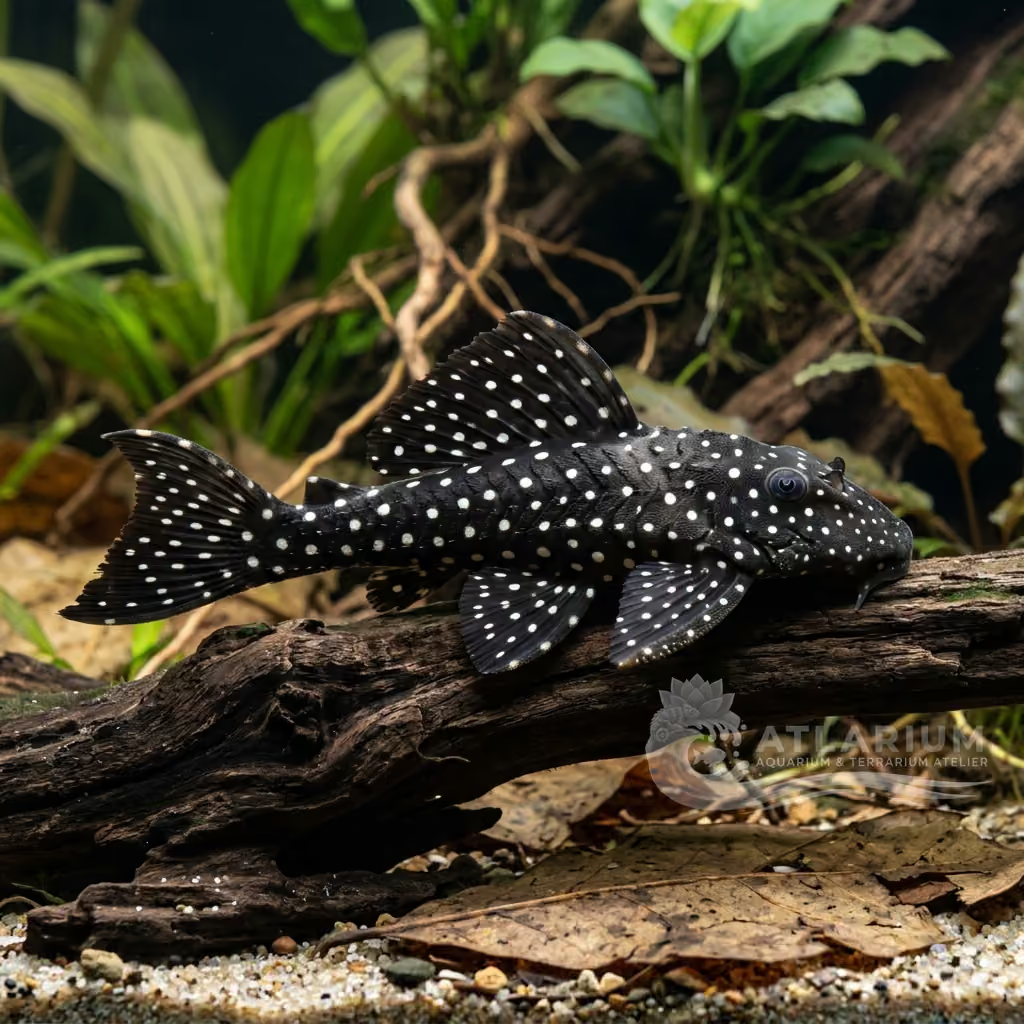
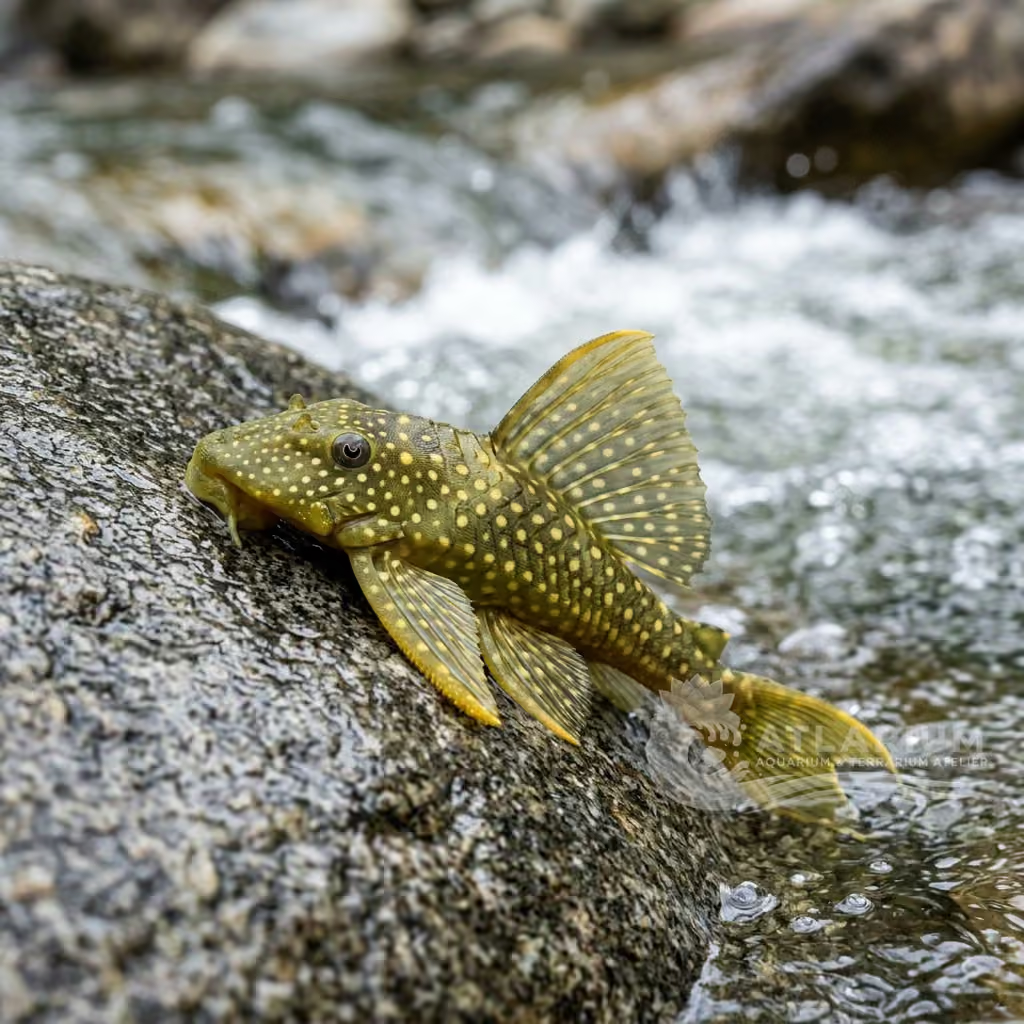
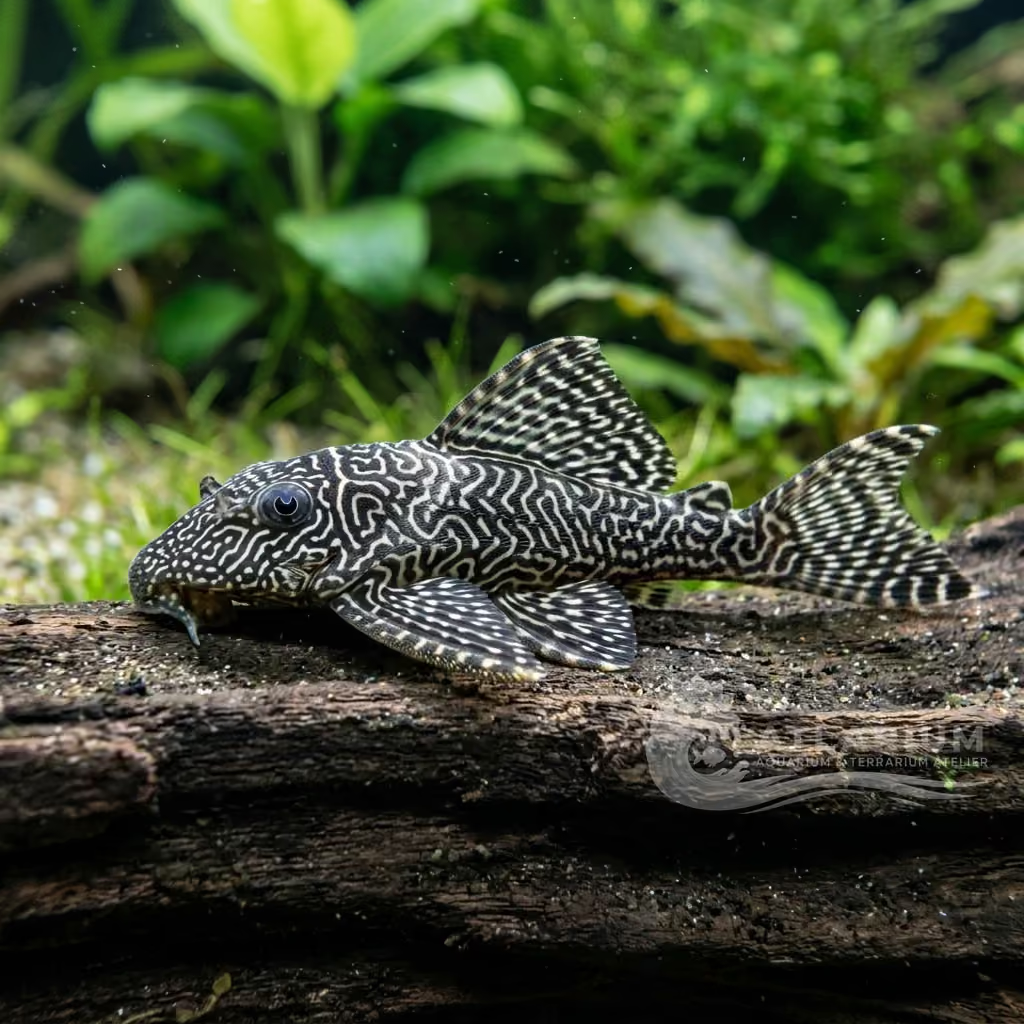
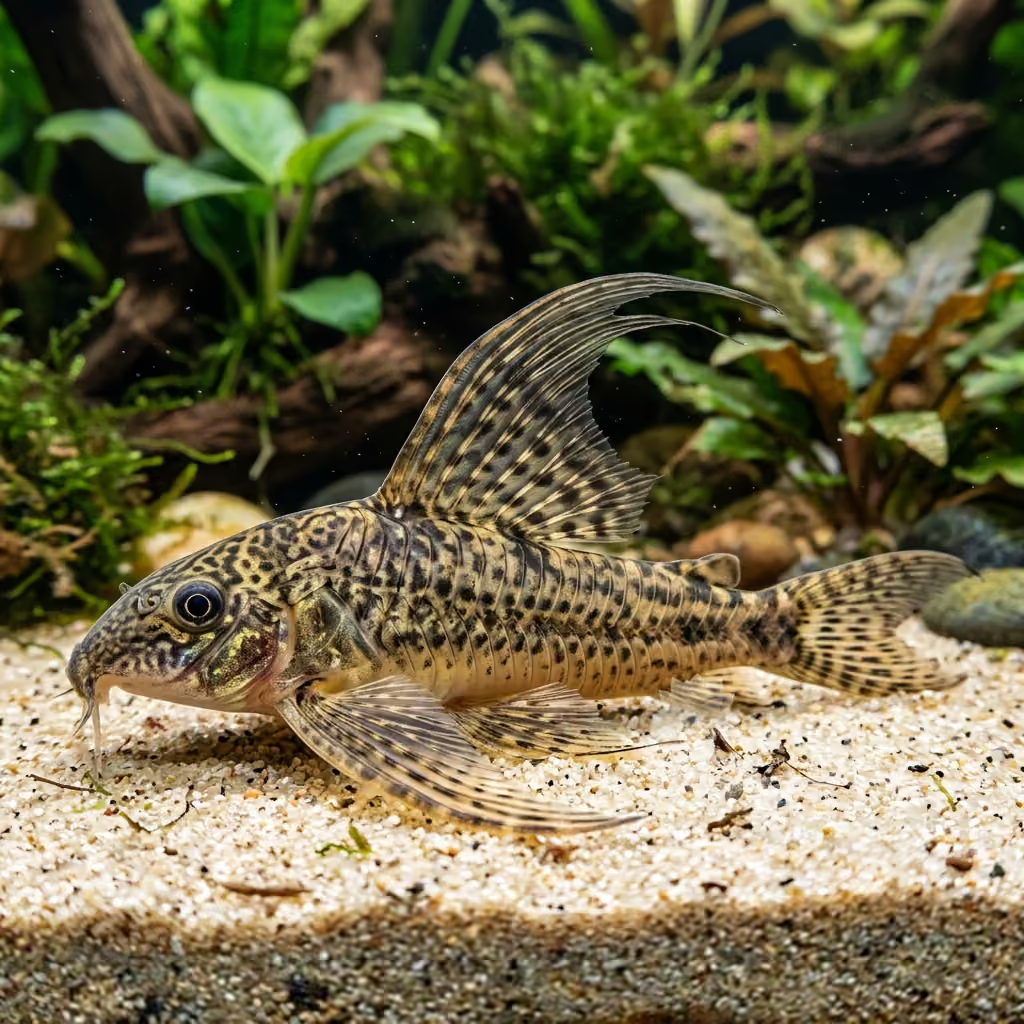
The legendary 'Titanic Pleco', famous for its spectacular coloration: a dark body crossed by blood red and bright orange bands. A rare and massive gem.
Water Temperature
25 - 29 °C
pH Value
6 - 7.2
Water type
Freshwater
Tank level
Bottom
Adult size
30 cm
Minimum tank volume
>= 500 L
Minimum group
>= 1
GH
2 - 12 dGH
KH
2 - 10 dKH
TDS
50 - 280 ppm
Conductivity
78 - 438 uS/cm

Species description
Geographical Origin and Habitat: Endemic to the powerful rapids of the Rio Tapajós (Brazil). Its extreme habitat is characterized by fearsome currents, crystal-clear water and very high levels of dissolved oxygen among gigantic granitic rock formations.
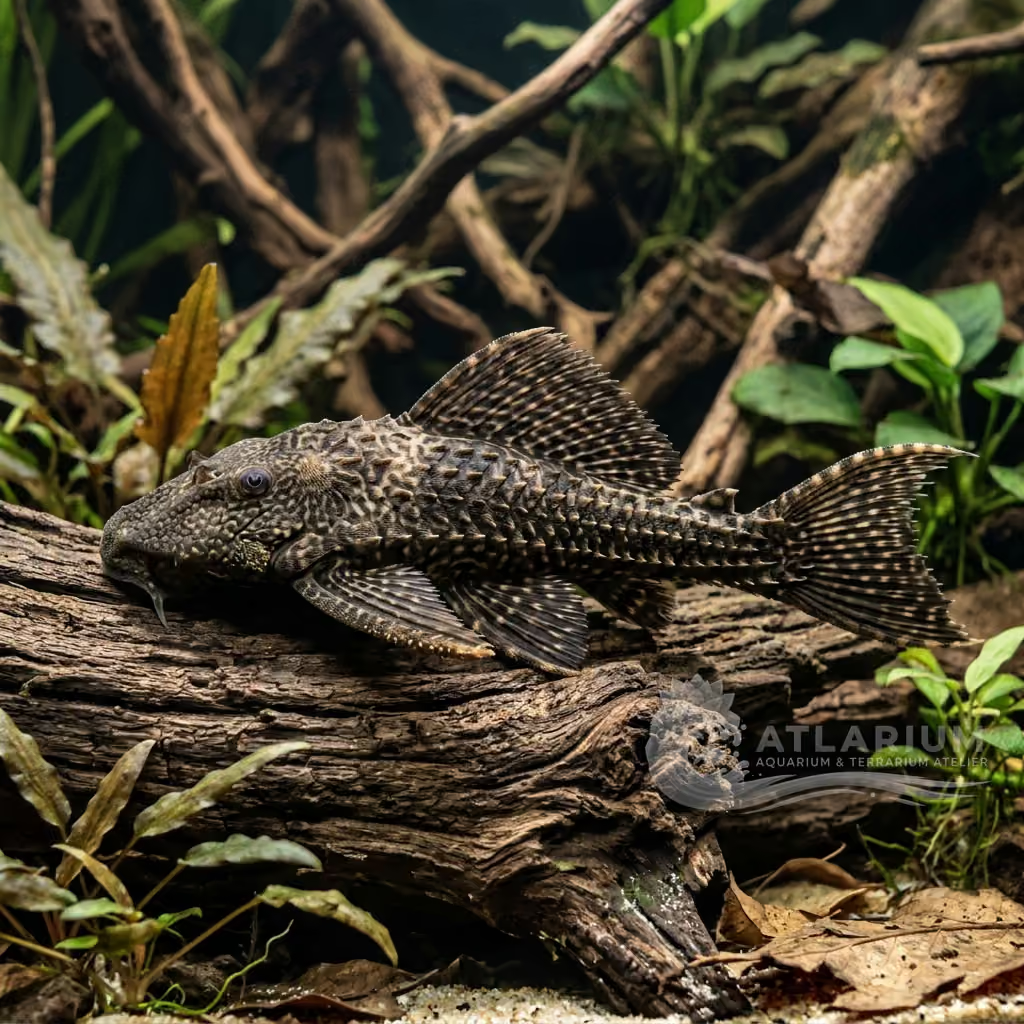
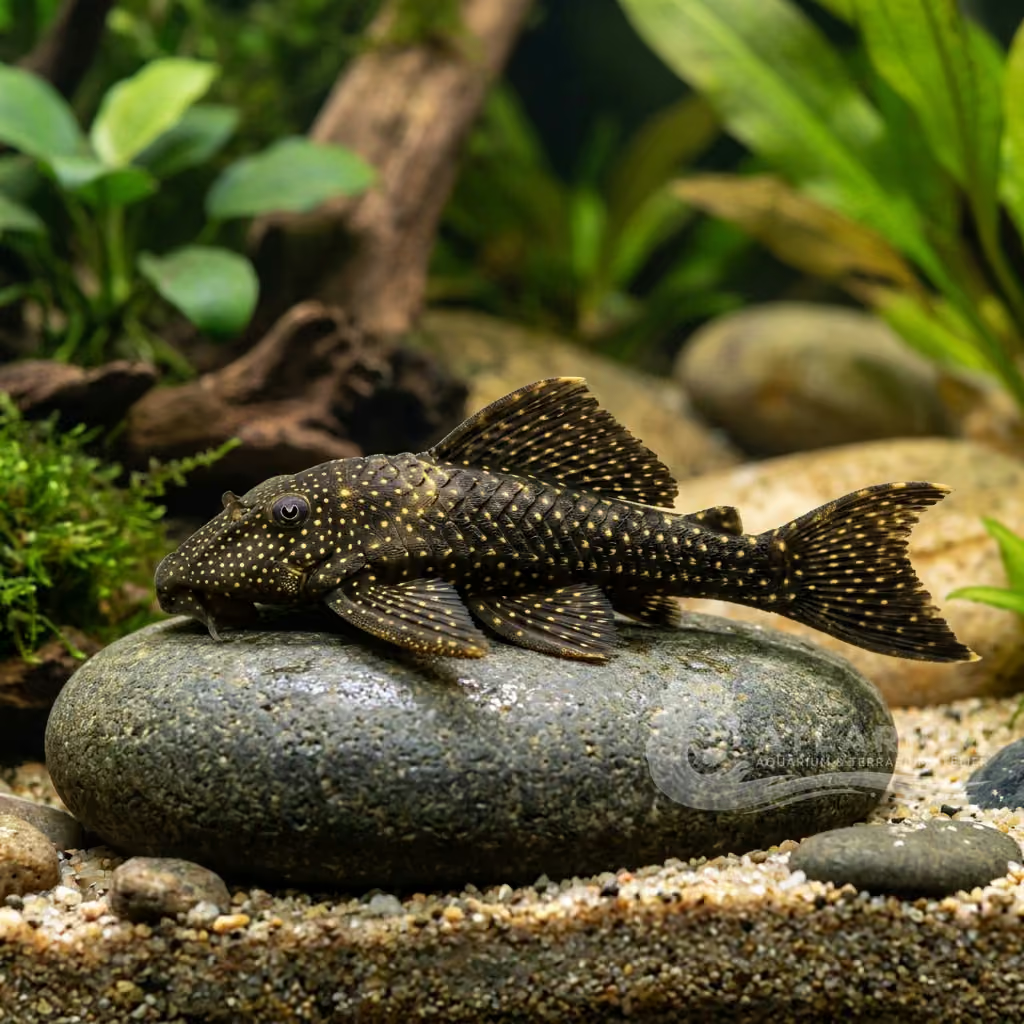
Taxonomy and Morphology: Titanic Pleco (L273). One of the most coveted (and expensive) jewels of amateur aquarium keeping for benthic monsters. The nickname "Titanic" describes the grandeur of its body heavily armored with bony plates bristling with spines like brambles.
Social Behavior: Solitary predator and extremely quarrelsome towards other bottom fish or rival Loricariids. A single adult male needs absolute dominance over a vast territory of rocks to avoid getting stressed and picking fights.
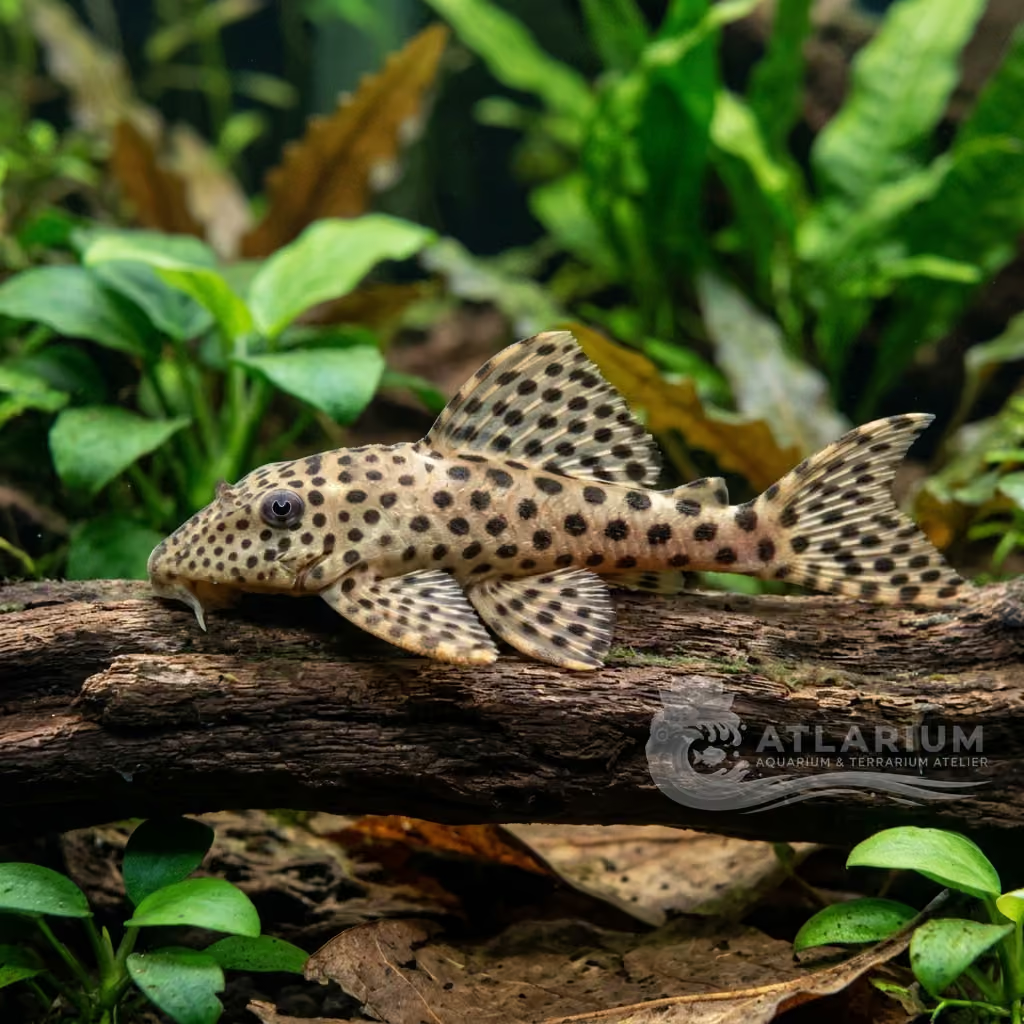
Coloration and Sexual Dimorphism: Spectacular. Fawn or brown body with a dense black web and spots. The apotheosis is given by the dorsal, pectoral and caudal fins painted a gaudy ruby red or fiery orange. Males with massive skulls and odontodes thick as needles.

Care, breeding and tankmates
Aquarium Setup: Fundamental requirement: gigantic tank (minimum 180-200 cm / 72-80 inches). Requires a watertight "River Manifold" rocky layout, glued with silicone to prevent it from shattering the glass by moving stones, plus enormous tubular terracotta sections.
Diet and Feeding: Exclusively carnivorous. Must crack shells to file its teeth. Feed daily with mussel meat, oysters, shelled prawns and, occasionally, fresh small fish and tablets for extreme carnivores. No algae.
Water Quality: Tolerates zero ammonia. Excretion and carnivorous meals produce untold amounts of waste. In addition to the filter, a movement pump system of at least 10 times the tank volume per hour (10x turnover) is needed to avoid suffocation.
Compatibility and Cohabitation: Magnificent bottom companion for Arowanas (Osteoglossum), rays (Potamotrygon), or schools of huge silver dollars (Myleus, Metynnis) swimming in mid-water, staying away from its fatal caudal spines.
Aquarium Breeding: Incredibly rare and fortuitous, has occurred very few times in the world in dedicated tanks. Reproductions require stimulations with pumps that simulate torrential storms by drastically lowering temperatures.
Risks and Diseases: Vulnerable to progressive wasting (sunken belly) if not fed properly and to lethal skin ulcers if there is poor filtration or water stagnation in its hiding place.

Geographic origin and distribution
Endemic to the powerful rapids of the Rio Tapajós (Brazil). Its extreme habitat is characterized by fearsome currents, crystal-clear water and very high levels of dissolved oxygen among gigantic granitic rock formations.
Origin
Extra-Amazon South America

Fish profile
- Temperament
- Semi-aggressive
- The Titanic Pleco is renowned for its exceedingly aggressive and highly territorial temperament, easily dominating the bottom level of any aquarium. They are notoriously intolerant of any fish that dares to encroach upon their chosen hiding spots or feeding grounds, often responding with extreme prejudice. Armed with sharp, prominent odontodes and a powerful body, they can easily overpower and severely injure other bottom-dwelling tank mates. Careful planning of the community, strictly avoiding other benthic species, is crucial to maintaining a viable and peaceful setup.
- Diet
- Carnivore
- The L273 is an obligate carnivore, meaning its diet must be predominantly composed of high-quality, protein-rich meaty foods rather than vegetable matter. Their staple diet should consist of hearty fare like chopped fish fillet, whole mussels, earthworms, and large sinking carnivore pellets. While they might occasionally scavenge on soft wood or vegetables, these items offer little to no nutritional value for their specific metabolic needs. A consistently varied and protein-heavy diet is crucial for promoting robust health, proper growth, and their striking coloration.
- Life expectancy
- 12-15 years
- Adult size
- 30 cm
- Sex ratio
- Solitary
- When maintaining a group, a strict ratio of one male to several females is the only viable approach to prevent lethal, violent encounters. Males are intensely territorial and will utilize their massive size and formidable spiny armor to viciously attack rival males over prime caves. Housing multiple males is practically impossible in standard home aquariums and should only be attempted in massive, public-scale displays with extensive, distinctly separated territories. For the vast majority of aquarists, keeping a single individual is the safest and most responsible practice.
- Feeding frequency
- Twice daily
- Due to their massive size and rapid digestion, adult Titanic Plecos should be offered a substantial, hearty meal every evening, ideally after the lights have been turned off. For growing juveniles, feeding smaller portions twice a day is highly recommended to fuel their intense growth spurts and development. It is vital to carefully monitor their intake and meticulously remove any uneaten food remnants the next day to prevent catastrophic water fouling. Overfeeding remains a concern, so portions must be appropriately sized despite their voracious appetites.
- Bioload
- High
- The Titanic Pleco, reaching formidable sizes, places an extreme biological load on the aquarium system due to its heavy, carnivorous feeding habits. Immense biological and mechanical filtration capacities are an absolute necessity to cope with the sheer volume of waste generated by these giants. Routine, massive water changes are mandatory to keep nitrate levels in check and maintain the pristine water quality they demand. Failure to provide exceptional water conditions will rapidly result in severe health degradation and potentially fatal bacterial infections for this species.
- Flow
- Stagnant
- Endemic to the powerful, highly oxygenated rapids of the Tapajós River basin, they possess an absolute requirement for vigorous water movement in captivity. Employing heavy-duty circulation pumps or large powerheads is essential to replicate their natural fast-flowing habitat and ensure adequate dissolved oxygen levels. Stagnant or gently moving water is entirely unsuitable and will lead to rapid health decline, lethargy, and respiratory distress. The strong current also serves to keep the substrate clear of detritus, aiding overall tank hygiene.
- Jump risk
- Yes
- The massive, armored body of the Titanic Pleco makes them exceedingly poor jumpers, and they will almost never attempt to leave the water under normal circumstances. They vastly prefer to remain securely wedged in deep crevices or stubbornly anchored to the substrate using their powerful suckermouths. However, sudden panic induced by poor water conditions or extreme aggression could potentially cause a frantic, splashing escape attempt. A sturdy, heavy lid is recommended primarily to prevent other fish from escaping and to secure any equipment, rather than specifically to contain this pleco.
- Reproduction
- Oviparous
- Breeding the Titanic Pleco is an incredibly rare feat that demands a meticulously planned, massive specialized setup with pristine, fast-flowing water. They are dedicated cave spawners; the male will select an appropriately sized deep cave, meticulously clean it, and coax a receptive female inside to spawn. Post-spawning, the male assumes aggressive, solitary guard duty, constantly fanning the eggs and fiercely defending the cave entrance until the fry are free-swimming. Rearing the fry requires intense dedication, as they demand impeccable water quality and frequent feedings of specialized, high-protein microscopic foods.
- Compatibility & tankmates
- Aggressive
- Demonstrating extreme territoriality, the Titanic Pleco is fiercely intolerant of other large bottom-dwellers, especially those sharing similar dietary niches. They should only be kept alongside large, robust, and fast-swimming species that occupy the middle and upper levels of the water column. Housing them with smaller bottom feeders or docile species is highly dangerous, as they are capable of inflicting serious injury or death. Coexistence with other large plecos is rarely successful unless the aquarium is exceptionally vast with numerous visual barriers.
- Tank level
- Bottom
- As a quintessential deep-water benthic species, the Titanic Pleco will spend its entire life strictly confined to the lowest levels and substrate of the aquarium. They are highly dependent on massive structural elements, requiring large pieces of driftwood and extensive rockwork to form secure, dark hiding places during the day. During nighttime hours, they will aggressively patrol the bottom tier of the tank in search of food, asserting dominance over their territory. A tank layout that prioritizes a large footprint with abundant, complex bottom cover is absolutely essential for their psychological health.

Related species
Recommendations grouped by close relatives, companion choices, and similar care.