

Encyclopaedia
Para Pleco (L075)
Ancistomus
Also known as 'Para Pleco' or L075 (as well as L124 and L301 in various basins), it shows off a beautiful network of large saffron/mustard colored polka dots on a brown background.
Share
Check out Para Pleco (L075) on Atlarium
25 - 30 °C
6 - 7.5
Freshwater
Bottom
25 cm
>= 250 L
>= 1
2 - 15 dGH
2 - 10 dKH
50 - 325 ppm
78 - 508 uS/cm
Species description
Care, breeding and tankmates
Geographic Origin and Distribution
Origin
Fish profile
- Temperament
- Semi-aggressive
- Diet
- Omnivore
- Life expectancy
- 10-15 years
- Sex ratio
- ONE_TO_ONE
- Feeding frequency
- Twice daily
- Bioload
- Medium to High
- Flow
- Stagnant
- Jump risk
- Yes
- Reproduction
- Oviparous
- Compatibility & tankmates
- The Para Pleco is highly compatible with a wide variety of peaceful to moderately active tankmates, such as medium-sized tetras, hatchetfish, corydoras, and non-aggressive cichlids. Avoid housing them with highly aggressive bottom-dwellers or other large, territorial plecos unless the tank is exceptionally large. Small shrimp or delicate invertebrates might be accidentally disturbed, but they are generally safe from predation.
- Tank level
- Bottom
Image gallery
Licensed images linked to the species or, when marked, to the closest representative taxon.
Related species
Recommendations grouped by close relatives, companion choices, and similar care.
Variants and close relatives
Same atlas type, nearby scientific identity, genus, or family.

Ghost Pleco (L141/L215)
Hemiancistrus snethlageae

Orange-fin Xingu Pleco (L012/L013)
Peckoltia feldbergae

Snowball Pleco (L026)
Baryancistrus niveatus

Snowball Pleco (L142/LDA033)
Baryancistrus sp. L142

Hi-Fin Green Phantom Pleco (L200)
Baryancistrus demantoides
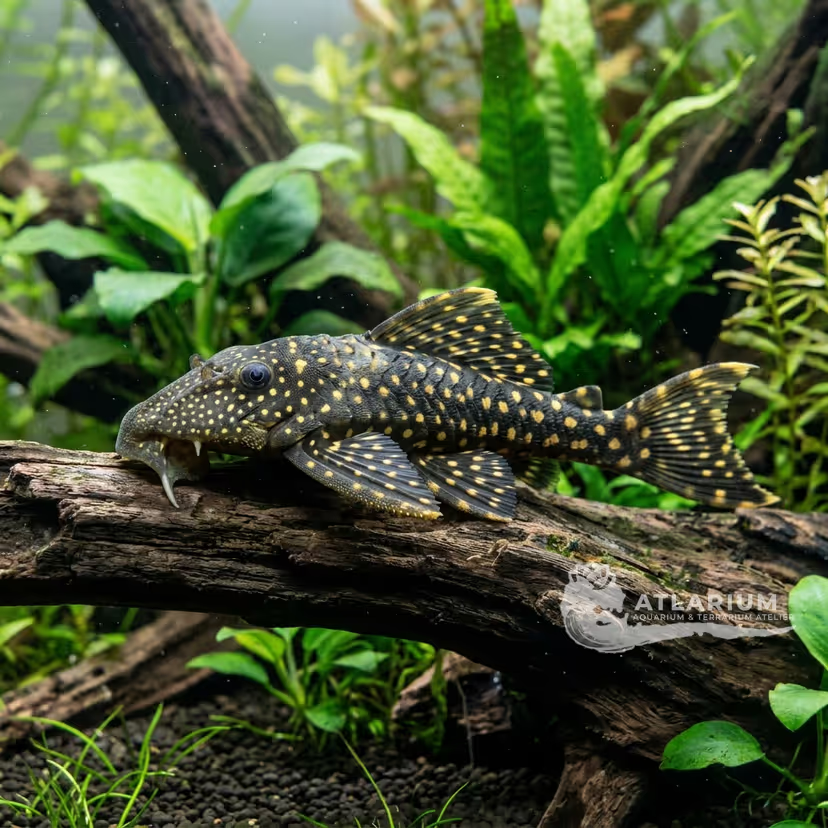
Golden Vampire Pleco
Leporacanthicus heterodon
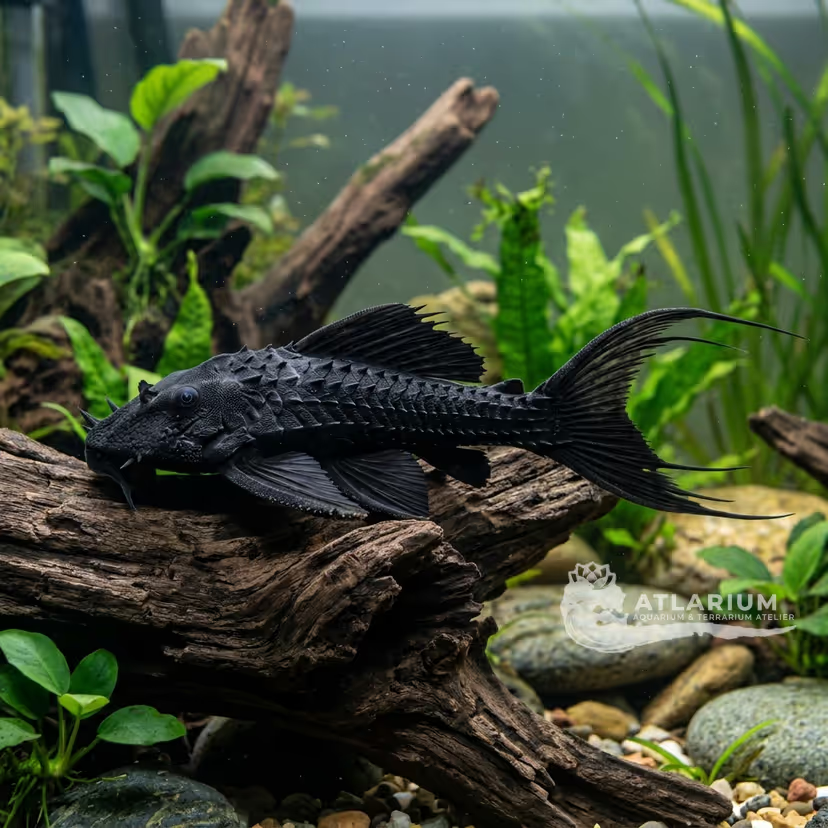
Lyretail Pleco
Acanthicus hystrix

Sultan Pleco (L264)
Leporacanthicus joselimai

Three Beacon Pleco (L091)
Leporacanthicus triactis

Green Phantom Pleco
Hemiancistrus subviridis

Guahibo Pleco
Hemiancistrus guahiborum

Big Spot Pleco (L075)
Hemiancistrus sabaji
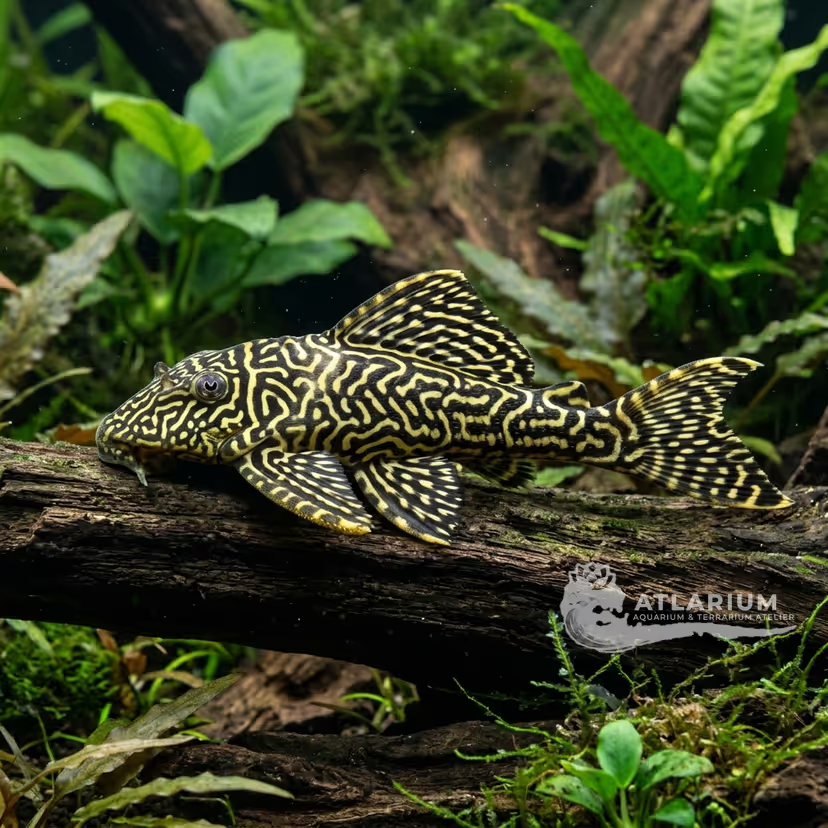
Meandrinus Pleco
Hemiancistrus

Medusa Pleco (L034)
Ancistrus ranunculus

King Tiger Pleco (L066)
Hypancistrus sp. L066

Yellow King Tiger Pleco (L333)
Hypancistrus sp. L333
Recommended companions
Compatible cards from coherent ecosystems with matching parameters.

Bacopa sp. "Japan"
Bacopa sp. "Japan"

Bolbitis heteroclita
Bolbitis heteroclita

Ammannia sp. 'Bonsai'
Ammannia sp. 'Bonsai'

Arrowhead Anubias
Anubias hastifolia

Bucephalandra motleyana "Braun-rot" ("Serimbu")
Bucephalandra motleyana "Braun-rot" ("Serimbu")

Bucephalandra motleyana "Kapit"
Bucephalandra motleyana "Kapit"

Bucephalandra motleyana "Pancuraji"
Bucephalandra motleyana "Pancuraji"

Bucephalandra sp. "Bukit Kelam / Sintang"
Bucephalandra sp. "Bukit Kelam / Sintang"

Bucephalandra sp. "Melawi"
Bucephalandra sp. "Melawi"
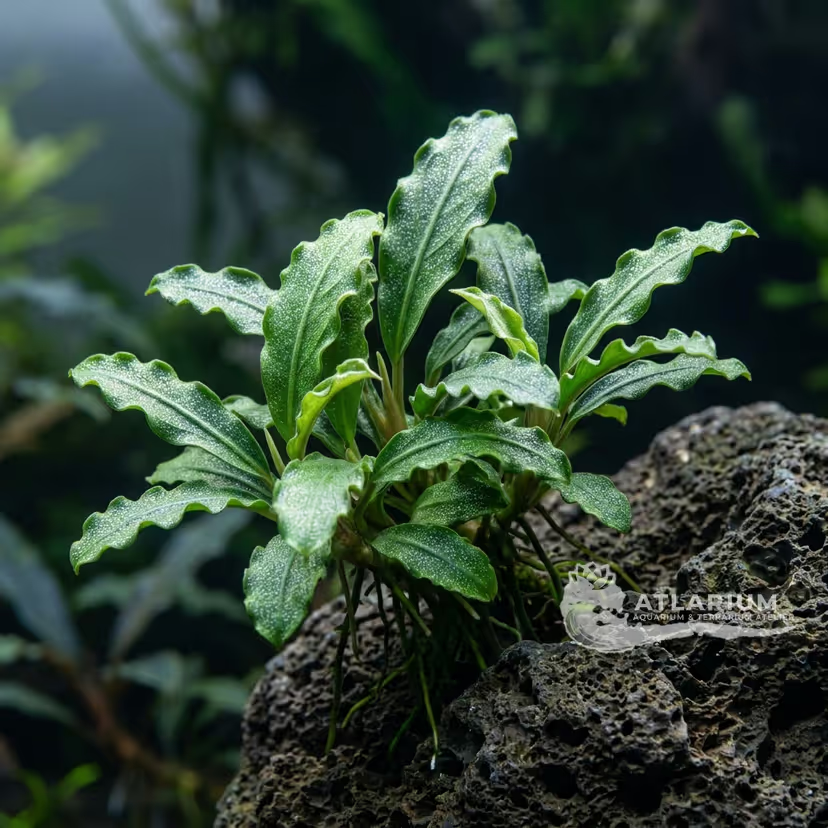
Bucephalandra pygmaea "Bukit Kelam / Sintang"
Bucephalandra pygmaea "Bukit Kelam / Sintang"
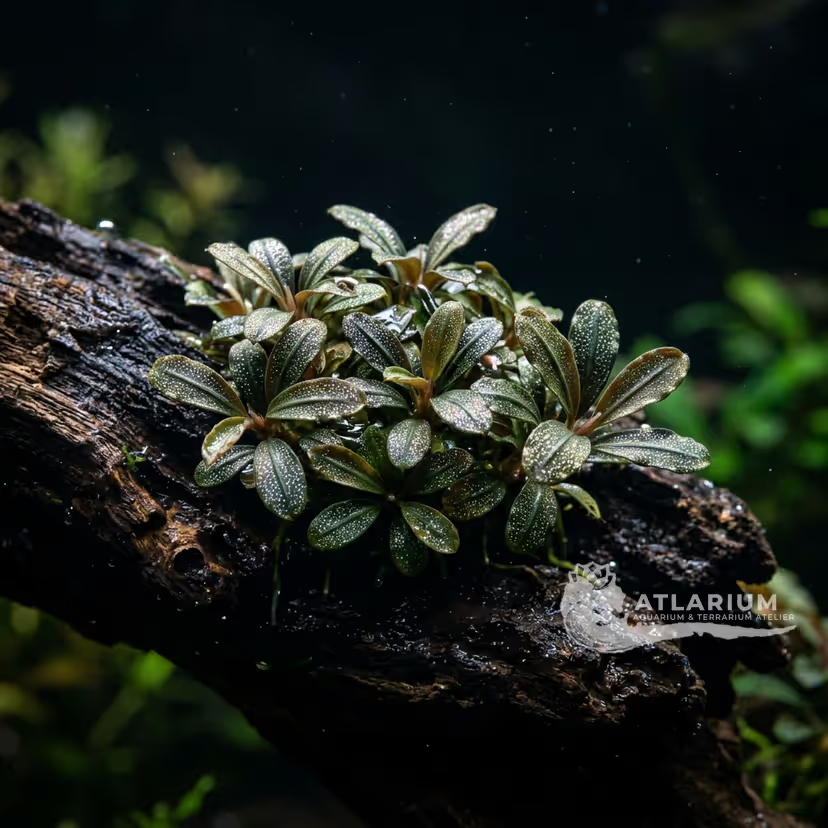
Bucephalandra pygmaea "Kapit"
Bucephalandra pygmaea "Kapit"
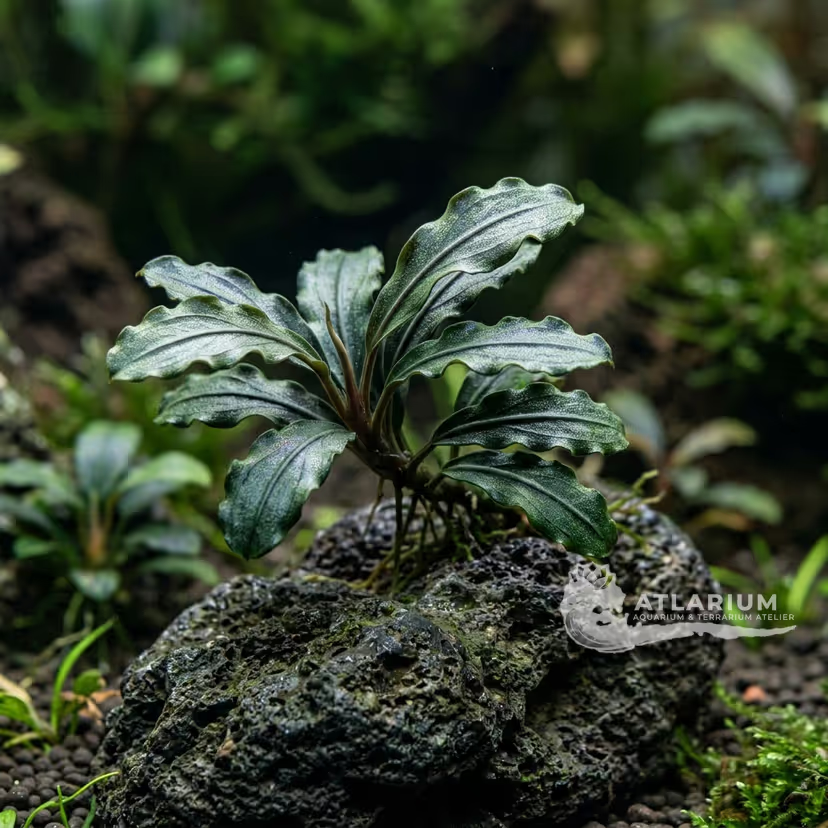
Bucephalandra sordidula
Bucephalandra sordidula
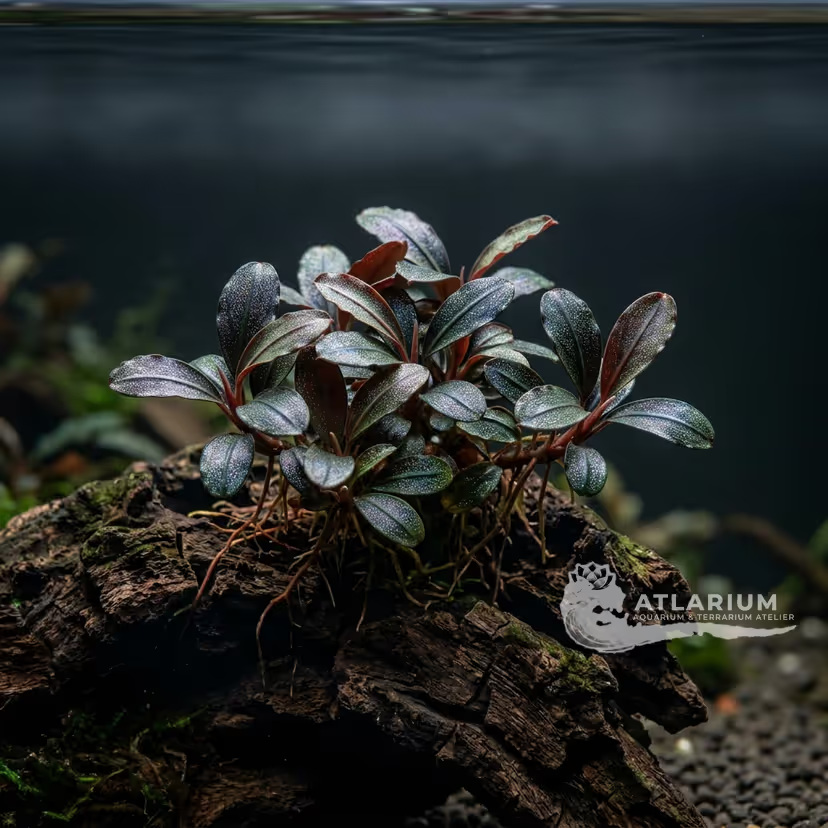
Bucephalandra sp. "Bodok"
Bucephalandra sp. "Bodok"

Bucephalandra sp. "Braun-rot narrow"
Bucephalandra sp. "Braun-rot narrow"
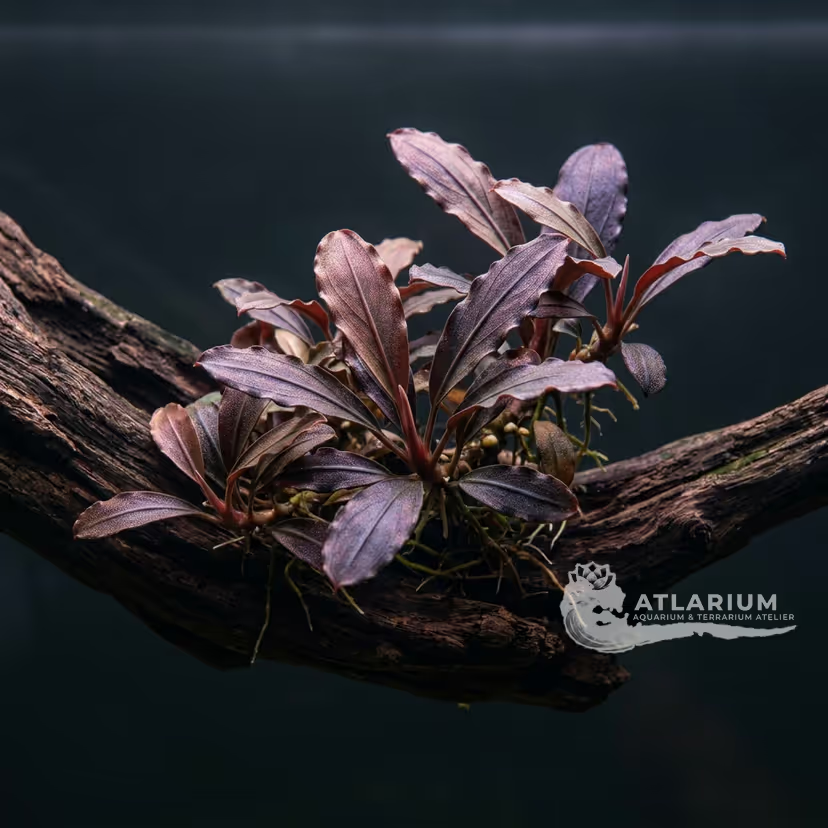
Bucephalandra sp. "Braun-rot" ("Serimbu")
Bucephalandra sp. "Braun-rot"
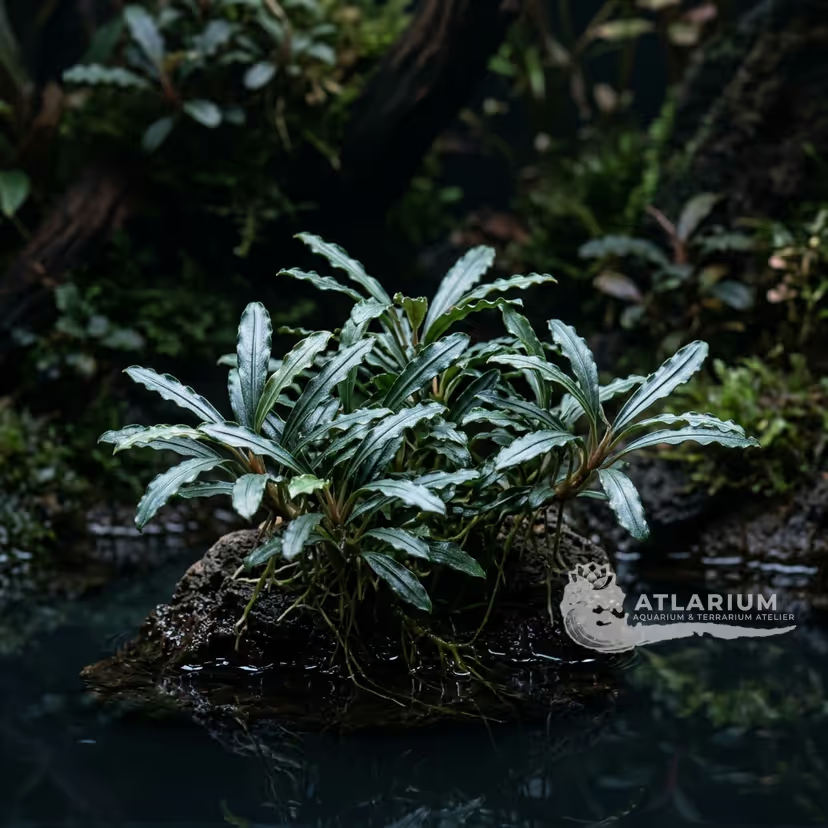
Bucephalandra sp. "Gunung Sumpit"
Bucephalandra sp. "Gunung Sumpit"
Similar care
Cards with similar requirements, difficulty, habitat, and husbandry profile.

Marble Whiptail
Loricaria simillima

Contradens Pleco
Hypancistrus contradens

Leopard Frog Pleco (L134)
Peckoltia compta

Red Lizard Catfish (L010a)
Leliella sp.

Bristlemouth Pleco
Peckoltia multispinis
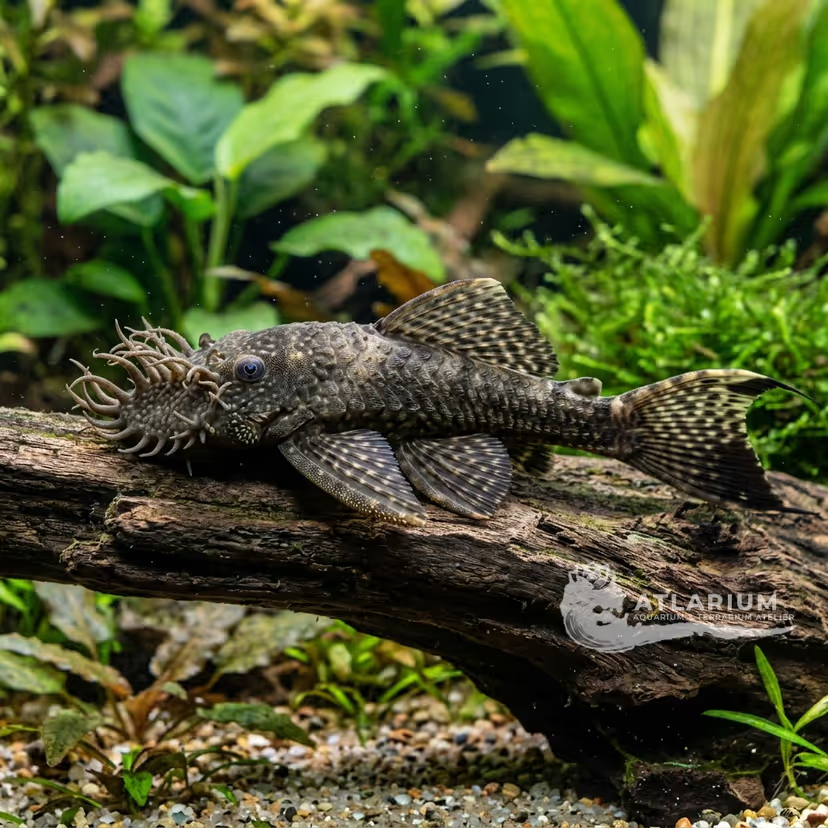
Tentacle Lasiancistrus
Lasiancistrus tentaculatus

Tapajós Royal Pleco (L027)
Panaque armbrusteri

Gold Marble Bristlenose (LDA08)
Ancistrus claro

White Seam Bristlenose (L059)
Ancistrus hoplogenys

Snowball Pleco
Hypancistrus inspector

Big-Eyed Ancistrus (L144a)
Ancistrus macrophthalmus
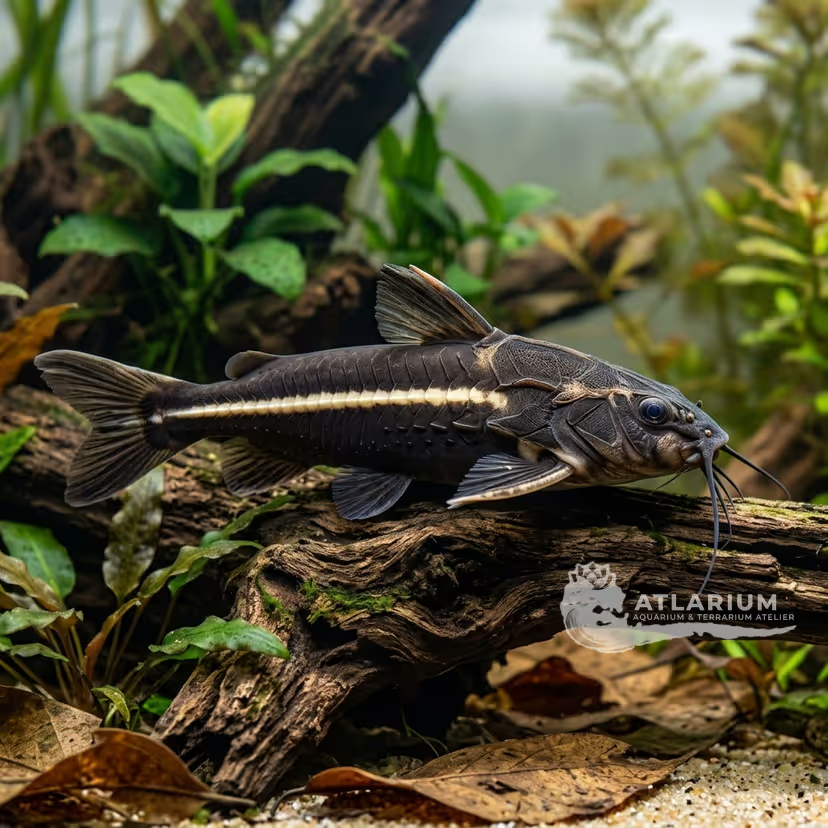
Costatus Striped Raphael
Platydoras costatus

Giant-eye Otocinclus
Hypoptopoma gulare

Candy Stripe Pleco (L015)
Peckoltia vittata

Twig Catfish
Farlowella vittata

Queen Arabesque Pleco (L260)
Hypancistrus sp. L260