Contradens Pleco
Hypancistrus contradens
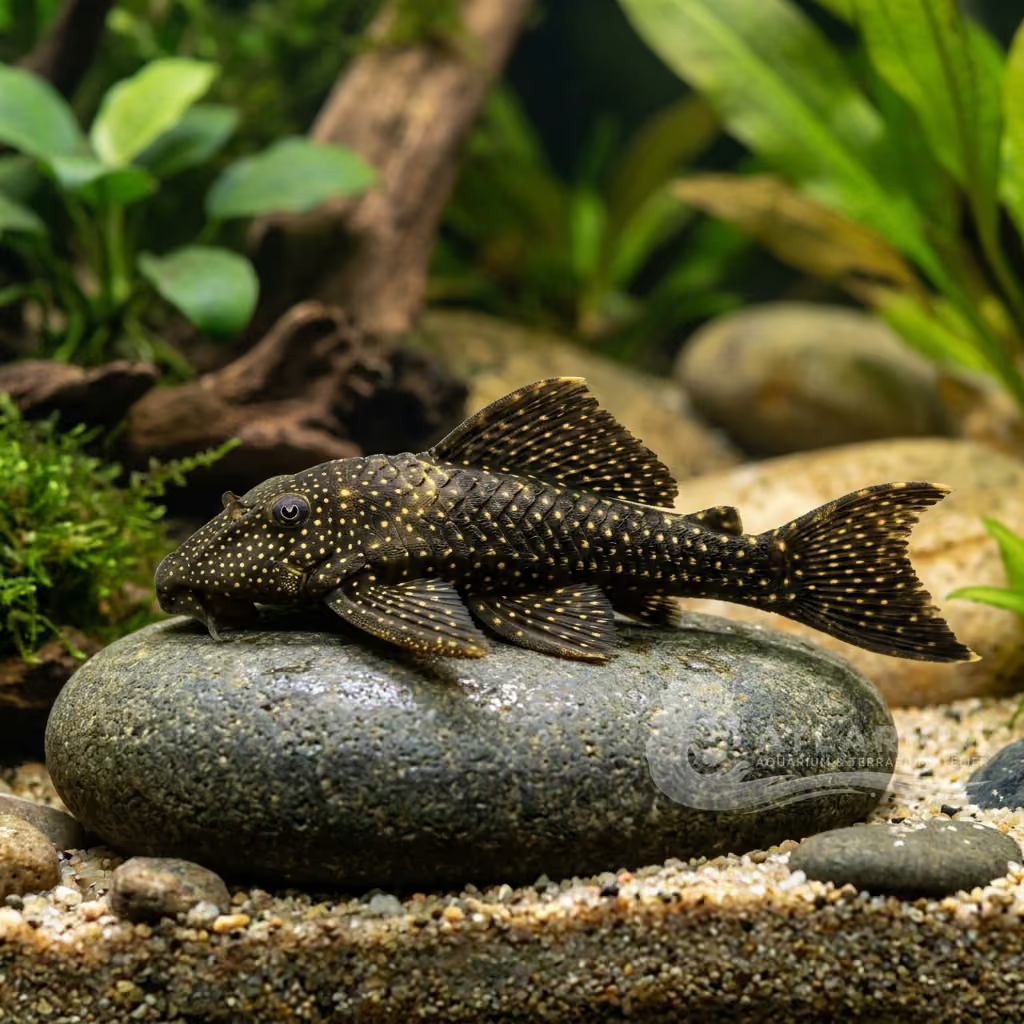
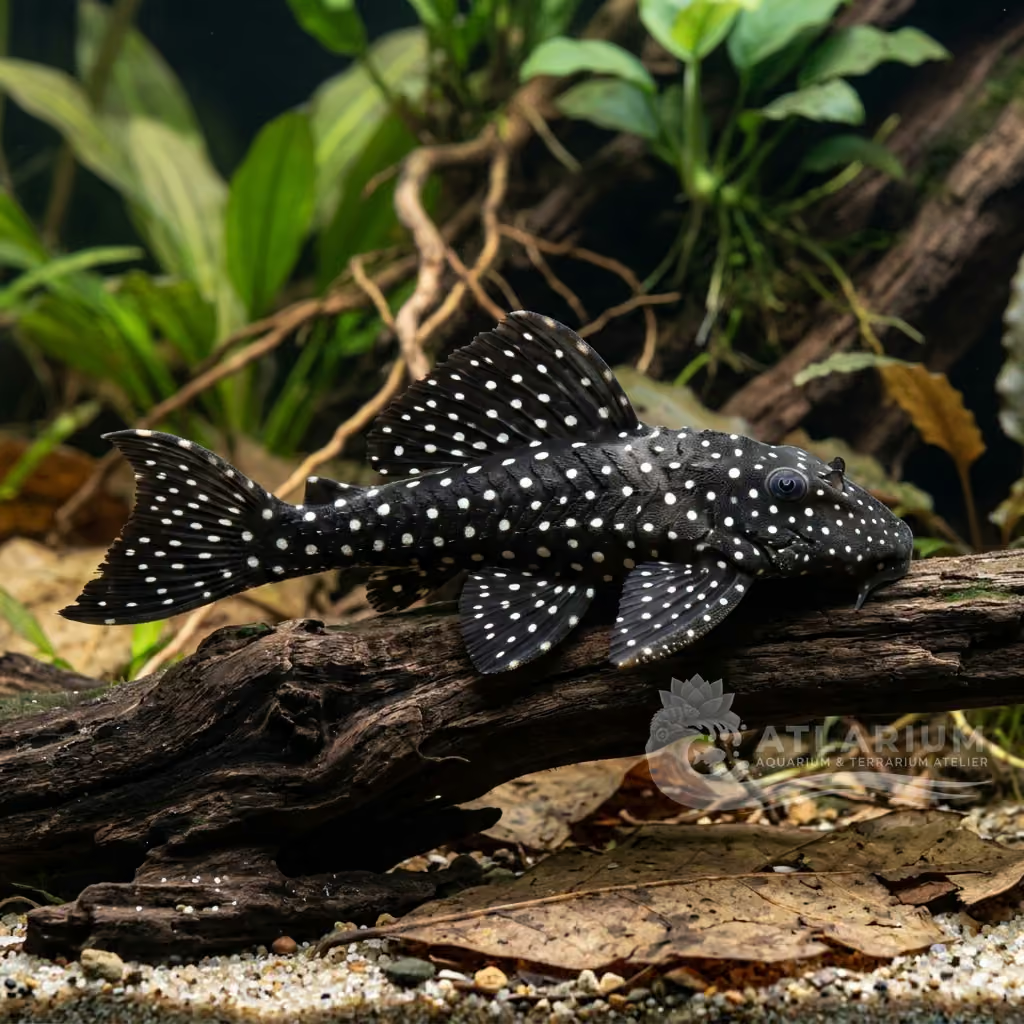
Often confused with its cousin L201, the Contradens exhibits a more massive profile and wider bright polka dots. Contrary to what is thought, it eats very few algae and lots of protein.
Water Temperature
25 - 30 °C
pH Value
6 - 7.5
Water type
Freshwater
Tank level
Bottom
Adult size
12 cm
Minimum tank volume
>= 100 L
Minimum group
>= 1
GH
2 - 10 dGH
KH
1 - 5 dKH
TDS
40 - 200 ppm
Conductivity
63 - 313 uS/cm

Species description
Geographical Origin and Habitat: Lower Orinoco River (Venezuela). Frequents fast coastal areas with bottoms covered by slippery white granite blocks, with very little vegetation cover.
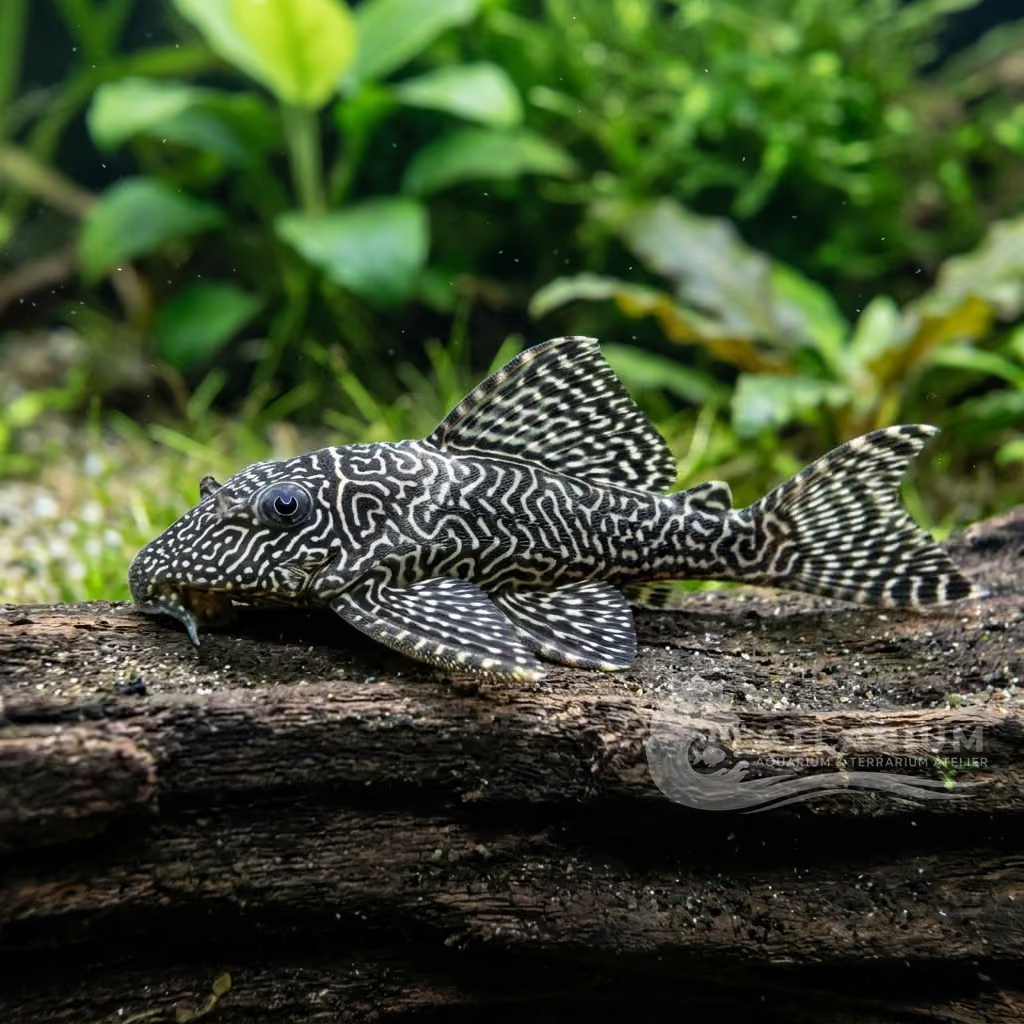
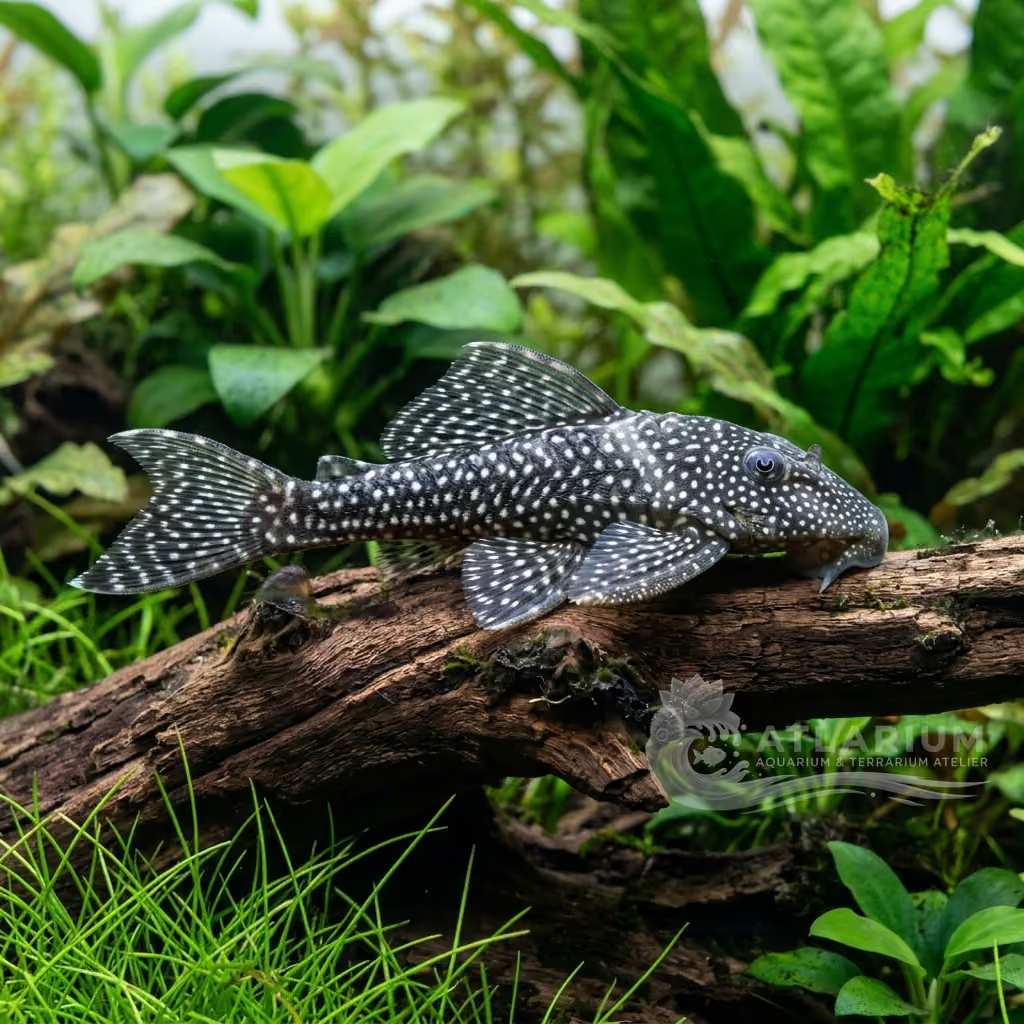
Taxonomy and Morphology: Snowball Pleco (Hypancistrus contradens). The true "Snowball" with large spots. Often and historically confused with H. inspector (L201), the contradens differs by its visibly stockier and rounder body and head (Bulldog head) and much larger white polka dots.
Social Behavior: Sedentary and nocturnal. Like all Hypancistrus, it tolerates small schools of its own species if the tank offers a sufficient number of rocky cavities, otherwise males will fight with shoves and bites for the "Dens".
Coloration and Sexual Dimorphism: Brilliant pitch-black background (almost velvet), flooded with large spherical white dots (Snowballs). At reproductive age the male develops powerful brushes on pectorals and jaw, while the female remains rounder on the belly.

Care, breeding and tankmates
Aquarium Setup: Demands Tubes (Ceramic Caves). Without a crevice for each individual the species dies of stress. Use massive interwoven roots, stacked smooth rocks and circulation pumps. Plants are ignored and survive well.
Diet and Feeding: Extreme carnivore and scavenger. Unlike Ancistrus, their teeth are tiny and they cannot scrape wood. They feed mainly on protein tablets, cut earthworms, crushed shrimp, and bloodworms. They disdain vegetables.
Water Quality: Demands the classic warm waters of the basin (28°C / 82°F min) heavily oxygenated to compensate for the heat. Excellent quality: debris in the tank will quickly infect their crawling belly.
Compatibility and Cohabitation: Peaceful but very shy armored fish. To be inserted together with fast mid-water fish or Discus. Do not mix it with other similar Hypancistrus (Zebra, L201, L136) otherwise they will create hybrids "dirtying" the genetic lines.
Aquarium Breeding: Typical Cave-Spawner of medium difficulty. Once provided with "Breeding Tubes" (sunken terracotta tubes), the male attracts the female into the tube, cages her and forces her to lay large amber eggs, brooding the young for 2 weeks fanning them.
Risks and Diseases: The false myth of the "glass cleaner". Inexpert people buy it mistaking it for an algae-eater. Placed in a tank with flakes or only vegetables, it wastes away in a month consuming its fat reserves.

Geographic origin and distribution
Lower Orinoco River (Venezuela). Frequents fast coastal areas with bottoms covered by slippery white granite blocks, with very little vegetation cover.
Origin
Amazon, Orinoco, and Guianas

Fish profile
- Temperament
- Semi-aggressive
- They have a shy and reclusive temperament, preferring to stay hidden during the brightest parts of the day. While peaceful towards other species, males can display mild territorial aggression towards other Hypancistrus over preferred caves. Providing multiple caves per fish easily mitigates any significant territorial disputes.
- Diet
- Omnivore
- Unlike many plecos, this species is primarily carnivorous and will show little interest in algae or vegetables. Their diet should heavily feature sinking carnivore pellets, frozen bloodworms, brine shrimp, and chopped mussels. Providing a varied, meat-based diet is critical for their overall health and successful breeding.
- Life expectancy
- 10-15 years
- Adult size
- 12 cm
- Sex ratio
- Group
- Mature males possess prominent odontodes (hair-like teeth) on their pectoral fins and behind their gills, and generally have a broader head. Females are noticeably rounder, especially when gravid, and have significantly shorter, less pronounced odontodes. Keeping them in groups of a few males to several females often yields the best breeding results.
- Feeding frequency
- Twice daily
- Feeding them once a day, preferably shortly after the aquarium lights have been turned off, is highly recommended. Being nocturnal foragers, they are much more comfortable and active in seeking food in the darkness. Target feeding may be necessary in busy community tanks to ensure they get their share.
- Bioload
- Medium
- This small pleco produces a relatively low bioload compared to larger members of the Loricariidae family. However, because they require a protein-heavy diet, their waste can be slightly more demanding on the biofilter than algae-eating species. Standard robust filtration and regular partial water changes are sufficient to maintain pristine conditions.
- Flow
- Stagnant
- They originate from highly oxygenated, fast-flowing rivers in South America and prefer similar conditions in captivity. Good water movement and high levels of dissolved oxygen are crucial for keeping them vibrant and healthy. Powerheads or appropriately positioned filter outflows should be used to simulate this environment.
- Jump risk
- No
- Reproduction
- Oviparous
- They are known as cave spawners and will readily breed in the home aquarium if provided with appropriate hiding spots. The male will entice a female into a tight cave where she lays eggs, which he then fiercely guards. The male will continuously fan the eggs to provide oxygen until they hatch and absorb their yolk sacs.
- Compatibility & tankmates
- With caution
- They are extremely peaceful fish that make excellent residents for calm, community aquariums. They can be safely kept with small tetras, rasboras, and other non-aggressive mid-water swimming species. Care should be taken to avoid overly aggressive bottom-dwellers that might outcompete them for food or territory.
- Tank level
- Bottom
- They are dedicated bottom dwellers that rarely venture higher than mid-level hardscape structures. They require an aquarium with plenty of driftwood tangles, rock caves, and slate crevices to establish territories. Providing ample hiding spots will actually encourage them to be more visible during the day.

Scientific Parameters & Models
FishBase
Window to the official scientific data of the species
Data synced on: 06/15/2026
- Resilience
- High (less than 15 months)
- Phylogenetic uniqueness (PD50)
- 0.5005
- Bayesian Length-Weight
- a = 0.01549, b = 2.96
- VulnerabilityLow vulnerability (10 / 100)

Related species
Recommendations grouped by close relatives, companion choices, and similar care.