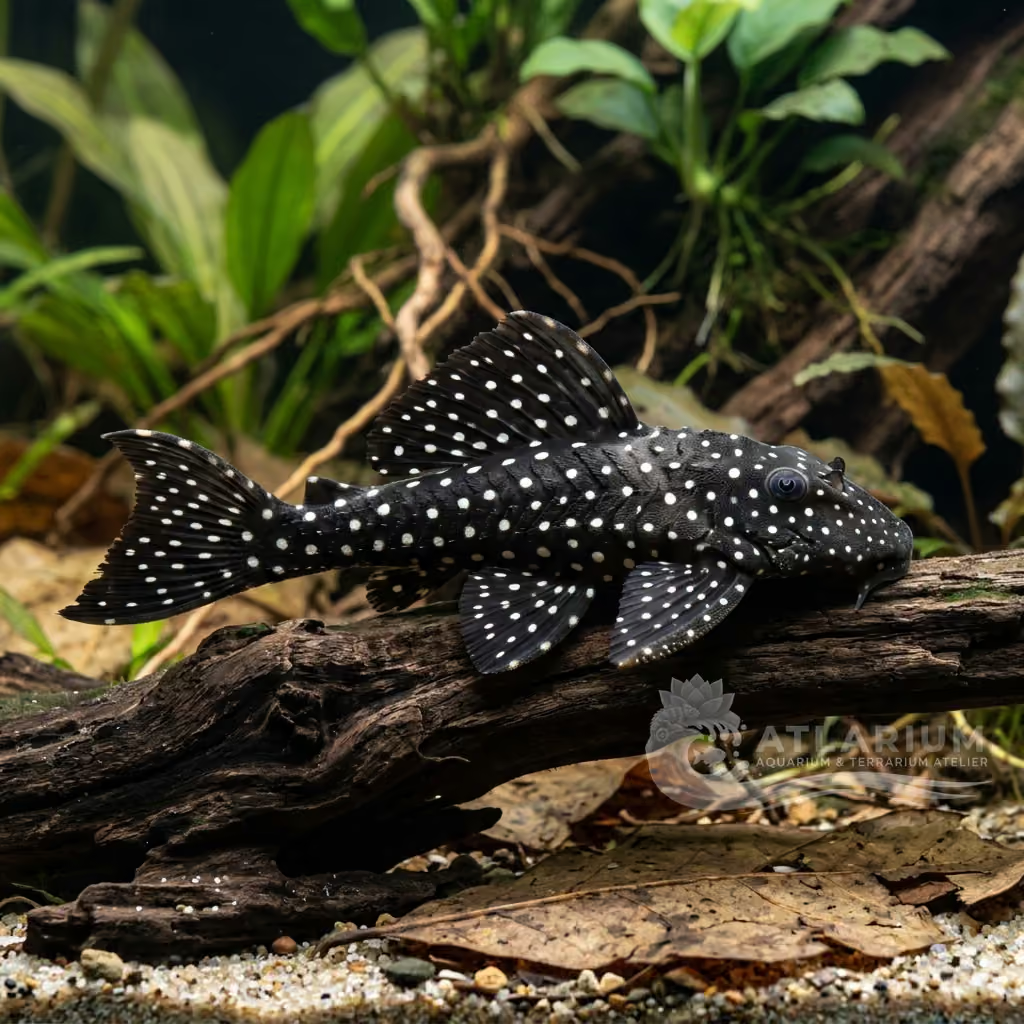
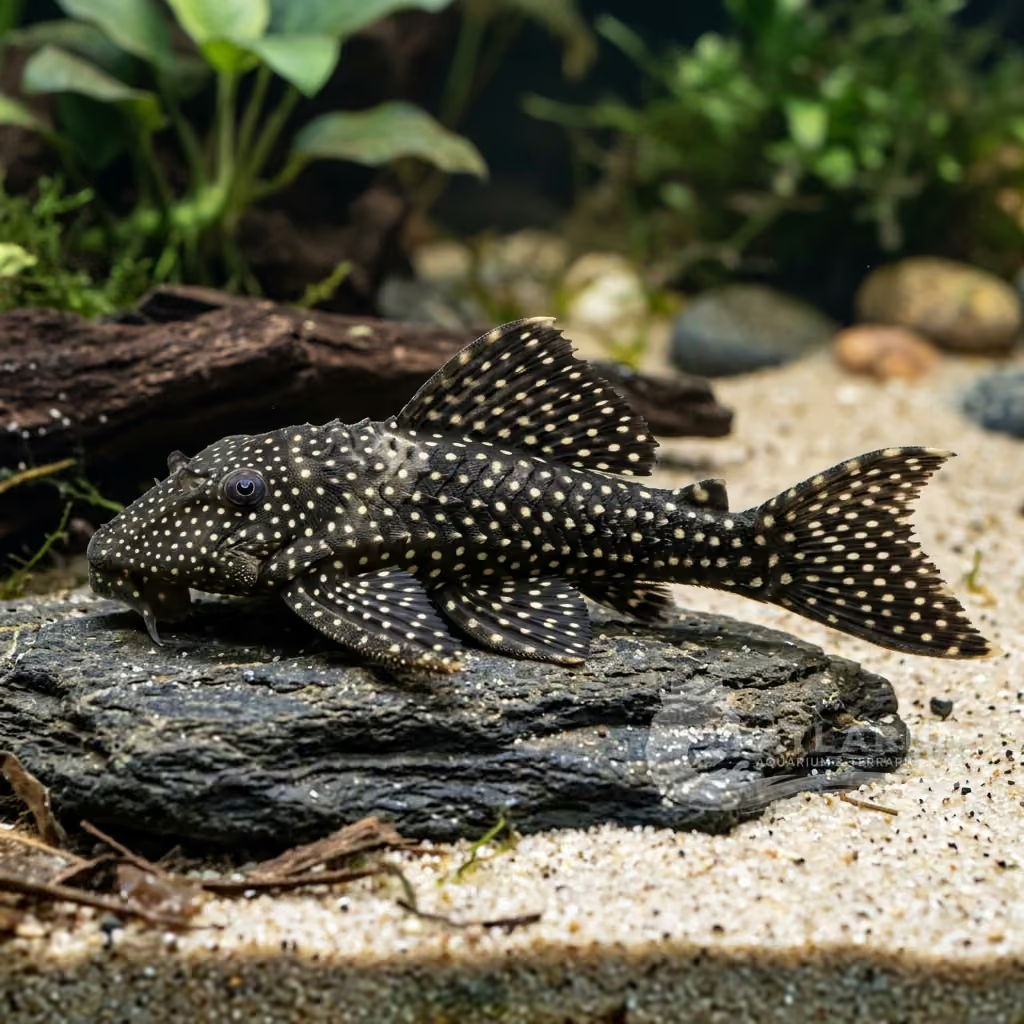
Tapajós Royal Pleco (L027)
Panaque armbrusteri
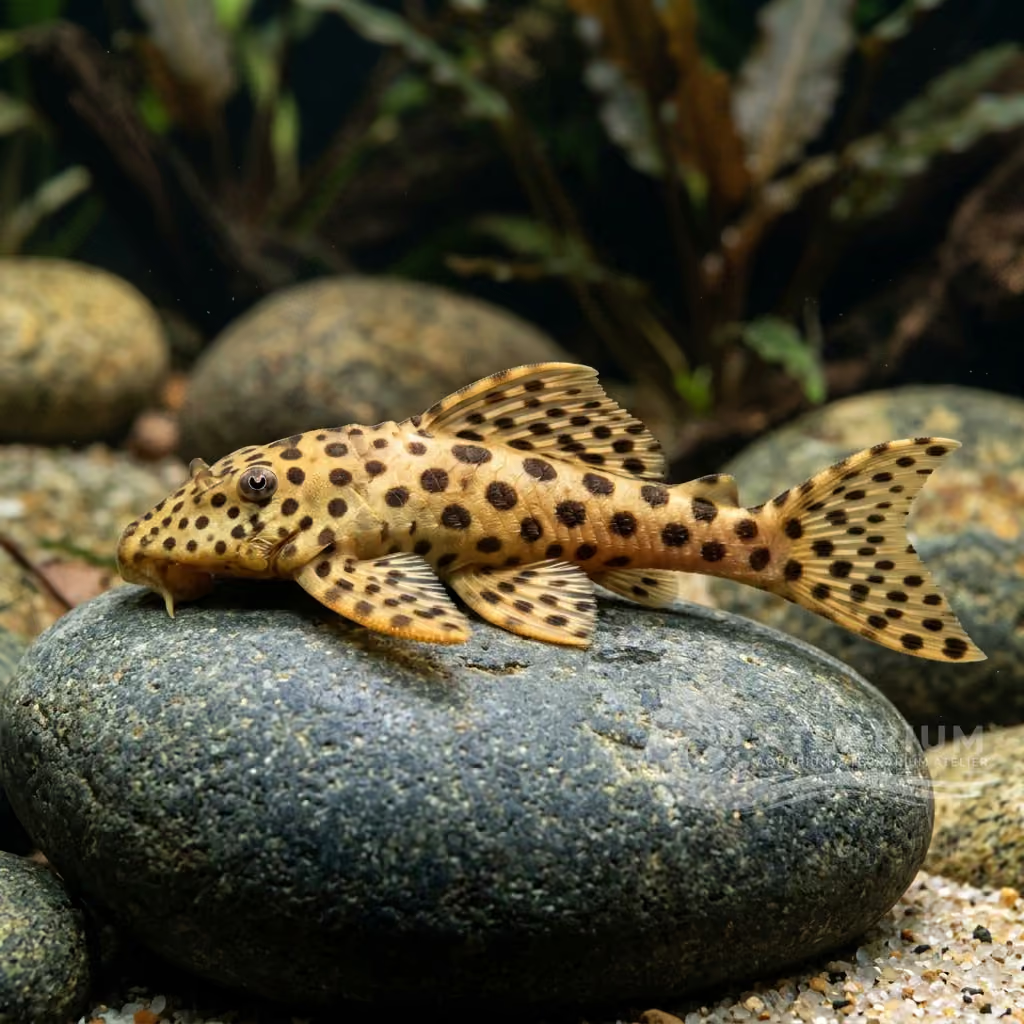
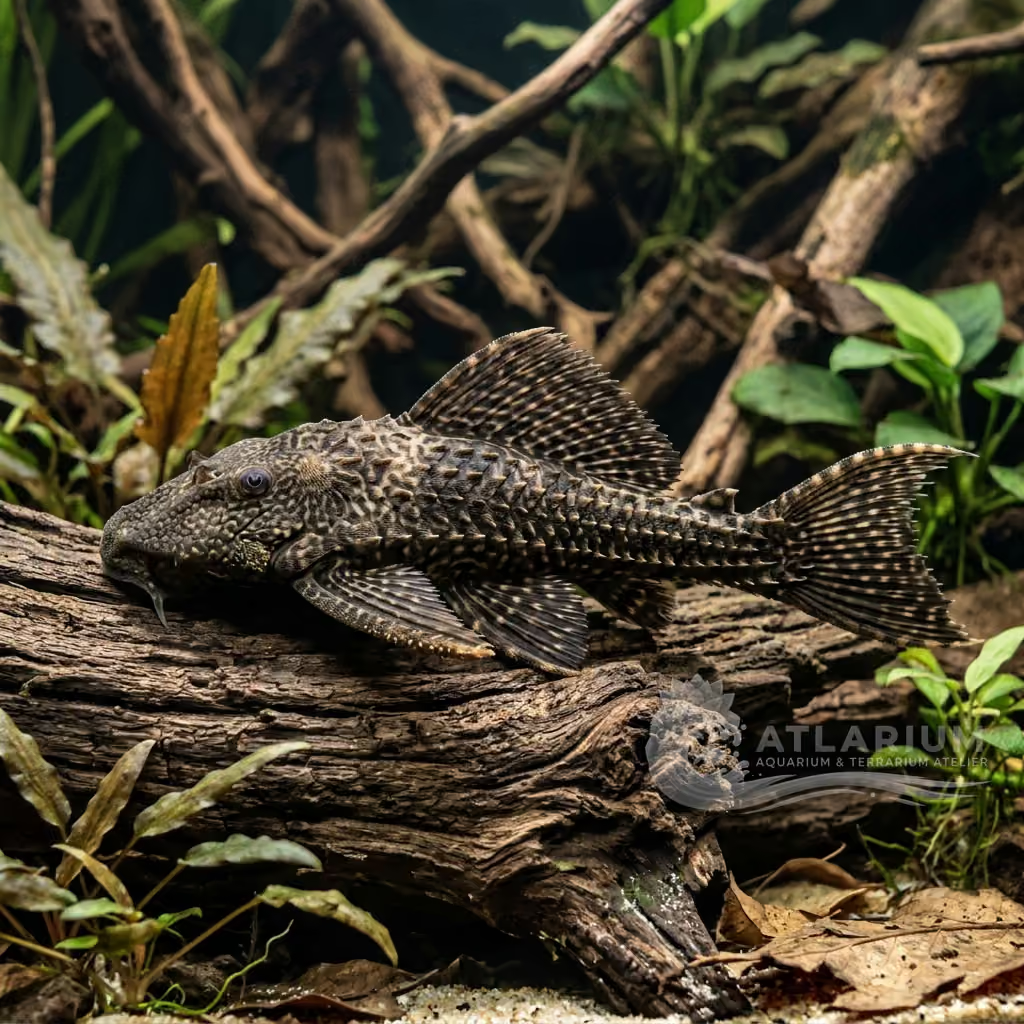
Known for a long time as L027 Tapajós. A gigantic (40 cm) and elite Panaque with a dark gold and mustard livery, surmounted by very thick interrupted black bands. Pure xylophage, it devastates wood and requires cyclopean tanks.
Water Temperature
26 - 30 °C
pH Value
6 - 7.4
Water type
Freshwater
Tank level
Bottom
Adult size
40 cm
Minimum tank volume
>= 400 L
Minimum group
>= 1
GH
2 - 12 dGH
KH
1 - 6 dKH
TDS
40 - 240 ppm
Conductivity
63 - 375 uS/cm

Species description
Geographical Origin and Habitat: Colossus endemic to the turbulent and crystalline Brazilian basins, specifically caught in the mighty Rio Tapajós. It lives in the nightmare of the rapids, firmly anchored to the gigantic submerged arboreal wrecks or wedged in niches of dark magma, where the clear and oxygenated water beats very hot under the equatorial sun without ever stopping.
Taxonomy and Morphology: Loricariidae family. For decades confusingly framed under the countless variants of the 'Panaque nigrolineatus' with the code L-027 (together with variants from Tocantins and Xingu), today this titan is a species in its own right: Panaque armbrusteri. The structure is cyclopean, an immovable prehistoric bony block that easily breaks through 40 centimeters (16 inches) and 2 kg (4.4 lbs) of weight. It preserves the deadly and highly specialized dental arsenal: large and powerful spatulate teeth, born exclusively to tear and pulverize heavy submerged woody barks.
Social Behavior: Ecstatic diurnal monolith. It will spend 90% of its existence perched, upside down or hidden, on its very personal, and defended, wooden stump. Peaceful, ignorant, and placid towards the fish in the water column, it mutates into a brutal and furious bulldozer if its living space (its root) is contended by another Panaque or giant Plecostomus. It will fight with devastating thorny headbutts until it blinds or mutilates the rival in insufficiently immense tanks (under 2 meters / 6.5 ft).
Coloration and Sexual Dimorphism: The designer outfit for which purists choose it over its L190 cousin. The eye is often gray-brown or weakly orange (not bright ruby). The base of the armored fish leans wonderfully towards shades of shiny ochre, opaque dark gold, bright mustard, or hazelnut brown (abandoning the gloomy olive-greens of its cousin). The black lines ('Royal stripes') are exaggeratedly thicker, denser, and more marked, often fused, asymmetrical, and broken, not neatly parallel. Dimorphism identical to the genus: only in very late age and at titanic sizes do MALES extract a crazy arsenal of bristly, very long hairy spikes ('odontodes'), fleshy and pungent from behind the cheeks and on the back of the body; hairless and corpulent females without such stunning lateral spears.

Care, breeding and tankmates
Aquarium Setup: THE MISTAKE IS KEEPING IT SMALL. Juveniles are rare, but they grow eviscerating the volume. MANDATORY CYCLOPEAN TANKS of no less than 150-200 cm (60-80 inches) in length. THE ABSOLUTE LAW IS THE SCENOGRAPHY: Insert in the bottom titanic amounts of Mopani, massive bogwood roots (pure real wood). Without abundant, submerged wood to grate as the only source of life, it will collapse paralyzed. Water violently agitated on the surface by powerful wave-makers (recreating the strength of the Tapajós).
Diet and Feeding: ZERO ALGAE. IT IS A WOOD SHREDDER. It will eat your case swallowing layers of dead cellulose 24 hours a day and scraping the fungal microfauna inherent in it. The hunger of this beast is inexhaustible: integrate every holy night in the dark with hard vegetable tablets and heavy sinking Spirulina, colossal sunken vegetables (very heavy raw zucchini cut in half, aseptic boiled pumpkin). Disdain meat almost entirely if not rarely, under penalty of lethal putrefying colic and blocks of the herbivorous-xylophagous gastric system.
Water Quality: Difficulty EXCLUSIVELY dictated by the COLOSSAL ABOMINABLE POLLUTION. You will never be able to imagine the boundless daily amount in meters of woody poop (extruded sawdust) that it generates by digesting trunks. IT DEMANDS an owner devoted to constant siphoning and triple external industrial canister filters so as not to faint from ammonia peaks. Unlike the L190, the Armbrusteri lives in asphyxiating heat: IT DEMANDS constant tropical 26°C to 30°C / 79-86°F (scorching water) and would die constipated in the careless winter 23-24°C / 73-75°F. Prefers weak soft waters (GH 2-12) and Amazonian subacid-neutral pH (6.0-7.4).
Compatibility and Cohabitation: Giant model of excellence for the calm of a huge showcase community. Spectacular combined in the shadow of elite fish: large and very hot slow and majestic round Discus (withstands their crazy 29°C / 84°F temperatures), powerful earth-eating Uaru of the shade, Geophagus, or very dense very thick schools of fast South American Amazonian Tetras and Angelfish. STRICTLY PROHIBITED and morally unjust to mix it with the psychotic nervous chaos of very hard African Mbuna Cichlids, OR bone-breaking Central American Cichlids that would bite and wound it.
Aquarium Breeding: Absolute impossible myth in the domestic living room given the monstrous size required and the aggressive isolation. Churned out almost exclusively asphyxiating from captured Amazonian rivers or reproduced by chemical avalanche in immense turbid lagoons of hot asphyxiating muds in Asia for global sales and massive reproductions external to pure hobbyist breeding.
Risks and Diseases: Lethal Rotten Intestinal Occlusion for fake asphyxiating diet without wood or digestive block of slow asphyxiating paralyzing freezing atrophy if bred careless at cool and low temperatures under 25 degrees (77 F) by careless owners in winters; Asphyxiating Lethal Fulminating Asphyxia: if the cyclopean novice weak biological filters drop dead collapsing dead and ruined by the boundless unsustainable bulk and abyssal quintals of woody shit sawdust foolish excrement that this mastodon shitter extrudes day and night without mercy causing lethal intoxications of furious ammonia that exterminates the entire huge tank silently and bitterly languid drowned.

Geographic origin and distribution
Colossus endemic to the turbulent and crystalline Brazilian basins, specifically caught in the mighty Rio Tapajós. It lives in the nightmare of the rapids, firmly anchored to the gigantic submerged arboreal wrecks or wedged in niches of dark magma, where the clear and oxygenated water beats very hot under the equatorial sun without ever stopping.
Origin
Tropical oceans and reefsAmazon, Orinoco, and GuianasNorth America

Fish profile
- Temperament
- Semi-aggressive
- They are relatively placid when young but become territorial with age. They will fiercely defend their chosen hiding spot from intruders. Despite their size, they are not predatory toward smaller fish.
- Diet
- Omnivore
- They are specialized xylivores that require hardwood to survive. They ingest wood shavings constantly to fuel their digestion. Fresh vegetables and sinking pellets should supplement this wood-based diet.
- Life expectancy
- 10-15 years
- Adult size
- 40 cm
- Sex ratio
- Solitary
- Due to their extreme territoriality, keeping a single specimen is best. Keeping multiple adults requires an exceptionally huge aquarium. Males are particularly intolerant of each other.
- Feeding frequency
- Twice daily
- Access to large pieces of driftwood must be continuous. Offer vegetables and wafers daily during the evening. Ensure uneaten fresh food is removed promptly.
- Bioload
- High
- They generate a monumental bioload as they grow. Their continuous wood scraping results in extreme amounts of particulate waste. Heavy-duty canister filters are completely mandatory.
- Flow
- Stagnant
- They demand very strong water flow to thrive. High oxygenation is an absolute requirement for this large species. Heavy flow also assists in sweeping away their massive waste output.
- Jump risk
- No
- Reproduction
- Oviparous
- Breeding this giant species in home aquariums is virtually unheard of. They require massive water volumes and seasonal triggers. Most specimens in the trade are wild-caught.
- Compatibility & tankmates
- Highly aggressive
- They ignore most mid-water and top-dwelling fish. They can become highly aggressive toward other large plecos. Tank mates must be large enough to tolerate their eventual massive size.
- Tank level
- Bottom
- They are strictly confined to the bottom level. They will claim a specific piece of driftwood as their permanent home. You will never see them swimming in the upper water column.

Scientific Parameters & Models
FishBase
Window to the official scientific data of the species
FishBase v25.04Data synced on: 06/15/2026
- Resilience
- Low (4.5 - 14 years)
- Phylogenetic uniqueness (PD50)
- 0.5078
- Bayesian Length-Weight
- a = 0.01549, b = 2.99
- VulnerabilityLow to moderate vulnerability (33 / 100)

Related species
Recommendations grouped by close relatives, companion choices, and similar care.