Blue Panaque (L239)
Baryancistrus beggini
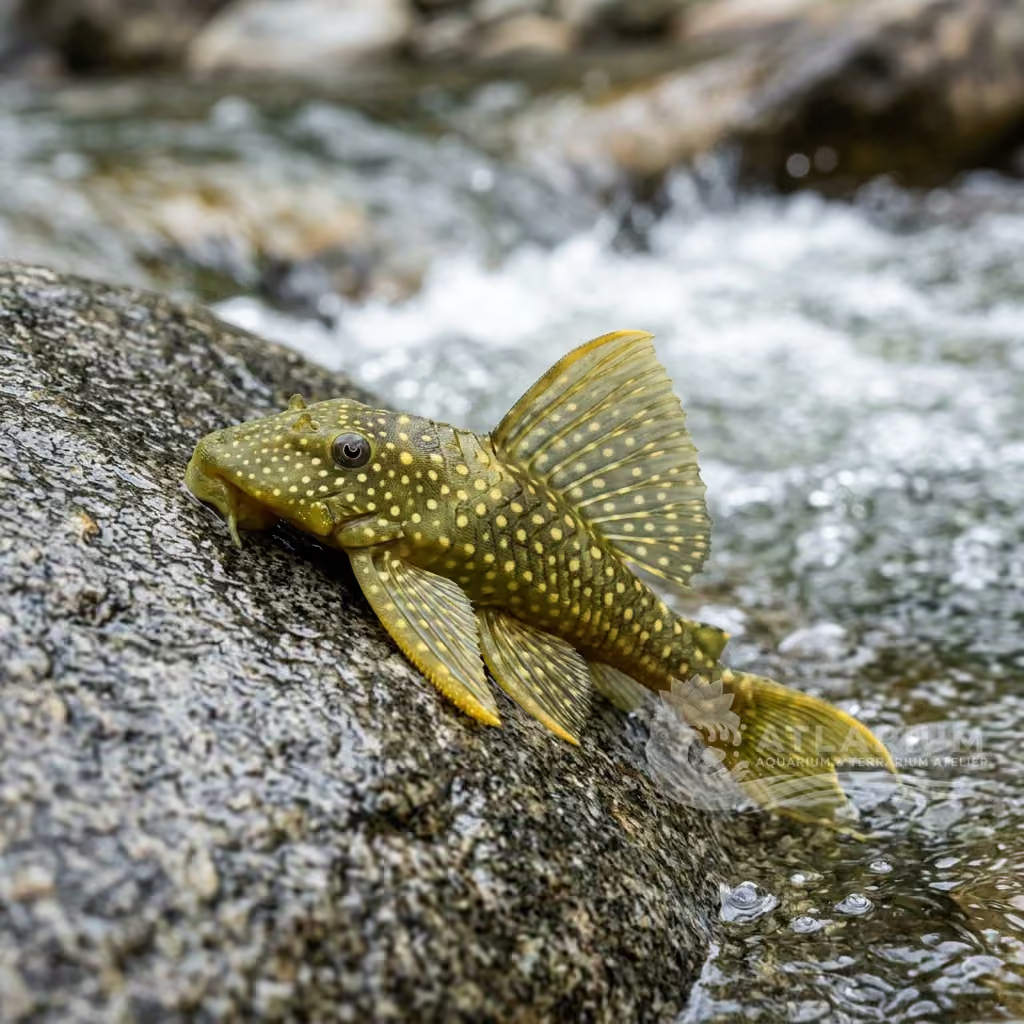
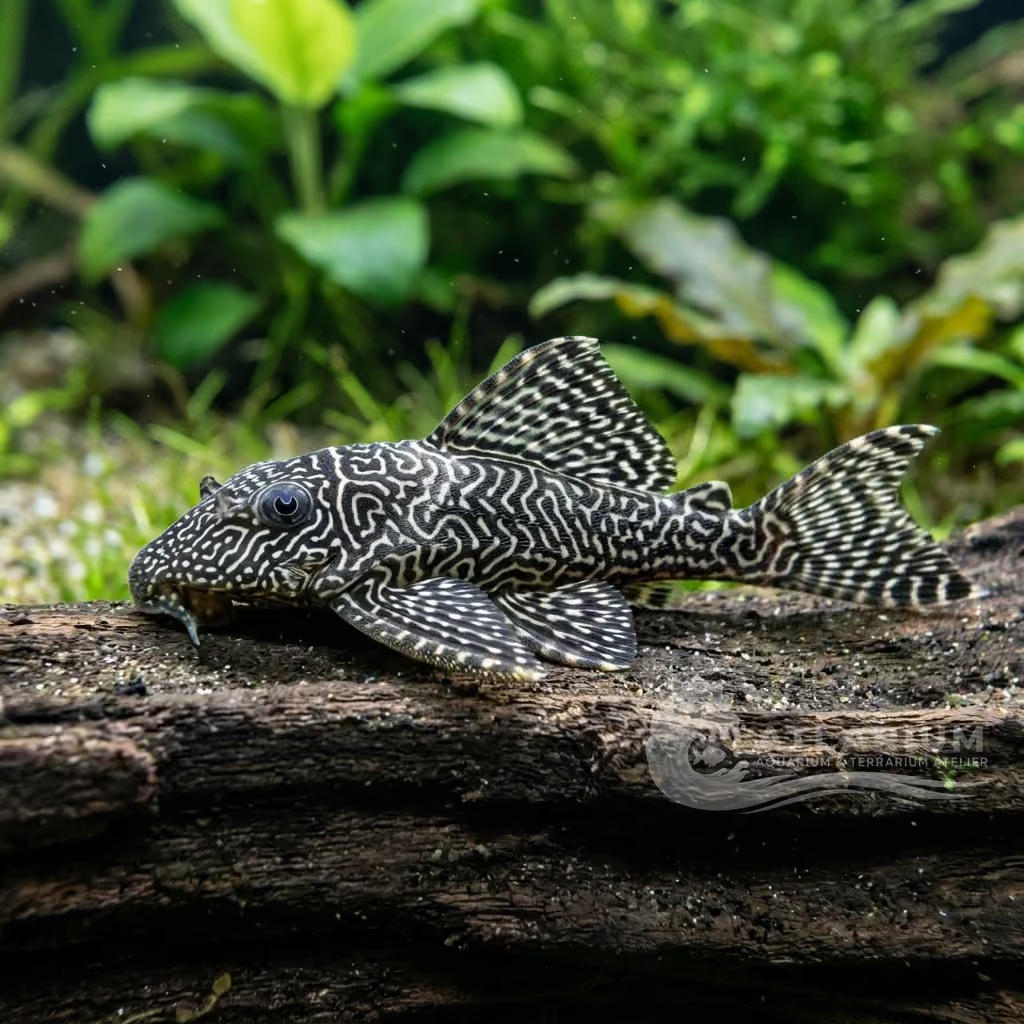
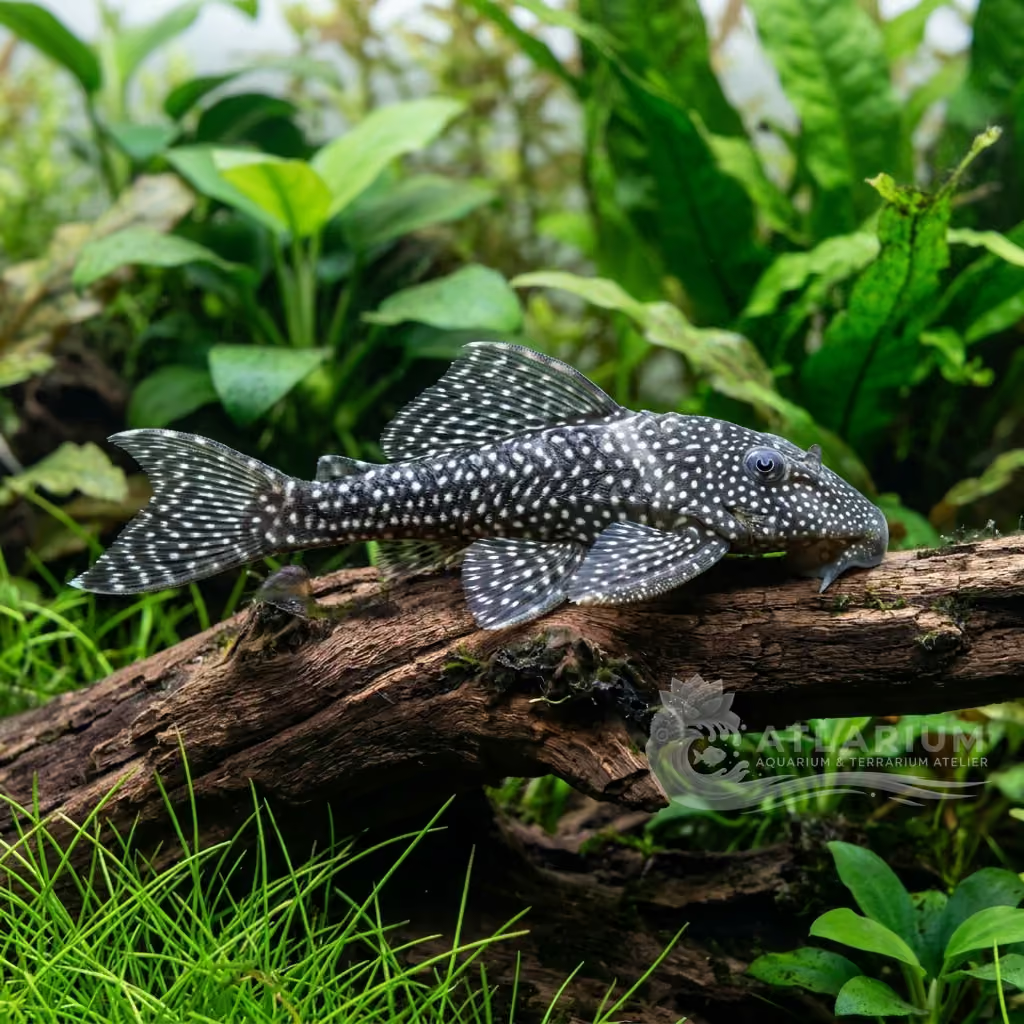
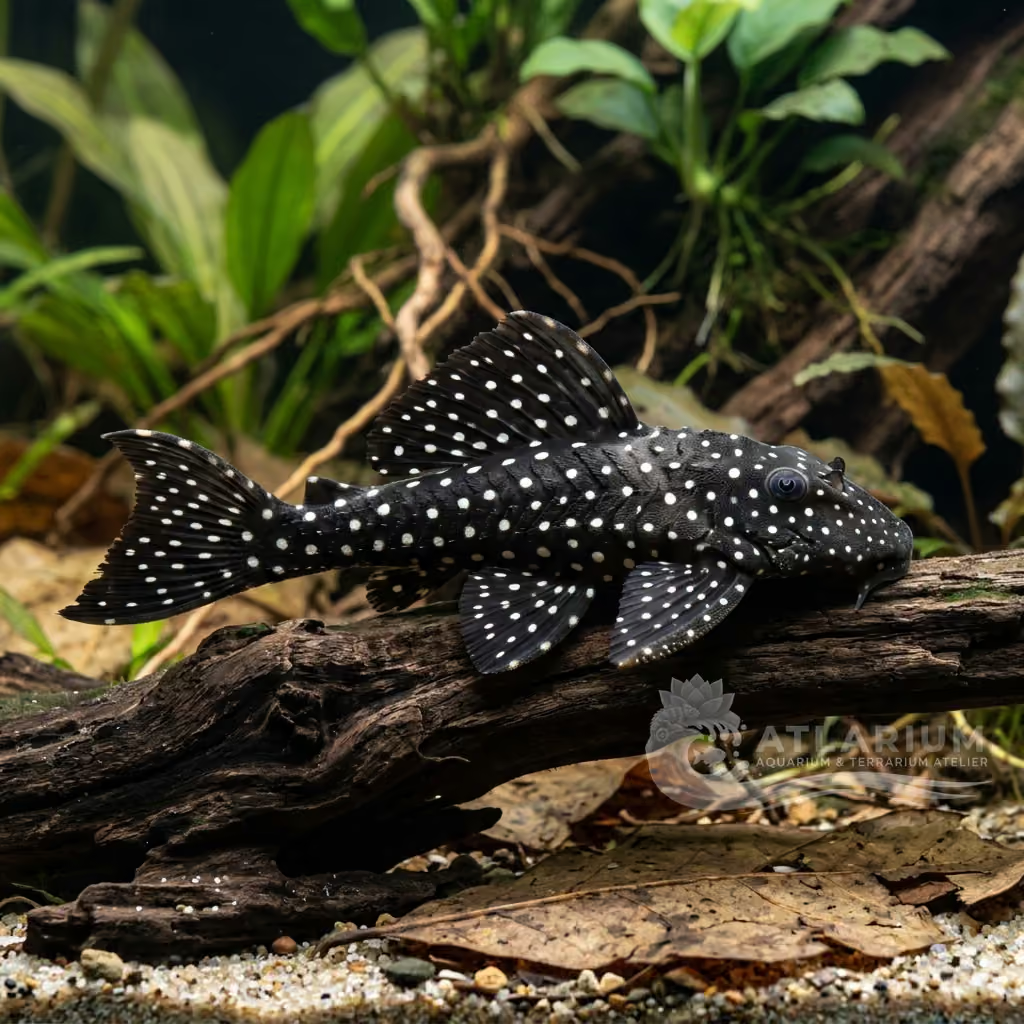
The highly famous 'Blue Panaque' (L239). A highly prized, small-sized Loricariid (8 cm). Totally covered in velvety black/iridescent dark blue scutes, and edged along the dorsal fin with marine indigo hues.
Water Temperature
27 - 30 °C
pH Value
5.5 - 7
Water type
Freshwater
Tank level
Bottom
Adult size
8 cm
Minimum tank volume
>= 100 L
Minimum group
>= 1
GH
1 - 10 dGH
KH
1 - 5 dKH
TDS
25 - 200 ppm
Conductivity
39 - 313 uS/cm

Species description
Geographical Origin and Habitat: Endemic to the Rio Guaviare and the upper Rio Orinoco in Colombia and Venezuela. It is a rheophilic inhabitant, living firmly clinging to smooth granite rocks or submerged trunks in the turbulent and warm currents of the river.
Taxonomy and Morphology: Blue Panaque / L239 (Baryancistrus beggini). Although sold commercially as "Blue Panaque", its dental characteristics classify it among the Baryancistrus. It is one of the smallest "pleco" species, with a compact, flattened body and a powerful sucker mouthparts.
Social Behavior: Extremely shy and photophobic. It is a Loricariid that spends 90% of the day holed up in dark rock crevices, darting furiously if its den territory is invaded by other loricariids.
Coloration and Sexual Dimorphism: One of the few freshwater fish of uniform steel-blue color, with indigo shades and fins often edged in a bright cyan tone. Males develop prominent odontodes (thorn-like) on the pectoral fins and flanks; females are wider and smoother.

Care, breeding and tankmates
Aquarium Setup: Specialized rheophilic "River-tank" (min. 80 cm / 32 inches for a pair). Water MUST be constantly moved by strong powerheads. Indispensable are piles of smooth stones arranged to form very narrow caves in which the fish can anchor itself.
Diet and Feeding: Auffuchs-grazer / Vegetarian. Unlike true Panaques it does not eat wood massively, but scrapes the algal biofilm from round rocks. Must be fed with abundant Spirulina tablets and fresh sunken zucchini. Rarely accepts animal proteins.
Water Quality: Very rigorous requirements: the water must be very warm (27-30°C / 81-86°F) and exasperatingly hyper-oxygenated, to simulate tropical rapids. It will suffocate in stagnant, cold or movement-poor waters.
Compatibility and Cohabitation: Excellent with medium-high temperature characins (e.g. Cardinals, Hemigrammus) and peaceful cichlids accustomed to heat (Mikrogeophagus ramirezi). Should avoid insertion with giant Loricariids (Pterygoplichthys) which would deprive it of food and evict it from the den.
Aquarium Breeding: Cave-spawner. Very difficult. The male chooses a narrow crevice in a rock (or a terracotta tube) in an area of strong flow. The female lays adhesive eggs there. The male obsessively fans the egg cluster and guards the yellow larvae until the yolk sac is absorbed.
Risks and Diseases: Species unfortunately subject to a high mortality rate in the first months of importation ("Hollow belly syndrome"). They often arrive totally emaciated; it is vital to administer a lot of plant food and preventively treat any intestinal flagellates.

Geographic origin and distribution
Endemic to the Rio Guaviare and the upper Rio Orinoco in Colombia and Venezuela. It is a rheophilic inhabitant, living firmly clinging to smooth granite rocks or submerged trunks in the turbulent and warm currents of the river.
Origin
Amazon, Orinoco, and Guianas

Fish profile
- Temperament
- Semi-aggressive
- Baryancistrus beggini is generally peaceful toward other non-benthic fish species but can display significant territoriality toward conspecifics or similar bottom-dwelling competitors. They will actively guard their preferred cave or hiding spot from intruders, displaying aggressive posturing if challenged. Providing ample territory, rocks, and caves helps disperse aggression in multi-pleco setups. During the day, they are typically shy and reclusive, becoming more active and outgoing during the evening and night.
- Diet
- Omnivore
- While often mislabeled as wood-eating panaques due to their common name, Baryancistrus beggini is actually an omnivorous grazer that feeds on biofilm, algae, and small organisms in the wild. In captivity, they should be offered high-quality sinking algae wafers, spirulina pellets, and regular portions of protein-rich foods like frozen bloodworms or brine shrimp. They also benefit from blanched vegetables like zucchini, cucumber, and spinach placed near their caves. It is crucial to ensure they receive enough food, as they can easily starve if kept with faster, aggressive feeders.
- Life expectancy
- 8-15 years
- Adult size
- 8 cm
- Sex ratio
- Harem
- In the aquarium, Baryancistrus beggini can be kept singly, in pairs, or in small groups if the tank is sufficiently large. Males are highly territorial toward conspecifics, so keeping multiple specimens requires a spacious aquarium with many caves to allow each individual to establish its own territory. A group of one male and multiple females (harem style) is often recommended to minimize aggression. If breeding is not the goal, keeping a single specimen is the easiest and safest approach.
- Feeding frequency
- Twice daily
- Baryancistrus beggini should be fed once or twice daily, preferably in the evening shortly before or after the aquarium lights are turned off to accommodate their nocturnal feeding patterns. Providing food during these darker hours helps ensure they can graze undisturbed by more active diurnal tank mates. Any uneaten fresh food, particularly raw vegetables, should be removed from the tank the next morning to prevent water pollution. Consistently monitoring their body shape is important, as their abdomen should appear slightly rounded, not sunken.
- Bioload
- Medium to High
- Baryancistrus beggini produces a moderate-to-high amount of waste, which is typical for loricariid catfish. Due to their vegetarian/detritivorous tendencies and constant grazing, they require robust filtration and frequent water changes. A high-turnover filter, such as a canister filter that turns over the tank volume at least 4 to 5 times per hour, is strongly recommended to keep nitrogenous waste low. Regular gravel vacuuming is also essential to prevent organic debris from decomposing in the substrate.
- Flow
- Stagnant
- Baryancistrus beggini originates from fast-flowing, highly oxygenated river channels and has a strong preference for moderate to strong water flow. A powerhead, wavemaker, or heavy-duty canister filter output should be positioned to create a sweeping current across rockwork and caves. High levels of dissolved oxygen are crucial for this species, so adding air stones or using a Venturi attachment is highly recommended. In stagnant or poorly oxygenated water, they will show distress, rapid breathing, and become highly susceptible to infections.
- Jump risk
- No
- Reproduction
- Oviparous
- Breeding Baryancistrus beggini in captivity is considered difficult and is rarely accomplished by casual hobbyists. They are cave spawners, with the male selecting a tight-fitting cave, cleaning it, and enticing a ripe female to lay her eggs inside. After fertilization, the male drives the female out and takes sole responsibility for guarding and fanning the egg clutch until they hatch. To induce spawning, advanced breeders often use a combination of cool water changes, high-flow water movement, and a high-protein diet to simulate the onset of the rainy season.
- Compatibility & tankmates
- With caution
- Baryancistrus beggini is compatible with peaceful midwater and upper-water fish species that thrive in warm, high-oxygen, and fast-flowing environments. Ideal tank mates include active tetras, barbs, danios, and peaceful cichlids like Geophagus. Avoid keeping them with aggressive or large bottom-dwellers, and limit the number of other plecos to prevent territorial disputes over caves. They are safe to keep in planted tanks, although they may occasionally uproot delicate plants during their active night-time foraging.
- Tank level
- Bottom
- Baryancistrus beggini is a strict bottom-dwelling species that spends almost all of its time on the substrate, rocks, and driftwood. They use their specialized sucker mouth to cling to surfaces, especially in areas with moderate to high water currents. They rarely venture into the middle or upper sections of the water column unless they are darting away due to stress or looking for food. Consequently, tank decor should focus on providing caves and rocky structures at the bottom of the aquarium.

Scientific Parameters & Models
FishBase
Window to the official scientific data of the species
FishBase v25.04Data synced on: 06/15/2026
- Phylogenetic uniqueness (PD50)
- 0.5039
- Bayesian Length-Weight
- a = 0.01549, b = 2.96
- VulnerabilityLow vulnerability (10 / 100)

Related species
Recommendations grouped by close relatives, companion choices, and similar care.