Fine-Spot Golden Nugget Pleco (L081)
Baryancistrus sp. L081
Known as 'Gold Seam Pleco' or L081. It is the fine-spot variant of the Golden Nugget. Grows slightly less (20 cm) but has the same extreme demands for hot, oxygenated water.
Water Temperature
27 - 32 °C
pH Value
6 - 7.4
Water type
Freshwater
Tank level
Bottom
Adult size
20 cm
Minimum tank volume
>= 180 L
Minimum group
>= 1
GH
2 - 15 dGH
KH
1 - 7 dKH
TDS
40 - 295 ppm
Conductivity
63 - 461 uS/cm

Species description
Geographical Origin and Habitat: Endemic to the Lower Rio Xingu (Brazil). Inhabits exclusive rheophilic biotopes: crystal clear waters, tumultuous currents flowing over dark rocks and jagged granite, in areas flooded by very strong equatorial sunlight.
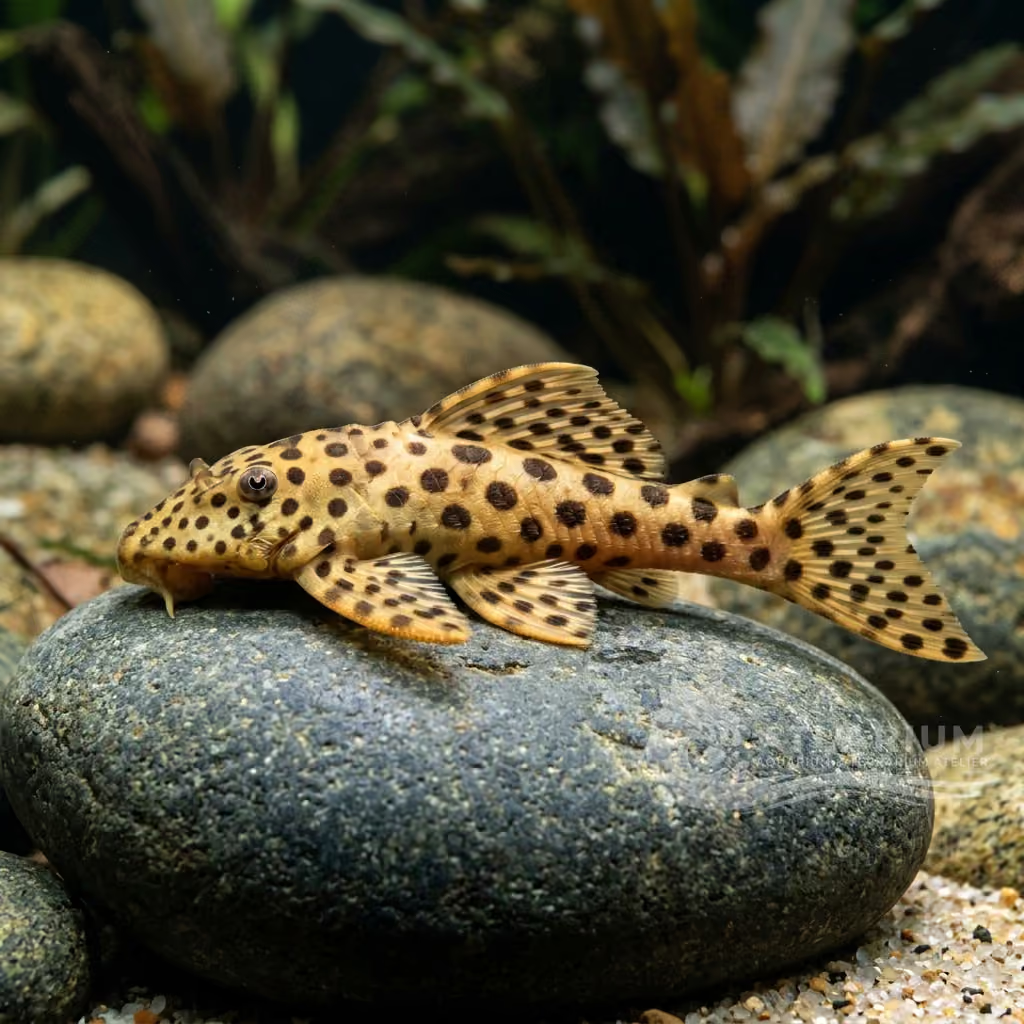
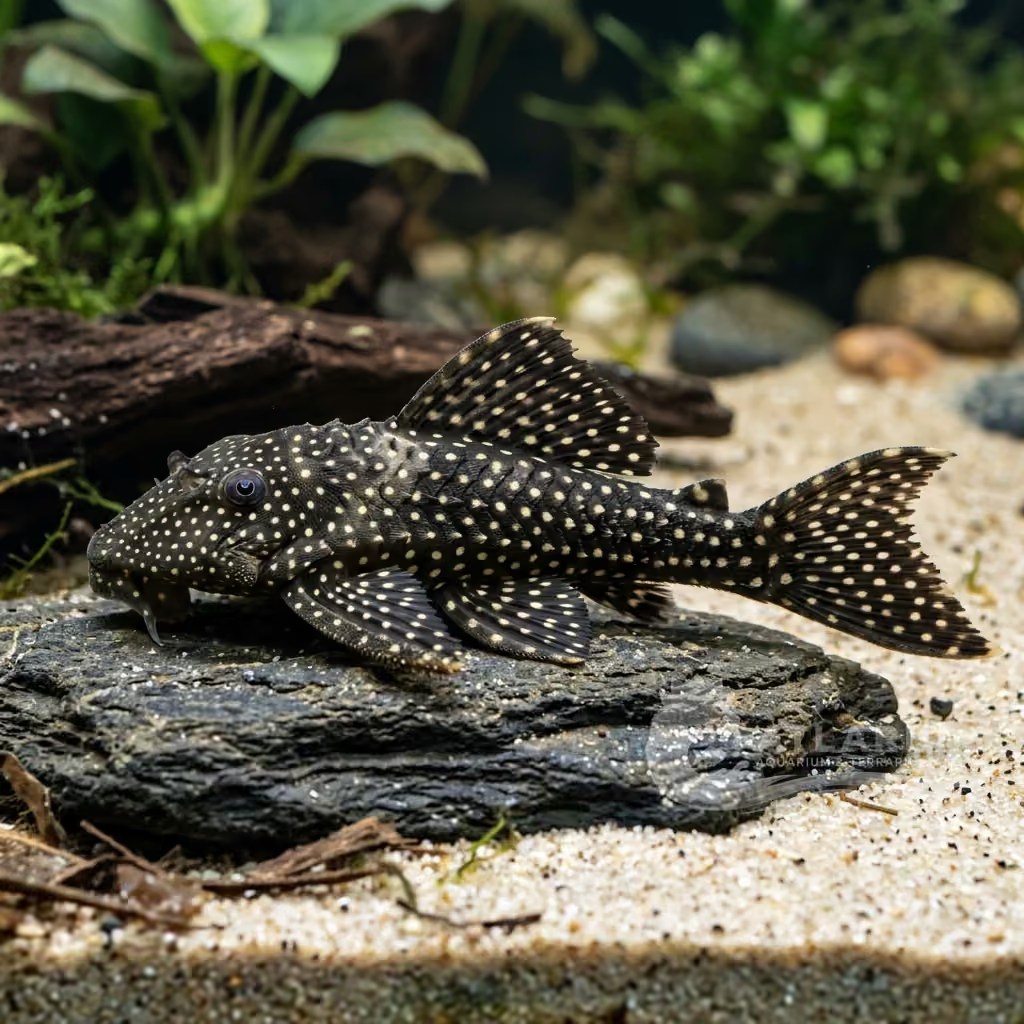
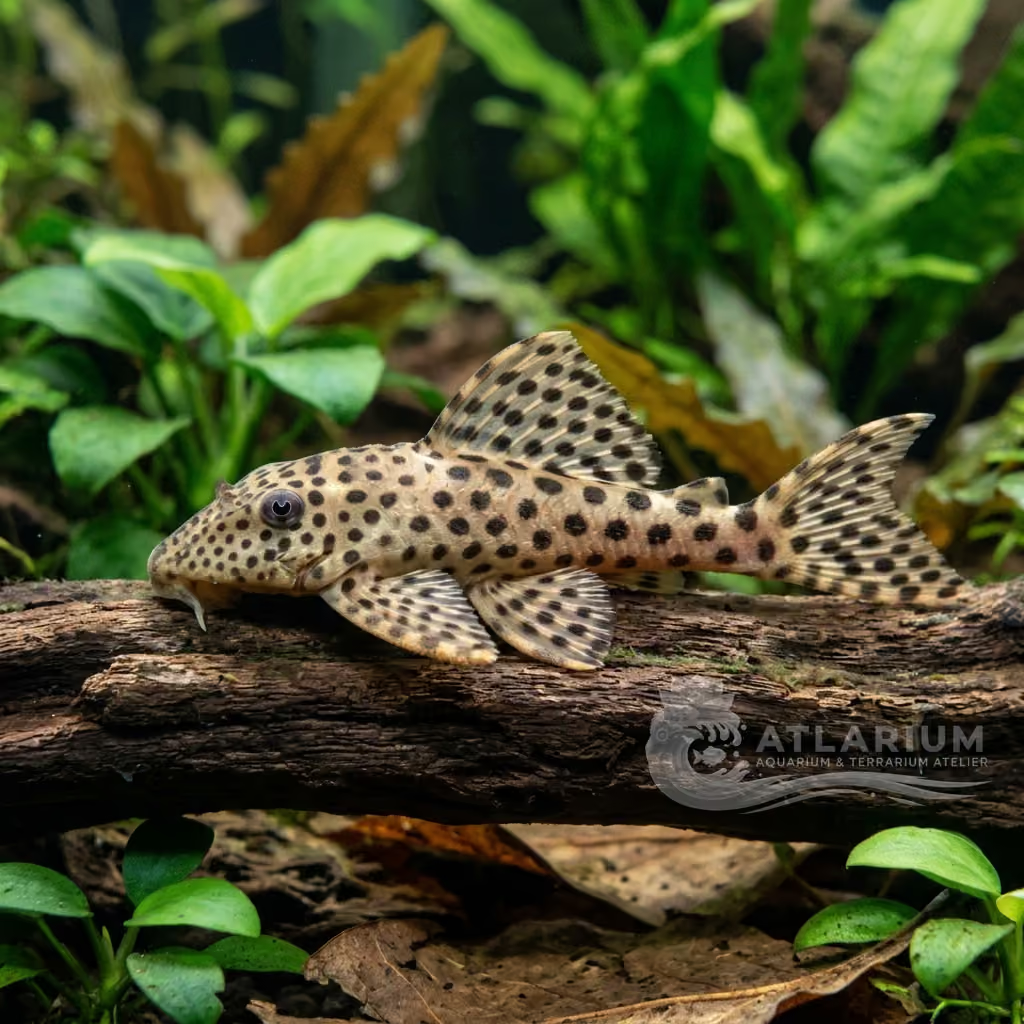
Taxonomy and Morphology: Gold Nugget Pleco (L081 / Baryancistrus xanthellus form). There are 3 variants of "Gold Nugget" (L018, L081, L177). L081 is characterized by having the smallest and densest golden polka dots of all. Typical Baryancistrus conformation, wide snout and massive sucker.
Social Behavior: Shy and photophobic during acclimation, then becomes proud and bold. Extremely bellicose with Loricariids with a similar pattern or competitors for refuge. Feeds completely ignoring the activities of the fish in the water column.
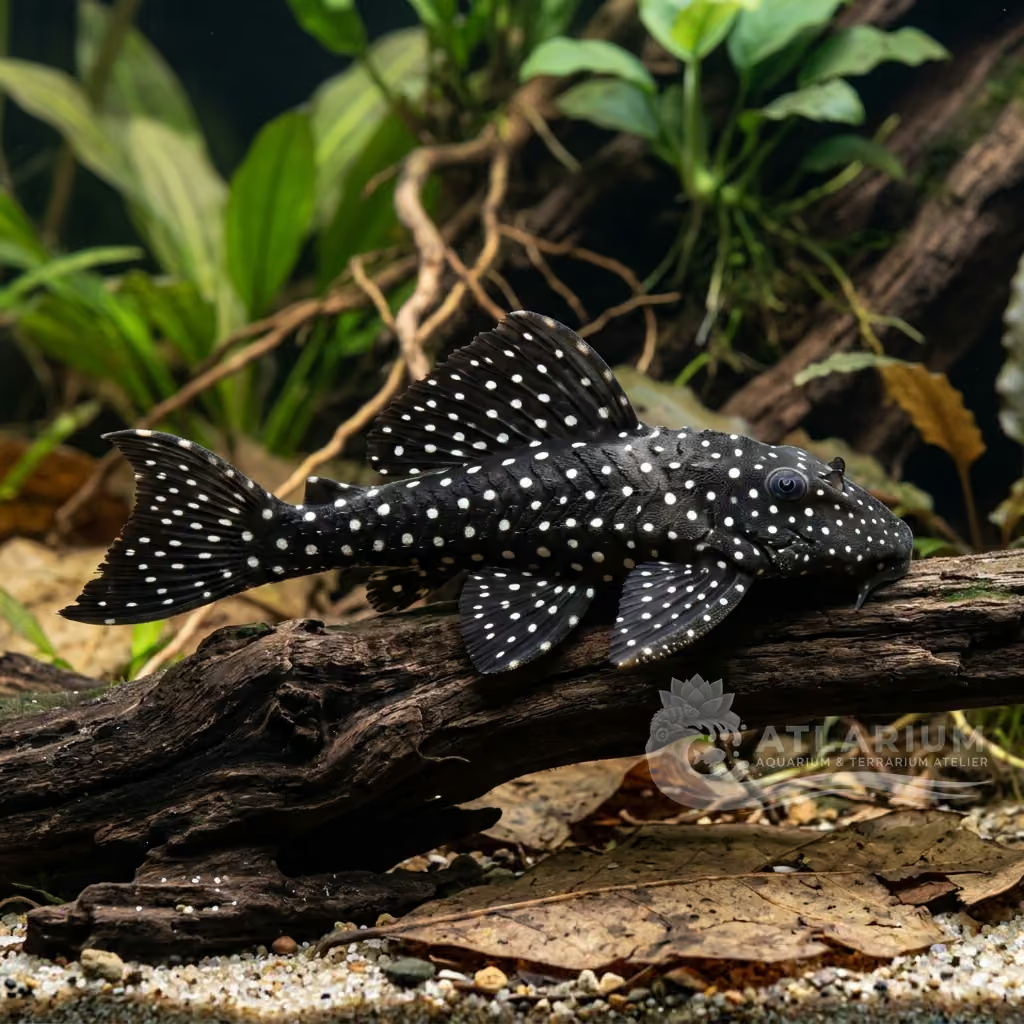
Coloration and Sexual Dimorphism: Spectacular "starry sky": deep black background studded with a myriad of tiny bright yellow-gold dots ("gold nuggets"). Thick bright yellow bands adorn the edges of the dorsal and caudal fins. Males have flatter heads and longer odontodes.

Care, breeding and tankmates
Aquarium Setup: Min. 120 cm (48 inches) tank. "River" setup: huge smooth woods wedged between rounded boulders, to create dark crevices. A violent water flow (pumps 10-20 times the tank volume per hour) is imperative to simulate the rapids of the Xingu.
Diet and Feeding: Herbivore/Detritivore. In nature it scrapes tons of encrusted algae ("Aufwuchs"). It is mandatory to provide it with a diet very rich in vegetables: zucchini, sweet potatoes, Repashy vegetable gel. Animal proteins (bloodworms) must be dosed with a dropper.
Water Quality: High temperatures are VITAL (27-32°C / 81-90°F). Below 26°C (79°F) the metabolism shuts down. In warm waters oxygen collapses: it is mandatory to compensate with massive aeration, an oversized mature filter and zero water stagnation.
Compatibility and Cohabitation: Ideal companion for Geophagus, Uaru, Discus or heat-loving Tetras (Cardinals). Totally not recommended with goldfish or fish that require cold waters. Cohabitation with other L081s requires separate dens in opposite corners.
Aquarium Breeding: Very rare in standard aquariums, obtained only by specialized breeders with extremely pure rheophilic breeding tanks. The male walls the female in the terracotta tube, fertilizes and fiercely protects the yellow cluster.
Risks and Diseases: The mortality rate in the first 4 weeks post-purchase is frightening (wasting due to stress or food shortage from wholesalers). Buy only "potbellied" or active fish, and avoid cold thermal shocks during water changes.

Geographic origin and distribution
Endemic to the Lower Rio Xingu (Brazil). Inhabits exclusive rheophilic biotopes: crystal clear waters, tumultuous currents flowing over dark rocks and jagged granite, in areas flooded by very strong equatorial sunlight.
Origin
Extra-Amazon South America

Fish profile
- Temperament
- Semi-aggressive
- As juveniles, these plecos are relatively peaceful and shy, spending most of their time hidden. However, as they reach adulthood, they become highly territorial and intolerant of conspecifics or other similarly shaped bottom-dwellers. They will aggressively defend their preferred cave or feeding spot from intruders, though they ignore fish inhabiting the upper water columns. Providing ample hiding spaces and visual barriers is key to minimizing territorial friction.
- Diet
- Omnivore
- The diet of the Fine-Spot Golden Nugget Pleco is primarily omnivorous with a strong emphasis on vegetable and algal matter. In the aquarium, they should be provided with high-quality sinking wafers, spirulina tablets, and fresh vegetables like zucchini or cucumber. They also benefit from grazing on natural biofilm (aufwuchs) growing on rocks and wood in the tank. Occasional protein supplements, such as frozen bloodworms or brine shrimp, should be offered to mimic their natural intake of aquatic invertebrates.
- Life expectancy
- 5-15 years
- Adult size
- 20 cm
- Sex ratio
- Harem
- For general aquarium keeping, it is highly recommended to house the Fine-Spot Golden Nugget Pleco singly due to their territorial nature. If breeding is the goal, a single male should be kept with one or two females in a very spacious aquarium to establish a harem. Introducing multiple males into the same tank is discouraged unless the aquarium is exceptionally large with distinct visual barriers. Ensuring that each individual has multiple cave options will prevent serious territory disputes and physical injury.
- Feeding frequency
- Twice daily
- Due to their high metabolic rate, these plecos require frequent feedings and should not be left to search for scraps. It is recommended to feed them at least twice a day, ideally during the evening hours when they are most active. Providing small, fresh portions of vegetables that can be left in the tank overnight is also highly beneficial. Regular feeding prevents undernourishment, which is a common issue for newly imported specimens of this genus.
- Bioload
- High
- The Fine-Spot Golden Nugget Pleco (L081) produces a significant biological load due to its high metabolic rate and constant grazing behavior. Standard filtration systems are often inadequate, making a heavy-duty canister filter with a turnover rate of at least 4 to 5 times the tank volume essential. Frequent weekly water changes of 40% to 70% are mandatory to keep organic wastes and nitrate levels at a minimum. Without excellent filtration and clean water, these sensitive fish will quickly decline and suffer from systemic health issues.
- Flow
- Stagnant
- This rheophilic species is native to the fast-flowing rapids of the Rio Xingu and requires strong water movement in captivity. The aquarium setup should utilize powerheads or wavemakers to generate a highly oxygenated, rapid current. Adequate water flow is not only essential for mimicking their natural habitat but also helps maintain high dissolved oxygen levels. A lack of proper water movement will lead to stress and respiratory distress for the fish.
- Jump risk
- Yes
- While they are not traditional surface jumpers, the Fine-Spot Golden Nugget Pleco presents a moderate escape risk. They are strong climbers and can crawl up filter pipes or squeeze through small openings in the aquarium hood. Furthermore, they are easily startled and may dart erratically, potentially launching themselves out of an uncovered tank. Therefore, a secure, tight-fitting lid with all equipment gaps sealed is highly recommended.
- Reproduction
- Oviparous
- Breeding the Fine-Spot Golden Nugget Pleco in captivity is extremely difficult, with only a single documented successful event. They are cave spawners where the male coaxes a female into a shelter, guards the eggs, and fusses over the fry until they are free-swimming. Success requires a very large tank, exceptionally clean, warm, soft water, and high current flow to stimulate spawning behavior. Conditioning the parents with a diverse, high-protein diet prior to breeding attempts is also essential.
- Compatibility & tankmates
- With caution
- The Fine-Spot Golden Nugget Pleco is best housed with medium-to-large active species that occupy the middle and upper levels of the water column. Suitable tankmates include fast-moving tetras, dollar fish, or robust cichlids that will not compete for bottom caves. They should not be kept with other territorial plecos or bottom-dwellers unless the tank is exceptionally large. Shyer species may be bullied, so selecting robust, non-confrontational tankmates is ideal.
- Tank level
- Bottom
- This species is strictly a bottom-dwelling fish that spends the vast majority of its time grazing on rocks, driftwood, and substrate. They prefer areas of the tank with high water flow and will frequently seek out shelters or caves near the bottom. On rare occasions, they may climb up the glass or ornamentations, especially when searching for biofilm or during feeding times. However, their primary zone of activity remains the lower levels of the aquarium.

Related species
Recommendations grouped by close relatives, companion choices, and similar care.