Polka Dot Cactus Pleco (L097)
Pseudacanthicus sp. L097
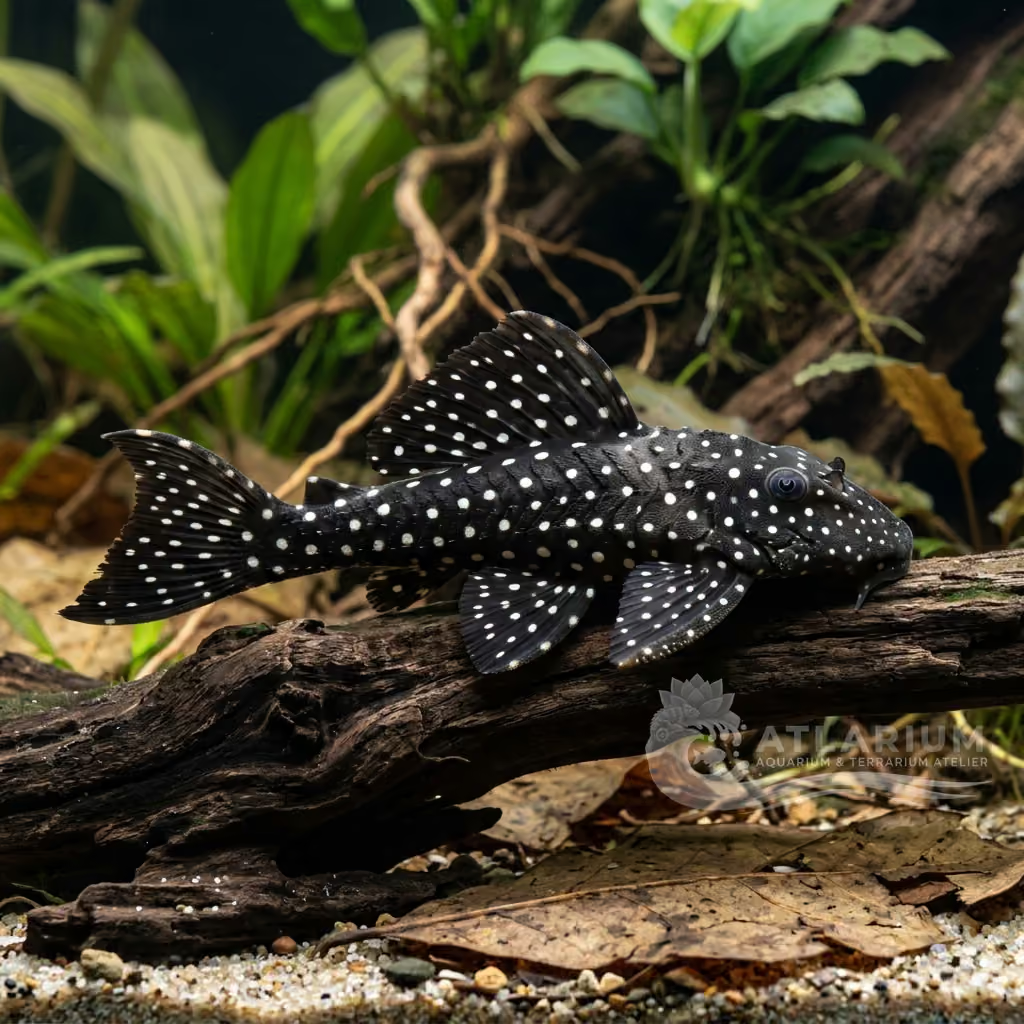
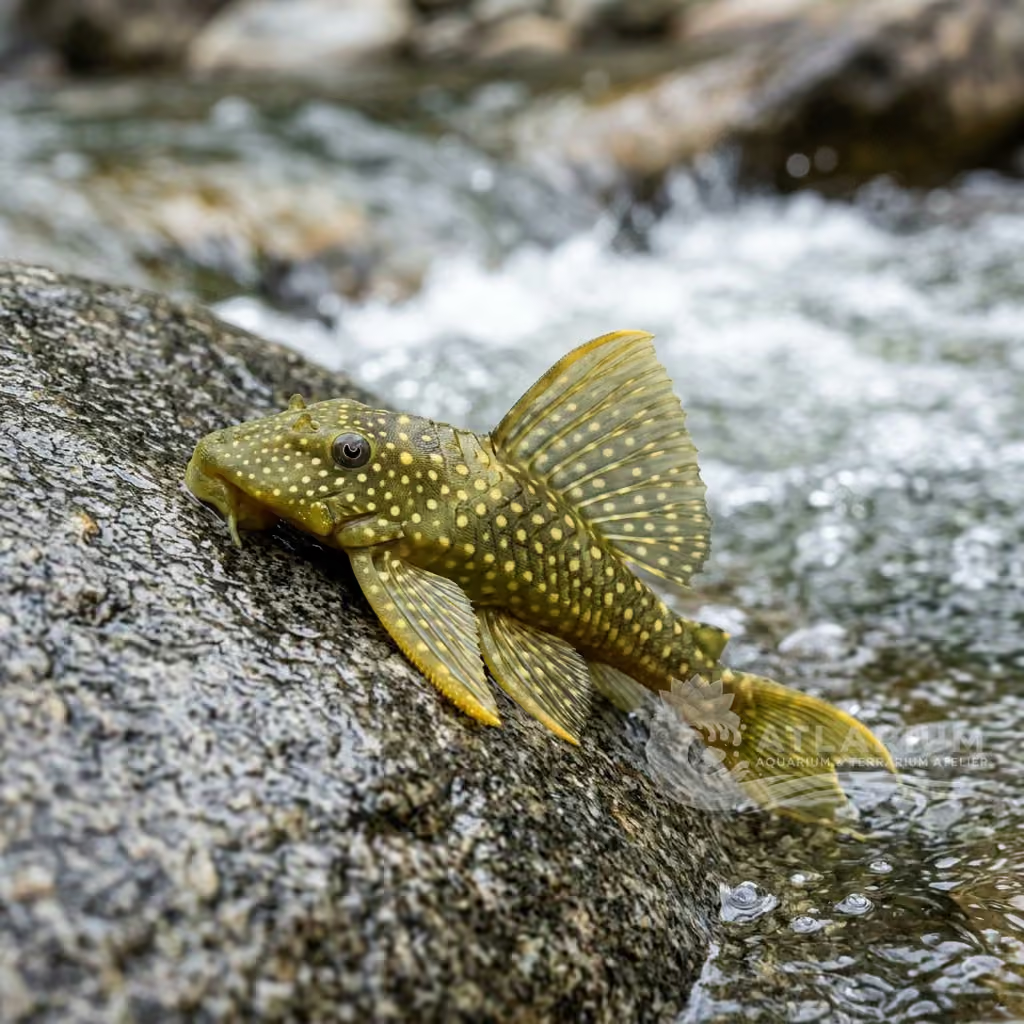
Originating from the clear waters of the Rio Tapajos, this pleco displays a pattern of distinct white spots on a gray armored background.
Water Temperature
25 - 29 °C
pH Value
6 - 7.2
Water type
Freshwater
Tank level
Bottom
Adult size
25 cm
Minimum tank volume
>= 450 L
Minimum group
>= 1
GH
2 - 12 dGH
KH
2 - 8 dKH
TDS
50 - 260 ppm
Conductivity
78 - 406 uS/cm

Species description
Geographical Origin and Habitat: Discovered in the Rio Tapajós basin in Brazil. Inhabits areas of the main course where the current rages, blending in among large rocky areas with sunken slabs, submerged timber and warm, highly oxygenated waters.
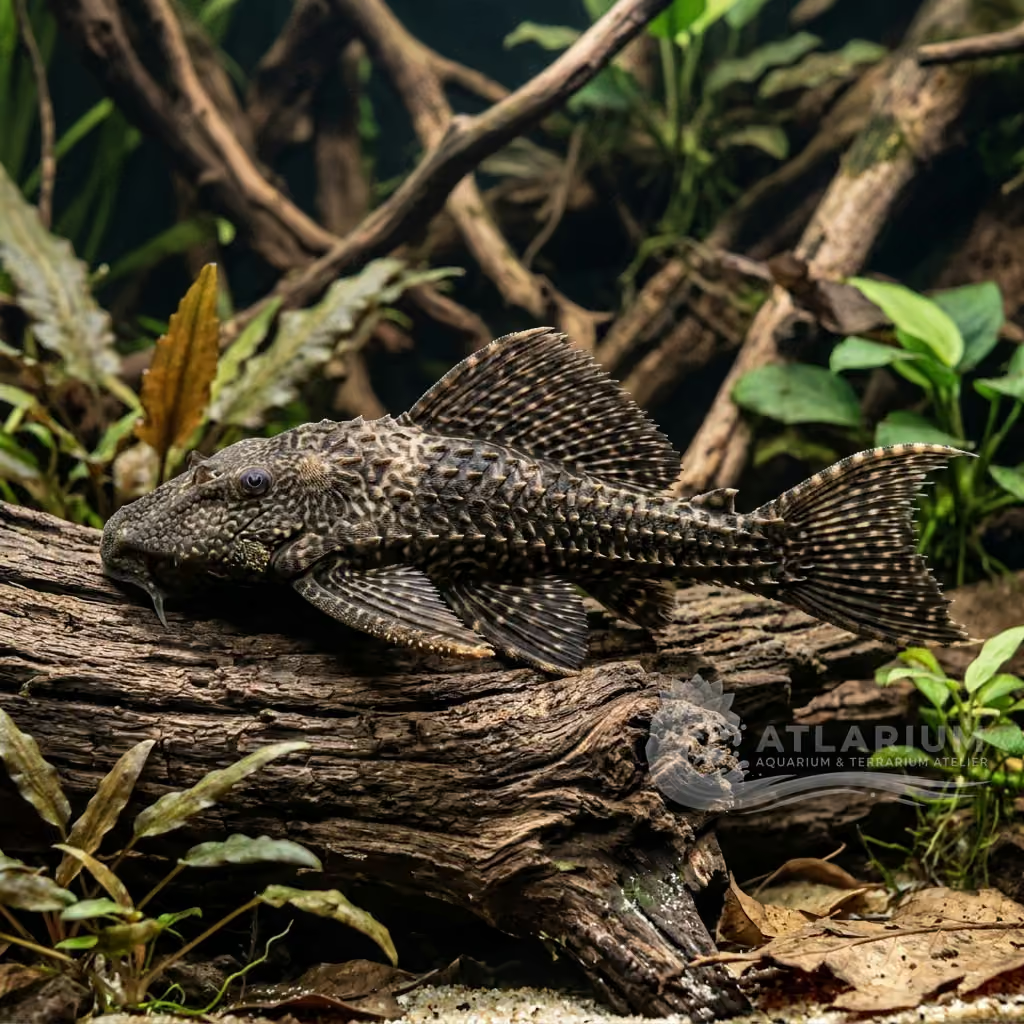
Taxonomy and Morphology: Polka Dot Cactus Pleco (L097). One of the marvels of the genus Pseudacanthicus. Combines the imposing and armored size (bristling with spikes) with a flattened snout and mouthparts designed to crack hard shells.
Social Behavior: Very mean and asocial with anyone who tries to take its favorite den. Unleashes tremendous lateral tail strikes (where serrated spines reside) to slash rivals. Requires being housed individually as a luxury scavenger.
Coloration and Sexual Dimorphism: The name "Polka Dot" is deserved: blackish background covered by a breathtaking pattern of dense and very elegant well-defined white polka dots, present everywhere. Males show immense opercular odontodes (spines) for fighting and a robust skull.

Care, breeding and tankmates
Aquarium Setup: Requires a tank for XL fish (over 150 cm / 60 inches). Smooth rocks arranged in terraces (firmly glued), large and dark PVC cylinders, no fine gravel but dense substrate. Water movement must be extreme.
Diet and Feeding: Specialized carnivore (Molluscivore). Indispensable to satiate it with daily portions of frozen mussels, mussels with half-broken shells (to wear down its teeth), large shrimp, carnivorous tablets. Despises any food for algae-eating fish.
Water Quality: Massive portions of highly proteinic food rapidly degrade chemical values. Trickle filter units or massive sumps, combined with 2 or 3 powerheads to simulate the Tapajós rapids, will keep this monster vital.
Compatibility and Cohabitation: Excellent abyssal cleaner in an ecosystem of large pelagic fish (Silver Dollars / Metynnis, large Cichlids). If paired with other plecos of its size or worse, with other Pseudacanthicus, mortality is almost guaranteed in cramped tanks.
Aquarium Breeding: A prodigy of rarity. Occurs in a bare tank, with single huge caves, triggered by the simulated hot season (28-29°C / 82-84°F) and strong current. The female is brutally beaten during mating.
Risks and Diseases: Unscratchable fish, but sensitive to hole in the head (HITH) if the hygienic conditions of the aquarium decline (poor water changes and high nitrates).

Geographic origin and distribution
Discovered in the Rio Tapajós basin in Brazil. Inhabits areas of the main course where the current rages, blending in among large rocky areas with sunken slabs, submerged timber and warm, highly oxygenated waters.
Origin
Extra-Amazon South America

Fish profile
- Temperament
- Semi-aggressive
- They possess a decidedly robust and often aggressive temperament, particularly when it comes to defending their chosen territory from perceived intruders. While they generally ignore fish that swim in the middle or upper water column, they are notoriously intolerant of other bottom-dwellers, including their own kind. Their impressive array of sharp odontodes (spines) can be used effectively as weapons during disputes over food or caves. Careful selection of tank mates and providing an abundance of physical barriers and hiding spots are crucial for maintaining a peaceful community.
- Diet
- Carnivore
- Unlike many other plecos, this species is heavily carnivorous and will not thrive on a diet based solely on algae or vegetable matter. Their diet must be rich in protein, consisting primarily of meaty foods like bloodworms, chopped earthworms, mussel meat, and high-quality sinking carnivore pellets. While they may occasionally graze on a slice of zucchini or sweet potato, this should only be a minor supplement to their predominantly meaty intake. Offering a varied diet ensures optimal growth, coloration, and overall health.
- Life expectancy
- 10-15 years
- Adult size
- 25 cm
- Sex ratio
- Harem
- When attempting to keep a group or breed them, maintaining a sex ratio of one male to multiple females is generally the safest approach. Males are highly territorial and will viciously fight with each other over preferred hiding spots and breeding caves, often resulting in severe injuries. If keeping multiple males is necessary, the aquarium must be exceptionally large, with numerous distinct territories established using extensive hardscape. For general display purposes in a standard-sized large tank, keeping a single individual is often the most practical choice.
- Feeding frequency
- Twice daily
- Given their high metabolic needs and large size, adult specimens should be fed a substantial meal once every evening, shortly after the aquarium lights have turned off. Juveniles benefit from being fed smaller portions twice a day to support their rapid growth and development. It is crucial to monitor their food intake and remove any uneaten remnants the following morning to prevent water fouling. Overfeeding should be strictly avoided despite their hearty appetites.
- Bioload
- Medium to High
- This species produces a significant amount of waste due to its large adult size and heavily carnivorous, high-protein diet. Extensive mechanical and biological filtration is absolutely essential to maintain the pristine water conditions they require. Regular, large volume water changes are necessary to prevent the buildup of nitrates and other dissolved organics. Without meticulous maintenance, the water quality will rapidly degrade, leading to severe health issues for this pleco and other tank inhabitants.
- Flow
- Stagnant
- Originating from fast-flowing riverine environments, they have a strong preference for highly oxygenated water with a vigorous current. Implementing powerful powerheads or circulation pumps is highly recommended to simulate their natural habitat and promote healthy respiration. Stagnant or slow-moving water will lead to stress and a weakened immune system, making them susceptible to diseases. The high flow also aids in keeping the substrate clean by sweeping debris towards the filtration intakes.
- Jump risk
- Yes
- These large, heavy-bodied fish are generally not considered a significant jump risk, as they prefer to remain securely attached to surfaces or hidden within caves. However, sudden frights, poor water parameters, or extreme aggression from tank mates could potentially cause them to make erratic dashes. Therefore, having a secure and tightly fitting aquarium lid is always a prudent measure to prevent any unlikely accidents. Overall, they are very unlikely to attempt leaping from a well-maintained and appropriately sized aquarium.
- Reproduction
- Oviparous
- Breeding this species in captivity is considered extremely difficult and requires a very large, specialized setup with pristine water conditions. They are cave spawners, and the male will claim a suitably sized cave and actively entice a gravid female inside. After the eggs are laid, the male assumes sole responsibility for guarding and fanning the clutch until they hatch and the fry consume their yolk sacs. Successfully raising the fry demands dedicated care and meticulous attention to water quality and appropriate microscopic foods.
- Compatibility & tankmates
- With caution
- While generally peaceful towards mid-to-top water swimming fish, they are highly territorial and aggressive towards other bottom-dwellers, especially other plecos. They should only be kept with robust, fast-moving species that occupy different levels of the aquarium, such as large characins or cichlids. Housing them with smaller, docile fish or slow-moving bottom feeders is not recommended as they may be bullied or outcompeted for food. In a suitably massive setup, multiple individuals might coexist if ample caves and broken sightlines are provided.
- Tank level
- Bottom
- As a classic bottom-dwelling species, they will spend the vast majority of their time navigating the substrate and exploring the lower reaches of the aquarium. They are highly structure-oriented and will actively seek out dark, secure hiding places among driftwood tangles or rocky crevices during daylight hours. While they may occasionally venture up the glass or decorations during nighttime foraging, their primary domain remains firmly rooted to the aquarium floor. Providing a complex network of bottom-level hiding spots is essential for their psychological well-being.

Related species
Recommendations grouped by close relatives, companion choices, and similar care.