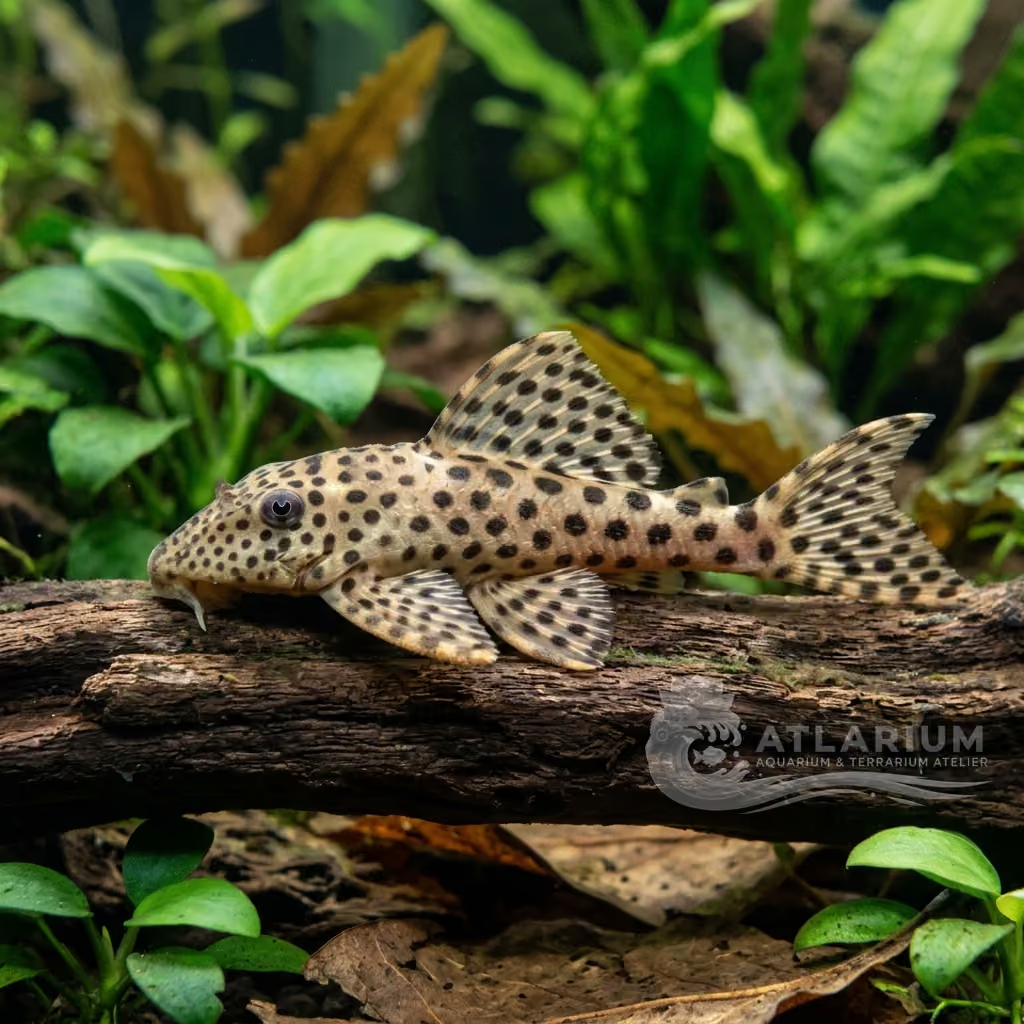
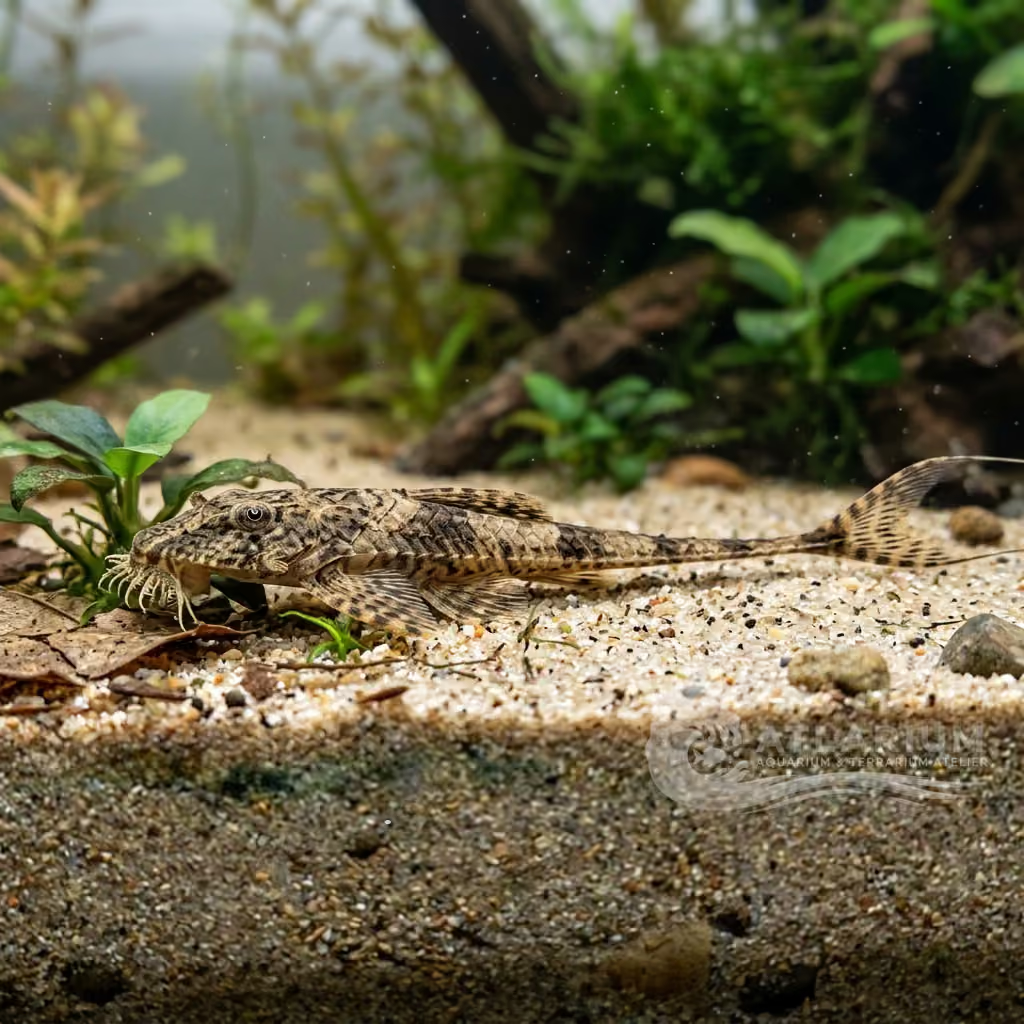
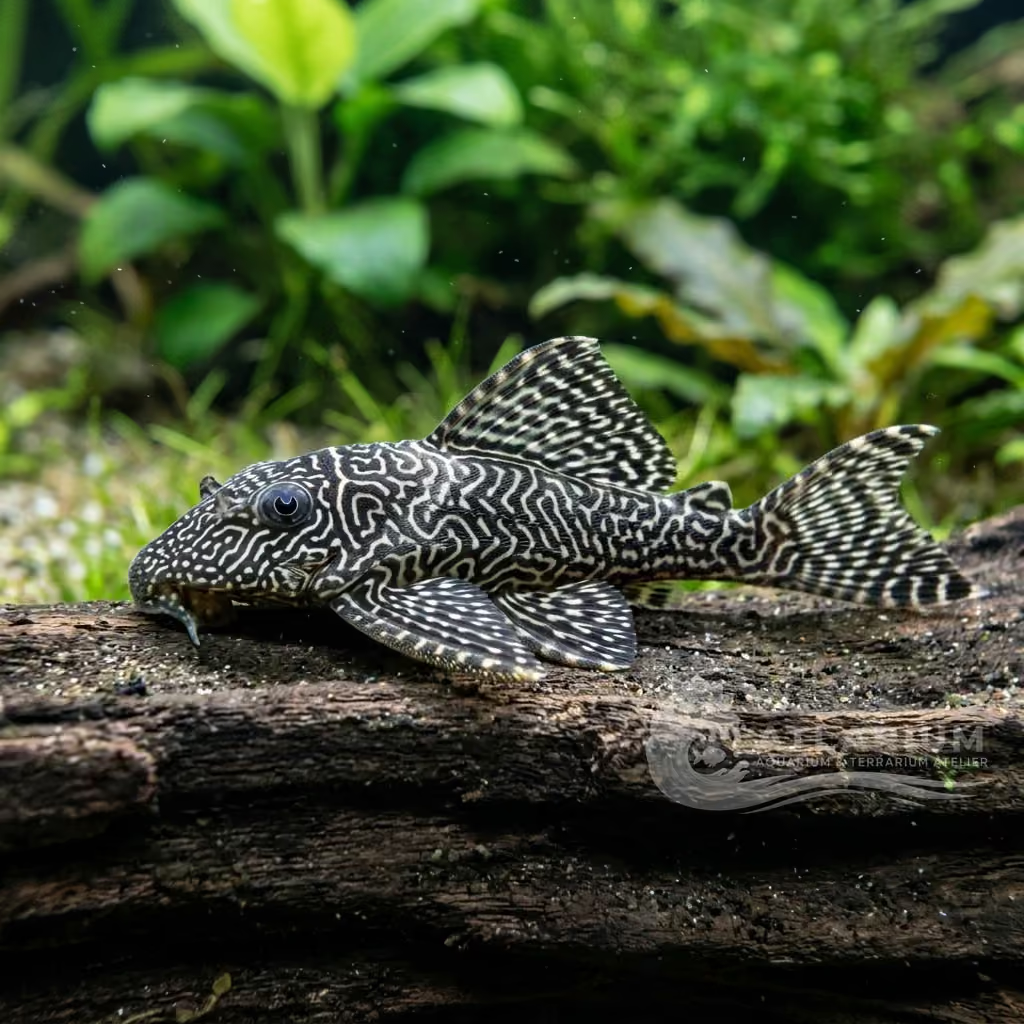
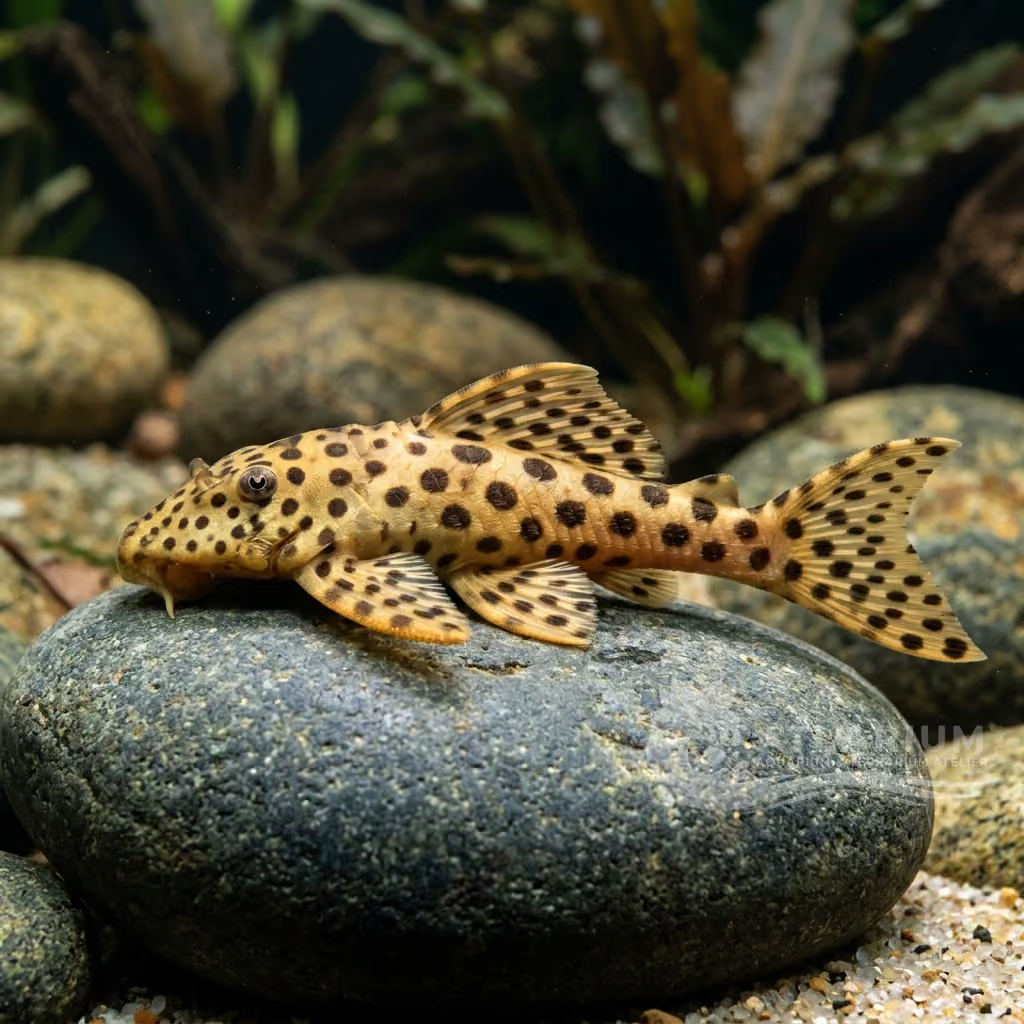
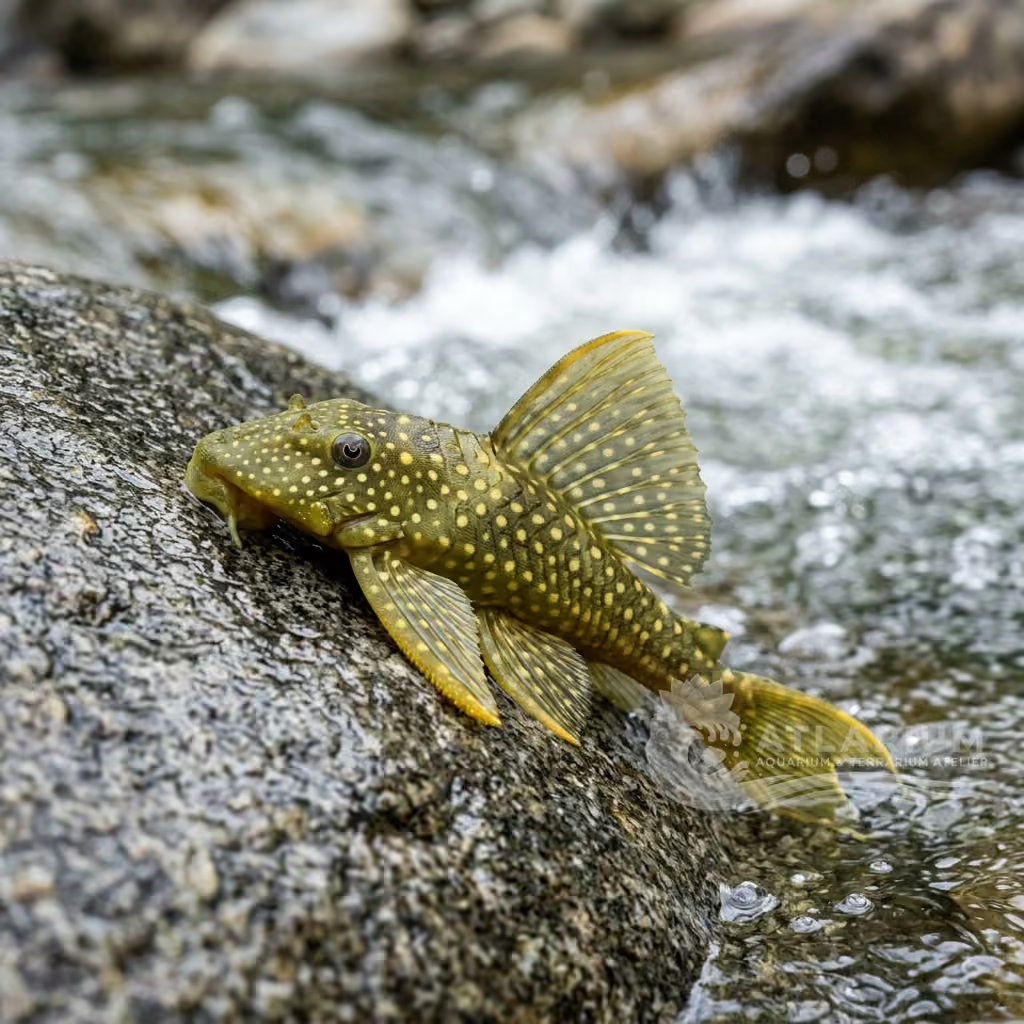
Gold Marble Bristlenose (LDA08)
Ancistrus claro
A very rare 'dwarf Ancistrus' marbled in gold and brown. It stays tiny (rarely exceeding 7 cm), making it perfect for Amazonian setups in small spaces.
Water Temperature
24 - 28 °C
pH Value
6 - 7.5
Water type
Freshwater
Tank level
Bottom
Adult size
7 cm
Minimum tank volume
>= 80 L
Minimum group
>= 1
GH
2 - 12 dGH
KH
2 - 10 dKH
TDS
50 - 280 ppm
Conductivity
78 - 438 uS/cm

Species description
Geographical Origin and Habitat: Originating from the Rio Claro, in the upper Paraguay basin (State of Mato Grosso, Brazil). Lives among sunny inlets and rocky bottoms covered in algae.
Taxonomy and Morphology: Gold Marble Bristlenose / LDA08 (Ancistrus claro). One of the tiniest Ancistrus in aquarium keeping (barely reaches 7 cm / 2.7 inches). Flattened profile and facial bristles much reduced compared to the "common" counterpart.
Social Behavior: A tiny pixie. Incredibly less shy and than other plecos: spends hours and hours in the spotlight grazing on the front glass or on rocks in broad daylight.
Coloration and Sexual Dimorphism: Stunning aesthetics: intricate marbled livery consisting of a dark background broken by yellow, pale gold or burnt orange reticulations (Gold Marble). Even in this dwarf species, the mature male exhibits branched bristles on the snout, absent in the female.

Care, breeding and tankmates
Aquarium Setup: Given the mini-size, it can live in 60-80 cm (24-32 inches) tanks. Essential an artificial reef of round stones, small spawning tubes (otherwise they refuse them) and soft wood twigs to scrape.
Diet and Feeding: Convinced algae eater. Quickly empties the tank of green and brown algae. Offer algae wafers, boiled zucchini and cucumber daily, with very rare (one-off) administration of proteins (brine shrimp) to avoid intestinal blockages.
Water Quality: Being native to the Rio Claro (clearwater river), it needs moderate-strong lighting that promotes the growth of good algae (Aufwuchs), strong oxygen exchange and very clean water.
Compatibility and Cohabitation: Absolutely unsuitable for coexistence with aggressive cichlids or large Loricariids. Exceptional if paired with small fish: Boraras, Neocaridina (shrimp), small Tetras and Otocinclus.
Aquarium Breeding: Spawners in miniature crevices or caves. The dynamics are similar to the common Ancistrus (very devoted paternal care), but the broods are small (usually 15-20 eggs) commensurate with the mother's tiny size.
Risks and Diseases: Fragility is linked to competition. If forced into tanks with other larger or faster algae eaters, it silently wastes away. Be careful not to crush it during rock maintenance.

Geographic origin and distribution
Originating from the Rio Claro, in the upper Paraguay basin (State of Mato Grosso, Brazil). Lives among sunny inlets and rocky bottoms covered in algae.
Origin
Amazon, Orinoco, and Guianas

Fish profile
- Temperament
- Semi-aggressive
- Ancistrus claro is generally a very peaceful and shy species, making it an excellent candidate for community aquariums. They ignore midwater and surface-dwelling tankmates entirely, focusing on their bottom-dwelling activities. However, males can show territorial behavior toward other males or similar-looking bottom-dwellers, defending their chosen caves vigorously. Providing multiple hiding spots and caves will prevent any serious aggression and allow them to coexist peacefully with conspecifics.
- Diet
- Herbivore
- This species is primarily herbivorous and detritivorous, feeding heavily on biofilm and green algae in the wild. In the aquarium, they should be offered high-quality sinking algae wafers, spirulina tablets, and fresh vegetables such as zucchini, cucumber, and blanched spinach. While they are specialized algae eaters, they also benefit from occasional small protein inputs, such as frozen bloodworms or brine shrimp. Providing natural driftwood in the tank is highly recommended, as they rasp on it to aid their digestive processes.
- Life expectancy
- 8-12 years
- Adult size
- 7 cm
- Sex ratio
- Harem
- In captivity, a harem stocking ratio consisting of one male to two or three females is ideal to minimize aggression. Male Ancistrus claro are territorial and will compete, sometimes aggressively, over preferred caves and breeding sites. If multiple males are kept, a larger tank with plenty of visual barriers and distinct caves is crucial to allow each male to establish his own territory. Keeping them in a harem setup helps distribute breeding pressure and ensures a more peaceful aquarium environment.
- Feeding frequency
- Twice daily
- Ancistrus claro should be fed once or twice daily, preferably in the evening when they are most active. Sinking food should be placed near their preferred hiding places to ensure they can feed without competition from faster surface fish. Any uneaten fresh vegetables should be removed within 24 hours to prevent water fouling and maintain quality. A consistent feeding schedule helps mimic their natural foraging patterns and keeps them healthy.
- Bioload
- Low to Medium
- Ancistrus claro has a low-to-medium biological load due to its small adult size, rarely exceeding 8 cm. However, like all Loricariids, it is a constant grazer that produces a steady amount of organic waste as it rasps on wood and biofilm. A high-quality filter with adequate turnover is necessary to process this solid waste and keep nitrates low. Regular gravel vacuuming is also highly recommended to prevent debris from accumulating in the substrate.
- Flow
- Stagnant
- Originating from the fast-flowing streams of the Paraguay River basin, Ancistrus claro has a strong preference for moderate to strong water flow. The aquarium setup should include powerheads, wavemakers, or a strong filter output to simulate these current conditions. In addition to current, high levels of dissolved oxygen are crucial, so the use of air stones or surface agitation is highly recommended. Adequate flow also helps keep the substrate clean by preventing debris from settling in their territories.
- Jump risk
- Yes
- Although they are bottom-dwellers, Ancistrus claro carry a moderate risk of escaping the aquarium. When startled or stressed by poor water quality, they can dart rapidly and climb up glass surfaces, filter pipes, or airline tubing, leading to accidental jumps out of the tank. To prevent this, a tightly fitting lid without any significant gaps is highly recommended. Ensuring optimal water parameters and plenty of hiding spaces will also significantly reduce the likelihood of this escaping behavior.
- Reproduction
- Oviparous
- Reproduction in Ancistrus claro is relatively straightforward and follows typical cave-spawning patterns. The male selects a narrow cave or tube, cleans it, and coaxes a ripe female inside to deposit her eggs, which he then fertilizes. Once spawning is complete, the female is expelled, and the male takes sole responsibility for guarding and fanning the clutch until they hatch. The eggs hatch in about 4 to 5 days, and the fry absorb their yolk sacs before emerging to feed on biofilm and finely crushed algae wafers.
- Compatibility & tankmates
- Peaceful
- Ancistrus claro is an exceptionally peaceful fish that is highly compatible with a wide variety of community tankmates. They do well alongside small, non-aggressive fish such as tetras, rasboras, danios, and peaceful dwarf cichlids. However, they should not be kept with large, aggressive, or highly territorial bottom-dwellers that might compete for caves or food. Safe companions also include peaceful freshwater shrimp and snails, as the pleco will not display any predatory behavior toward them.
- Tank level
- Bottom
- Ancistrus claro is strictly a bottom-dwelling species that spends almost all of its time on the substrate, rocks, and driftwood. They use their specialized suckermouths to cling to surfaces, seeking out food and shelter near the aquarium floor. While they may occasionally climb the tank glass or filter pipes to graze on algae, their primary activities are restricted to the lower level of the water column. Consequently, the tank layout should focus on providing ample cave space and floor area for their comfort.

Scientific Parameters & Models
FishBase
Window to the official scientific data of the species
FishBase v25.04Data synced on: 06/15/2026
- Phylogenetic uniqueness (PD50)
- 0.5
- Bayesian Length-Weight
- a = 0.01479, b = 2.98
- VulnerabilityLow vulnerability (10 / 100)

Related species
Recommendations grouped by close relatives, companion choices, and similar care.