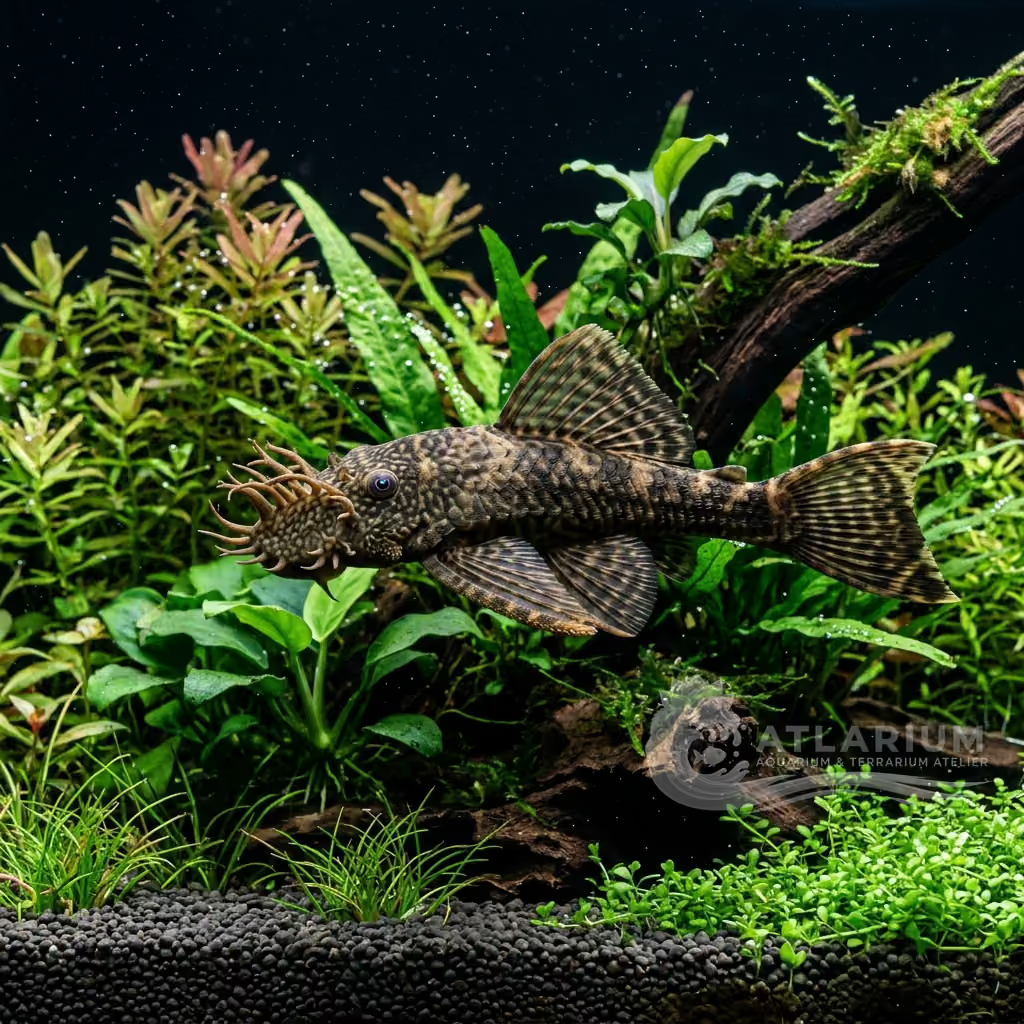
Giant-eye Otocinclus
Hypoptopoma gulare
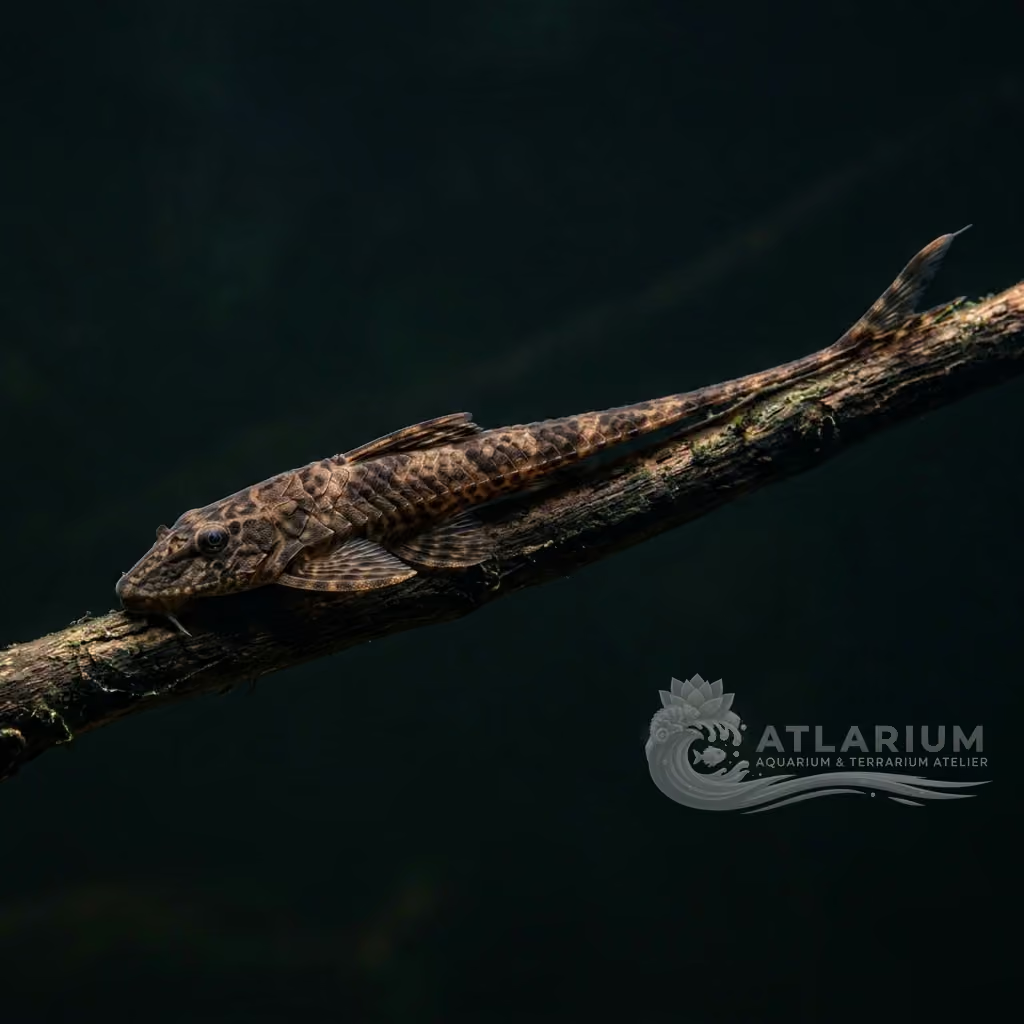
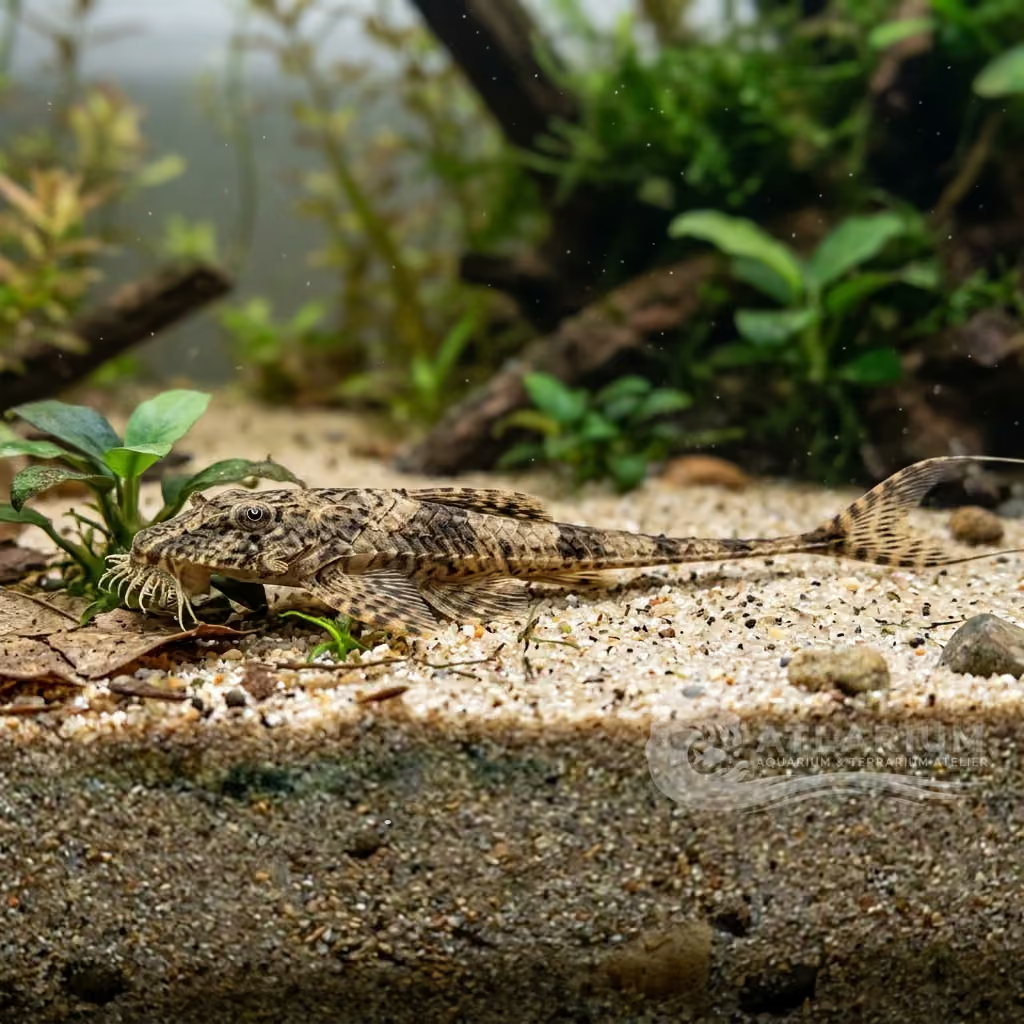
An unusual freshwater loricariid catfish characterized by extremely laterally placed eyes and an elongated body ideal for camouflage. Excellent algae eater for planted aquariums with moderate current.
Water Temperature
23 - 27 °C
pH Value
6 - 7.4
Water type
Freshwater
Tank level
Bottom
Adult size
10 cm
Minimum tank volume
80 L
Minimum group
>= 1
GH
2 - 12 dGH
KH
1 - 6 dKH
TDS
40 - 240 ppm
Conductivity
63 - 375 uS/cm

Species description
Geographical Origin and Habitat: This species is native to tropical South America, widely distributed throughout the Amazon River basin and its major tributaries in disparities in Brazil, Peru, and Colombia. It inhabits slow-moving rivers, canals, and flooded banks rich in submerged vegetation, fallen branches, and root systems, where it anchors itself to feed on algal biofilm.
Taxonomy and Morphology: Belonging to the family Loricariidae, subfamily Hypoptopomatinae. It features an elongated, dorso-ventrally depressed body covered in protective bony plates (scutes). The suctorial mouth is equipped with specialized small teeth designed for scraping algae. Its primary anatomical distinction is the extremely lateral and low placement of the eyes, allowing hemispherical vision even when the fish is pressed flat against surfaces. Adults reach 8-10 cm in length.
Social Behavior: Peaceful, shy, and diurnal. They thrive when kept in small groups. They spend most of their time attached to plant leaves, driftwood, or aquarium glass, scraping algae with methodical movements. They display no territorial aggression toward conspecifics or other tankmates.
Coloration and Sexual Dimorphism: Features a cryptic coloration, with a light brown or beige base color mottled with dark brown or black spots and longitudinal stripes. The belly is pale and lacks bony scutes in the central area. Sexual dimorphism is subtle; mature females are slightly broader when viewed from above compared to males.

Care, breeding and tankmates
Aquarium Setup: Requires a well-established aquarium of at least 80 liters (approx. 20 gallons) with dense broad-leafed plants (Echinodorus, Anubias) and plenty of driftwood or tangled roots. The substrate must consist of fine sand to prevent scratches to their sensitive bellies. Provide moderate water flow and high dissolved oxygen.
Diet and Feeding: Highly specialized algae scrapers (aufwuchs grazers). They require a constant supply of green algae and biofilm in the tank. Supplement their diet daily with high-quality sinking spirulina wafers, blanched vegetables (zucchini, cucumber, spinach) secured to the bottom, and occasional small live or frozen foods.
Water Quality: Highly sensitive to nitrogenous waste (ammonia, nitrite). Ideal parameters: temperature between 22°C and 27°C (72-81°F), pH 6.0 to 7.2, and water hardness up to 10-12 °dGH. Ammonia and nitrites must be zero, and nitrates kept below 20 mg/l via weekly 25% water changes.
Compatibility and Cohabitation: Excellent for community tanks with small, peaceful species like tetras, corydoras, dwarf cichlids, and other non-territorial loricariids. Avoid housing them with large, active, or aggressive fish that could harass them or easily outcompete them for food.
Aquarium Breeding: Captive breeding is documented but rare. The female deposits small clusters of adhesive eggs on plant leaves or tank glass. The male guards the spawn until hatching, which occurs in 3-5 days depending on the water temperature.
Risks and Diseases: Starvation is the leading cause of death in newly set up, sterile tanks lacking algae and biofilm. They are susceptible to skin parasites and bacterial infections under poor water conditions. Never use copper-based medications, as they are highly intolerant to them.

Geographic origin and distribution
This species is native to tropical South America, widely distributed throughout the Amazon River basin and its major tributaries in disparities in Brazil, Peru, and Colombia. It inhabits slow-moving rivers, canals, and flooded banks rich in submerged vegetation, fallen branches, and root systems, where it anchors itself to feed on algal biofilm.
Origin
Tropical oceans and reefsAmazon, Orinoco, and Guianas

Fish profile
- Temperament
- Semi-aggressive
- They possess a very calm and retiring temperament. Much of their day is spent resting motionless or slowly grazing surfaces. They do not bother any other species and mind their own business.
- Diet
- Omnivore
- It is primarily an aufwuchs grazer, relying heavily on algae and biofilm on tank surfaces. Supplemental feeding with algae wafers, blanched zucchini, and cucumber is mandatory. Occasional meaty foods can be offered but should not dominate the diet.
- Life expectancy
- 5-7 years
- Adult size
- 10 cm
- Sex ratio
- Group
- Sexing them is challenging, though females generally appear rounder when viewed from above. Keeping a small group increases the chances of having both sexes. A mixed group will establish a peaceful internal hierarchy.
- Feeding frequency
- Twice daily
- Since they graze continuously, food should be available throughout the day. Drop sinking wafers or fresh vegetables just before the lights turn off. Remove uneaten vegetables after 24 hours to prevent water fouling.
- Bioload
- Medium
- As a smaller loricariid, its bioload is moderate compared to larger plecos. It continuously grazes, leading to a steady production of waste. A robust filtration system is necessary to keep the water pristine.
- Flow
- Stagnant
- They appreciate moderate to strong water flow, mimicking their natural riverine habitats. Good oxygenation is critical for their long-term survival. Powerheads can be used to create the necessary current along the tank bottom.
- Jump risk
- No
- Reproduction
- Oviparous
- Breeding in captivity is possible but considered difficult to achieve consistently. They require excellent water quality, a specific diet, and often trigger spawning after cool water changes. Eggs are typically laid on broad leaves or the aquarium glass.
- Compatibility & tankmates
- Peaceful
- This is an extremely peaceful fish that ignores other tank mates entirely. It is highly suitable for community setups with small tetras, rasboras, and dwarf cichlids. It should never be housed with aggressive fin-nippers or large predators.
- Tank level
- Bottom
- They are bottom dwellers that also frequently rest on the aquarium glass and broad plant leaves. Ensure the tank has plenty of driftwood and smooth rocks for them to graze upon. They rarely venture into the open middle water column.

Scientific Parameters & Models
FishBase
Window to the official scientific data of the species
FishBase v25.04Data synced on: 06/15/2026
- Resilience
- High (less than 15 months)
- Phylogenetic uniqueness (PD50)
- 0.5001
- Bayesian Length-Weight
- a = 0.01778, b = 3.07
- VulnerabilityLow vulnerability (10 / 100)

Related species
Recommendations grouped by close relatives, companion choices, and similar care.