Vampire Pleco (L029)
Leporacanthicus galaxias
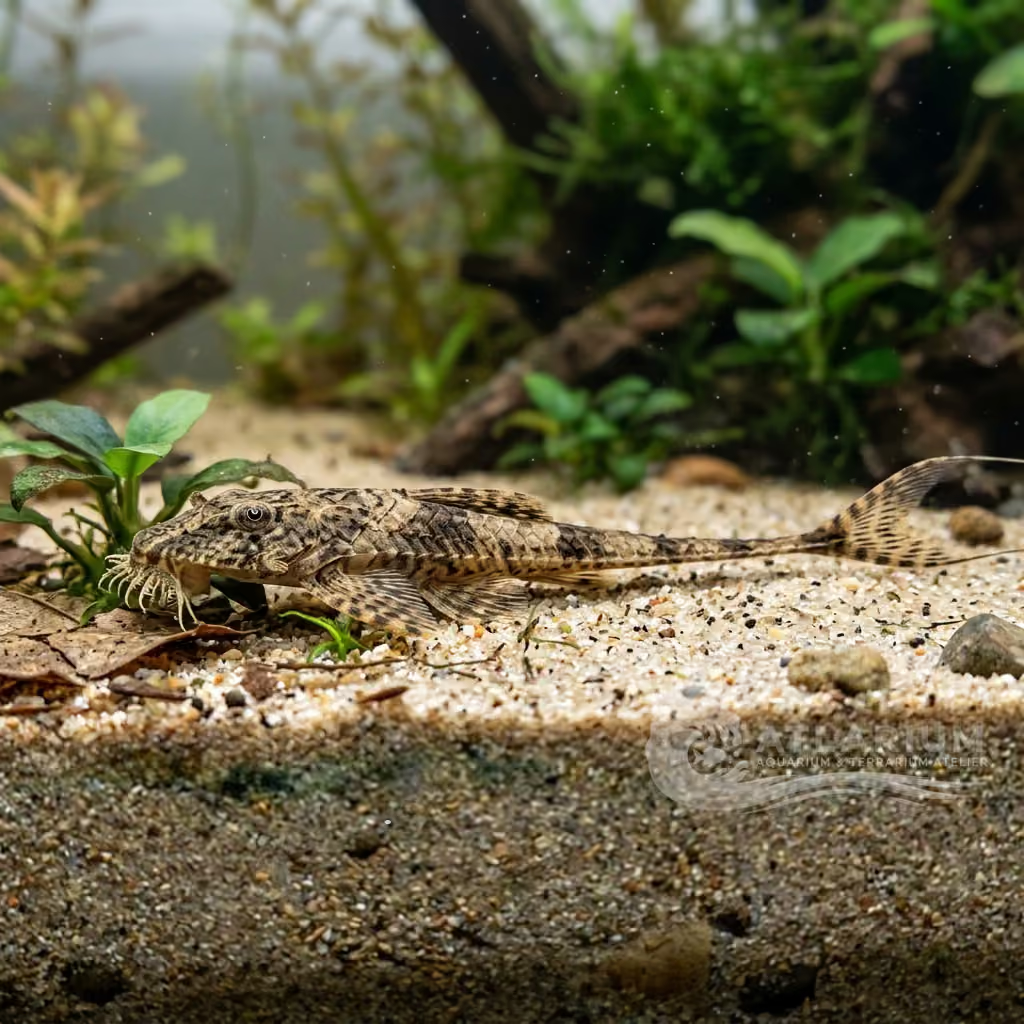
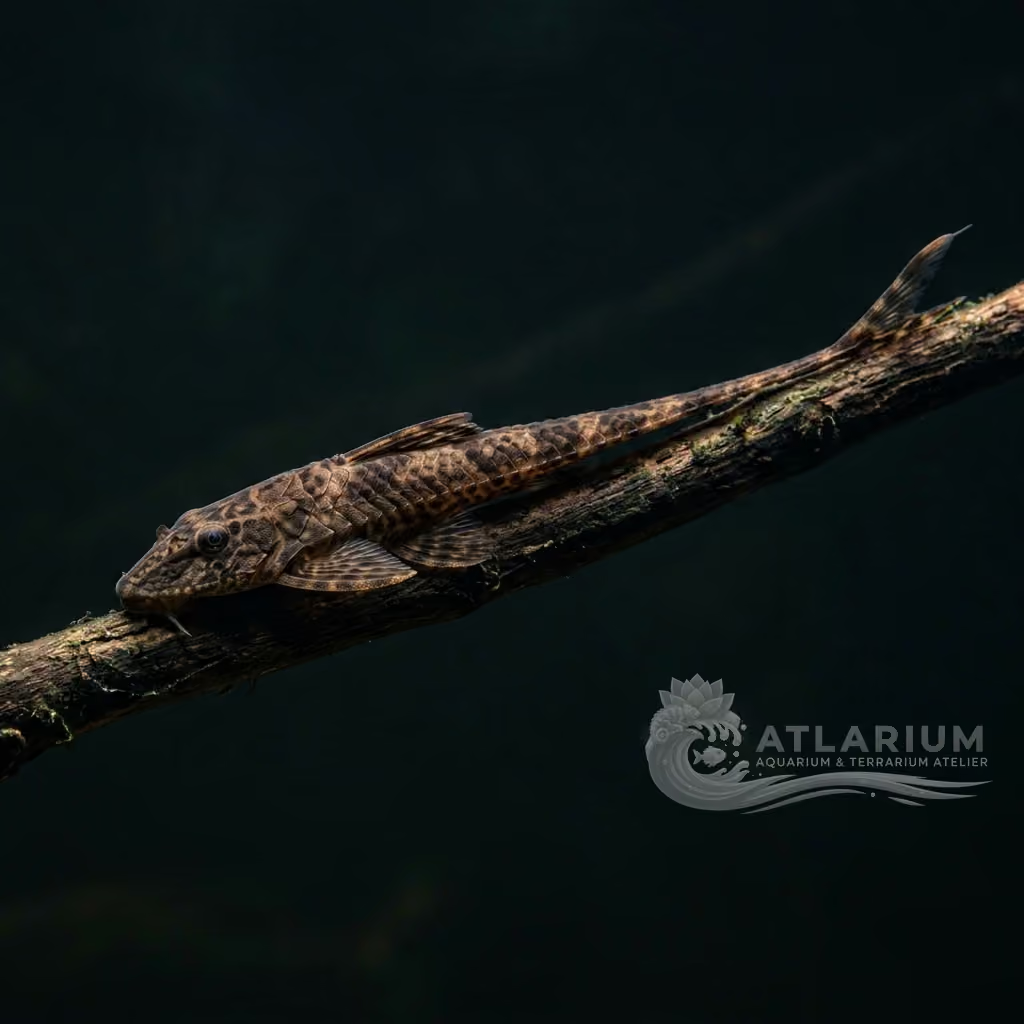
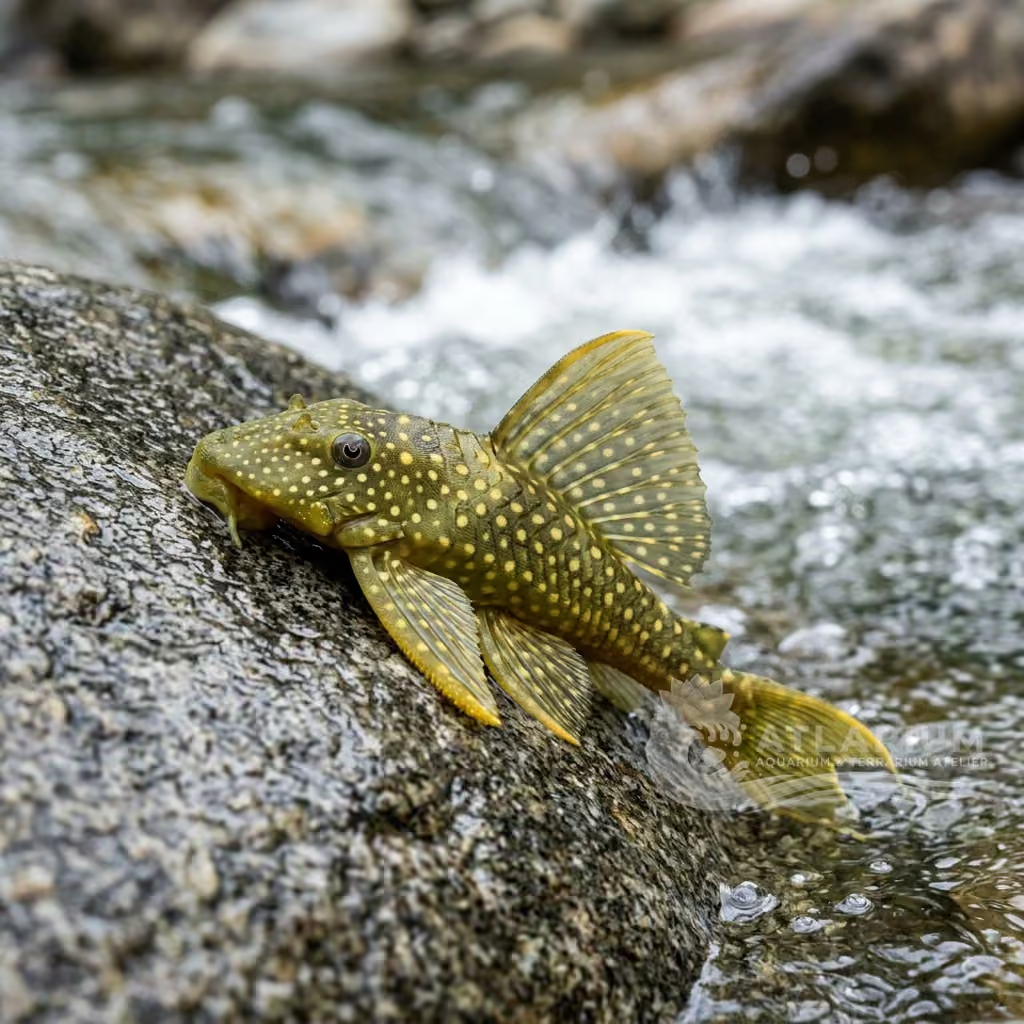
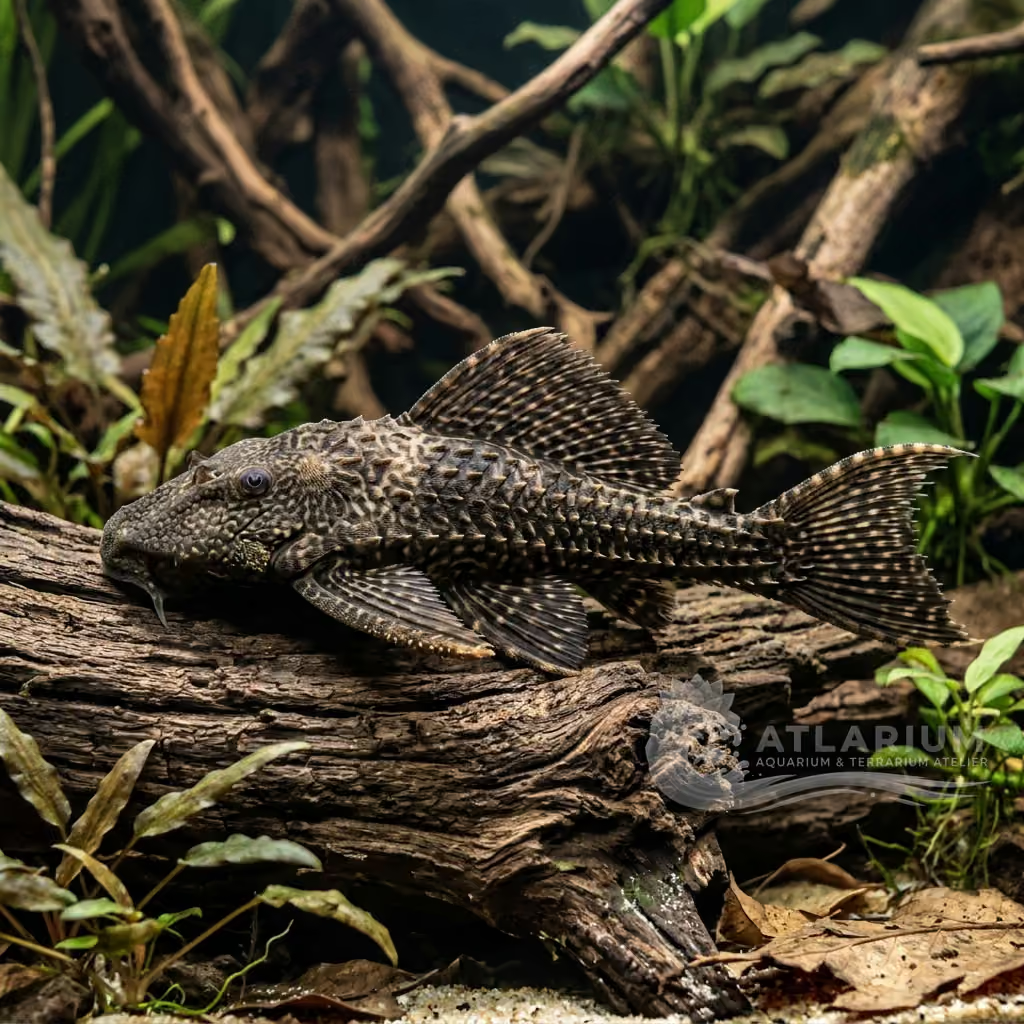
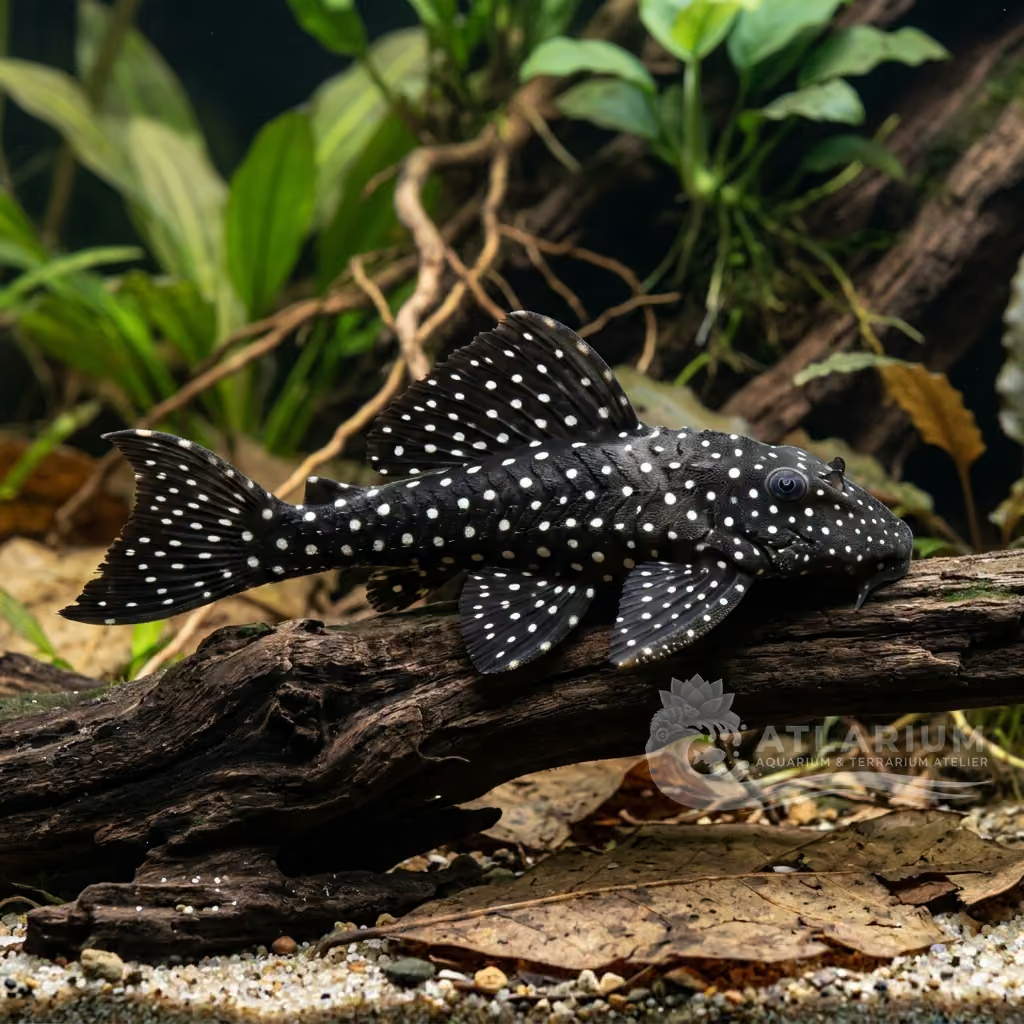
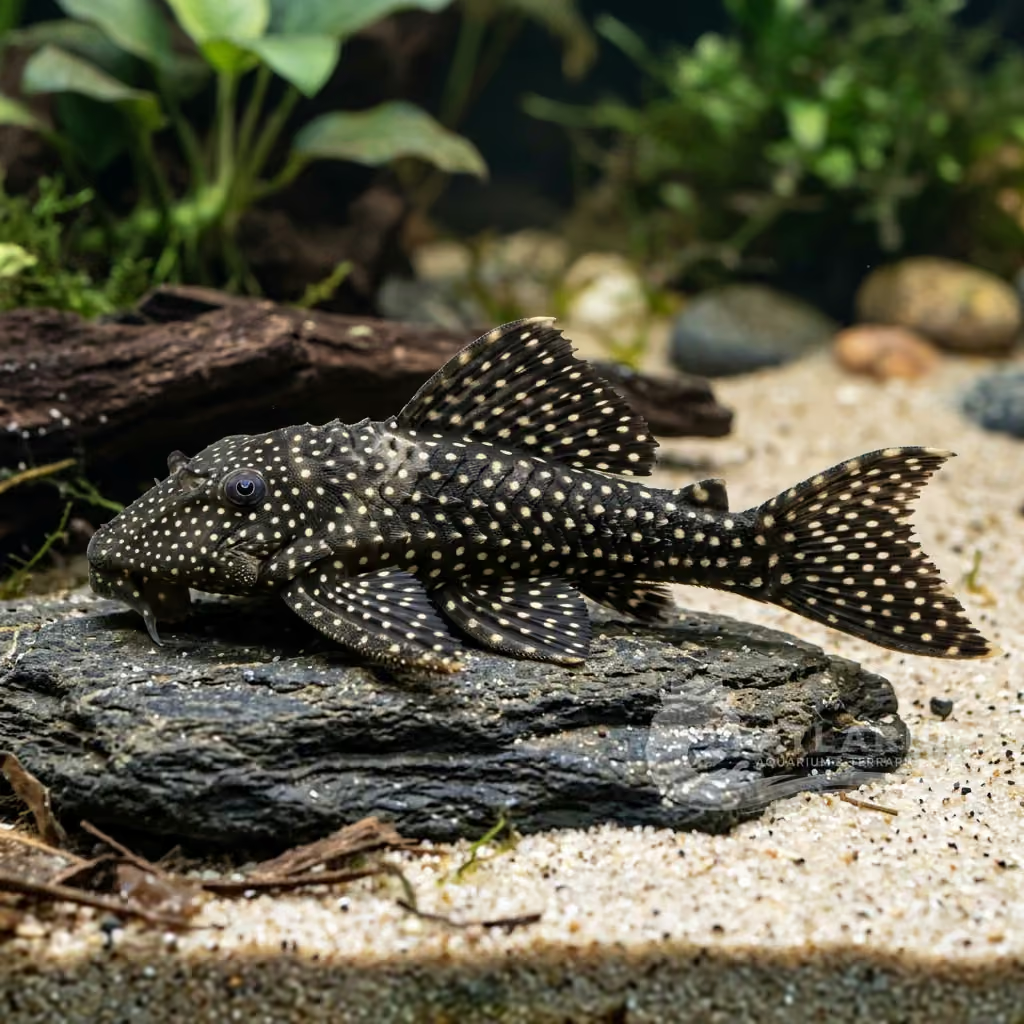
The Vampire Pleco (Leporacanthicus galaxias or L029) is one of the most fascinating and fierce benthic predators among armored catfish. The name 'Vampire' does not derive from hematophagous habits, but from its astonishing dentition: the upper jaw houses two long, sharp fang-like teeth. Deep black entirely covered with brilliant white dots reminiscent of a starry sky (hence galaxias), this imposing 25 cm (10 inch) carnivore is the terror of snails, bivalves, and aquatic crustaceans, making it a unique guest for specialized South American tanks.
24 - 28 °C
6 - 7.5
Freshwater
Bottom
25 cm
>= 300 L
>= 1
2 - 15 dGH
1 - 7 dKH
40 - 295 ppm
63 - 461 uS/cm

Species description

Care, breeding and tankmates

Geographic origin and distribution
Origin

Fish profile
- Temperament
- Aggressive
- They are relatively shy and reclusive during the day, keeping entirely to themselves. However, their temperament changes at night when they actively patrol their territory and fiercely chase away intruders. Providing adequate space and distinct hiding spots is the key to managing their nocturnal territoriality.
- Diet
- Carnivore
- Unlike most plecos, this species is highly carnivorous and feeds on crustaceans, snails, and aquatic insects in the wild. Their diet must consist of meaty foods like frozen bloodworms, mussels, chopped prawns, and sinking carnivore pellets. While they may occasionally nibble on vegetables or algae wafers, it should not form the staple of their diet.
- Life expectancy
- 10-15 years
- Adult size
- 25 cm
- Sex ratio
- Flexible
- Sexing is possible in mature adults; males develop longer odontodes on their pectoral fins and cheeks. Keeping them in pairs or keeping one male with a few females is the best way to manage aggression. Multiple males should only be housed together in exceptionally large aquariums with numerous distinct cave systems.
- Feeding frequency
- Twice daily
- Adults should be fed once a day, ideally in the evening just before the aquarium lights are turned off. Feeding them at night respects their nocturnal nature and ensures diurnal fish don't steal their food. Remove any uneaten meaty foods the next morning to prevent rapid water degradation.
- Bioload
- High
- The Vampire Pleco generates a moderately high bioload due to its carnivorous diet and substantial adult size. Like all large plecos, they are messy eaters that leave behind significant detritus. A robust canister filter and strict weekly gravel vacuuming are required to prevent ammonia spikes.
- Flow
- Strong
- Native to fast-flowing rivers in the Amazon basin, they require highly oxygenated water with a strong current. Powerheads or specialized circulation pumps should be used to simulate the turbulent flow of their natural habitat. Inadequate flow will lead to lethargy and increased susceptibility to disease.
- Jump risk
- No
- Reproduction
- Rare / not documented
- Breeding them in captivity is rare but possible; they are cave spawners requiring very specific triggers. The male traps the female in a tight-fitting cave, fertilizes the eggs, and then guards them meticulously. Inducing spawning usually requires heavy feedings of live foods followed by a large, cool water change to simulate the rainy season.
- Compatibility & tankmates
- Verify
- They are generally peaceful with mid-to-top dwelling fish but can be highly territorial toward other bottom dwellers. They will vigorously defend their chosen cave from other plecos or bottom-dwelling cichlids. Housing them with robust, fast-swimming community fish like large tetras or peaceful cichlids works best.
- Tank level
- Bottom
- They are strictly benthic fish that spend daylight hours completely hidden inside caves or under large pieces of driftwood. They will only venture out to forage along the substrate under the cover of darkness. The aquarium must be decorated with plenty of rockwork and wood to provide adequate shelter.

Scientific Parameters & Models
Window to the official scientific data of the species
- Resilience
- Medium (1.4 - 4.4 years)
- Phylogenetic uniqueness (PD50)
- 0.5625
- Bayesian Length-Weight
- a = 0.02692, b = 2.96
- VulnerabilityLow vulnerability (16 / 100)

Related species
Recommendations grouped by close relatives, companion choices, and similar care.