

Encyclopaedia
Starlight Bristlenose Pleco (L183)
Ancistrus dolichopterus
The Starlight Bristlenose Pleco (*Ancistrus dolichopterus* or L183) is the sparkling gem of the Ancistrus family. Not to be confused with the common and less conspicuous *Ancistrus sp.* (often fraudulently sold under the same name), the authentic L183 is distinguished by an ink-black body sprinkled with hundreds of tiny, brilliant white dots, completed by an unmistakable and marked milk-white hem on the dorsal and caudal fins that never fades with age. A splendid algae eater, it is an inhabitant of dark waters that combines utility with top-level aesthetics.
Share
Check out Starlight Bristlenose Pleco (L183) on Atlarium
24 - 28 °C
5.5 - 7
Freshwater
Bottom and middle
12 cm
>= 100 L
>= 1
1 - 8 dGH
0 - 2 dKH
15 - 140 ppm
23 - 219 uS/cm
Species description
Care, breeding and tankmates
Geographic Origin and Distribution
Origin
Fish profile
- Temperament
- Semi-aggressive
- Diet
- Omnivore
- Life expectancy
- 5-10 years
- Sex ratio
- Harem
- Feeding frequency
- Continuous
- Bioload
- Medium to High
- Flow
- Strong
- Jump risk
- No
- Reproduction
- Oviparous
- Compatibility & tankmates
- Community
- Tank level
- Middle/Bottom
Window to the official scientific data of the species
Scientific Parameters & Models
- Resilience
- Medium (1.4 - 4.4 years)
- Phylogenetic uniqueness (PD50)
- 0.5
- Bayesian Length-Weight
- a = 0.01622, b = 3.04
Image gallery
Licensed images linked to the species or, when marked, to the closest representative taxon.
Related species
Recommendations grouped by close relatives, companion choices, and similar care.
Variants and close relatives
Same atlas type, nearby scientific identity, genus, or family.

White Seam Bristlenose (L059)
Ancistrus hoplogenys

Gold Marble Bristlenose (LDA08)
Ancistrus claro

Medusa Pleco (L034)
Ancistrus ranunculus

Common Bristlenose Pleco
Ancistrus cf. cirrhosus

Bristlenose Pleco (Ancistrus)
Ancistrus cirrhosus

Big-Eyed Ancistrus (L144a)
Ancistrus macrophthalmus
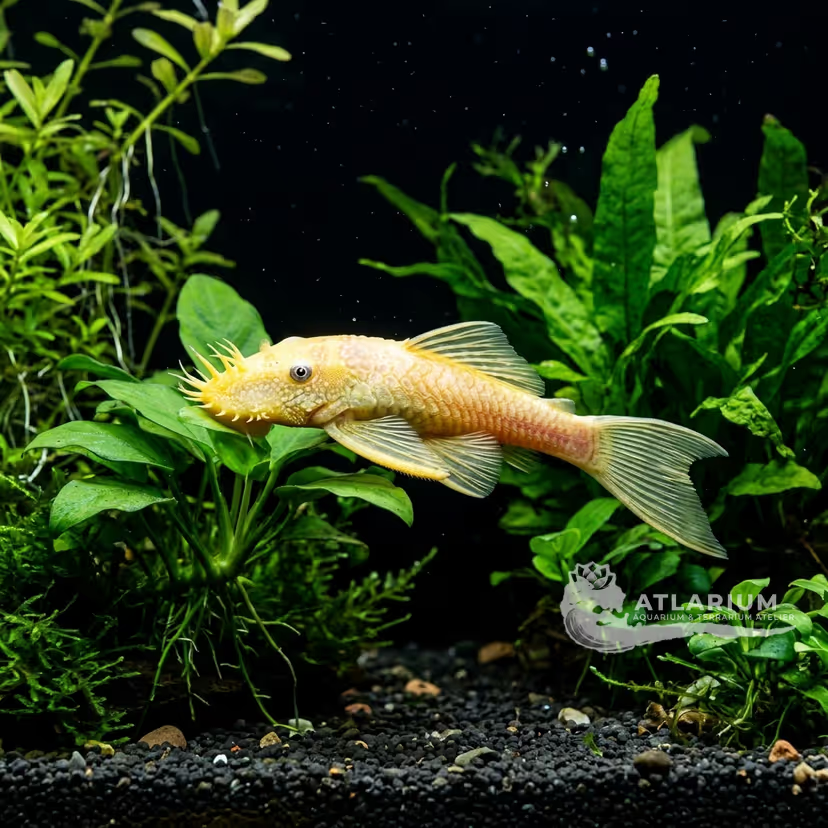
Albino Bristlenose Pleco
Ancistrus cf. cirrhosus var. Albino
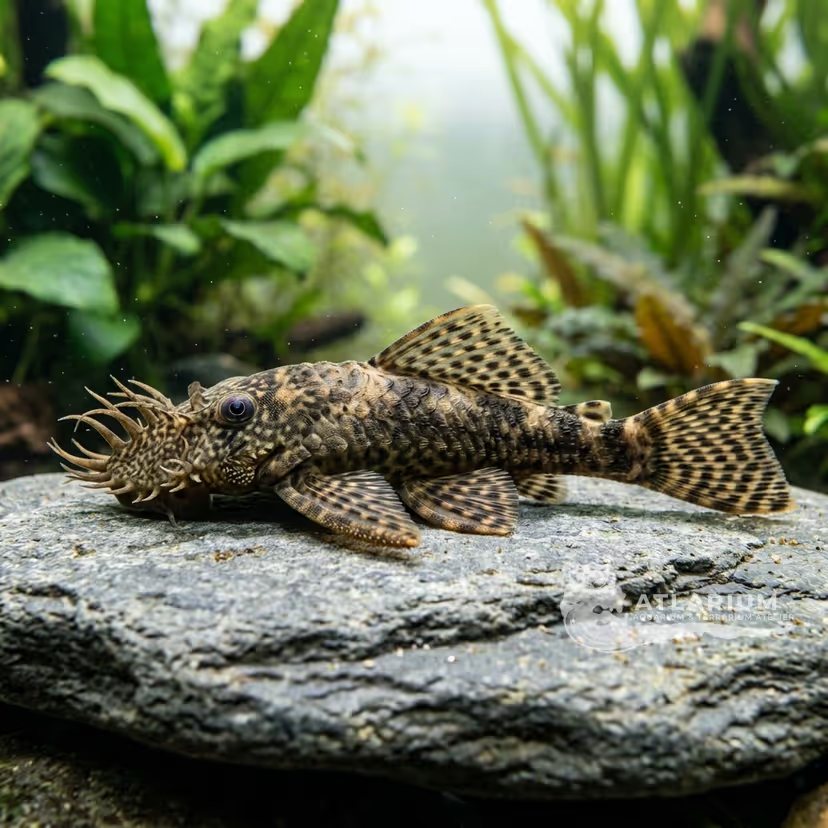
Mato Grosso Ancistrus
Ancistrus tombador

Butterfly Pleco
Dekeyseria picta

Candy Stripe Pleco (L015)
Peckoltia vittata

Lamontichthys
Lamontichthys filamentosus

Bristlemouth Pleco
Peckoltia multispinis
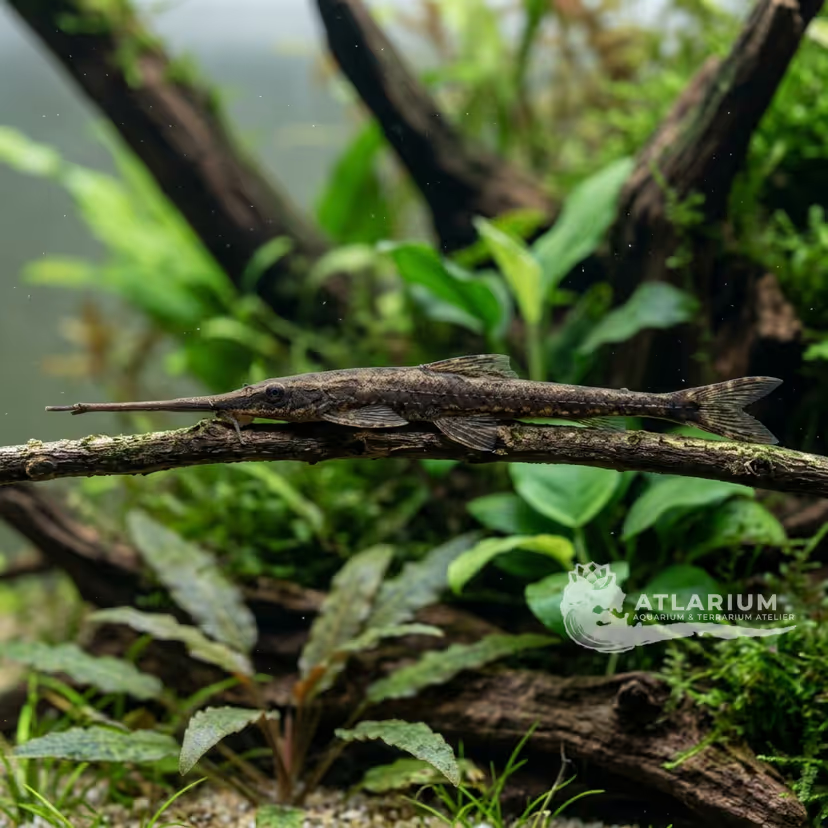
Orinoco Twig Catfish
Farlowella mariaelenae

Blue Panaque (L239)
Baryancistrus beggini

Snowball Pleco
Hypancistrus inspector
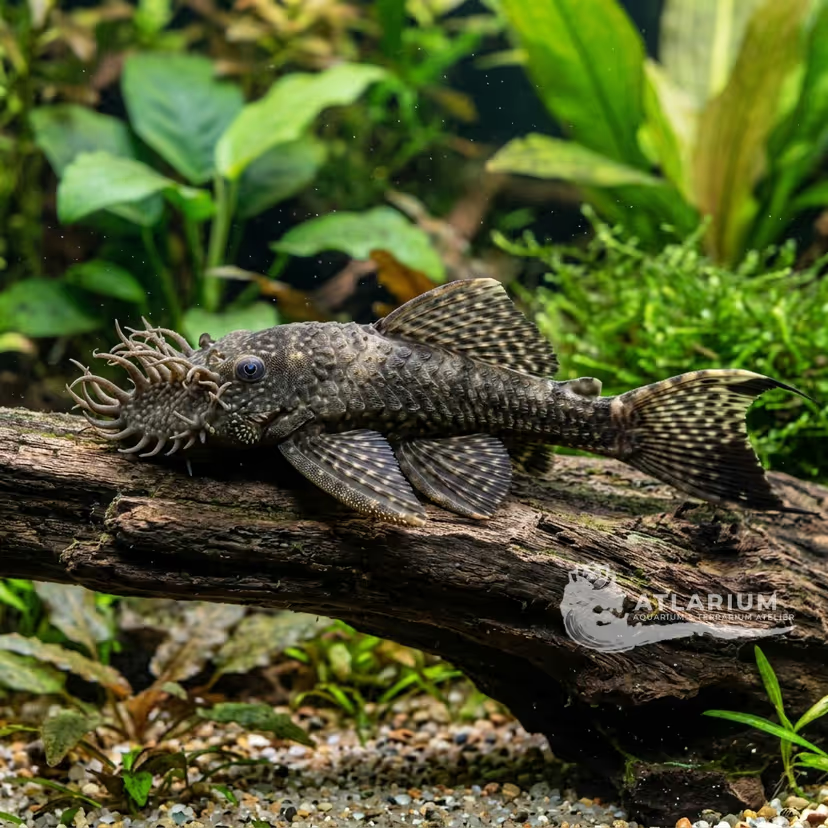
Tentacle Lasiancistrus
Lasiancistrus tentaculatus
Recommended companions
Compatible cards from coherent ecosystems with matching parameters.

Blyxa alternifolia
Blyxa alternifolia

Blyxa cf. vietii
Blyxa cf. vietii

Alternanthera reineckii "rosaefolia minor"
Alternanthera reineckii "rosaefolia minor"

Ammannia mauritiana
Ammannia mauritiana

Aldrovanda vesiculosa
Aldrovanda vesiculosa

Ammannia latifolia
Ammannia latifolia

Amblystegiaceae sp. "Manaus"
Amblystegiaceae sp. "Manaus"

Ammannia sp. 'Bonsai'
Ammannia sp. 'Bonsai'

Bacopa crenata
Bacopa crenata

Aciotis acuminifolia
Aciotis acuminifolia

Arrowhead Anubias
Anubias hastifolia
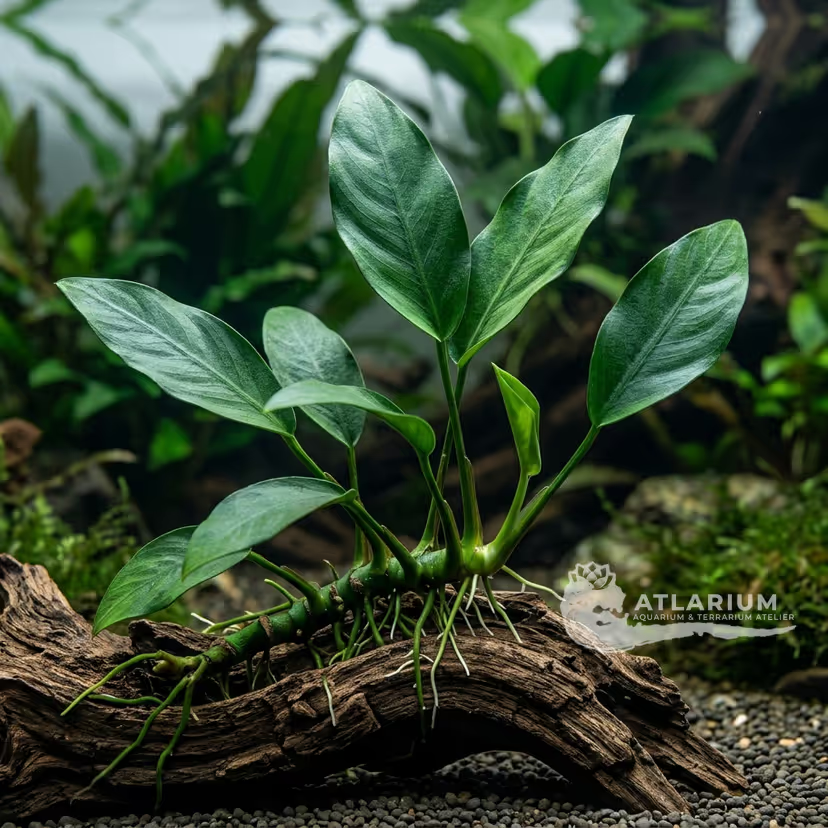
Anubias
Anubias barteri

Anubias nana
Anubias barteri var. nana

Bucephalandra motleyana "Braun-rot narrow"
Bucephalandra motleyana "Braun-rot narrow"

Bucephalandra motleyana "Riam Macam"
Bucephalandra motleyana "Riam Macam"

Anubias gracilis
Anubias gracilis
Similar care
Cards with similar requirements, difficulty, habitat, and husbandry profile.

Red Lizard Catfish (L010a)
Leliella sp.

Demini Angel Pleco (L136)
Hypancistrus sp. L136

Hypancistrus sp. (L450)
Hypancistrus sp. L450

Monte Dourado Pleco (L411)
Hypancistrus sp. L411

Giant-eye Otocinclus
Hypoptopoma gulare

Leopard Frog Pleco (L134)
Peckoltia compta

Contradens Pleco
Hypancistrus contradens
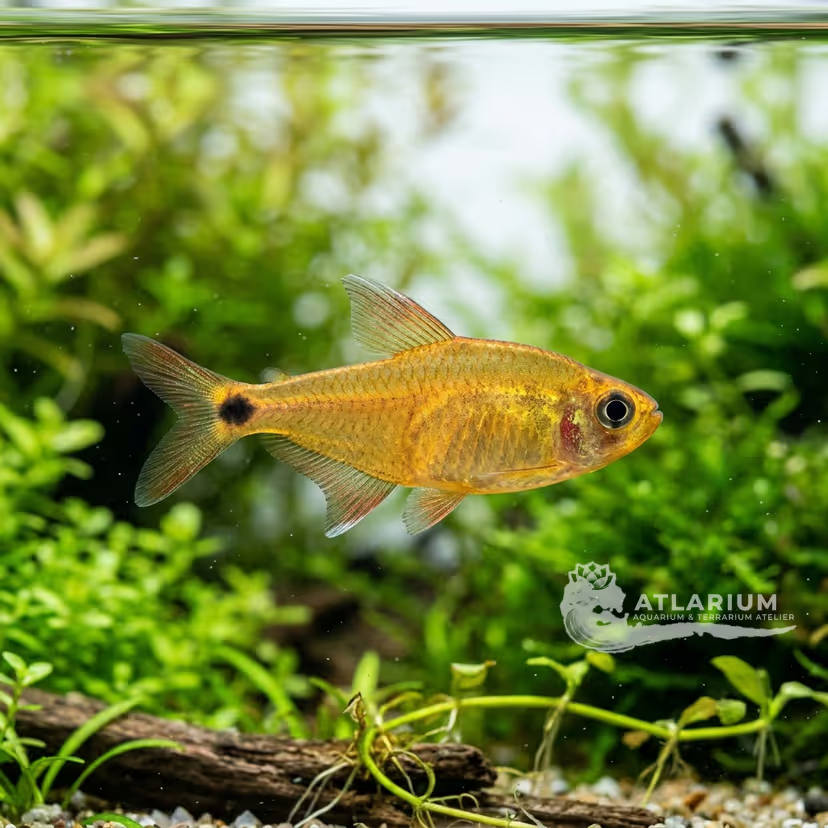
Dawn Tetra
Hyphessobrycon eos
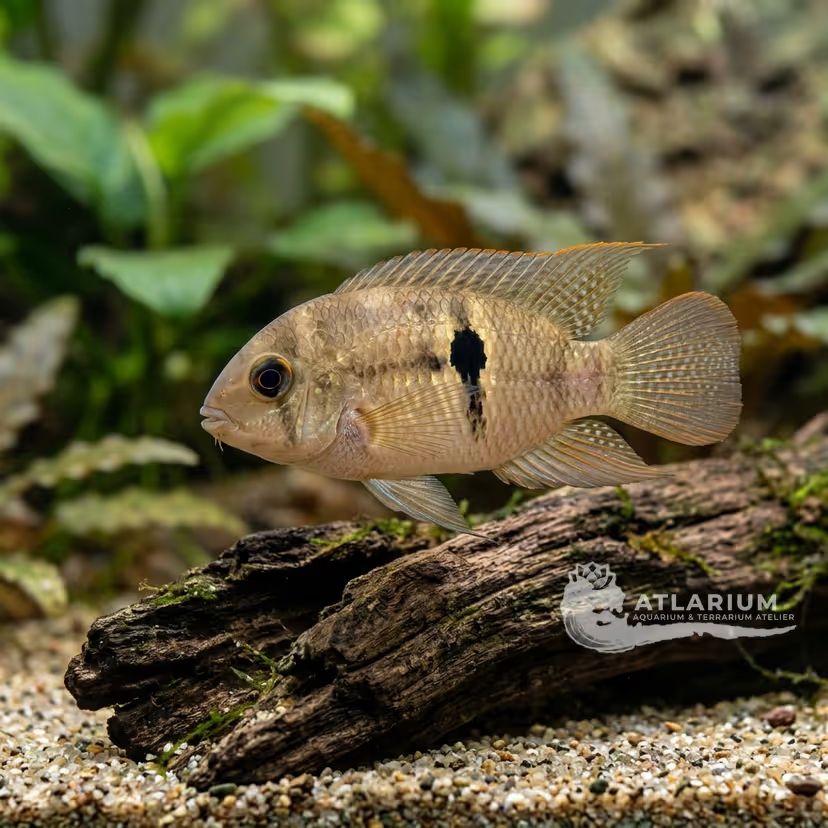
Keyhole cichlid
Cleithracara maronii

Marble Whiptail
Loricaria simillima

King Tiger Pleco (L066)
Hypancistrus sp. L066
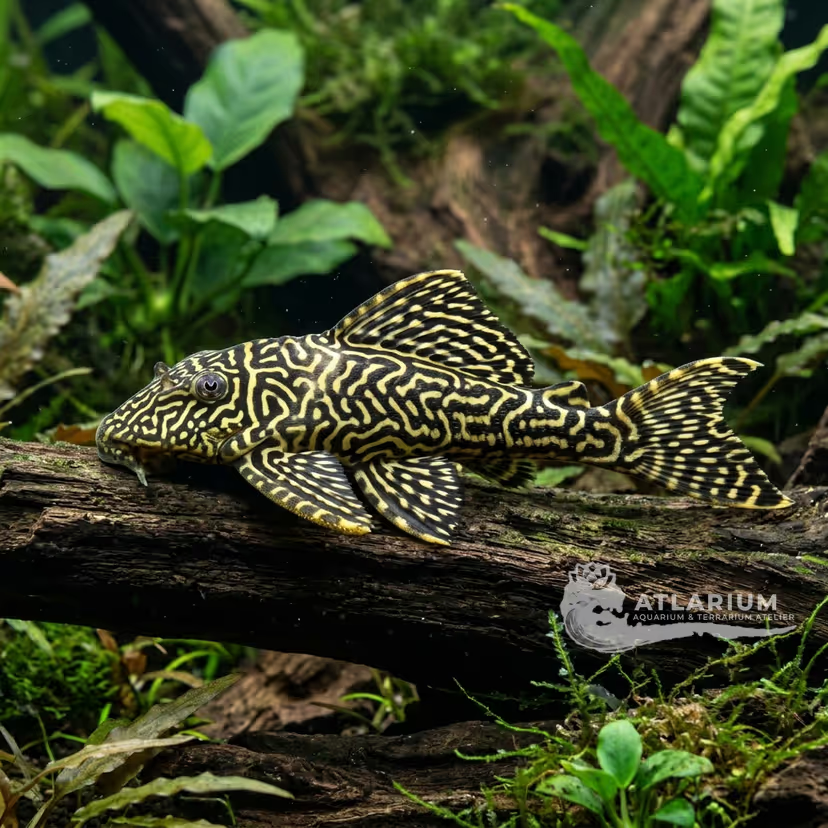
Meandrinus Pleco
Hemiancistrus

Otocinclus (Oto Macrospilus)
Otocinclus macrospilus
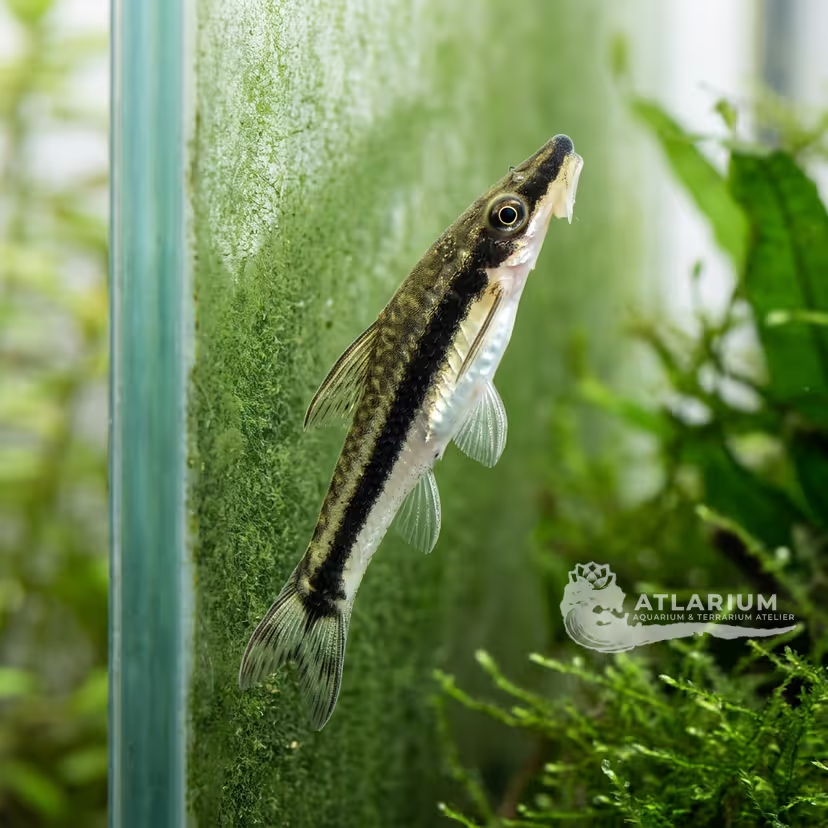
Otocinclus (Oto Vittatus)
Otocinclus vittatus

Super White Pleco (L236)
Hypancistrus sp. L236

Guahibo Pleco
Hemiancistrus guahiborum