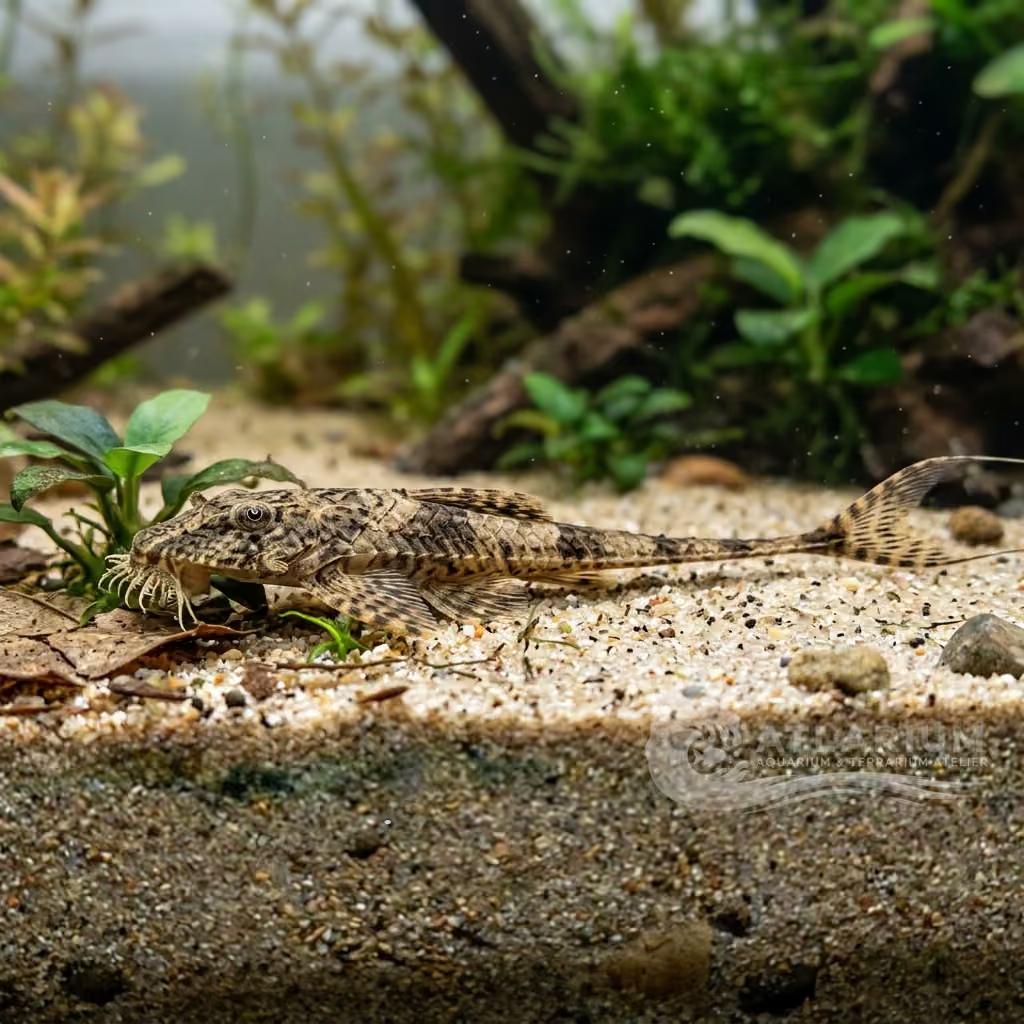
White Seam Bristlenose (L059)
Ancistrus hoplogenys
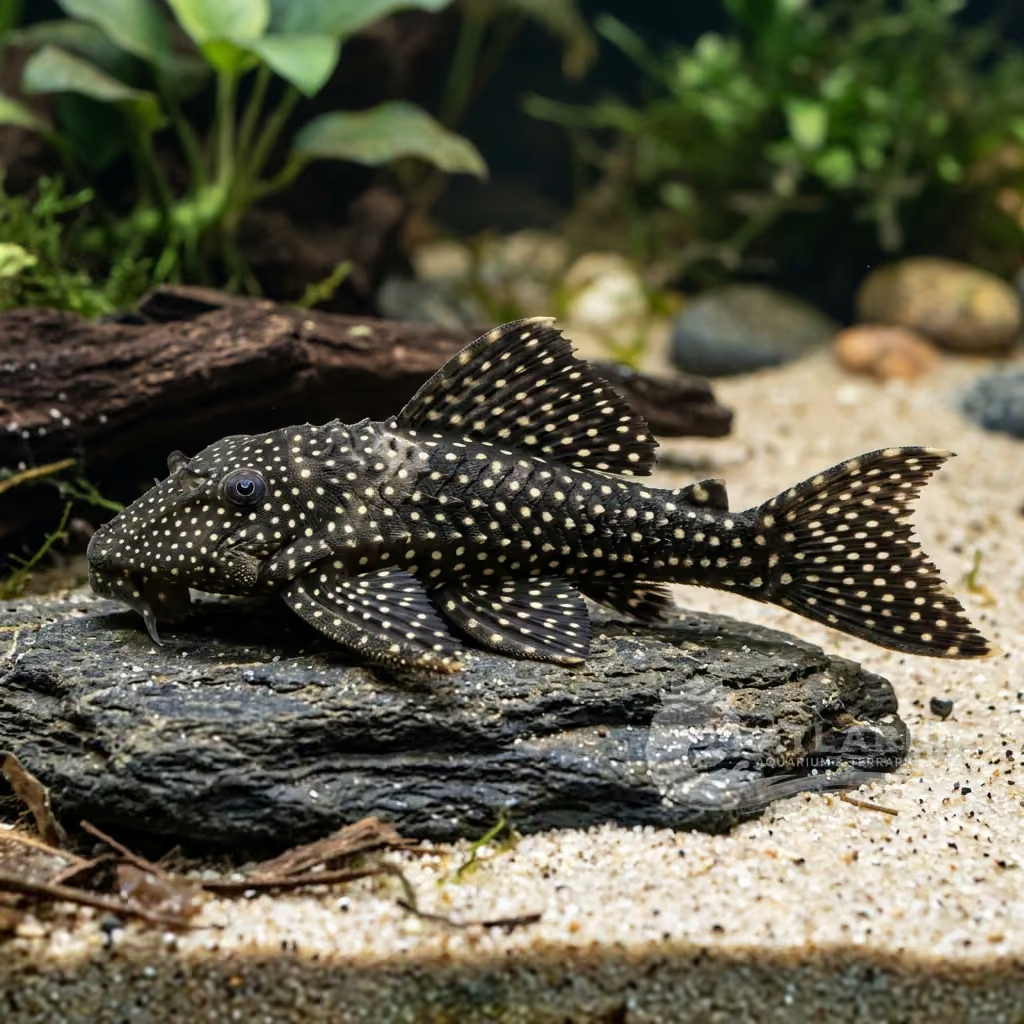
The Starlight Bristlenose Pleco is a stunning Amazonian catfish known for its starry sky coloration. It is a peaceful algae eater that thrives in blackwater setups with wood.
Water Temperature
25 - 29 °C
pH Value
5.5 - 7
Water type
Freshwater
Tank level
Bottom
Adult size
16 cm
Minimum tank volume
>= 120 L
Minimum group
>= 1
GH
1 - 12 dGH
KH
2 - 8 dKH
TDS
35 - 260 ppm
Conductivity
55 - 406 uS/cm

Species description
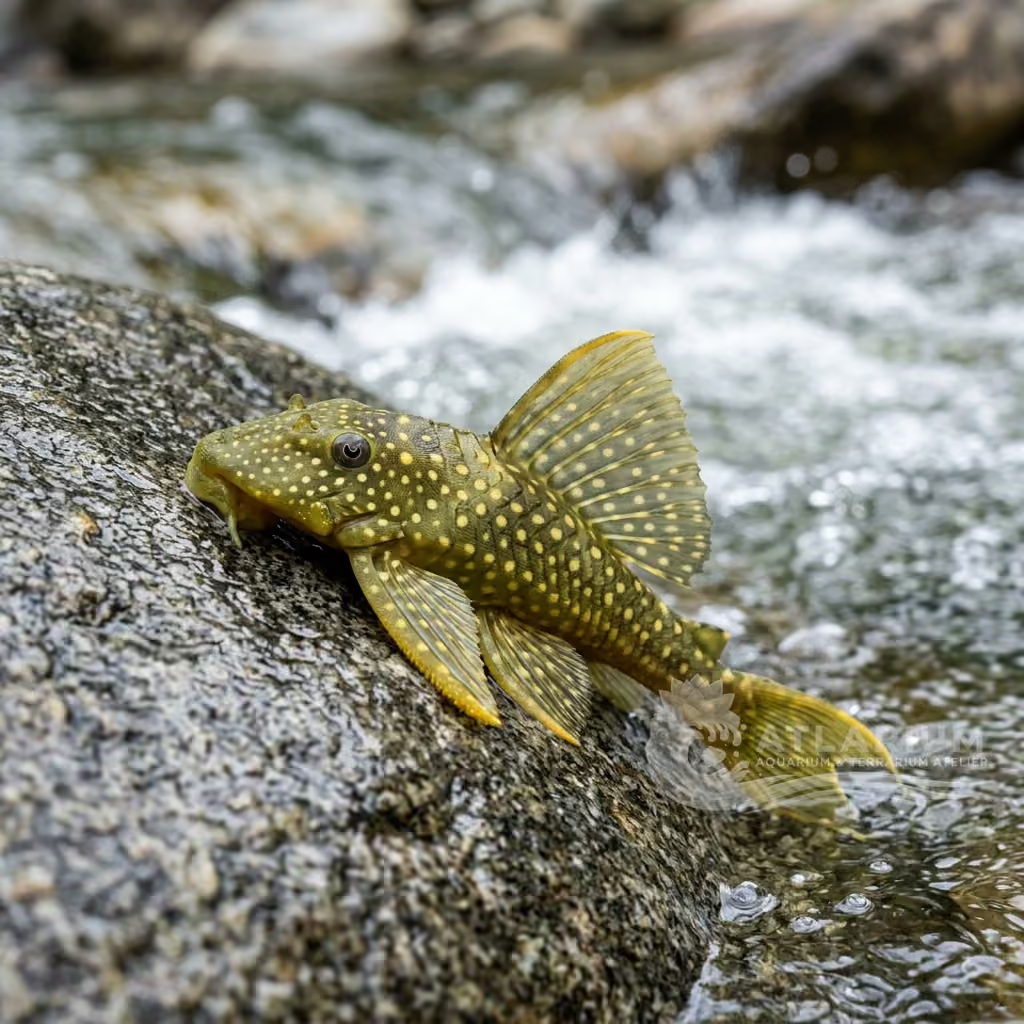
Geographical Origin and Habitat: Widespread in the Brazilian Amazon basin, with concentrations in the Rio Tocantins and Araguaia basin. Typically found in "blackwater" or "clearwater" rivers among piles of broken branches and submerged rocks.
Taxonomy and Morphology: Starlight Bristlenose Pleco (L059 / Ancistrus hoplogenys). Famous for its "Starry Sky" coloration. Body slightly flatter than its conspecifics and mouth equipped with exceptional suction cup strength. "Hoplogenys" refers to the bony armor of the cheeks.
Social Behavior: Relatively shy during the day, prefers to remain hidden in dark ravines. At dusk it becomes methodical and tireless in its search for food on the bottom. Highly intolerant towards other Ancistrus males in its territory.
Coloration and Sexual Dimorphism: Superb "Starlight" livery: deep black background studded with very numerous and tiny fluorescent bluish-white dots. In juveniles the dorsal and caudal fin is bordered with a dazzling white. Adult males with an extensive "rack" of bristles on the snout.

Care, breeding and tankmates
Aquarium Setup: Minimum 100 cm (40 inches) tank. Ideal "Blackwater" setup: lights shielded by floating leaves, amber water from tannin release (Mopani woods or bog roots) and terracotta tubes in which the animal will hide and nest.
Diet and Feeding: Mostly vegetarian (algae eater and wood scraper). Provide plenty of spirulina, softened catappa leaves, blanched zucchini, peas and pumpkin. Grant a minimal share of proteins (bloodworms) once every two weeks.
Water Quality: Requires warm (25-29°C / 77-84°F), soft and moderately acidic waters (pH 5.5-7.0). Sensitive to high nitrates: its boundless appetite produces a heavy organic load, to be managed with frequent regular water changes and generous filtration.
Compatibility and Cohabitation: Excellent cleaner for medium-sized Amazonian communities (Dwarf Cichlids, Tetras, Corydoras, Discus). Do not place in tanks with aggressive Asian "scrapers" or with large Central American cichlids that would harass it.
Aquarium Breeding: Occurs spontaneously in mature tanks. The male chooses a single-entry cavity (bamboo or coconut tube), attracts the female there to lay the large amber eggs, and then cares for them (fanning them) for about two weeks.
Risks and Diseases: Lethal intestinal obstruction if vegetable fibers (vegetables and real woods to scrape) are not administered. To be isolated in case of treatments with malachite green or copper, to which it is extremely intolerant (absence of classic scales).

Geographic origin and distribution
Widespread in the Brazilian Amazon basin, with concentrations in the Rio Tocantins and Araguaia basin. Typically found in "blackwater" or "clearwater" rivers among piles of broken branches and submerged rocks.
Origin
Amazon, Orinoco, and GuianasEast Asia

Fish profile
- Temperament
- Semi-aggressive
- This species is generally peaceful and docile toward other tankmates, making it an excellent candidate for community aquariums. However, they are highly territorial toward conspecifics and other bottom-dwellers, particularly between adult males. Fights can occur over choice caves or feeding spots, though these rarely result in serious injuries if enough cover is provided. To maintain harmony, the aquarium layout must feature distinct territories demarcated by driftwood and rocks.
- Diet
- Herbivore
- Ancistrus hoplogenys is primarily an omnivorous grazer with a strong preference for plant matter and algae. Their diet should consist of high-quality algae wafers, sinking catfish pellets, and fresh vegetables such as zucchini, cucumber, and blanched spinach. Importantly, the tank must contain natural driftwood, as rasping on the wood provides essential dietary fiber for their digestive health. Occasional protein treats, such as bloodworms or brine shrimp, can be offered to supplement their diet.
- Life expectancy
- 10-15 years
- Adult size
- 16 cm
- Sex ratio
- Harem
- When keeping Ancistrus hoplogenys, a harem-style stocking arrangement is highly recommended to manage territorial behavior. Introducing one male with two or three females helps distribute the male's attention and reduces stress on individual fish. Keeping multiple males in a single tank is not advisable unless the aquarium is exceptionally large with numerous distinct territories. In smaller tanks, physical boundaries and visual barriers must be provided if more than one male is kept.
- Feeding frequency
- Twice daily
- It is recommended to feed Ancistrus hoplogenys once or twice daily, keeping their nocturnal feeding habits in mind. Sinking foods and wafers are best offered in the evening shortly before the aquarium lights are turned off to ensure they can feed undisturbed. Fresh vegetables can be introduced during the day but should be removed within 24 hours to prevent water fouling. Maintaining a consistent feeding schedule helps regulate their digestive system and reduces food competition.
- Bioload
- Medium to High
- Like most armored catfishes, Ancistrus hoplogenys produces a significant amount of biological waste due to its continuous grazing habits. Their diet, which includes wood and fibrous plant matter, leads to a high amount of solid waste that can quickly accumulate in the substrate. Consequently, a robust filtration system, combining effective mechanical and biological media, is essential to maintain low nitrate levels. Regular partial water changes and gravel vacuuming are highly recommended to prevent water quality deterioration.
- Flow
- Stagnant
- Coming from flowing river systems in South America, Ancistrus hoplogenys thrives in moderate to strong water flow. Good water movement not only replicates their natural habitat but also ensures high dissolved oxygen levels, which are critical for their well-being. The use of powerheads, spray bars, or additional airstones can help achieve the desired flow and oxygenation. However, calm areas should also be available within the tank so the fish can rest without constantly fighting the current.
- Jump risk
- Yes
- While Ancistrus hoplogenys is a bottom-dweller, it still poses a moderate risk of jumping, especially when startled or stressed by poor water conditions. During nocturnal activities or territorial disputes, they can dash quickly and inadvertently launch themselves out of the water. Therefore, a secure, tight-fitting lid or cover glass is essential to prevent accidental escapes. Ensuring high oxygen levels and stable water parameters will also help reduce stress-induced jumping behavior.
- Reproduction
- Oviparous
- Breeding Ancistrus hoplogenys in captivity is moderately straightforward, as they are cave-spawning fish. The male selects a suitable cave, cleans it, and lures a gravid female inside to deposit her adhesive eggs. Once spawning is complete, the male fertilizes the eggs and takes sole responsibility for guarding and fanning them to ensure oxygenation. The fry hatch in a few days and will absorb their yolk sacs before emerging as free-swimming juveniles in search of food.
- Compatibility & tankmates
- With caution
- This catfish is highly compatible with a wide variety of peaceful community fish that occupy the middle and upper levels of the tank. Good tankmates include tetras, rasboras, gouramis, and active schooling species. They can also coexist with peaceful bottom-dwellers like Corydoras, provided there is enough space and hiding spots. Avoid keeping them with large, aggressive, or highly territorial cichlids that might harass them or compete for cave territory.
- Tank level
- Bottom
- Ancistrus hoplogenys is a strictly bottom-dwelling species that spends almost all of its time on the substrate, rocks, or driftwood. They are adapted to navigate the riverbed, using their suckermouth to cling to surfaces and forage. Although they occasionally climb the aquarium glass or filter pipes to graze on algae, they rarely venture into the middle or upper water columns. Providing ample floor space and low-lying caves is crucial to accommodate their natural benthic lifestyle.

Scientific Parameters & Models
FishBase
Window to the official scientific data of the species
FishBase v25.04Data synced on: 06/15/2026
- Trophic level
- 2 ± 0 se
- Resilience
- Medium (1.4 - 4.4 years)
- Phylogenetic uniqueness (PD50)
- 0.5
- Bayesian Length-Weight
- a = 0.01479, b = 2.98
- VulnerabilityLow vulnerability (10 / 100)

Related species
Recommendations grouped by close relatives, companion choices, and similar care.