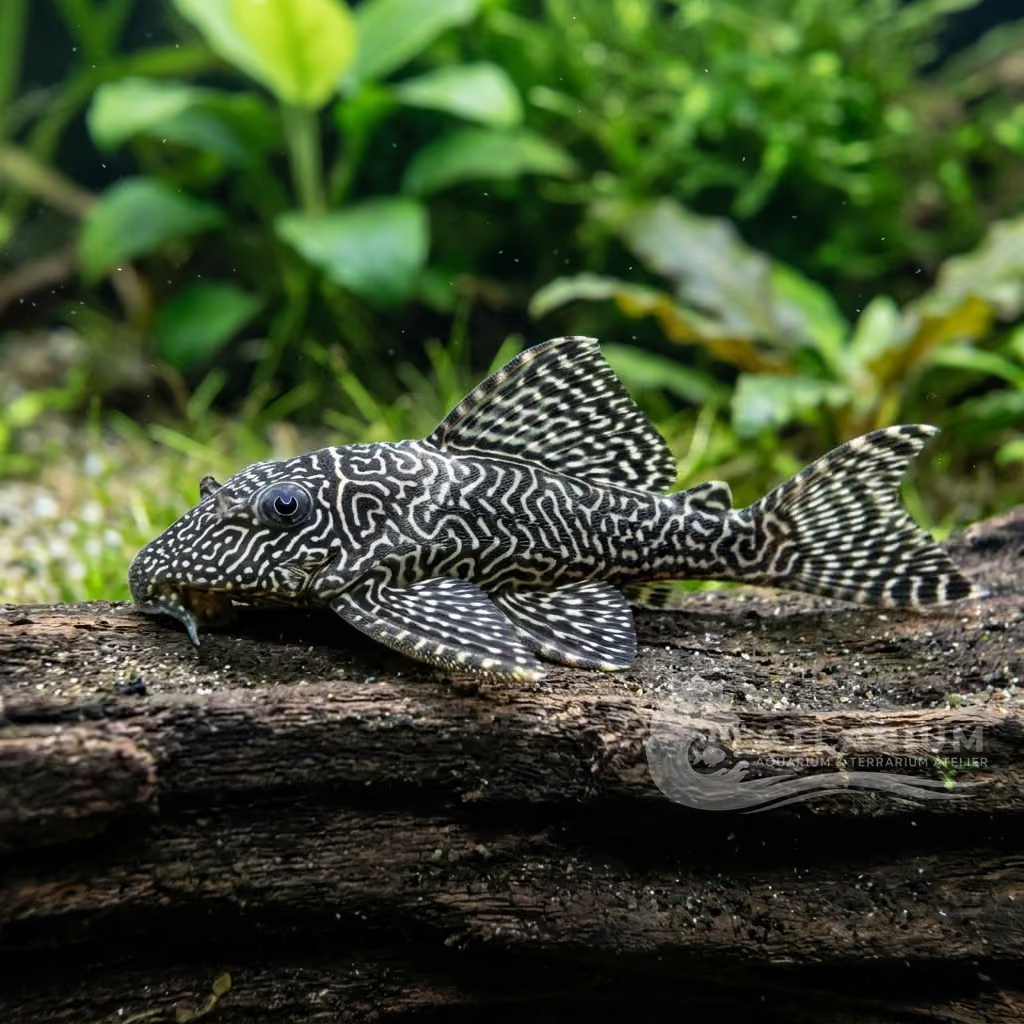
Spiny Monster Pleco (L160)
Pseudacanthicus spinosus
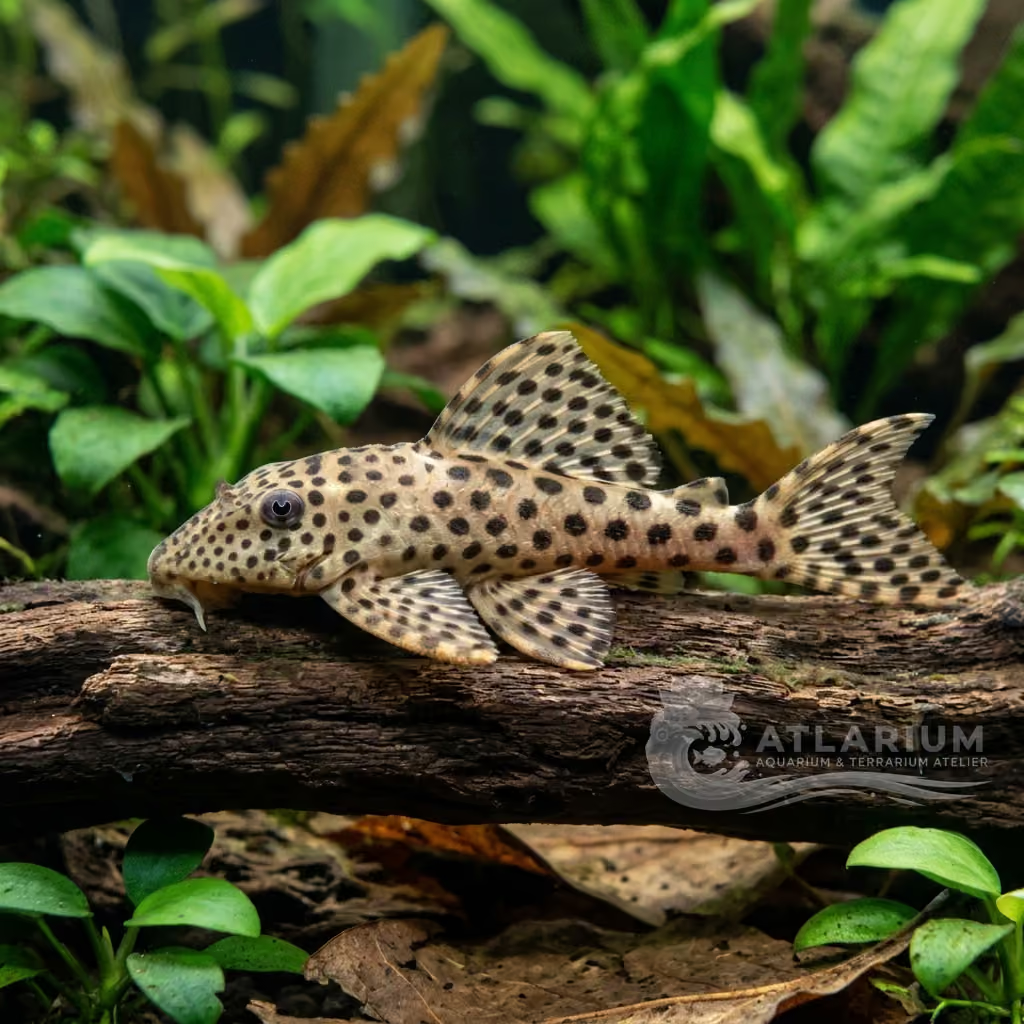
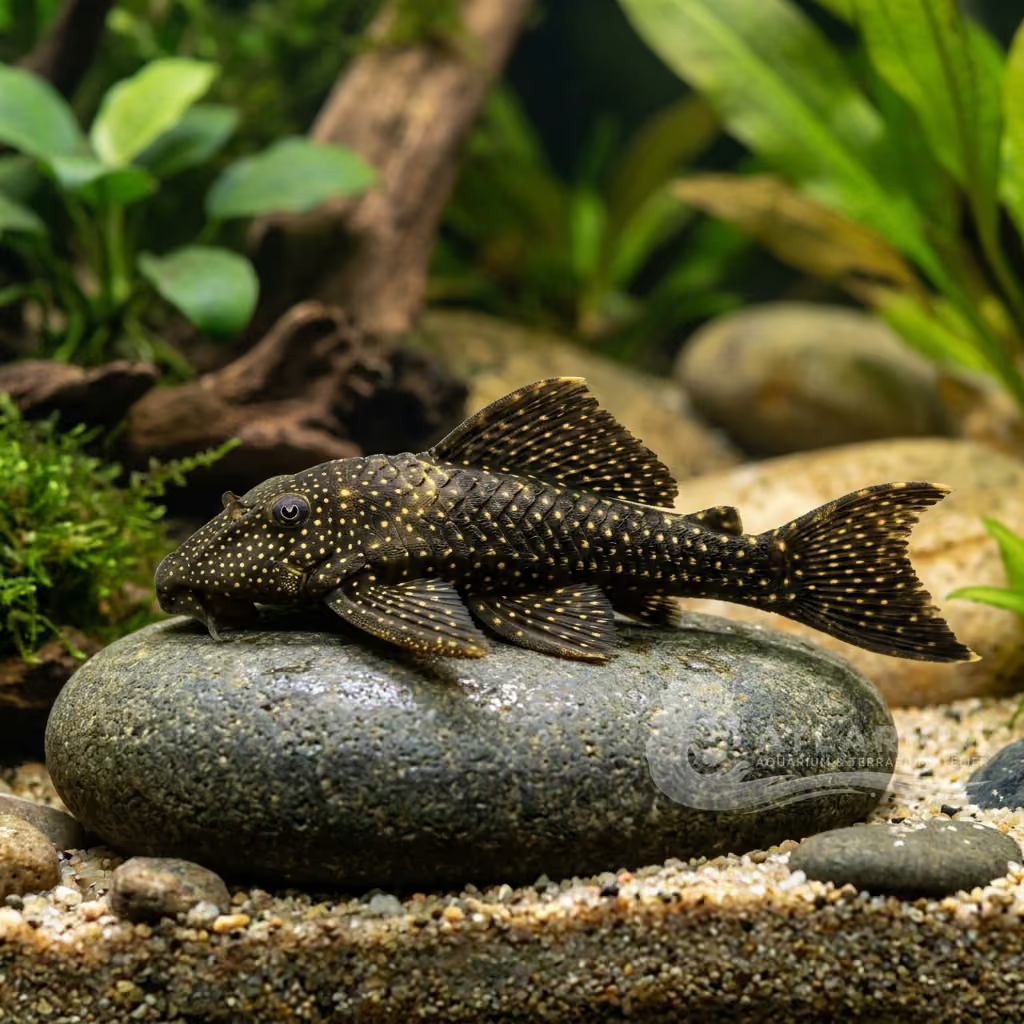
A giant pleco covered in densely spiny bony plates resembling an underwater tank, with a dark body studded with subtle pinpoint spots.
Water Temperature
24 - 28 °C
pH Value
6 - 7.2
Water type
Freshwater
Tank level
Bottom
Adult size
35 cm
Minimum tank volume
>= 500 L
Minimum group
>= 1
GH
2 - 12 dGH
KH
2 - 10 dKH
TDS
50 - 280 ppm
Conductivity
78 - 438 uS/cm

Species description
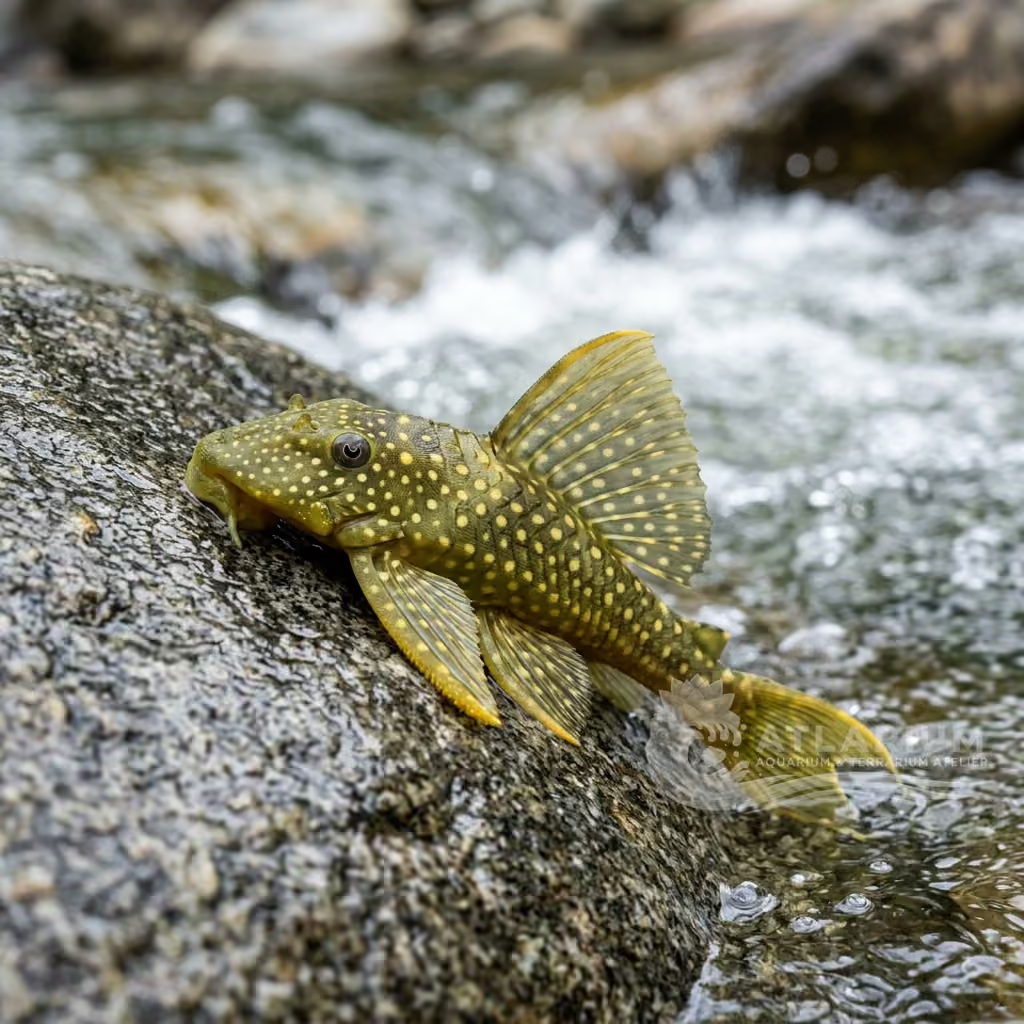
Geographical Origin and Habitat: Endemic to the Rio Tocantins and its tributaries (Brazil). Dominates the depths of large turbulent rivers, hiding in the dark under colossal granitic rocks and fallen trees wedged in the current.
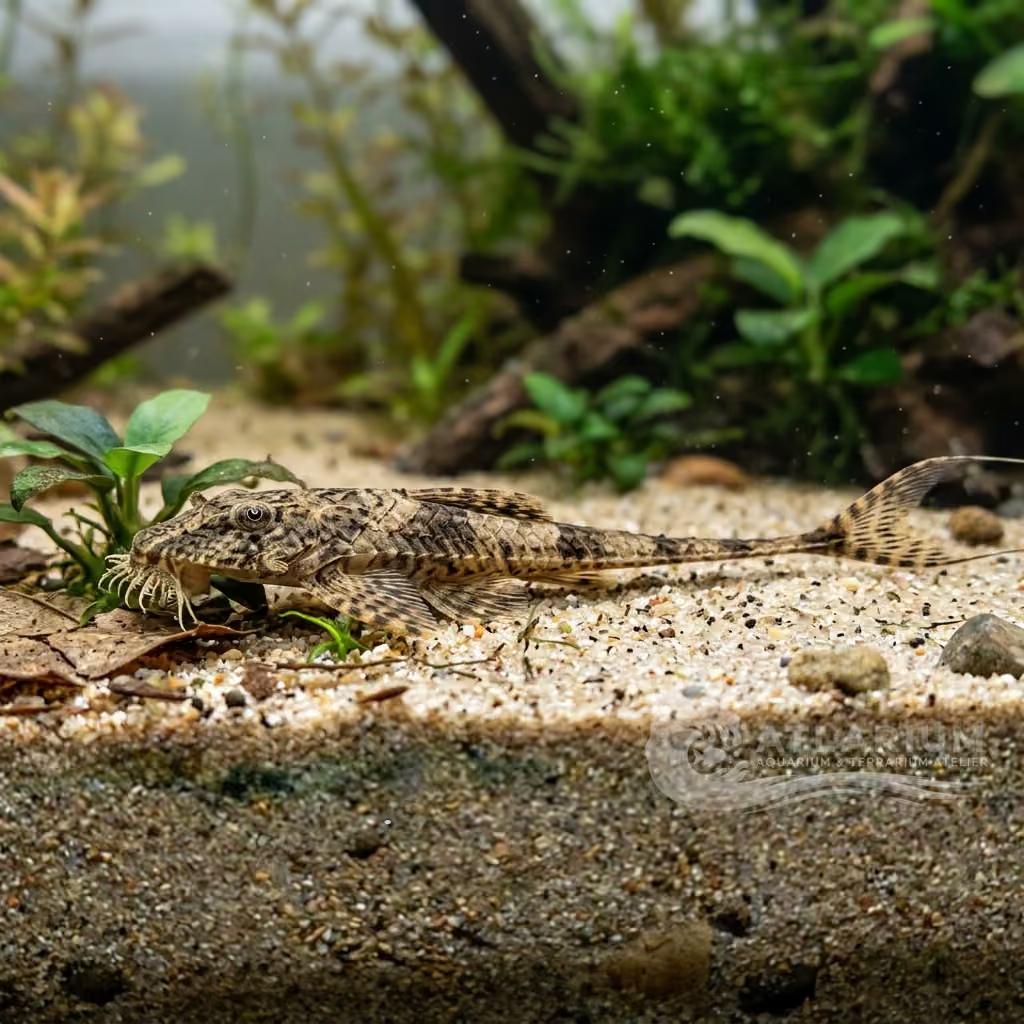
Taxonomy and Morphology: Spiny Monster Pleco (L160 / Pseudacanthicus spinosus). One of the colossi of the family. The epithet "spinosus" leaves no escape: it is fully covered with very sturdy nail-like quills. Stocky shape, armored and massive skull.
Social Behavior: Overbearing, shy but brutal if threatened. Chooses a single "rocky cave" in the tank and elects it as its fortress, destroying any fish that ventures there or obstructs the entrance. Cohabitation with other plecos is highly discouraged.
Coloration and Sexual Dimorphism: Deep brown or black mottled with fawn or ocher nuances, less defined than the "Leopard". Lacks the red on the fins typical of the L114. Imposing male with impressive brushes of lateral odontodes and on the first pectoral ray.

Care, breeding and tankmates
Aquarium Setup: The size (up to almost 40 cm / 16 inches) dictates tanks from 200 cm (80 inches) and up. Immovable rocky setup or giant opaque PVC pipes. The current delivered by the pumps must approach that of a mountain stream. Will uproot any plant.
Diet and Feeding: Strict predator and scavenger. Feed exclusively with a massive protein diet: thick slices of white fish, whole shelled shrimp, mussels, large earthworms, and gigantic slow-release carnivorous tablets.
Water Quality: Enormous biological load (huge protein and fecal waste). Essential an industrial filtration (large Sump with porous sponges and massive biomedia) and 50% changes of warm water on a weekly basis.
Compatibility and Cohabitation: Abyssal companion for large Central American cichlids, large pacus (Colossoma), or Datnioides. Alone it acts as a perfect benthic waste predator. WARNING: can injure and tear apart slowed or sick fish.
Aquarium Breeding: Almost a myth in hobbyist aquarium keeping. Rarely achieved in bare specific tanks where two breeders engage in a furious clash. Gigantic yellow eggs brooded by the male with incredible impetuosity.
Risks and Diseases: Unscratchable fish, but its quills act as a death trap in nets or cloth baskets often causing very serious injuries in the attempt to free it. Always handle it using sturdy plastic containers.

Geographic origin and distribution
Endemic to the Rio Tocantins and its tributaries (Brazil). Dominates the depths of large turbulent rivers, hiding in the dark under colossal granitic rocks and fallen trees wedged in the current.
Origin
Amazon, Orinoco, and Guianas

Fish profile
- Temperament
- Semi-aggressive
- The Spiny Monster Pleco is notorious for its exceedingly aggressive and highly territorial temperament, easily dominating the bottom level of any setup. They are completely intolerant of any fish that dares to enter their chosen hiding spots or feeding areas, often attacking with extreme prejudice. Armed with an impressive array of sharp odontodes and a powerful, armored body, they can easily overpower and severely injure other bottom-dwelling tank mates. Careful community planning, completely avoiding other benthic species, is crucial to maintaining a viable aquarium.
- Diet
- Carnivore
- Pseudacanthicus spinosus is an obligate carnivore and requires a specialized diet that is overwhelmingly focused on high-protein, meaty foods. Their primary nutrition must be derived from premium sinking carnivore pellets, heavily supplemented with bloodworms, chopped earthworms, shrimp, and mussel meat. While they may occasionally chew on driftwood or sample vegetables, these items do not provide the necessary nutrition for their metabolic needs. A consistently rich and varied carnivorous diet is crucial for supporting their massive size, robust health, and pronounced spiny armor.
- Life expectancy
- 10-15 years
- Adult size
- 35 cm
- Sex ratio
- Solitary
- If attempting to maintain a group, keeping a strict ratio of one male to several females is the only way to minimize the risk of lethal territorial violence. Males are fiercely combative and will readily use their extensive, sharp odontodes to severely injure or kill rival males over preferred caves. Keeping multiple males is practically impossible in standard aquariums and should only be attempted in massive, public-style displays with vast, separated territories. For the vast majority of hobbyists, keeping a single specimen is the most responsible and successful strategy.
- Feeding frequency
- Twice daily
- Because they are predominantly nocturnal and have significant caloric requirements, adult Spiny Monster Plecos should be given a large meal every evening after the lights turn off. Rapidly growing juveniles require more frequent feeding and benefit greatly from smaller, high-protein meals offered twice a day. It is critical to monitor their eating habits and meticulously remove any uneaten food the following morning to avert catastrophic water quality issues. Despite their insatiable appetites, care must be taken not to overfeed, which can lead to severe health complications.
- Bioload
- High
- The Spiny Monster Pleco, true to its name, grows to a very large size and produces an exceptionally heavy bioload due to its carnivorous diet. Maintaining excellent water quality requires an oversized, heavy-duty filtration system capable of processing massive amounts of protein-rich waste. Frequent, large-volume water changes are absolutely mandatory to prevent the dangerous buildup of nitrates and other dissolved organics. Without meticulous attention to water parameters, this species will quickly succumb to stress, disease, and potentially fatal bacterial infections.
- Flow
- Stagnant
- Native to fast-flowing, oxygen-rich river habitats, they have a strict requirement for vigorous water movement and high oxygenation in captivity. Installing powerful circulation pumps or wavemakers is essential to accurately replicate their natural environment and promote healthy respiration. Stagnant or poorly oxygenated water will quickly lead to severe stress, sluggishness, and a drastically weakened immune system. A strong current also helps keep the aquarium substrate clean by continuously sweeping detritus towards the mechanical filtration intakes.
- Jump risk
- Yes
- Like other large members of its genus, the Spiny Monster Pleco is not prone to jumping and strongly prefers to stay firmly attached to the substrate or within deep caves. Their heavy, heavily armored bodies make jumping an unnatural and difficult behavior. However, severe stress induced by abysmal water conditions or extreme aggression from tank mates could potentially trigger a frantic darting response. A secure, heavy lid is recommended primarily to prevent the escape of other fish and to secure equipment, rather than specifically containing this pleco.
- Reproduction
- Oviparous
- Breeding the Spiny Monster Pleco in a home aquarium is an exceptionally rare and difficult achievement, requiring a massive, highly specialized breeding setup. They are strict cave spawners; the male will aggressively claim a suitable cave, clean it, and coax a female inside to spawn. Following oviposition, the male becomes violently defensive, taking on the sole responsibility of guarding and fanning the eggs until the fry are completely free-swimming. Successfully raising the fry demands absolute dedication, pristine water conditions, and frequent feedings of specialized microscopic foods.
- Compatibility & tankmates
- Territorial
- This species is highly aggressive and intensely territorial, making it entirely unsuitable for peaceful community aquariums. They should only be kept with very robust, fast-moving mid-to-upper water fish, such as large characins or assertive cichlids that will not compete for bottom space. Housing them with other bottom-dwellers, especially other plecos or catfish, will almost certainly lead to violent, often fatal, territorial disputes. Even in very large aquariums, keeping multiple individuals requires an immense footprint with extremely complex hardscape to break sightlines completely.
- Tank level
- Bottom
- As a true benthic giant, the Spiny Monster Pleco will spend its entire life strictly confined to the lowest levels and the substrate of the aquarium. They are profoundly dependent on massive structural elements, requiring large pieces of heavy driftwood and extensive rockwork to form secure, cavernous hiding places during daylight hours. At night, they become highly active, aggressively patrolling the bottom tier of the tank in search of food and asserting dominance over their territory. A tank layout with an massive footprint and abundant bottom cover is absolutely essential.

Scientific Parameters & Models
FishBase
Window to the official scientific data of the species
FishBase v25.04Data synced on: 06/15/2026
- Resilience
- Medium (1.4 - 4.4 years)
- Phylogenetic uniqueness (PD50)
- 0.5039
- Bayesian Length-Weight
- a = 0.01549, b = 2.96
- VulnerabilityLow vulnerability (22 / 100)

Related species
Recommendations grouped by close relatives, companion choices, and similar care.