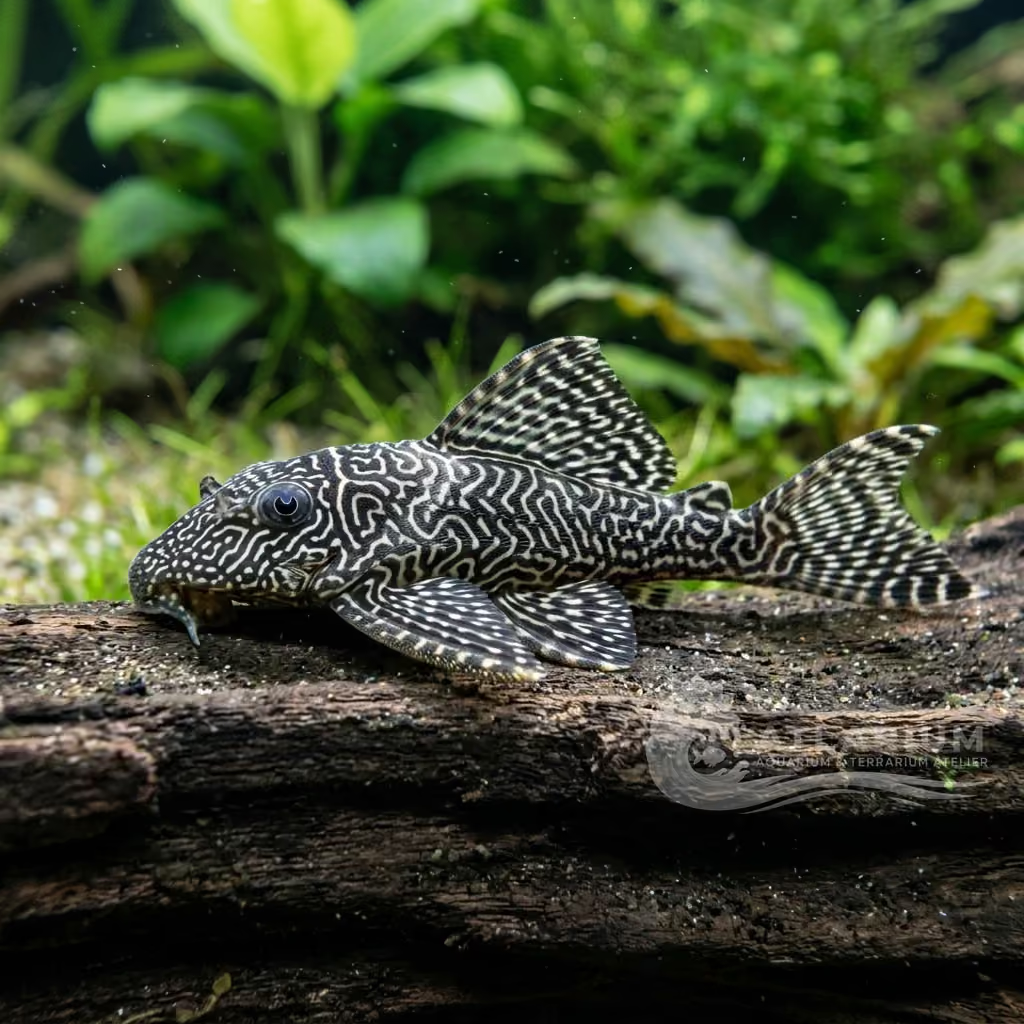
Snow Pleco (L282)
Pseudacanthicus sp. L282
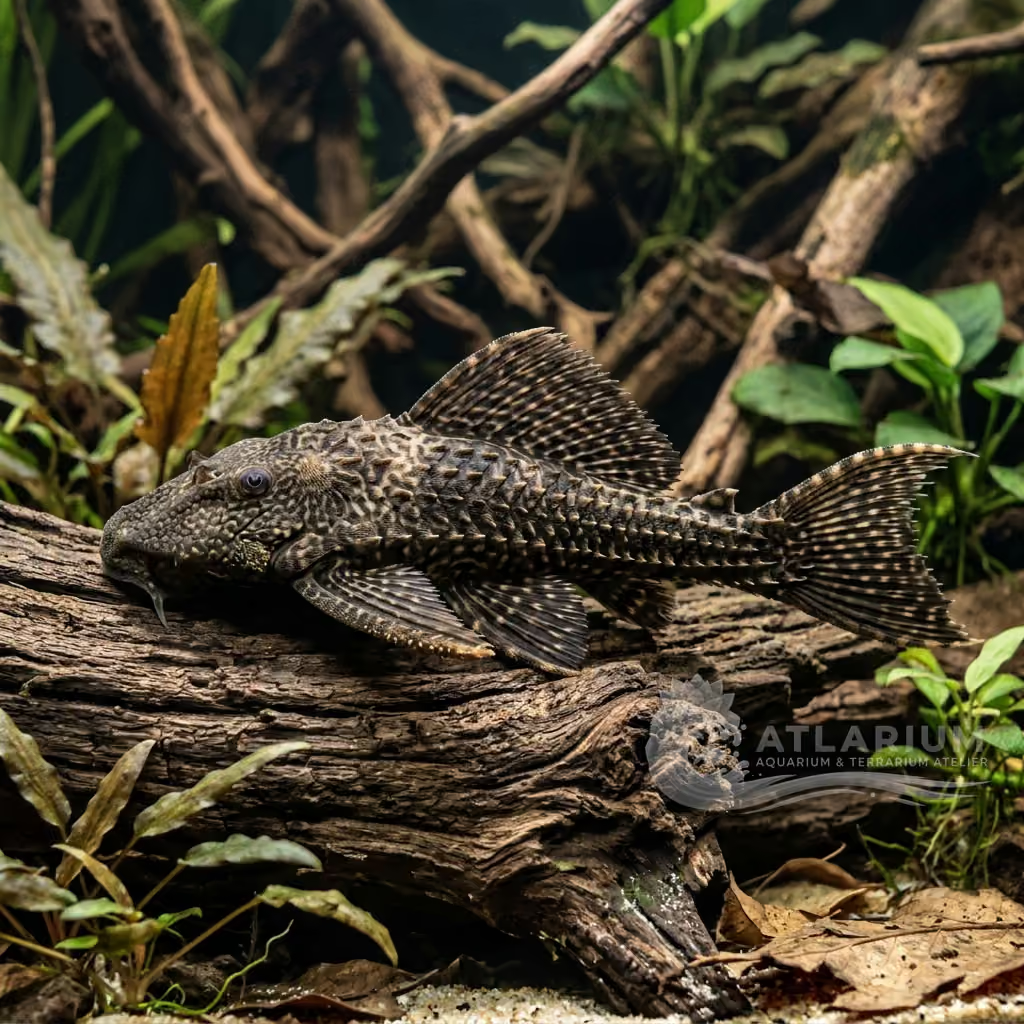
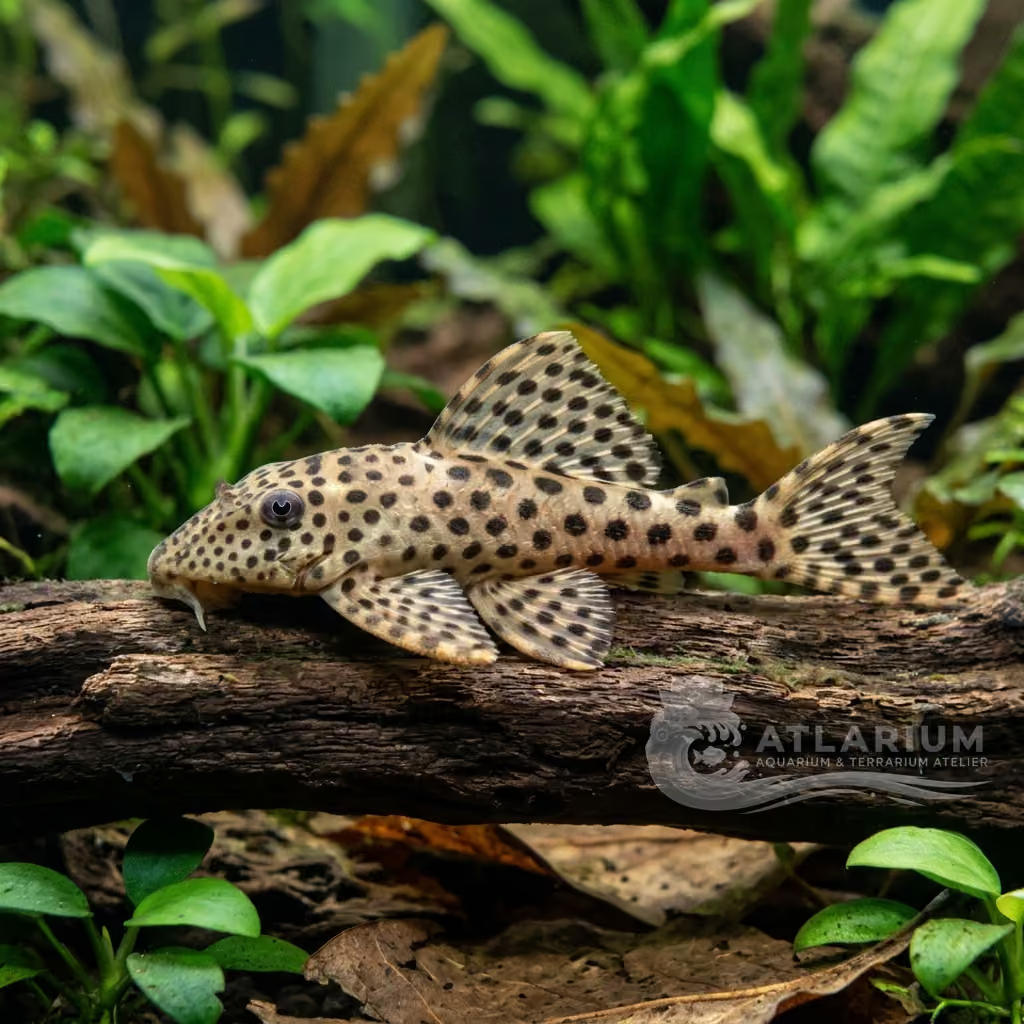
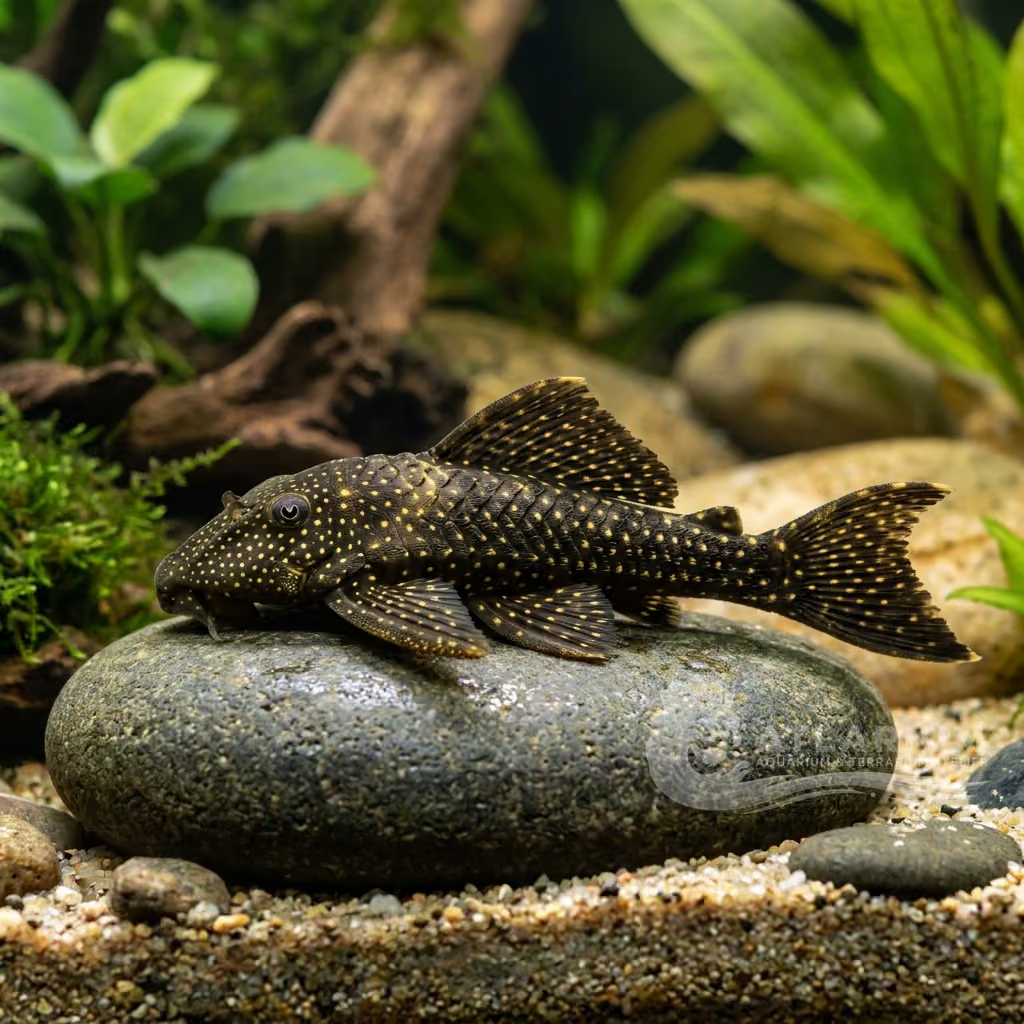
The 'Snow Pleco' is often confused with the L097, but it has smaller, denser white spots distributed in an almost powdery way across the entire dark armor.
Water Temperature
25 - 29 °C
pH Value
6 - 7.2
Water type
Freshwater
Tank level
Bottom
Adult size
25 cm
Minimum tank volume
>= 450 L
Minimum group
>= 1
GH
2 - 12 dGH
KH
2 - 10 dKH
TDS
50 - 280 ppm
Conductivity
78 - 438 uS/cm

Species description
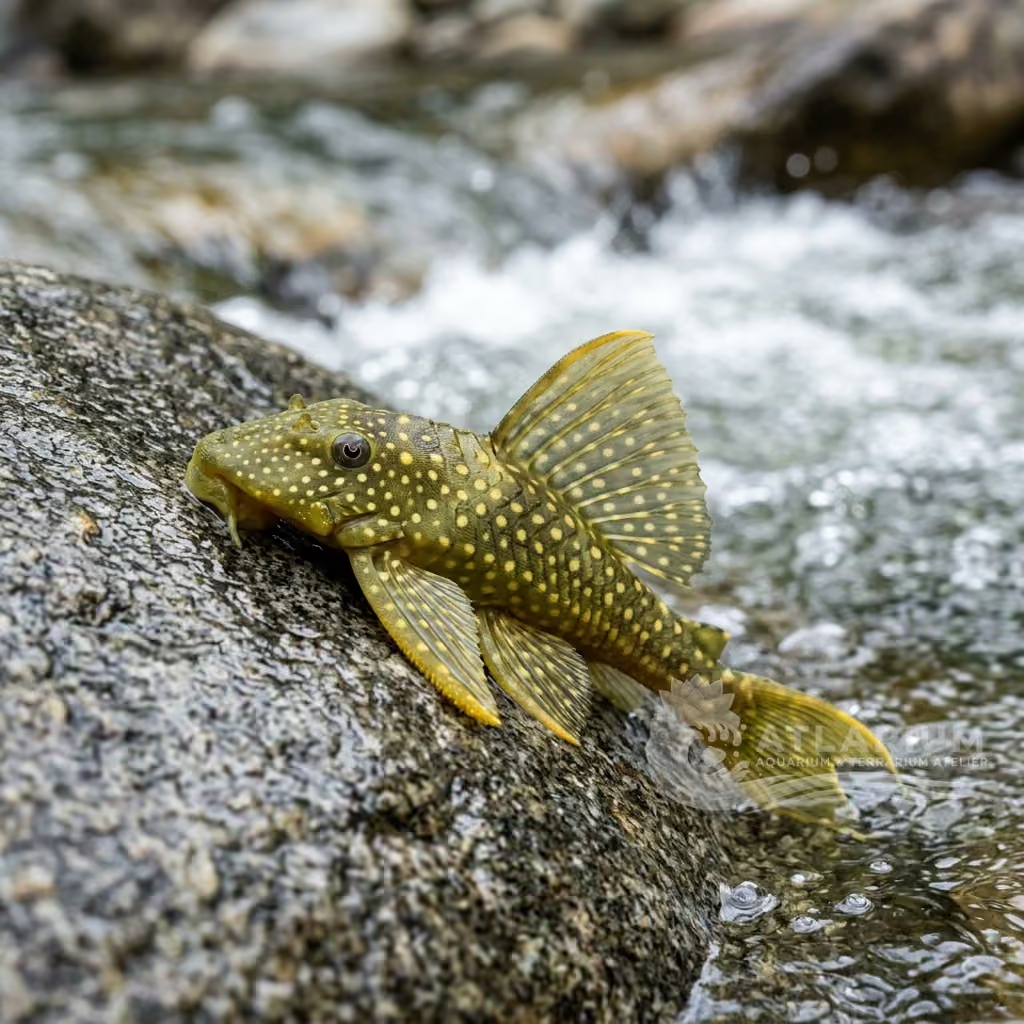
Geographical Origin and Habitat: Historically collected in Venezuela, presumably in the Orinoco basin. Like its Cactus Pleco cousins, it populates turbulent inlets infested with overlapping flat rocks where it crawls to hunt and rest.
Taxonomy and Morphology: King Galaxy Cactus Pleco (L282). Often confused with the almost identical L097 (Polka Dot) from the Tapajós, from which it is distinguished by finer and more numerous spotting ("Galaxy"). Massive and bristling with spines.
Social Behavior: Territorial to the highest degree for benthic spaces. Engages in tremendous whip (tail) clashes if two specimens are forced close together in aquariums less than 150 cm (60 inches) long. Totally asocial towards other bottom dwellers.
Coloration and Sexual Dimorphism: Velvety raven black background enriched by countless and minute bright white polka dots (Galaxy). Not to be confused with specimens faded due to stress. The male flaunts an imposing head and formidable odontodes on the snout and flanks.

Care, breeding and tankmates
Aquarium Setup: Requires XL predator aquariums (150-180 cm / 60-72 inches). Mandatory presence of large, dark, and smooth circular PVC pipes for the den. Tank free of delicate plants (which it would shred with its movements). Sand and extremely powerful current.
Diet and Feeding: Exclusively Carnivore (scavenger/predator). Whole clams and mussels, squid pieces, fresh crustacean meat. Provide snails to wear down its keratinous beak. Supplement with massive protein bottom tablets.
Water Quality: Being a devourer of large doses of protein, the water will quickly plummet towards toxicity (ammonia and phosphates) if the filtration is not oversized. Very hot (27-29°C / 81-84°F) and hyper-oxygenated water makes it thrive.
Compatibility and Cohabitation: Keep strictly with massive and non-territorial pelagic fish: Peacock Bass (Cichla), Arowana, river rays. Devours any sleeping or dying small fish on the bottom of the tank.
Aquarium Breeding: Challenge for expert "monster" breeders. It is activated by inserting very strong freezing currents (water changes) into the aquarium in simulation of monsoon storms. Violent male parental care with eggs as big as chickpeas.
Risks and Diseases: Susceptible to fin rot and skin necrosis caused by its own organic waste, if maintenance is not impeccable.

Geographic origin and distribution
Historically collected in Venezuela, presumably in the Orinoco basin. Like its Cactus Pleco cousins, it populates turbulent inlets infested with overlapping flat rocks where it crawls to hunt and rest.
Origin
Amazon, Orinoco, and Guianas

Fish profile
- Temperament
- Semi-aggressive
- They possess a notoriously robust and highly aggressive temperament, fiercely defending their chosen territories against any perceived intruders. While they generally tolerate fish that occupy the middle and upper levels of the water column, they are openly hostile to other bottom-dwellers. Their heavy armor and sharp spines make them formidable opponents, and they will not hesitate to attack other plecos or catfish that enter their space. Careful consideration of tank mates and providing an abundance of physical barriers are critical for maintaining a peaceful community.
- Diet
- Carnivore
- Rather than relying on algae, the L282 is a dedicated carnivore that requires a diet rich in meaty, high-protein foods to thrive. Their staple diet should be based on high-quality sinking carnivore pellets, enriched with frequent offerings of bloodworms, chopped shrimp, and mussel meat. While they might occasionally nibble on soft wood or vegetables, these should only be considered supplementary enrichment, not a core dietary component. Providing a varied, heavily carnivorous diet is essential for supporting optimal growth, health, and their striking snowflake-like pattern.
- Life expectancy
- 10-15 years
- Adult size
- 25 cm
- Sex ratio
- Harem
- When attempting to breed or keep a group, maintaining a strict ratio of one male to multiple females is crucial for reducing violent territorial conflicts. Males are intensely combative and will readily use their sharp odontodes to inflict severe injuries upon rival males competing for territory or caves. Keeping multiple males should only be attempted in massive aquariums where vast, visually separated territories can be established using extensive hardscape. For the average aquarist, keeping a single specimen is the most responsible and successful approach.
- Feeding frequency
- Twice daily
- Given their predominantly nocturnal feeding habits and high metabolic demands, adult Snowflake Cactus Plecos should be offered a substantial meal each evening after lights out. Juveniles, requiring more energy for growth, should ideally be fed smaller, high-protein meals twice a day to ensure proper development. It is crucial to monitor their food intake and remove any uneaten food the following morning to prevent water fouling. While they have hearty appetites, overfeeding should be strictly avoided to prevent bloating and long-term health complications.
- Bioload
- Medium to High
- The Snowflake Cactus Pleco generates a significant biological footprint due to its adult size and its predominantly protein-rich, carnivorous diet. Heavy-duty mechanical and biological filtration are absolutely critical to process the large volumes of waste they produce daily. Consistent, large-scale water changes are vital to maintain low nitrates and ensure the pristine water quality necessary for their long-term health. Failing to maintain exceptionally clean water will rapidly lead to a compromised immune system and increased susceptibility to severe bacterial infections.
- Flow
- Stagnant
- Native to fast-flowing, highly oxygenated river systems, they demand an aquarium environment with vigorous water movement to thrive in captivity. Utilizing powerful powerheads or circulation pumps is highly recommended to simulate these natural currents and ensure high levels of dissolved oxygen. Environments with stagnant or sluggish water are entirely unsuitable and will cause chronic stress, leading to a weakened immune system and potential respiratory issues. The robust current also assists in sweeping debris into the filtration system, maintaining a cleaner substrate.
- Jump risk
- Yes
- These heavy-bodied, armored fish are not considered to be a jump risk, as their anatomy and instincts tie them strongly to the substrate. They vastly prefer to remain securely wedged in deep caves or anchored to the bottom rather than attempting to leap from the water. However, extreme stress from poor water quality or severe aggression from tank mates could potentially induce a panicked, erratic darting behavior. A securely fitting aquarium lid is always recommended as a general safety measure, even though the risk of jumping is minimal.
- Reproduction
- Oviparous
- Breeding the Snowflake Cactus Pleco in captivity is considered extremely difficult and requires a highly specialized, large-scale breeding setup. As obligate cave spawners, the male selects and meticulously cleans a suitable cave before trapping a receptive female inside to lay her eggs. After spawning, the male becomes highly defensive, taking on the sole responsibility of guarding and fanning the clutch until the fry are free-swimming. Rearing the delicate fry demands pristine water conditions and a constant supply of appropriate, high-protein microscopic foods.
- Compatibility & tankmates
- Highly aggressive
- Exhibiting strong territorial behaviors, this species is highly aggressive towards other bottom-dwelling fish, particularly other plecos and large catfish. They are best housed with large, robust, and fast-swimming mid-to-top water species such as sizeable characins, large barbs, or robust cichlids. Attempting to keep them with smaller, docile bottom-dwellers will invariably result in the smaller fish being bullied, injured, or outcompeted for food. Keeping multiple individuals requires an extremely large footprint with abundant visual barriers to prevent fatal territorial disputes.
- Tank level
- Bottom
- True to their benthic nature, the Snowflake Cactus Pleco spends nearly its entire life occupying the lowest levels of the aquarium and navigating the substrate. They are highly reliant on physical structures, requiring complex arrangements of driftwood and rockwork to provide secure, dark hiding places during the day. As night falls, they emerge to actively forage along the bottom, asserting dominance over their established territory. A tank design that offers a large footprint with abundant, intricate bottom cover is essential for their well-being.

Related species
Recommendations grouped by close relatives, companion choices, and similar care.