Big-whiskered Whiptail
Rhadinoloricaria macromystax
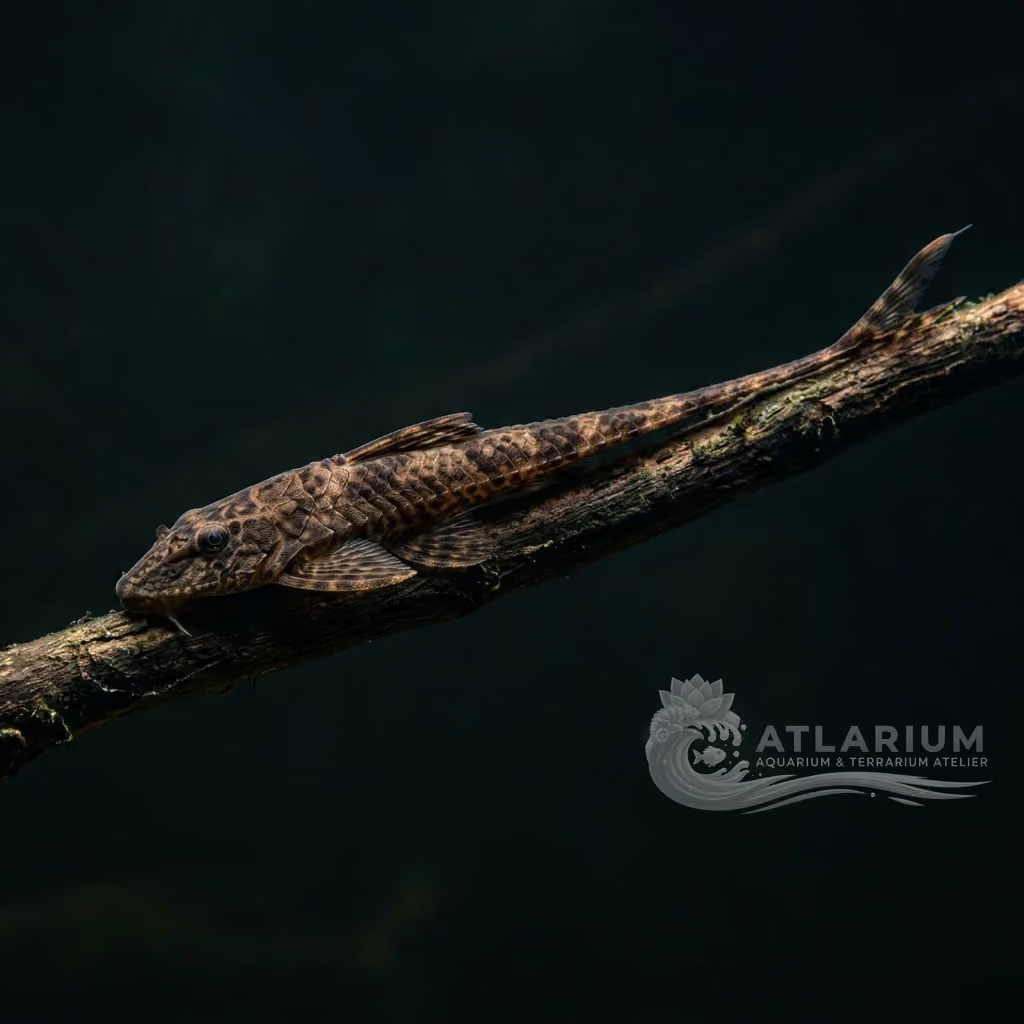
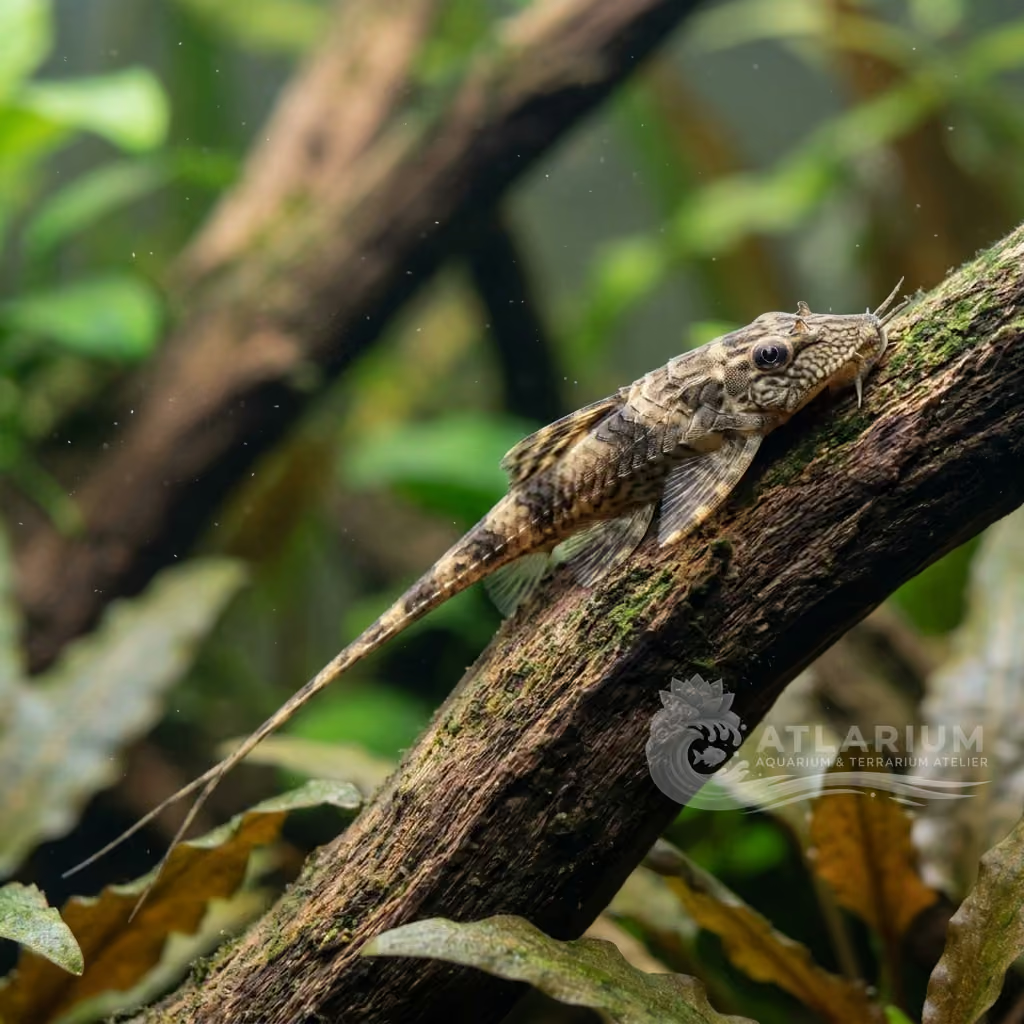
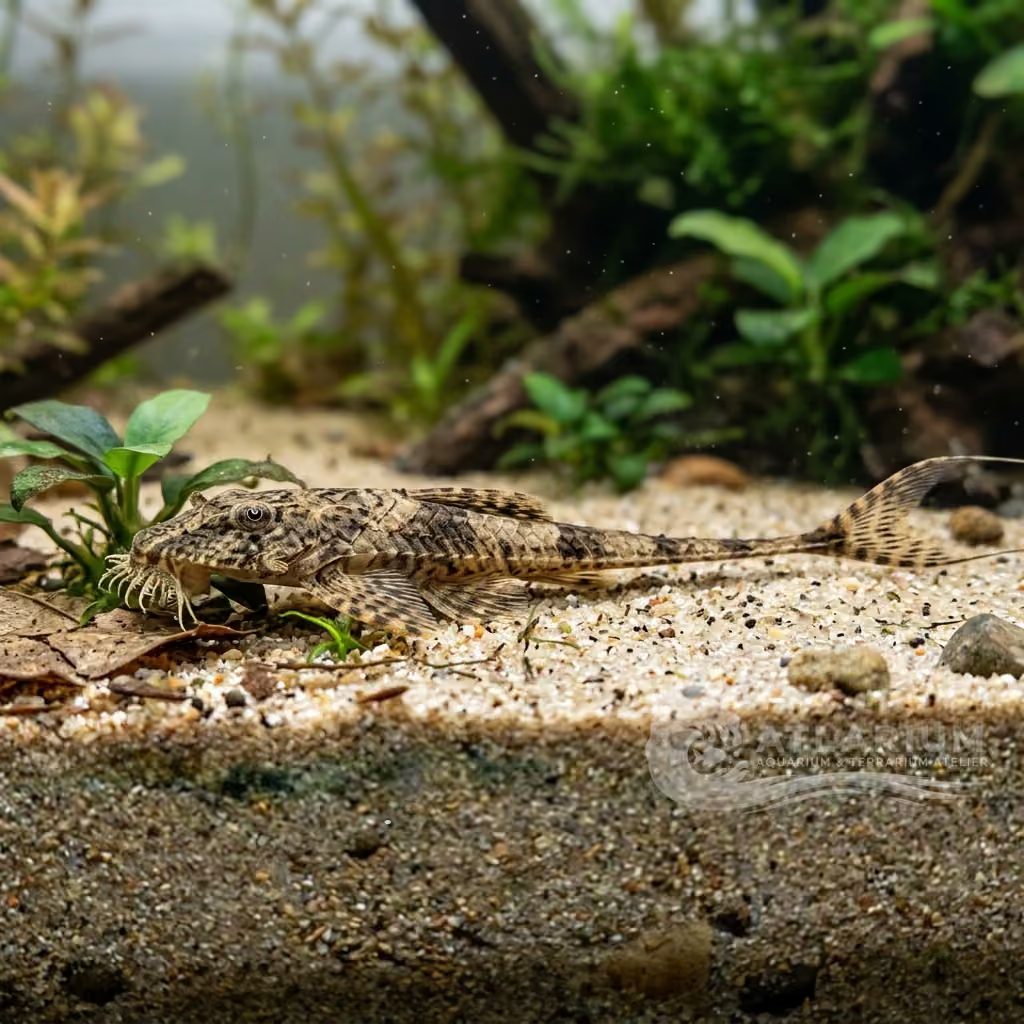
Peculiar South American species, the epithet 'macromystax' (big whiskers) refers to the very long maxillary barbels used to feel the sandy bottom in search of food.
Water Temperature
22 - 26 °C
pH Value
6 - 7.5
Water type
Freshwater
Tank level
Bottom
Adult size
14 cm
Minimum tank volume
>= 150 L
Minimum group
>= 1
GH
2 - 12 dGH
KH
2 - 10 dKH
TDS
50 - 280 ppm
Conductivity
78 - 438 uS/cm

Species description
Geographical Origin and Habitat: Extremely rare: endemic to the upper Rio Huallaga, Pastaza, and Ucayali basins in Peru and Ecuador. Populates rivers with moderate or rapid flow, hiding beneath dense piles of foliage and twigs in sandy beds.
Taxonomy and Morphology: Monotypic and mysterious (Rhadinoloricaria macromystax). Ultra-compressed profile typical of the "whip" Loricariids (Whiptail). The suffix "macromystax" reveals its ace: enormous and very long maxillary barbels used as extreme tactile sensors.
Social Behavior: Cryptic, elusive, and very shy. Moves slowly or in short spurts on the bottom. Prefers to remain invisible covered by debris, but never digs in the gravel. Highly peaceful even among conspecifics.
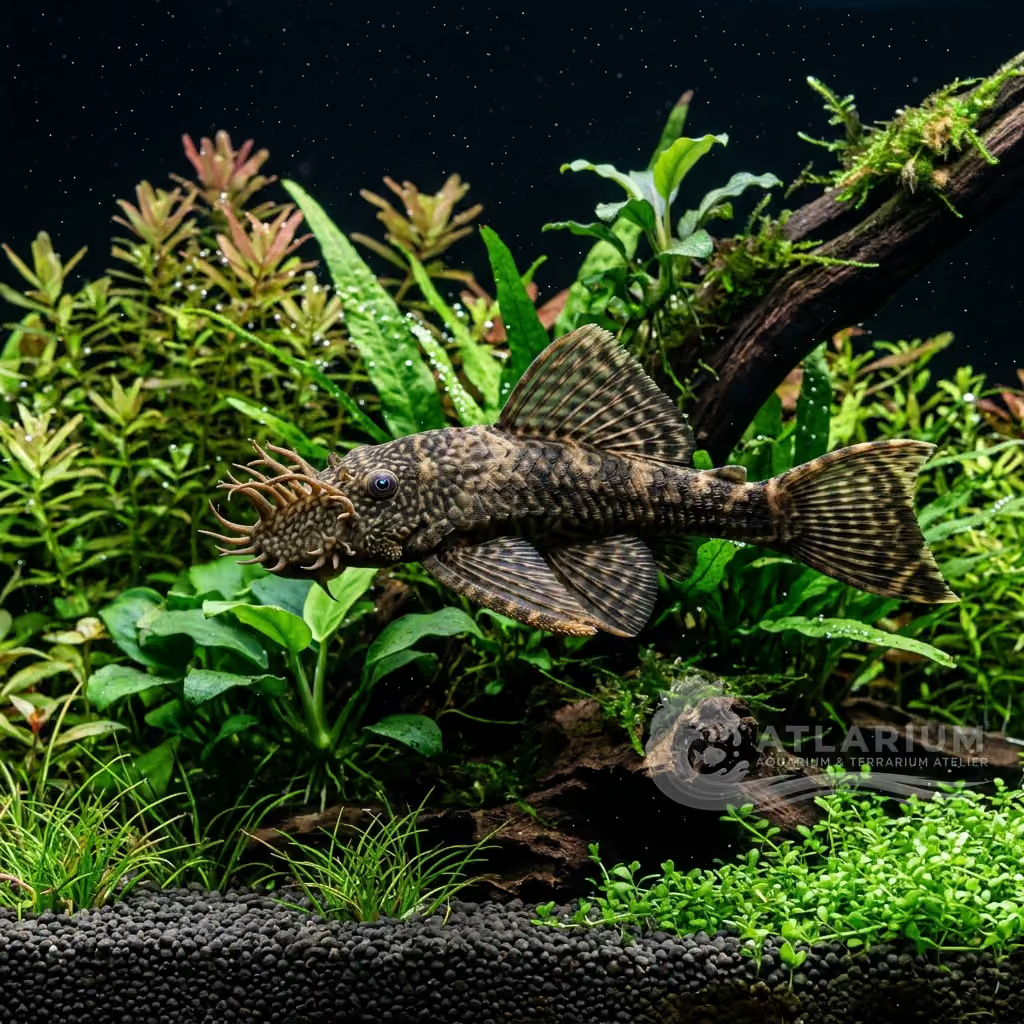
Coloration and Sexual Dimorphism: Beige and dusty brown marbled body, artfully shaped to blend with piles of dead leaves. The iris often has a small flap (ocular operculum). Males slightly more massive in the cephalic area and provided with a modified lip.

Care, breeding and tankmates
Aquarium Setup: Essential a setup of leaves (Catappa/Oak) scattered throughout the base area of the tank (minimum 100 cm / 40 inches). Soft river sand at the bottom, twisted roots, and a good sliding movement (directional powerhead).
Diet and Feeding: Insectivorous scavenger. The barbels serve to rummage through the debris in search of microfauna. Strictly provide worms, daphnia, live or frozen Cyclops, and sinking tablets with a high carnivorous/protein percentage. Does not touch algae and wood.
Water Quality: Prefers temperate Andean currents (22-26°C / 72-79°F), hyper-oxygenated but at the same time rich in forest tannins (light blackwater). Poorly tolerates prolonged heat or organic accumulation.
Compatibility and Cohabitation: Cannot and does not know how to fight. NEVER associate it with quarrelsome plecos (e.g. Peckoltia or Panaqolus) and no fast cleaner that would steal its food before it can even smell it. Ideally kept with peaceful Nannostomus or small pelagic Tetras.
Aquarium Breeding: Almost non-existent or irrelevant in hobbyist literature. It is presumed to also be a "lip-brooder" similar to the congeners Planiloricaria or Pseudohemiodon.
Risks and Diseases: Lethal problems include malnutrition in competitive tanks and progressive necrosis of the majestic barbels if the leaves rot and bacteria infect the sandy granules due to lack of maintenance.

Geographic origin and distribution
Extremely rare: endemic to the upper Rio Huallaga, Pastaza, and Ucayali basins in Peru and Ecuador. Populates rivers with moderate or rapid flow, hiding beneath dense piles of foliage and twigs in sandy beds.
Origin
Tropical oceans and reefsAmazon, Orinoco, and GuianasEast Asia

Fish profile
- Temperament
- Semi-aggressive
- They are incredibly docile, shy, and inactive during the day. They rely on their cryptic camouflage to blend in with the sand and leaf litter. They require a peaceful environment to feel secure and eventually venture out.
- Diet
- Omnivore
- They are primarily omnivorous scavengers with a preference for meaty foods. Their diet should consist of high-quality sinking wafers, bloodworms, and tubifex. They are not effective algae eaters unlike many other loricariids.
- Life expectancy
- 5-8 years
- Adult size
- 14 cm
- Sex ratio
- Solitary
- They can be kept singly or in small groups without issue. Males generally develop more pronounced 'whiskers' or odontodes on their cheeks. Intraspecies aggression is very rare, making them safe to keep together.
- Feeding frequency
- Twice daily
- Feed them once or twice daily, ideally just before the aquarium lights turn off. They are largely nocturnal and prefer to forage in the dark. Ensure food reaches the bottom where they can slowly graze over it.
- Bioload
- Medium
- This unusual loricariid produces a moderate bioload consistent with its size. They are sensitive to high nitrates, necessitating regular maintenance. Adequate filtration is vital to process their waste without creating excessive turbulence.
- Flow
- Stagnant
- They prefer moderate water flow with excellent oxygenation. They inhabit sandy margins of rivers where the current is steady but not overwhelming. A standard canister filter provides the ideal balance of filtration and flow.
- Jump risk
- No
- Reproduction
- Oviparous
- Breeding is rare in captivity but involves the male brooding eggs on his lower lip (lip-brooding). They require pristine water conditions and a sandy substrate for successful reproduction. Raising the fry is challenging and requires highly specialized micro-foods.
- Compatibility & tankmates
- Peaceful
- They are highly peaceful and somewhat easily outcompeted for food. Excellent tank mates include small tetras, hatchetfish, and peaceful Corydoras. Avoid housing them with aggressive or fast-eating bottom dwellers that will steal their meals.
- Tank level
- Bottom
- They are obligate bottom-dwellers that spend their time resting on the substrate. A fine sand substrate is crucial for them to comfortably burrow and forage. They will only swim up to the surface if completely deprived of oxygen.

Scientific Parameters & Models
FishBase
Window to the official scientific data of the species
FishBase v25.04Data synced on: 06/15/2026
- Trophic level
- 2.5 ± 0.2 se
- Resilience
- Medium (1.4 - 4.4 years)
- Phylogenetic uniqueness (PD50)
- 0.502
- Bayesian Length-Weight
- a = 0.00398, b = 3.11
- VulnerabilityLow vulnerability (10 / 100)

Related species
Recommendations grouped by close relatives, companion choices, and similar care.