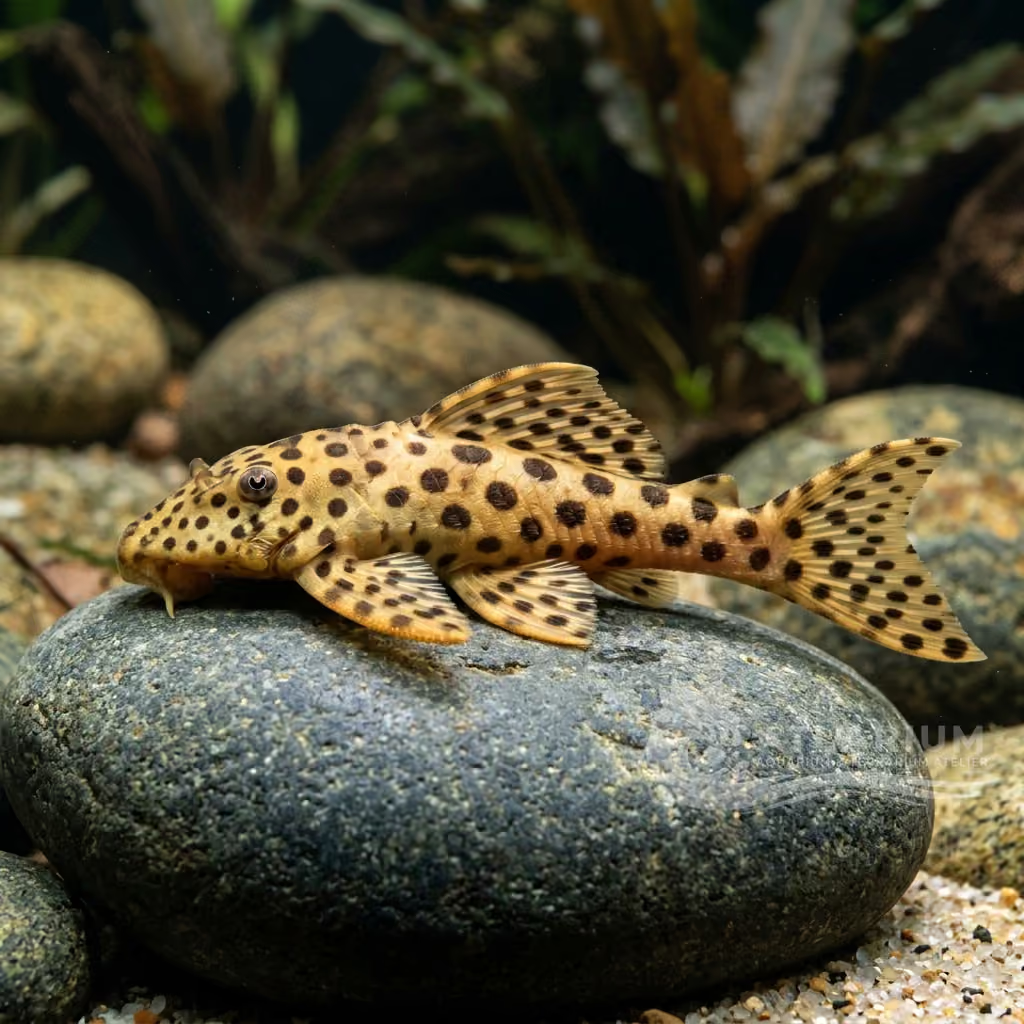
Hoppe's otocinclus
Otocinclus hoppei
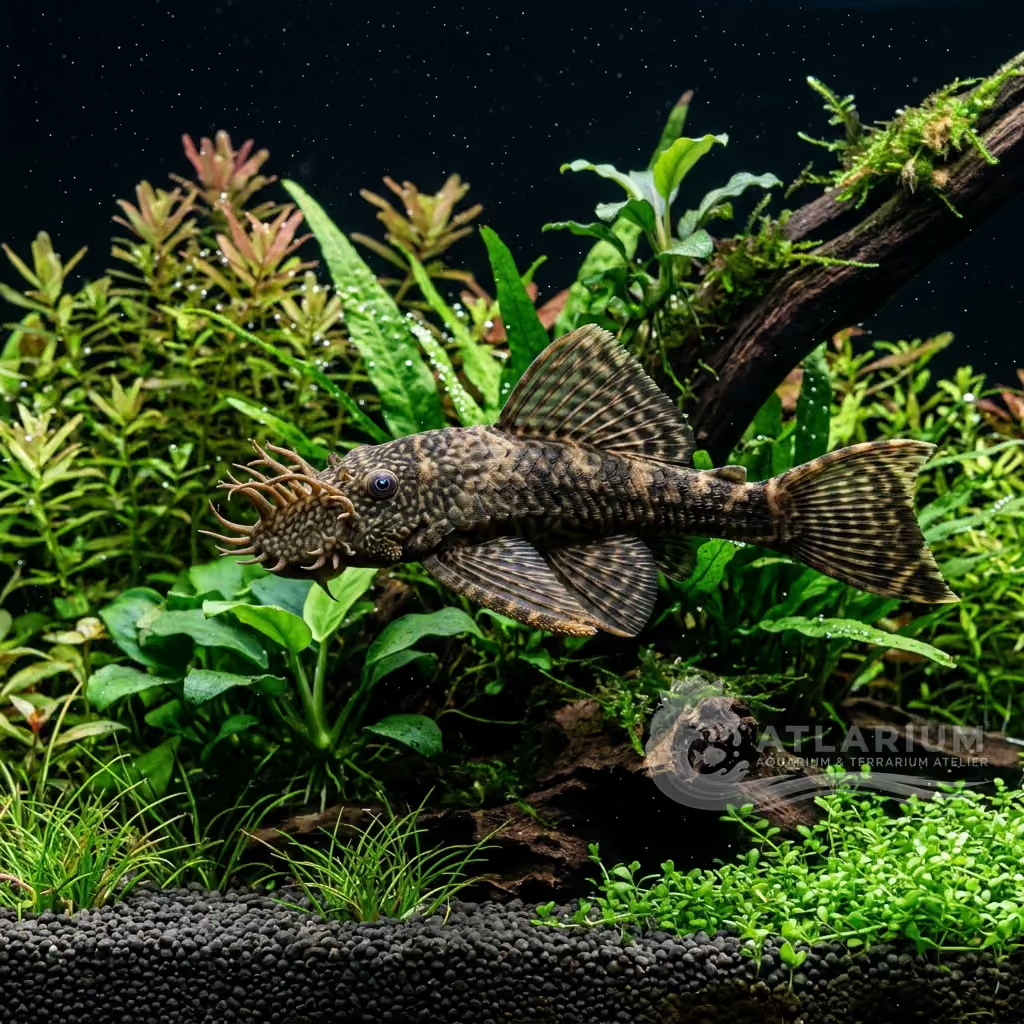
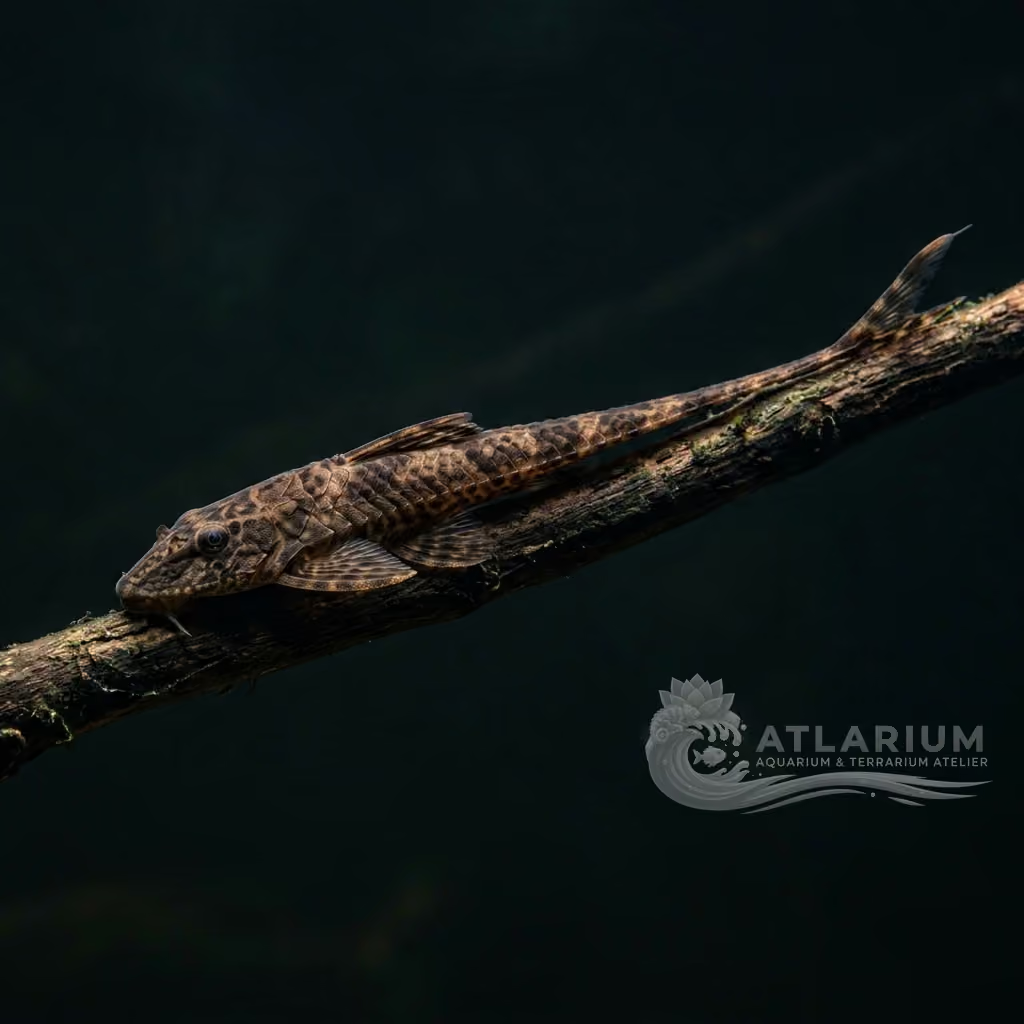
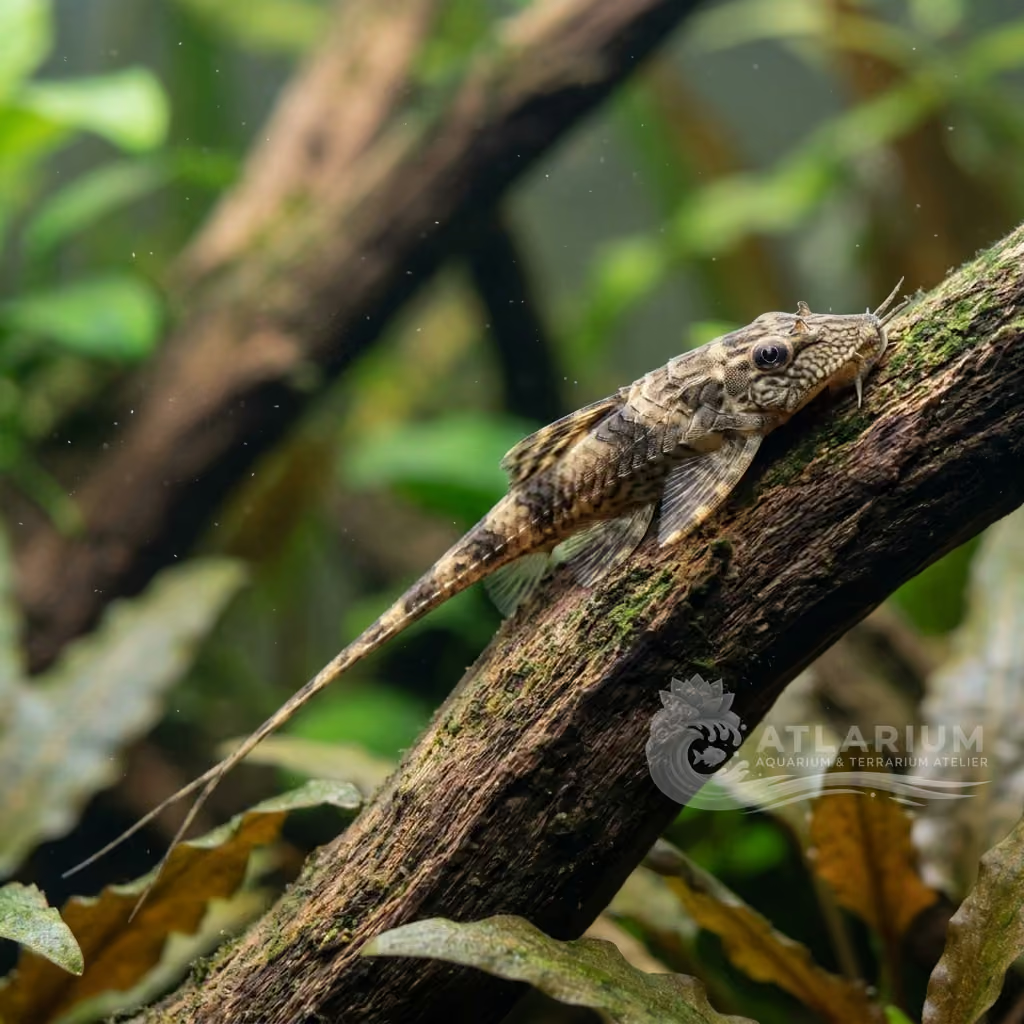
A small loricariid catfish from Brazil (Tocantins, Madeira and Paraguay basins): streamlined body of just 3 cm with a sucker mouth for clinging to surfaces and scraping algae and biofilm. Like cousin O. cocama, it is a tireless, peaceful algae grazer that represents the perfect cleaning crew for planted aquariums. Must be kept in groups of at least 6 in mature tanks with established algae. Often arrives malnourished: supplement with zucchini and wafers. Copper and water quality sensitive.
21 - 26 °C
6 - 7.5
Freshwater
Bottom and middle
4 cm
>= 40 L
>= 6
2 - 15 dGH
0 - 12 dKH
30 - 345 ppm
47 - 539 uS/cm

Species description

Care, breeding and tankmates

Geographic origin and distribution
Origin

Fish profile
- Temperament
- Peaceful
- They are extremely shy, peaceful, and easily startled. Providing dense planting and driftwood gives them needed security. They will hide immediately if they feel threatened.
- Diet
- Herbivore
- They are obligate herbivores that graze continuously. Natural biofilm and soft green algae are absolutely essential. Zucchini and sinking algae wafers make excellent supplemental foods.
- Life expectancy
- 3-5 years
- Adult size
- 4 cm
- Sex ratio
- School
- Sex ratios are generally unimportant for this schooling fish. They should always be kept in groups of six or more. Larger groups help them feel significantly more confident.
- Feeding frequency
- Continuous
- They need constant access to algae-covered surfaces. Grazing is a full-time activity for this species. Offer fresh vegetables at least twice a week.
- Bioload
- Low
- This small catfish contributes a very minimal bioload. They produce barely any noticeable biological waste. Standard filtration is more than sufficient for their needs.
- Flow
- Strong
- They enjoy moderate to moderately strong water currents. High levels of dissolved oxygen are crucial for their survival. A well-placed filter outlet simulates their natural river habitats.
- Jump risk
- No
- Reproduction
- Oviparous
- Captive breeding is extremely uncommon and difficult. It usually requires specialized setups with dense vegetation. The female deposits adhesive eggs on flat plant leaves.
- Compatibility & tankmates
- Community
- They are completely peaceful toward all other tank inhabitants. They do best in serene community tanks with tiny fish. Cichlids and other large predators must be completely avoided.
- Tank level
- Middle/Bottom
- They dwell primarily in the lower to middle zones. They love resting on broad-leaved aquatic plants. You will frequently see them grazing on the aquarium glass.

Scientific Parameters & Models
Window to the official scientific data of the species
- Phylogenetic uniqueness (PD50)
- 0.5
- Bayesian Length-Weight
- a = 0.00977, b = 3.06
- VulnerabilityLow vulnerability (10 / 100)

Image gallery
Licensed images linked to the species or, when marked, to the closest representative taxon.

Related species
Recommendations grouped by close relatives, companion choices, and similar care.