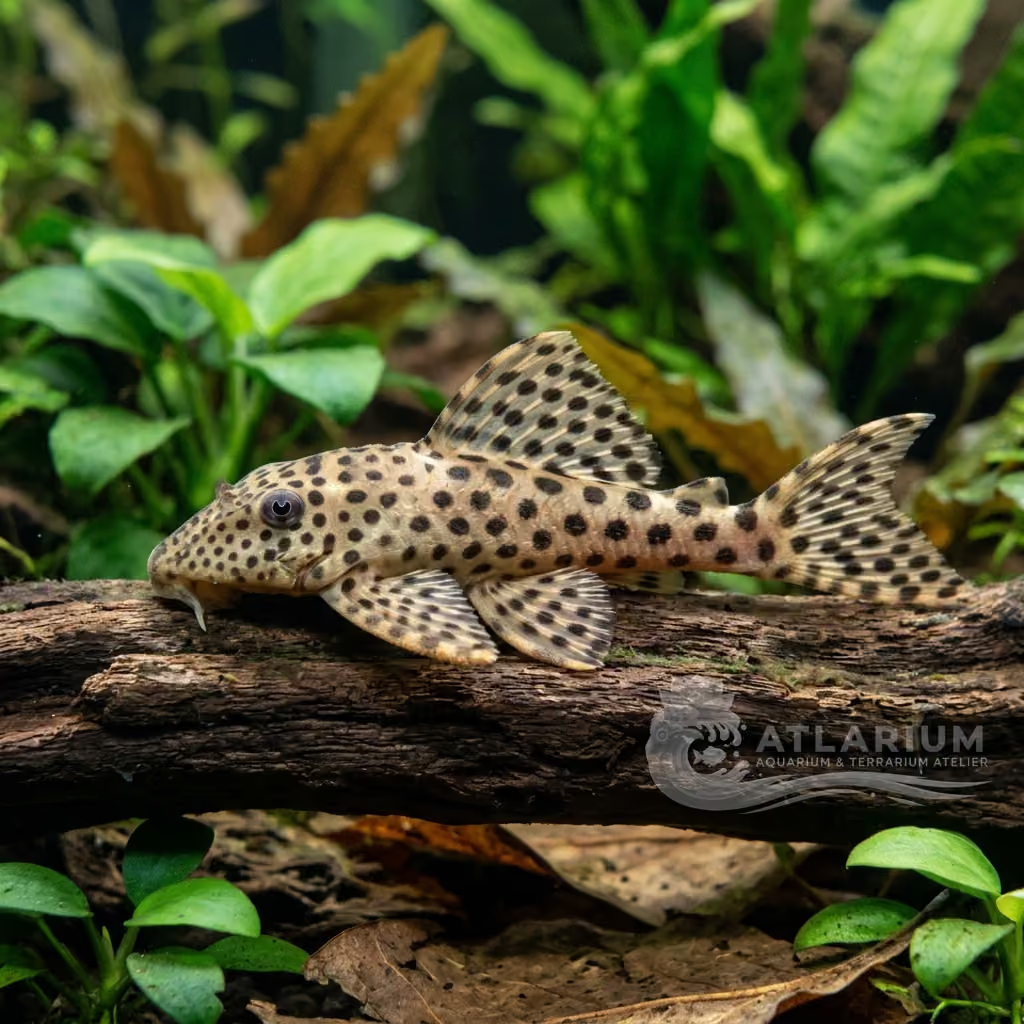
Marañón Whiptail
Spatuloricaria puganensis
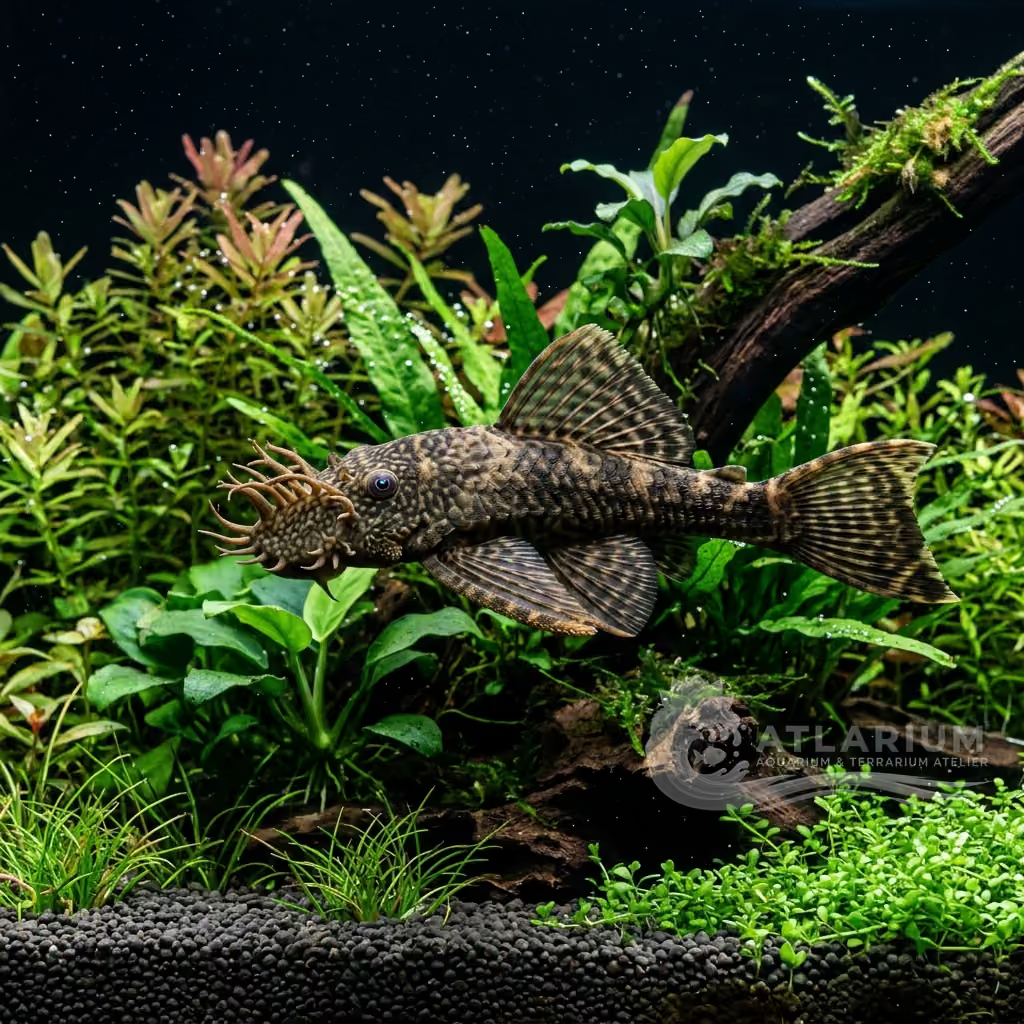
Large Peruvian Loricariinae, frequents high current areas. Impressive armored shape and powerful caudal muscles, which it uses like a whip if annoyed.
Water Temperature
22 - 26 °C
pH Value
6 - 7.5
Water type
Freshwater
Tank level
Bottom
Adult size
25 cm
Minimum tank volume
>= 250 L
Minimum group
>= 1
GH
2 - 15 dGH
KH
2 - 10 dKH
TDS
50 - 325 ppm
Conductivity
78 - 508 uS/cm

Species description
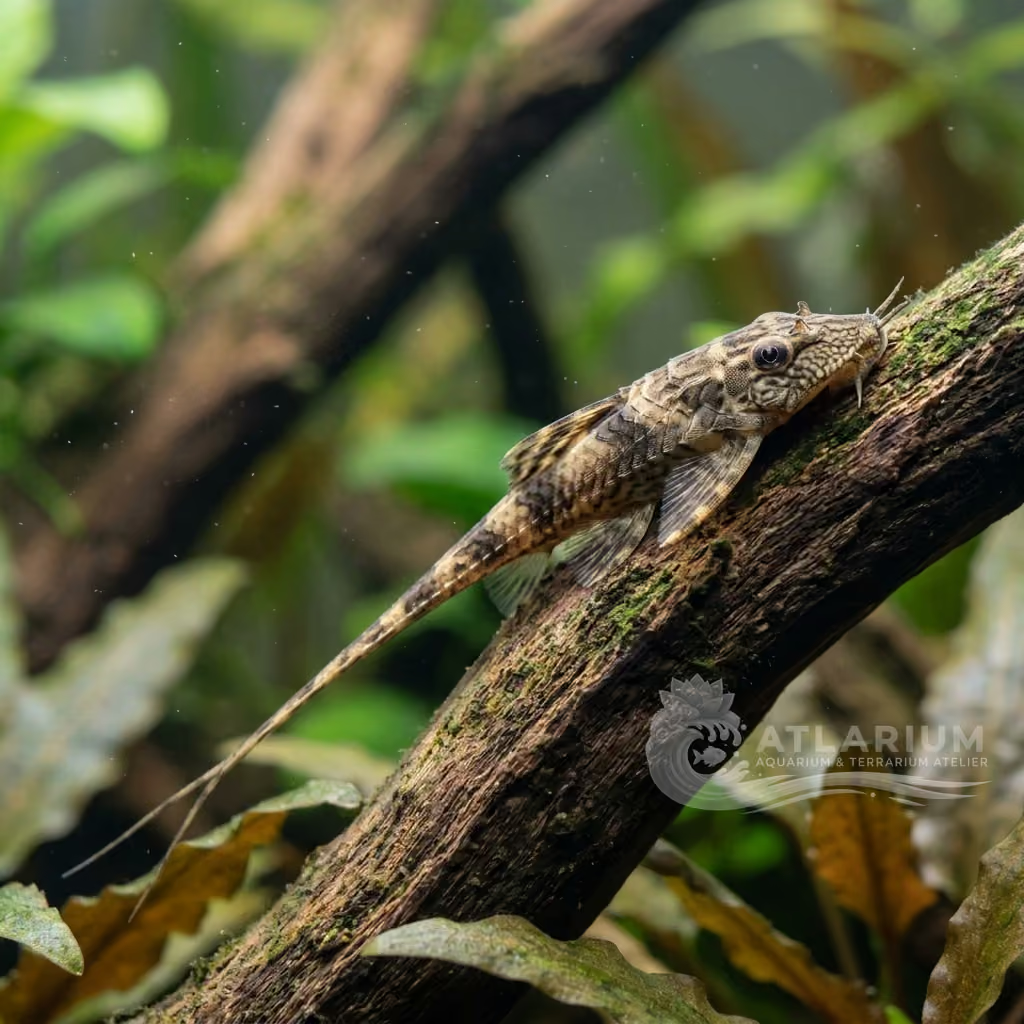
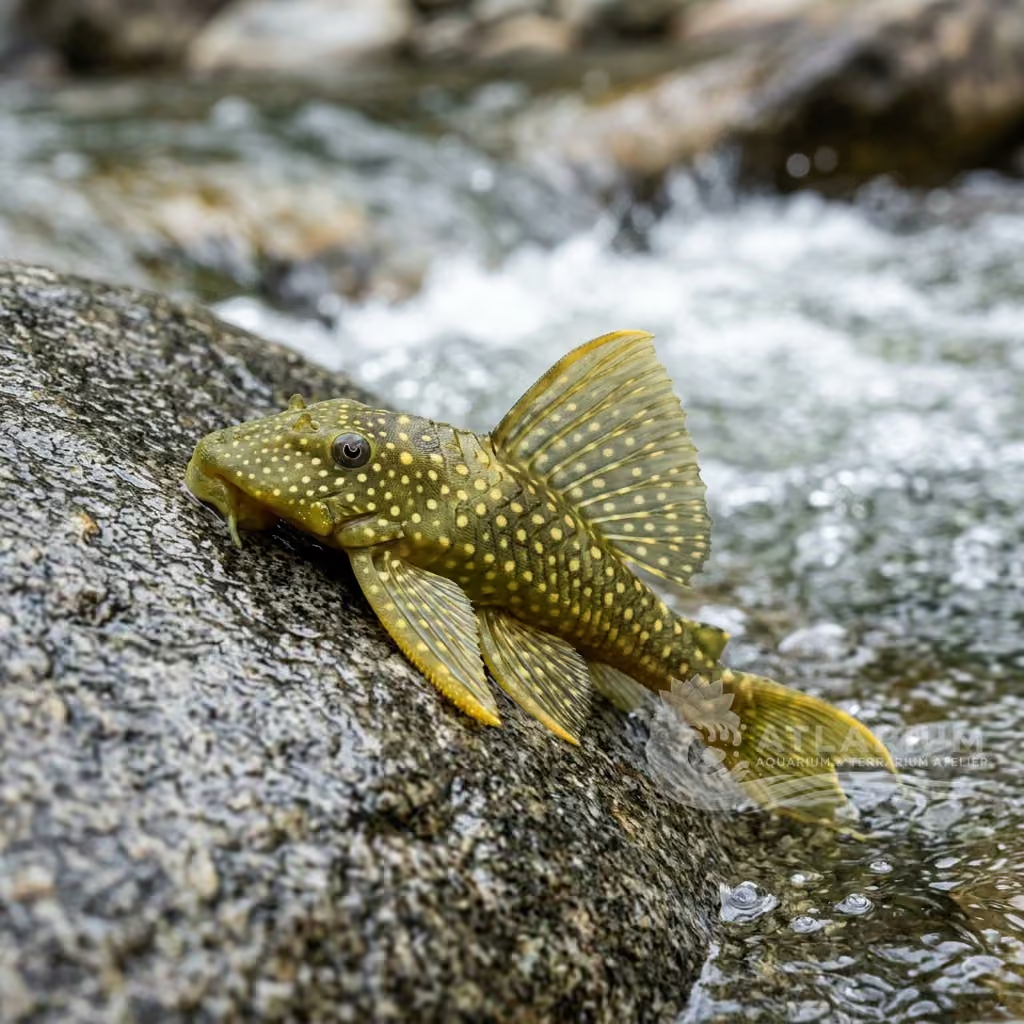
Geographical Origin and Habitat: Rio Marañón basin in the Upper Amazon River (Peru, Pugán Province). Lives in mountain and pre-Andean watercourses, hiding among gravel formations and fallen branches in a highly flowing riverbed.
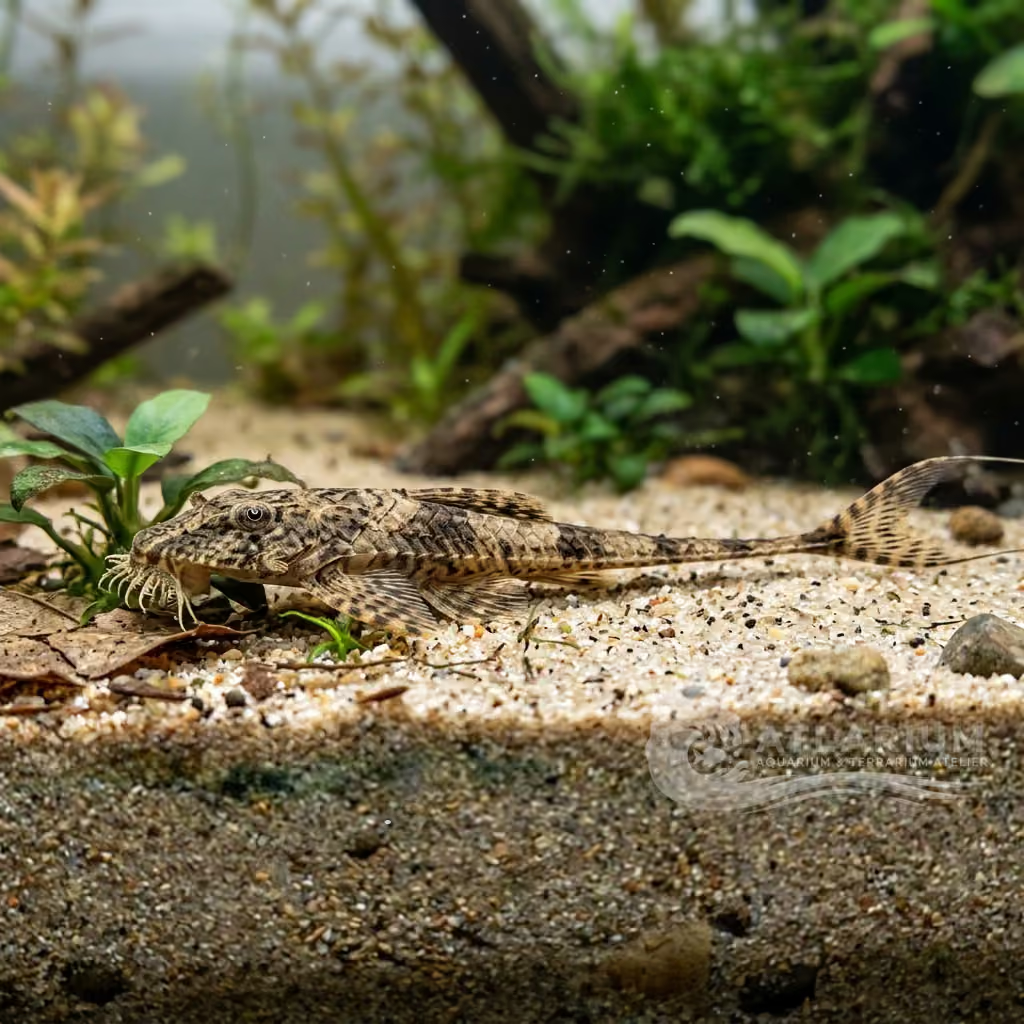
Taxonomy and Morphology: Spatuloricaria puganensis. Also called "Giant Whiptail". Same enormous mouth typical of the genus, useful for sweeping the ground, combined with an extraordinarily aerodynamic profile to cut through strong water flows.
Social Behavior: Very quiet, moves clumsily with short bursts to reposition itself. Appreciates the company of its conspecifics, gathering under the coolest currents provided by the filter outlet.
Coloration and Sexual Dimorphism: Sand / amber tones with gray nuances. Males undergoing sexual maturation undergo an incredible transformation: they develop a real "beard" of thick spines on the sides of the head, absent in females.

Care, breeding and tankmates
Aquarium Setup: 120-150 cm (48-60 inches) long-oriented aquarium. Needs large portions of sanded bottom or rounded river cobblestones to camouflage in. No need for cramped caves, but rather wide refuges formed by sloping wood.
Diet and Feeding: More inclined to carnivorism than a plant diet. Nocturnal hunter of earthworms, bloodworms, and small benthic crustaceans. Absolutely provide rapid-sinking tablets rich in astaxanthin or fish.
Water Quality: Requires clean and slightly cool water parameters for Amazonian standards (do not exceed 26°C / 79°F). The oxygenation rate and a generous water turnover are the pillars of its survival.
Compatibility and Cohabitation: Spatuloricaria is completely peaceful towards mid-tank fish (e.g. Moenkhausia, Columbian Tetras). If kept with large dominant Loricariids (Plecostomus), it will be irremediably confined to blind corners until it wastes away.
Aquarium Breeding: The male guards the ovarian plaque by resting on it, constantly fanning the large huevos (eggs). As soon as they hatch, the microscopic "whiptail fish" disperse, immediately requiring cultures of microworms or nauplii.
Risks and Diseases: Barbels and filamentous fins are easily amputated if the fish tries to escape by getting stuck in porous and abrasive rocks (e.g. Lava rock, strictly forbidden).

Geographic origin and distribution
Rio Marañón basin in the Upper Amazon River (Peru, Pugán Province). Lives in mountain and pre-Andean watercourses, hiding among gravel formations and fallen branches in a highly flowing riverbed.
Origin
Amazon, Orinoco, and Guianas

Fish profile
- Temperament
- Semi-aggressive
- Behaviorally, the Pugan Whiptail Catfish is characterized as being peaceful. They exhibit fascinating social dynamics that can be a true joy to observe in a well-planned display. While generally agreeable, unexpected aggression can sometimes occur if their fundamental environmental needs are not met. Providing adequate hiding spots and sufficient swimming space will go a long way in ensuring their temperament remains calm and manageable.
- Diet
- Carnivore
- Feeding the Pugan Whiptail Catfish properly requires acknowledging its natural role as a benthic omnivore. A staple diet of premium flakes or pellets should be supplemented with nutrient-rich treats to replicate natural foraging. It is advisable to soak dry foods beforehand to prevent digestive issues and swim bladder complications. Consistently offering a diverse menu will significantly boost their immune system and overall vitality.
- Life expectancy
- 5-10 years
- Adult size
- 25 cm
- Sex ratio
- Specific M:F ratio
- To prevent undue stress, it is recommended to keep the Pugan Whiptail Catfish in a carefully managed sex ratio. Providing more females than males reduces the constant harassment that a single female might endure. If keeping multiple males, the aquarium must be sufficiently large to allow for the establishment of distinct territories. Careful observation during the first few weeks will dictate if any aggressive individuals need to be rehomed.
- Feeding frequency
- Twice daily
- Establishing a consistent feeding routine is important, with 1-2 small meals per day being ideal for the Pugan Whiptail Catfish. Aquarists should carefully monitor the fish during feeding time to ensure every individual gets its share. Any uneaten food should be promptly removed with a net or siphon to preserve the pristine aquatic environment. During periods of breeding or elevated temperatures, the feeding frequency may be slightly increased.
- Bioload
- Medium
- The Pugan Whiptail Catfish (Spatuloricaria puganensis) produces a low to moderate bioload in the home aquarium. Proper filtration is an absolute necessity to handle the waste output generated by this species. Enthusiasts should be prepared to maintain a strict water change regimen to keep parameters stable. Monitoring the biological capacity of the tank will ultimately prevent unwanted algae spikes and water quality deterioration.
- Flow
- Stagnant
- Providing a moderate to strong current is highly recommended for the overall well-being of the Pugan Whiptail Catfish. Adequate water circulation not only mimics their natural ecosystem but also ensures high dissolved oxygen levels throughout the aquarium. Hobbyists should avoid creating localized dead spots where debris might accumulate. Adjusting the filtration output angle can help achieve the perfect balance between steady circulation and calm resting areas.
- Jump risk
- Yes
- Due to its energetic nature, the Pugan Whiptail Catfish carries a low probability of jumping out of an open-top aquarium. It is highly advised to secure the perimeter of the tank with a glass canopy or custom netting. Instances of leaping often happen at night or during sudden lighting changes, making a gentle sunrise/sunset lighting schedule beneficial. Maintaining exceptional water quality further discourages attempts to escape the enclosure.
- Reproduction
- Oviparous
- The reproductive strategy of the Pugan Whiptail Catfish involves being a cave spawner. Breeding this species in captivity can be a rewarding challenge that requires dedicated conditioning of the broodstock. Specific triggers such as changes in temperature, diet, or water chemistry are often necessary to induce spawning. Once breeding occurs, specialized care for the fry, including appropriately sized live foods, is critical for their survival and development.
- Compatibility & tankmates
- Community
- When considering tankmates, the Pugan Whiptail Catfish is generally considered good with small peaceful community fish. It is important to avoid housing them with overly aggressive or large predatory fish that could bully them or outcompete them for food. Careful observation during the initial introduction period is highly recommended to ensure harmony within the community. Selecting species that occupy different levels of the water column can further reduce territorial disputes.
- Tank level
- Bottom
- The Pugan Whiptail Catfish naturally gravitates towards the bottom section of the water column. Decorating this specific zone with appropriate hardscape, such as driftwood branches or rocky caves, encourages them to display their natural behaviors. It is important to ensure that water flow and lighting are optimized for this specific depth. Layering the tank inhabitants thoughtfully creates a visually dynamic and biologically sound ecosystem.

Scientific Parameters & Models
FishBase
Window to the official scientific data of the species
Data synced on: 06/15/2026
- Trophic level
- 2.2 ± 0.2 se
- Resilience
- Very low (more than 14 years)
- Phylogenetic uniqueness (PD50)
- 0.5001
- Bayesian Length-Weight
- a = 0.00398, b = 3.11
- VulnerabilityModerate to high vulnerability (51 / 100)

Related species
Recommendations grouped by close relatives, companion choices, and similar care.