

Encyclopaedia
Twig Catfish (Farlowella)
Farlowella acus
The Twig Catfish (*Farlowella acus*) is a living masterpiece of evolutionary mimicry. Belonging to the loricariid family (the 'sucker' fish), it has an exaggeratedly thin, thread-like and rigid body, extended by a very long rostrum on the snout, which makes it look exactly like a twig or a small wooden stick dropped in the water. This very particular species (which reaches 15-20 cm / 6-8 inches) spends its entire existence motionless clinging vertically or diagonally to submerged wood or the stems of tall marsh plants, blending perfectly with the environment. In addition to its bizarre appearance, it is a fish of extreme and notorious fragility in captivity, destined solely for dedicated fishkeepers and specialized tanks.
Share
Check out Twig Catfish (Farlowella) on Atlarium
24 - 26 °C
6 - 7
Freshwater
Bottom and middle
20 cm
>= 120 L
>= 2
2 - 10 dGH
1 - 5 dKH
40 - 200 ppm
63 - 313 uS/cm
Species description
Care, breeding and tankmates
Geographic Origin and Distribution
Origin
Fish profile
- Temperament
- Peaceful
- Diet
- Herbivore
- Sex ratio
- Group
- Feeding frequency
- Continuous
- Bioload
- Low
- Flow
- Strong
- Jump risk
- No
- Reproduction
- Egg scatterer
- Compatibility & tankmates
- Verify
- Tank level
- Middle/Bottom
Window to the official scientific data of the species
Scientific Parameters & Models
- Trophic level
- 2.5 ± 0.2 se
- Resilience
- Low (4.5 - 14 years)
- Phylogenetic uniqueness (PD50)
- 0.5
- Bayesian Length-Weight
- a = 0.00398, b = 3.11
Image gallery
Licensed images linked to the species or, when marked, to the closest representative taxon.
Related species
Recommendations grouped by close relatives, companion choices, and similar care.
Variants and close relatives
Same atlas type, nearby scientific identity, genus, or family.
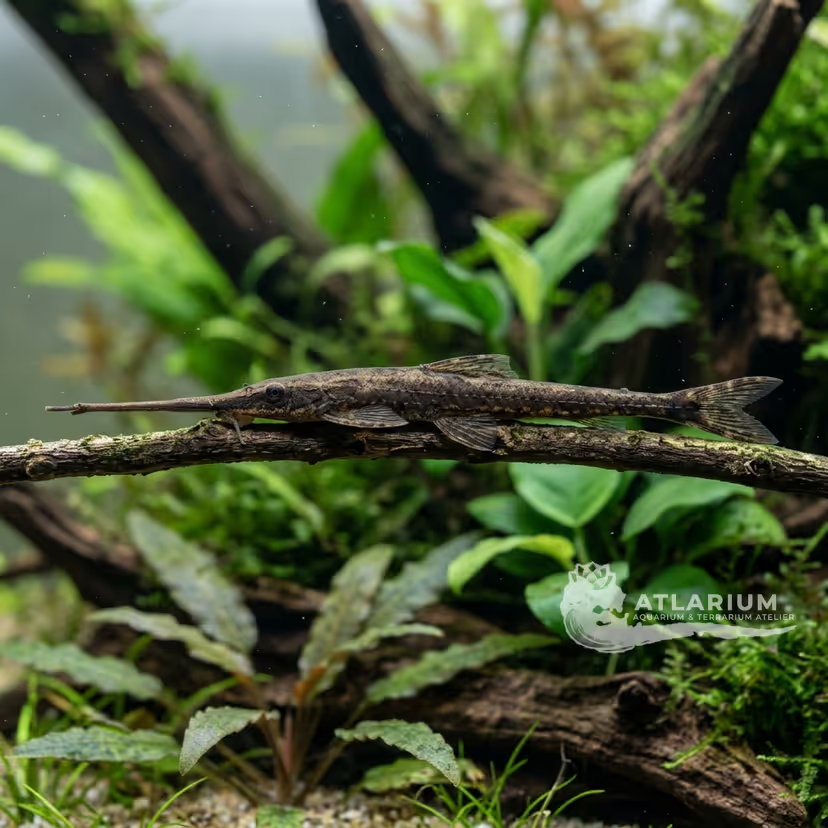
Orinoco Twig Catfish
Farlowella mariaelenae

Twig Catfish
Farlowella vittata

Lamontichthys
Lamontichthys filamentosus

Butterfly Pleco
Dekeyseria picta

Giant-eye Otocinclus
Hypoptopoma gulare

Contradens Pleco
Hypancistrus contradens

Marble Whiptail
Loricaria simillima

Pitbull pleco
Parotocinclus jumbo

Royal Pleco (L190)
Panaque nigrolineatus

Vampire Pleco (L029)
Leporacanthicus galaxias

Zebra Pleco (L046)
Hypancistrus zebra

Leopard Frog Pleco (L134)
Peckoltia compta

Red Lizard Catfish (L010a)
Leliella sp.

Gold Marble Bristlenose (LDA08)
Ancistrus claro

Candy Stripe Pleco (L015)
Peckoltia vittata
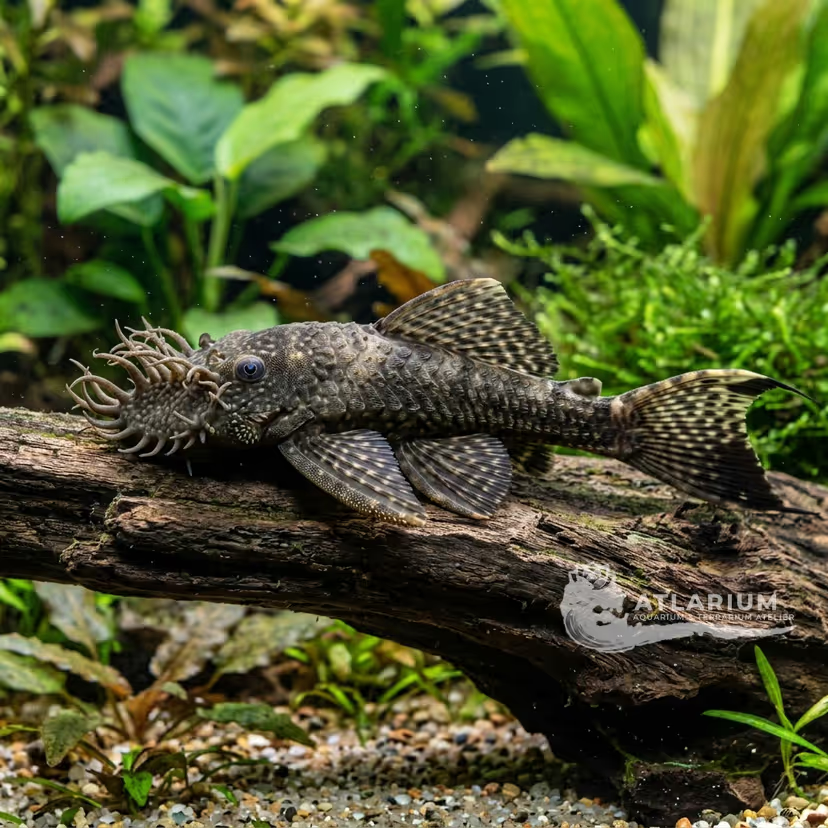
Tentacle Lasiancistrus
Lasiancistrus tentaculatus
Recommended companions
Compatible cards from coherent ecosystems with matching parameters.

Alternanthera reineckii "rosaefolia minor"
Alternanthera reineckii "rosaefolia minor"

Ammannia mauritiana
Ammannia mauritiana

Blyxa alternifolia
Blyxa alternifolia

Blyxa cf. vietii
Blyxa cf. vietii

Ammannia sp. 'Bonsai'
Ammannia sp. 'Bonsai'

Julii Corydoras / Leopard Cory
Corydoras julii
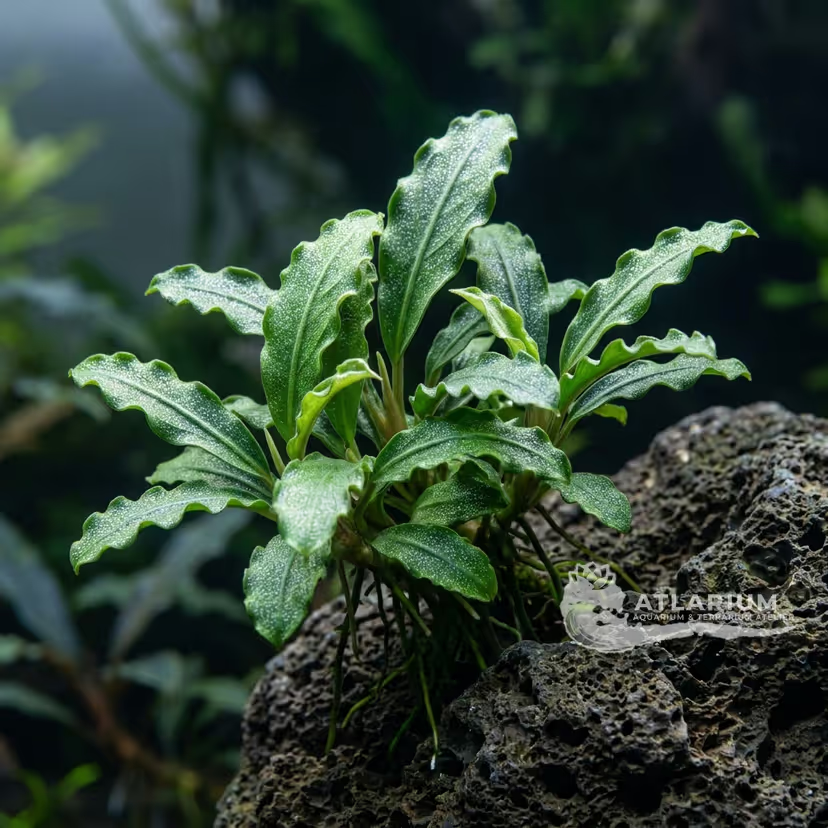
Bucephalandra pygmaea "Bukit Kelam / Sintang"
Bucephalandra pygmaea "Bukit Kelam / Sintang"
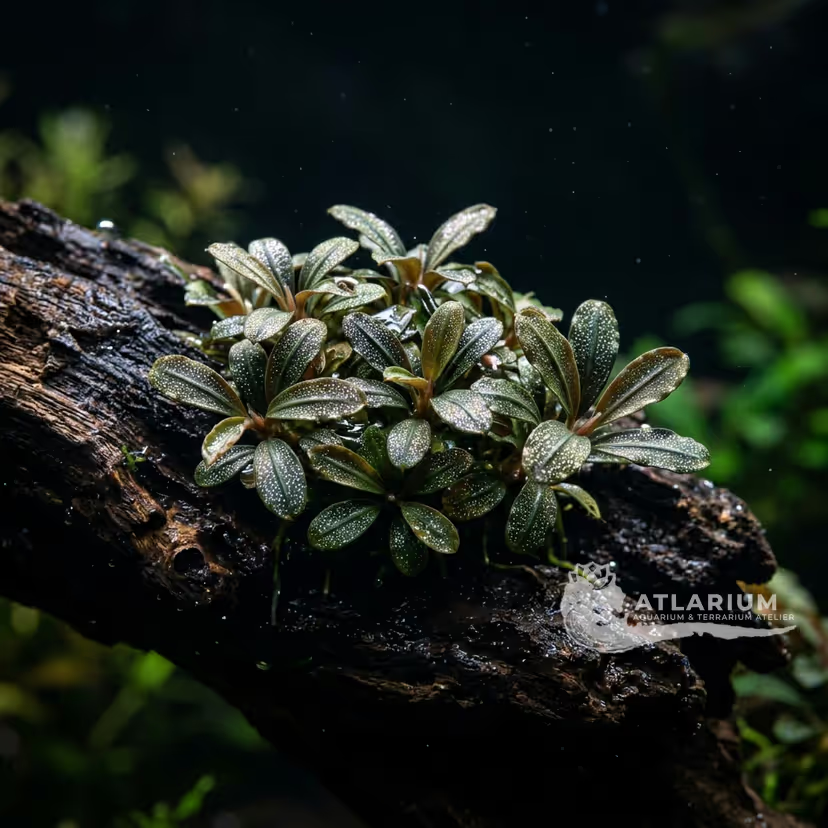
Bucephalandra pygmaea "Kapit"
Bucephalandra pygmaea "Kapit"
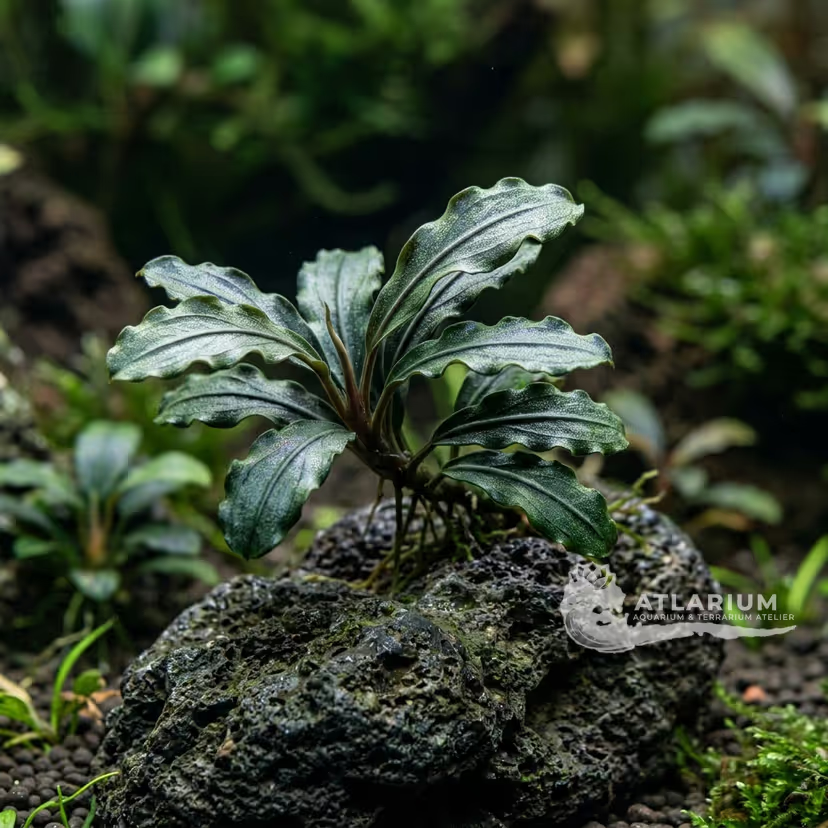
Bucephalandra sordidula
Bucephalandra sordidula
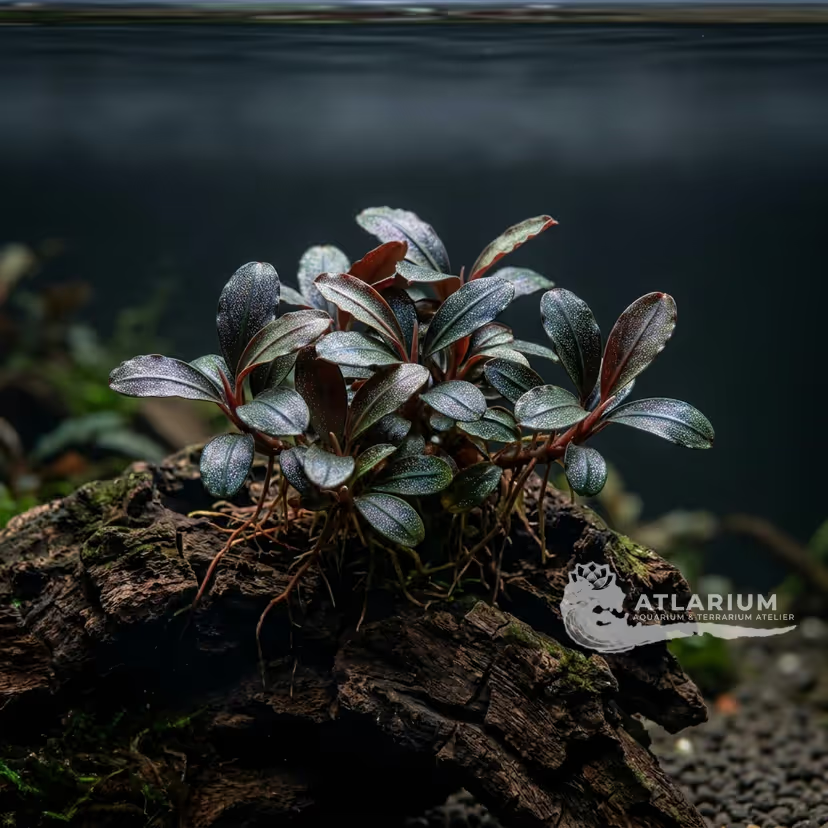
Bucephalandra sp. "Bodok"
Bucephalandra sp. "Bodok"

Bucephalandra sp. "Braun-rot narrow"
Bucephalandra sp. "Braun-rot narrow"
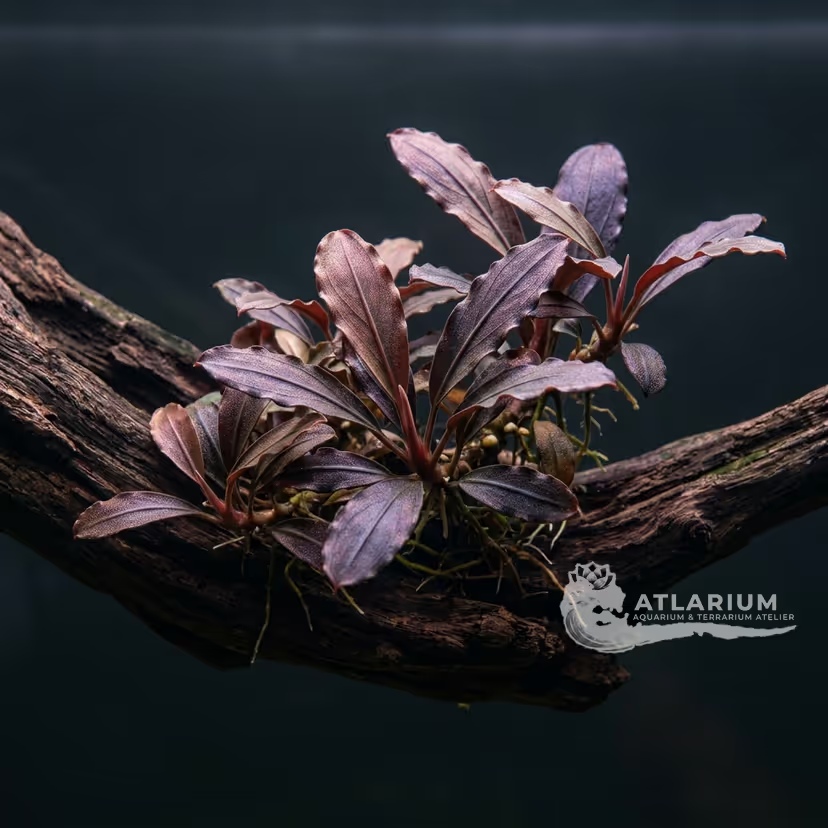
Bucephalandra sp. "Braun-rot" ("Serimbu")
Bucephalandra sp. "Braun-rot"
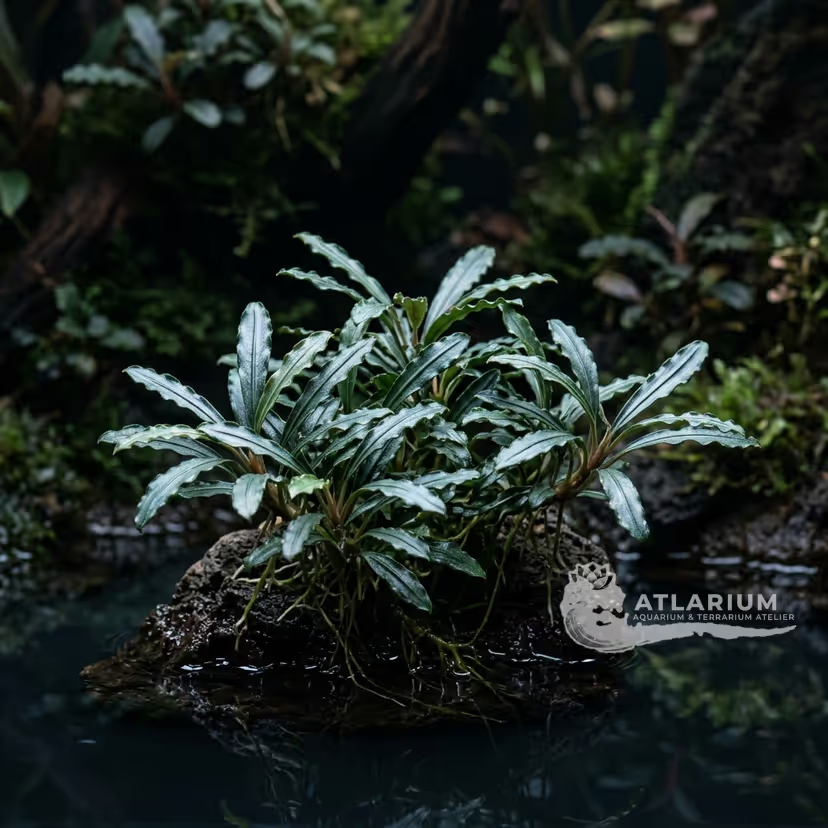
Bucephalandra sp. "Gunung Sumpit"
Bucephalandra sp. "Gunung Sumpit"
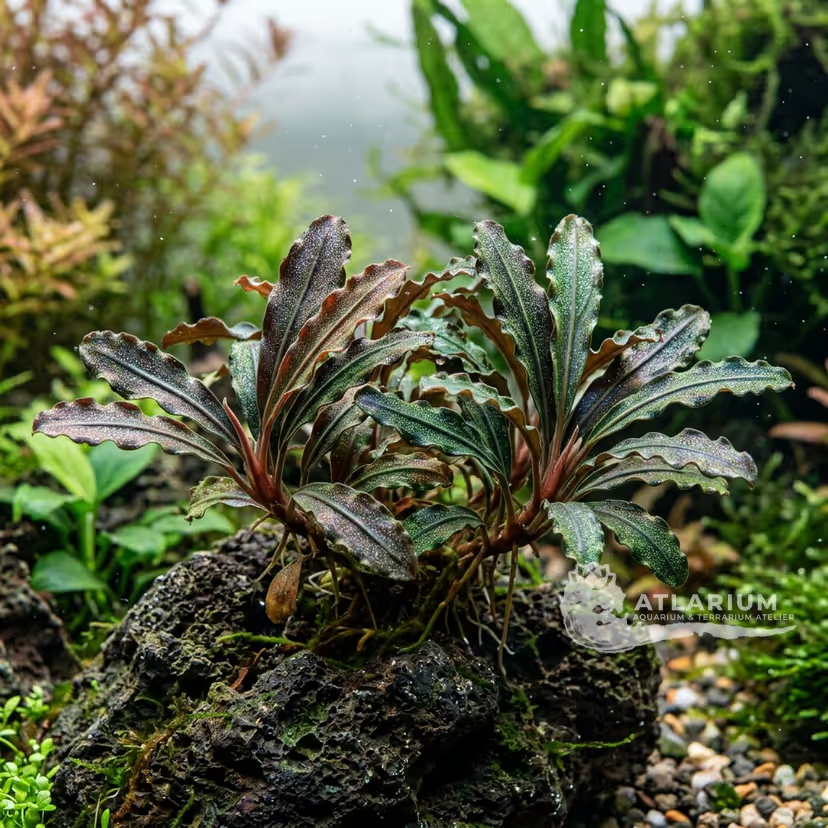
Bucephalandra sp. "Kedagang"
Bucephalandra sp. "Kedagang"

Bacopa sp. "Japan"
Bacopa sp. "Japan"

Bolbitis heteroclita
Bolbitis heteroclita
Similar care
Cards with similar requirements, difficulty, habitat, and husbandry profile.

Hoppe's otocinclus
Otocinclus hoppei

Otocinclus (Dwarf Sucker)
Macrotocinclus affinis

Otocinclus (Oto Macrospilus)
Otocinclus macrospilus
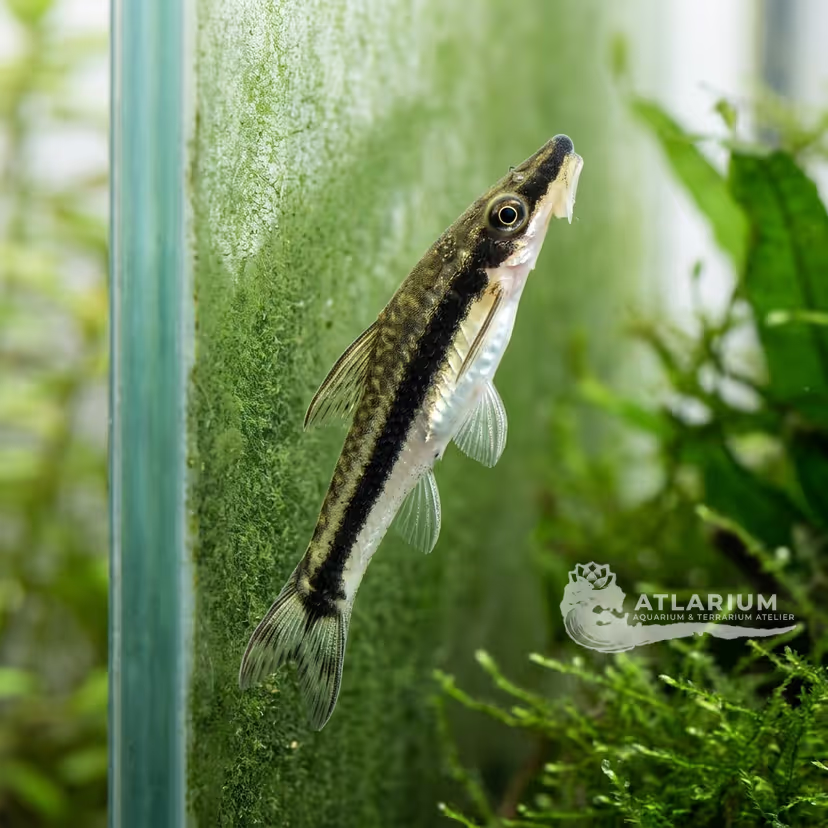
Otocinclus (Oto Vittatus)
Otocinclus vittatus

Zebra otocinclus
Otocinclus cocama

Bristlenose Pleco (Ancistrus)
Ancistrus cirrhosus

Green Phantom Pleco
Hemiancistrus subviridis

Starlight Bristlenose Pleco (L183)
Ancistrus dolichopterus

Hi-Fin Green Phantom Pleco (L200)
Baryancistrus demantoides

Snowball Pleco (L026)
Baryancistrus niveatus

Common Bristlenose Pleco
Ancistrus cf. cirrhosus

Snowball Pleco
Hypancistrus inspector
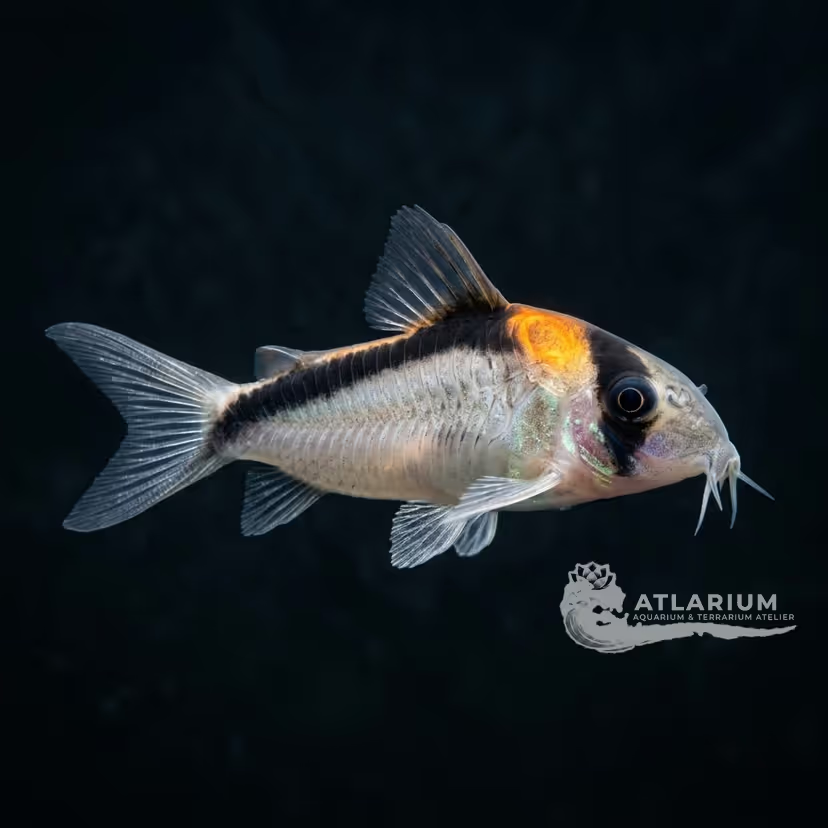
Adolfo's cory
Corydoras adolfoi

Flag Acara (Smiling Cichlid)
Laetacara curviceps

Medusa Pleco (L034)
Ancistrus ranunculus

Adonis Pleco
Acanthicus adonis