Spotted hatchetfish
Gasteropelecus maculatus
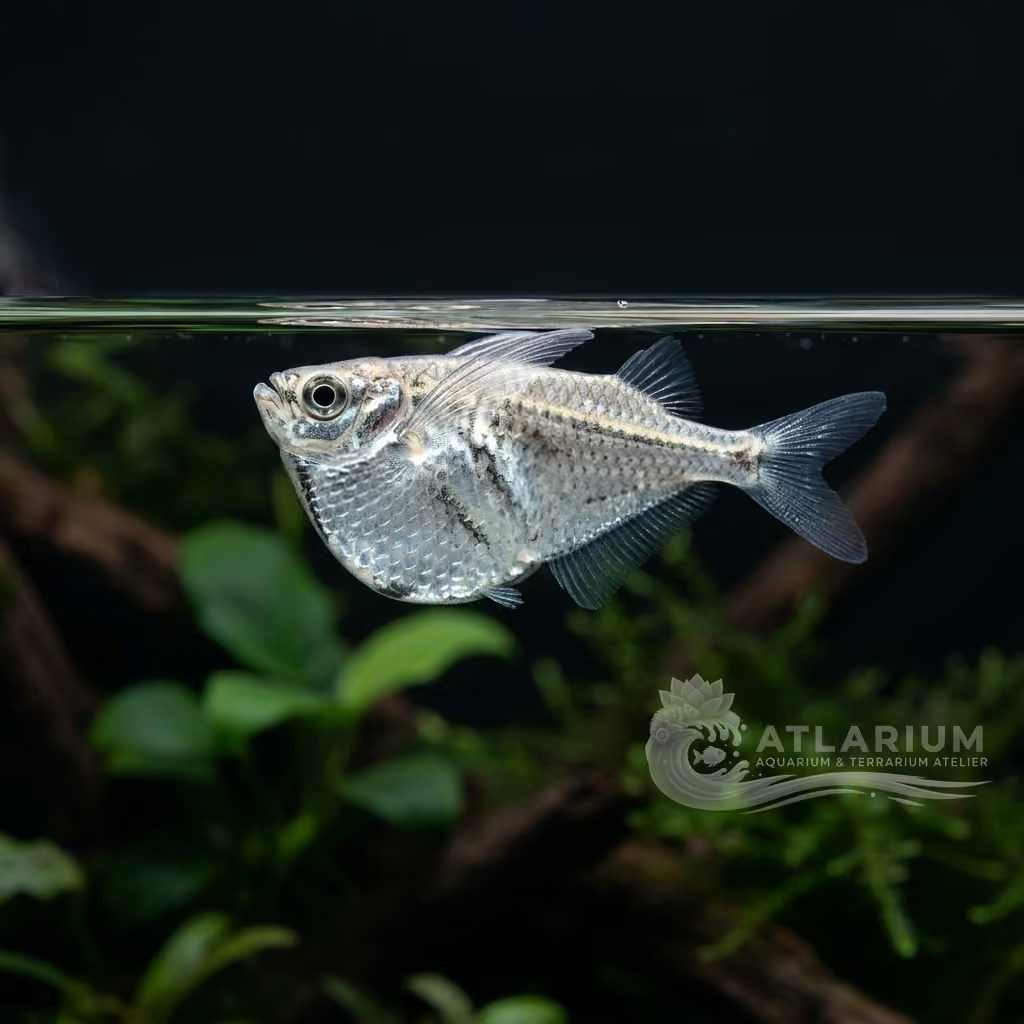
A fish with a unique shape — the laterally compressed body and expanded ventral profile resemble a hatchet blade. Exclusive surface swimmer, it is one of the few freshwater fish capable of true gliding flight above the water thanks to powerful pectoral muscles. Native to Central and South American rivers. Airtight lid is not optional: jumps are legendary and a gap of a few centimeters is enough for escape. In schools of 6–8+ in the upper zone with floating plants and dim lighting, it creates a unique scenic effect. Surface insectivore: prioritize floating food and fruit flies.
24 - 28 °C
6 - 7
Freshwater
Surface
6.4 cm
>= 80 L
>= 6
2 - 12 dGH
1 - 6 dKH
40 - 240 ppm
63 - 375 uS/cm

Species description

Care, breeding and tankmates

Geographic origin and distribution
Origin

Fish profile
- Temperament
- Peaceful
- They are exceptionally peaceful, shy, and somewhat easily startled fish. When kept in suitably large schools, they hover calmly at the surface, providing a beautiful and unique dynamic to the tank. Startling them can result in chaotic jumping, so sudden movements near the tank should be avoided.
- Diet
- Insectivore
- They are obligate surface feeders that strictly hunt for insects and small crustaceans at the water's line. High-quality floating flakes, micro-pellets, and freeze-dried bloodworms are ideal for their daily diet. Supplementing with live fruit flies or tiny crickets triggers their natural surface-hunting instincts.
- Life expectancy
- 3-5 years
- Adult size
- 6.4 cm
- Sex ratio
- School
- There are no obvious color differences between the sexes in this species. Females generally possess a rounder, thicker profile when viewed from above, especially when carrying eggs. They are highly social schooling fish and must be kept in groups of at least six to feel secure.
- Feeding frequency
- Twice daily
- Offer them small amounts of floating food once or twice a day. It is critical to ensure that the food remains on the surface long enough for them to eat, as they will rarely chase sinking food. Careful observation during feeding ensures they aren't outcompeted by fast-swimming mid-water fish.
- Bioload
- Low
- The Spotted Hatchetfish has a minimal bioload footprint, making them excellent candidates for moderately sized community tanks. Standard hang-on-back or gentle canister filtration is more than adequate to manage their waste. Routine weekly water changes are sufficient to maintain pristine water conditions.
- Flow
- Moderate
- They prefer slow to moderate water flow, mimicking the quiet, shaded rivers of Central and South America. Strong surface agitation should be avoided as it makes it difficult for them to feed effectively. A gentle current running the length of the tank encourages their natural hovering behavior.
- Jump risk
- Yes
- Hatchetfish possess the highest jump risk of almost any aquarium species due to their powerful pectoral fins designed for leaping to catch insects. A completely sealed, heavy lid with absolutely zero gaps is an absolute necessity. Even small openings around filter returns or heater cords must be tightly plugged.
- Reproduction
- Oviparous
- Captive breeding is very rare and challenging, often requiring specific environmental triggers like simulating the rainy season. They are egg scatterers that deposit their eggs among floating plant roots. If successful spawning occurs, the adults must be removed, and the microscopic fry require infusoria to survive.
- Compatibility & tankmates
- Aggressive
- They are extremely peaceful top-dwellers that ignore fish residing in the middle and lower water columns. Excellent tank mates include small tetras, Corydoras catfish, and peaceful dwarf cichlids. They should never be housed with fin-nippers or large, boisterous species that might easily stress them.
- Tank level
- Top
- They strictly inhabit the absolute top layer of the water column, hovering just beneath the water's surface. They rarely, if ever, venture into the middle or bottom zones of the aquarium. Providing dense floating plants gives them a sense of security and a natural environment to hunt beneath.

Scientific Parameters & Models
Window to the official scientific data of the species
- Trophic level
- 3.3 ± 0.4 se
- Phylogenetic uniqueness (PD50)
- 0.627
- Bayesian Length-Weight
- a = 0.01698, b = 3.09
- VulnerabilityLow vulnerability (10 / 100)

Related species
Recommendations grouped by close relatives, companion choices, and similar care.