Black-winged Hatchetfish
Carnegiella marthae
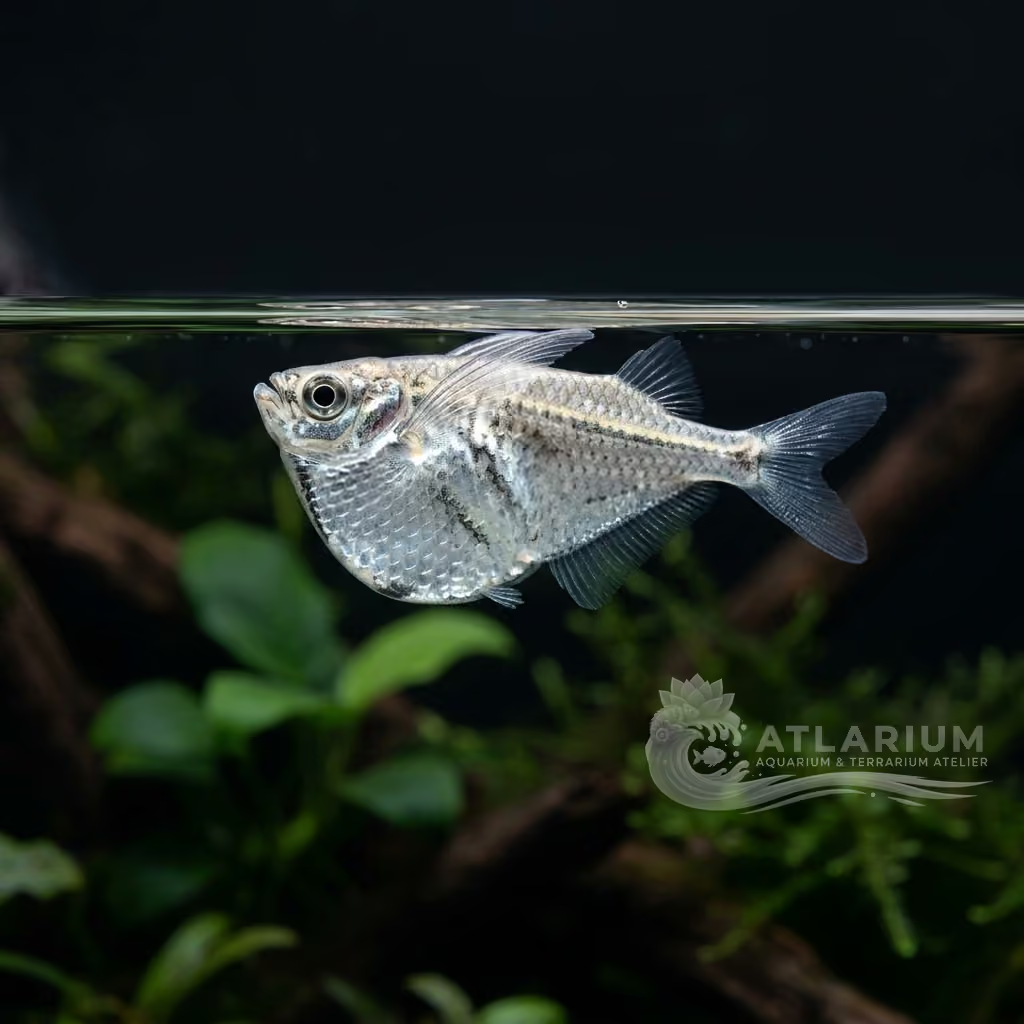
A tiny, fragile 'dark' version of the hatchetfish (3 cm). Recognized by the solid black outline of its deep chest. Extremely shy and demands a strict, highly acidic blackwater environment to survive.
Water Temperature
23 - 28 °C
pH Value
5 - 7
Water type
Freshwater
Tank level
Surface
Adult size
3.5 cm
Minimum tank volume
>= 30 L
Minimum group
>= 1
GH
1 - 10 dGH
KH
1 - 5 dKH
TDS
25 - 200 ppm
Conductivity
39 - 313 uS/cm

Species description
Geographical Origin and Habitat: Rio Negro and Orinoco basin. Populates the upper reaches of dark forest rivers, lagoons surrounded by dense riparian vegetation and flooded igapò forests.
Taxonomy and Morphology: Black-winged Hatchetfish (Carnegiella marthae). Tiny hatchet-shaped characin. Possesses highly developed pectoral musculature able to vibrate the fins at very high speed, using them for swimming or to take real flights over the water.
Social Behavior: Absolutely schooling and stationary on the surface. In small groups they wear themselves out with stress. Needs 10 specimens or more. They live constantly in the top 2-3 cm (1 inch) of water.
Coloration and Sexual Dimorphism: Silvery translucent body crossed by a lower dark stripe. The common name (Black-winged) derives from the lower margin of the enormous pectoral fins, heavily marked with black. Females seen from above are stockier.

Care, breeding and tankmates
Aquarium Setup: 60 cm (24 inches) aquarium. MANDATORY LID: they literally fly to escape predators or catch midges. Create directional surface currents with the pump to imitate a stream. Floating plants indispensable to prevent them from feeling exposed.
Diet and Feeding: Surface micro-insectivore. Since the mouth is facing upwards, it will ignore sunken food. Provide live Drosophila (wingless fruit flies), finely chopped floating flakes and freeze-dried bloodworms.
Water Quality: Prefers pure Blackwater: acidic (pH 5.0-6.5) and very soft waters, added with tannins (Catappa leaves, alder cones). Extremely intolerant to ammonia spikes.
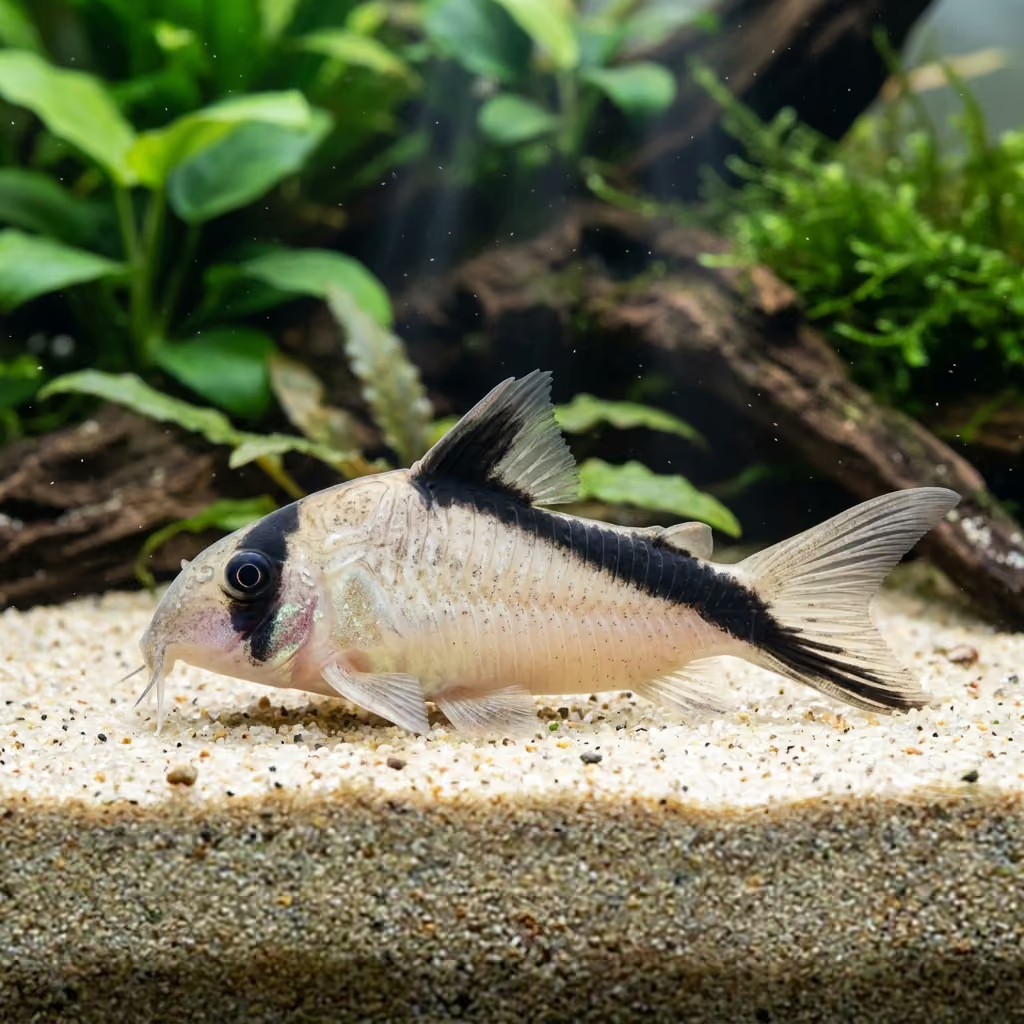
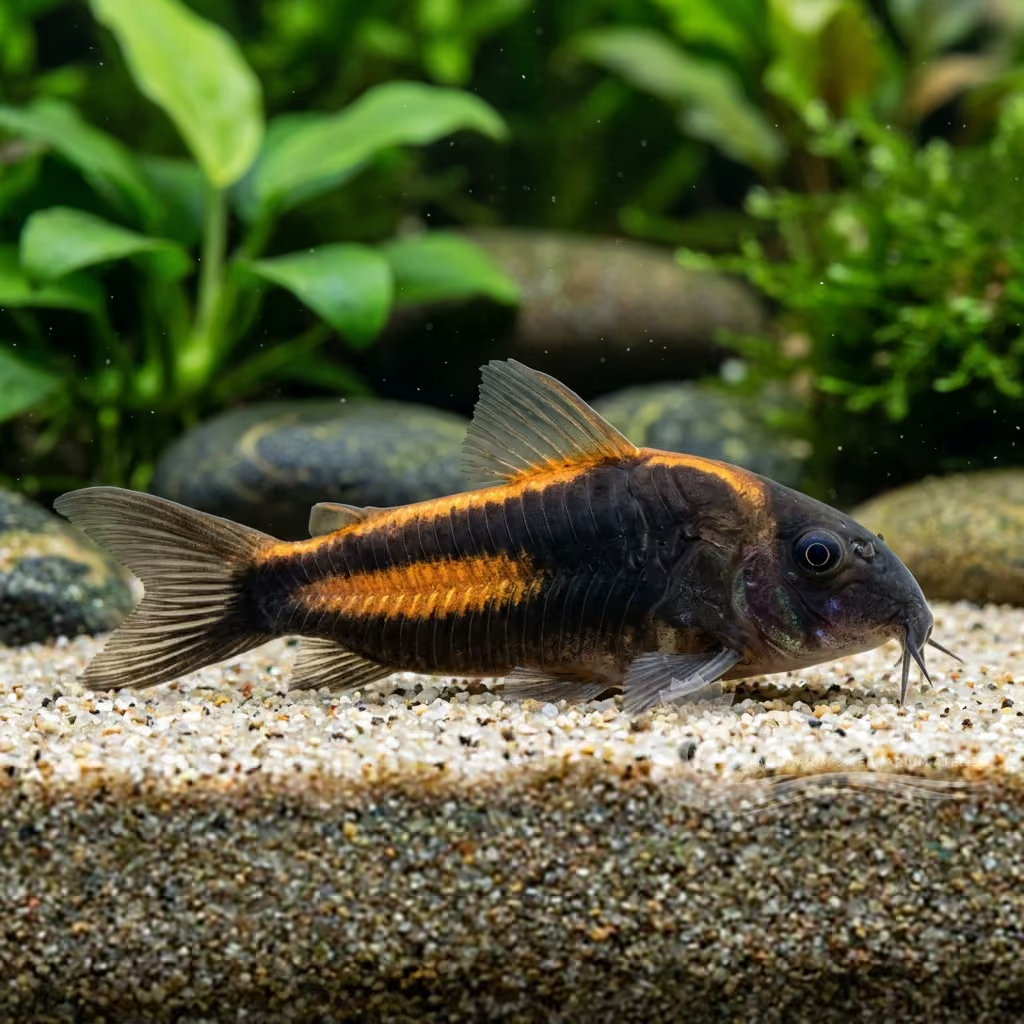
Compatibility and Cohabitation: Unsuitable to coexist with overly voracious fish that compete on the surface or with restless fish (e.g. giant Danios) that induce panic jumps. Excellent with Corydoras, Otocinclus, dwarf Tetras and Apistogramma.
Aquarium Breeding: Rare. Requires very dark water and simulated temperature drops. The eggs (non-adhesive) are released on the surface and sink among the plants. Tiny fry require infusoria on the first day of free swimming.
Risks and Diseases: Death from jumping out of the tank or from nocturnal impact against the lid's fluorescent tubes is very high. It is prone to Ich parasitosis if temperatures drop drastically.

Geographic origin and distribution
Rio Negro and Orinoco basin. Populates the upper reaches of dark forest rivers, lagoons surrounded by dense riparian vegetation and flooded igapò forests.
Origin
Amazon, Orinoco, and GuianasNorth America

Fish profile
- Temperament
- Semi-aggressive
- Carnegiella marthae is an extremely peaceful, shy, and gentle schooling fish that shows zero aggression towards other species or its own kind. Because of their timid nature, they can easily become stressed or intimidated by active, boisterous, or aggressive tank mates. They rely on the presence of a school to feel secure and will spend most of their time hovering quietly near the surface when comfortable. It is essential to house them with similarly peaceful and quiet fish to prevent them from hiding constantly or refusing food.
- Diet
- Omnivore
- In their natural habitat, these surface feeders feed primarily on terrestrial insects, small aquatic larvae, and zooplankton that drift along the water's surface. In the aquarium, they should be offered high-quality floating foods such as micro-granules, flakes, or freeze-dried foods, as they rarely swim down to eat sinking food. To maintain optimal health and coloration, their diet should be supplemented with live or frozen foods such as wingless fruit flies, daphnia, and baby brine shrimp. Feeding floating foods is critical since food that falls to the bottom of the tank will be ignored and left to decay.
- Life expectancy
- 3-5 years
- Adult size
- 3.5 cm
- Sex ratio
- Group
- There is no strict requirement for a specific male-to-female ratio when keeping Carnegiella marthae in the home aquarium, as they do not show aggression toward conspecifics. Instead, they should always be purchased and housed in mixed-sex groups of at least six to eight individuals, with ten or more being ideal to encourage natural behavior. In larger groups, males and females will coexist peacefully without territorial disputes or stress from courtship. Maintaining a group structure also helps these naturally timid fish feel secure and reduces overall stress levels.
- Feeding frequency
- Twice daily
- The Black-winged Hatchetfish has a high metabolic rate and should ideally be fed small portions two to three times per day. Because they only feed at the surface, care must be taken to offer only as much food as they can consume within a minute or two. Any excess food that sinks to the bottom will not be eaten, so feeding in small, controlled increments is best. Regular, frequent feeding of high-quality food helps sustain their energy levels and supports their immune system, which is particularly fragile in this species.
- Bioload
- Low
- The Black-winged Hatchetfish is a small species that produces a very small amount of waste individually, resulting in a low biological load. However, because they must be kept in schools of at least six to eight individuals to feel secure, their collective bioload should be accounted for. Adequate filtration that processes the water column without creating strong currents is essential to maintain the pristine water quality they require. Regular small water changes are recommended to keep nitrate levels low and mimic their natural clean blackwater habitats.
- Flow
- Stagnant
- Carnegiella marthae naturally inhabits slow-moving or stagnant blackwater creeks, flooded forests, and pools, and therefore prefers weak to moderate water flow in the aquarium. While good filtration is necessary to keep water pristine, strong currents or turbulent surface movement will stress these small fish and make feeding difficult. The filter output should be directed or baffled to create calm zones, especially at the surface where they spend all their time. Providing floating plants helps break up the water flow and creates the quiet, sheltered areas they naturally seek.
- Jump risk
- Yes
- The Black-winged Hatchetfish has a very high risk of jumping out of the water, which is a natural flight response used to escape predators in the wild. Thanks to their pectoral fins and strong chest muscles, they can propel themselves out of the water and glide over the surface. In a home aquarium, even the smallest gap in the lid or hood can result in a fatal escape, making a completely secure, tight-fitting cover absolutely mandatory. Additionally, floating plants can help minimize their jumping reflex by providing cover and a sense of security at the surface.
- Reproduction
- Oviparous
- Breeding Carnegiella marthae in captivity is extremely difficult, and there are very few, if any, documented cases of successful spawning in home aquariums. They are egg-scatterers that release their eggs among plant roots or floating vegetation, but achieving the required extreme water parameters is a major hurdle. To attempt breeding, aquarists must provide exceptionally soft, acidic blackwater, condition the adults with live insects, and use dim lighting. If spawning does occur, the parents must be removed immediately to prevent them from eating the eggs, which hatch in about 30 to 36 hours.
- Compatibility & tankmates
- Peaceful
- The Black-winged Hatchetfish is highly compatible with other peaceful, small, and quiet species that occupy the middle and bottom levels of the aquarium. Excellent tank mates include small tetras, dwarf cichlids, Corydoras catfish, and small Loricariids, which will not compete for surface space. They should never be housed with large, aggressive, or highly active fish, nor with notorious fin-nippers that could damage their delicate fins or stress them. Because they are shy and slow to feed, ensuring their tank mates do not outcompete them for food at the surface is crucial.
- Tank level
- Top
- Carnegiella marthae is a strict surface-dwelling species that spends almost its entire life in the top few centimeters of the water column. Their anatomical adaptation, featuring a highly upturned mouth and a deep keel, is specialized for feeding and navigating right at the surface. They rarely venture into the middle or bottom zones of the aquarium, except when severely startled or seeking temporary shelter. To accommodate this preference, the upper level should feature plenty of open swimming space interspersed with floating vegetation to mimic their wild environment.

Scientific Parameters & Models
FishBase
Window to the official scientific data of the species
FishBase v25.04Data synced on: 06/15/2026
- Trophic level
- 3.2 ± 0.36 se
- Phylogenetic uniqueness (PD50)
- 0.5645
- Bayesian Length-Weight
- a = 0.0195, b = 3.14
- VulnerabilityLow vulnerability (10 / 100)

Related species
Recommendations grouped by close relatives, companion choices, and similar care.