Barred hemiodus
Hemiodus quadrimaculatus
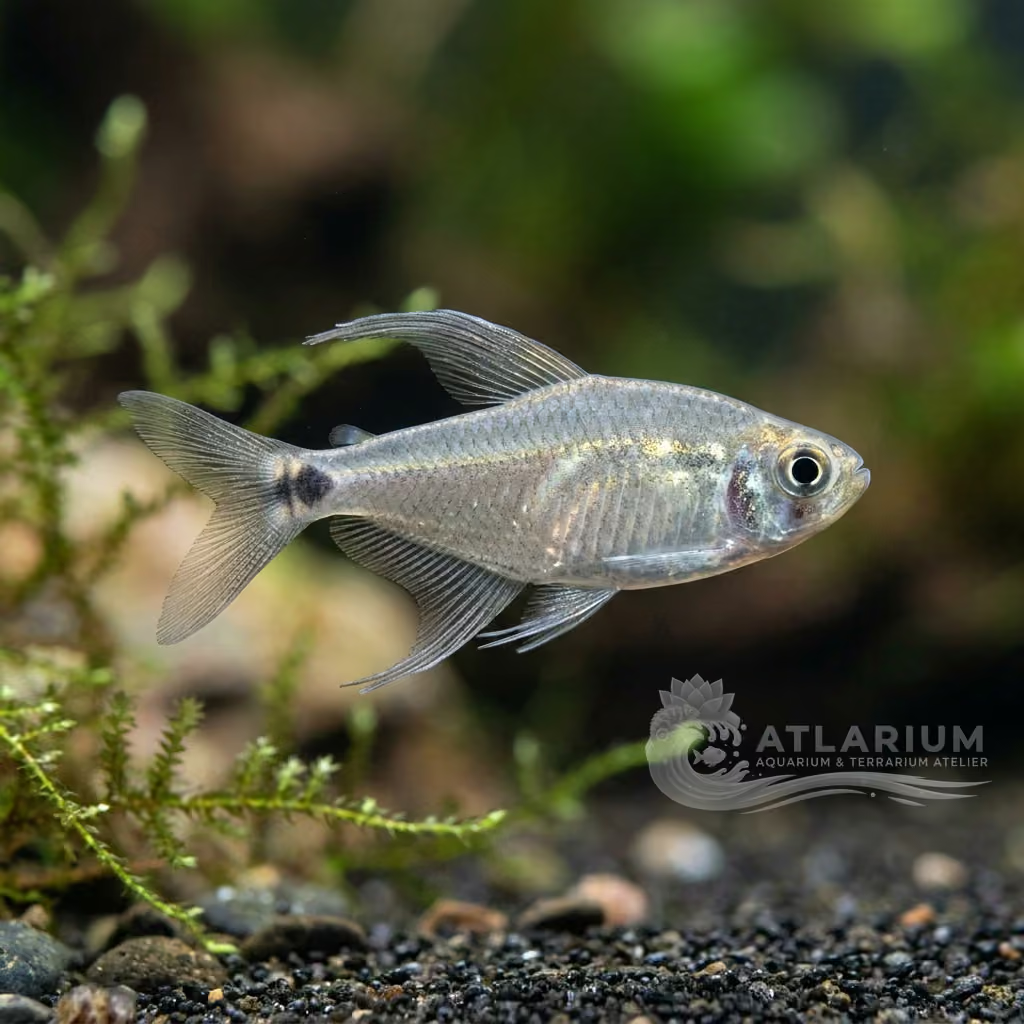
A medium-large silver characin with flanks crossed by dark vertical bars, with fast, powerful swimming reminiscent of a silver torpedo. Native to the Negro, Trombetas and Araguari basins in South America, it is a river fish that requires large, long tanks with ample open swimming space and good oxygenation. Gregarious and schooling: must be kept in groups. Its intense activity and speed can intimidate small, timid fish. Powerful jumper: lid essential. Requires vegetable component in diet.
23 - 27 °C
6 - 7.5
Freshwater
Middle
14 cm
>= 280 L
>= 6
2 - 12 dGH
1 - 6 dKH
40 - 240 ppm
63 - 375 uS/cm

Species description

Care, breeding and tankmates

Geographic origin and distribution
Origin

Fish profile
- Temperament
- Peaceful
- They are peaceful but highly skittish fish that can startle easily if their environment is suddenly disturbed. They must be kept in groups; solitary individuals will become intensely stressed and prone to disease. Their restless nature requires a calm environment to prevent them from constantly darting into the tank glass.
- Diet
- Omnivore
- They are opportunistic omnivores that consume a variety of small invertebrates, plant matter, and algae in the wild. In captivity, they will readily accept high-quality flakes, pellets, and freeze-dried items. It is beneficial to offer them a varied diet that includes live or frozen foods and some spirulina or vegetable-based flakes.
- Life expectancy
- 5-8 years
- Adult size
- 14 cm
- Sex ratio
- School
- There are no obvious external differences between males and females, making sexing nearly impossible. Keeping them in a group of at least six individuals ensures a natural balance and reduces any potential stress. A large group also encourages their natural schooling dynamics, which is spectacular to watch.
- Feeding frequency
- Twice daily
- Feeding them twice a day is recommended to fuel their high-energy lifestyle. They are ravenous eaters that will quickly snatch food from the water column before it reaches the bottom. Care should be taken to ensure that more timid tank mates also receive adequate nutrition during feeding times.
- Bioload
- Medium to High
- They have a moderate bioload due to their highly active nature and substantial appetite. Because they are fast swimmers and grow to a respectable size, they require excellent filtration to manage their metabolic waste. Regular water changes are critical to keeping nitrate levels low, which they are particularly sensitive to.
- Flow
- Strong
- These fish originate from fast-flowing rivers and streams and therefore thrive in aquariums with strong water movement. High flow rates encourage their natural schooling behavior and provide the exercise they need to stay healthy. Additional powerheads or wavemakers are highly recommended to replicate their natural environment.
- Jump risk
- Yes
- They are notorious jumpers and are incredibly fast, making them highly susceptible to launching themselves out of the tank. A tightly fitting, heavy cover glass or lid is absolutely essential when keeping this species. Even small gaps around filters or heaters should be carefully covered to prevent accidents.
- Reproduction
- Oviparous
- Breeding Hemiodus species in the home aquarium is extremely rare and has seldom been documented. In the wild, they are believed to be pelagic spawners that scatter large numbers of eggs in open water. Commercial breeding generally relies on hormone injections in large outdoor aquaculture ponds.
- Compatibility & tankmates
- Community
- They are peaceful, active schooling fish that do well with other medium-sized, robust species. Good tank mates include larger tetras, peaceful cichlids, and various bottom-dwelling catfish. They can occasionally outcompete slower or more timid fish for food due to their incredible swimming speed.
- Tank level
- Middle
- They are energetic midwater to upper-level swimmers that require an elongated tank with vast amounts of open swimming space. They will constantly cruise back and forth across the length of the aquarium. Decor should be kept mainly to the perimeter to avoid obstructing their swimming paths.

Scientific Parameters & Models
Window to the official scientific data of the species
- Trophic level
- 2.6 ± 0.27 se
- Phylogenetic uniqueness (PD50)
- 0.5
- Bayesian Length-Weight
- a = 0.01096, b = 3.09
- VulnerabilityLow vulnerability (10 / 100)

Image gallery
Licensed images linked to the species or, when marked, to the closest representative taxon.

Related species
Recommendations grouped by close relatives, companion choices, and similar care.