Neambi Eartheater
Geophagus neambi
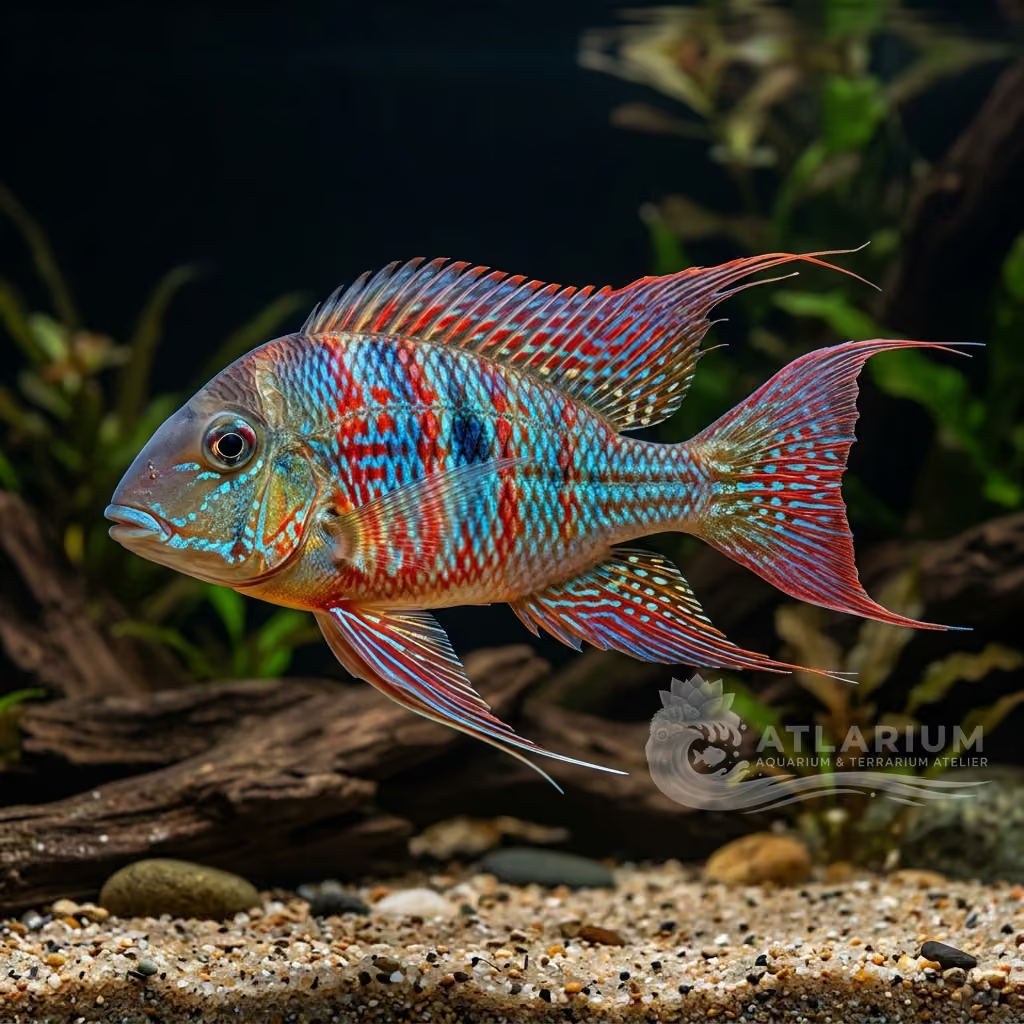
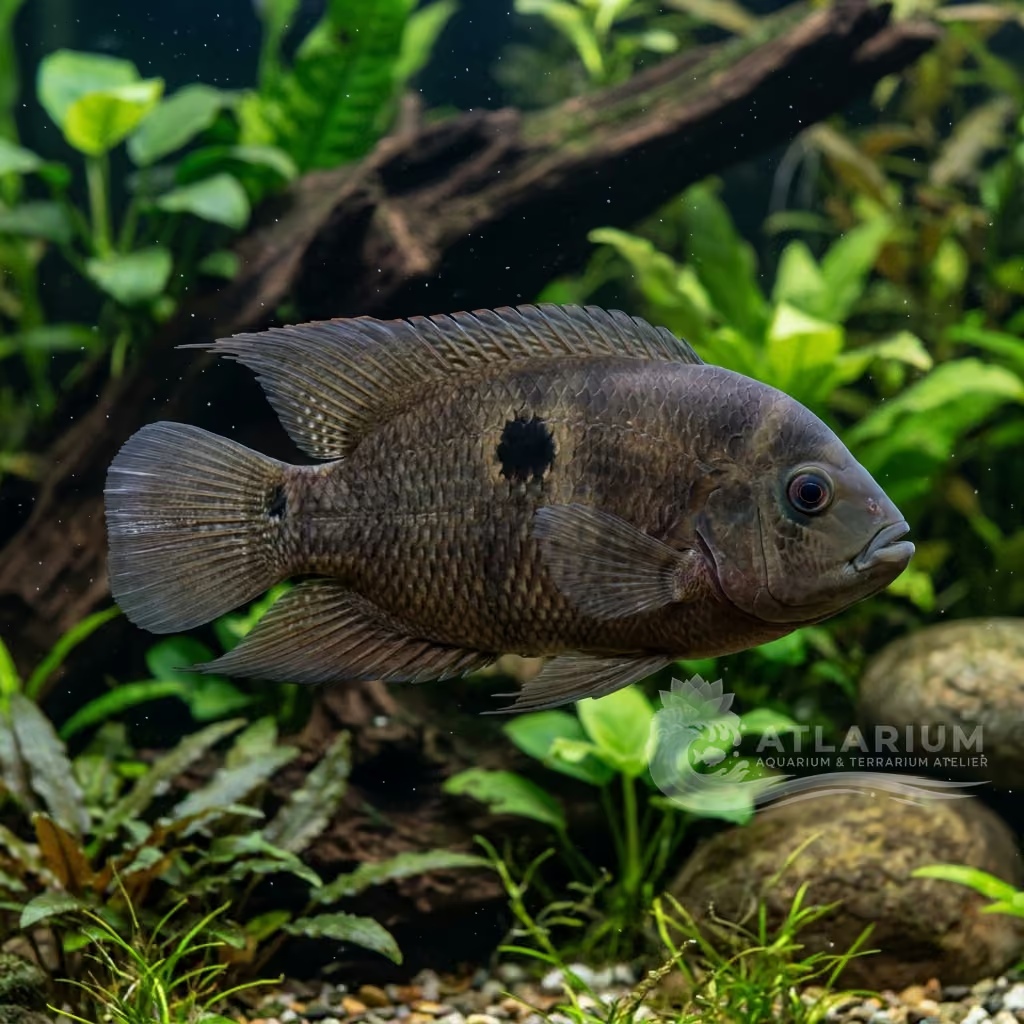
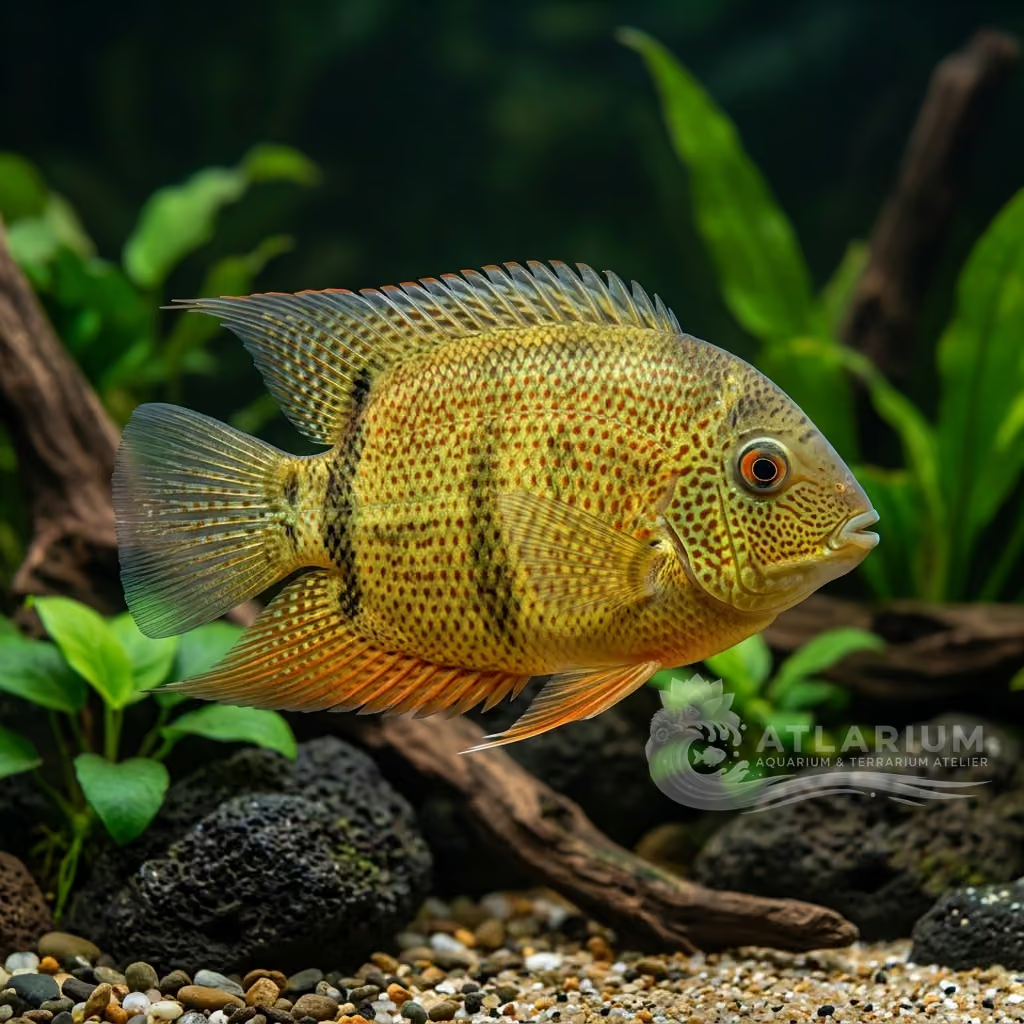
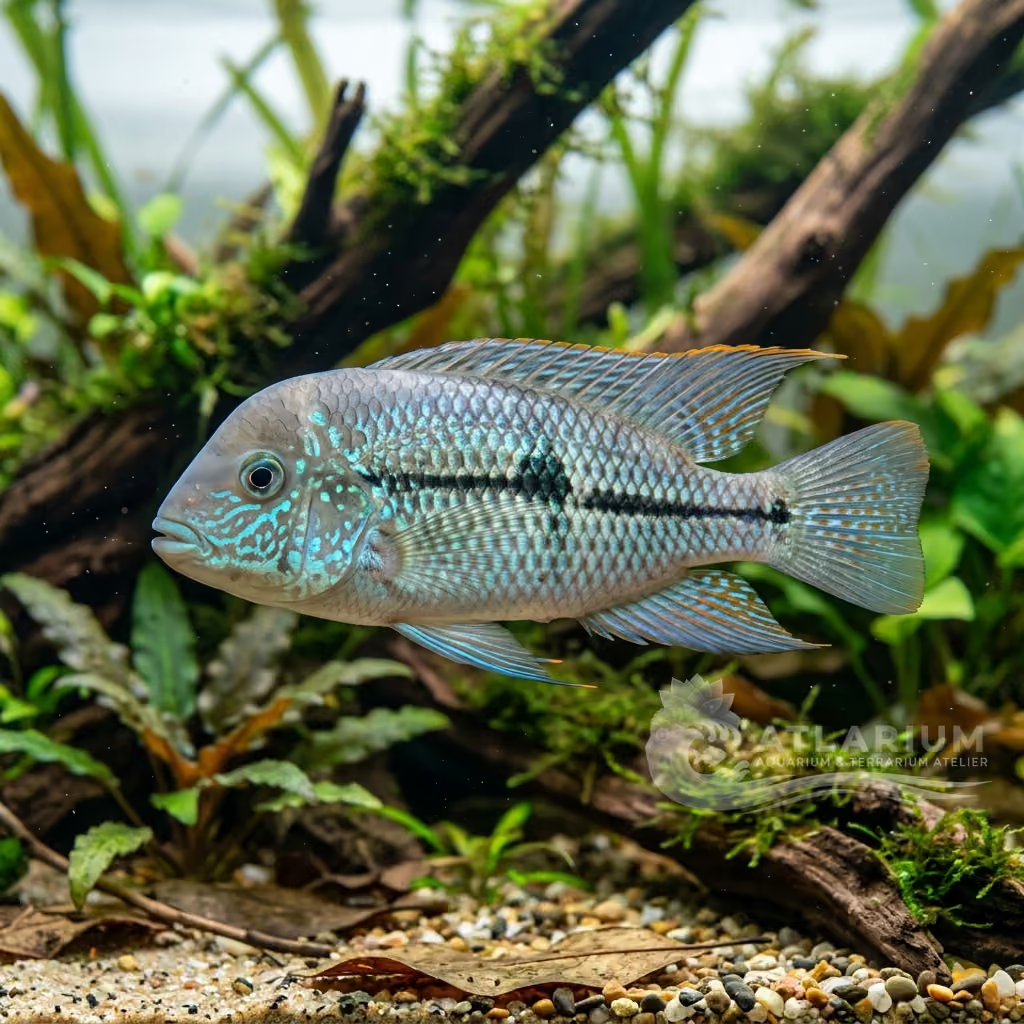
The 'Tocantins Striped Geophagus' (20 cm). An exceptionally vibrant eartheater, furrowed by intense vertical bars and covered with blue and red spotting extending to the caudal peduncle. Very peaceful towards other species but with lively hierarchies in its own school, it lives filtering pure sand and showing off spectacular filaments on its fins. Perfect for South American Clearwater biotope community aquariums.
Water Temperature
25 - 30 °C
pH Value
6 - 7.5
Water type
Freshwater
Tank level
Bottom and middle
Adult size
22 cm
Minimum tank volume
>= 300 L
Minimum group
>= 1
GH
2 - 10 dGH
KH
1 - 5 dKH
TDS
40 - 200 ppm
Conductivity
63 - 313 uS/cm

Species description
Geographical Origin and Habitat: Exclusive to the Tocantins River in Brazil, found near the rapids and rocky/sandy banks of this imposing basin with clear and current-rich waters.
Taxonomy and Morphology: Tocantins Eartheater (Geophagus neambi). Often confused in its early years with G. altifrons or "surinamensis". Scientifically described only in 2010. Rounded and massive head; the body is compact to cleave the water.
Social Behavior: Quiet and sociable, aggression is almost purely limited to skirmishes between males and displays to establish hierarchy in a large school (min. 6-8 individuals).
Coloration and Sexual Dimorphism: Wears a breathtaking reflective blue-green and gold coat; the lateral spot disappears to give way to intense wavy blue lines or bright blue dots on the flanks and operculum. Red filaments for parade.

Care, breeding and tankmates
Aquarium Setup: Essential 150-180 cm (60-70 inches) tank. The bottom pebbles of the Rio Tocantins, with a massive expanse of pure sand, a strong water jet from filters or pumps to simulate the rapids and many compact trunks will make this fish bloom.
Diet and Feeding: As the genus "Geophagus" suggests, it eats by filtering mud and sand. To feed a school, generous rations of sinking hard protein granules and krill must be introduced; flakes do not reach the bottom.
Water Quality: Loves much warmer and cleaner water than other eartheaters: thermostat not below 27-28°C (81-82°F) for ideal vitality and chromatic ignition. Nitrates must always be kept below 20ppm.
Compatibility and Cohabitation: An excellent guest. Perfect with Metynnis (Silver Dollars), Severums (Heros) and other large but mild cichlids. Plants in the tank will have a short life: it doesn't eat them, it perpetually uproots them by moving kg of sand per day.
Aquarium Breeding: "Larvophile" breeder (they mouthbrood only the larvae, after they have hatched from the eggs on rock). During this stage, the two parents become two insensitive beasts ready to headbutt anyone.
Risks and Diseases: Loss of digestive bacterial flora. Being massive and ravenous, many administer heavy diets (beef heart), triggering intractable bloat.

Geographic origin and distribution
Exclusive to the Tocantins River in Brazil, found near the rapids and rocky/sandy banks of this imposing basin with clear and current-rich waters.
Origin
Amazon, Orinoco, and Guianas

Fish profile
- Temperament
- Semi-aggressive
- It is a mild-mannered cichlid. Unprovoked aggression is very rare. It is a wonderful centerpiece fish.
- Diet
- Omnivore
- It is an eartheater. Feed sinking pellets and frozen bloodworms. A fine sand substrate is mandatory.
- Life expectancy
- 5-10 years
- Adult size
- 22 cm
- Sex ratio
- Pair
- Keep them in groups. This diffuses natural aggression. Pairs will emerge as they mature.
- Feeding frequency
- Twice daily
- It constantly sifts the sand. Feed multiple small meals daily. This mimics natural continuous foraging.
- Bioload
- High
- This fish produces a high bioload. Robust biological filtration is essential. Frequent water changes are necessary.
- Flow
- Stagnant
- It originates from riverine environments. It prefers moderate water flow. Provide resting areas with calm water.
- Jump risk
- Yes
- It is a bottom dweller. It can jump if startled. A secure lid is always recommended.
- Reproduction
- Oviparous
- Many are mouthbrooders. Parents fiercely guard eggs and fry. Breeding pairs form naturally over time.
- Compatibility & tankmates
- Semi-aggressive
- It is generally peaceful. It fits well in community tanks. It becomes territorial during spawning.
- Tank level
- Middle/Bottom
- It stays at the bottom. It continuously sifts the sand. A large footprint is required.

Scientific Parameters & Models
FishBase
Window to the official scientific data of the species
FishBase v25.04Data synced on: 06/15/2026
- Trophic level
- 2.3 ± 0.1 se
- Resilience
- High (less than 15 months)
- Phylogenetic uniqueness (PD50)
- 0.5
- Bayesian Length-Weight
- a = 0.0257, b = 3.05
- VulnerabilityLow vulnerability (15 / 100)

Related species
Recommendations grouped by close relatives, companion choices, and similar care.