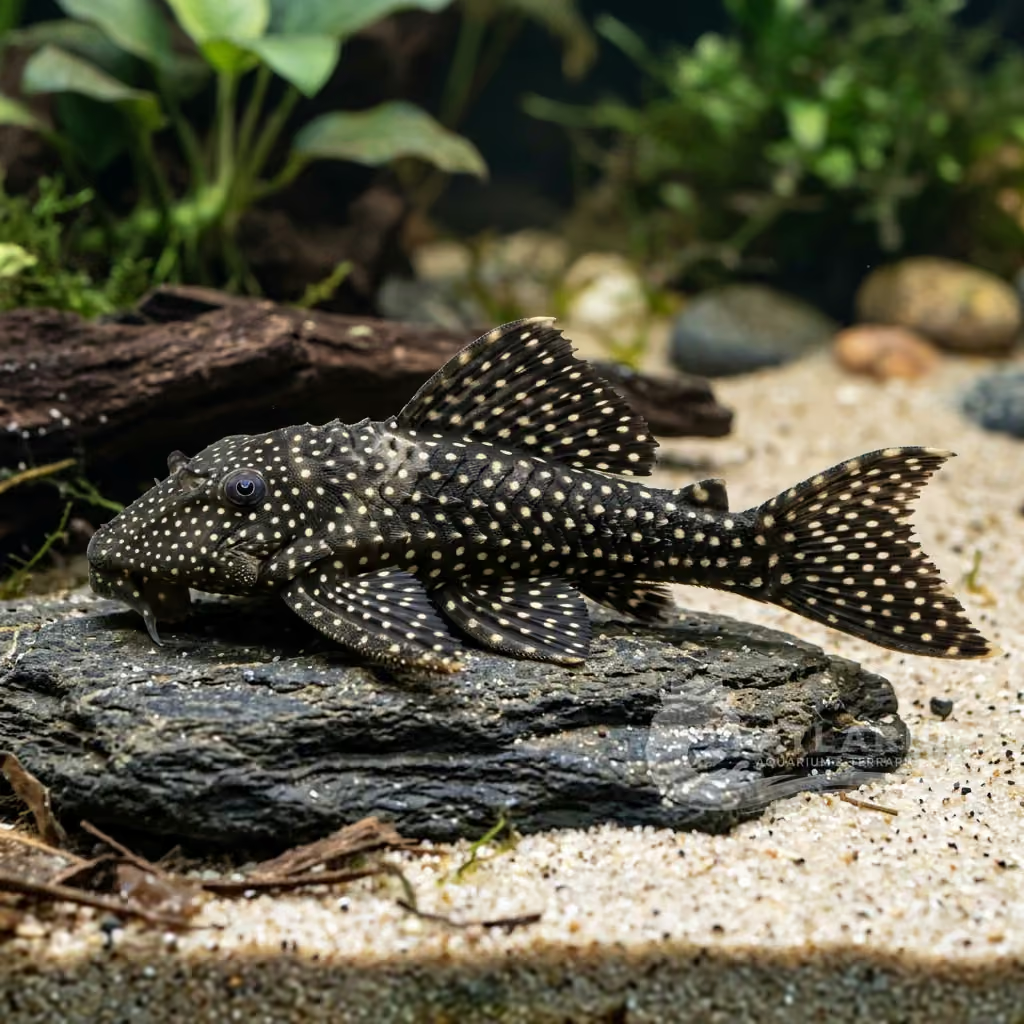
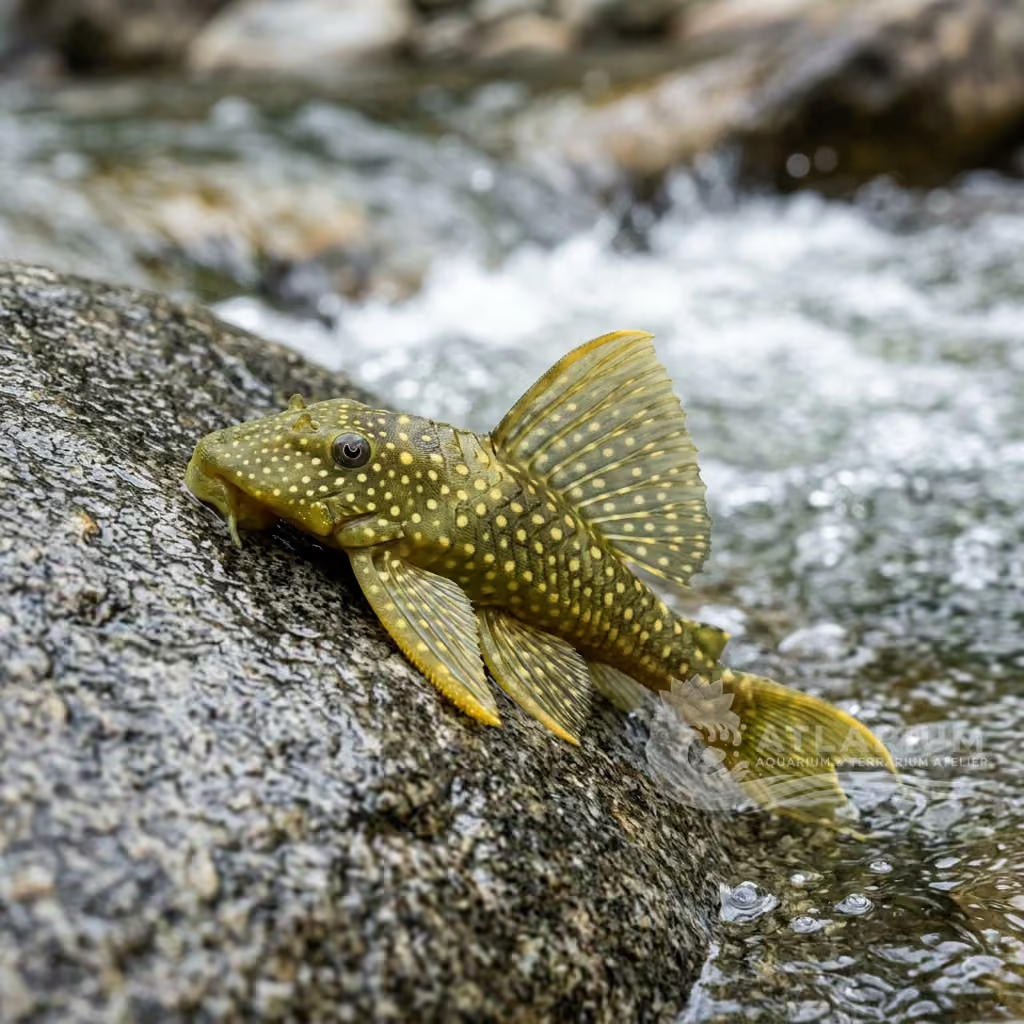
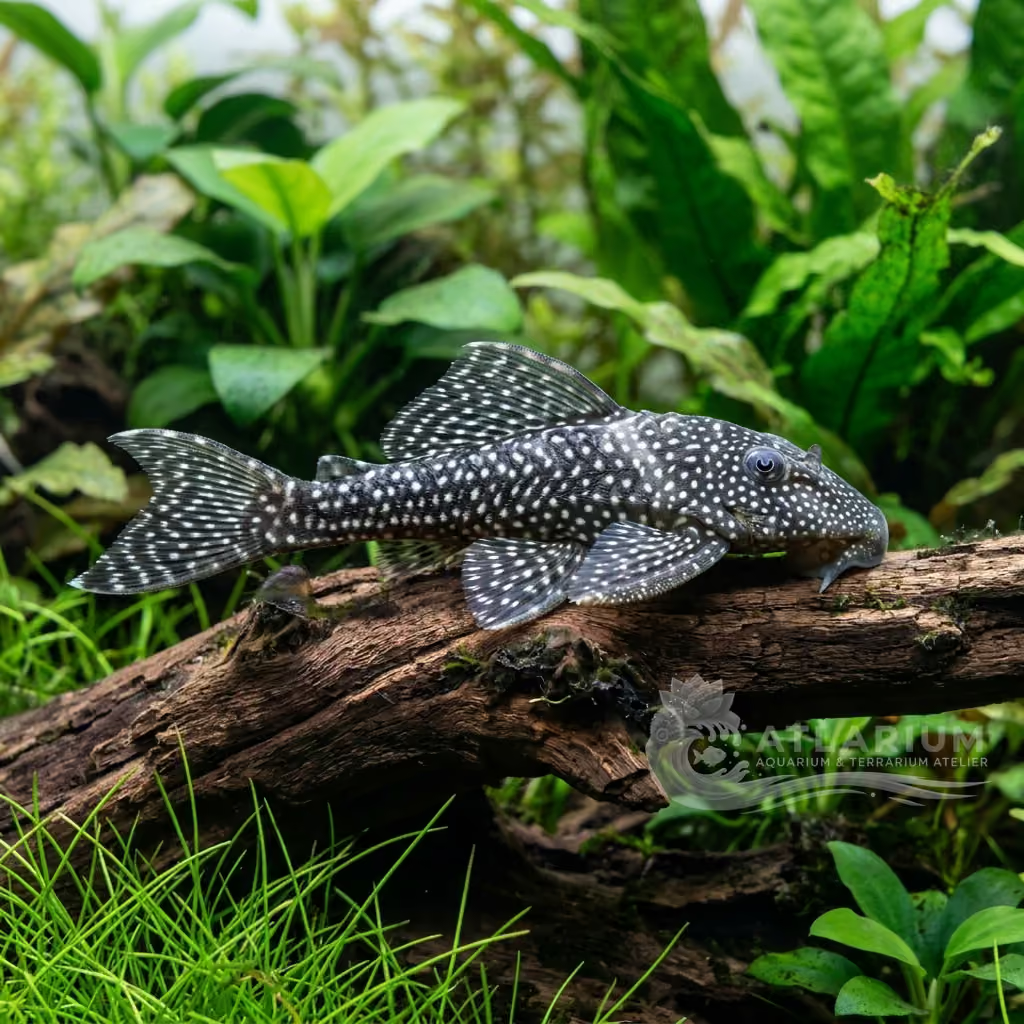
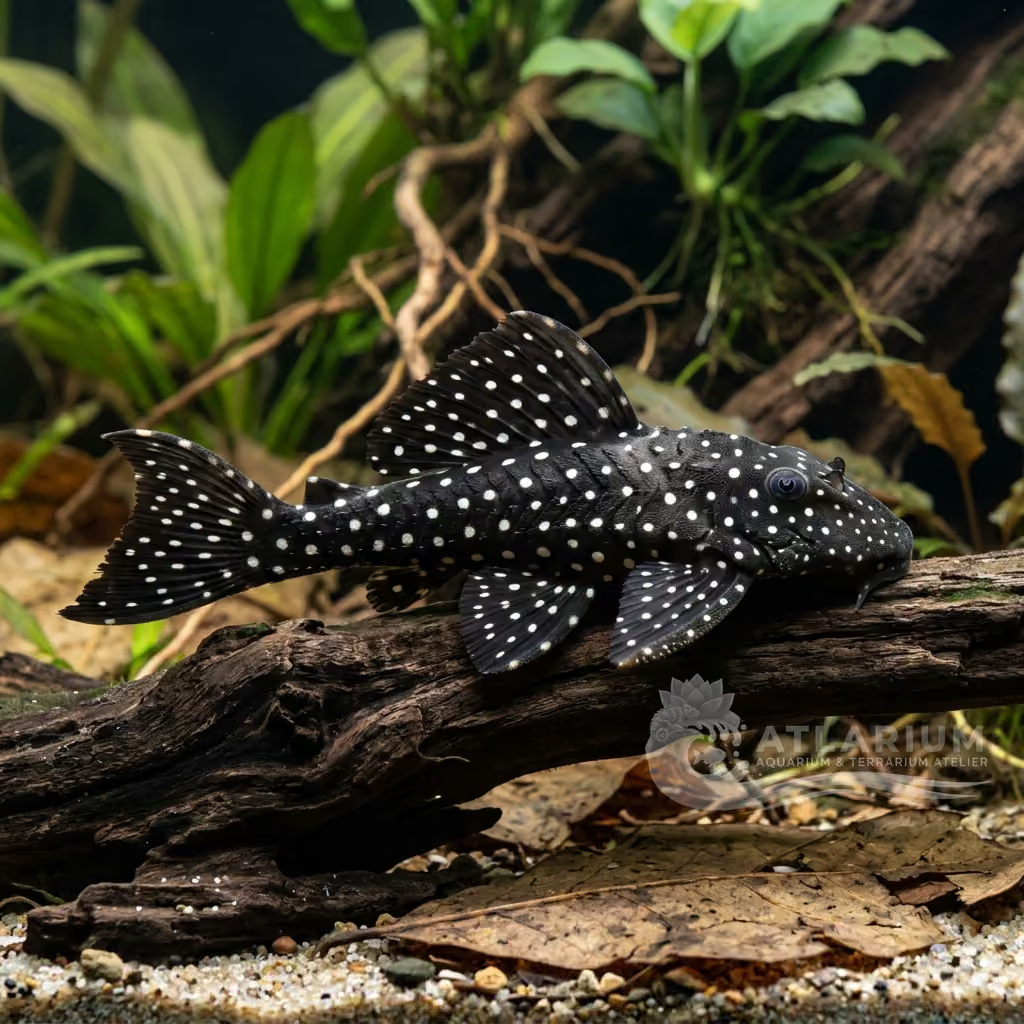
Wormline Peckoltia (L121/L135)
Peckoltia braueri
Small and fascinating loricariid from the Rio Negro, known for its mustard-colored sinuous line pattern (wormline) on a dark background. Adaptable and relatively robust.
Water Temperature
24 - 28 °C
pH Value
5.5 - 7.2
Water type
Freshwater
Tank level
Bottom
Adult size
14 cm
Minimum tank volume
>= 120 L
Minimum group
>= 1
GH
1 - 12 dGH
KH
1 - 6 dKH
TDS
25 - 240 ppm
Conductivity
39 - 375 uS/cm

Species description
Geographical Origin and Habitat: Originating from the Branco and Takutu river basins, on the border between Brazil and Guyana. Inhabits crystal clear rivers, hiding among large rounded granite boulders, submerged roots and in rock crevices in moderate waters.
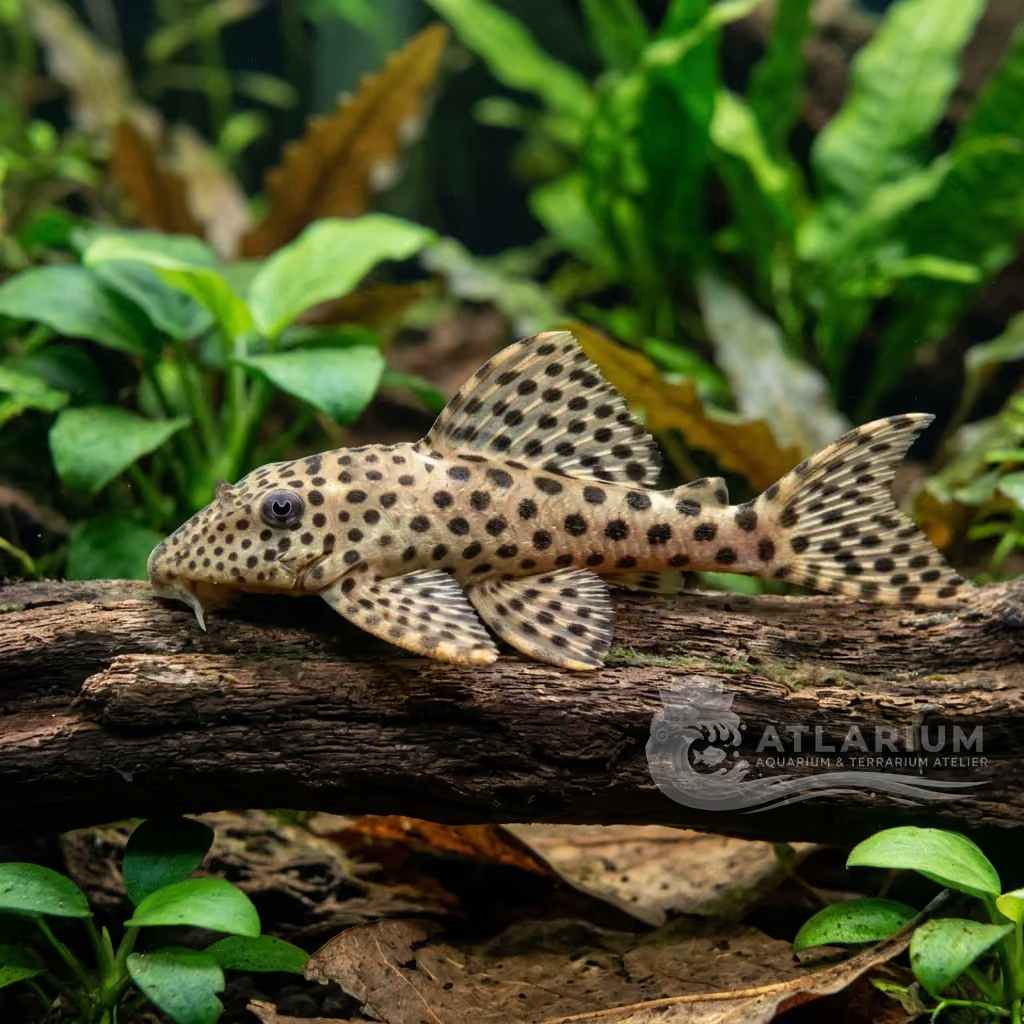
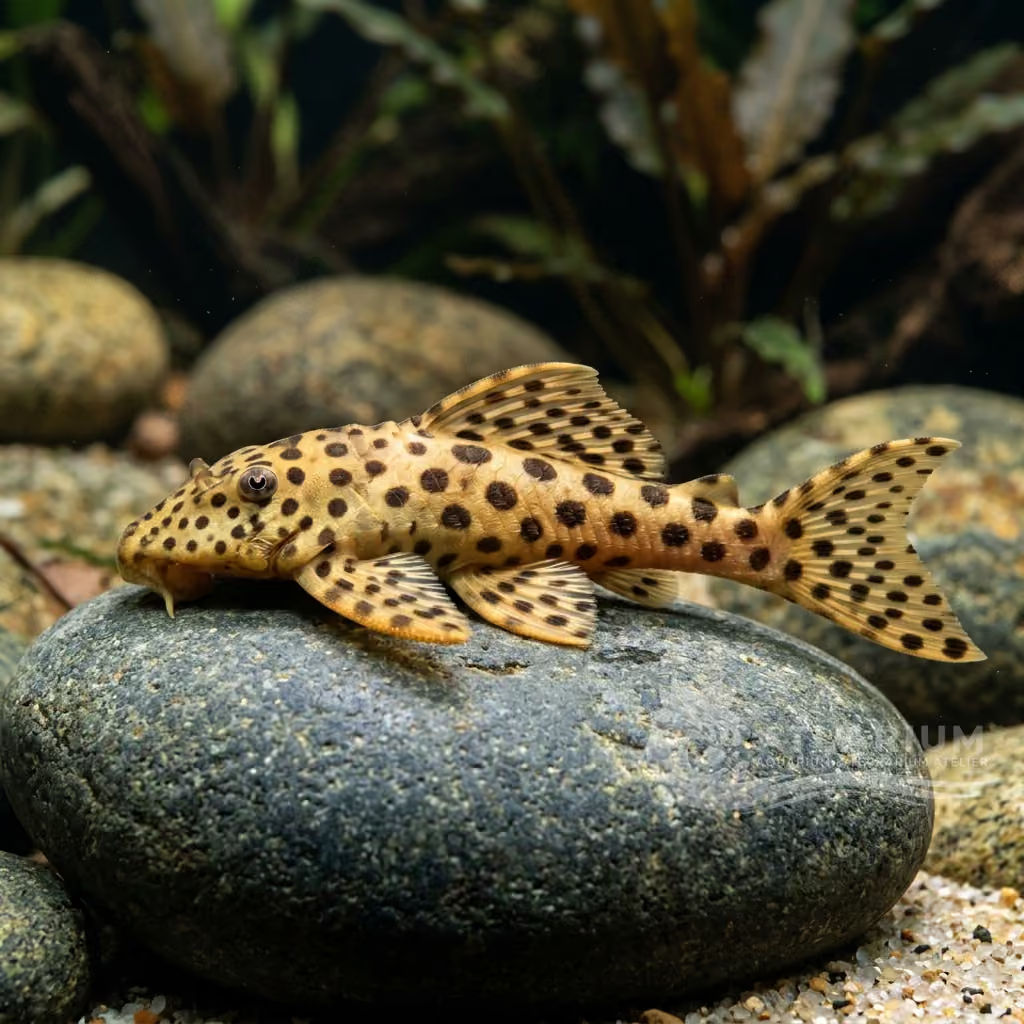
Taxonomy and Morphology: Worm-line Peckoltia (L121 / L135 / Peckoltia braueri). Stocky and armored species. It is known for the characteristic "worm-like" pattern on its head, which clearly distinguishes it from the straight stripes of other related Peckoltia (like P. vittata).
Social Behavior: Quiet and benthic, with crepuscular and nocturnal habits. Although tolerant in the community, males develop a strong territoriality towards conspecifics for the control of caves. They often engage in shoulder-to-shoulder "pushing" matches.
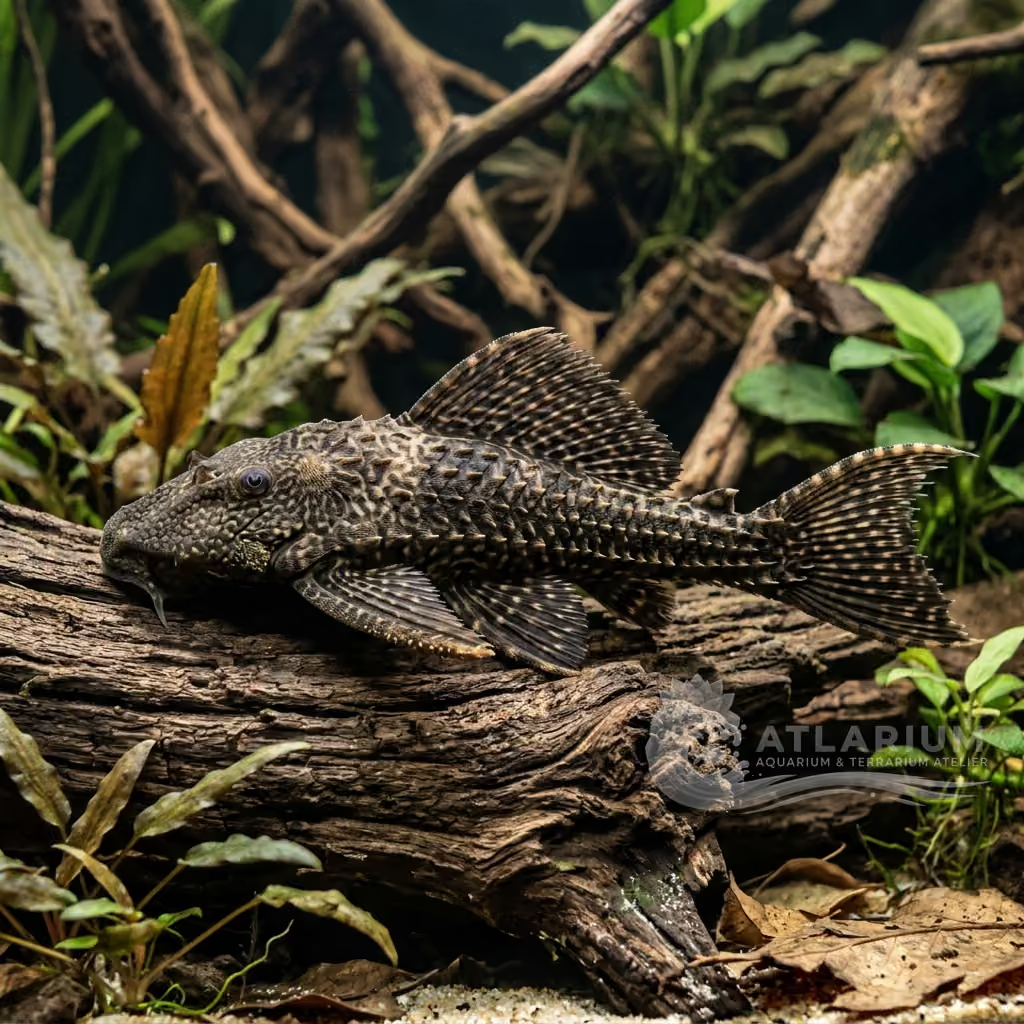
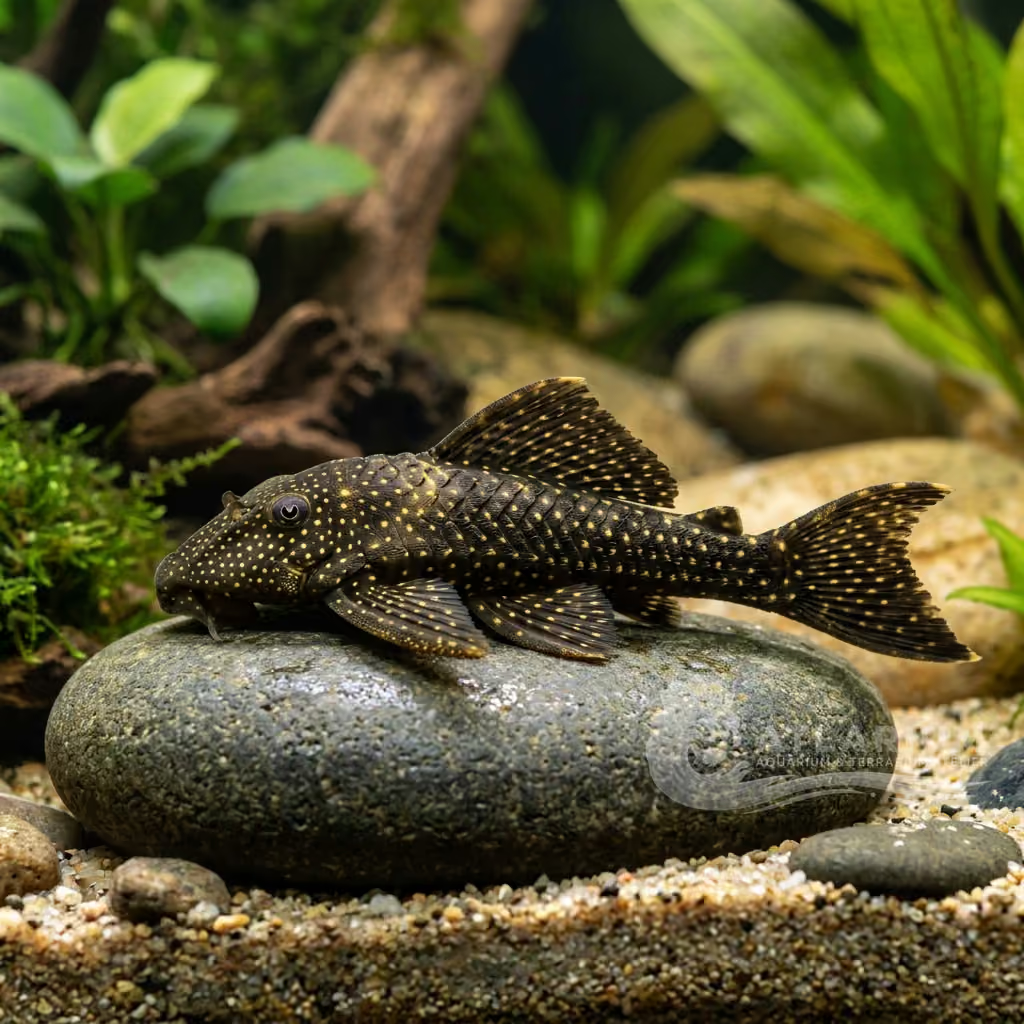
Coloration and Sexual Dimorphism: Golden or mustard yellow base color with dense and irregular dark lines (worm-lines) on the snout, which become wide vertical bands on the body. Adult males with larger heads and conspicuous odontodes (spinosity) on the posterior half of the body.

Care, breeding and tankmates
Aquarium Setup: Tank of at least 80 cm (32 inches). Recreate a mixed sand/rock bottom with countless tubular terracotta or wood refuges, so that each specimen has a den. Well-moved and oxygenated water (via powerhead).
Diet and Feeding: Omnivore (Aufwuchs). Scrapes biofilms but needs proteins. Administer bloodworms, frozen tubifex, sinking tablets and, periodically, slices of blanched zucchini and peas. It is not an efficient algae-eater.
Water Quality: Requires very clean and highly oxygenated waters, with constant warm temperatures (24-28°C / 75-82°F) and acidic or sub-neutral pH (5.5-7.2). Intolerant to the accumulation of nitrates on the bottom.
Compatibility and Cohabitation: Perfect with medium or large tetras and peaceful cichlids (Severum, Geophagus, Satanoperca). Keep only one male per tank or provide abundant visual distances between dens to avoid chronic stress.
Aquarium Breeding: Cave spawner. Reproduction requires very soft water and cool water changes to trigger it. The male takes care of the brood (20-40 huge yellow eggs) trapping it in the cave and fanning oxygen.
Risks and Diseases: Suffers from bacterial ulcers or fin erosion if organic debris rots under the rocks of its territory. A strict bottom siphoning protocol is essential.

Geographic origin and distribution
Originating from the Branco and Takutu river basins, on the border between Brazil and Guyana. Inhabits crystal clear rivers, hiding among large rounded granite boulders, submerged roots and in rock crevices in moderate waters.
Origin
Amazon, Orinoco, and GuianasEast Asia

Fish profile
- Temperament
- Semi-aggressive
- The temperament of Peckoltia braueri is largely peaceful, especially towards tank mates. While they mind their own business mostly, they may become defensive during specific periods. Providing visual barriers and adequate space mitigates most behavioral issues.
- Diet
- Omnivore
- Peckoltia braueri is primarily omnivorous and enjoys a diverse diet. In captivity, they eagerly accept high-quality prepared foods, and appropriate frozen or live foods. Providing a varied menu ensures they receive all necessary nutrients for vibrant colors and health.
- Life expectancy
- 10-15 years
- Adult size
- 14 cm
- Sex ratio
- Group
- Maintaining a proper sex ratio of mixed group is advisable for this species. Males tend to be visually distinct from females in certain aspects, making sexing possible in mature specimens. In breeding setups, close monitoring is essential to prevent excessive harassment.
- Feeding frequency
- Twice daily
- It is recommended to feed Peckoltia braueri moderate portions once a day. Only offer an amount they can completely consume within a few minutes to prevent water fouling. Occasional fasting days can also be beneficial for their digestive system.
- Bioload
- Medium
- The bioload produced by Peckoltia braueri is moderate due to their medium size and metabolic rate. They require robust filtration to keep water parameters stable and pristine. Regular water changes are highly recommended to ensure their optimal health.
- Flow
- Stagnant
- This fish prefers moderate water currents that mimic its natural habitat. Proper water flow is crucial for maintaining adequate oxygenation levels. Position filter outlets or powerheads carefully to provide both flowing and calmer resting areas.
- Jump risk
- Yes
- Peckoltia braueri poses a low risk of jumping from the aquarium if startled. It is strictly advised to keep a secure, tight-fitting lid on the enclosure at all times. Extra care should be exercised during tank maintenance to prevent unexpected escapes.
- Reproduction
- Oviparous
- Breeding Peckoltia braueri in captivity is challenging and requires specific water parameters. They are cave spawners and often exhibit fascinating courtship behaviors. Providing ample suitable structures will significantly increase the survival rate of the fry.
- Compatibility & tankmates
- With caution
- This species is generally peaceful and makes a specific addition to a home aquarium. They can be housed with other compatible species that occupy different water levels. Caution should be taken when selecting tank mates to avoid any conflicts.
- Tank level
- Bottom
- These fish predominantly occupy the bottom levels of the aquarium. They enjoy exploring their surroundings and often interact with the tank decor. Ensuring sufficient space in their preferred zone is absolutely important for their well-being.

Scientific Parameters & Models
FishBase
Window to the official scientific data of the species
FishBase v25.04Data synced on: 06/15/2026
- Resilience
- High (less than 15 months)
- Phylogenetic uniqueness (PD50)
- 0.5
- Bayesian Length-Weight
- a = 0.01549, b = 2.96
- VulnerabilityLow vulnerability (10 / 100)

Related species
Recommendations grouped by close relatives, companion choices, and similar care.