Bulldog Pleco
Chaetostoma formosae
The Rubber Lip Pleco is a specialized, stocky mountain stream fish from the Andes. It demands cool, highly oxygenated fast-flowing water and an algae-rich diet.
Water Temperature
20 - 24 °C
pH Value
6.5 - 7.8
Water type
Freshwater
Tank level
Bottom
Adult size
10 cm
Minimum tank volume
>= 100 L
Minimum group
>= 1
GH
4 - 15 dGH
KH
2 - 7 dKH
TDS
80 - 295 ppm
Conductivity
125 - 461 uS/cm

Species description
Geographical Origin and Habitat: Andean rivers and streams of the Orinoco basin (Colombia and Venezuela). Exclusively populates mountain streams with clear waters, very strong currents, rounded stones and cold temperatures.
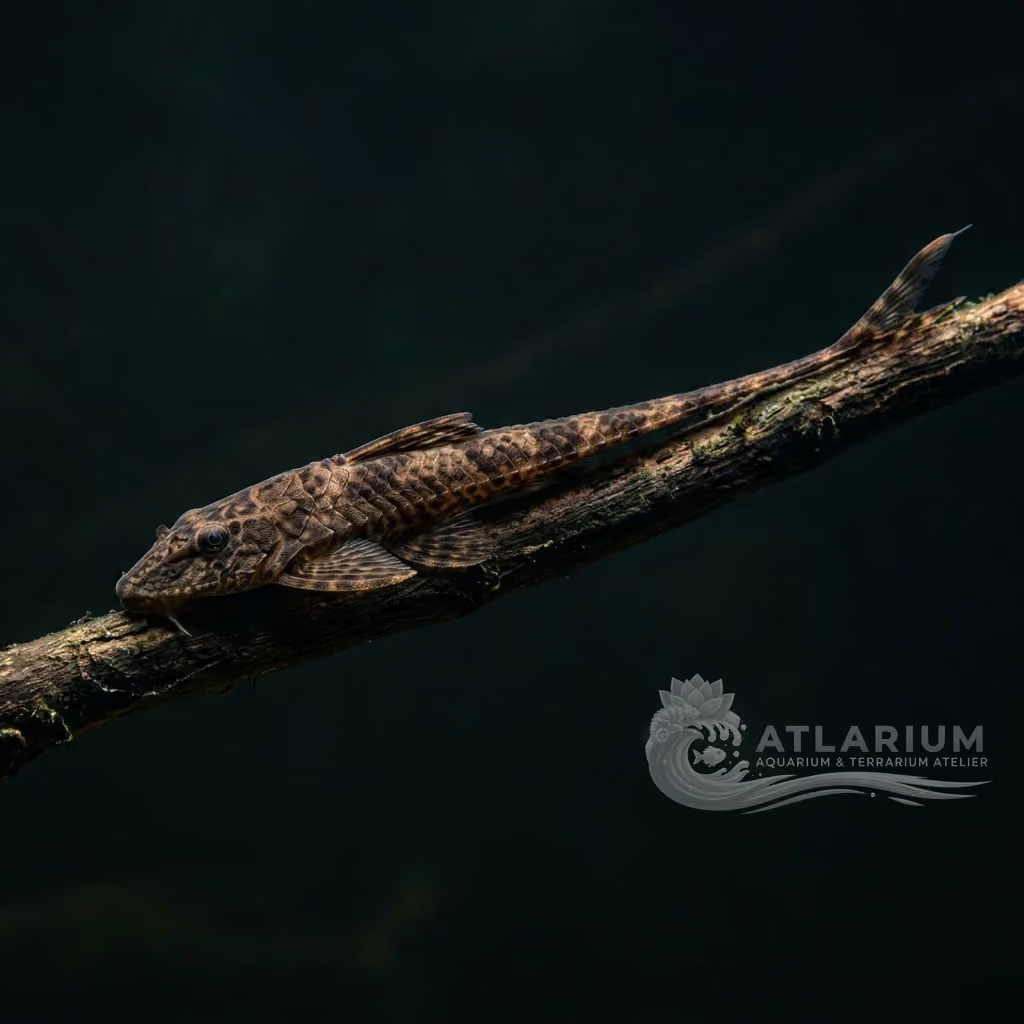
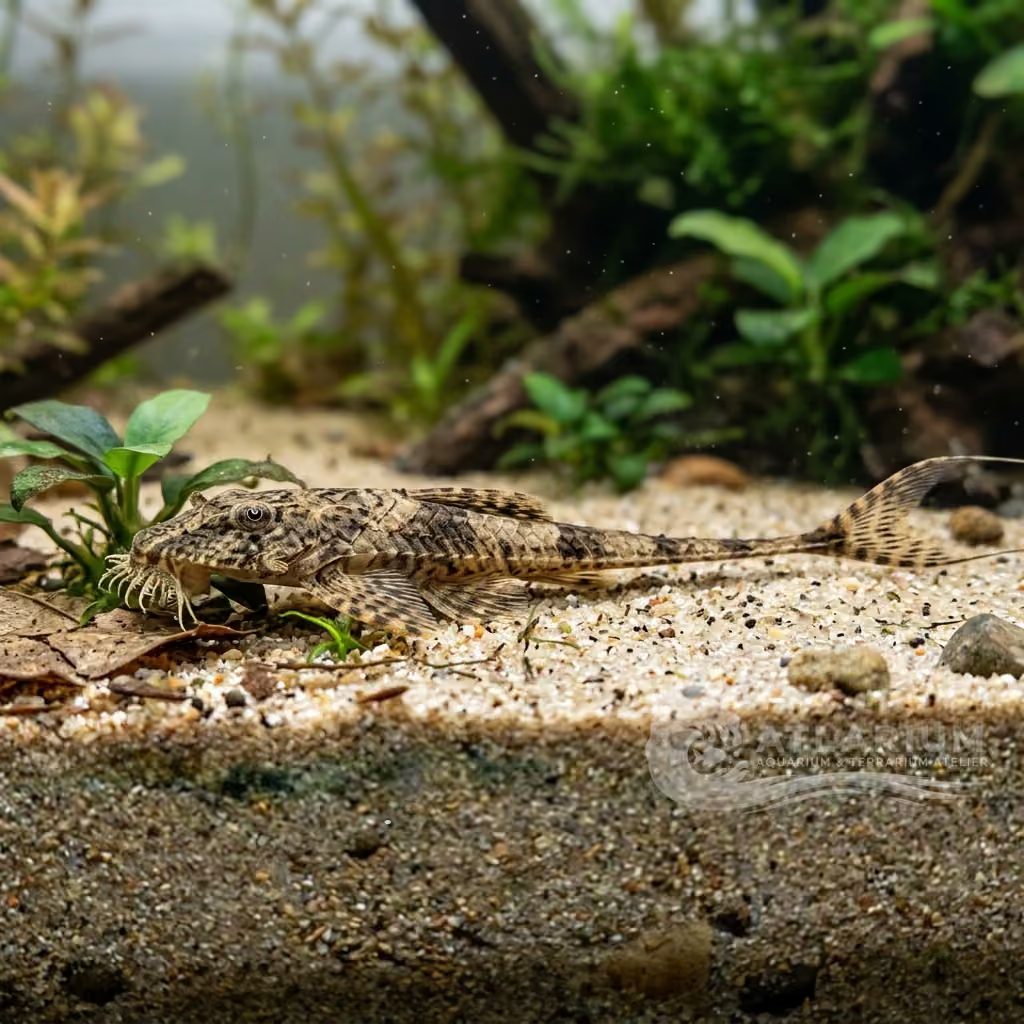
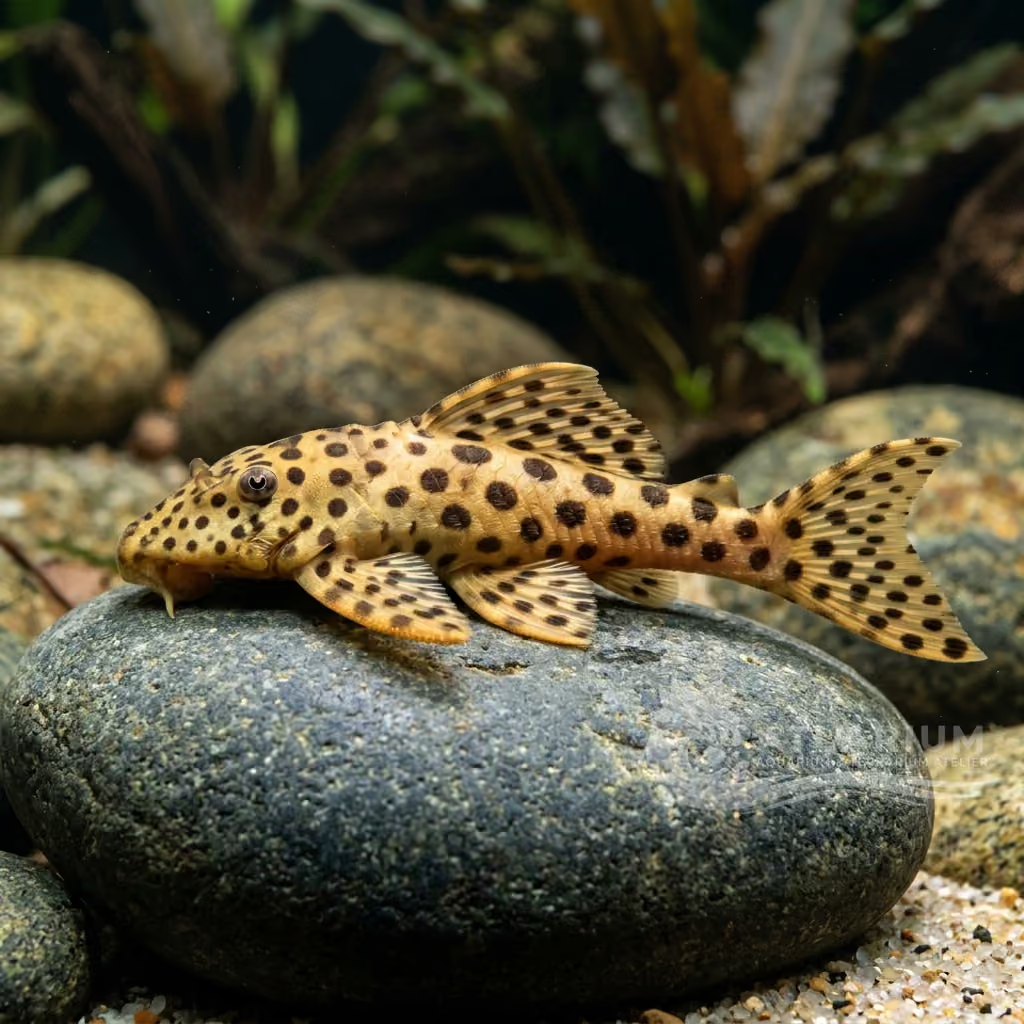
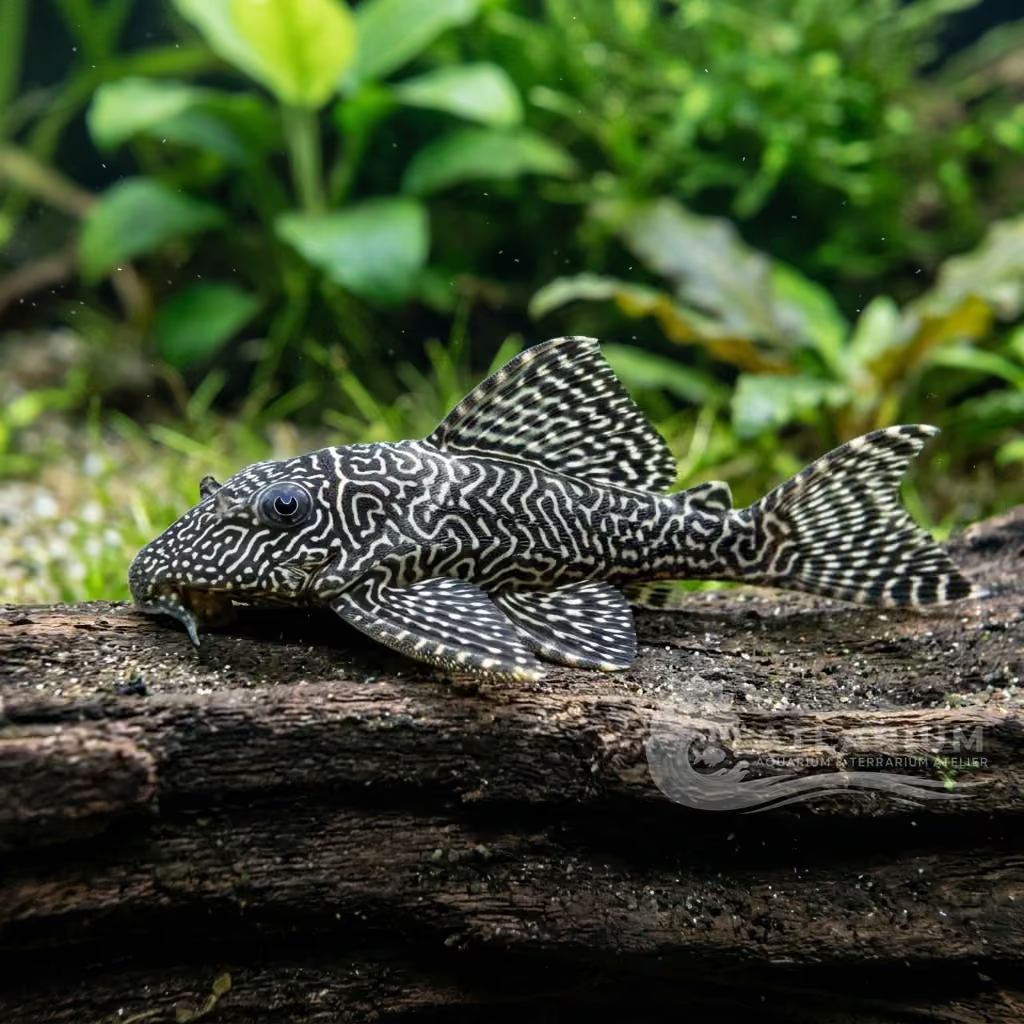
Taxonomy and Morphology: Bulldog Pleco / Rubber Lip Pleco (Chaetostoma formosae). Atypical, stocky Loricariid with a disproportionately large and flattened head, lacking the elongated snout typical of other Plecos. The sucker mouth is huge and lacks true pointed barbels.
Social Behavior: Territorial with conspecifics, barely tolerates other bottom fish that compete for the same rocky surfaces. Spends its time stubbornly anchored to stones under waterfalls, scraping algae.
Coloration and Sexual Dimorphism: Grayish or olive green base, with light or dark dots and a characteristic dark network on the snout. The pectoral fins (and sometimes the anal) of the males are more elongated, while the females are stockier.

Care, breeding and tankmates
Aquarium Setup: 100 cm (40 inches) rheophilic (Hillstream) tank. It is essential to replicate the mountain environment: extreme movement pumps, smooth river pebbles and strong lighting to encourage the growth of diatoms ("brown algae").
Diet and Feeding: Feeds on the algal biofilm and in particular on diatoms. An immaculate and newly set up tank is a death sentence. Must be supplemented with Repashy Soilent Green, spirulina tablets and blanched vegetables.
Water Quality: DEMANDS COOL WATER (20-24°C / 68-75°F). Absolute intolerance to standard tropical aquarium temperatures (above 25-26°C the oxygen drops and the fish suffocates). Pristine and hyper-oxygenated waters.
Compatibility and Cohabitation: Do not insert it with goldfish nor in Amazonian community tanks at 28°C. Ideal with torrent-dwelling cyprinids such as Danios, White Cloud Mountain Minnows (Tanichthys albonubes) or Hillstream species (Beaufortia, Gastromyzon).
Aquarium Breeding: Cave spawners rare in amateur aquariums (almost all wild specimens). The female attaches the eggs under loose rocks, and the male guards them in the strong current.
Risks and Diseases: Absolutely not to be purchased to scrape away algae in static and warm tropical aquariums. They will inexorably die of hypoxia (lack of oxygen) and malnutrition in a very short time.

Geographic origin and distribution
Andean rivers and streams of the Orinoco basin (Colombia and Venezuela). Exclusively populates mountain streams with clear waters, very strong currents, rounded stones and cold temperatures.
Origin
Amazon, Orinoco, and Guianas

Fish profile
- Temperament
- Semi-aggressive
- The Chaetostoma formosae is generally a peaceful and retiring fish when housed with other species. They tend to be somewhat shy and spend much of the day resting in shaded areas or crevices. However, they can exhibit territorial behavior toward their own kind or other bottom-dwelling algae eaters if space is limited. Providing plenty of line-of-sight breaks and individual hiding caves helps minimize any conspecific aggression. Overall, they are an excellent, non-aggressive addition to a carefully chosen community of fast-water fishes.
- Diet
- Omnivore
- In their natural habitat, these plecos are specialized aufwuchs grazers that feed primarily on algae and the microorganisms living within it. In the aquarium, their diet should consist mainly of high-quality vegetable matter, such as algae wafers and sinking herbivore pellets. Fresh vegetables like blanched zucchini, cucumber, and spinach should be offered regularly to supplement their nutritional intake. They will also graze on natural biofilm and soft algae growing on rocks and aquarium glass. While primarily herbivorous, occasional small offerings of protein, such as bloodworms, can be given to mimic their natural consumption of micro-invertebrates.
- Life expectancy
- 8-15 years
- Adult size
- 10 cm
- Sex ratio
- Solitary
- These plecos can be kept singly, in pairs, or in small groups if the aquarium provides enough space and resources. When keeping multiple individuals, it is important to provide numerous hiding spots to prevent territorial disputes. A balanced sex ratio is not strictly necessary for general display, as they do not commonly breed in community setups. If attempting to form a breeding pair, offering a small group of males and females allows them to naturally establish territories and pair off. Observing their interactions is key to ensuring that no single fish becomes overly dominant.
- Feeding frequency
- Twice daily
- Rubberlip Plecos should be fed at least once a day, preferably just before the aquarium lights are turned off. Because they are primarily nocturnal foragers, evening feeding ensures they have access to food without competition from daytime tank mates. Leaving fresh vegetables in the tank overnight and removing the uneaten portions the next morning is an excellent feeding strategy. Algae wafers can also be dropped near their preferred hiding spots to encourage feeding. Careful monitoring is necessary to ensure they are getting enough to eat, especially in newer, pristine tanks lacking natural algae.
- Bioload
- High
- The Rubberlip Pleco produces a moderate amount of waste compared to larger pleco species. Their bioload is generally manageable in well-filtered aquariums with adequate water volume. Because they require pristine, highly oxygenated water, efficient mechanical and biological filtration is absolutely essential. Regular water changes are also critical to keep nitrates low and maintain their health. A high-quality canister or hang-on-back filter is recommended to handle their waste output effectively.
- Flow
- Stagnant
- This species originates from high-gradient, fast-flowing mountain streams and requires similar conditions in captivity to thrive. They prefer a very strong water current that provides excellent oxygenation and mimics their natural riverine habitat. The use of powerheads or specialized circulation pumps is highly recommended to create a unidirectional flow across the aquarium. Stagnant or slow-moving water will quickly lead to stress, respiratory distress, and potential health issues. Creating a river-manifold setup or a dedicated hillstream aquarium is the best way to satisfy their flow preferences.
- Jump risk
- Yes
- While plecos are not generally known as active jumpers, the Rubberlip Pleco possesses a unique ability to climb wet surfaces. In aquariums with strong water flow or inadequate water parameters, they may attempt to scale the glass and inadvertently escape. A tight-fitting lid is highly recommended to prevent any accidental losses. Securing all openings around filters and cords is also a wise precaution. Ensuring optimal water quality usually minimizes any restless climbing behavior.
- Reproduction
- Oviparous
- Breeding the Rubberlip Pleco in the home aquarium is considered quite rare and challenging to accomplish. They are believed to be cave spawners, where the male will select a suitable crevice and invite a female to deposit her eggs. Once the eggs are laid and fertilized, the male typically takes on the responsibility of guarding and fanning the clutch until they hatch. Inducing spawning may require a combination of cooler water changes, high oxygenation, and an abundance of high-quality food. Because of these specific triggers, successful captive breeding is rarely achieved by the average aquarist.
- Compatibility & tankmates
- Semi-aggressive
- The Chaetostoma formosae makes an excellent tank mate for other species that appreciate fast-flowing, cooler water environments. They pair wonderfully with hillstream loaches, small characins, and active cyprinids like danios or white cloud mountain minnows. It is important to avoid keeping them with aggressive, large, or overly territorial bottom-dwellers that might outcompete them for food. Keeping them with other algae-eating species should only be attempted if the tank is large enough to provide ample grazing space for everyone. They are generally indifferent to mid-water and top-dwelling fish, making them a peaceful addition to a specialized river-biotope community.
- Tank level
- Bottom
- The Chaetostoma formosae is almost exclusively a bottom-dwelling fish that spends its time attached to hard surfaces. They are most commonly found clinging to smooth rocks, driftwood, or the aquarium glass using their specialized suckermouths. Although they rarely swim into the middle or upper water column, they may explore the tank walls up to the water surface while foraging for algae. Providing a complex substrate with plenty of smooth river stones mimics their natural environment. They will spend the majority of their daylight hours hidden away in crevices at the bottom of the tank.

Scientific Parameters & Models
FishBase
Window to the official scientific data of the species
FishBase v25.04Data synced on: 06/15/2026
- Phylogenetic uniqueness (PD50)
- 0.5
- Bayesian Length-Weight
- a = 0.0166, b = 2.95
- VulnerabilityLow vulnerability (10 / 100)

Related species
Recommendations grouped by close relatives, companion choices, and similar care.