Sidereus Pleco
Pseudancistrus sidereus
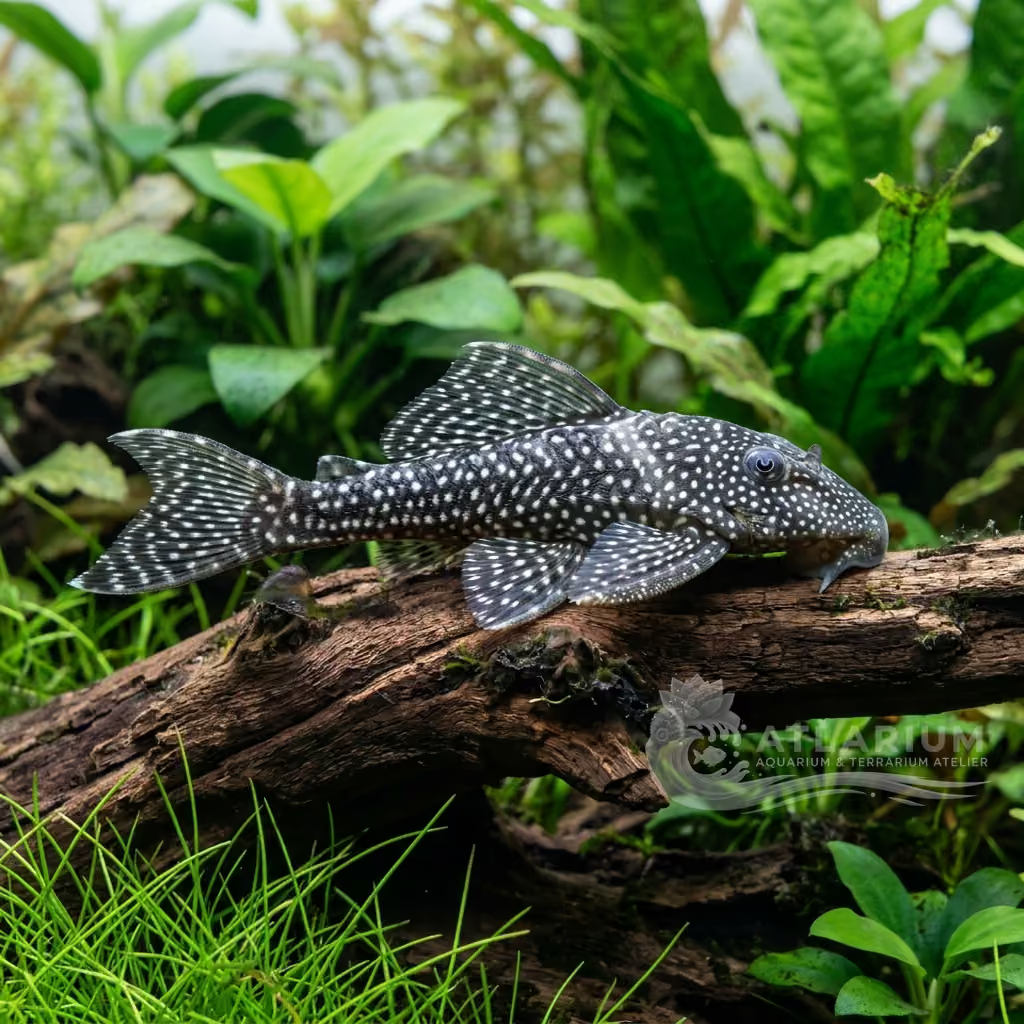
A robust medium-sized loricariid with a flat body tailored for extreme currents, featuring a dark livery acting as perfect river camouflage.
Water Temperature
25 - 29 °C
pH Value
5.5 - 7.2
Water type
Freshwater
Tank level
Bottom
Adult size
16 cm
Minimum tank volume
>= 150 L
Minimum group
>= 1
GH
1 - 10 dGH
KH
2 - 10 dKH
TDS
35 - 250 ppm
Conductivity
55 - 391 uS/cm

Species description
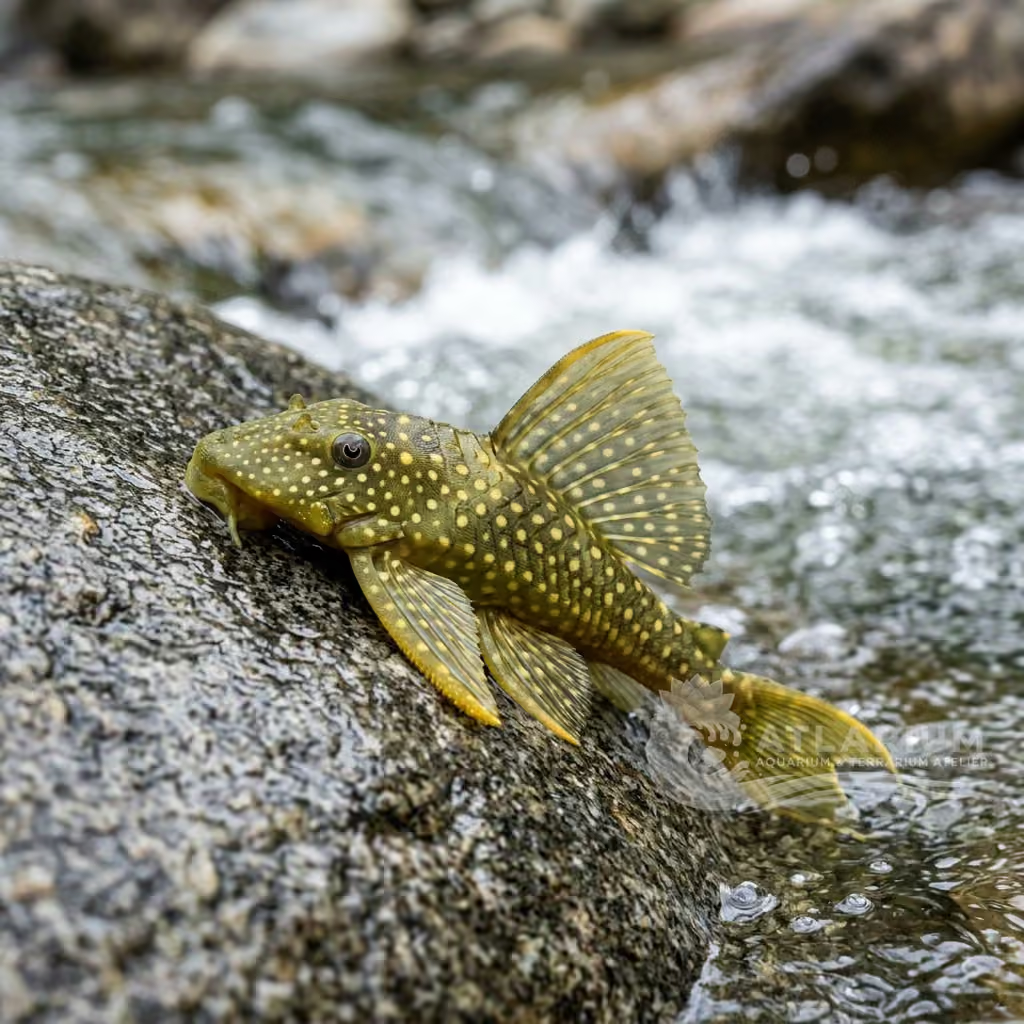
Geographical Origin and Habitat: Exclusive inhabitant of the Orinoco and Ventuari river basin in Venezuela. Thrives in clear or amber ("light blackwater") fast-flowing waters along rocky-bottom rivers, often stationing near waterfalls or granitic boulders.
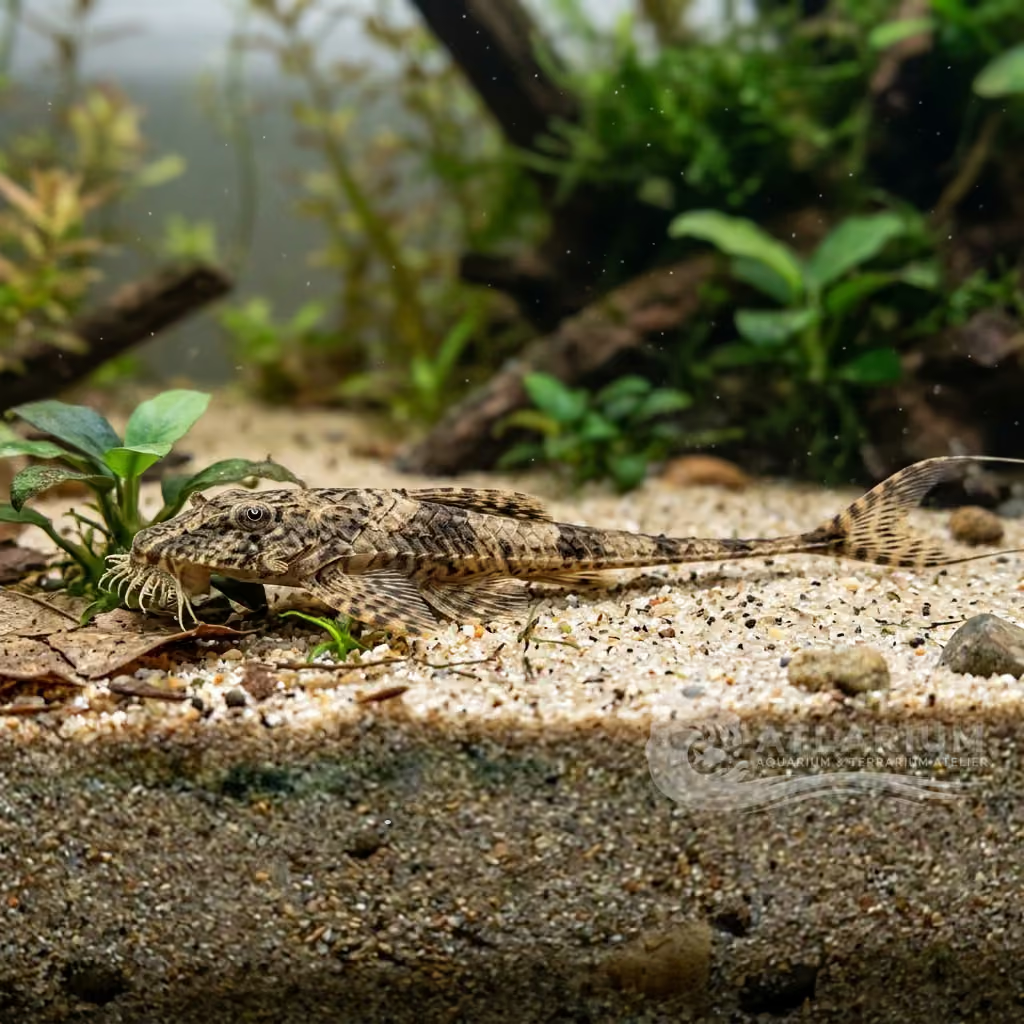
Taxonomy and Morphology: L238 / L053 (Pseudancistrus sidereus). Very rare species in the hobbyist circuit. "Sidereus" means starry. It boasts the classic stocky "spoon" head, flattened belly, and prominent, papillose lips designed for scraping algae and holding on in currents.
Social Behavior: A shy and elusive Pleco. Crepuscular by nature, it becomes visible only in dim light to methodically sift the bottom. In appropriately large aquariums it ignores other species, but fights for refuges with conspecifics.
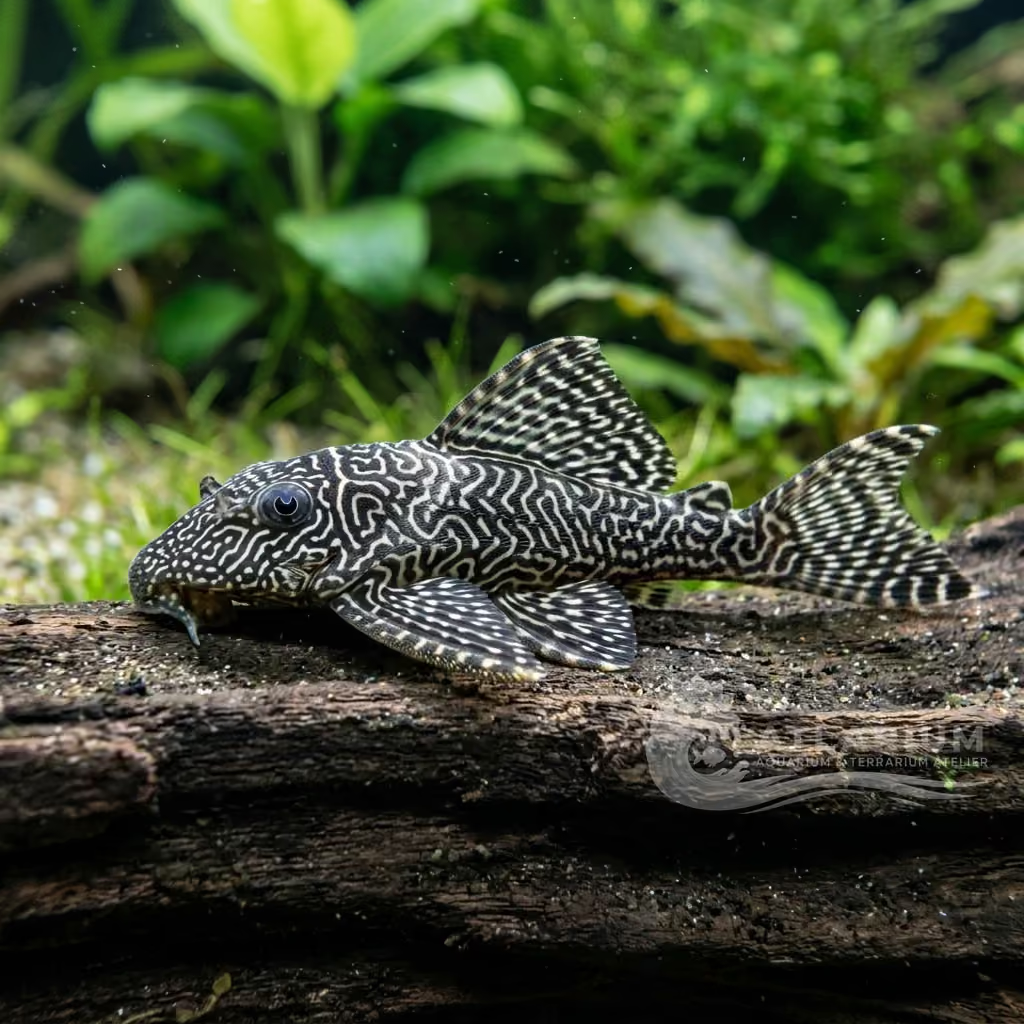
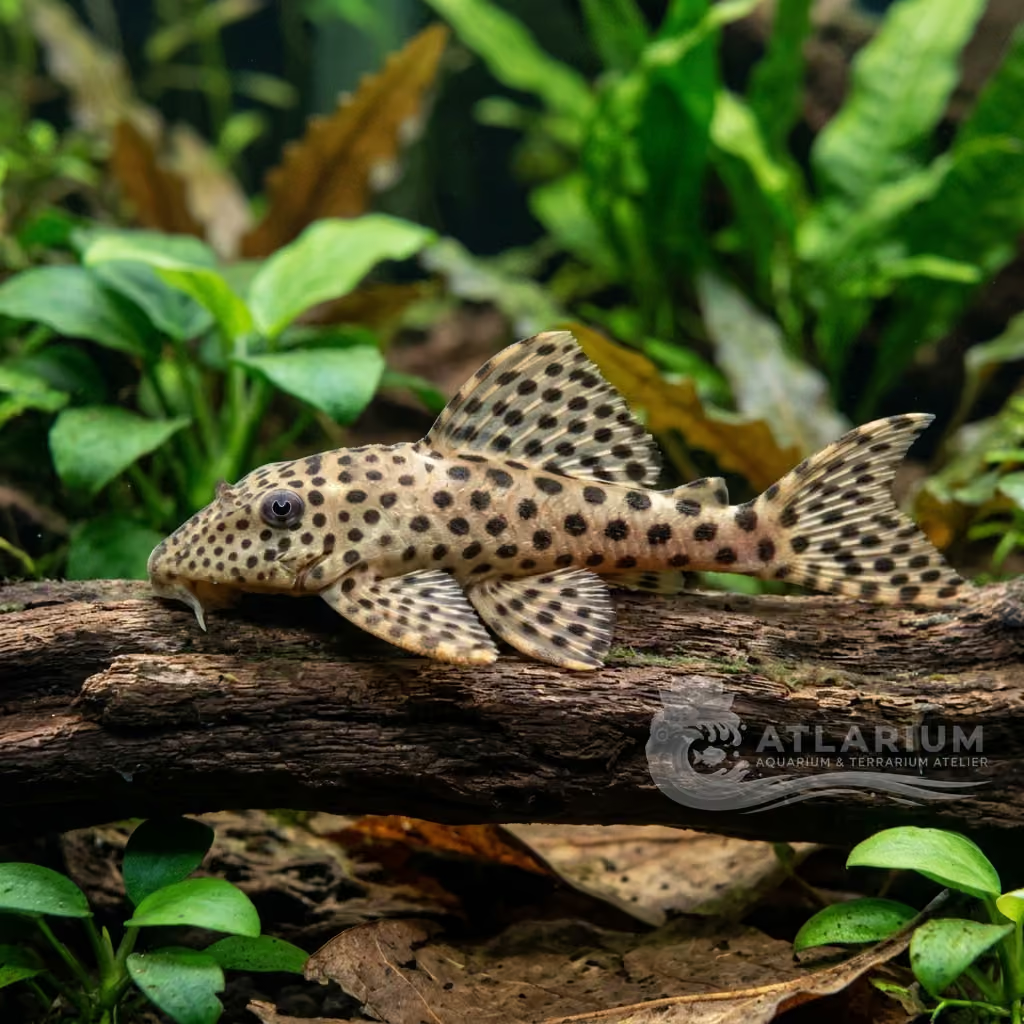
Coloration and Sexual Dimorphism: The base body, varying from chocolate brown to velvet black, is sprinkled with tiny and elegant white/gold spots. Dimorphism explodes in the male, with fearsome odontodes sprouting from the sides of the mouth and flanks, absent in females.

Care, breeding and tankmates
Aquarium Setup: Ideal for "River manifold" tanks (120 cm / 48 inches). Flat rocks overlapped like an artificial reef to form countless narrow passages. Roots serve for tooth wear and visual hiding places, although wood is not its food target.
Diet and Feeding: Omnivore (Aufwuchs / Scraper). Willingly consumes algae coatings if present. Must be fed a fixed rotation of vegetable tablets, zucchini, and abundant protein supplementation twice a week (bloodworms and mussels).
Water Quality: Intolerant of degradation: requires the use of "over-sized" external filters with high turnover (over 6x the volume) and massive water changes (maniacally siphoning the bottom from droppings). Strictly warm water (25-29°C / 77-84°F).
Compatibility and Cohabitation: Friendly fish with lively Characins (Bleeding Heart, Lemon Tetras), large rheophilic Corydoras and Dwarf Cichlids, which will act as a stimulus ("Dither fish") indicating the absence of danger. Do not pair with large, quarrelsome Plecos.
Aquarium Breeding: Few testimonies. Spawning occurs in very narrow caves within rock crevices, stimulated by the artificial arrival of the "wet season" (changes with cooler, softer water).
Risks and Diseases: In hot, poorly oxygenated tanks it rapidly suffers from hypoxia. Extremely high risk of disadvantageous food competition if paired with other unscrupulous omnivorous Loricariids that would empty its bottom.

Geographic origin and distribution
Exclusive inhabitant of the Orinoco and Ventuari river basin in Venezuela. Thrives in clear or amber ("light blackwater") fast-flowing waters along rocky-bottom rivers, often stationing near waterfalls or granitic boulders.
Origin
Amazon, Orinoco, and Guianas

Fish profile
- Temperament
- Semi-aggressive
- The temperament of Pseudancistrus sidereus is best described as reclusive and generally peaceful toward unrelated tank mates. They are quite shy, especially during daylight hours, preferring to remain hidden away in their chosen caves or crevices. Towards other Loricariids or similarly shaped bottom-dwellers, they can display grumpy, territorial behavior to defend their favorite hiding spot. This usually involves chasing or posturing rather than inflicting serious damage. Overall, they are peaceful scavengers that simply demand their own personal space at the bottom of the tank.
- Diet
- Herbivore
- The diet of Pseudancistrus sidereus consists heavily of vegetable matter and aufwuchs found growing on submerged surfaces in the wild. In captivity, they must be provided with high-quality sinking herbivore wafers, spirulina pellets, and fresh blanched vegetables like zucchini or cucumber. While primarily herbivorous, they also appreciate occasional protein-rich treats such as frozen bloodworms or brine shrimp. Natural driftwood must be present in the aquarium, as chewing on it aids their digestion. A varied diet prevents nutritional deficiencies and supports a strong immune system.
- Life expectancy
- 5-10 years
- Adult size
- 16 cm
- Sex ratio
- Flexible
- Determining the sex of Pseudancistrus sidereus can be challenging when they are juveniles, but differences emerge as they mature into adulthood. Males typically develop much more prominent odontodes (spiky growths) on their pectoral fins and around their head compared to females. Females are generally plumper and wider, particularly when viewed from above, as they carry eggs. If breeding is desired, keeping one male with one or two females is the standard approach. Housing multiple adult males in the same tank requires a very large footprint and abundant cave options to prevent territorial disputes.
- Feeding frequency
- Twice daily
- As primarily nocturnal scavengers, Pseudancistrus sidereus is best fed once a day, ideally just before or shortly after the aquarium lights are turned off. This mimics their natural feeding cycle and ensures they get their share of food without competition from diurnal tank mates. Dropping sinking wafers or fresh vegetables near their preferred hiding spots encourages them to emerge and eat. Any uneaten fresh food should be removed the following morning to prevent water fouling. Overfeeding should be avoided to manage their already substantial waste production.
- Bioload
- Medium to High
- Pseudancistrus sidereus is known to produce a very heavy bioload compared to other fish of a similar size. As a dedicated bottom dweller that grazes almost constantly, they excrete a substantial amount of solid waste. This necessitates a powerful, oversized filtration system to keep the water chemistry stable and clear. Regular, rigorous gravel vacuuming and large weekly water changes are absolutely essential. Ignoring their high waste output will quickly lead to deteriorating water quality and potential health issues.
- Flow
- Stagnant
- Hailing from fast-flowing rivers and streams, Pseudancistrus sidereus has a strong preference for highly oxygenated water with substantial movement. They thrive in setups equipped with strong powerheads or circulation pumps that simulate the currents of their natural habitat. High flow environments help keep the substrate clear of their heavy waste while promoting a healthy gas exchange. The addition of airstones can further ensure that dissolved oxygen levels remain at saturation point. Stagnant or slow-moving water can lead to stress and compromised respiratory health.
- Jump risk
- No
- Reproduction
- Oviparous
- Breeding Pseudancistrus sidereus in the home aquarium is possible but requires a dedicated setup and careful conditioning. They are obligate cave spawners, meaning the male will claim a tight-fitting crevice or breeding tube to attract a female. After she lays a clutch of adhesive eggs inside the cave, the male kicks her out and assumes full responsibility for guarding them. He will meticulously fan the eggs with his fins to keep them oxygenated and free of fungus until they hatch. The fry are relatively large and can accept finely crushed sinking foods soon after absorbing their yolk sacs.
- Compatibility & tankmates
- Territorial
- This catfish is generally peaceful and makes a robust addition to many freshwater community aquariums. Pseudancistrus sidereus typically ignores mid-water and top-dwelling fish, minding its own business among the decor. However, it can become highly territorial towards other bottom dwellers, especially males of the same or similar species. Providing a large footprint with plenty of distinct territories is key to mitigating any aggression. They should not be kept with fish small enough to fit in their mouth or those that are overly aggressive.
- Tank level
- Bottom
- This species is an obligate bottom dweller that will spend nearly its entire life in the lowest reaches of the aquarium. Pseudancistrus sidereus relies on its specialized mouth to attach to hard surfaces, grazing on biofilm and resting among the decor. They favor complex hardscapes featuring numerous pieces of driftwood, smooth river stones, and ceramic caves for daytime shelter. They will rarely, if ever, be seen swimming in the open mid-water or near the surface. Providing a large surface area at the bottom is much more important than vertical tank height.

Scientific Parameters & Models
FishBase
Window to the official scientific data of the species
FishBase v25.04Data synced on: 06/15/2026
- Resilience
- Medium (1.4 - 4.4 years)
- Phylogenetic uniqueness (PD50)
- 0.5
- Bayesian Length-Weight
- a = 0.01549, b = 2.96
- VulnerabilityLow vulnerability (11 / 100)

Related species
Recommendations grouped by close relatives, companion choices, and similar care.