Zebra Obliquidens (Victorian Cichlid)
Haplochromis obliquidens
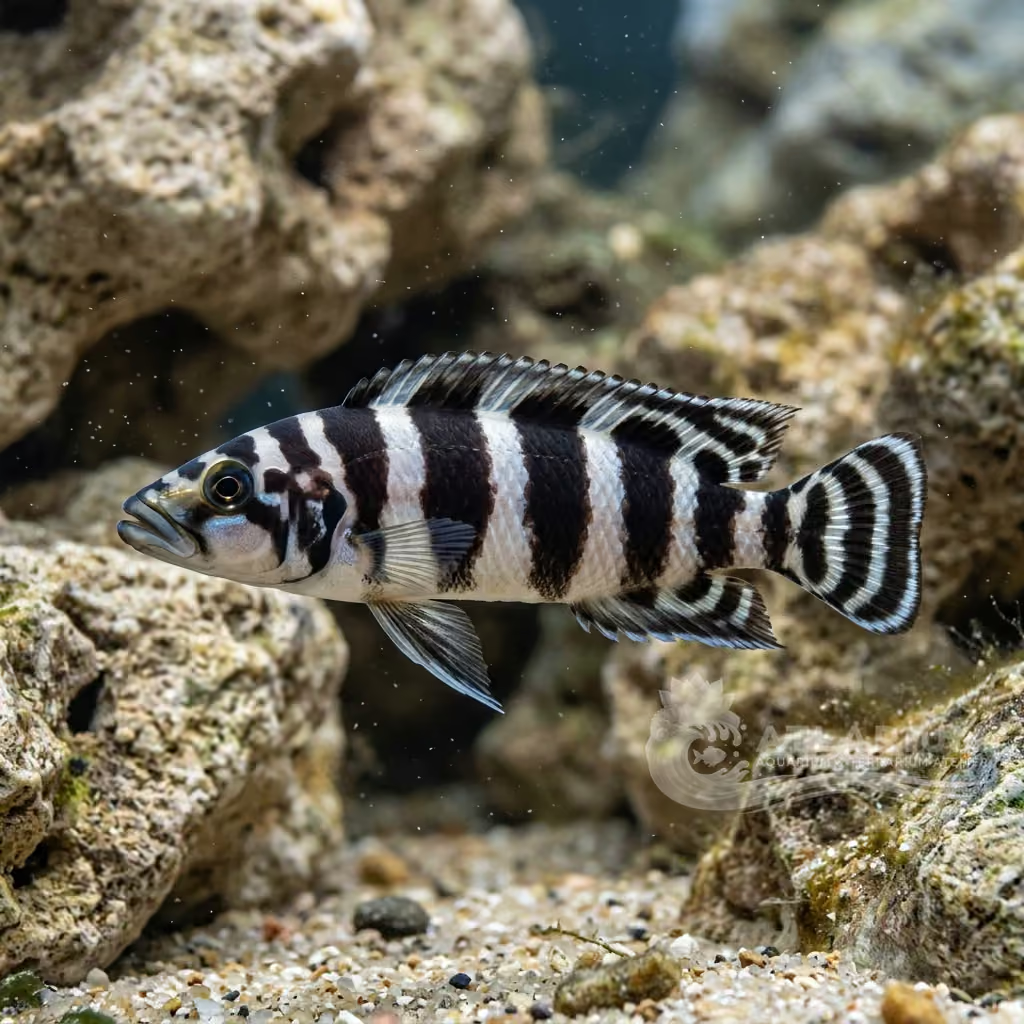
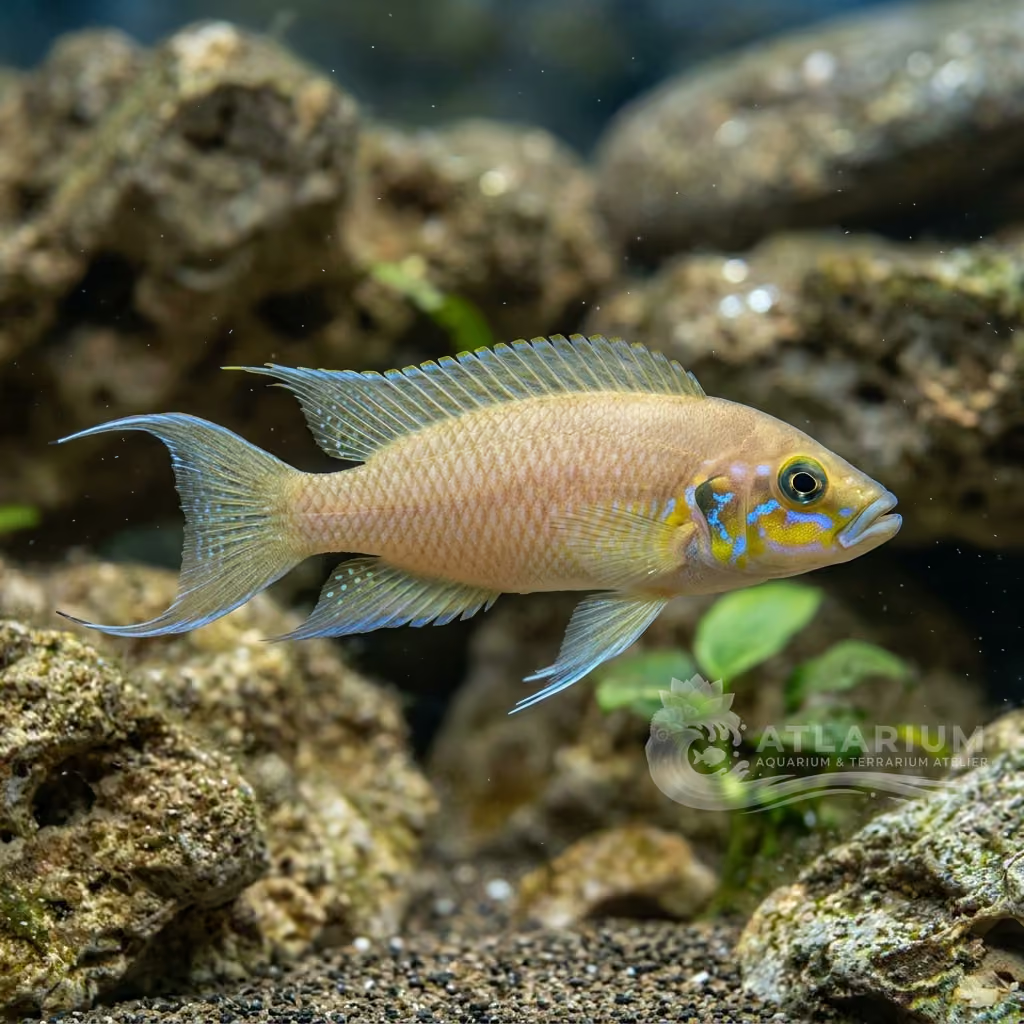
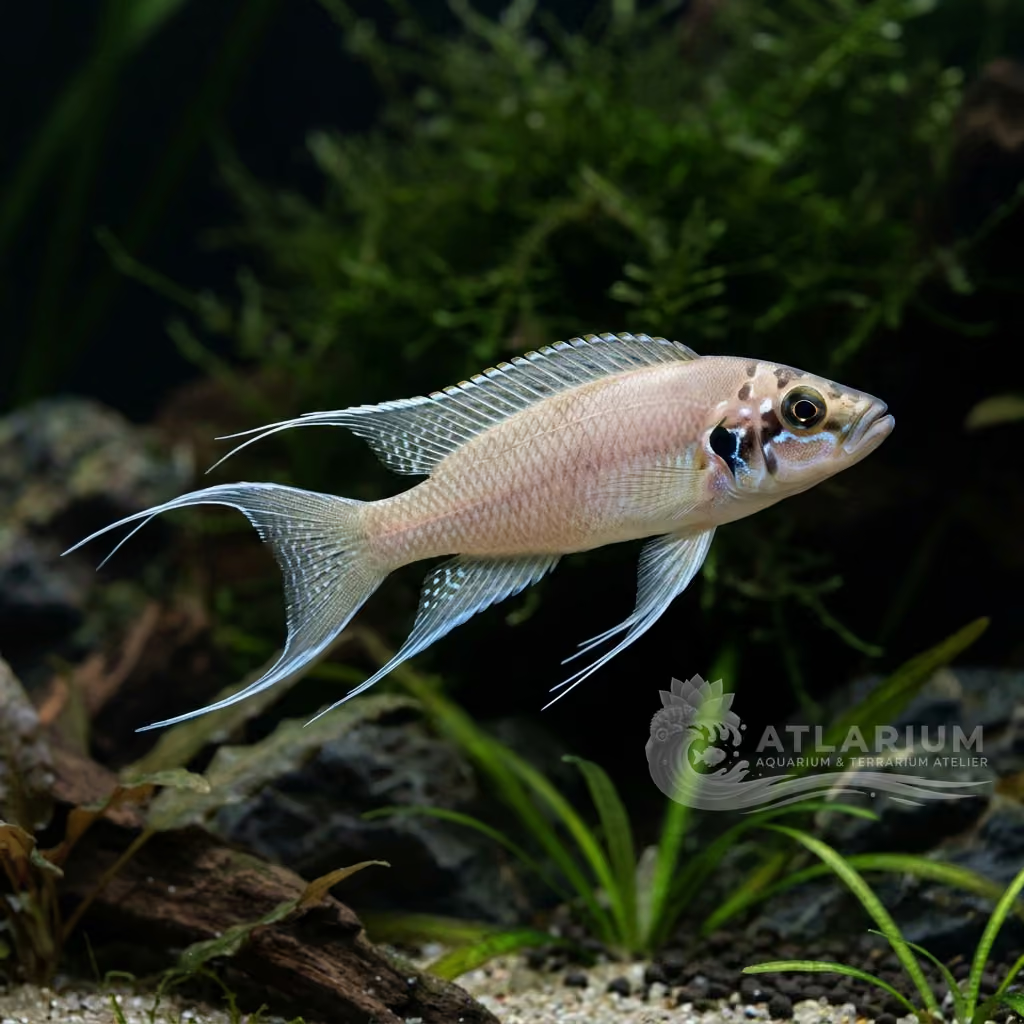
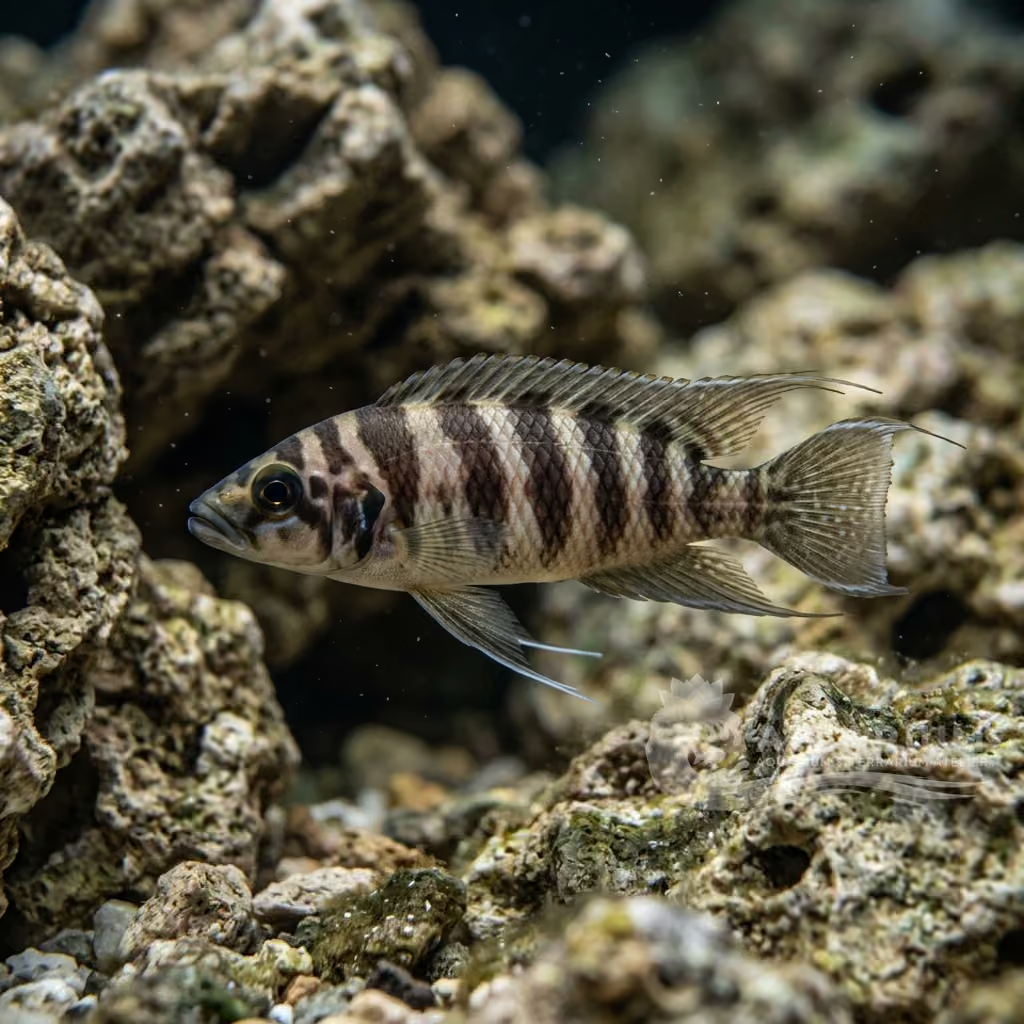
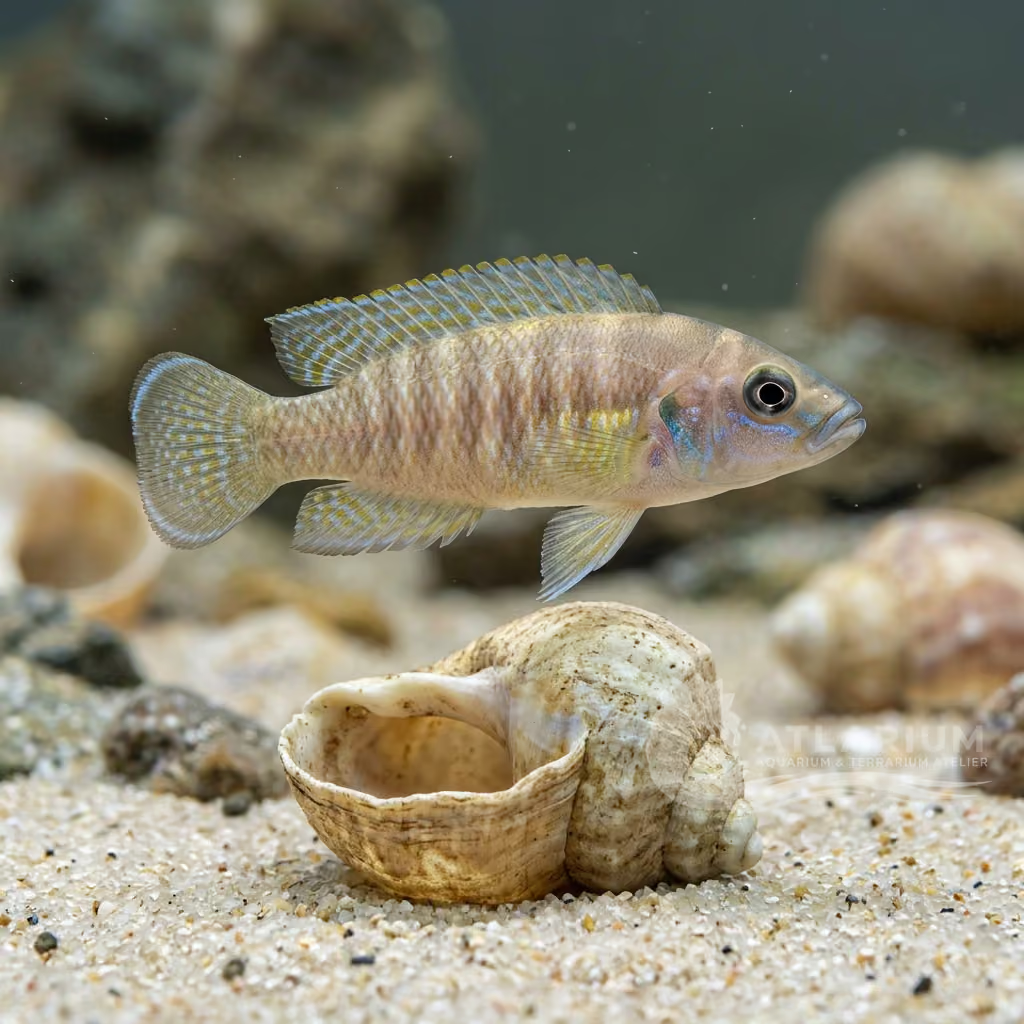
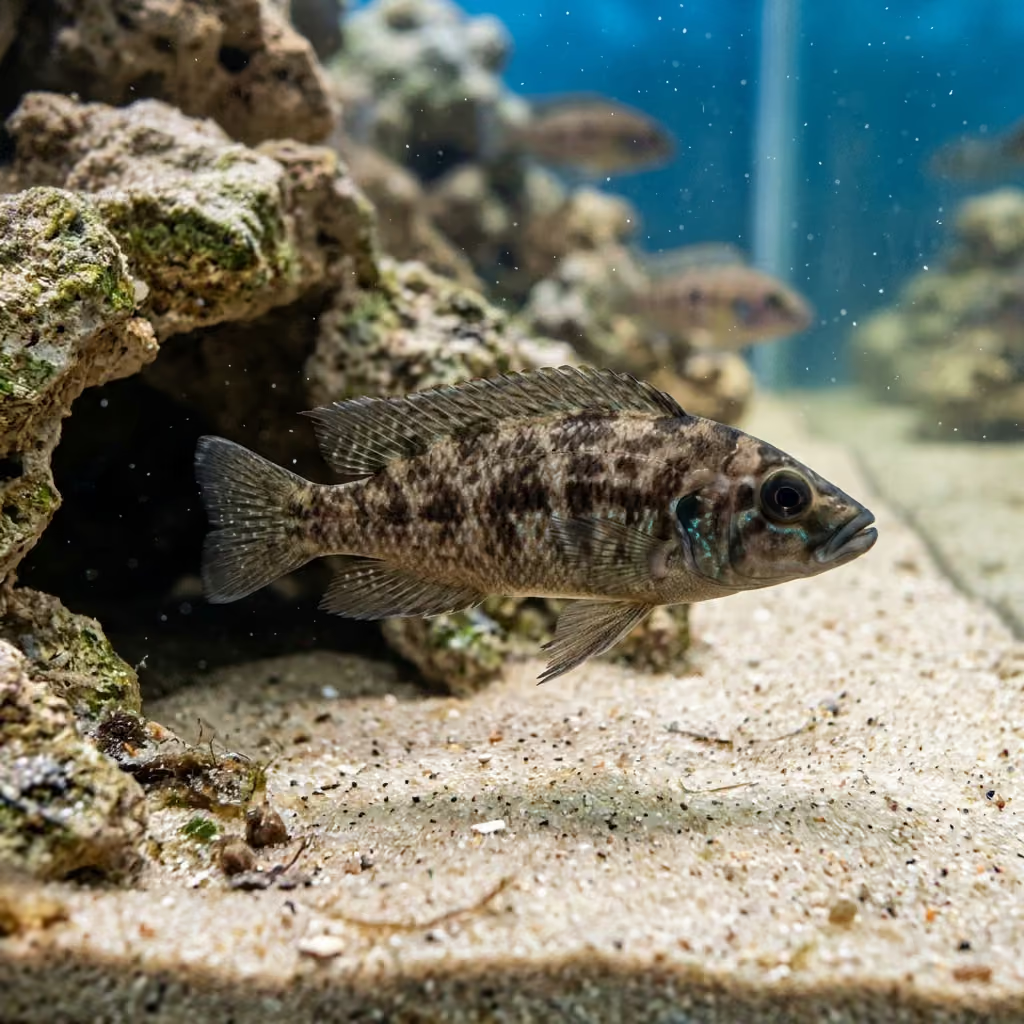
Splendid and chromatic cichlid of Lake Victoria (12 cm). Famous for its incredible coloration: dark vertical bands ('zebra') on a neon yellow-green background with a blazing blood red belly. Intolerant, active grazer and very robust.
Water Temperature
23 - 28 °C
pH Value
7.5 - 8.5
Water type
Freshwater
Tank level
Bottom and middle
Adult size
10 cm
Minimum tank volume
>= 100 L
Minimum group
>= 1
GH
8 - 15 dGH
KH
4 - 7 dKH
TDS
160 - 295 ppm
Conductivity
250 - 461 uS/cm

Species description
Geographical Origin and Habitat: Lake Victoria Basin (largely extinct in the wild). Lived among submerged papyrus meadows and very shallow coastal swamps.
Taxonomy and Morphology: Zebra Obliquidens (Haplochromis obliquidens). Iconic Lake Victoria cichlid, today kept alive almost exclusively by artificial breeding networks of enthusiasts. Robust body, mouth equipped with bicuspid scraping teeth.
Social Behavior: Aggressive, restless and tireless. A harem-type group is formed in which the alpha male terrorizes the other males; females, without ample rocky shelters or plants, undergo fierce stress. Requires colonies of 2-3 males and 6-10 females.
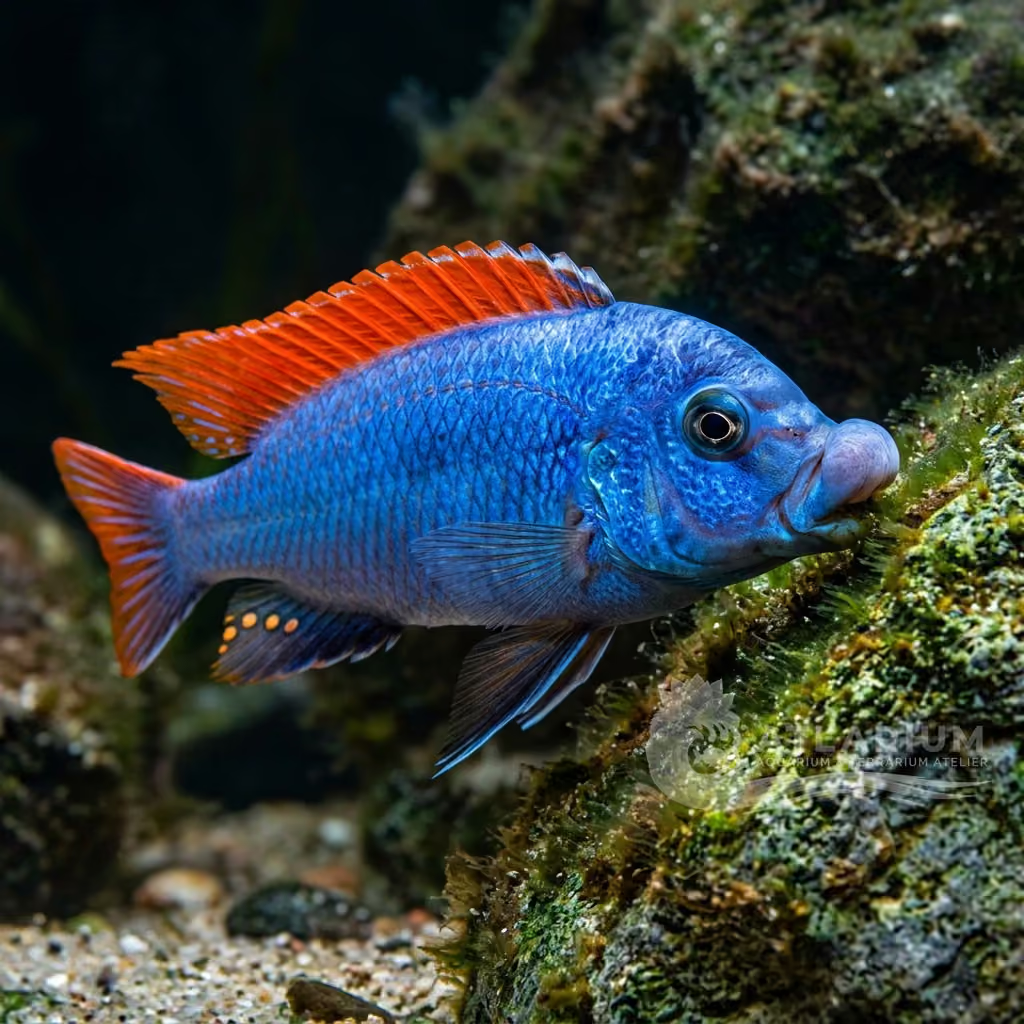
Coloration and Sexual Dimorphism: The male is a masterpiece of genetics: sun yellow belly, bright red or green opercula and zebra-striped flanks with thick vertical black lines. The fins blaze red, and it has immense anal egg-spots. Gray, insignificant and zebra-striped females.

Care, breeding and tankmates
Aquarium Setup: Minimum 120 cm (48 inches) for a breeding group. Open central space with abundant piles of smooth rocks up to the surface at the corners, to break the lines of sight and provide desperate dens for harassed females.
Diet and Feeding: Algivorous / insectivorous. Its teeth are shaped to detach algae. In the aquarium it swallows spirulina-based flakes and small vegetable pellets, combined with thawed brine shrimp. Too much protein (beef heart) quickly blocks their intestine.
Water Quality: Requires hard, basic (pH 8) and strictly clean waters. Unlike Tanganyika or Malawi, it tolerates parameter variations better, but suffers from nitrate accumulation which bleaches male colors.
Compatibility and Cohabitation: Difficult fish to pair due to ferocity (it is known to kill other cichlids for supremacy). Should preferably be kept in a dedicated tank. If placed in a Malawi-tank (not recommended by experts) pair it with very robust and not blue/yellow Mbunas.
Aquarium Breeding: Very fertile maternal mouthbrooder. The male dances, attracts the female into a nest, she lays and swallows. Attracted by the fake egg spots on the male's anal fin, she tries to swallow those too, allowing fertilization in the mouth.
Risks and Diseases: Danger of hybrid extinction: the true H. obliquidens is an unfindable ghost (decimated by the Nile Perch in Lake Victoria). 99% of the fish sold under this name in stores are actually Astatotilapia latifasciata or hybrids (Mutts). Preserving pure genetics is the goal.

Geographic origin and distribution
Lake Victoria Basin (largely extinct in the wild). Lived among submerged papyrus meadows and very shallow coastal swamps.
Origin
Africa and Madagascar

Fish profile
- Temperament
- Semi-aggressive
- They exhibit a pugnacious and highly territorial temperament, especially during breeding. Dominant males will aggressively chase away any fish that enters their claimed area. Despite their belligerent nature, their dynamic behavior is fascinating to observe in a species-appropriate setup.
- Diet
- Omnivore
- In the wild, it scrapes algae and small insects from rocks. In captivity, feed a balanced diet of high-quality cichlid flakes or pellets rich in vegetable matter like spirulina. Occasional treats of bloodworms or brine shrimp can be given.
- Life expectancy
- 8-10 years
- Adult size
- 10 cm
- Sex ratio
- Harem
- Males are highly territorial and intolerant of other males of the same species. It is highly recommended to keep one male with a harem of at least three or four females. This disperses the male's relentless mating aggression across multiple targets.
- Feeding frequency
- Twice daily
- Adults should be fed one to two times daily in portions they can consume entirely in under three minutes. Consistent, measured feeding prevents water quality issues and controls diet-related illnesses. Fasting them for one day a week can aid their digestion.
- Bioload
- Low to Medium
- This Victoria Basin cichlid has a high bioload due to its size, active nature, and significant dietary needs. It produces substantial amounts of waste that can quickly foul the water. High-capacity canister filters are strongly recommended alongside heavy water changes.
- Flow
- Stagnant
- They prefer moderate water flow that provides excellent oxygenation without overpowering them. Strong surface agitation is highly beneficial to mimic the well-oxygenated waters of Lake Victoria. Proper flow prevents the accumulation of detritus among their rock territories.
- Jump risk
- Yes
- Like most active cichlids, they are prone to jumping when startled or aggressively pursued by a dominant tank mate. Sudden shadows or turning on the room lights abruptly can trigger a leap. A completely secure and weighted lid is absolutely essential.
- Reproduction
- Oviparous
- They are maternal mouthbrooders and breed quite readily in the home aquarium. The male performs an intricate dance to entice the female to lay eggs, which she then scoops into her mouth. She will incubate the brood for several weeks without eating.
- Compatibility & tankmates
- Community
- It is an aggressive cichlid that is only compatible with other robust African cichlids of similar size and temperament. It will easily terrorize or consume smaller, peaceful community fish. Avoid housing it with extremely hyper-aggressive mbunas that might out-compete it.
- Tank level
- Middle/Bottom
- They utilize all levels of the aquarium but heavily favor the middle and lower areas where rocks are present. They need complex rockwork to establish territories and provide hiding spots for harassed females. They will confidently patrol the open water to assert dominance.

Scientific Parameters & Models
FishBase
Window to the official scientific data of the species
FishBase v25.04Data synced on: 06/15/2026
- Trophic level
- 2 ± 0 se
- Resilience
- High (less than 15 months)
- Phylogenetic uniqueness (PD50)
- 0.5
- Bayesian Length-Weight
- a = 0.01445, b = 2.99
- VulnerabilityLow vulnerability (10 / 100)

Related species
Recommendations grouped by close relatives, companion choices, and similar care.