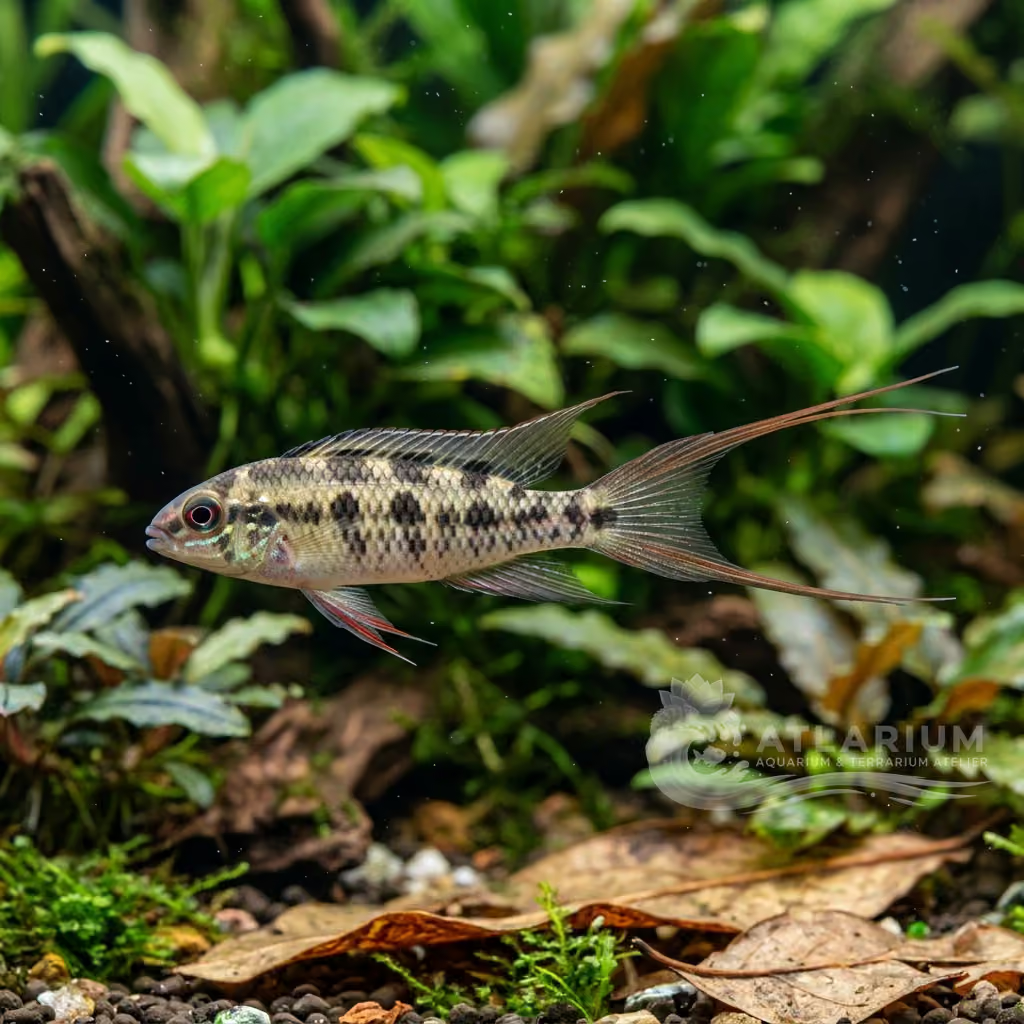
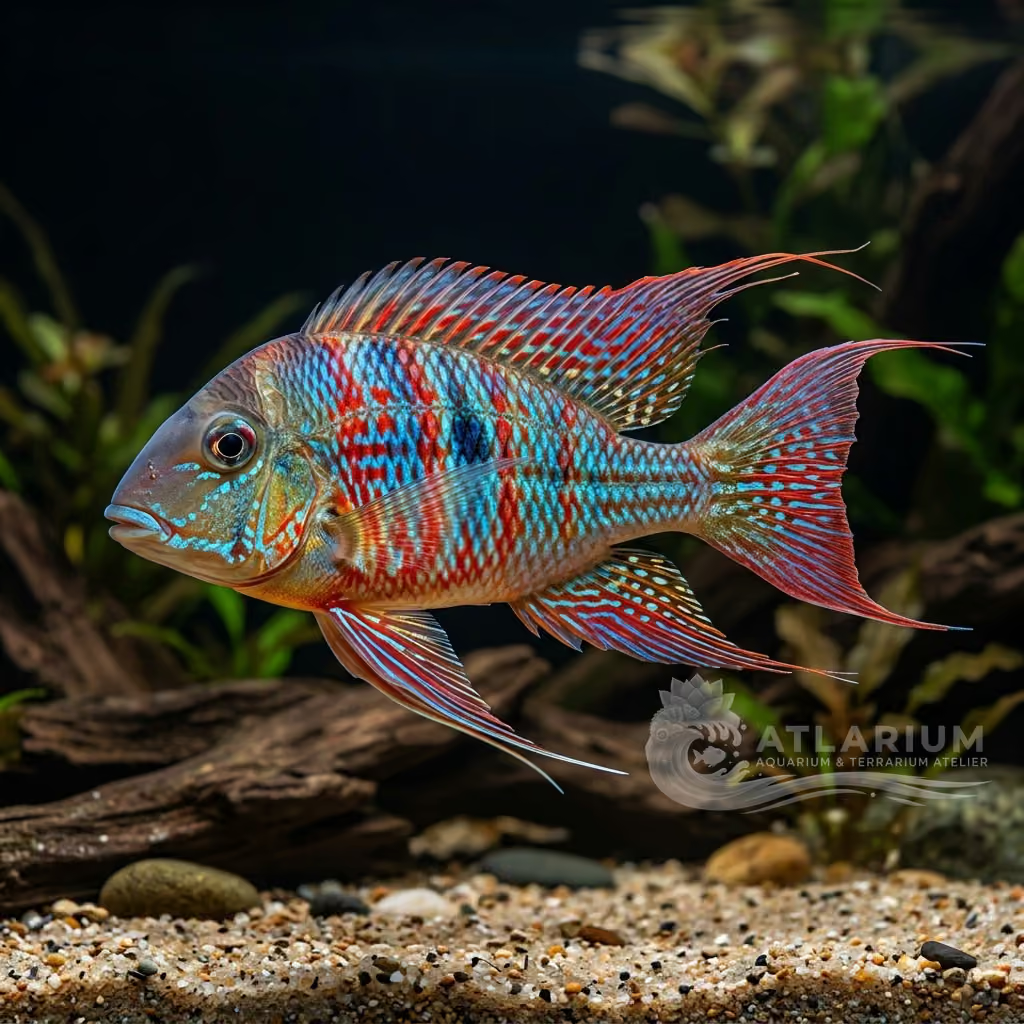
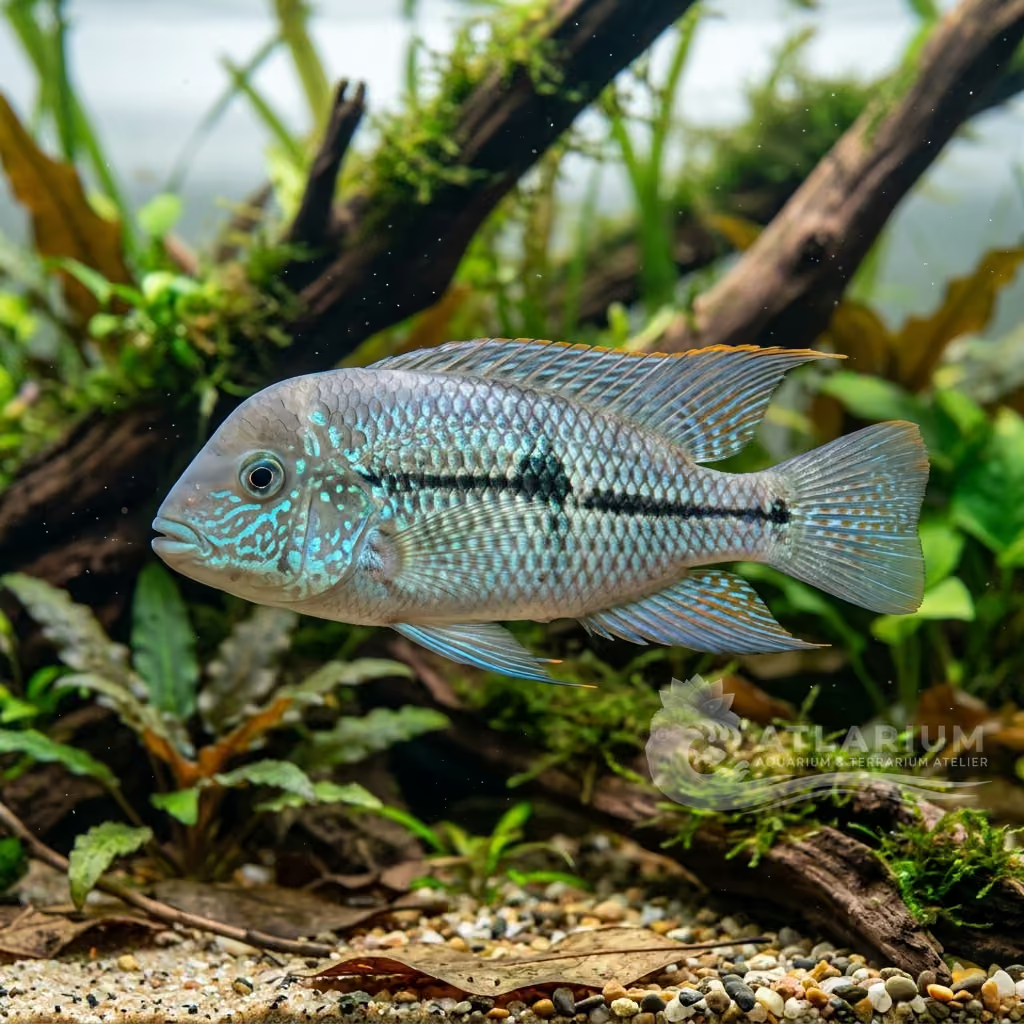
Yellow Dwarf Cichlid (Yellow Convict)
Amatitlania nanolutea
Rare and placid dwarf Central American cichlid (8 cm). Surprises with its splendid golden yellow livery and extremely peaceful nature, unlike its 'convict' cousin.
Water Temperature
24 - 28 °C
pH Value
7 - 8
Water type
Freshwater
Tank level
Bottom and middle
Adult size
7 cm
Minimum tank volume
>= 100 L
Minimum group
>= 1
GH
8 - 15 dGH
KH
4 - 7 dKH
TDS
160 - 295 ppm
Conductivity
250 - 461 uS/cm

Species description
Geographical Origin and Habitat: Endemic to Panama, mainly in the Rio Guarumo river (Atlantic slope). Inhabits moderate flowing waters, rich in rocks and submerged wood on pebble bottoms.
Taxonomy and Morphology: Yellow Convict Cichlid (Cryptoheros nanoluteus). One of the smallest described Central American cichlids ("nano"). Stocky and deep body typical of the genus Cryptoheros/Amatitlania.
Social Behavior: Decidedly less aggressive than its "cousins" (e.g. Convict Cichlid), lives well in stable pairs. It remains a Central American Cichlid, however: it will become fierce in defense of eggs and fry.
Coloration and Sexual Dimorphism: Splendid bright golden yellow coloration with vertical black bands in the middle of the body. Breeding adult females develop intense black tones on the ventral fins and a bright golden belly, while males are larger and have pointed fins.

Care, breeding and tankmates
Aquarium Setup: 80-100 cm (32-40 inches) tank for a pair. Rocky layout, terracotta pots or hidden PVC pipes and wood that create solid caves. Sand substrate (they love to dig during reproduction). Hardy plants can survive.
Diet and Feeding: Omnivore. Its basic diet must consist of high quality flakes or granules, with an abundant plant component (Spirulina), supplemented weekly with krill, brine shrimp and bloodworms.
Water Quality: Prefers neutral or alkaline waters of medium hardness, typical of Central American rivers. Very important to keep nitrates low and good oxygenation.
Compatibility and Cohabitation: Can be paired with robust and fast Characins (Buenos Aires Tetras, Astyanax) and Central American livebearing Poeciliids (Swordtails). Avoid bottom fish or slow Cichlids if you intend to breed them.
Aquarium Breeding: Cave spawners. Very frequent reproduction in captivity. The eggs (100-200) are stuck to the walls of the den and hatch in 3 days. Extreme and fascinating parental care by both parents.
Risks and Diseases: If fed exclusively with hyper-protein foods (beef heart, too much bloodworms) they face fatal intestinal constipation and Bloat (swelling).

Geographic origin and distribution
Endemic to Panama, mainly in the Rio Guarumo river (Atlantic slope). Inhabits moderate flowing waters, rich in rocks and submerged wood on pebble bottoms.
Origin
Tropical oceans and reefsCentral America and Caribbean

Fish profile
- Temperament
- Semi-aggressive
- They are spirited, active, and highly territorial cichlids. While they possess a stunning yellow coloration, they also possess a classic cichlid attitude. They are devoted parents but become hyper-aggressive when breeding, attacking fish much larger than themselves to protect their fry. They are an excellent, characterful fish for aquarists prepared to manage their territorial nature.
- Diet
- Omnivore
- They are omnivorous and not picky eaters, readily accepting a wide variety of foods in the aquarium. Their core diet should consist of high-quality cichlid pellets or flakes. This should be supplemented with live or frozen foods like bloodworms, brine shrimp, and daphnia, as well as vegetable matter like spirulina or blanched zucchini. A varied diet promotes their vibrant yellow coloration and overall health.
- Life expectancy
- 5-8 years
- Adult size
- 7 cm
- Sex ratio
- Pair
- They are best kept as a bonded male and female pair. Keeping multiple pairs in a single aquarium requires a very large footprint to prevent constant territorial disputes and stress. If you start with a group of juveniles, allow them to pair off naturally and remove the remaining fish. A bonded pair will often remain together for life.
- Feeding frequency
- Twice daily
- Feed them small amounts one to two times daily. They are greedy eaters and will often beg for food, so it is important not to overfeed them, which can lead to bloat and water quality issues. Only feed what they can consume in a few minutes. Fasting for one day a week is beneficial for their digestive system.
- Bioload
- Low to Medium
- The Yellow Convict Cichlid produces a moderate bioload. They are enthusiastic eaters and active fish, leading to a steady production of waste. Good filtration and a strict routine of regular water changes are necessary to keep nitrates low and water quality high. In smaller tanks, their bioload can quickly become problematic if overfed or improperly maintained.
- Flow
- Stagnant
- They prefer moderate water flow that provides good oxygenation without blowing them around the tank. A standard canister or hang-on-back filter usually provides adequate flow and filtration. They appreciate resting areas among rocks and driftwood where the current is weaker. Ensure the surface is agitated to promote gas exchange.
- Jump risk
- Yes
- They have a low to moderate jump risk. While not known as escape artists, they can jump if startled, chased by a tankmate, or if water parameters become toxic. A standard, secure aquarium lid is sufficient to prevent any accidental escapes. Floating plants can also make them feel more secure and less likely to jump.
- Reproduction
- Oviparous
- They are prolific and relatively easy to breed cave spawners. A pair will select a secluded spot, such as an overturned flowerpot or a rocky cave, to lay their eggs. Both parents are exceptionally dedicated and will fiercely guard the eggs and the resulting fry against any perceived threat. The fry are easily raised on baby brine shrimp or finely crushed flake food.
- Compatibility & tankmates
- With caution
- They are generally less aggressive than the common Convict Cichlid but are still fiercely territorial, especially during breeding. They can be kept in a community tank with fast-moving tetras, robust barbs, or armored catfish. However, they will aggressively defend their territory from any fish, large or small, when they have eggs or fry. Avoid keeping them with very timid species or other similar-looking bottom-dwelling cichlids.
- Tank level
- Middle/Bottom
- They primarily inhabit the lower and middle levels of the aquarium. They enjoy exploring the substrate, moving small pebbles, and navigating through rocky caves and driftwood tangles. They will venture to the surface during feeding time but generally feel most secure near the bottom. Providing plenty of structure and hiding places is crucial for their well-being.

Scientific Parameters & Models
FishBase
Window to the official scientific data of the species
FishBase v25.04Data synced on: 06/15/2026
- Trophic level
- 2.4 ± 0.2 se
- Resilience
- High (less than 15 months)
- Phylogenetic uniqueness (PD50)
- 0.502
- Bayesian Length-Weight
- a = 0.02188, b = 3.05
- VulnerabilityLow vulnerability (10 / 100)

Related species
Recommendations grouped by close relatives, companion choices, and similar care.