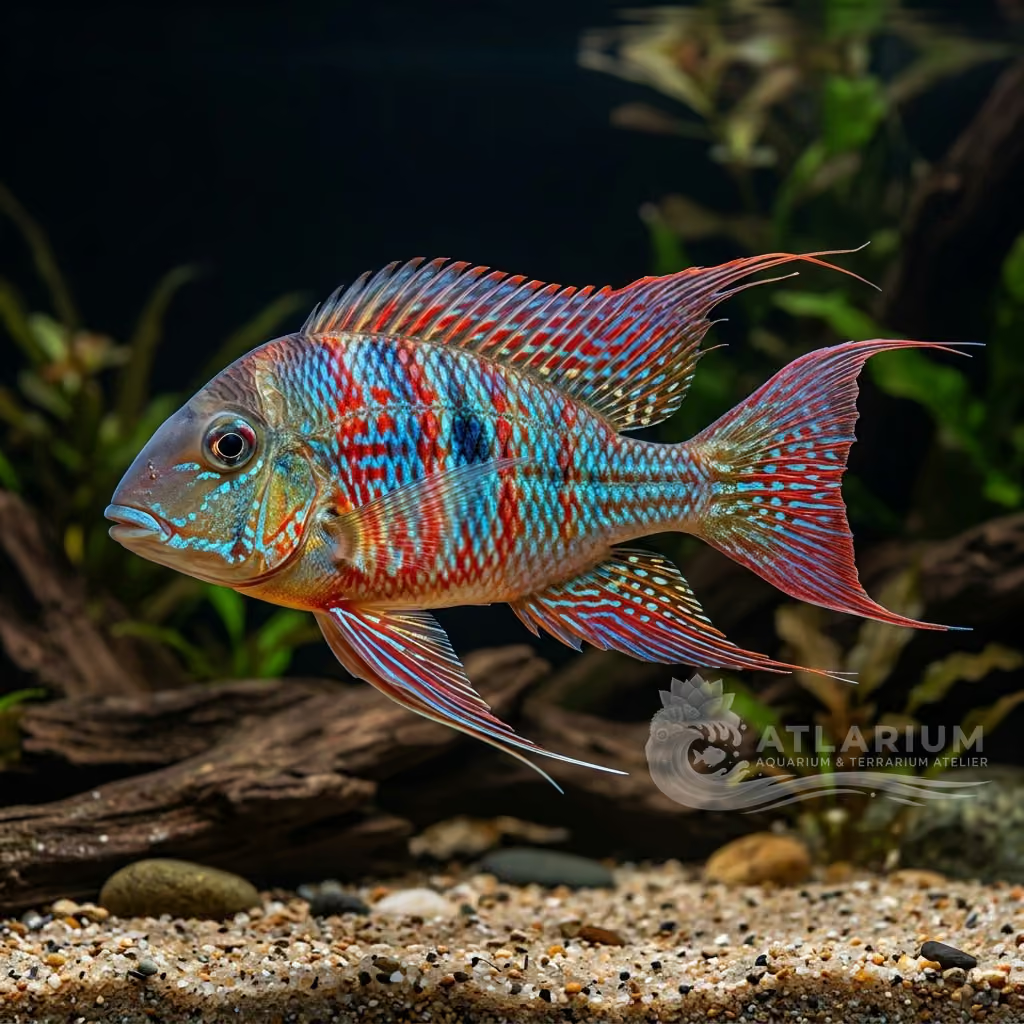
Eureka Red Peacock
Aulonocara jacobfreibergi
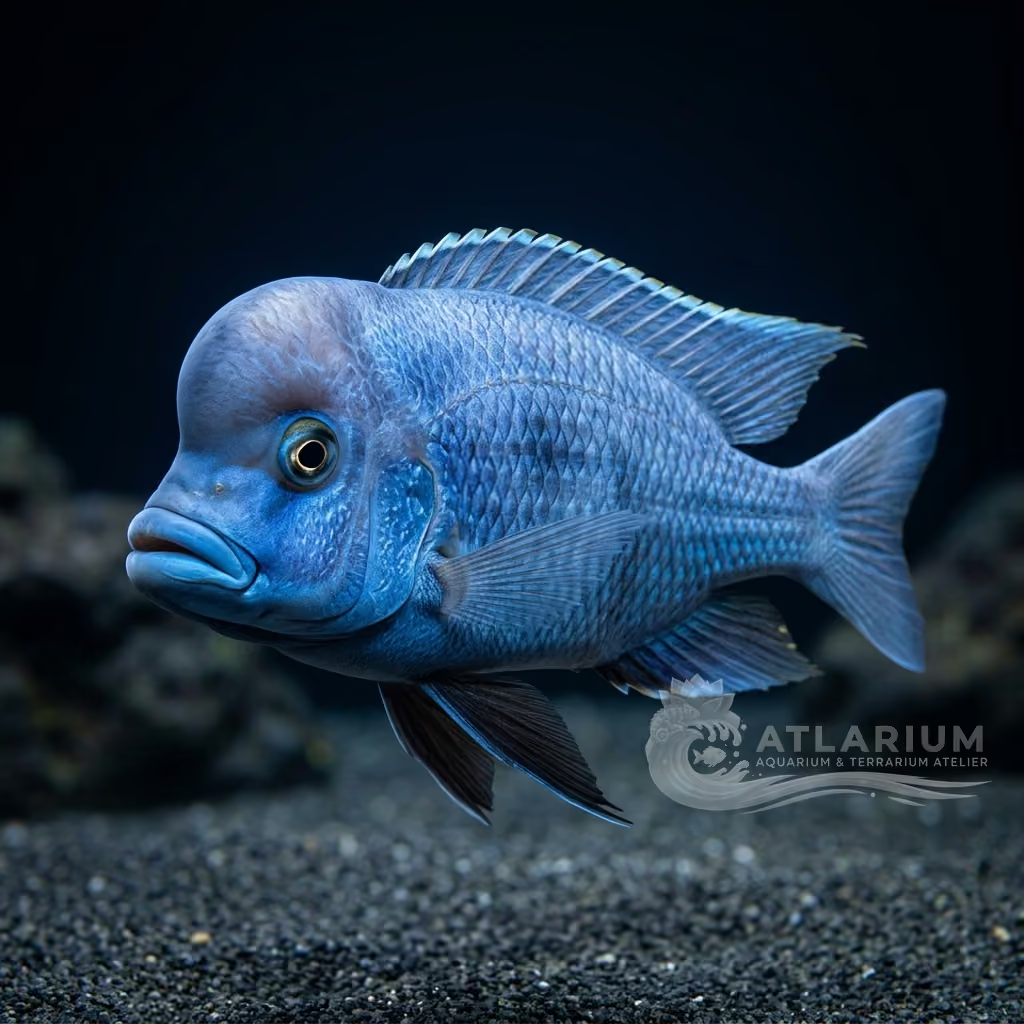
The 'Bad Boy' of the Peacock Cichlids. A breathtaking 15 cm (6-inch) African fish famed for its intensely saturated red-and-blue coloration and stark white fin-margins. Unlike peaceful peacocks, 'Jakes' live deep in rocky caves and are fiercely, aggressively territorial. A fantastic show-fish for large, boisterous Malawi setups.
Water Temperature
24 - 28 °C
pH Value
7.8 - 8.6
Water type
Freshwater
Tank level
Bottom and middle
Adult size
15 cm
Minimum tank volume
>= 180 L
Minimum group
>= 1
GH
10 - 25 dGH
KH
5 - 12 dKH
TDS
200 - 495 ppm
Conductivity
313 - 773 uS/cm

Species description
Geographical Origin and Habitat: Endemic to Lake Malawi, distributed in multiple geographical variants (e.g. Eureka, Otter Point, Undu Reef). Unlike many other Aulonocaras, this fish stations deep inside large dark rocky caves, and not only at the sandy margins.
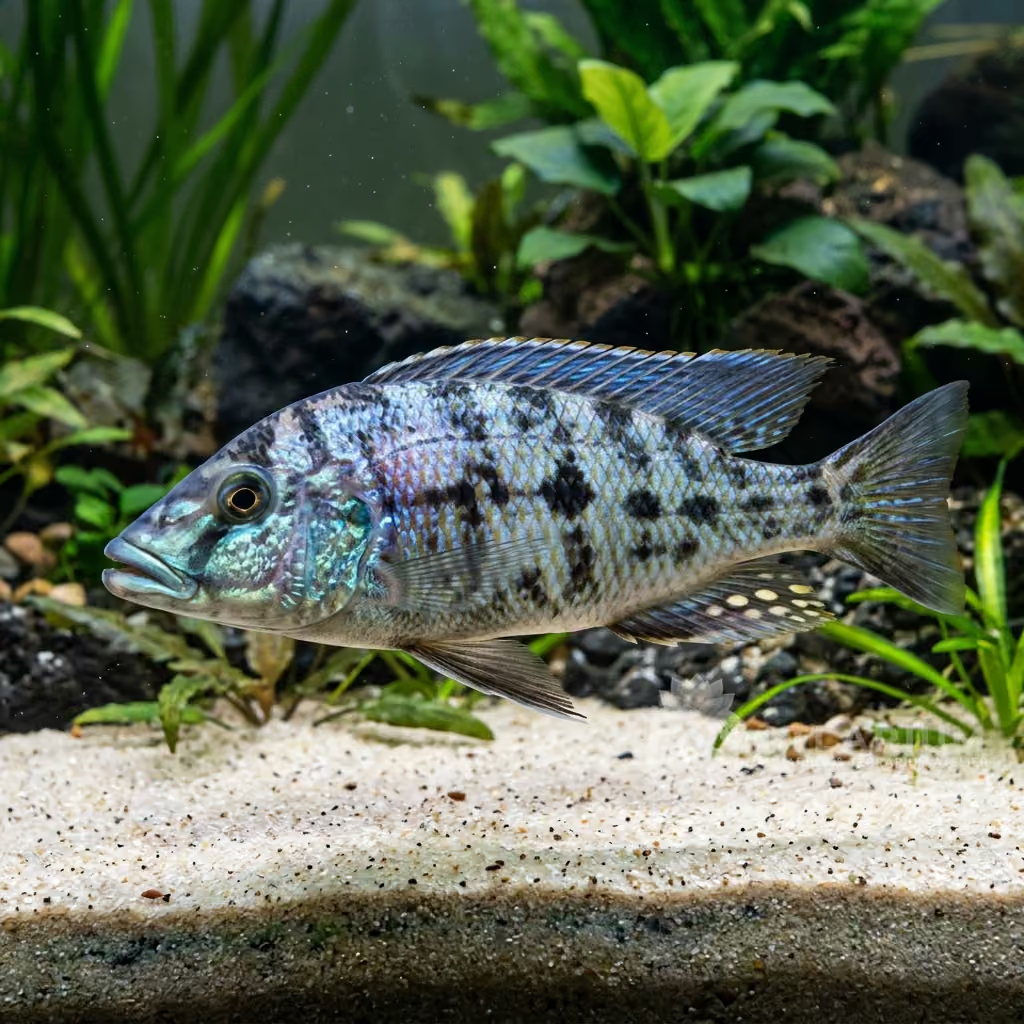
Taxonomy and Morphology: Fairy Cichlid / Eureka Peacock (Aulonocara jacobfreibergi). It is one of the largest and most robust "Peacocks". It is easily distinguished by the deeply forked tail (very accentuated V shape) bordered by thick white margins and the considerable size.
Social Behavior: Moderately aggressive. The territoriality linked to the possession of a "large cave" makes it harsher than other peacocks. Claims space actively and poorly tolerates other males with liveries even remotely similar to its own.
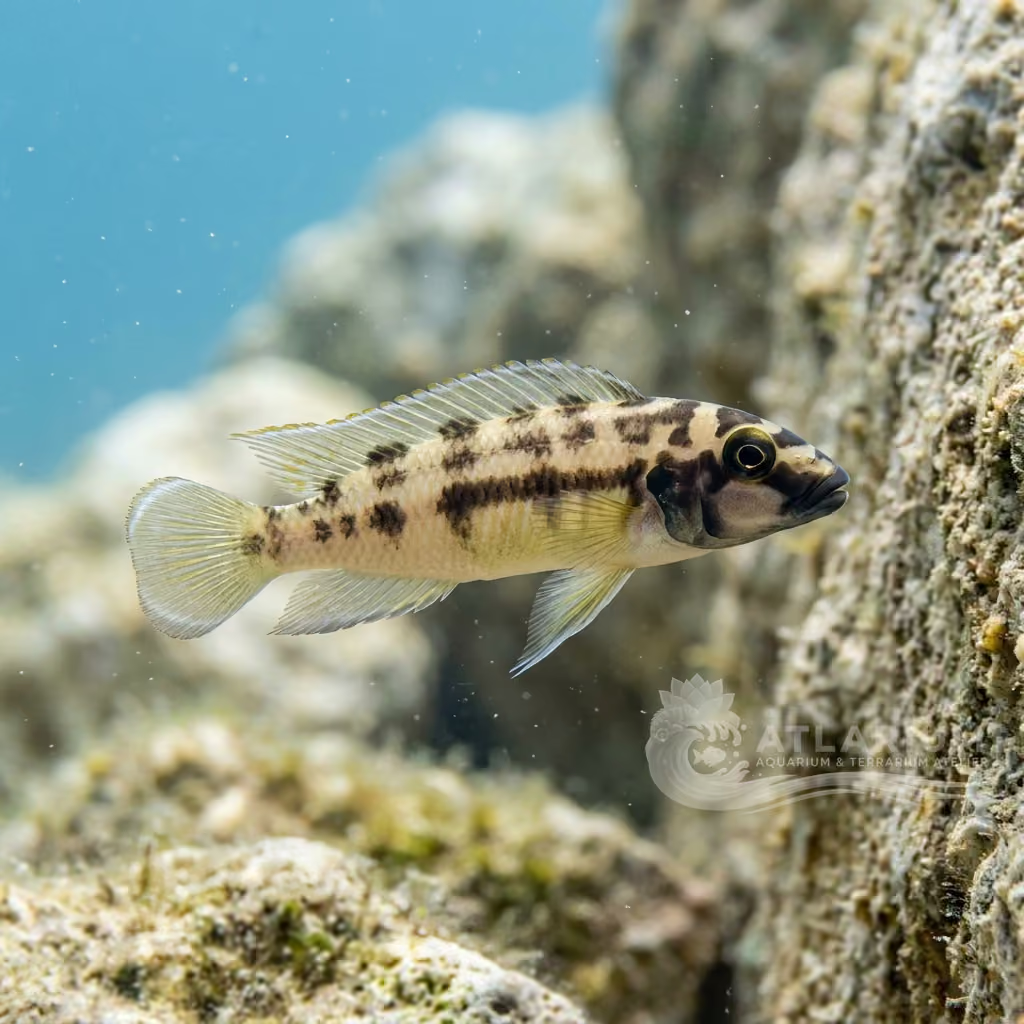
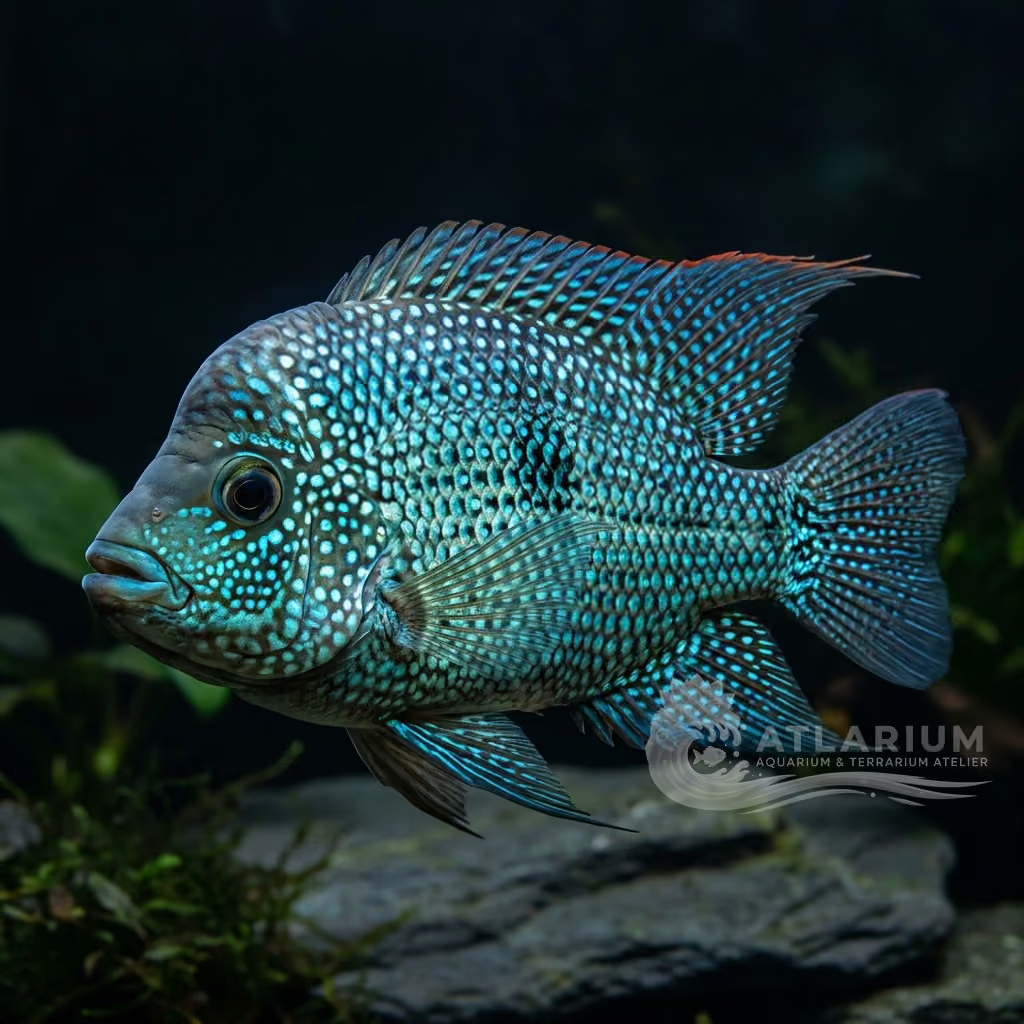
Coloration and Sexual Dimorphism: Exceptionally gorgeous males. Colorations range (according to the strain) between a rusty red/orange body ("Eureka") and metallic blue. Wide pure white borders frame the fins. Beige/gray females, camouflaged, slightly stockier.

Care, breeding and tankmates
Aquarium Setup: Large African Cichlid tank (min. 150 cm / 60 inches). Must be set up as a massive rocky bottom: huge "caves" created by overlapping heavy lava or limestone rocks, anchored well. Abundant sand on the front.
Diet and Feeding: Benthic hunter. Needs substantial and fleshy foods in captivity: fish-based cichlid pellets, frozen shrimp and whole Krill. Must be kept flourishing but without overfeeding it so as not to induce liver degeneration (fatty liver).
Water Quality: Classic Rift lakes water: hard, alkaline (pH above 8.0) and extraordinarily clean and oxygenated. Maintaining ammonia at zero levels guarantees bright colors; a deterioration leads to rapid discoloration (the male turns gray).
Compatibility and Cohabitation: Due to its size and edgy character, it can cohabit in large "All-Male" tanks with peaceful Utaka (Copadichromis, Sciaenochromis) or with less bellicose Mbuna (Labidochromis caeruleus). Avoid other Aulonocara species.
Aquarium Breeding: Mouthbrooder. Mating takes place in the secrecy of the male's cave. The female will keep the eggs safe in her throat, withdrawing from community life until she spits out self-sufficient fry of about 1 cm.
Risks and Diseases: Color variants like "Eureka Red" are the result of intensive German selections (line breeding): these lines, although spectacular, can show genetic defects or less resistance compared to wild ones (F1).

Geographic origin and distribution
Endemic to Lake Malawi, distributed in multiple geographical variants (e.g. Eureka, Otter Point, Undu Reef). Unlike many other Aulonocaras, this fish stations deep inside large dark rocky caves, and not only at the sandy margins.
Origin
Tropical oceans and reefsAfrica and Madagascar

Fish profile
- Temperament
- Semi-aggressive
- Among the Aulonocara genus, the Eureka Red Peacock is considered one of the more assertive and territorial species. Males are highly territorial, especially when breeding, and will vigorously defend cave structures and rock territories. Females and subdominant males are generally more peaceful but still require plenty of hiding places to escape dominant individuals. Their temperament is characterized as semi-aggressive, demanding a well-structured environment to manage potential conflicts.
- Diet
- Omnivore
- Aulonocara jacobfreibergi is a carnivorous to omnivorous feeder that specializes in sifting sand for food. In their natural habitat, they use specialized sensory pores to detect invertebrates and insect larvae buried in the sand. In captivity, they should be fed high-quality cichlid pellets or flakes supplemented with frozen foods like brine shrimp and mysis. Avoid feeding high-fat or low-quality foods, and limit bloodworms to prevent digestive issues like Malawi bloat.
- Life expectancy
- 6-10 years
- Adult size
- 15 cm
- Sex ratio
- Harem
- It is best to keep Aulonocara jacobfreibergi in a harem setup, ideally consisting of one male and three to four females. This stocking ratio helps distribute the male's breeding aggression and attention among multiple females, reducing stress on individuals. Keeping multiple males in the same tank is generally discouraged unless the aquarium is exceptionally large with numerous distinct rock barriers. In smaller tanks, subdominant males will be relentlessly bullied and lose their coloration.
- Feeding frequency
- Twice daily
- For optimal health and energy, Aulonocara jacobfreibergi should be fed once or twice daily. It is important to offer only what they can consume within two to three minutes to prevent overfeeding and maintain water quality. Spreading the meals throughout the day mimics their natural foraging behavior and reduces food-related aggression. Occasional fasting for one day a week can also help keep their digestive system healthy.
- Bioload
- Medium to High
- Aulonocara jacobfreibergi produces a moderate to high biological load due to its size, active metabolism, and high-protein diet. To manage waste and keep nitrate levels low, a robust filtration system, such as a high-capacity canister filter, is essential. Regular weekly water changes of 30% to 50% are highly recommended to ensure pristine water quality, which is critical for their health. Strong filtration helps maintain the high oxygenation levels required by these cichlids.
- Flow
- Stagnant
- This species prefers a moderate water flow that mimics the well-oxygenated habitats of Lake Malawi. Adequate water movement helps distribute oxygen and keep the substrate clean of detritus, supporting their sand-sifting behavior. However, the current should not be excessively strong, as they require calmer areas within caves and rockwork to rest. Utilizing adjustable filter outputs or wavemakers can help achieve the ideal balance of flow and calm zones.
- Jump risk
- Yes
- Aulonocara jacobfreibergi possesses a moderate to high risk of jumping out of the aquarium, particularly when startled or chased by territorial tank mates. During courtship or aggressive territorial disputes, they can dart rapidly, making a secure and tight-fitting lid an absolute necessity. Even during routine maintenance, hobbyists should be cautious as sudden movements can cause them to leap. Using mesh covers or solid canopies ensures they remain safely within the tank.
- Reproduction
- Oviparous
- Aulonocara jacobfreibergi is a maternal mouthbrooder, and breeding them in captivity is relatively straightforward. The male will perform a courtship dance to lure a receptive female to his territory, where spawning occurs, and the female immediately collects the fertilized eggs in her mouth. The female carries the brood for approximately 21 to 28 days without eating until releasing fully formed fry. Providing separate holding tanks for brooding females ensures high fry survival rates.
- Compatibility & tankmates
- Peaceful
- They are compatible with other moderately aggressive Malawi cichlids, such as larger Aulonocara species and milder Utaka cichlids like Copadichromis. However, they should not be housed with highly aggressive Mbuna cichlids, which can easily bully them, or very peaceful Peacocks that they might dominate. Adequate tank space and rock barriers are essential to ensure peaceful coexistence and reduce territorial conflicts. Keeping only one Aulonocara species per tank is recommended to prevent hybridization.
- Tank level
- Middle/Bottom
- This species primarily occupies the bottom and middle levels of the aquarium, where they naturally interact with the substrate and rockwork. They spend significant time hovering close to sandy areas, scanning for food, or defending territories around cave entrances. While they will swim to the surface during feeding times, they generally prefer to stay in the lower half of the water column. Providing a layout with open sand and rocky caves is ideal for their vertical distribution.

Scientific Parameters & Models
FishBase
Window to the official scientific data of the species
FishBase v25.04Data synced on: 06/15/2026
- Trophic level
- 3.6 ± 0.4 se
- Resilience
- Medium (1.4 - 4.4 years)
- Phylogenetic uniqueness (PD50)
- 0.5
- Bayesian Length-Weight
- a = 0.01445, b = 2.99
- VulnerabilityLow vulnerability (10 / 100)

Related species
Recommendations grouped by close relatives, companion choices, and similar care.