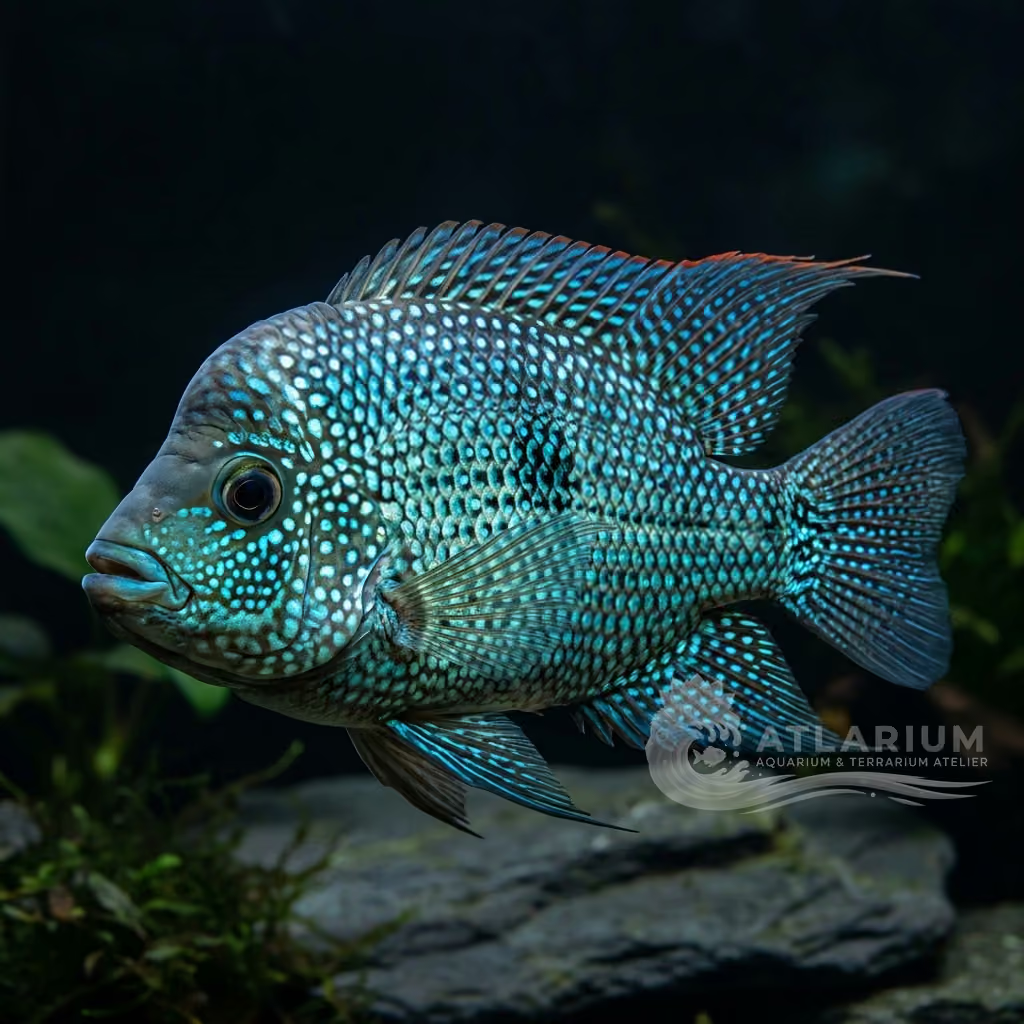
Ectodus descampsii
Ectodus descampsii
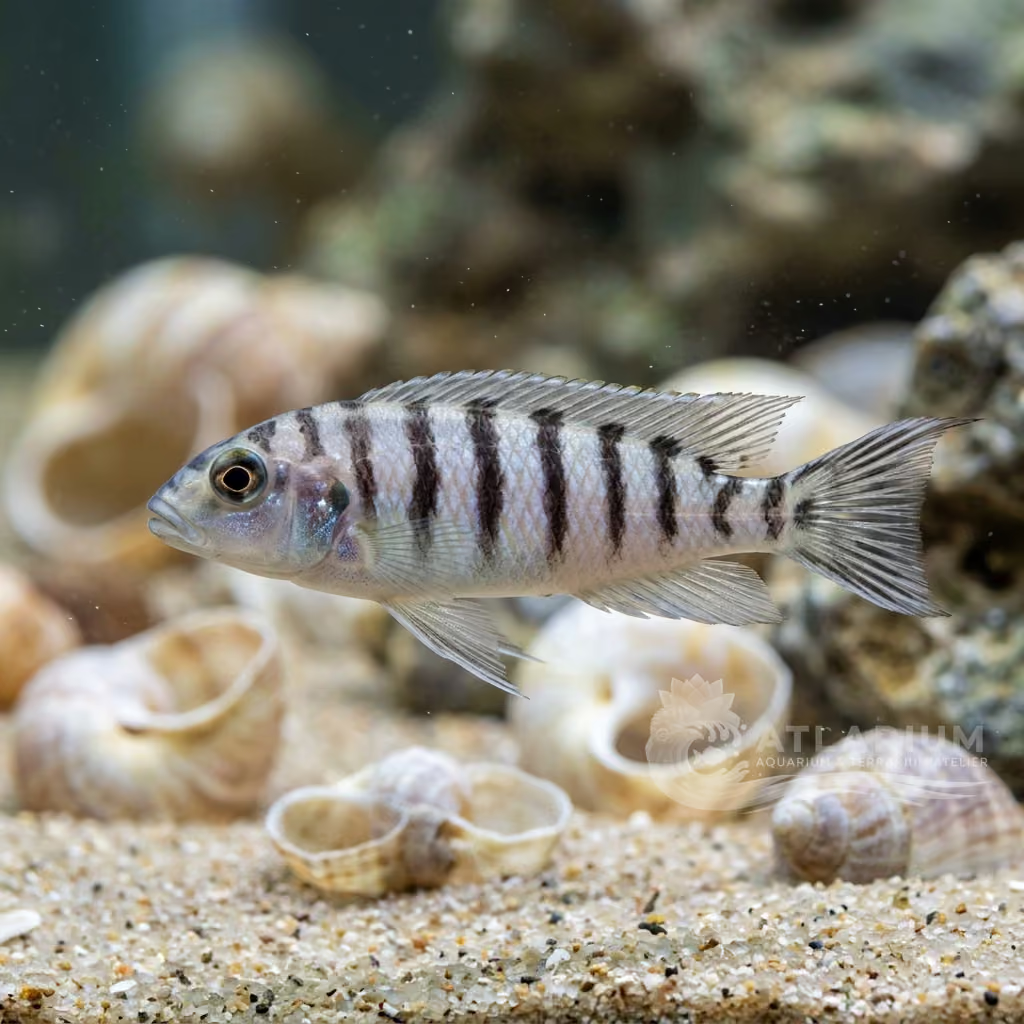
Elegant and peaceful Tanganyika sand cichlid (10 cm). Gregarious in nature, it tirelessly sifts the sand in small schools. Silvery livery with a distinctive ocellated spot on the dorsal fin, ideal for placid community tanks.
Water Temperature
24 - 27 °C
pH Value
8 - 9
Water type
Freshwater
Tank level
Bottom and middle
Adult size
10 cm
Minimum tank volume
>= 100 L
Minimum group
6 - 8
GH
10 - 20 dGH
KH
5 - 10 dKH
TDS
200 - 400 ppm
Conductivity
313 - 625 uS/cm

Species description
Geographical Origin and Habitat: Endemic to Lake Tanganyika, Africa. Typical explorer of vast open spaces (shallow sandy zones); groups near the deep sand dozens of meters from the rocks.
Taxonomy and Morphology: Ectodine Cichlid of Tanganyika. Aerodynamic, silvery shape, sharp swimmer's fins (almost reminiscent of Cyprichromis, but closely linked to the bottom). A strong black spot characterizes it on the dorsal fin.
Social Behavior: Extremely gregarious and impetuous (nervous). Tends to be easily spooked. A group of at least 6-8 specimens is required; in the tank a dominant male will settle creating a circular clearing to court.
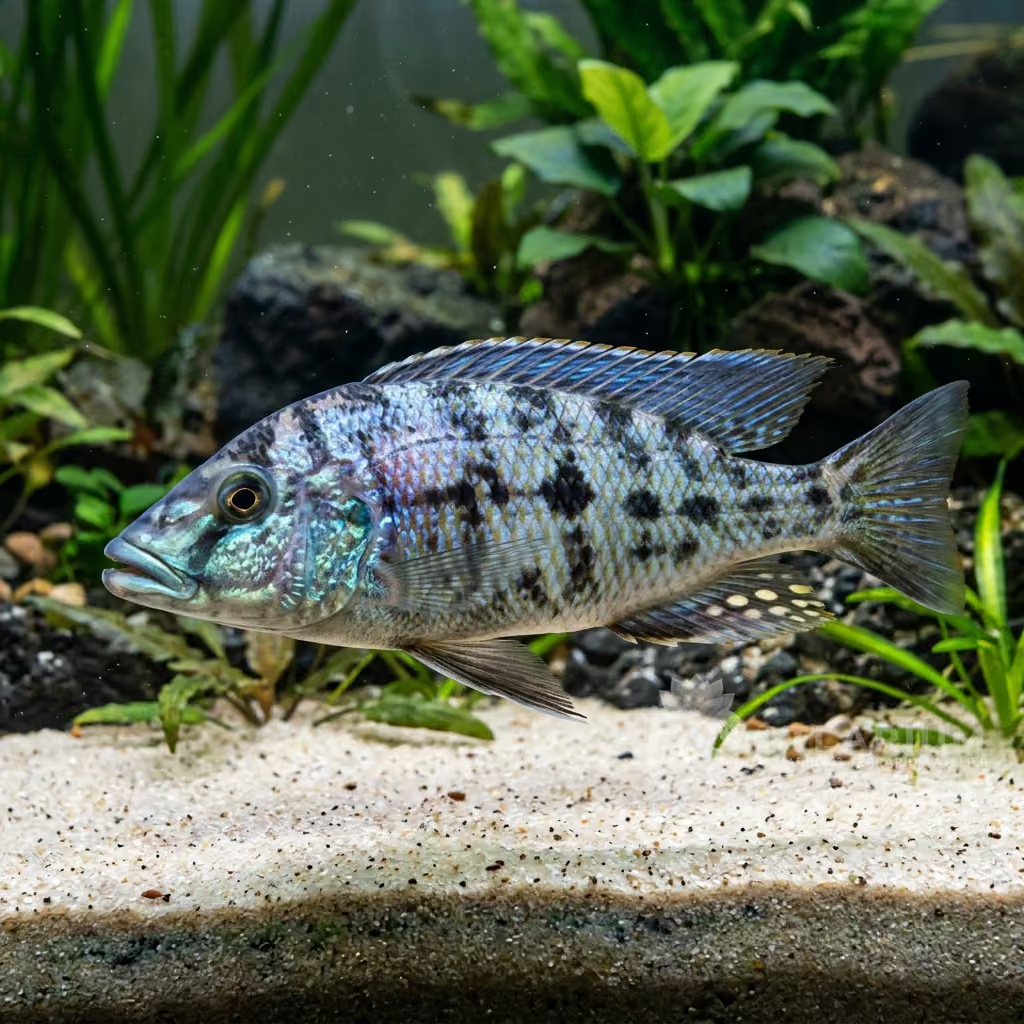
Coloration and Sexual Dimorphism: "Sandy" colors. Mirrored silver reflections, unmistakable black ocellus on the dorsal. Dominant males ignite pearlescent blue or pink shades on cheeks and flanks. Purely silver/beige females.

Care, breeding and tankmates
Aquarium Setup: Extreme horizontal space (minimum tank of 120-150 cm x 50 depth). Substrate: STRICTLY very fine sand laid on a very high thickness, essential for their behavior. Rocks confined in the corners.
Diet and Feeding: Benthic: incessantly sifts the sand swallowing it and expelling it from the gills to retain micro-crustaceans. In the aquarium provide nauplii, cyclops, frozen brine shrimp and crushed sinking pellets of excellent quality.
Water Quality: Very hard water, pH 8-9 (alkalinity). Sand hygiene is the biggest challenge (nitrates and hydrogen sulfide). Strong oxygenation.
Compatibility and Cohabitation: Excellent with Cyprichromis or Paracyprichromis (which inhabit the top). Competes brutally if paired with other large "sandsifters" like Xenotilapia or Callochromis (the latter too aggressive). Avoid rock fish like Tropheus.
Aquarium Breeding: Maternal mouthbrooders. The male digs a huge nest (crater or dome), dances frantically, and the consenting female lays and swallows the eggs. She will spit out ready fry after 3 weeks in sheltered areas.
Risks and Diseases: Terrible risk of fatal trauma against the glass: if frightened when the lights are turned on, they explode in blind flights (crashing or flaying themselves). Leaving a nocturnal moonlight reduces the incidence of the problem.

Geographic origin and distribution
Endemic to Lake Tanganyika, Africa. Typical explorer of vast open spaces (shallow sandy zones); groups near the deep sand dozens of meters from the rocks.
Origin
Africa and Madagascar

Fish profile
- Temperament
- Semi-aggressive
- While generally peaceful toward other species, conspecific aggression, particularly among males, is a defining trait. They are highly active and exhibit fascinating social dynamics when kept in an appropriate group. The males' courtship displays and bower-building are intense and captivating to watch. They are a sensitive species that thrives when their specific environmental and social needs are met.
- Diet
- Omnivore
- In the wild, they are opportunistic carnivores that sift through the sand for small invertebrates and crustaceans. In the aquarium, they will readily accept high-quality sinking pellets, flakes, and frozen foods like bloodworms, brine shrimp, and Mysis. Providing a varied diet rich in protein is crucial for maintaining their vibrant colors and overall vitality. It is important to ensure the food sinks to the bottom where they prefer to feed.
- Life expectancy
- 6-7 years
- Adult size
- 10 cm
- Sex ratio
- Harem
- They should be kept in groups with a harem structure, ideally one male to three or more females. Males can be highly territorial and aggressive toward each other, especially when building their spawning bowers. In very large aquariums with a massive footprint, multiple males might be kept if enough space is provided for separate territories. A female-heavy ratio drastically reduces stress on individual females from the male's constant pursuit.
- Feeding frequency
- Twice daily
- Feeding them small amounts two to three times a day is the optimal approach. This mimics their natural continuous foraging behavior and prevents excessive waste buildup from uneaten food. Observing them sift the sand during feeding time is one of the joys of keeping this species. Ensure that more aggressive surface feeders do not consume all the food before it reaches the bottom.
- Bioload
- Medium
- This Lake Tanganyika cichlid produces a moderate bioload that is easily managed in a properly sized aquarium. Because they are typically kept in groups, the cumulative bioload can add up, requiring robust biological and mechanical filtration. Excellent water quality is paramount for their health, meaning strict adherence to regular water changes is necessary. Ammonia and nitrite levels must always be kept strictly at zero.
- Flow
- Stagnant
- They prefer a moderate water flow that provides excellent oxygenation without creating turbulent conditions. The flow should be sufficient to keep detritus suspended for the filters to catch, keeping the sandy bottom clean. However, it shouldn't be so strong that it blows the fine sand around, which disrupts their natural habitat. Proper surface agitation is key to maintaining the high dissolved oxygen levels they require.
- Jump risk
- Yes
- Like many sleek and fast-swimming cichlids, Ectodus descampsii poses a significant jump risk. They can be easily startled by sudden movements outside the tank or by aggression from tank mates, causing them to bolt upwards. A tight-fitting lid with no large gaps is completely essential for their safety. Care should be taken during tank maintenance to avoid spooking them into jumping.
- Reproduction
- Oviparous
- This species is a fascinating maternal mouthbrooder, offering an incredible display of reproductive behavior. The male builds a remarkable, crater-like bower in the sand to attract a female, displaying intensely during courtship. After spawning, the female scoops the eggs into her mouth, where she carries them until they hatch and become free-swimming fry. Providing a large, open sandy area is absolutely necessary for this natural breeding behavior to occur.
- Compatibility & tankmates
- Peaceful
- Ectodus descampsii is relatively peaceful for a cichlid but requires careful selection of tank mates. They do best with other peaceful, mid-to-top dwelling Tanganyikan species like Cyprichromis, which will not compete for substrate space. Avoid highly aggressive or territorial bottom-dwellers that might stress them or outcompete them for the sandy areas. Keeping them in a species-specific or biotope tank often yields the best behavioral displays.
- Tank level
- Middle/Bottom
- Ectodus descampsii is strictly a bottom-dwelling species that spends its time interacting with the substrate. They require a fine, sandy bottom which they continuously sift through their gills in search of food. They will rarely venture into the middle or upper levels of the water column unless actively feeding. The aquarium footprint is much more important than the vertical height for this species.

Scientific Parameters & Models
FishBase
Window to the official scientific data of the species
FishBase v25.04Data synced on: 06/15/2026
- Trophic level
- 2.5 ± 0.24 se
- Resilience
- High (less than 15 months)
- Phylogenetic uniqueness (PD50)
- 1
- Bayesian Length-Weight
- a = 0.01445, b = 2.99
- VulnerabilityLow vulnerability (10 / 100)

Related species
Recommendations grouped by close relatives, companion choices, and similar care.