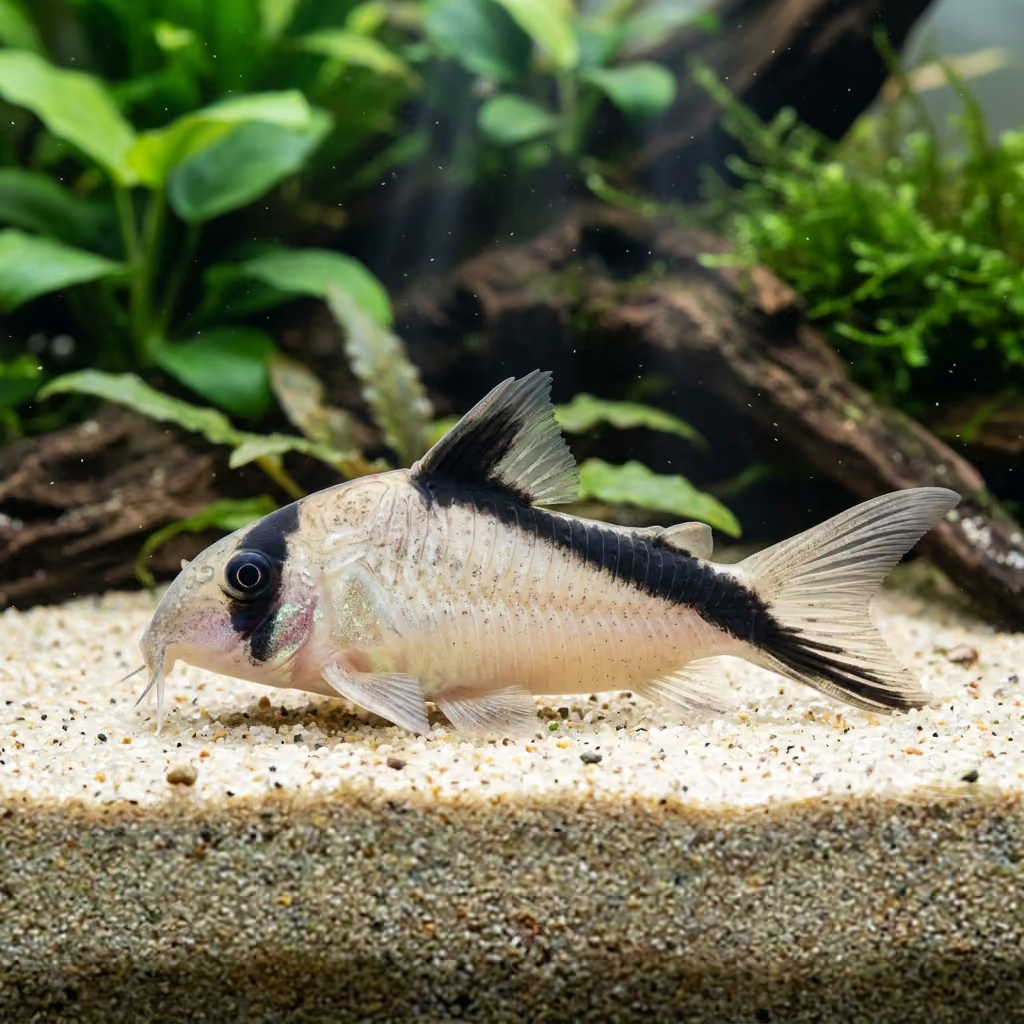
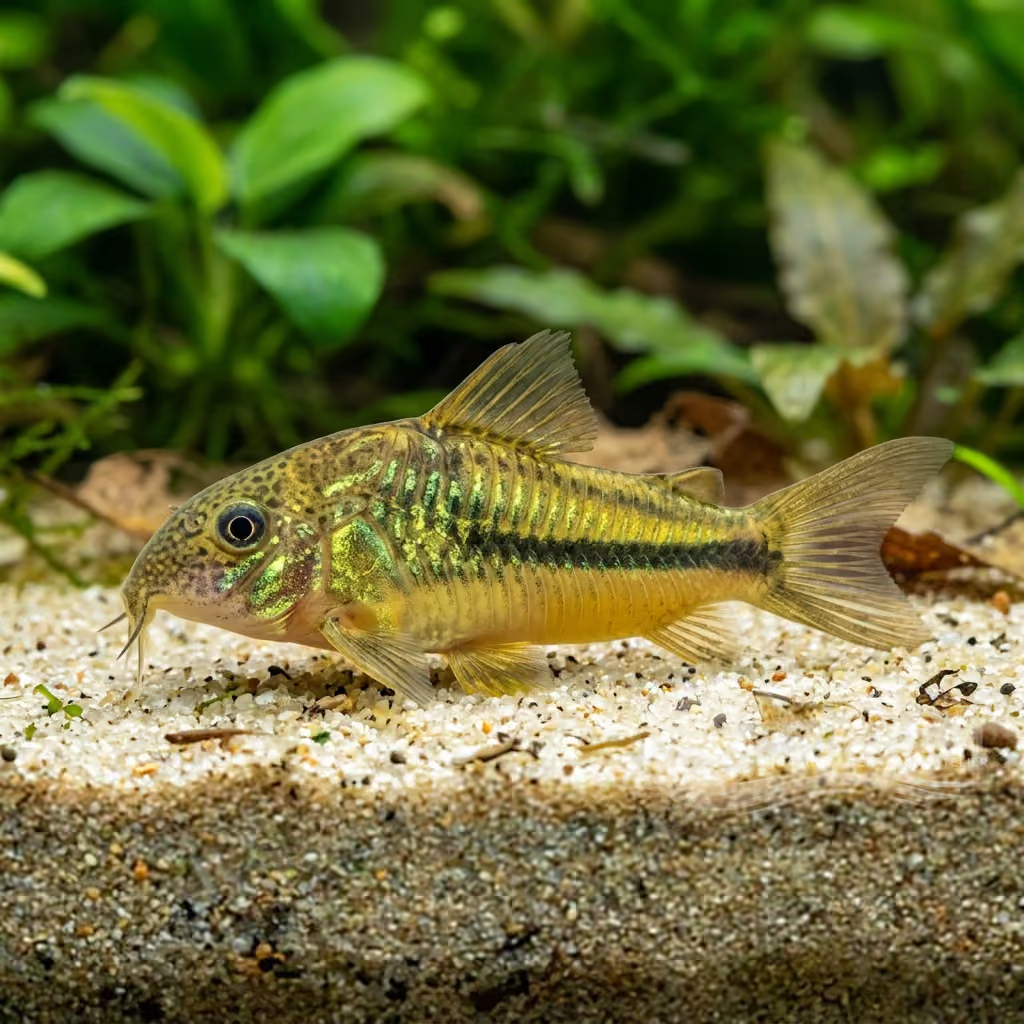
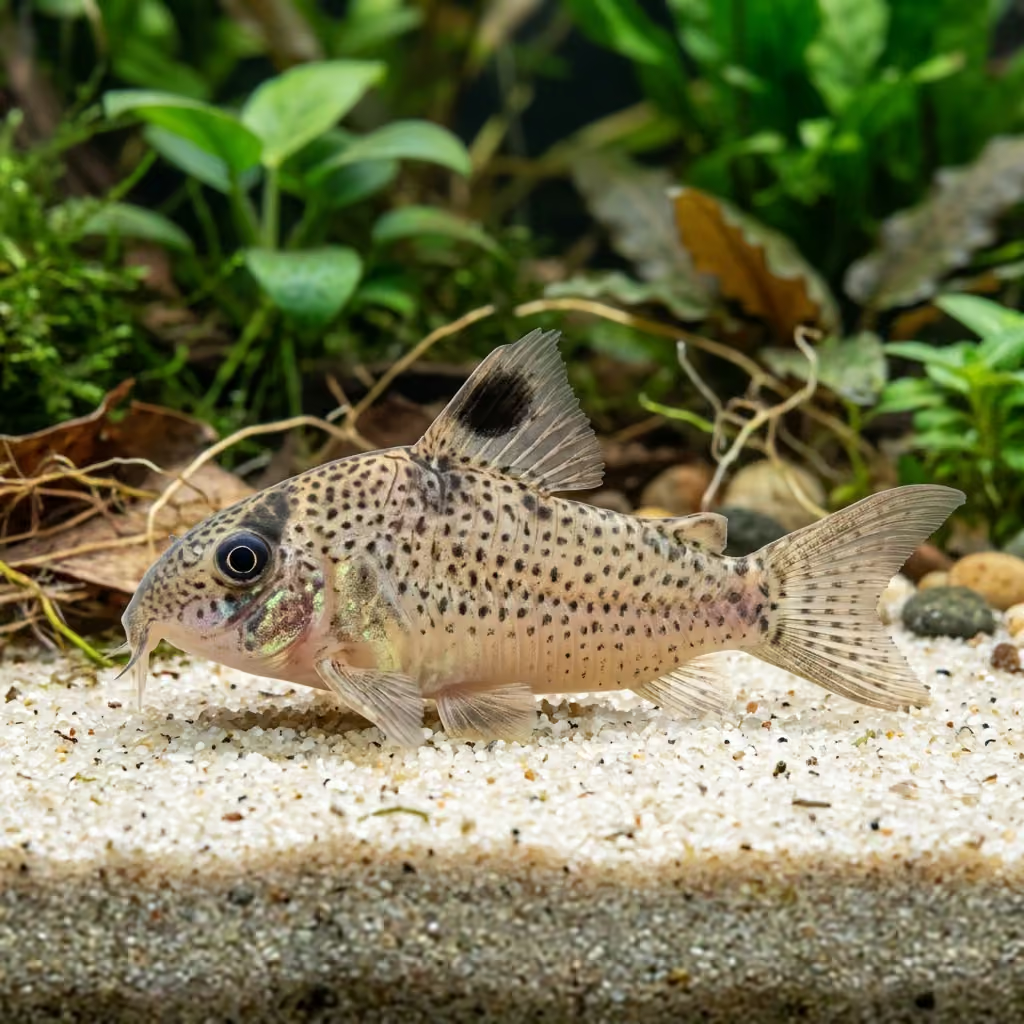
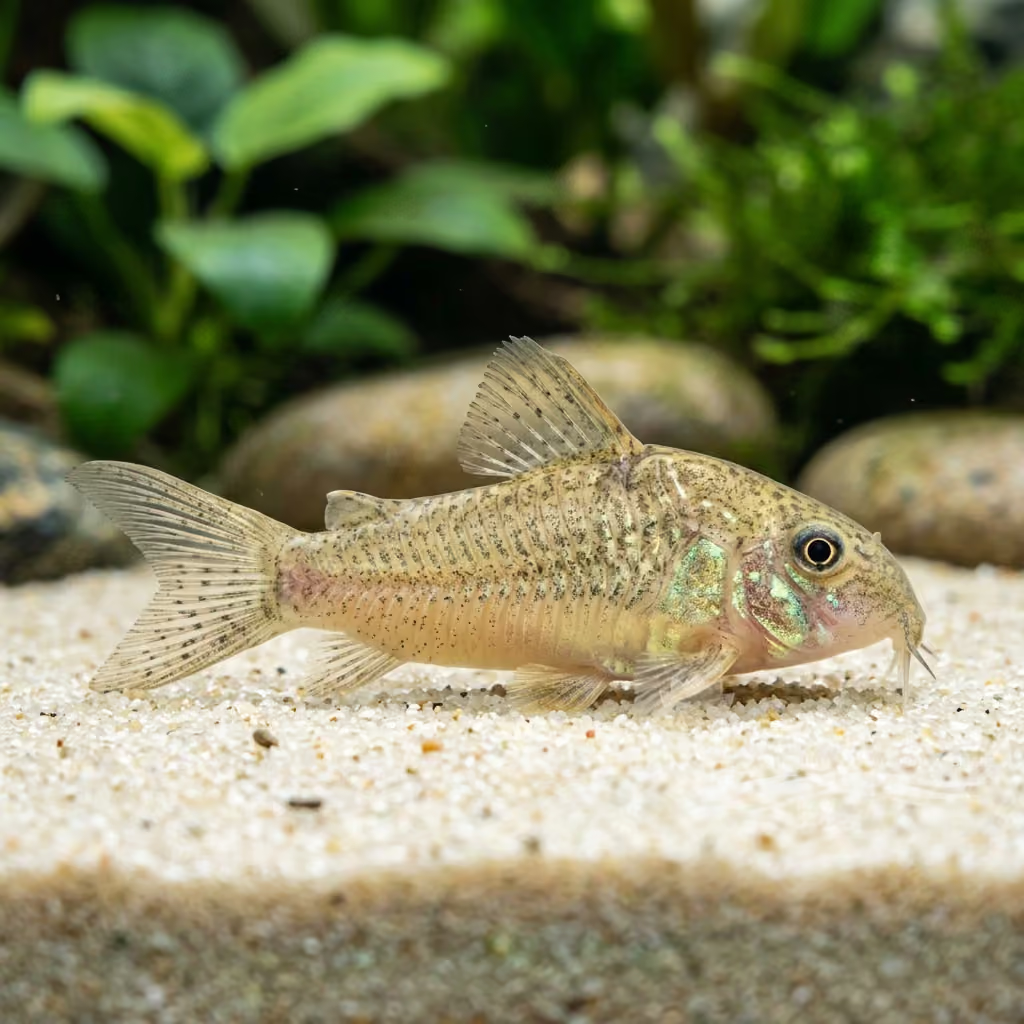
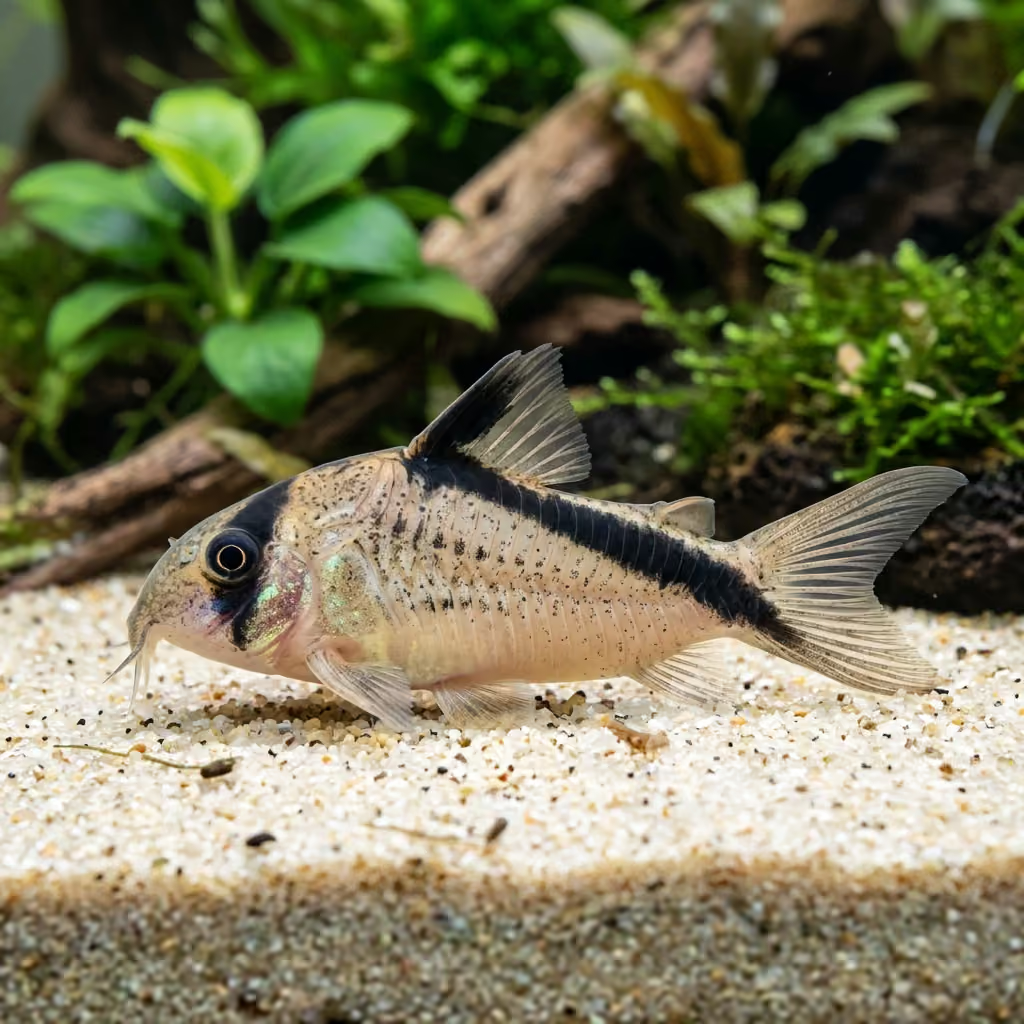
Cascarudo, Armored Catfish
Callichthys callichthys
Prehistoric armored 'cigar'-shaped catfish, progenitor of its family. In nature it makes journeys on foot between dry pools, crawling and breathing intestinal air.
Water Temperature
20 - 28 °C
pH Value
5.5 - 7.5
Water type
Freshwater
Tank level
Bottom and middle
Adult size
15 cm
Minimum tank volume
>= 150 L
Minimum group
>= 6
GH
2 - 20 dGH
KH
2 - 10 dKH
TDS
50 - 400 ppm
Conductivity
78 - 625 uS/cm

Species description
Geographical Origin and Habitat: Incredibly widespread in almost all tropical and sub-tropical South America. Absolute ruler of extreme habitats: stagnant swamps, hypoxic oxbows, acidic black waters and even muddy drainage channels. Faces extreme droughts by moving into contiguous pools crawling on the wet mud.
Taxonomy and Morphology: Namesake for its entire family, Callichthyidae (callous/armored fish). Local "Cascarudo". Brutal size of 15 cm (6 inches). Cylindrical body, totally covered by huge horny plates. In addition to normal gills, it swallows atmospheric air absorbing oxygen through the vascularized intestinal tract.
Social Behavior: Crepuscular hermit with slow tones. Extremely static and unsociable; tolerates conspecifics provided they have exclusive hiding places to rest during the daytime. Enters full, explosive and unstoppable nocturnal digging activity.
Coloration and Sexual Dimorphism: Raw "camo" livery: opaque muddy brown confusingly dotted with black and dark green for perfect camouflage in the darkness and debris. Adult males equipped with greatly thickened first pectoral spines equipped with copper/reddish villi or spikes.

Care, breeding and tankmates
Aquarium Setup: Mammoth and tightly covered tanks (world-class escape fish). Needs a thick muddy or fine inert sand bottom to sink into by day. Huge hiding places made of large root calyxes or PVC pipes, and a water surface free from plants to allow aerial respiration.
Diet and Feeding: Broad-spectrum voracious omnivorous scavenger. Crushes snails, huge earthworms, industrial dry bottom food for carnivores, cichlid pellets and dead plant matter. Feed abundantly, preferably in the crepuscular or nocturnal phase.
Water Quality: Indestructible biological "tank". Tolerates 20 as well as 28°C (68-82°F). pH oscillating from 5.5 (black waters) to neutral 7.5. Varied hardness (GH 2-20). However, the excess of putrefaction in a closed tank will result in the chronic poisoning of its own tissues. Clean water makes it flourish.
Compatibility and Cohabitation: Ignores fish from the mouth up; however, everything that stays on the bottom and enters its mouth while dredging at night will be crushed (sleeping tiny Tetras or loricariids). Idyllic companion only in mega-tanks for large Cichlids (Oscars, Severum, large Acara).
Aquarium Breeding: Similar to that of Bettas. The male creates and brutally guards a voluminous bubble nest and plant fragments on the protected surface (under large floating leaves). The post-spawning aggressiveness of the male towards anyone (including the female) forces the latter to be removed.
Risks and Diseases: The only real fatal risk they run is the rubbing and catastrophic rupture of the very long barbels on gravel or volcanic crushed stone beds, resulting in necrosis and malnutrition.

Geographic origin and distribution
Incredibly widespread in almost all tropical and sub-tropical South America. Absolute ruler of extreme habitats: stagnant swamps, hypoxic oxbows, acidic black waters and even muddy drainage channels. Faces extreme droughts by moving into contiguous pools crawling on the wet mud.
Origin
Cosmopolitan or introducedExtra-Amazon South AmericaNorth America

Fish profile
- Temperament
- Semi-aggressive
- This armored catfish is generally peaceful towards other species and displays active, social behavior within its group. However, males can become highly territorial and protective when guarding their bubble nests during spawning. Additionally, because of their size and wide mouth, they may opportunistically consume very small fish or fry.
- Diet
- Omnivore
- They are omnivorous generalists that will readily accept a wide variety of aquarium foods. A diet consisting of high-quality sinking pellets, tablets, and wafers should be supplemented with live or frozen foods such as bloodworms, tubifex, and brine shrimp. They prefer to feed at night, so adding food shortly before turning off the aquarium lights is highly beneficial.
- Life expectancy
- 5-8 years
- Adult size
- 15 cm
- Sex ratio
- Group
- These catfish are highly social and thrive when kept in groups of five or more individuals of mixed sexes. There is no strict male-to-female ratio required, though having multiple females per male can reduce potential territorial squabbles among males during the breeding season. Providing plenty of hiding spots helps reduce any minor aggression when keeping a mixed group.
- Feeding frequency
- Twice daily
- Feeding them once or twice a day is recommended, preferably during the evening or shortly after the lights are turned off to match their nocturnal habits. Ensure that food reaches the bottom of the tank so that other tank mates do not consume it all before the catfish can feed. Only feed an amount they can consume within a few minutes to prevent water fouling.
- Bioload
- Medium to High
- Callichthys callichthys is a relatively large catfish (up to 20 cm) and can generate a moderate-to-high biological load, especially when kept in their preferred social groups. Efficient filtration, ideally with a canister or high-power hang-on-back filter, is necessary to handle the organic waste. Regular weekly water changes of 20-30% are recommended to keep nitrate levels low and maintain optimal water health.
- Flow
- Stagnant
- Callichthys callichthys prefers weak to moderate water flow, reflecting their natural habitats in slow-moving or stagnant waters like pools, marshes, and swamps. While they are highly adaptable and can tolerate some water movement, strong currents should be avoided as they can cause stress. Providing calm areas with plenty of plants and caves is ideal.
- Jump risk
- Yes
- There is a high risk of jumping with this species, especially since they naturally attempt to migrate over land when their habitats dry up in the wild. A tight-fitting lid or cover slides without any gaps are absolutely essential to prevent them from escaping. They can easily squeeze through small openings, so all cord outlets should be secured.
- Reproduction
- Oviparous
- Breeding this species is moderately challenging but highly fascinating as they are bubble-nest builders. The male builds a nest using air bubbles, saliva, and floating plant matter, then courts the female to deposit eggs underneath. Once spawning is complete, the male aggressively guards the nest, and it is best to remove the female and other fish to protect them from his territorial behavior.
- Compatibility & tankmates
- Community
- They are excellent candidates for medium-to-large community aquariums, coexisting peacefully with other robust, non-aggressive species. Suitable tank mates include medium-sized characins, cichlids, loricariid catfish, and other peaceful bottom-dwellers. They should not be kept with very tiny fish or shrimp that could easily fit into their mouths, nor with highly aggressive species that might nip their fins.
- Tank level
- Middle/Bottom
- Callichthys callichthys is primarily a bottom-dwelling species that spends most of its time scavenging the substrate for food. However, they are obligate air-breathers and will occasionally dart to the surface to gulp atmospheric air. Adequate open space at the substrate level and a clear path to the surface are important for their natural behavior.

Scientific Parameters & Models
FishBase
Window to the official scientific data of the species
FishBase v25.04Data synced on: 06/15/2026
- Trophic level
- 3.3 ± 0 se
- Resilience
- Medium (1.4 - 4.4 years)
- Phylogenetic uniqueness (PD50)
- 0.5625
- Bayesian Length-Weight
- a = 0.01349, b = 3.09
- VulnerabilityLow vulnerability (11 / 100)

Related species
Recommendations grouped by close relatives, companion choices, and similar care.