Green Gold Cory
Osteogaster melanotaenia
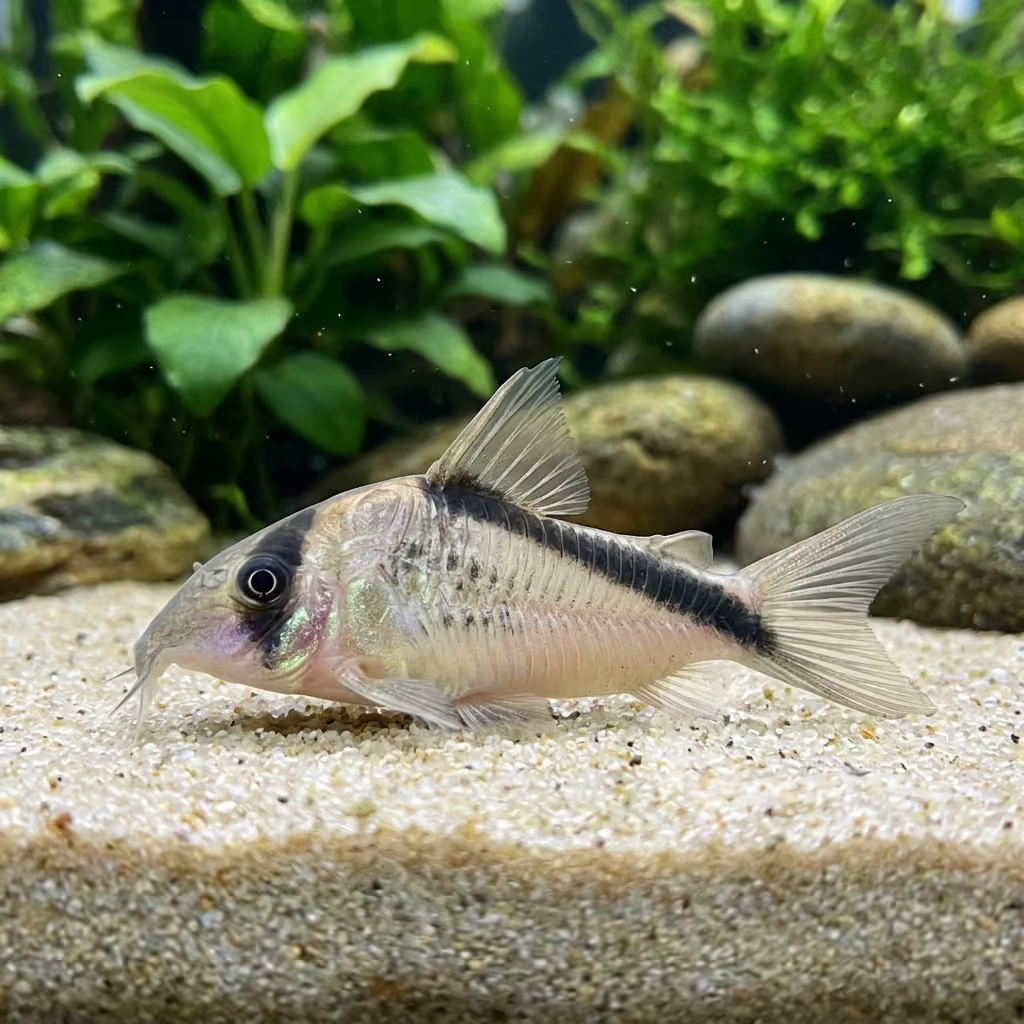
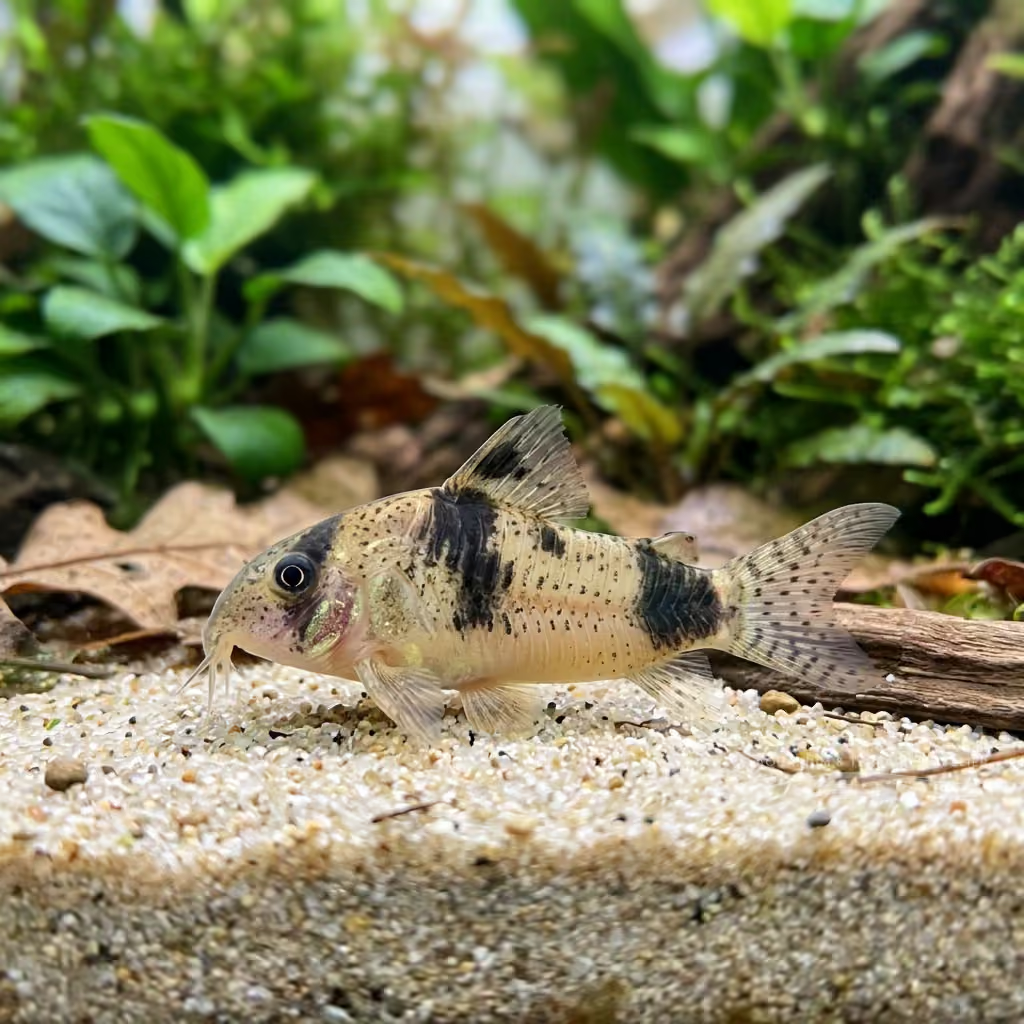
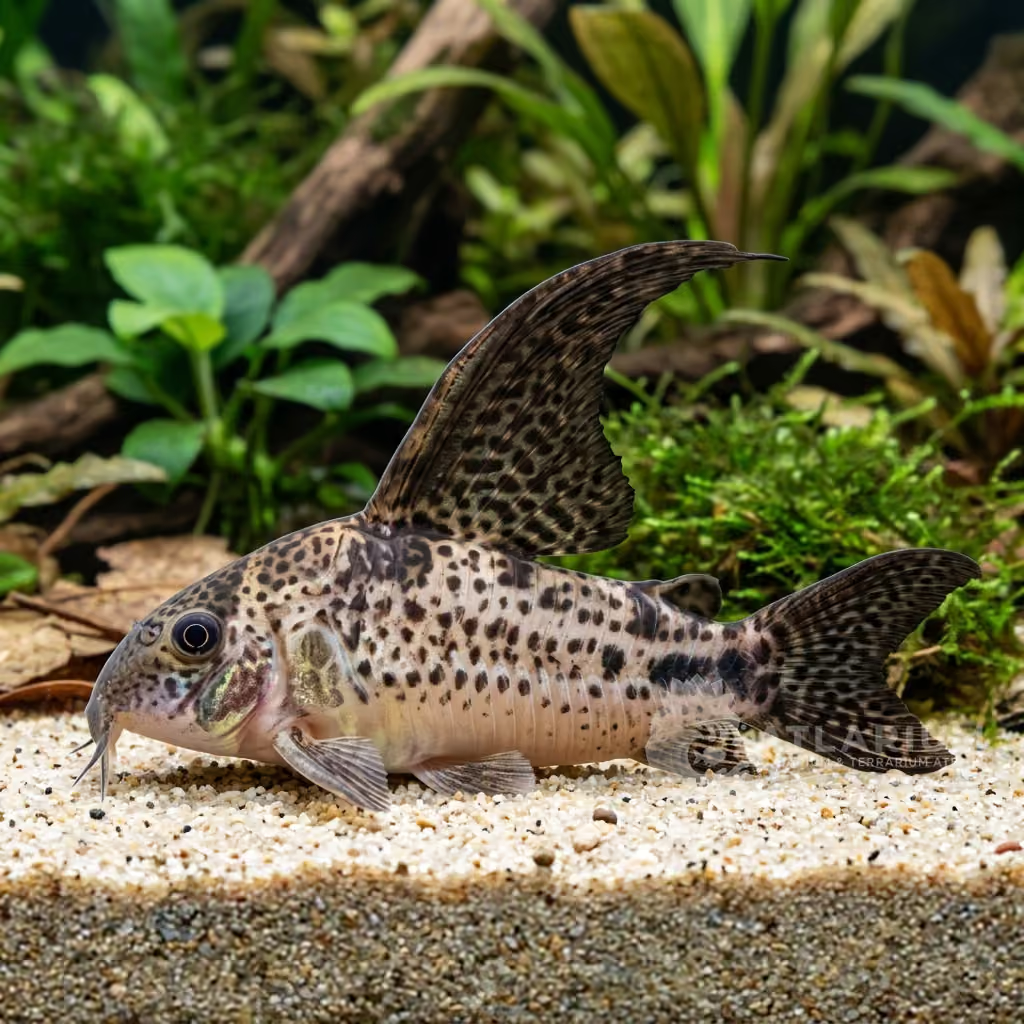
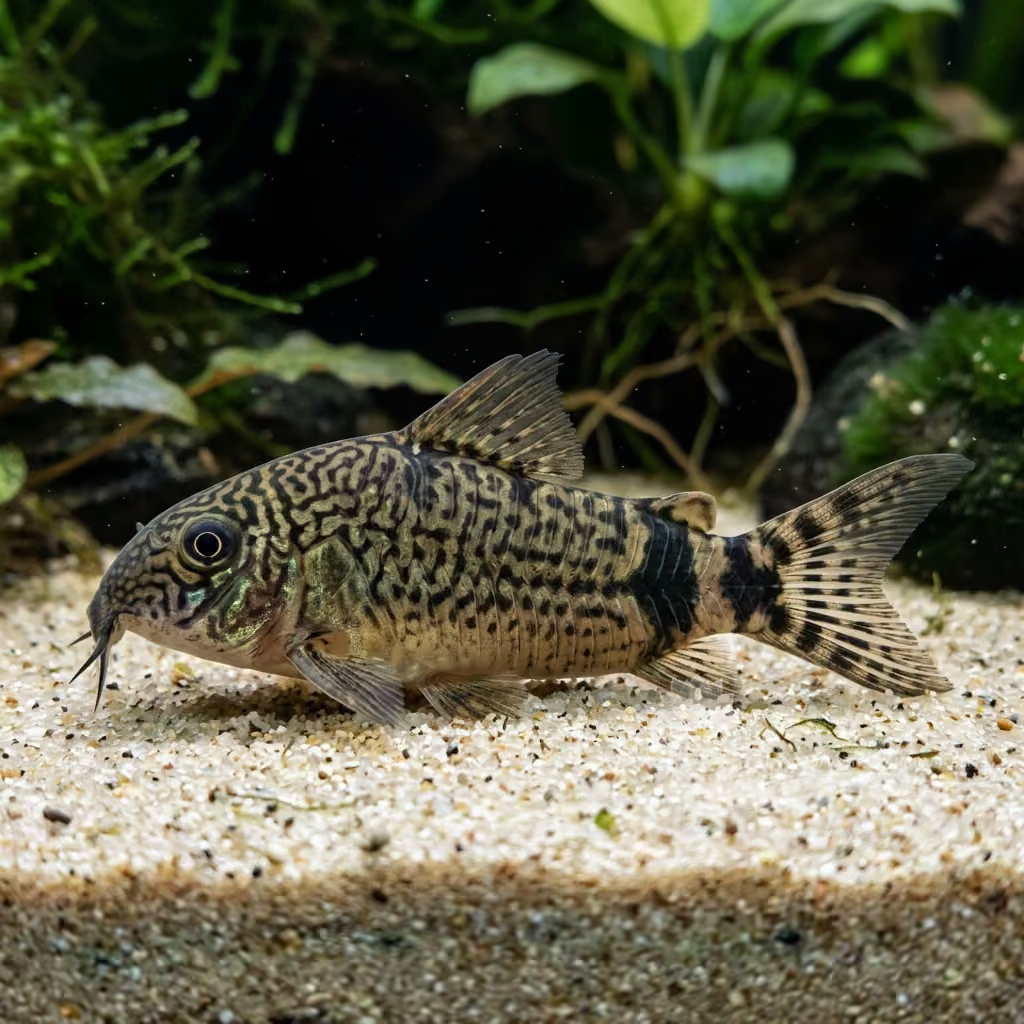
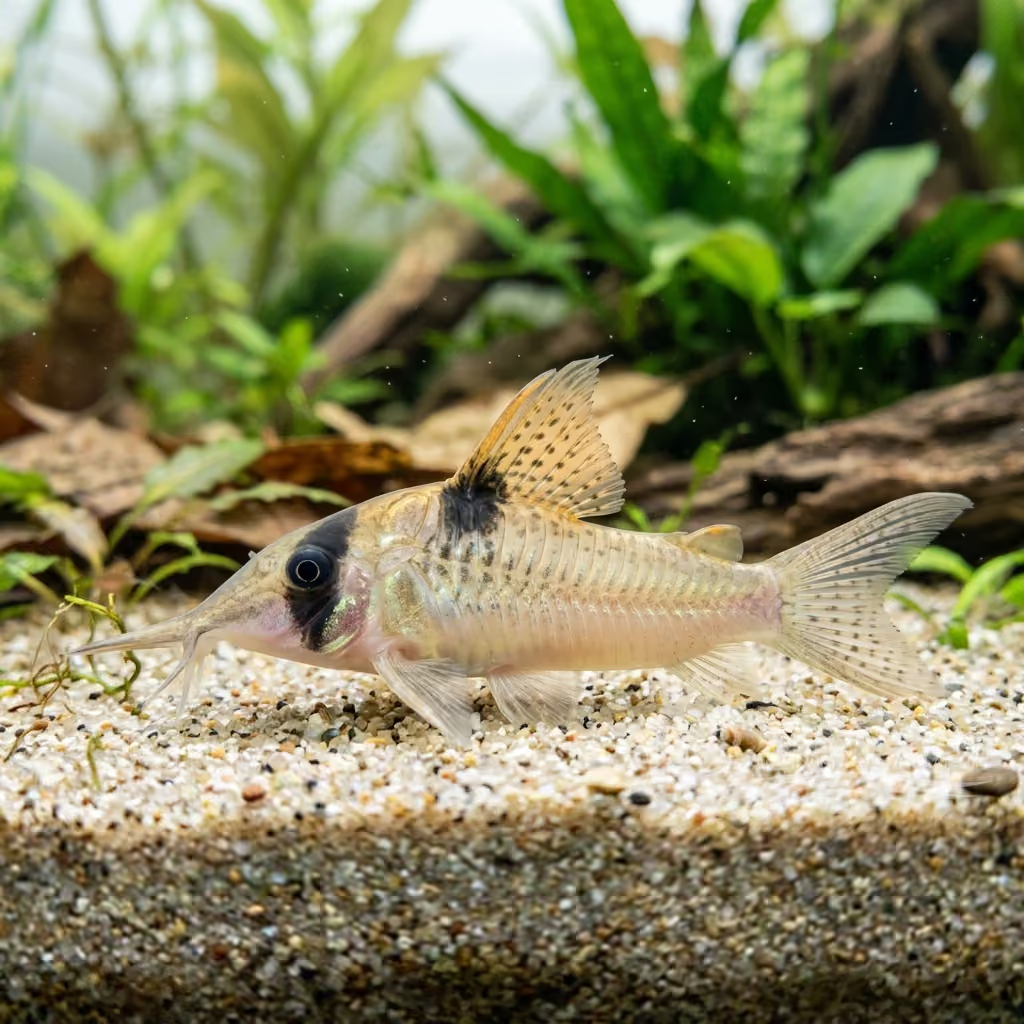
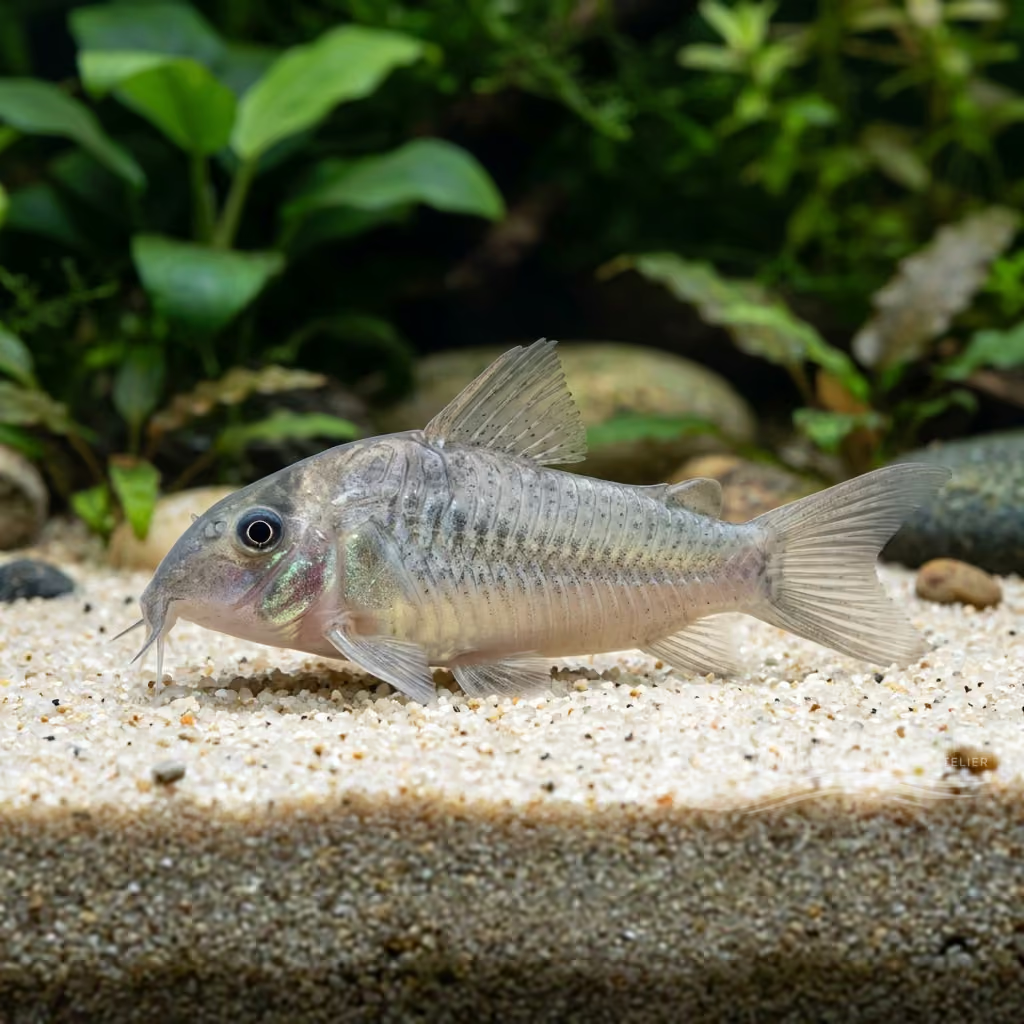
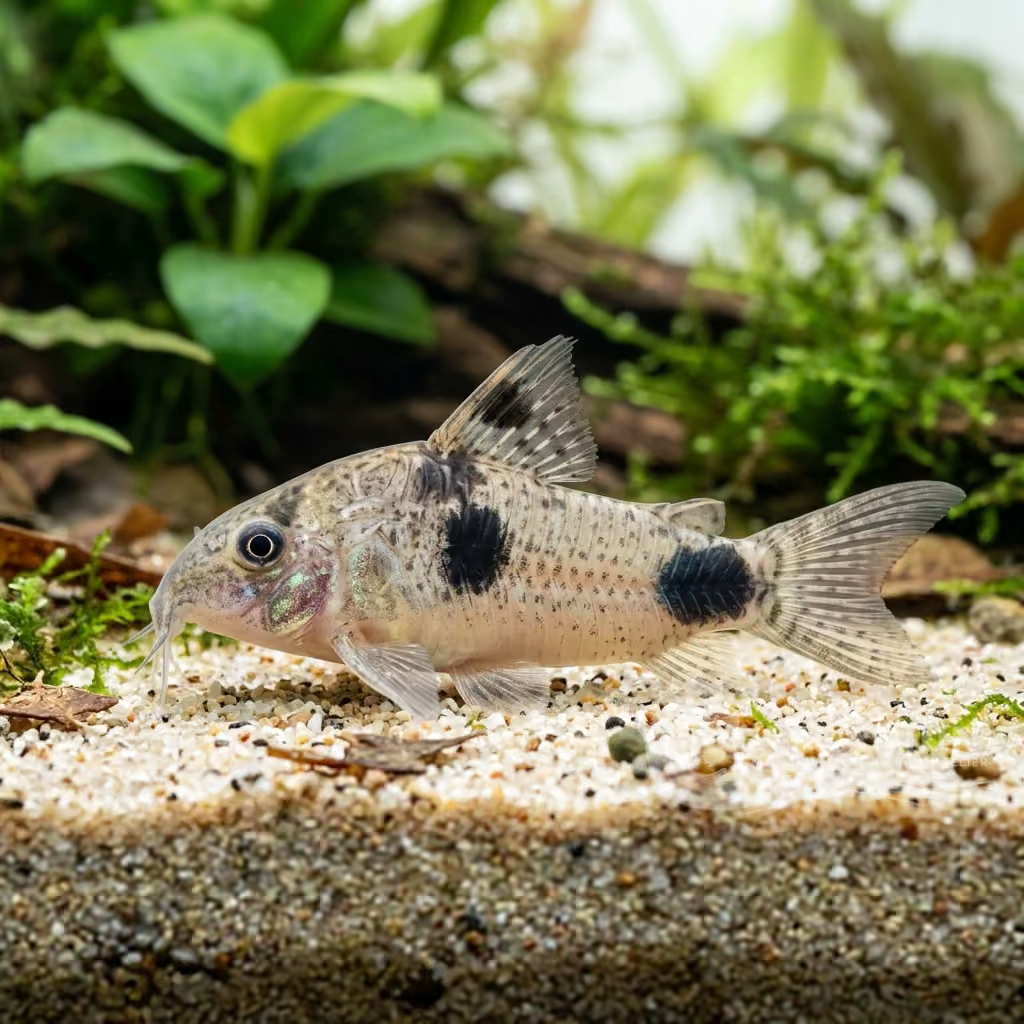
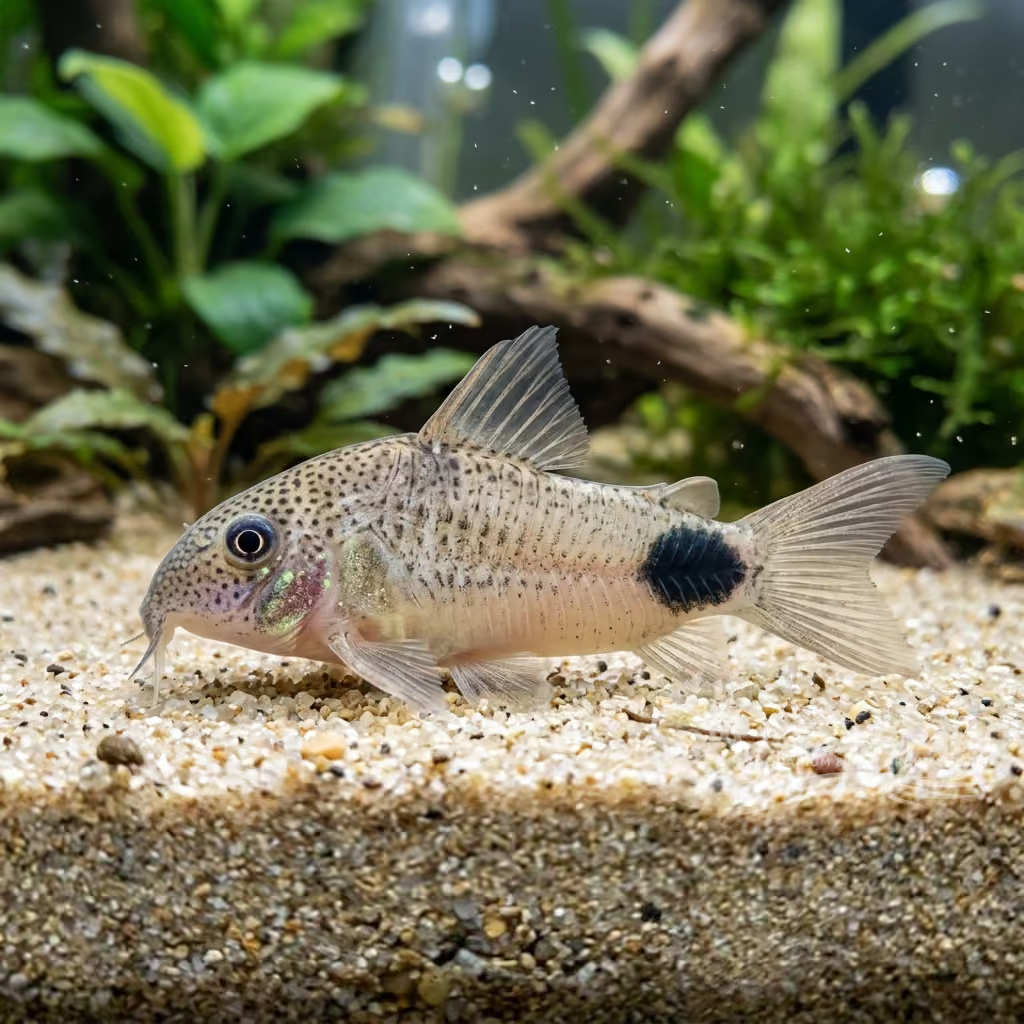
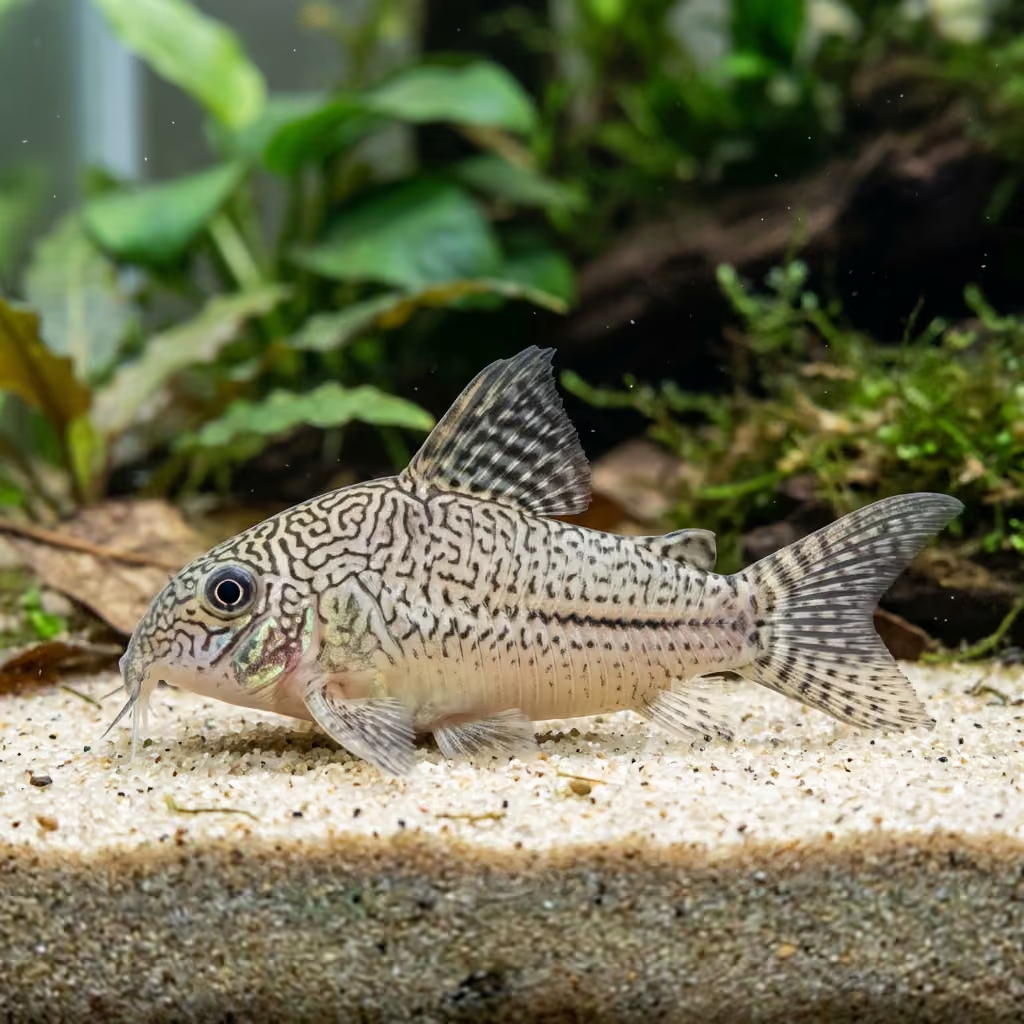
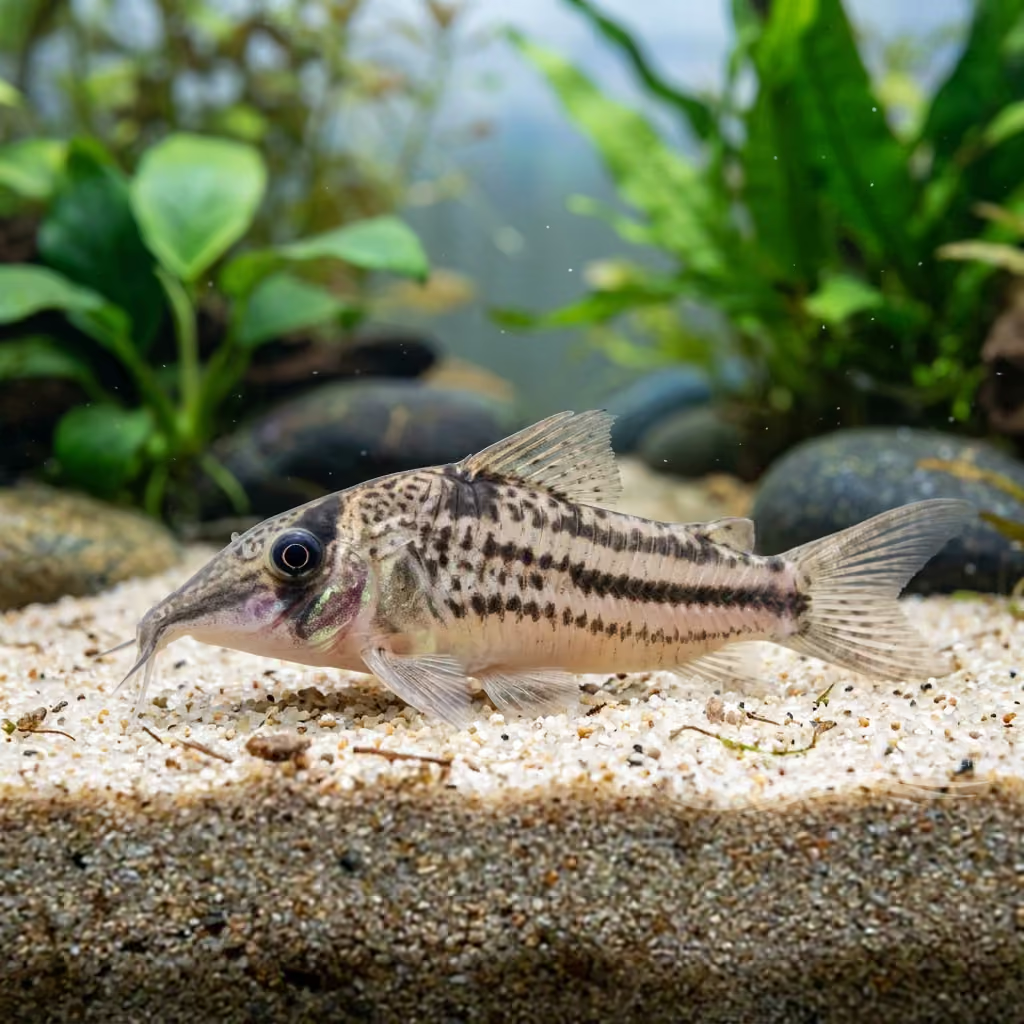
The hypnotic 'Green Gold' Corydoras, a species with a golden coat on which incredible emerald iridescences stand out, concentrated on the lateral line.
Water Temperature
22 - 26 °C
pH Value
6 - 7.2
Water type
Freshwater
Tank level
Bottom
Adult size
5.5 cm
Minimum tank volume
>= 80 L
Minimum group
>= 6
GH
2 - 12 dGH
KH
2 - 10 dKH
TDS
50 - 280 ppm
Conductivity
78 - 438 uS/cm

Species description
Geographical Origin and Habitat: Originating from the Amazon basin in Colombia (Meta River). Prefers environments with weak to moderate water currents, sheltered by dense marsh vegetation where the waters, from clear to amber (blackwater), flow over sandy carpets and leaf litter.
Taxonomy and Morphology: Corydoras belonging to the Callichthyidae family. Often known as the "Green Gold Corydoras". With its 5.5 cm (2.2 inches), it is a medium-sized species with a round snout and compact profile. Morphology and livery have long been confused with C. aeneus (albino or green).
Social Behavior: Sociability and harmlessness are its dominant traits. Breeding of at least 6-8 specimens of the same species is mandatory. Isolated or in small numbers, it settles on the bottom without moving, perishing prematurely due to encirclement stress.
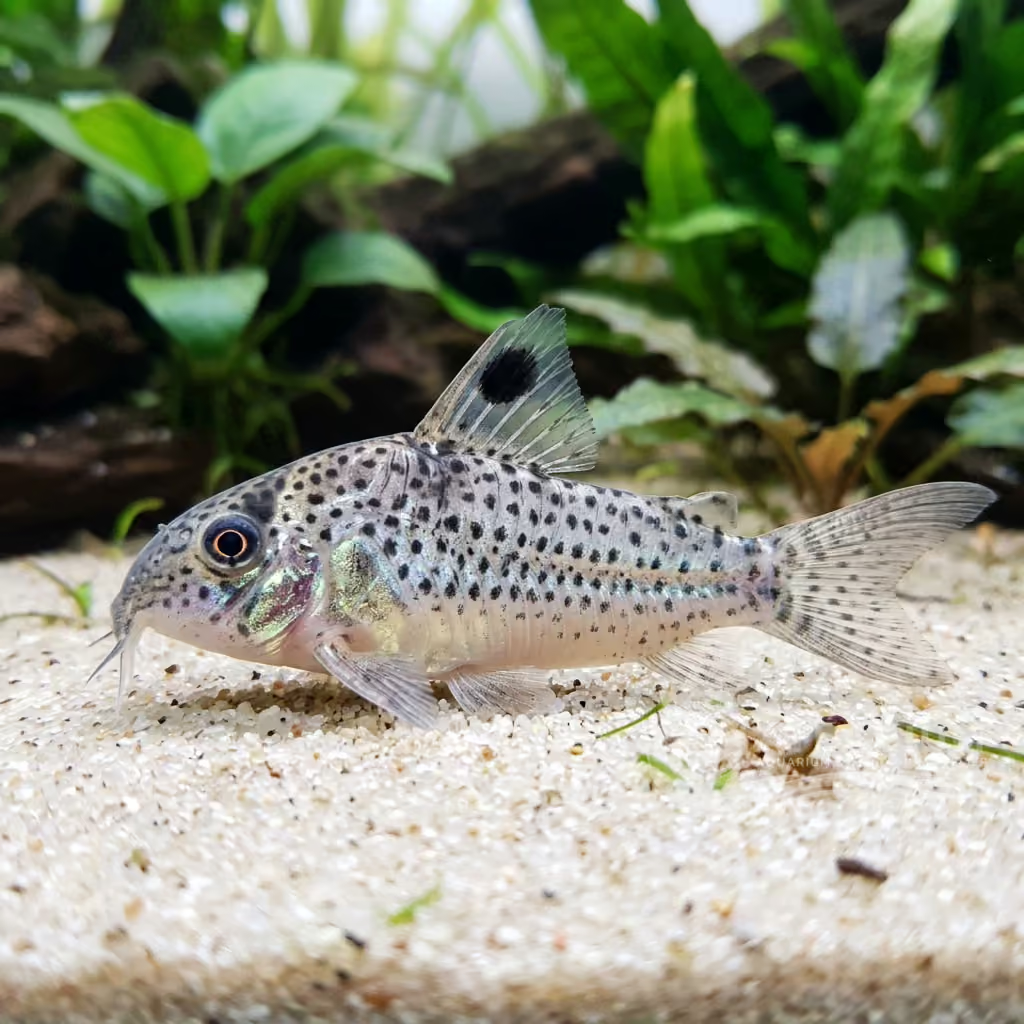
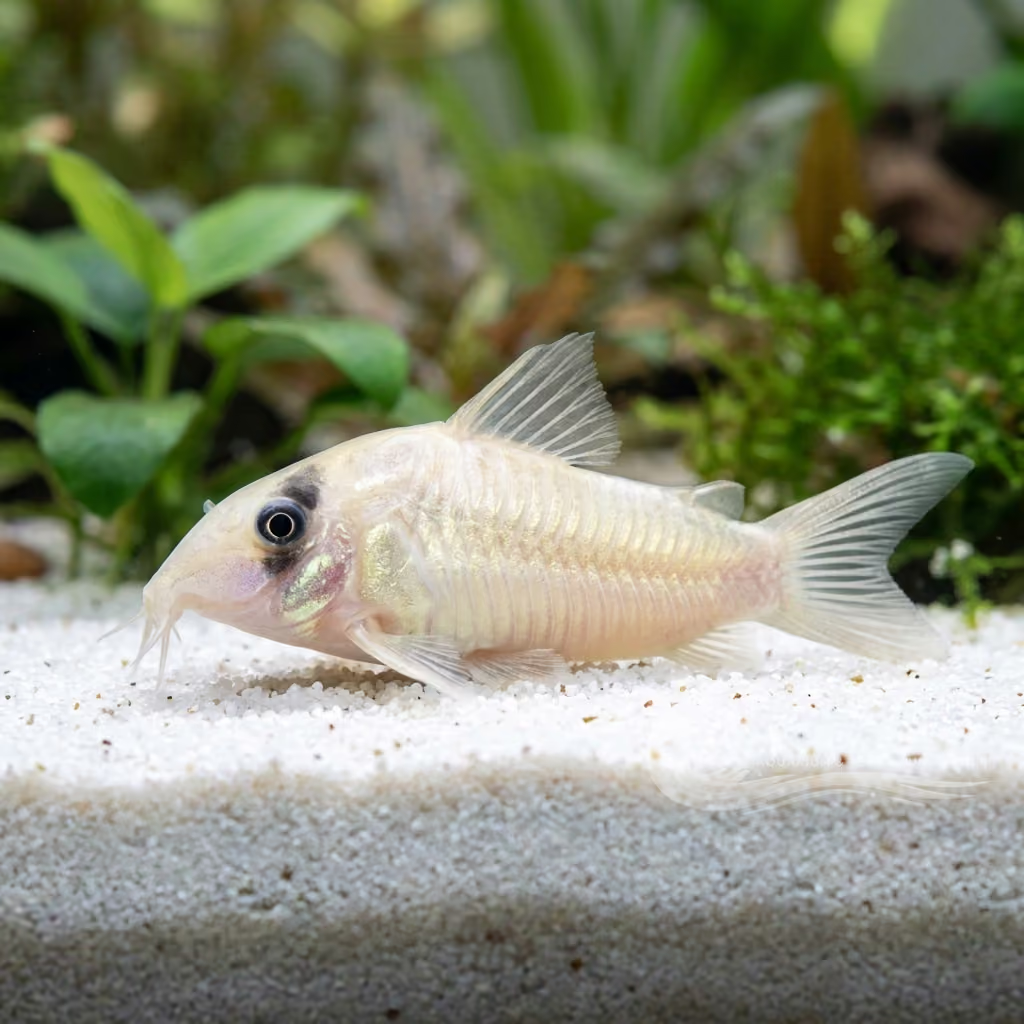
Coloration and Sexual Dimorphism: Entirely bronzed/golden body ("Green Gold") covered with obvious and marked yellow/green metallic mottling on the flanks (iridescence). It does not possess distinct spots or masks. Females are remarkably stockier and gravid, while males maintain more aerodynamic lines.

Care, breeding and tankmates
Aquarium Setup: Demands a fine sand bottom to facilitate exploration with its delicate tactile barbels. Insert rich perimeter planting (Echinodorus), and shade the tank abundantly with floating plants and intricate woody complexes.
Diet and Feeding: Omnivorous by nature, willingly consumes micro-fauna and insects in nature. The aquarist must administer daily protein pellets and wafers, strictly and insistently varying with white worms, live or frozen tubifex, and bloodworms.
Water Quality: Extremely sensitive to bacterial putrescence. Temperatures from 22 to 26°C (72-79°F). The pH should settle on weakly acidic or neutral values (6.0 - 7.2), in combination with a soft GH (2-12). Powerful filtration but without excessive mechanical turbulence on the bottom.
Compatibility and Cohabitation: Relates excellently in a temperate South American community aquarium with minute species: Nannostomus, hatchetfish, pelagic Tetras, Otocinclus, or mild-mannered Apistogramma. Any pairing with large hunting predators should be avoided.
Aquarium Breeding: Typical "pluvial" induction: a sharp drop in temperature (30-40% cold water changes) accompanied by intense administrations of live food. Lays dozens of eggs on the glass (T-position). The predatory instinct towards the eggs is marked.
Risks and Diseases: In addition to the inexorable amputation of the barbels caused by crushed quartz, ichthyophthiriasis is frequent if thermal stresses are suffered. Very serious and fatal sensitivity to medicinal dosages with formalin or Copper that are not halved.

Geographic origin and distribution
Originating from the Amazon basin in Colombia (Meta River). Prefers environments with weak to moderate water currents, sheltered by dense marsh vegetation where the waters, from clear to amber (blackwater), flow over sandy carpets and leaf litter.
Origin
Amazon, Orinoco, and GuianasNorth America

Fish profile
- Temperament
- Semi-aggressive
- Exhibiting an inherently peaceful and gregarious temperament, *Osteogaster melanotaenia* is completely non-aggressive toward its tank mates. They are highly social creatures that find security in numbers, making them playful and active when kept in a sufficient shoal. A lone individual will often become stressed, reclusive, and susceptible to disease. Their amiable disposition makes them one of the most endearing and universally beloved additions to any freshwater community setup.
- Diet
- Omnivore
- In the wild, they are omnivorous bottom feeders that forage for small insects, worms, crustaceans, and plant matter. In the home aquarium, they readily accept a wide variety of high-quality sinking pellets, wafers, and granules. It is highly recommended to supplement their diet with regular offerings of live or frozen foods such as bloodworms, daphnia, and brine shrimp to ensure optimal health and condition. Care should be taken to ensure that food reaches the bottom before being consumed by mid-water swimming fish.
- Life expectancy
- 5-8 years
- Adult size
- 5.5 cm
- Sex ratio
- Group
- For general display purposes, the sex ratio is relatively unimportant as long as they are kept in a suitably sized group of at least six individuals. However, for those aiming to breed them, a ratio of two to three males for every single female often yields the best results. The increased number of males encourages competitive courtship and ensures higher fertilization rates during spawning. Identifying the sexes becomes easier as they mature, with females typically appearing significantly broader and rounder than the sleeker males.
- Feeding frequency
- Twice daily
- To maintain their energy levels and overall health, *Osteogaster melanotaenia* should be fed small amounts one to two times per day. It is important to only offer what they can completely consume within about three to five minutes to prevent water fouling. Overfeeding can lead to poor water quality and subsequent health issues, especially considering their bottom-dwelling nature. Observing their feeding behavior during meals can help adjust the portions to meet their specific metabolic needs.
- Bioload
- Low to Medium
- As a small benthic catfish, *Osteogaster melanotaenia* contributes a relatively low bioload to the aquarium ecosystem. They are efficient scavengers that help break down uneaten food, which slightly mitigates their own waste production. However, because they must be kept in groups of at least six, the cumulative bioload of the shoal should be factored into your filtration capacity. Regular water changes and good mechanical filtration are still necessary to maintain optimal water quality and prevent the accumulation of nitrates on the substrate.
- Flow
- Stagnant
- They naturally inhabit sluggish tributaries, floodplains, and pools with relatively gentle water movement. In the aquarium, they appreciate a moderate flow that provides good oxygenation without creating overwhelming currents. Harsh, direct water flow should be avoided as it can cause exhaustion and stress for these small fish. Providing areas of calmer water behind hardscape or plants allows them comfortable resting spots.
- Jump risk
- Yes
- While not generally known as prolific jumpers, they do possess the ability to leap out of the water if startled or if water conditions deteriorate. Like all Corydoras, they occasionally dart to the surface to gulp atmospheric air, and during this rapid ascent, they might accidentally breach the surface too forcefully. A well-fitting aquarium lid is highly recommended to prevent any tragic accidents. Ensuring optimal water parameters will also minimize any erratic surfacing behavior.
- Reproduction
- Oviparous
- Breeding *Osteogaster melanotaenia* involves simulating the rainy season through large, cooler water changes and feeding highly nutritious live foods. The female will gather eggs in a pouch formed by her pelvic fins while the male fertilizes them. Following fertilization, the female carefully deposits the adhesive eggs onto broad plant leaves, aquarium glass, or flat stones. Because the parents may consume their own eggs, it is best to rear the fry in a separate, dedicated breeding tank with meticulous water quality management.
- Compatibility & tankmates
- Peaceful
- This species is exceptionally peaceful and makes an excellent addition to a community aquarium. They do not bother other fish and are perfectly safe to keep with small tetras, rasboras, and dwarf cichlids. It is crucial to avoid keeping them with large, aggressive, or predatory species that might view them as food or nip at their delicate barbels. They thrive best when kept alongside other docile species that occupy the middle and upper levels of the water column.
- Tank level
- Bottom
- This species is a classic bottom dweller that spends the vast majority of its time resting on or foraging through the substrate. You will frequently observe them sifting through fine sand with their sensitive barbels in search of hidden morsels. Although they mostly remain at the lowest level of the aquarium, they will make periodic, lightning-fast dashes to the water surface to gulp air. Their predominantly benthic nature means they require plenty of uninterrupted swimming space along the tank floor.

Scientific Parameters & Models
FishBase
Window to the official scientific data of the species
FishBase v25.04Data synced on: 06/15/2026
- Trophic level
- 3 ± 0.3 se
- Resilience
- Medium (1.4 - 4.4 years)
- Phylogenetic uniqueness (PD50)
- 0.5039
- Bayesian Length-Weight
- a = 0.01778, b = 3.02
- VulnerabilityLow vulnerability (10 / 100)

Related species
Recommendations grouped by close relatives, companion choices, and similar care.