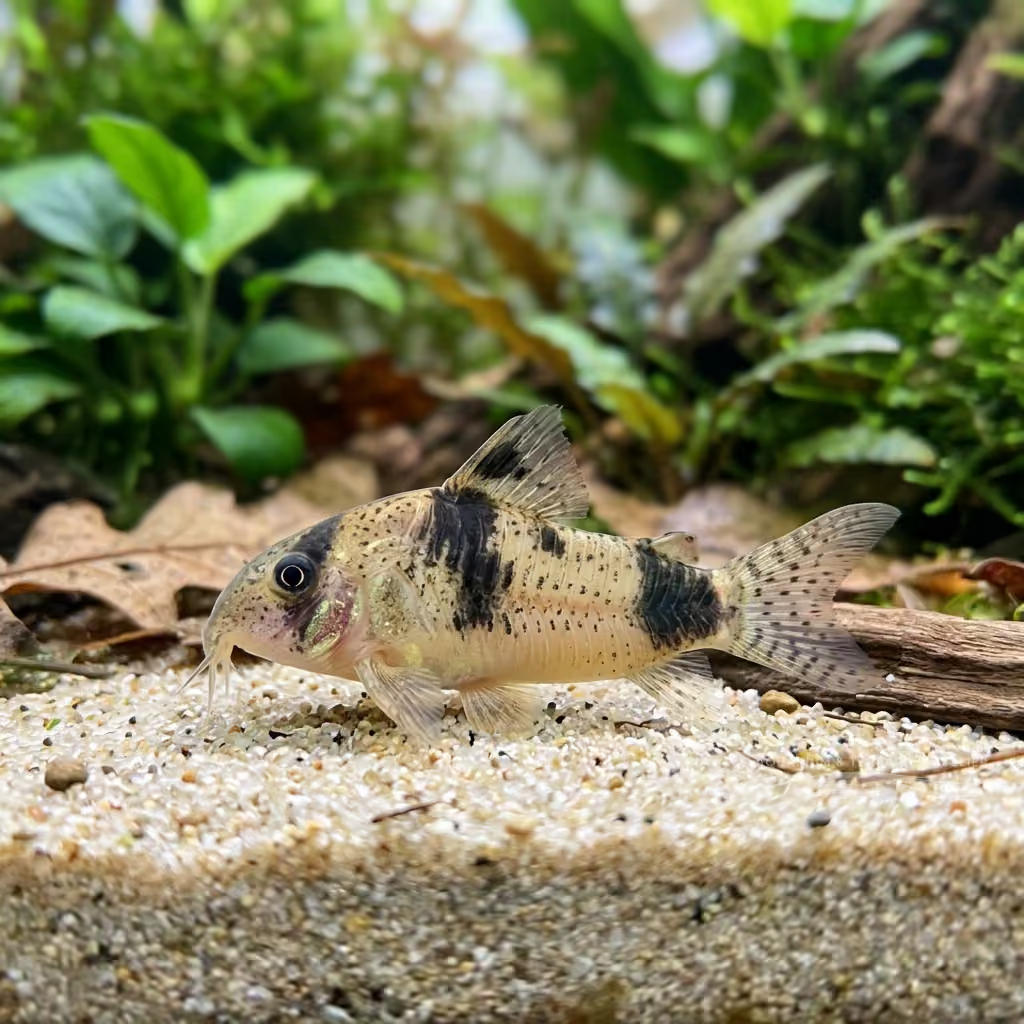
Leopard Cory
Brochis leopardus
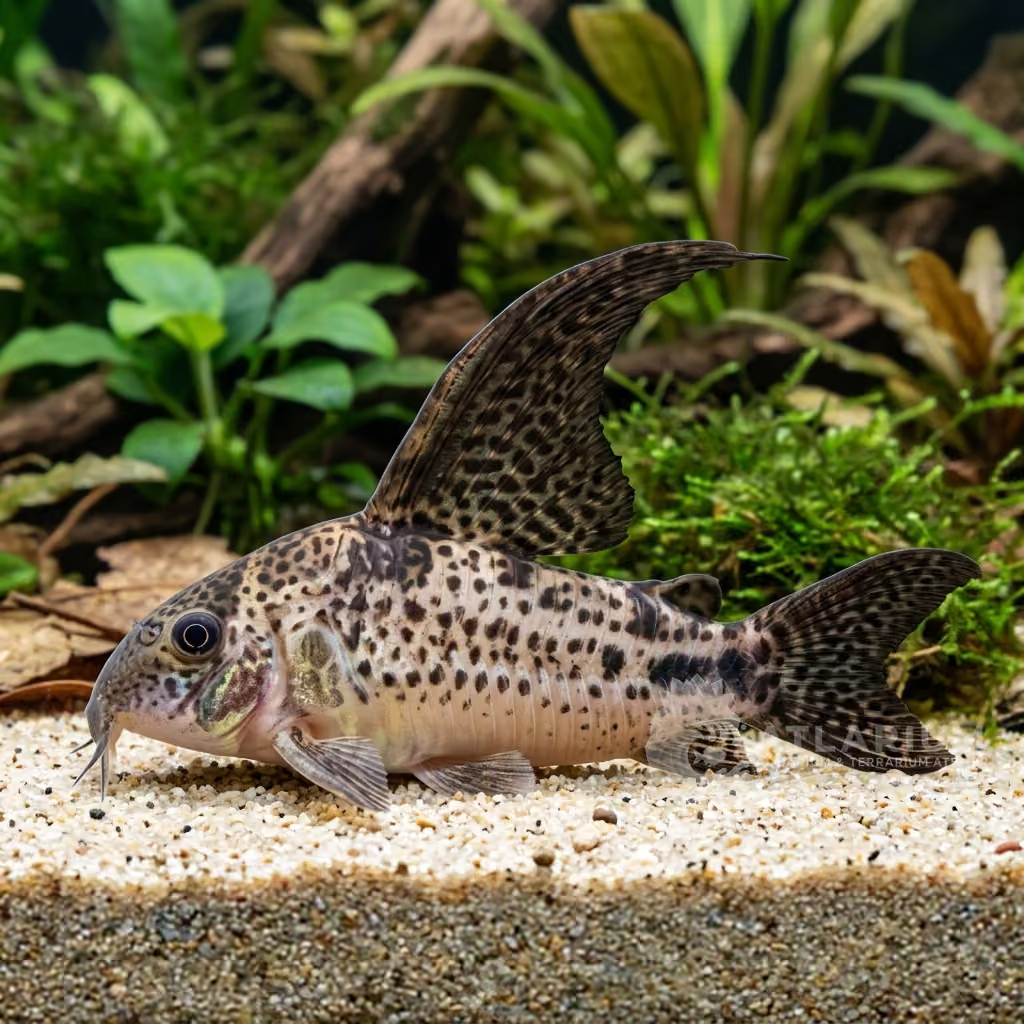
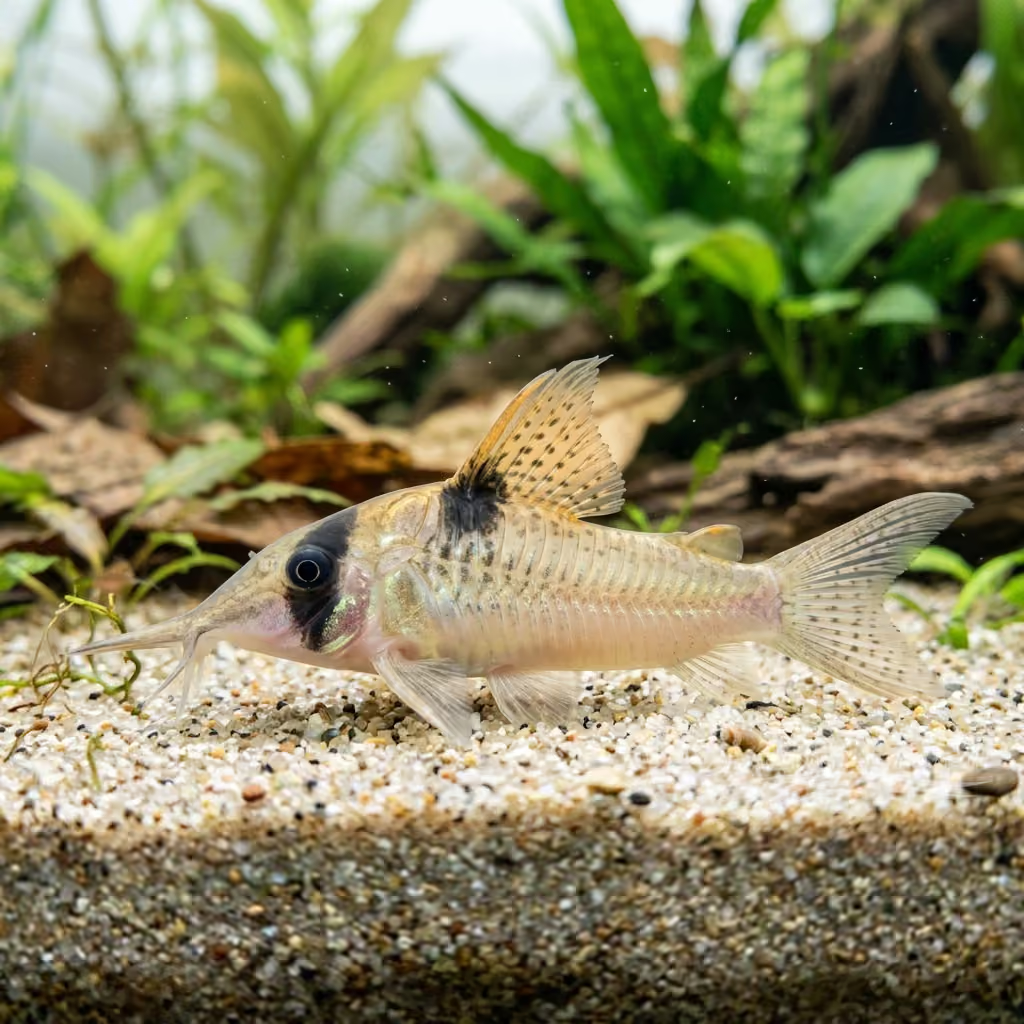
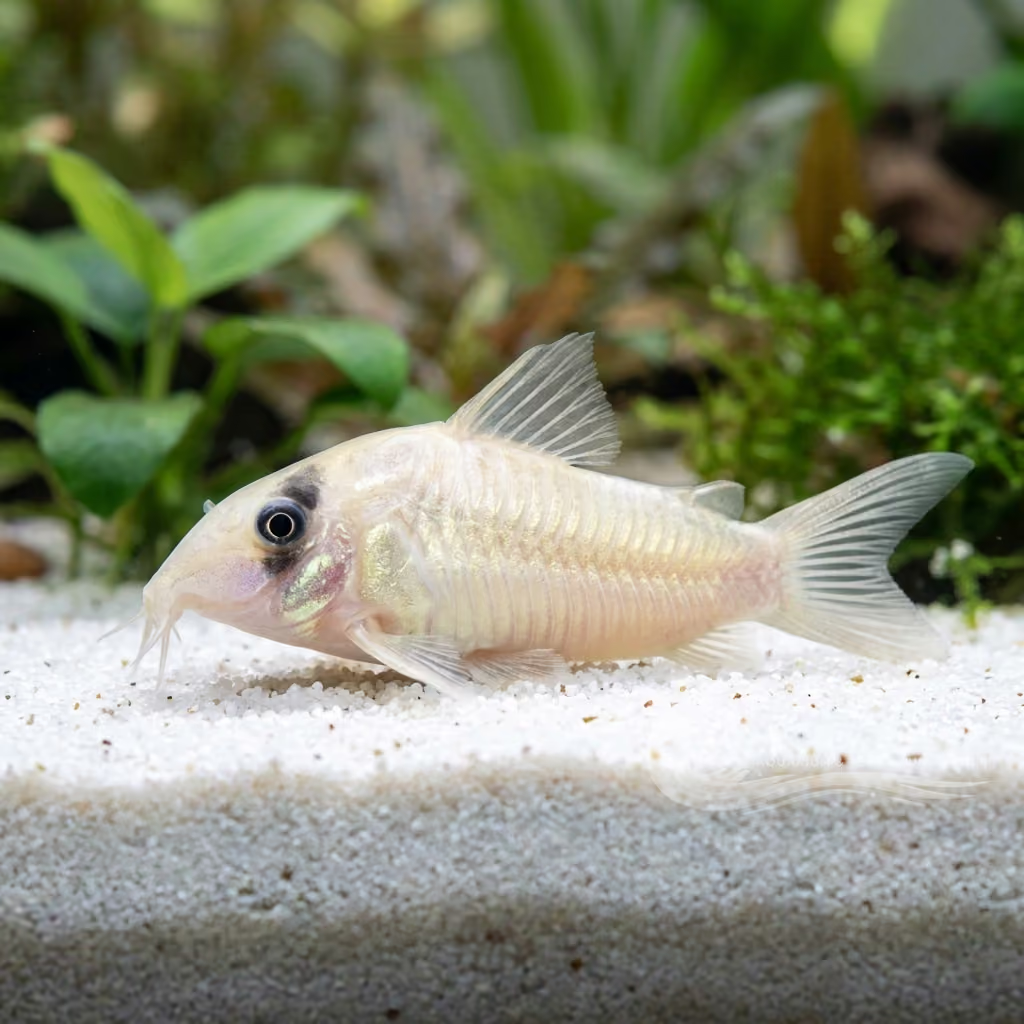
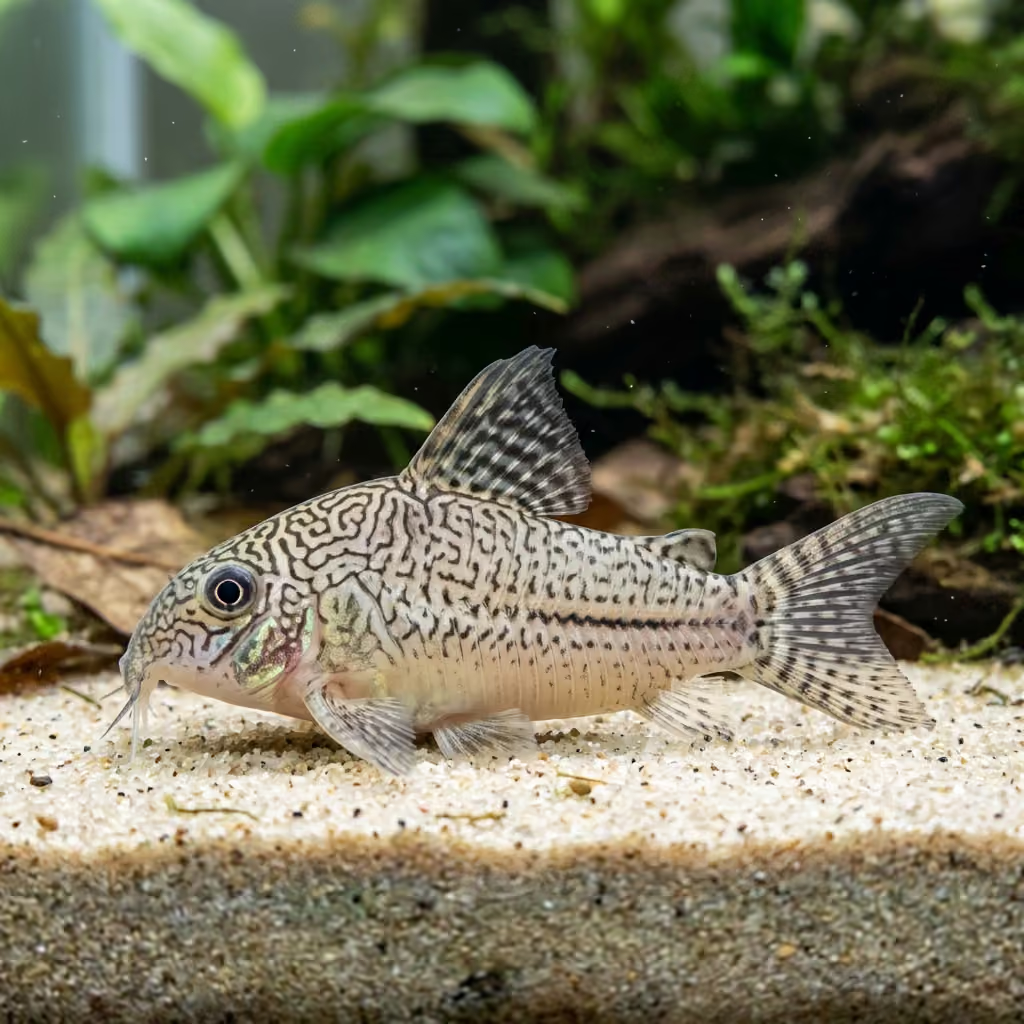
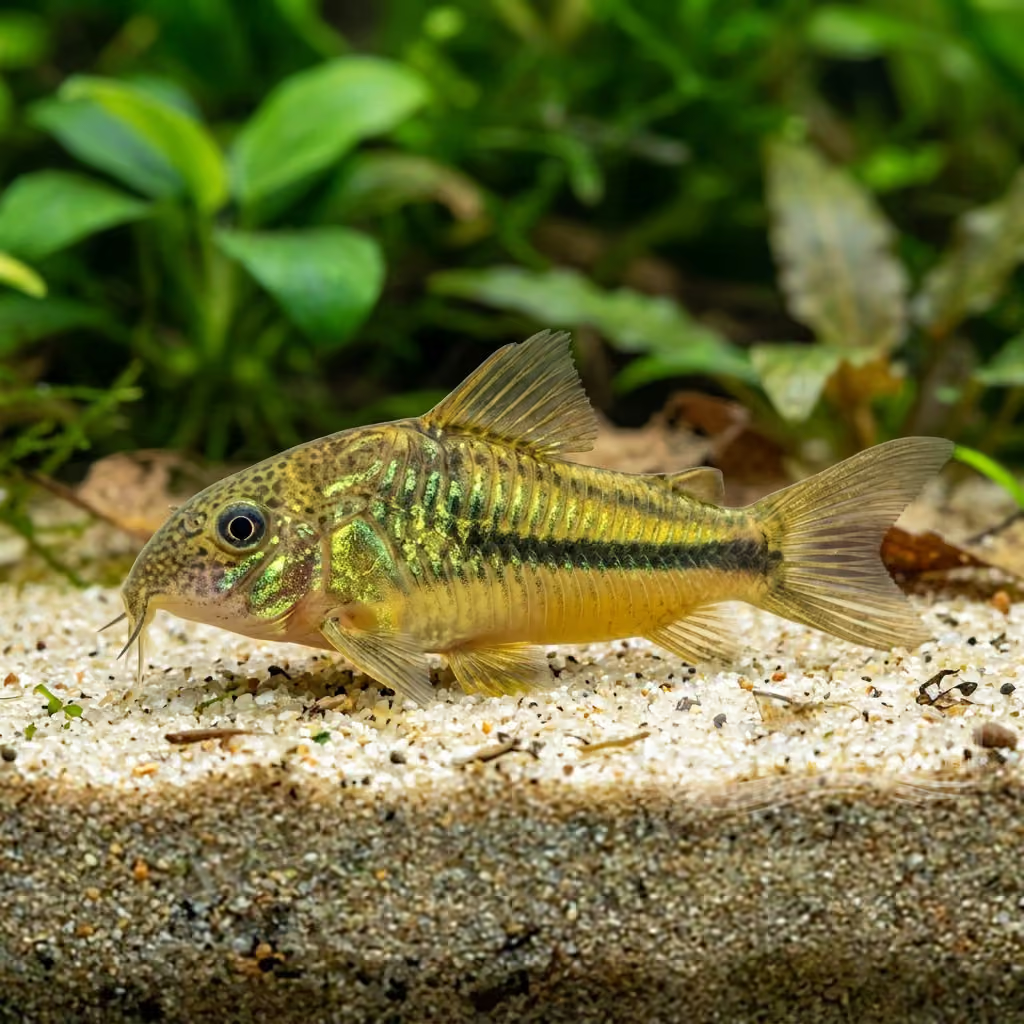
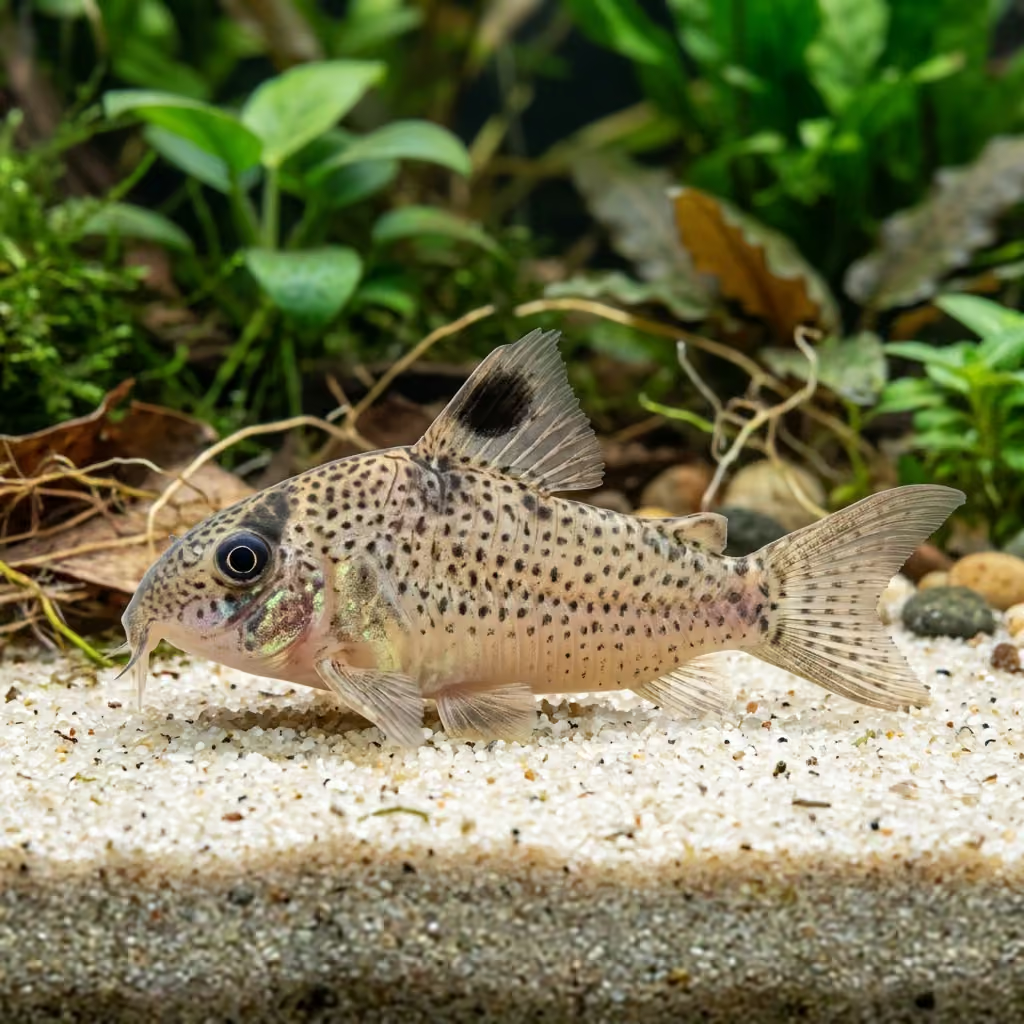
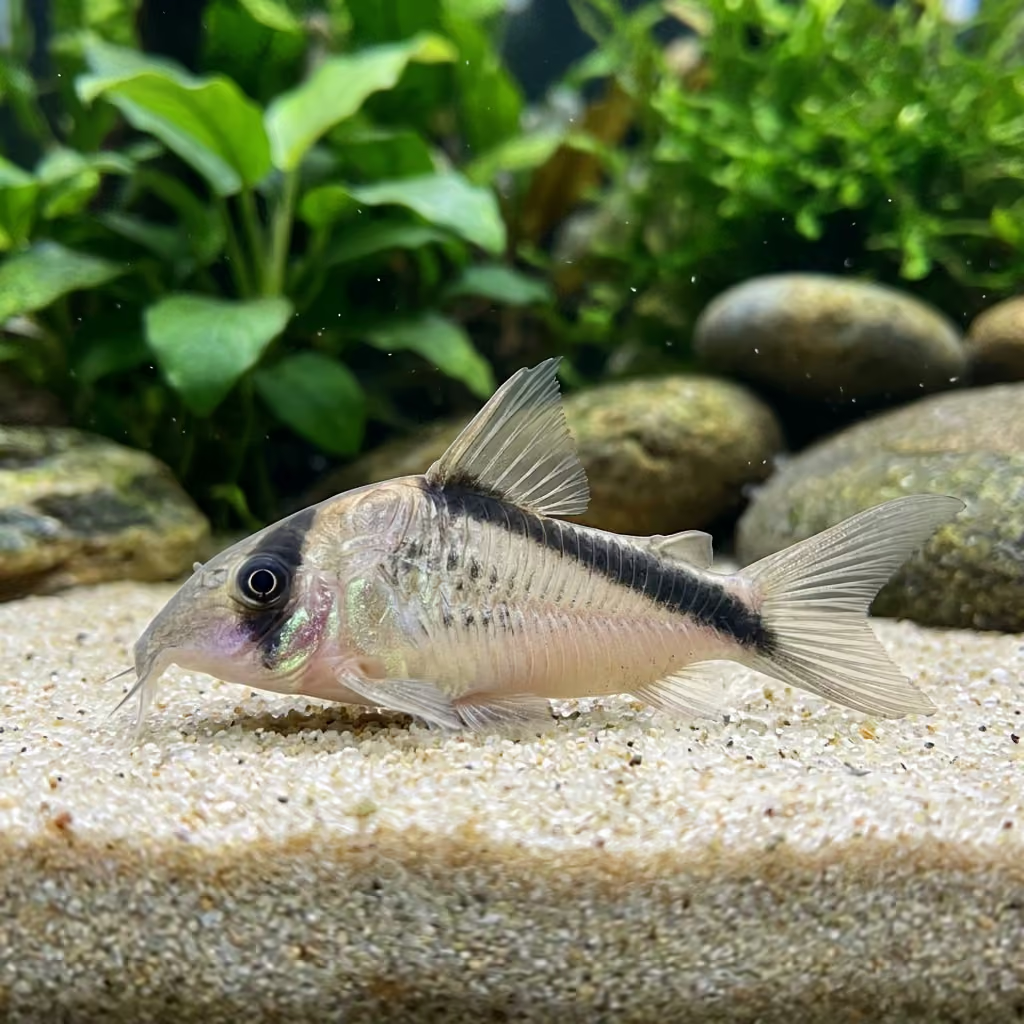
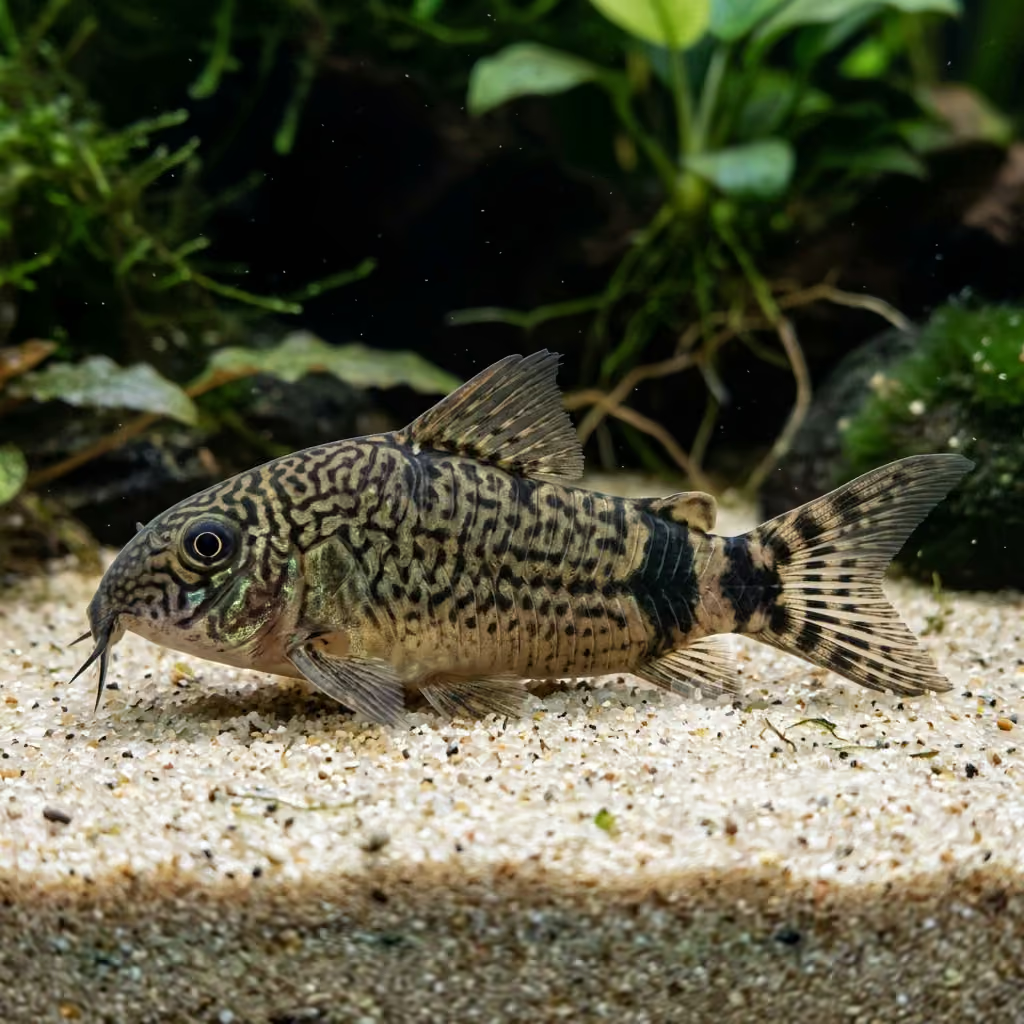
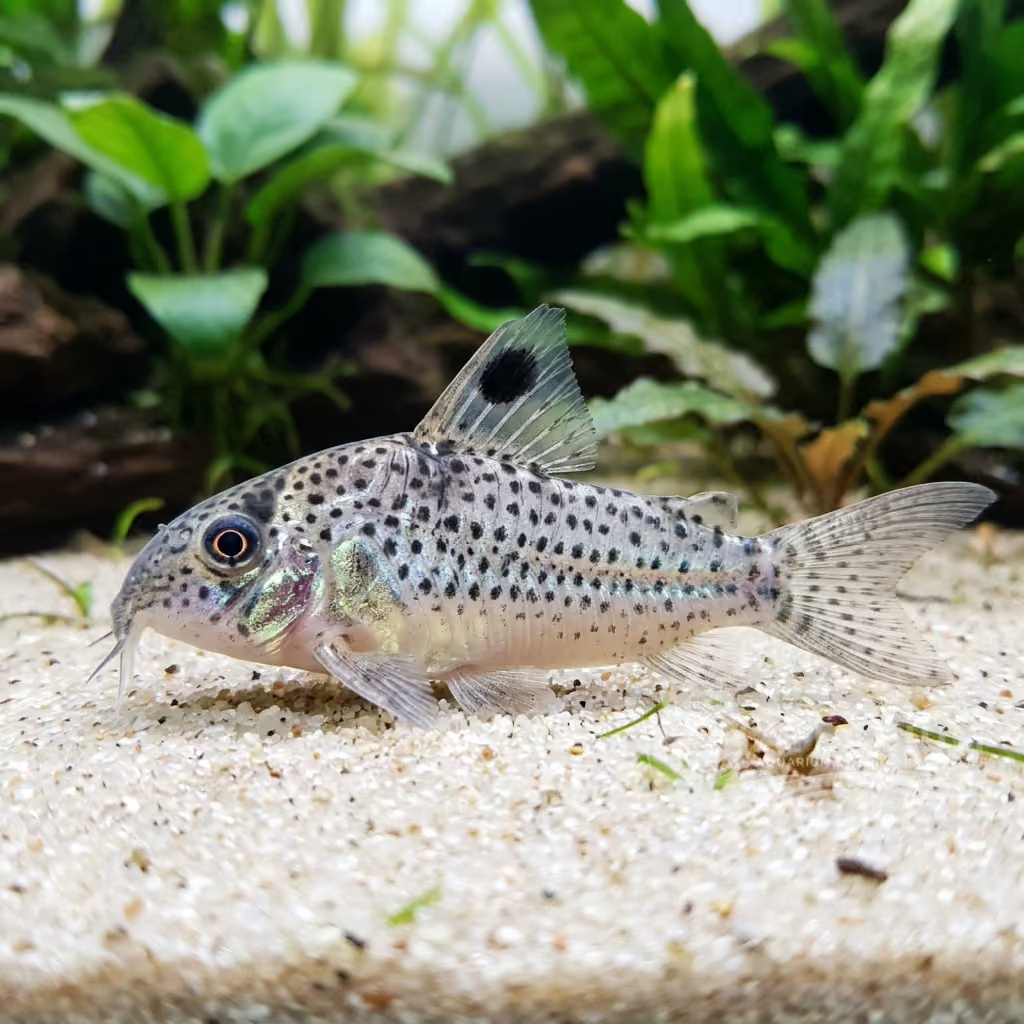
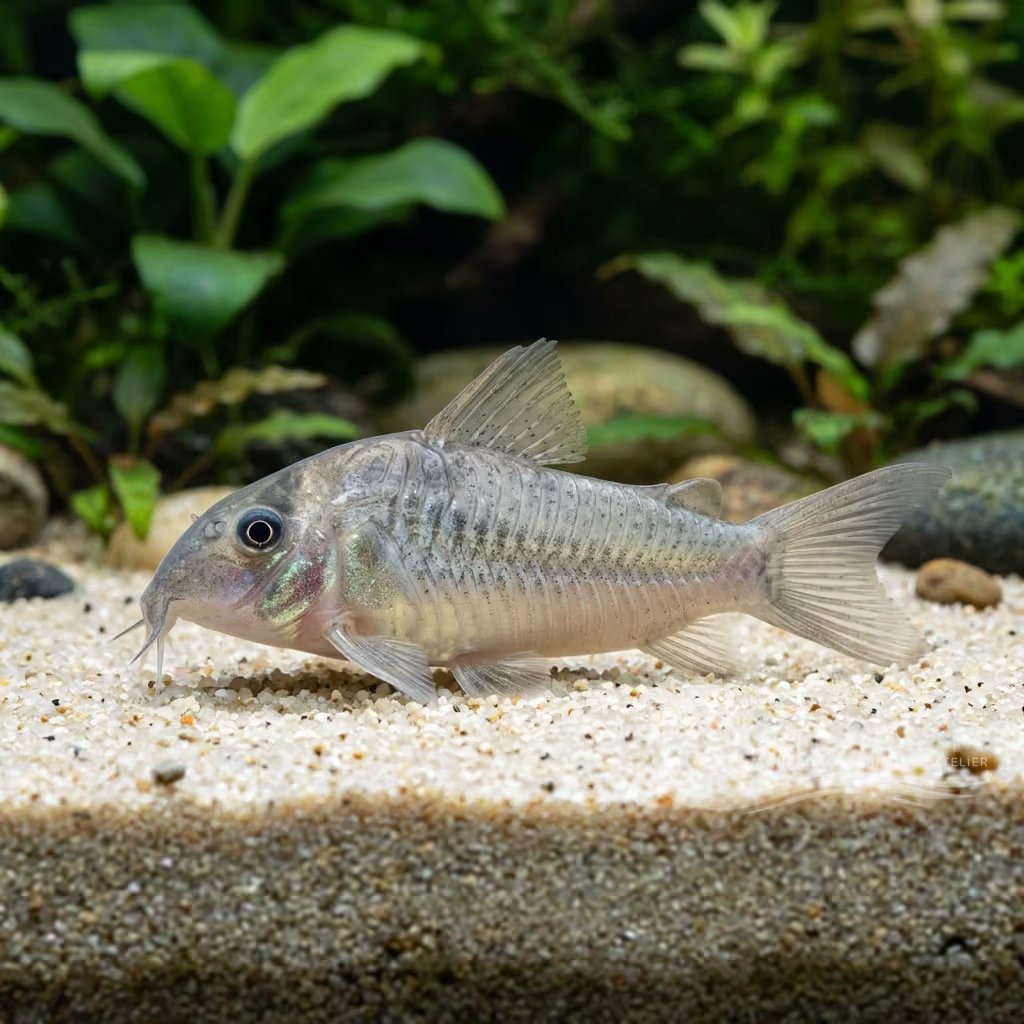
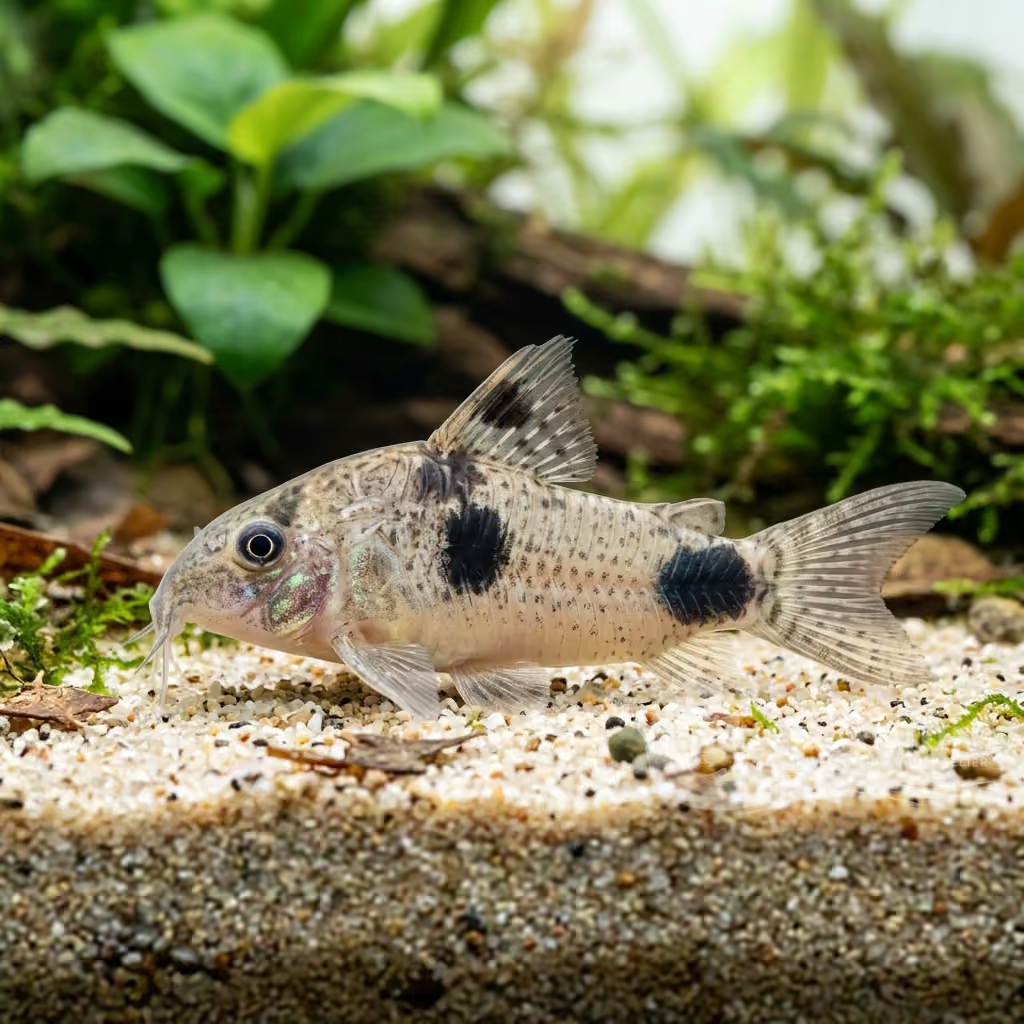
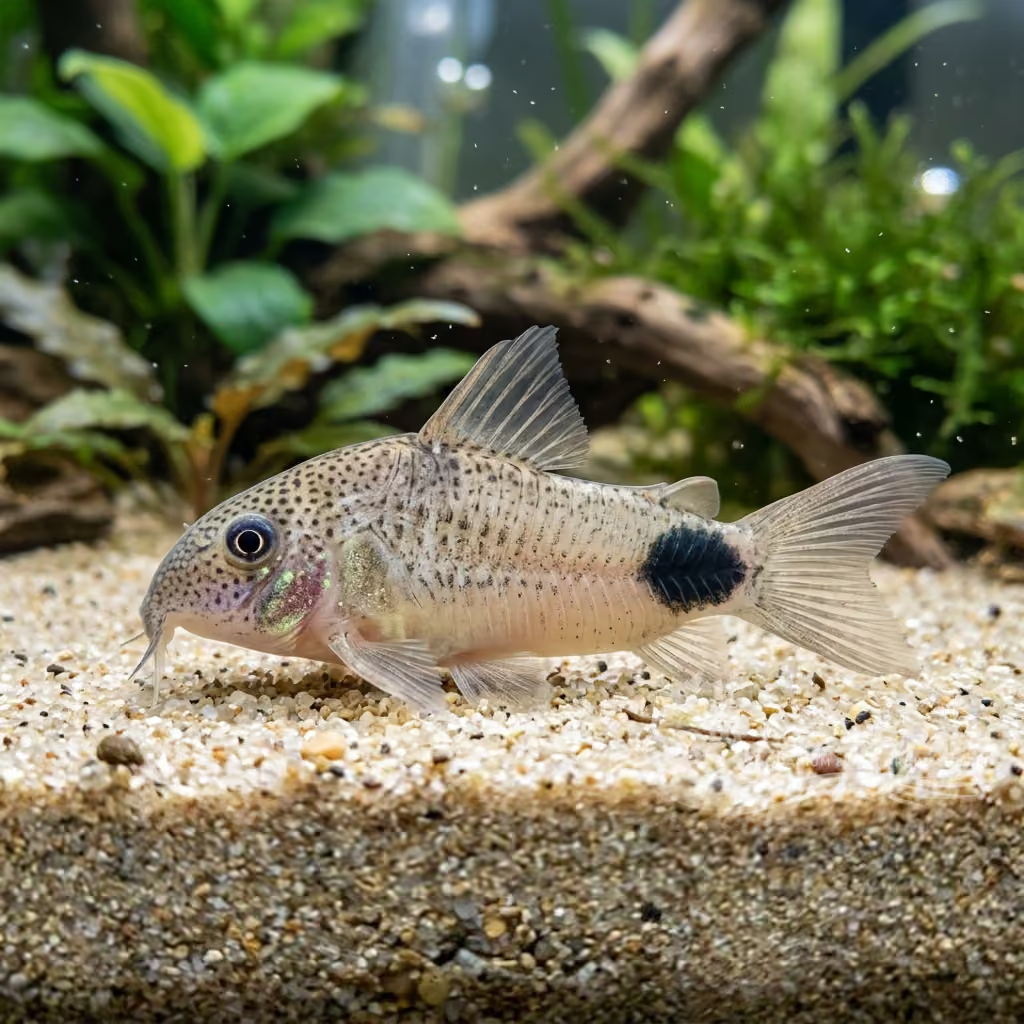
As the name suggests, it is covered in a dense leopard spotting, but beware: unlike the 'false julii' (C. trilineatus), the leopardus is a long-snout (Lineage 1).
Water Temperature
22 - 26 °C
pH Value
6 - 7.2
Water type
Freshwater
Tank level
Bottom
Adult size
6 cm
Minimum tank volume
>= 100 L
Minimum group
6
GH
2 - 12 dGH
KH
2 - 10 dKH
TDS
50 - 280 ppm
Conductivity
78 - 438 uS/cm

Species description
Geographical Origin and Habitat: Extremely widespread in central and eastern Brazil (e.g. river basins of the state of Ceará) and in the Peruvian Amazon. Occupies small shaded streams, marshy oxbows with soft substrates and thick layers of foliage, where light struggles to penetrate.
Taxonomy and Morphology: Prominent specimen of the long-snouted Callichthyidae tribe. It is distinguished from C. trilineatus (with which it sometimes shares the habitat) by its elongated cephalic proportions, ideal for stratified digging. Measures up to 6 cm (2.4 inches).
Social Behavior: Less turbulent than the classic C. paleatus, it boasts a mild and methodical nature. A grouping of at least 6 individuals is the pillar to keep them from falling into stress. They work the bottoms with meticulous precision, burying themselves halfway.
Coloration and Sexual Dimorphism: Spectacular striping on a yellowish/cream base: a dense and tortuous maze of dark lines ("reticulated") covers the flanks; a clear horizontal dark line cuts the flank in half, while a solid spot decorates the base of the dorsal. Females are perceptibly more imposing in cross-section.

Care, breeding and tankmates
Aquarium Setup: Absolute priority to very fine inert bottoms, otherwise irreversible impairments. The aquarium must be set up "in the dark", with massive doses of interwoven trunks, catappa, and superficial planting (floaters) to reassure the tireless explorers.
Diet and Feeding: Benthic omnivore of predatory extraction. Given its considerable size (6 cm), it demands serious nutritional intake: large pellets or carnivorous wafers mixed with substantial evening administrations of red bloodworms or tubifex.
Water Quality: Very hardy species but suffers from anoxic accumulations of nitrates on the bottom. Optimal temperatures around 22-26°C (72-79°F). Tolerant to variable pH between 6.0 and 7.2. Recommended medium/low hardness (GH 2-12). Light and frequent siphoning.
Compatibility and Cohabitation: Ideal bottom protagonist for medium/large biotopes in association with thick schools of pelagic Tetras, hatchetfish, and shy Loricariids. Extremely counterproductive to keep them together with aggressive loaches, synodontis, or gluttonous goldfish.
Aquarium Breeding: Occurs in T-position. Promoted with moderately cold water changes that mimic monsoon rain. Large brood consisting of isolated eggs applied to glass or furnishings; parents very rapacious towards their own young.
Risks and Diseases: Premature death consistently caused by necrosis of the delicate barbels amputated by abrasive quartz. Strictly avoid concentrated pharmaceutical treatments based on Copper (Cu) and the excessive use of saline solutes in the tank.

Geographic origin and distribution
Extremely widespread in central and eastern Brazil (e.g. river basins of the state of Ceará) and in the Peruvian Amazon. Occupies small shaded streams, marshy oxbows with soft substrates and thick layers of foliage, where light struggles to penetrate.
Origin
Cosmopolitan or introducedAmazon, Orinoco, and Guianas

Fish profile
- Temperament
- Semi-aggressive
- Exhibiting an inherently peaceful and gregarious temperament, *Corydoras leopardus* is completely non-aggressive toward its tank mates. They are highly social creatures that find security in numbers, making them playful and active when kept in a sufficient shoal. A lone individual will often become stressed, reclusive, and susceptible to disease. Their amiable disposition makes them one of the most endearing and universally beloved additions to any freshwater community setup.
- Diet
- Omnivore
- In the wild, they are omnivorous bottom feeders that forage for small insects, worms, crustaceans, and plant matter. In the home aquarium, they readily accept a wide variety of high-quality sinking pellets, wafers, and granules. It is highly recommended to supplement their diet with regular offerings of live or frozen foods such as bloodworms, daphnia, and brine shrimp to ensure optimal health and condition. Care should be taken to ensure that food reaches the bottom before being consumed by mid-water swimming fish.
- Life expectancy
- 5-10 years
- Adult size
- 6 cm
- Sex ratio
- Group
- For general display purposes, the sex ratio is relatively unimportant as long as they are kept in a suitably sized group of at least six individuals. However, for those aiming to breed them, a ratio of two to three males for every single female often yields the best results. The increased number of males encourages competitive courtship and ensures higher fertilization rates during spawning. Identifying the sexes becomes easier as they mature, with females typically appearing significantly broader and rounder than the sleeker males.
- Feeding frequency
- Twice daily
- To maintain their energy levels and overall health, *Corydoras leopardus* should be fed small amounts one to two times per day. It is important to only offer what they can completely consume within about three to five minutes to prevent water fouling. Overfeeding can lead to poor water quality and subsequent health issues, especially considering their bottom-dwelling nature. Observing their feeding behavior during meals can help adjust the portions to meet their specific metabolic needs.
- Bioload
- Low to Medium
- As a small benthic catfish, *Corydoras leopardus* contributes a relatively low bioload to the aquarium ecosystem. They are efficient scavengers that help break down uneaten food, which slightly mitigates their own waste production. However, because they must be kept in groups of at least six, the cumulative bioload of the shoal should be factored into your filtration capacity. Regular water changes and good mechanical filtration are still necessary to maintain optimal water quality and prevent the accumulation of nitrates on the substrate.
- Flow
- Stagnant
- They naturally inhabit sluggish tributaries, floodplains, and pools with relatively gentle water movement. In the aquarium, they appreciate a moderate flow that provides good oxygenation without creating overwhelming currents. Harsh, direct water flow should be avoided as it can cause exhaustion and stress for these small fish. Providing areas of calmer water behind hardscape or plants allows them comfortable resting spots.
- Jump risk
- Yes
- While not generally known as prolific jumpers, they do possess the ability to leap out of the water if startled or if water conditions deteriorate. Like all Corydoras, they occasionally dart to the surface to gulp atmospheric air, and during this rapid ascent, they might accidentally breach the surface too forcefully. A well-fitting aquarium lid is highly recommended to prevent any tragic accidents. Ensuring optimal water parameters will also minimize any erratic surfacing behavior.
- Reproduction
- Oviparous
- Breeding *Corydoras leopardus* involves simulating the rainy season through large, cooler water changes and feeding highly nutritious live foods. The female will gather eggs in a pouch formed by her pelvic fins while the male fertilizes them. Following fertilization, the female carefully deposits the adhesive eggs onto broad plant leaves, aquarium glass, or flat stones. Because the parents may consume their own eggs, it is best to rear the fry in a separate, dedicated breeding tank with meticulous water quality management.
- Compatibility & tankmates
- Peaceful
- This species is exceptionally peaceful and makes an excellent addition to a community aquarium. They do not bother other fish and are perfectly safe to keep with small tetras, rasboras, and dwarf cichlids. It is crucial to avoid keeping them with large, aggressive, or predatory species that might view them as food or nip at their delicate barbels. They thrive best when kept alongside other docile species that occupy the middle and upper levels of the water column.
- Tank level
- Bottom
- This species is a classic bottom dweller that spends the vast majority of its time resting on or foraging through the substrate. You will frequently observe them sifting through fine sand with their sensitive barbels in search of hidden morsels. Although they mostly remain at the lowest level of the aquarium, they will make periodic, lightning-fast dashes to the water surface to gulp air. Their predominantly benthic nature means they require plenty of uninterrupted swimming space along the tank floor.

Scientific Parameters & Models
FishBase
Window to the official scientific data of the species
FishBase v25.04Data synced on: 06/15/2026
- Trophic level
- 2.9 ± 0.3 se
- Resilience
- High (less than 15 months)
- Phylogenetic uniqueness (PD50)
- 0.5
- Bayesian Length-Weight
- a = 0.00741, b = 3.14
- VulnerabilityLow vulnerability (10 / 100)

Related species
Recommendations grouped by close relatives, companion choices, and similar care.