Ehrhardt's Corydoras
Hoplisoma ehrhardti
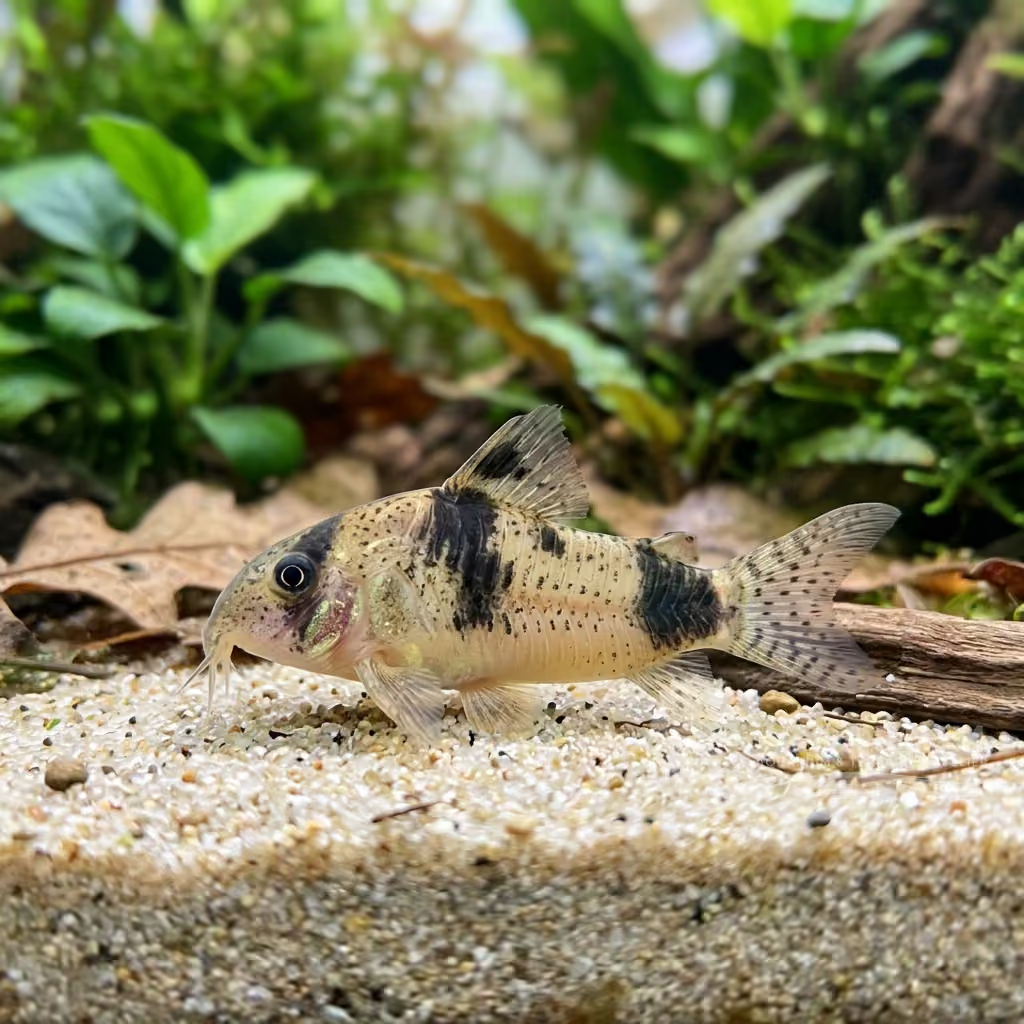
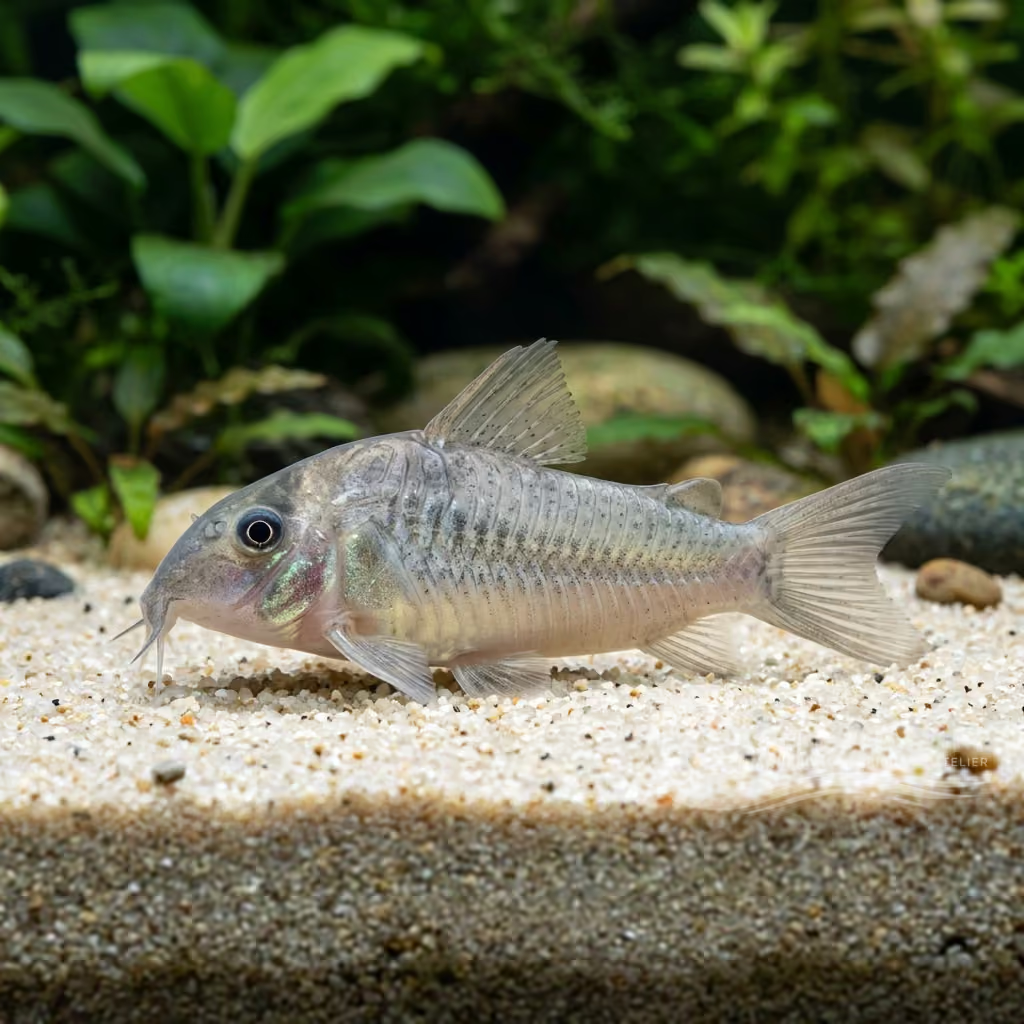
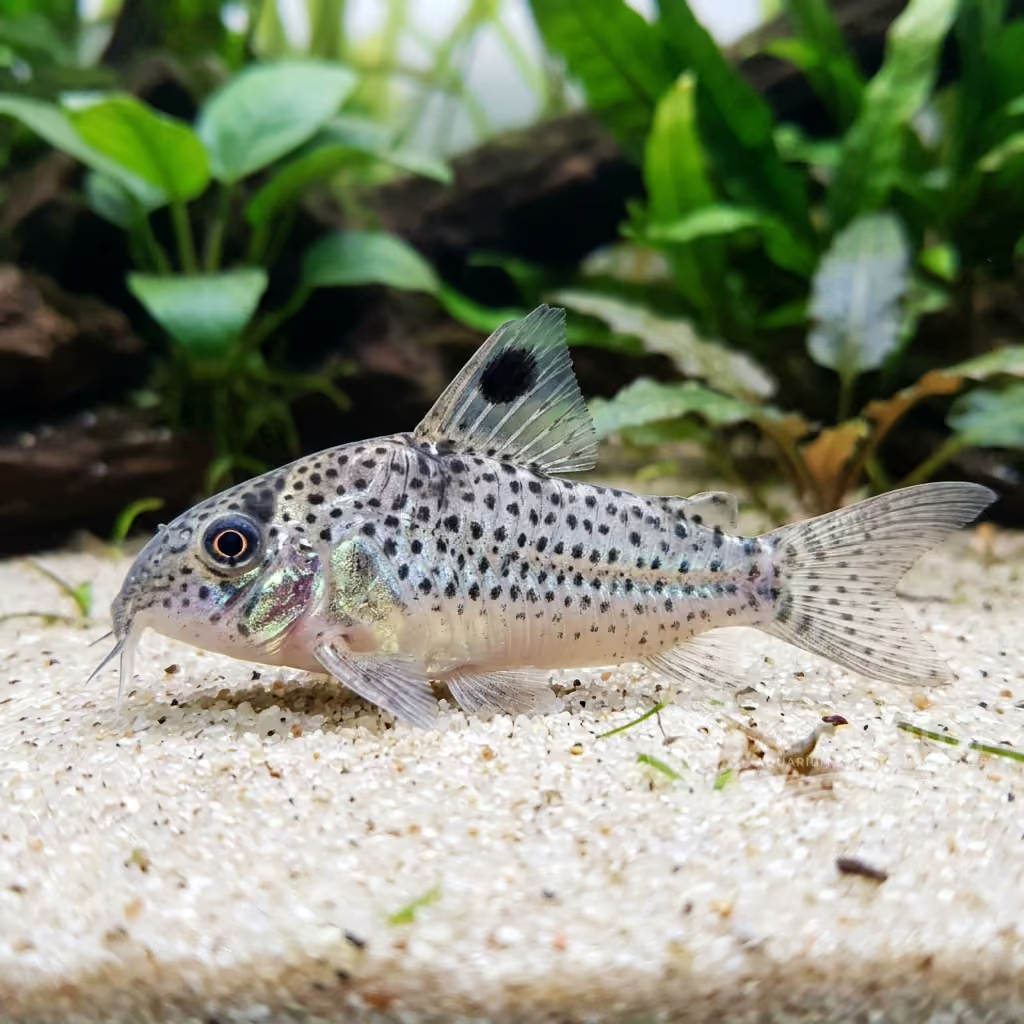
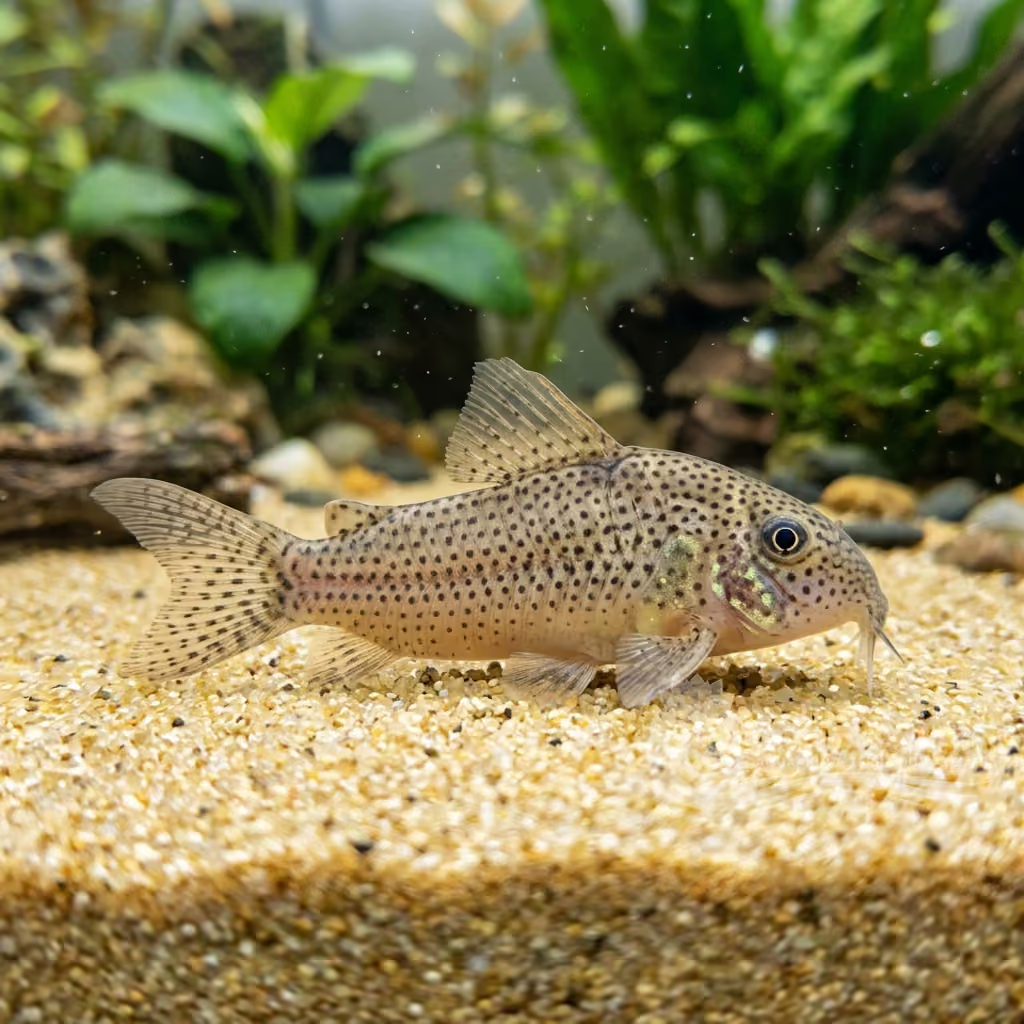
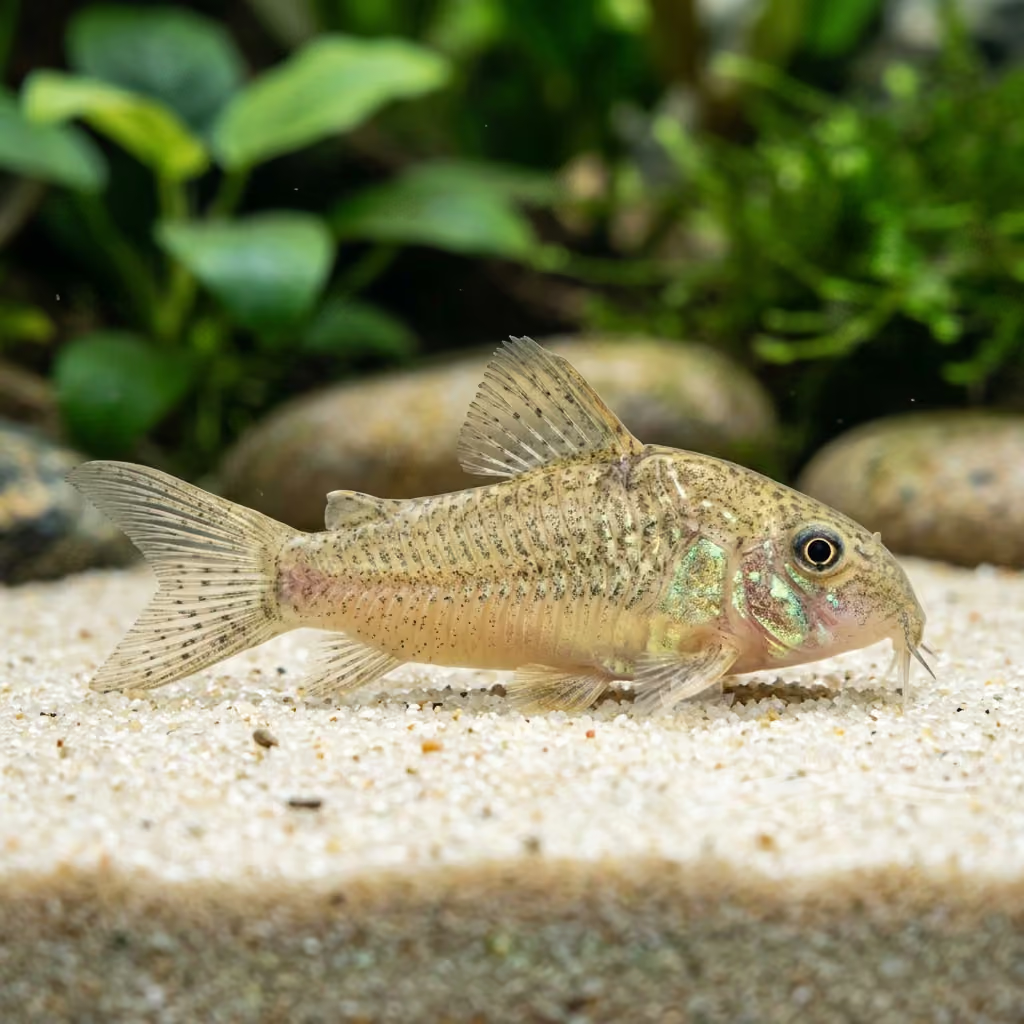
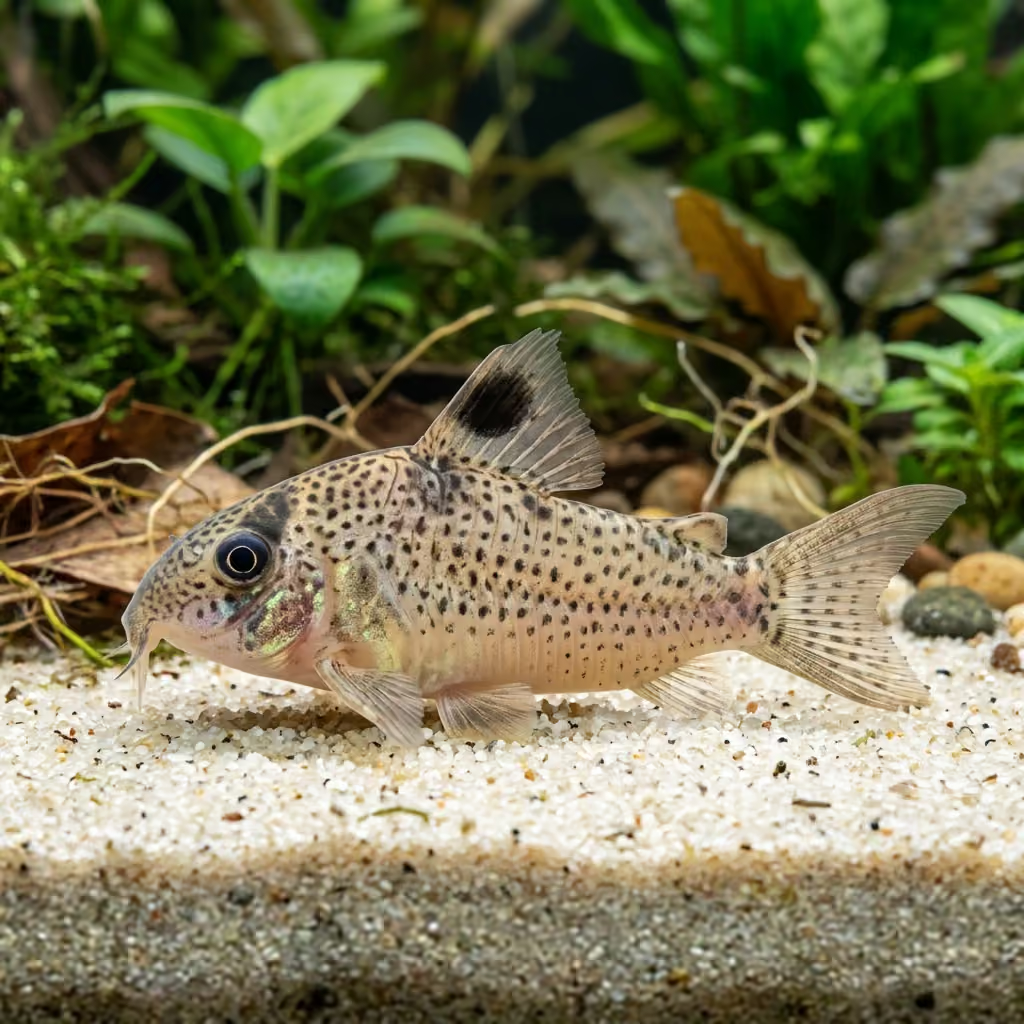
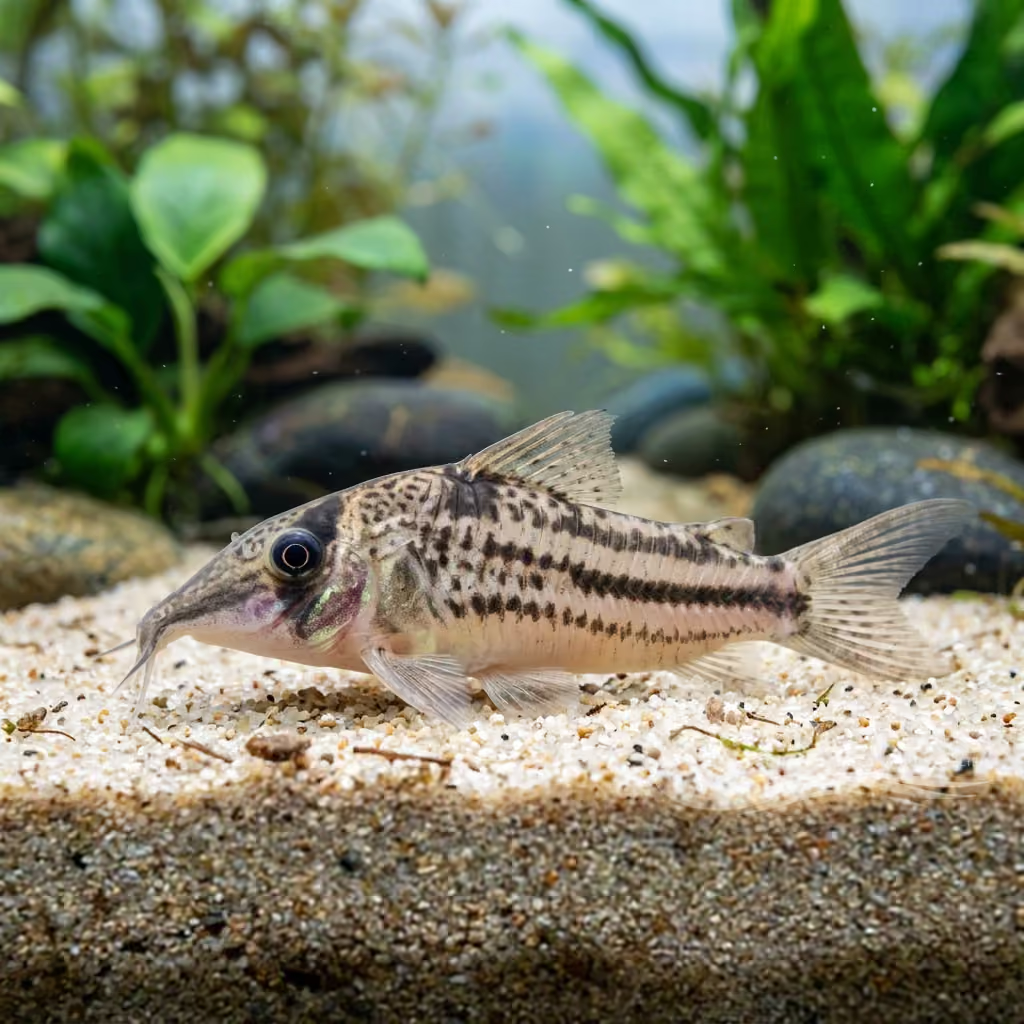
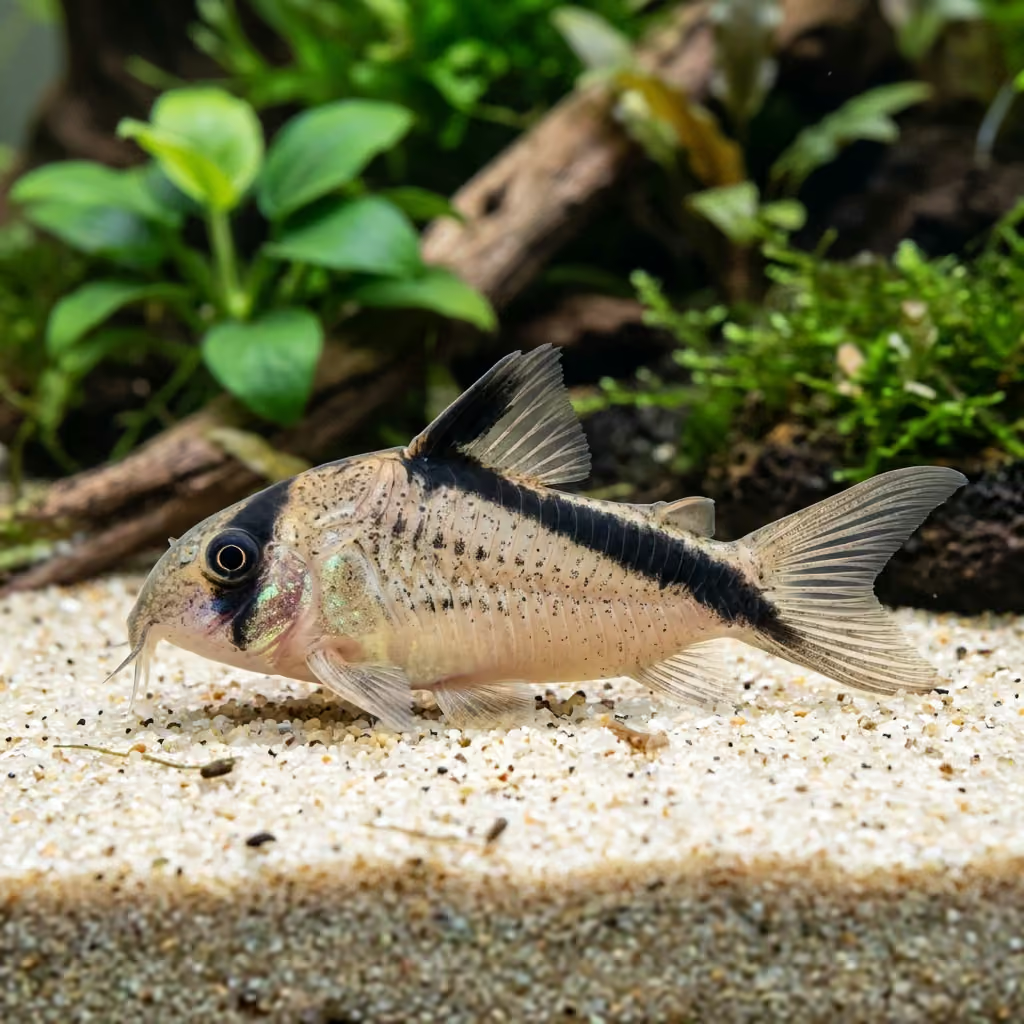
A rare Brazilian coastal species accustomed to milder temperatures. Silvery livery with small messy spots and holographic reflections on the armored scales.
Water Temperature
20 - 25 °C
pH Value
6 - 7.2
Water type
Freshwater
Tank level
Bottom
Adult size
5.5 cm
Minimum tank volume
>= 80 L
Minimum group
>= 6
GH
2 - 12 dGH
KH
2 - 10 dKH
TDS
50 - 280 ppm
Conductivity
78 - 438 uS/cm

Species description
Geographical Origin and Habitat: South America: coastal basins of southern Brazil (Tubarão, Itapocu, Iguaçu rivers). Being a southern species, it inhabits small subtropical streams subject to seasonal temperature fluctuations, with cool waters, muddy or sandy substrates, and dense riparian vegetation.
Taxonomy and Morphology: Well-defined species (Steindachner, 1910). Robust size up to 5.5 cm (2.2 inches). Round snout and moderately convex dorsal profile. Shares phenotypic similarities with Corydoras paleatus (Peppered Corydoras), with which it also partially shares the geographic range of thermal tolerance.
Social Behavior: Imperative gregarious behavior. Do not isolate the subjects: they need schools of at least 6-8 individuals to overcome instinctive shyness. They swim compactly sifting the base of plants, and show no interspecific or intraspecific aggressiveness.
Coloration and Sexual Dimorphism: Silvery-grayish base. Has three obvious and large dark or blackish spots (blotches) arranged along the midline of the body, plus a diffuse marbling on the back. Females noticeably more massive, round, and often slightly larger than males.

Care, breeding and tankmates
Aquarium Setup: Essential substrate of very fine edgeless sand. Widely planted tank rich in woody refuges to simulate forest banks. Provide a good current and large areas of surface shade via floating plants (Salvinia).
Diet and Feeding: Omnivorous detritivore. In the aquarium, it eagerly accepts specific dry food for scavengers (sinking tabs for carnivores). Mandatory thrice-weekly administration of live/frozen prey: bloodworms, tubifex, and brine shrimp, otherwise growth will stunt and wasting diseases will occur.
Water Quality: Subtropical species! Cooler optimal temperature compared to Amazonian corydoras: 20-25°C (68-77°F) (tolerates 18°C/64°F in winter). Not recommended for Discus tanks. Ideal pH 6.0-7.2. Indispensable to keep nitrates very low via strong filtration and siphoning.
Compatibility and Cohabitation: Ideal for "unheated" tanks (in moderately heated apartments) or cool peaceful communities. Excellent with Gymnocorymbus ternetzi (Black Skirt Tetra), Tanichthys albonubes (White Cloud Mountain Minnow), and Danio rerio. Absolutely to be excluded pairing with turbulent or predatory cichlids.
Aquarium Breeding: Reproduces with monsoon stimulations: heavy cold water changes lowering the temperature by 3-4°C (5-7°F). During "T-position" mating, adhesive eggs are distributed on glass, moss, or filters. Raising fry is undermined by the parents' appetite.
Risks and Diseases: Abrasions to the barbels due to sharp substrates (gravel or quartz) cause lethal secondary bacteriosis. Prolonged high temperatures weaken the immune system, favoring the onset of infections.

Geographic origin and distribution
South America: coastal basins of southern Brazil (Tubarão, Itapocu, Iguaçu rivers). Being a southern species, it inhabits small subtropical streams subject to seasonal temperature fluctuations, with cool waters, muddy or sandy substrates, and dense riparian vegetation.
Origin
Extra-Amazon South AmericaNorth America

Fish profile
- Temperament
- Semi-aggressive
- The temperament of Hoplisoma ehrhardti can only be described as completely peaceful and highly gregarious. They are a schooling fish by nature and absolutely must be kept in groups of at least six individuals of their own kind to feel secure. When kept in insufficient numbers, they will become extremely stressed, reclusive, and susceptible to disease. In a proper school, they are active, inquisitive, and highly entertaining to watch as they scurry around the bottom together like a busy little cleaning crew. They pose absolutely no threat to any other inhabitants in the aquarium.
- Diet
- Omnivore
- In the wild, Hoplisoma ehrhardti is a micro-predator and scavenger that sifts through the substrate for small insects, worms, and crustaceans. In the aquarium, they readily accept a wide variety of high-quality sinking foods, including pellets, wafers, and granules designed for bottom feeders. To ensure optimal health and coloration, their diet should be supplemented with live or frozen foods such as bloodworms, daphnia, and brine shrimp. They are not true algae eaters, so feeding them solely algae wafers is a common mistake that can lead to malnutrition. A varied diet will keep their immune system strong and encourage natural foraging behaviors.
- Life expectancy
- 5-10 years
- Adult size
- 5.5 cm
- Sex ratio
- School
- When keeping Hoplisoma ehrhardti, the exact sex ratio is not strictly critical for their day-to-day well-being, as they do not exhibit aggression toward each other. However, if the goal is to breed them, a ratio of two or three males for every female is strongly recommended. This multiple-male approach increases the chances of successful fertilization during the spawning process. Females are typically larger and noticeably broader when viewed from above, especially when conditioned with high-quality foods. Maintaining a healthy, mixed-gender school allows for the observation of their fascinating natural social dynamics.
- Feeding frequency
- Twice daily
- It is generally recommended to feed Hoplisoma ehrhardti small amounts of food once or twice a day. The key is to provide only what the fish can completely consume within a few minutes to prevent uneaten food from rotting in the substrate. Because they are bottom feeders, you must ensure that enough food reaches the bottom before faster mid-water fish consume it all. If feeding twice a day, offering a staple sinking pellet in the morning and a frozen treat in the evening works exceptionally well. Observing their bellies can help you gauge if they are getting enough food; they should look gently rounded but not bloated.
- Bioload
- Low to Medium
- The bioload of Hoplisoma ehrhardti is relatively low to moderate, making them an excellent choice for a community aquarium. They do not produce excessive amounts of waste compared to larger or more predatory fish. However, because they are a schooling species and should be kept in groups, the cumulative bioload of the school must be accounted for when sizing the filtration system. Regular water changes and a properly cycled aquarium are still essential to maintain the high water quality they require. It is important to avoid overfeeding, as uneaten food will negatively impact the water parameters.
- Flow
- Stagnant
- Hoplisoma ehrhardti appreciates a moderate amount of water flow in the aquarium, simulating the gentle currents of their native South American streams. The flow should be strong enough to keep the water well-oxygenated and prevent detritus from settling on the bottom, but not so strong that the fish struggle to swim or rest. Using a standard hang-on-back or canister filter usually provides the perfect amount of water movement. They will often be seen actively swimming against the current for exercise, but they also need quiet resting areas among plants or hardscape. Providing a balance of moving water and still zones is the best approach to their habitat.
- Jump risk
- Yes
- The risk of Hoplisoma ehrhardti jumping out of the aquarium is generally very low, as they spend the vast majority of their time navigating the bottom of the tank. However, like all Corydoras, they possess an adaptation that allows them to dart to the surface to gulp atmospheric air. During these rapid ascents, an accidental jump or splash can occasionally happen if the fish misjudges the surface. For this reason, a secure lid or cover glass is highly recommended to prevent any tragic accidents. A lid also helps maintain a humid layer of air above the water, which makes breathing easier for them.
- Reproduction
- Oviparous
- Breeding Hoplisoma ehrhardti in captivity is entirely possible and often highly rewarding for dedicated aquarists. They are egg scatterers, typically laying their adhesive eggs on broad-leaved plants, aquarium glass, or smooth stones after an elaborate courtship dance. To trigger spawning, aquarists often perform a large, cool water change to simulate the onset of the rainy season in the Amazon basin. Once the eggs are laid, the parents provide no parental care and may even consume their own eggs if not removed. For the best survival rate, the eggs should be transferred to a separate rearing tank and the fry fed infusoria or freshly hatched brine shrimp.
- Compatibility & tankmates
- With caution
- Hoplisoma ehrhardti is incredibly peaceful and makes a fantastic addition to most community tanks. They get along well with other peaceful, similarly sized fish such as tetras, rasboras, and dwarf cichlids. It is crucial to avoid keeping them with large, aggressive, or predatory species that might view them as food or nip at their fins. They are also completely safe to keep with most ornamental snails and adult dwarf shrimp, although baby shrimp might occasionally be eaten. Their bottom-dwelling nature means they rarely compete for space with mid- or top-dwelling tank mates.
- Tank level
- Bottom
- As classic bottom-dwellers, Hoplisoma ehrhardti will spend nearly all of their time foraging and resting on the substrate. They use their sensitive barbels to meticulously search the sand or fine gravel for any edible morsels that have sunk to the bottom. While they are primarily benthic, it is completely normal to see them periodically make lightning-fast dashes to the water's surface to take a gulp of air. Aside from these quick trips to the top, they will almost never be found swimming in the middle or upper levels of the water column. Providing a large footprint with plenty of open bottom space is far more important than tank height.

Scientific Parameters & Models
FishBase
Window to the official scientific data of the species
FishBase v25.04Data synced on: 06/15/2026
- Trophic level
- 3.2 ± 0.4 se
- Resilience
- High (less than 15 months)
- Phylogenetic uniqueness (PD50)
- 0.5
- Bayesian Length-Weight
- a = 0.01778, b = 3.02
- VulnerabilityLow vulnerability (10 / 100)

Related species
Recommendations grouped by close relatives, companion choices, and similar care.