Emperor Cichlid / Giant Cichlid
Boulengerochromis microlepis
The Emperor Cichlid is the world's largest cichlid, native to Lake Tanganyika. A massive, hydrodynamic piscivore, it requires a gigantic, custom-built aquarium with vast swimming areas.
Water Temperature
24 - 28 °C
pH Value
7.8 - 9
Water type
Freshwater
Tank level
Bottom and middle
Adult size
75 cm
Minimum tank volume
>= 500 L
Minimum group
>= 1
GH
10 - 25 dGH
KH
5 - 12 dKH
TDS
200 - 495 ppm
Conductivity
313 - 773 uS/cm

Species description
Geographical Origin and Habitat: Endemic to Lake Tanganyika, Africa. Patrols the entire lake, from sandy coastal areas to open pelagic waters and reefs.
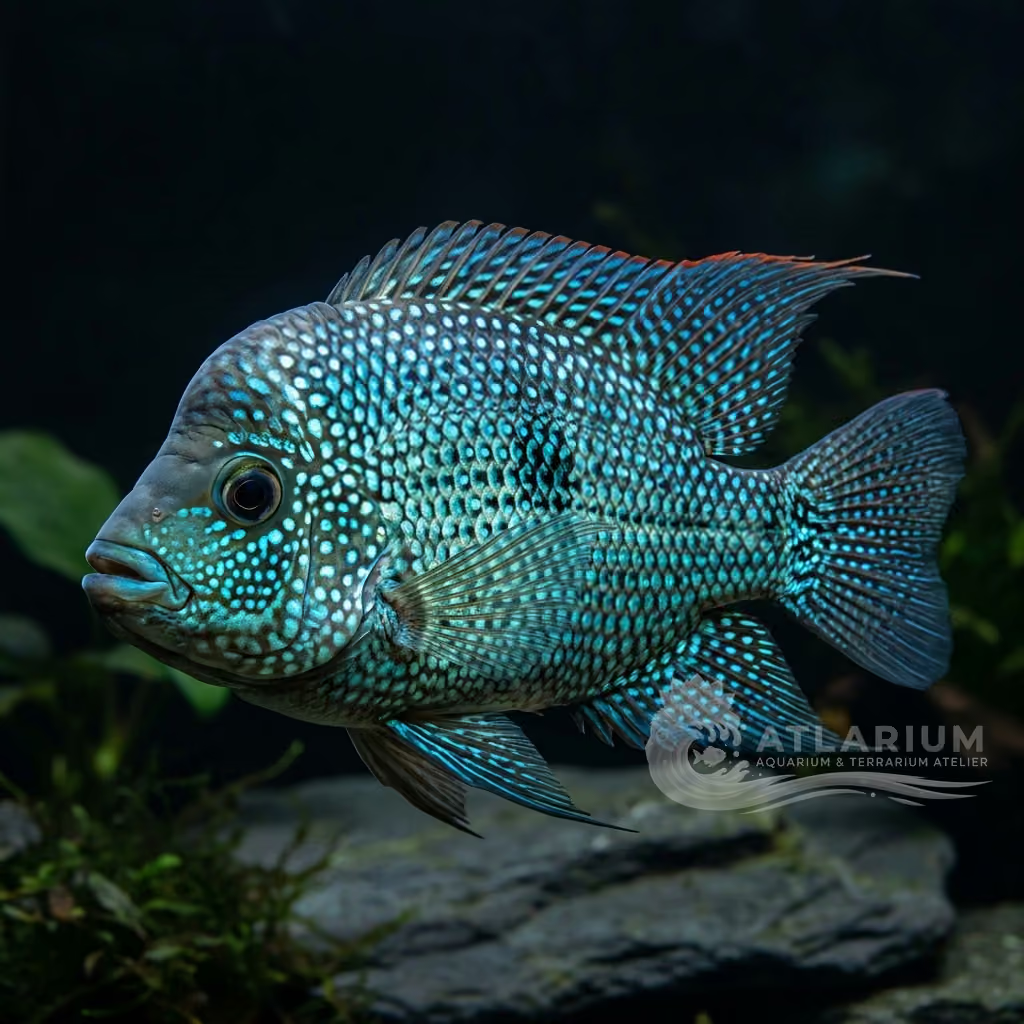
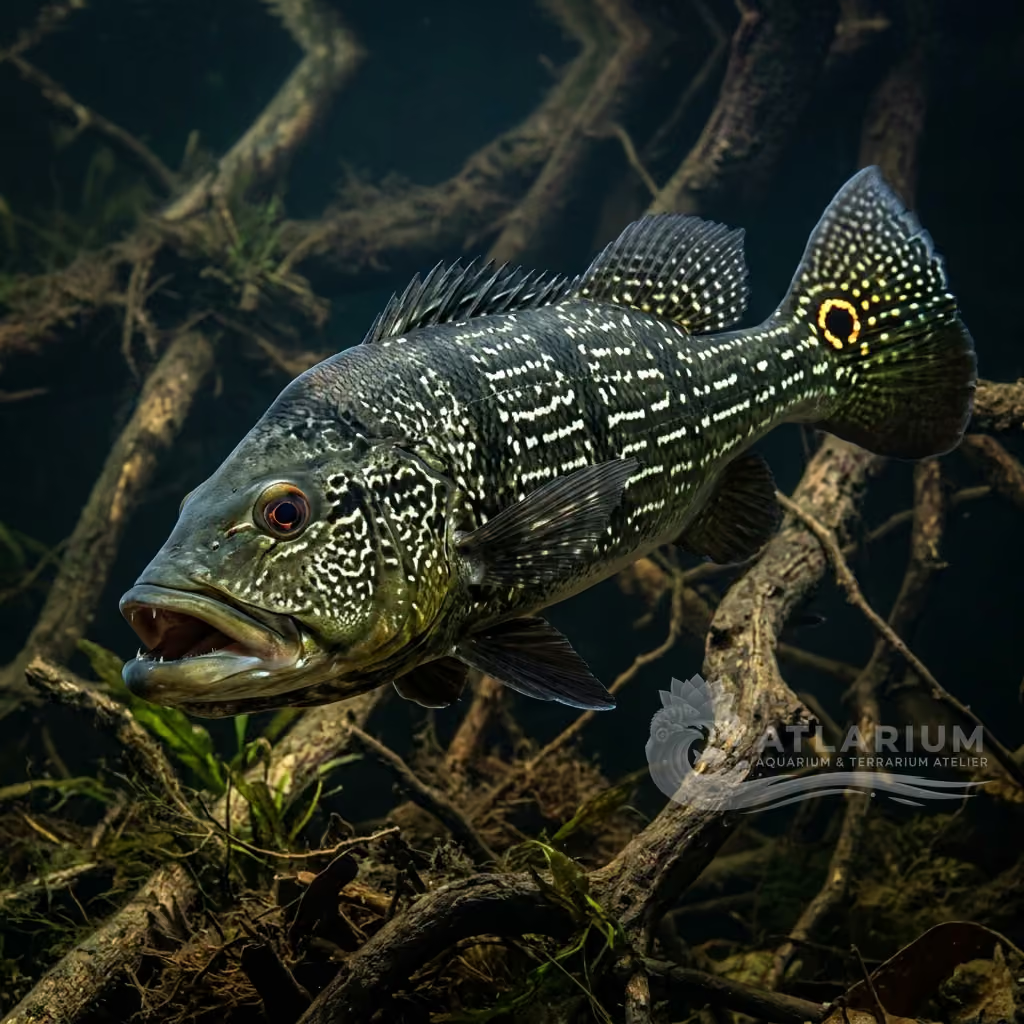
Taxonomy and Morphology: Giant Cichlid / Emperor Cichlid (Boulengerochromis microlepis). It is the largest cichlid in the world (excluding some Cichlas), reaching between 70 and 90 cm (27-35 inches). Elongated, massive and hydrodynamic body of a true super-predator.
Social Behavior: Active predator, hunts by chasing schools of Tanganyika sardines. Forms stable monogamous pairs that defend enormous reproductive territories, chasing away any intruder with impressive ferocity.
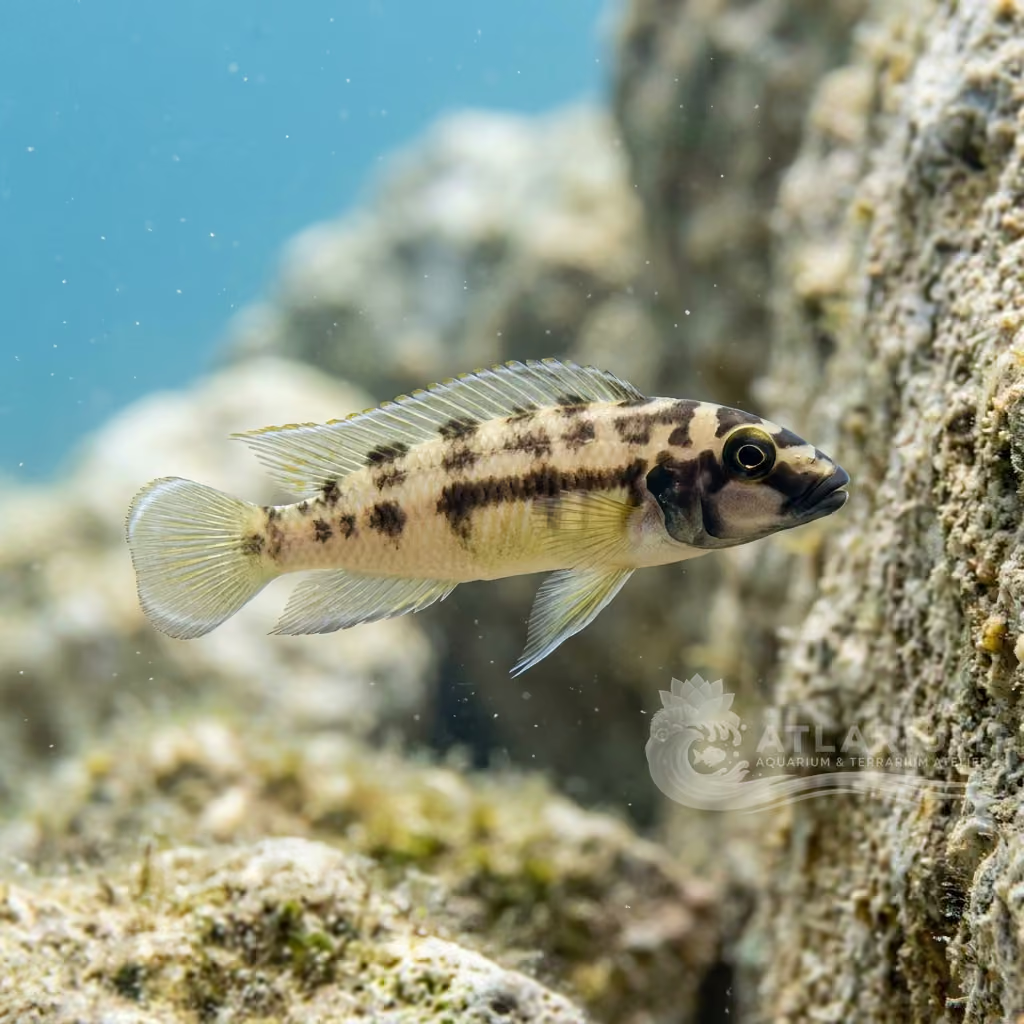
Coloration and Sexual Dimorphism: Yellow-green or silvery background crossed by two conspicuous spotted black horizontal bands. Adult males develop a slightly brighter coloration and larger size. As juveniles they present vertical lines.

Care, breeding and tankmates
Aquarium Setup: INADEQUATE for almost all domestic aquariums. Requires public or customized tanks no less than 3000 liters (800 gallons, 3-4 meters in length). The setup must include wide areas of open swimming and large rocks.
Diet and Feeding: Ravenous piscivore. In captivity it accepts white fish fillets, large crustaceans, squid and XXL pelleted feeds of the highest quality.
Water Quality: Needs the hard alkaline chemistry typical of Tanganyika: pH 7.8-9.0, high carbonate hardness. Filters must be gigantic and pumps powerful to dispose of the huge organic load produced.
Compatibility and Cohabitation: Can only coexist with equally colossal or overly armored species (large Synodontis or adult Frontosas), but a breeding pair could kill any fish confined within the same perimeter of the aquarium.
Aquarium Breeding: Builders of enormous craters in the sand (up to 2 meters in diameter). Can lay over 10,000 eggs at a single time. Parents guard clouds of fry, attacking even boats in the natural lake.
Risks and Diseases: Primary risk: insertion in tanks that are too small causes severe vertebral deformities, lethal stress and damage when the fish hurl themselves against the glass in a panic.

Geographic origin and distribution
Endemic to Lake Tanganyika, Africa. Patrols the entire lake, from sandy coastal areas to open pelagic waters and reefs.
Origin
Africa and Madagascar

Fish profile
- Temperament
- Semi-aggressive
- The Emperor Cichlid is a highly territorial, active, and predatory species that displays intense aggression, particularly toward conspecifics or similar-looking fish. While juvenile specimens can appear relatively peaceful and timid, their temperament becomes increasingly assertive and aggressive as they mature. During the breeding season, a bonded pair will vigorously defend a massive territory, attacking any fish that approaches their nesting site. They are apex predators that view smaller tank mates as prey rather than companions, meaning their behavior is dictated by territorial defense and hunting instincts.
- Diet
- Omnivore
- In their natural habitat, Emperor Cichlids are specialized piscivores, feeding almost exclusively on smaller fish. In a home aquarium, they should be fed a protein-rich diet consisting of high-quality carnivore pellets, whole fish (such as silversides), shrimp, krill, and earthworms. Feeder fish should generally be avoided unless they are home-bred and quarantined, as they pose a significant disease risk. Providing a varied diet helps maintain their vibrant coloration and overall vitality, while ensuring they receive adequate nutrients to support their rapid and massive growth.
- Life expectancy
- 10-15 years
- Adult size
- 75 cm
- Sex ratio
- 1:1 ratio
- Emperor Cichlids are monogamous, forming strong bonds during mature breeding phases. In a home aquarium, they are best kept as a single specimen or a single male-female bonded pair. If attempting to form a pair, it is recommended to start with a group of 5 to 6 juveniles and allow them to pair off naturally, removing the subdominant individuals once a pair is established. Keeping multiple adult males in the same tank will inevitably lead to lethal territorial conflicts unless the aquarium is exceptionally large.
- Feeding frequency
- Twice daily
- Juvenile Emperor Cichlids are fast-growing and should be fed twice a day to support their development. As they reach sub-adult and adult stages, the feeding frequency can be reduced to once a day, with occasional fast days to help clear their digestive tracts. Because they are large predators with slow metabolic rates compared to smaller fish, overfeeding can quickly degrade water quality and lead to obesity. It is crucial to monitor their food intake and remove any uneaten food immediately to prevent spikes in ammonia and nitrite.
- Bioload
- Extreme
- Due to its massive size as the largest cichlid species, the Emperor Cichlid produces an extreme amount of biological waste. Maintaining pristine water quality requires heavy-duty filtration, ideally involving large sump systems or multiple high-capacity canister filters alongside high oxygenation. Regular, substantial water changes of at least 30-50% weekly are mandatory to keep nitrates and other pollutants under control. Poor water chemistry will rapidly lead to health issues in this sensitive Tanganyikan native.
- Flow
- Stagnant
- Emperor Cichlids prefer moderate water flow that mimics the open-water and near-shore currents of Lake Tanganyika. While they do not require turbulent or extremely strong currents, a gentle to moderate flow is beneficial for promoting swimming activity and ensuring adequate oxygenation throughout their massive tanks. High-output filter returns or wavemakers can be positioned to create structured currents, but calm resting areas near the bottom must also be available. Proper water movement is crucial for distributing heat and maintaining high oxygen levels, which these large fish demand.
- Jump risk
- Yes
- Due to their immense size, speed, and raw muscular power, Emperor Cichlids present a significant jump risk, especially when startled or during feeding frenzies. A sudden movement outside the tank or a dispute inside can trigger a powerful escape response that can easily launch them out of an uncovered aquarium. A very heavy, secure, and tightly fitted lid is absolutely mandatory to prevent accidental jumps. Additionally, using sliding glass covers or weighted covers is highly recommended, as large specimens can easily push open lightweight plastic lids.
- Reproduction
- Oviparous
- In nature, Emperor Cichlids are biparental substrate spawners that construct massive circular nests in the sand, sometimes measuring up to three meters in diameter. The female can lay up to 10,000 eggs, which both parents guard fiercely against all intruders. In captivity, successful reproduction is extremely rare due to the colossal tank size required for them to exhibit natural nesting behaviors and the extreme level of parental aggression. Breeding pairs often undergo severe physiological stress during brood care, sometimes starving themselves to death, making reproduction in home aquaria a highly challenging and risky endeavor.
- Compatibility & tankmates
- Species only
- Emperor Cichlids have very limited compatibility due to their giant size, predatory nature, and extreme territoriality during spawning. Smaller fish will quickly become food, while moderately sized fish will likely be bullied or injured by this powerful predator. They are best kept in a species-only environment as a single specimen or a bonded pair. If housed in a colossal public-sized aquarium, they can potentially share space with other massive, robust Tanganyikan cichlids or large catfish, but this always carries a significant risk of territorial conflict and physical damage.
- Tank level
- Middle/Bottom
- As open-water predators in Lake Tanganyika, adult Emperor Cichlids utilize all levels of the water column but primarily occupy the middle and bottom zones. They swim actively throughout the open spaces of the aquarium, but they will retreat to the lower levels near sandy areas to rest or construct nests. Their massive swimming space requirements mean that they need a tank with significant depth and length to accommodate their natural cruising behavior. Aquarists must provide ample open areas without cluttering the middle and bottom strata.

Scientific Parameters & Models
FishBase
Window to the official scientific data of the species
FishBase v25.04Data synced on: 06/15/2026
- Trophic level
- 4.5 ± 0.8 se
- Resilience
- Medium (1.4 - 4.4 years)
- Generation time
- 2 years
- Phylogenetic uniqueness (PD50)
- 1
- Bayesian Length-Weight
- a = 0.01445, b = 2.99
- VulnerabilityModerate to high vulnerability (52 / 100)

Related species
Recommendations grouped by close relatives, companion choices, and similar care.