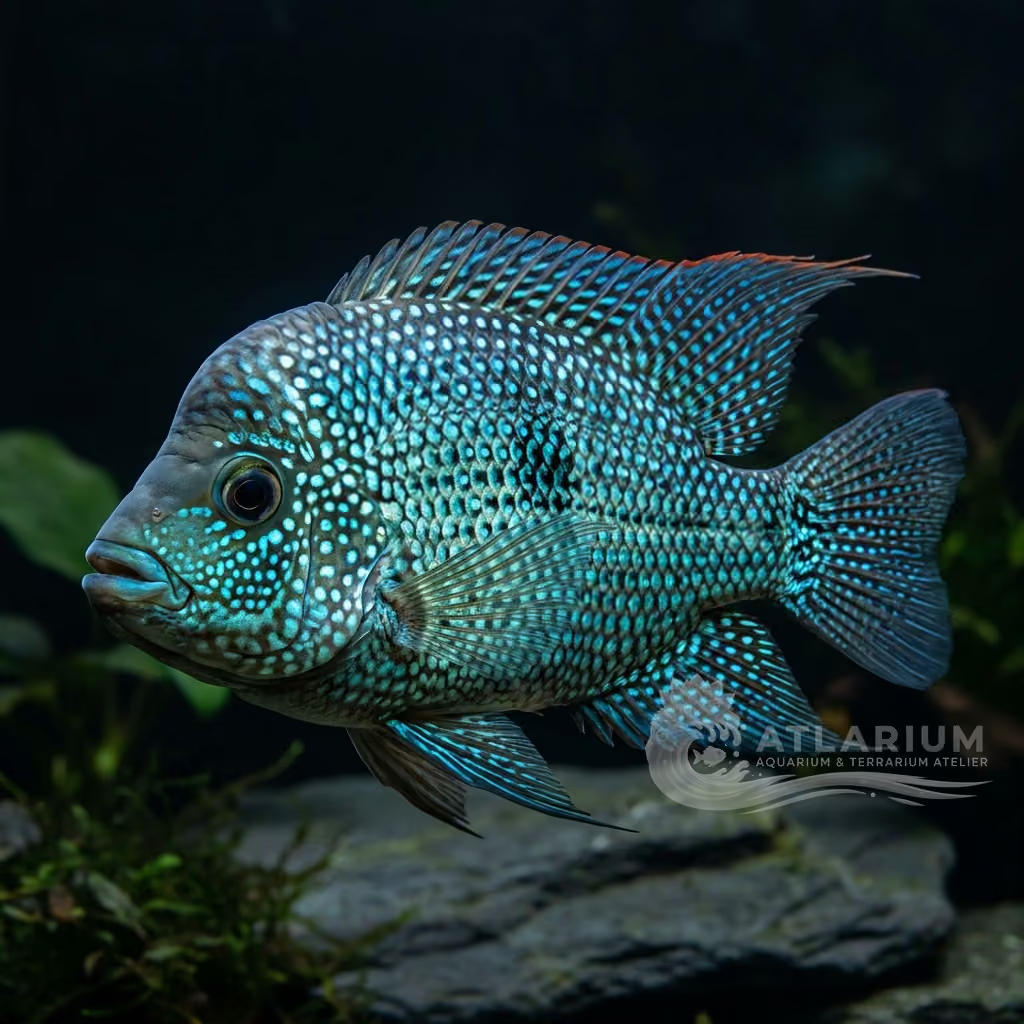
Featherfin Cichlid (Furcifer)
Cyathopharynx furcifer
The king of the Tanganyika sands ('Featherfin'). Stunning cichlid (20 cm): males show off endless filiform fins, fluo colors (iridescent blue/green) and build giant sand craters like fortresses. Requires huge tanks.
Water Temperature
24 - 27 °C
pH Value
8 - 9
Water type
Freshwater
Tank level
Bottom and middle
Adult size
21 cm
Minimum tank volume
>= 300 L
Minimum group
>= 1
GH
10 - 20 dGH
KH
5 - 10 dKH
TDS
200 - 400 ppm
Conductivity
313 - 625 uS/cm

Species description
Geographical Origin and Habitat: Endemic to Lake Tanganyika (East Africa). Inhabits the intermediate zones between shallow rocky formations and deep steep sandy bottoms, from 5 to 20 meters (16-65 ft) deep.
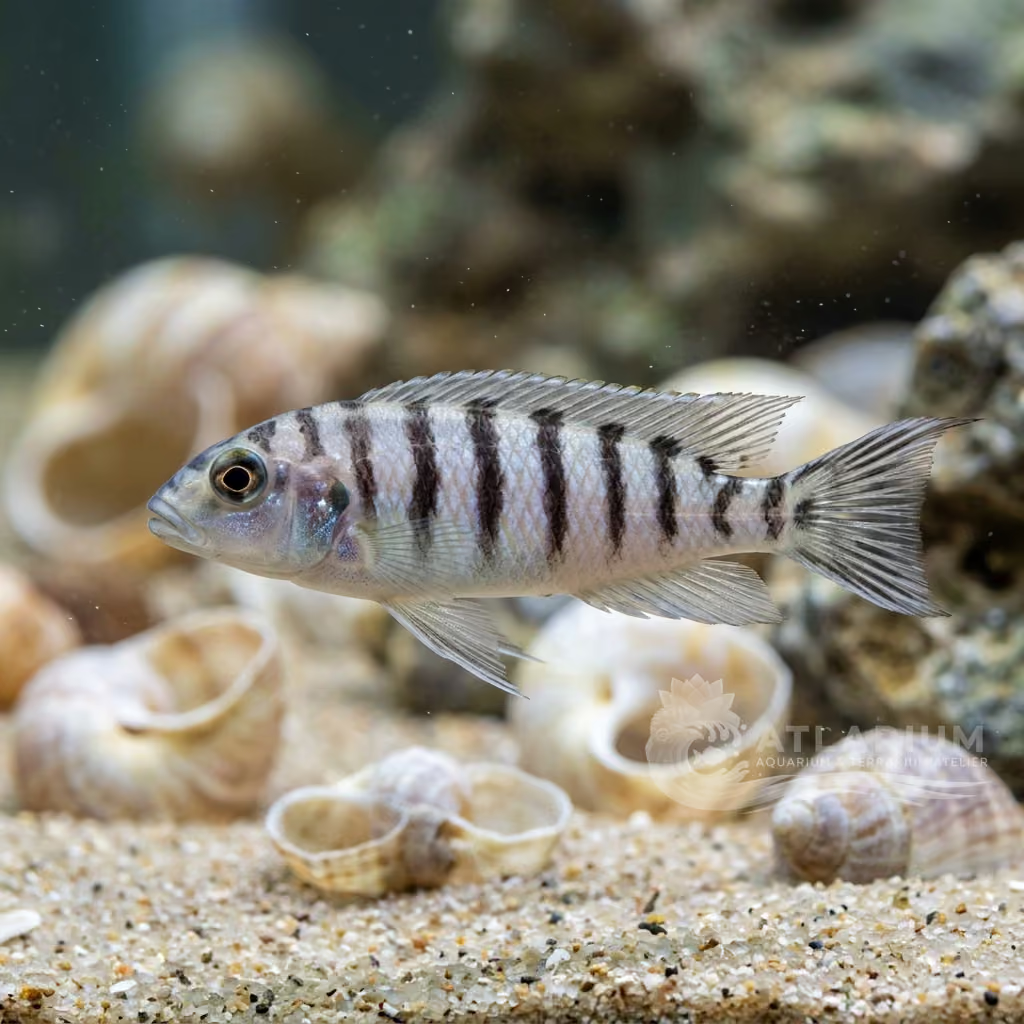
Taxonomy and Morphology: Featherfin Cichlid (Cyathopharynx furcifer). Cichlid of considerable size and unmistakable morphology, with males possessing very long ribbon-like or feather-like ventral fins, touching the tail.
Social Behavior: Polymorphic harem cichlid (keep 1 male with 3-4 females or very large groups). Males are territorial only towards conspecifics during the construction of the massive sand nuptial craters.
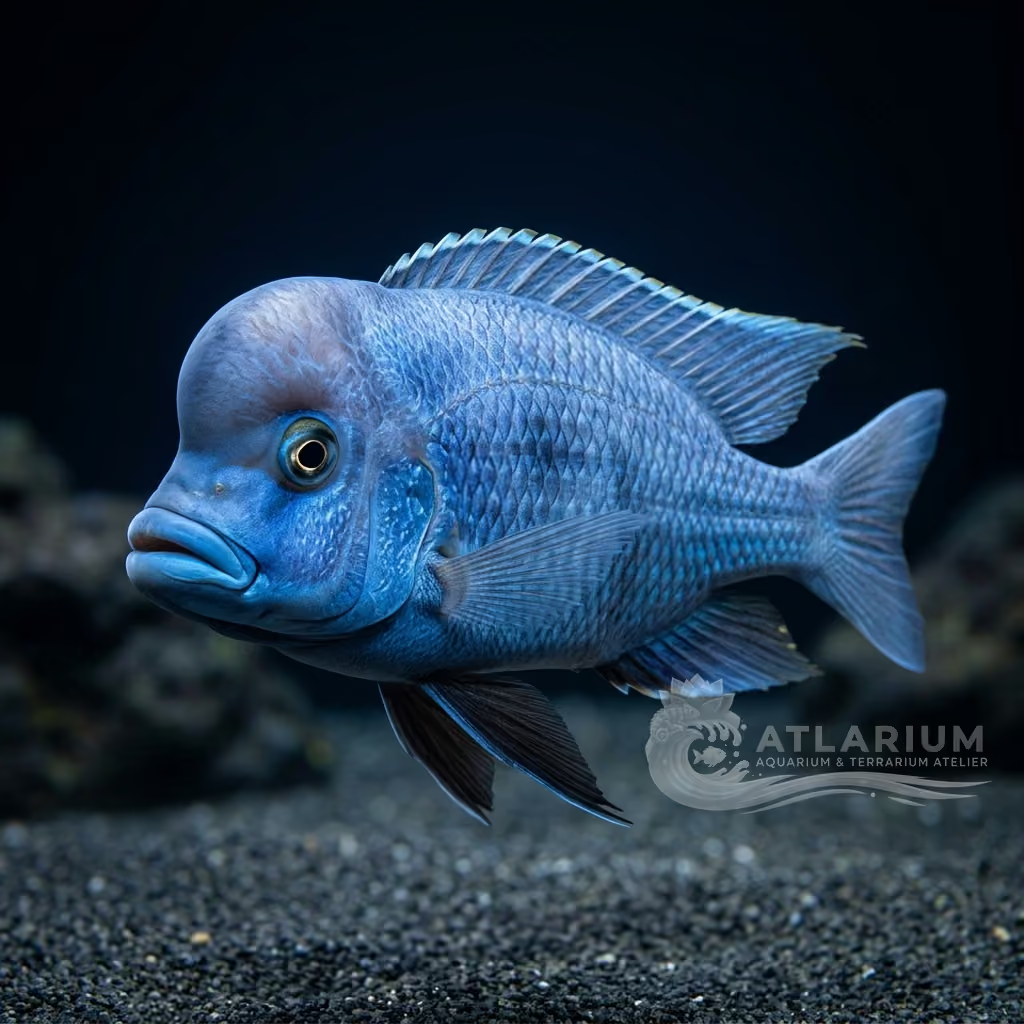
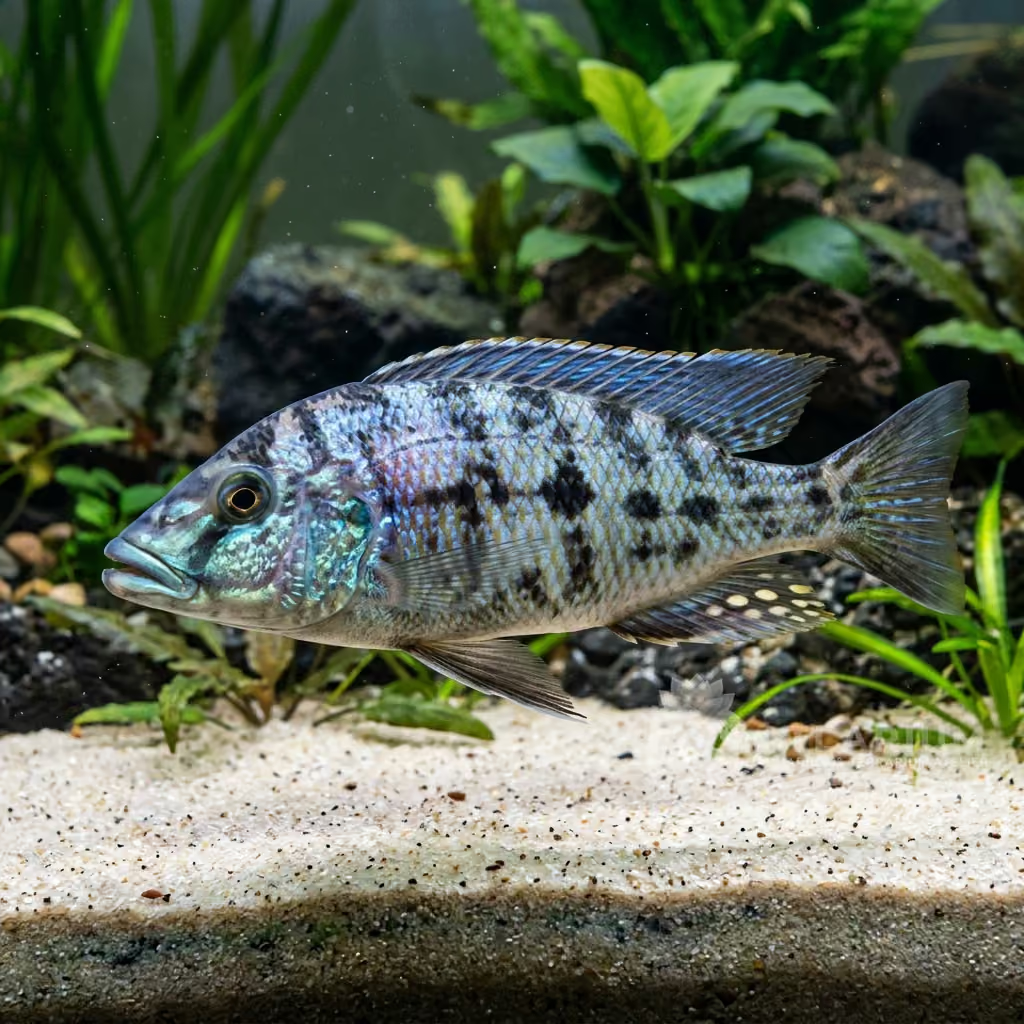
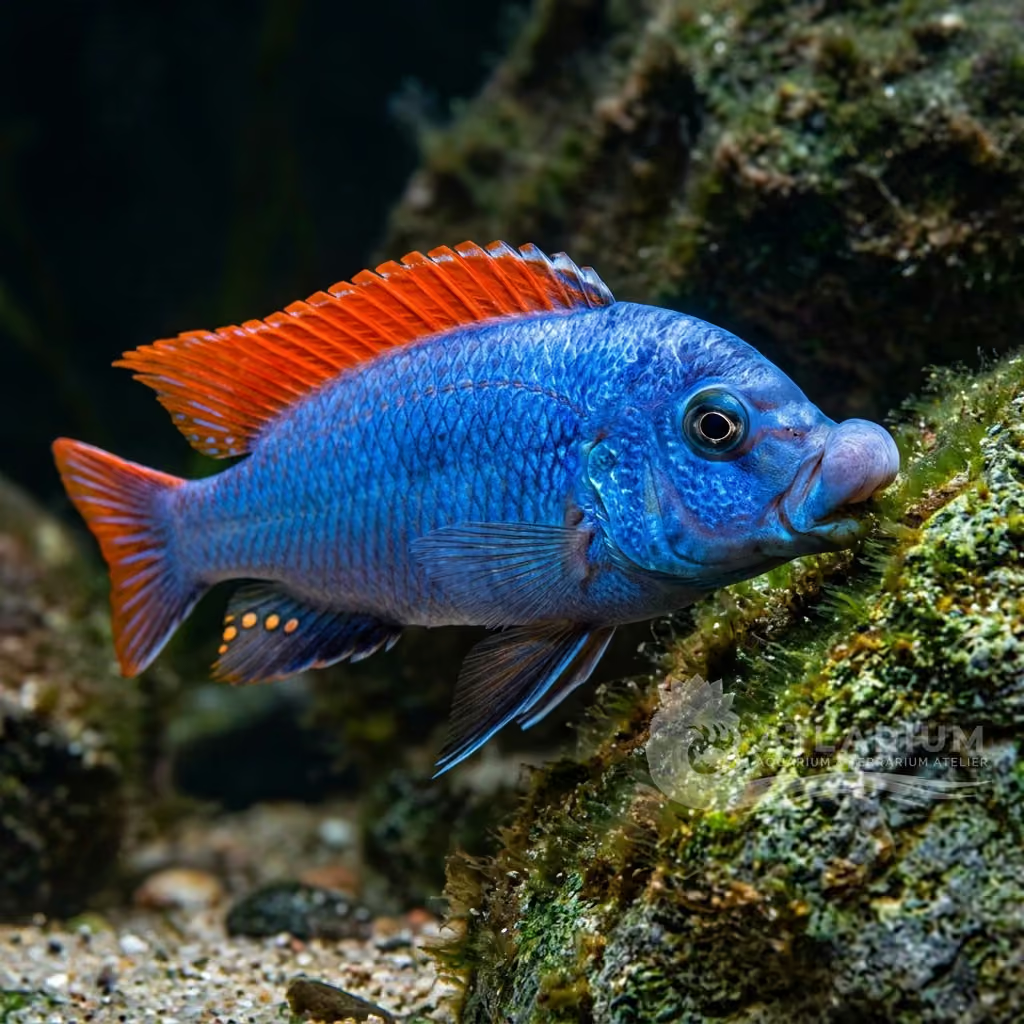
Coloration and Sexual Dimorphism: Extreme dimorphism. Females are gray or silver, slender and anonymous. Dominant males are a dazzling display of iridescent metallic shades (dark blue, purple, emerald and copper) depending on the mood, with disproportionately elongated fins.

Care, breeding and tankmates
Aquarium Setup: Huge aquariums: minimum 150-180 cm (60-72 inches). A thick bottom of very fine sand (coral or calcareous) is mandatory. Prepare some large smooth boulders on which the males will build their sand "volcano nests" (even 20-30 cm / 8-12 inches high).
Diet and Feeding: In nature they "glean" algae from the rocks, ingesting the sand and filtering it. In the aquarium they need a very high quality diet, strictly vegetarian (spirulina, nori seaweed) supplemented with mysis and brine shrimp (rarely). No beef heart or carnivorous fish food.
Water Quality: Hard, strongly alkaline water (pH 8.2-9.0) and highly oxygenated. Zero nitrites and ammonia; nitrates must be kept below 15 ppm otherwise the loss of bright colors and the onset of diseases.
Compatibility and Cohabitation: Peaceful with heterospecific fish. Perfect with Cyprichromis, Xenotilapia or small Neolamprologus (e.g. Leleupi). Avoid Tropheus or Petrochromis, too hyperactive, which would inhibit nuptial displays.
Aquarium Breeding: Maternal mouthbrooders. The male erects a sand volcano on a boulder, attracts the female by shaking his long filaments (breathtaking display) to stimulate egg laying. She collects and incubates up to 50 fry in her mouth for 3-4 weeks.
Risks and Diseases: Very sensitive to Bloat (fatal intestinal blockage) if fed with too much animal protein. Intolerance to aggressive tankmates (severe stress).

Geographic origin and distribution
Endemic to Lake Tanganyika (East Africa). Inhabits the intermediate zones between shallow rocky formations and deep steep sandy bottoms, from 5 to 20 meters (16-65 ft) deep.
Origin
Africa and Madagascar

Fish profile
- Temperament
- Semi-aggressive
- This cichlid is relatively peaceful compared to many African cichlids, though males are fiercely territorial regarding their spawning bowers. They rarely cause physical harm to other species but will vigorously chase away intruders from their nest. They are easily stressed by highly aggressive tank mates and require a calm environment to thrive.
- Diet
- Omnivore
- In the wild, they are omnivorous substrate sifters that feed on sand-dwelling invertebrates and diatoms. Their aquarium diet should consist of high-quality sinking cichlid pellets, spirulina flakes, and frozen foods like mysis shrimp and daphnia. Avoid feeding them excessive amounts of high-protein meaty foods, which can cause digestive issues.
- Life expectancy
- 10 years
- Adult size
- 21 cm
- Sex ratio
- Harem
- Males are highly territorial toward one another, especially when building bowers, so a harem structure is ideal. Keeping one male with three or more females helps disperse his amorous attention and reduces stress on the females. In extremely large tanks, multiple males can be kept if there is enough floor space for separate territories.
- Feeding frequency
- Twice daily
- They are active foragers that benefit from being fed two to three times a day in small portions. Sinking foods are ideal, as they naturally prefer to sift through the sand substrate to find their meals. Uneaten food should be removed promptly to prevent degradation of the water quality.
- Bioload
- Medium to High
- The Featherfin Cichlid produces a moderate bioload that scales up as the fish reaches its impressive adult size. Proper filtration is necessary to manage the waste produced by a group of these active swimmers. Regular, substantial water changes are crucial to maintain the pristine, hard, alkaline water they require from their native Lake Tanganyika.
- Flow
- Stagnant
- These cichlids appreciate moderate water flow that provides excellent oxygenation and keeps the water column clear. However, overly turbulent flow can disrupt the large sand bowers the males build for spawning. Filtration should be strong enough to process waste but directed to avoid washing away their carefully constructed nests.
- Jump risk
- Yes
- There is a moderate risk of jumping, especially during intense mating displays or if startled by sudden movements outside the tank. A tightly fitting lid is strongly recommended for any aquarium housing this active, open-water species. This is particularly important during the acclimation phase when they are most easily spooked.
- Reproduction
- Oviparous
- They are maternal mouthbrooders known for the spectacular sand bowers built by males to attract females. After spawning on the bower, the female scoops the eggs into her mouth for incubation. The female will carry the eggs and fry for about three weeks before releasing fully formed, independent young.
- Compatibility & tankmates
- Peaceful
- It is a generally peaceful but active species that does best when kept with other moderately sized, peaceful Tanganyika cichlids. Aggressive rock-dwelling mbuna or overly boisterous species will easily intimidate them and prevent males from displaying their full colors. They should be kept in a species-specific group or with peaceful mid-water swimmers like Cyprichromis.
- Tank level
- Middle/Bottom
- They utilize the lower to middle regions of the aquarium, frequently diving down to interact with the sandy substrate. Males spend considerable time near the bottom constructing and defending their large sand crater nests. Females and non-dominant males tend to cruise higher up in the open water column.

Scientific Parameters & Models
FishBase
Window to the official scientific data of the species
FishBase v25.04Data synced on: 06/15/2026
- Trophic level
- 3.4 ± 0.45 se
- Resilience
- High (less than 15 months)
- Phylogenetic uniqueness (PD50)
- 1
- Bayesian Length-Weight
- a = 0.01445, b = 2.99
- VulnerabilityLow vulnerability (11 / 100)

Related species
Recommendations grouped by close relatives, companion choices, and similar care.