Thick Skin Cichlid
Haplochromis sp. 44
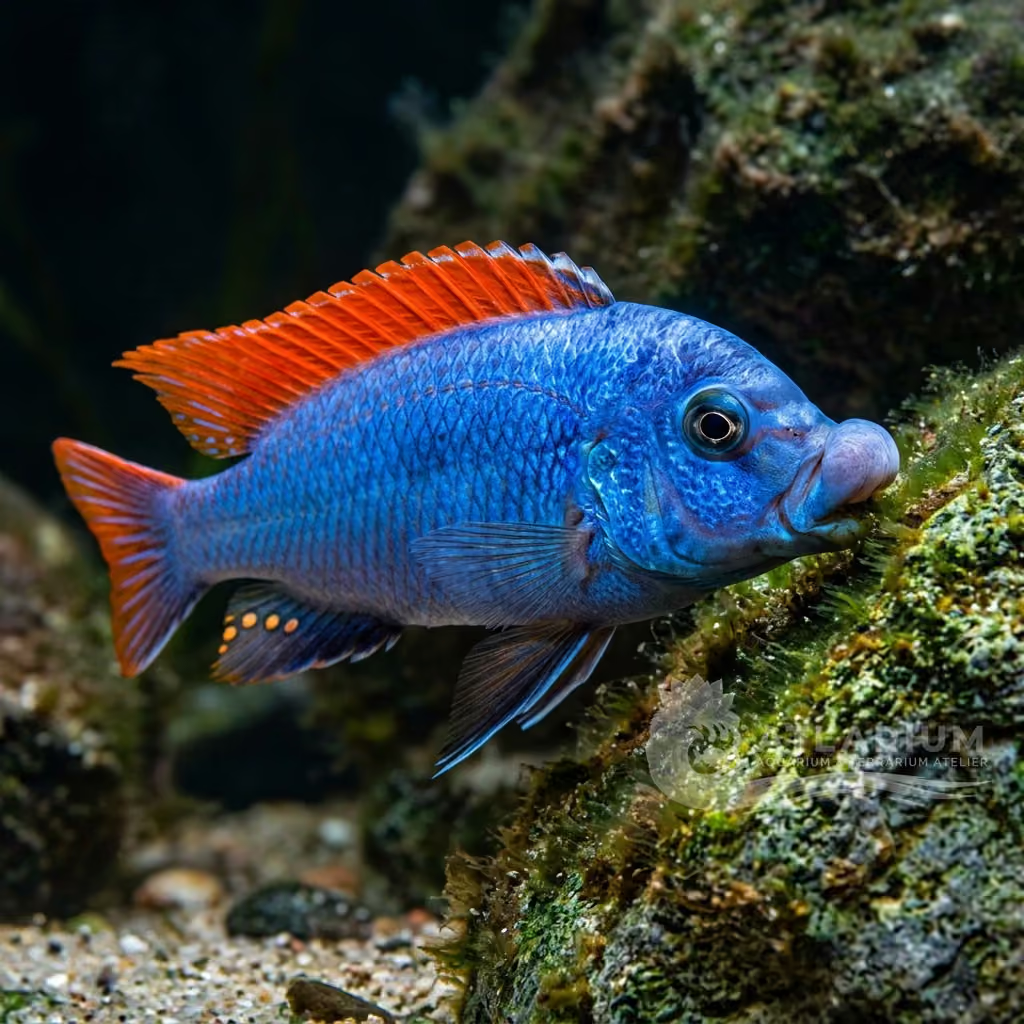
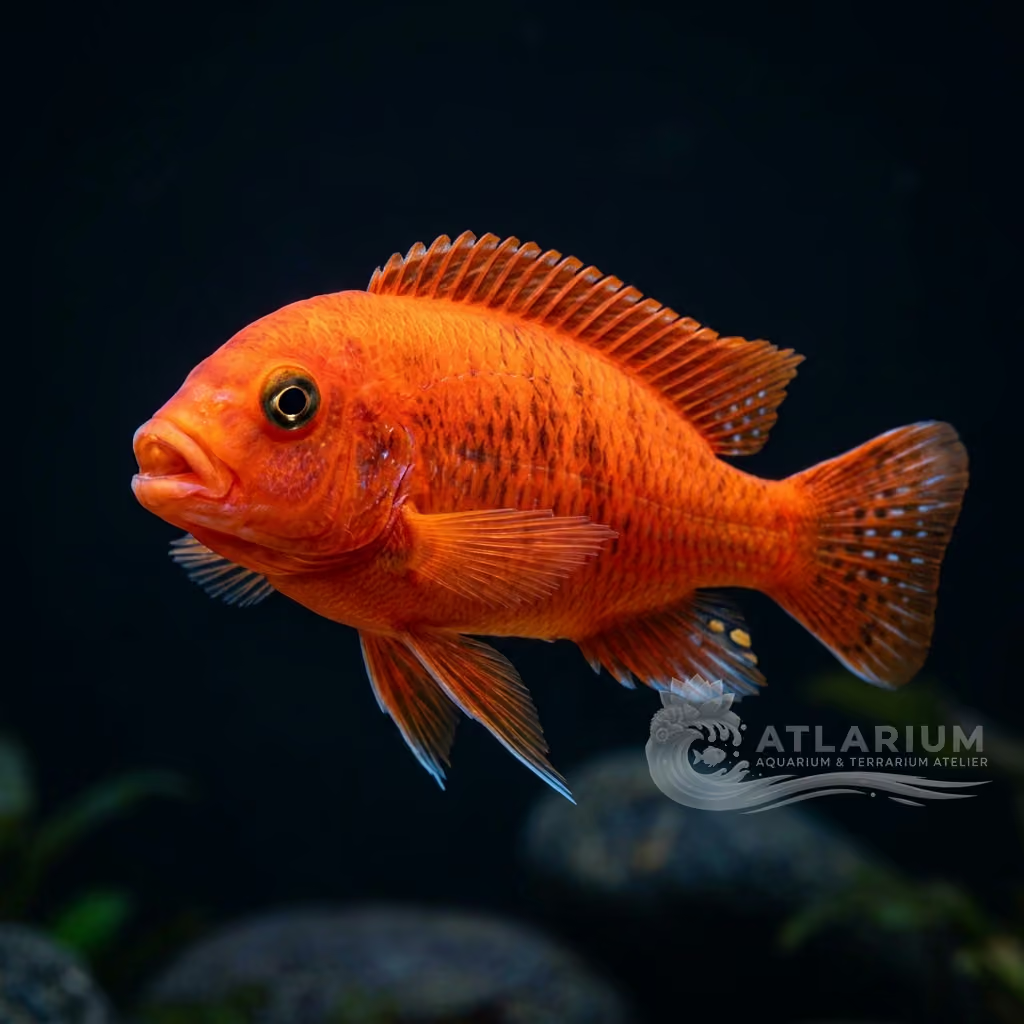
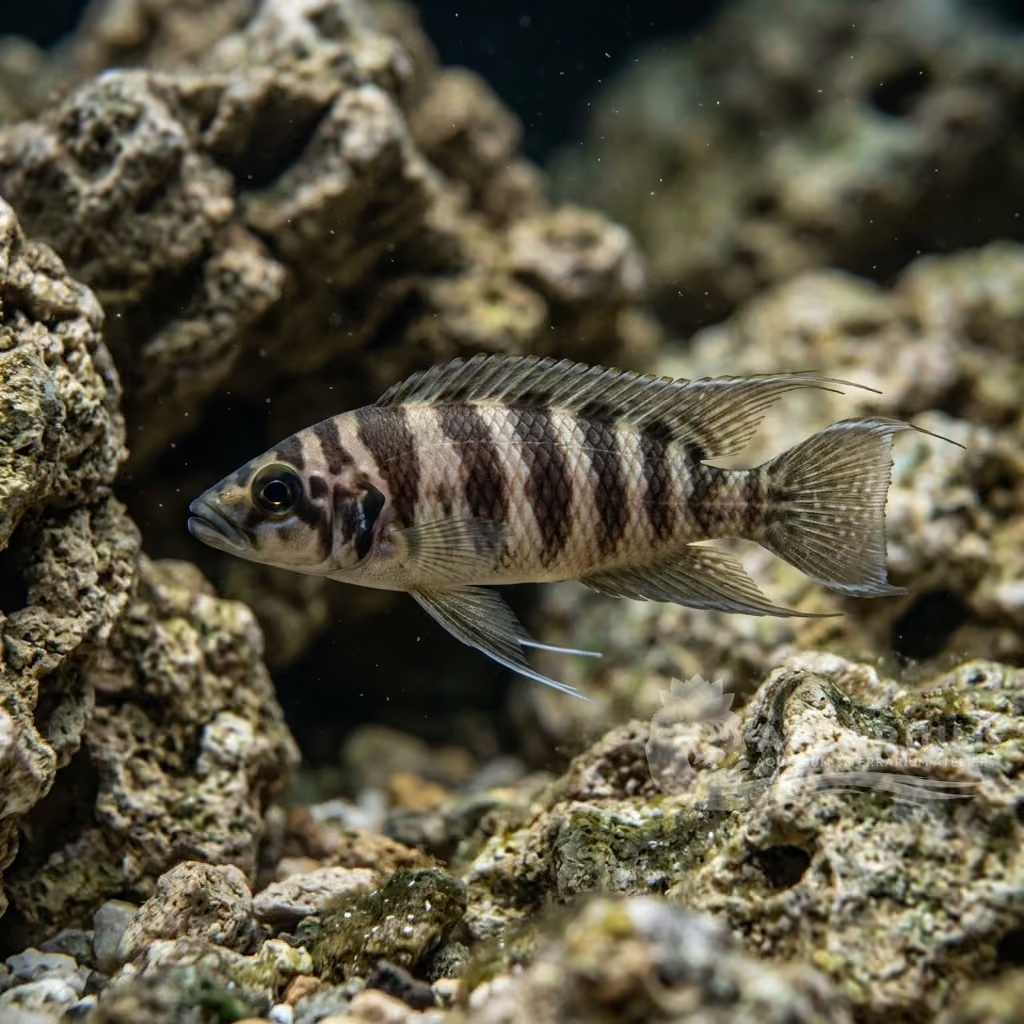
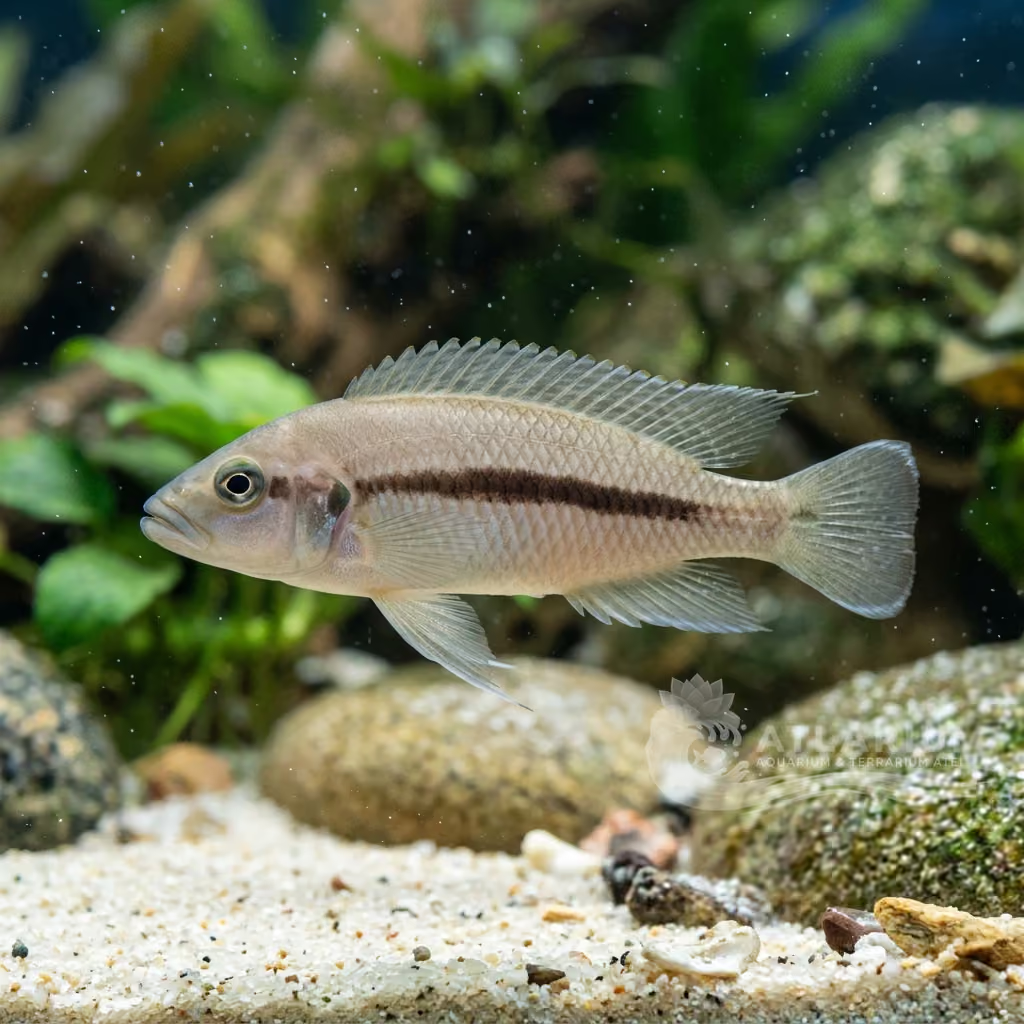
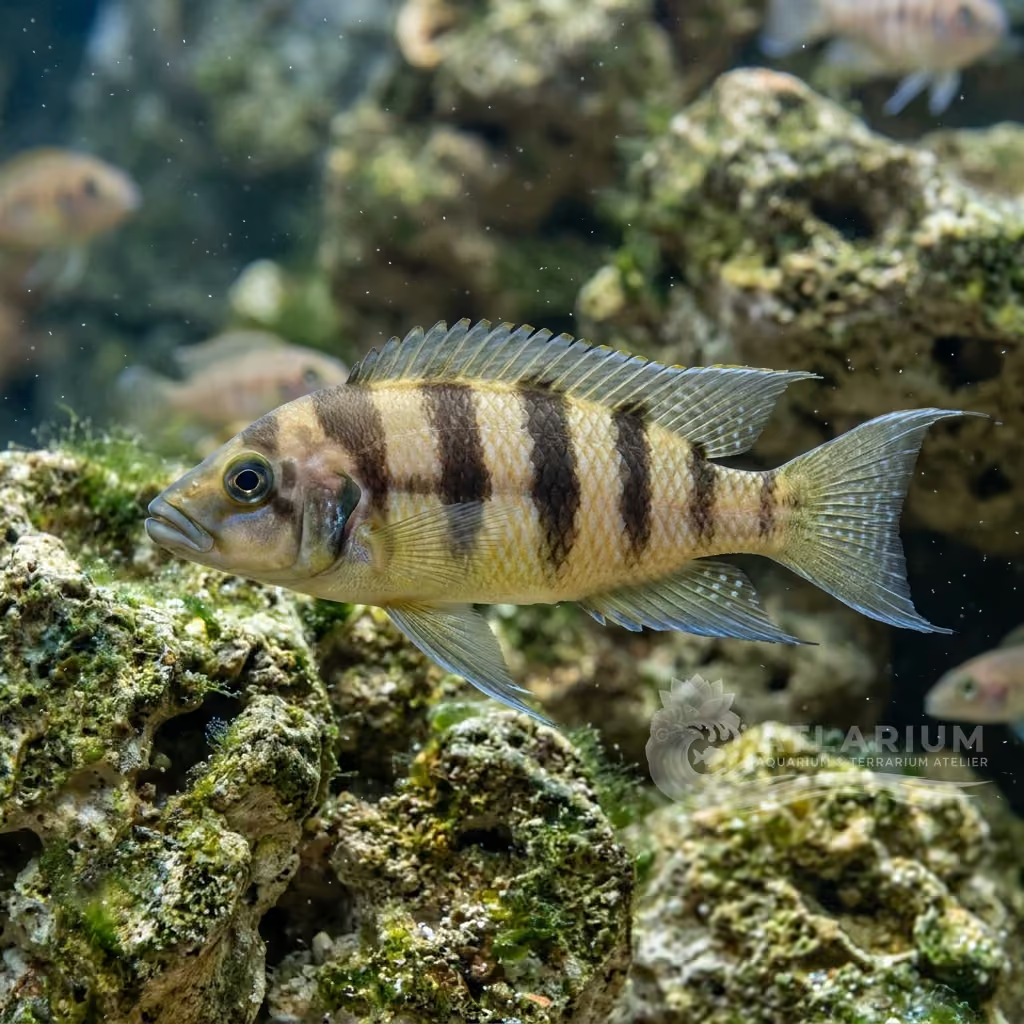
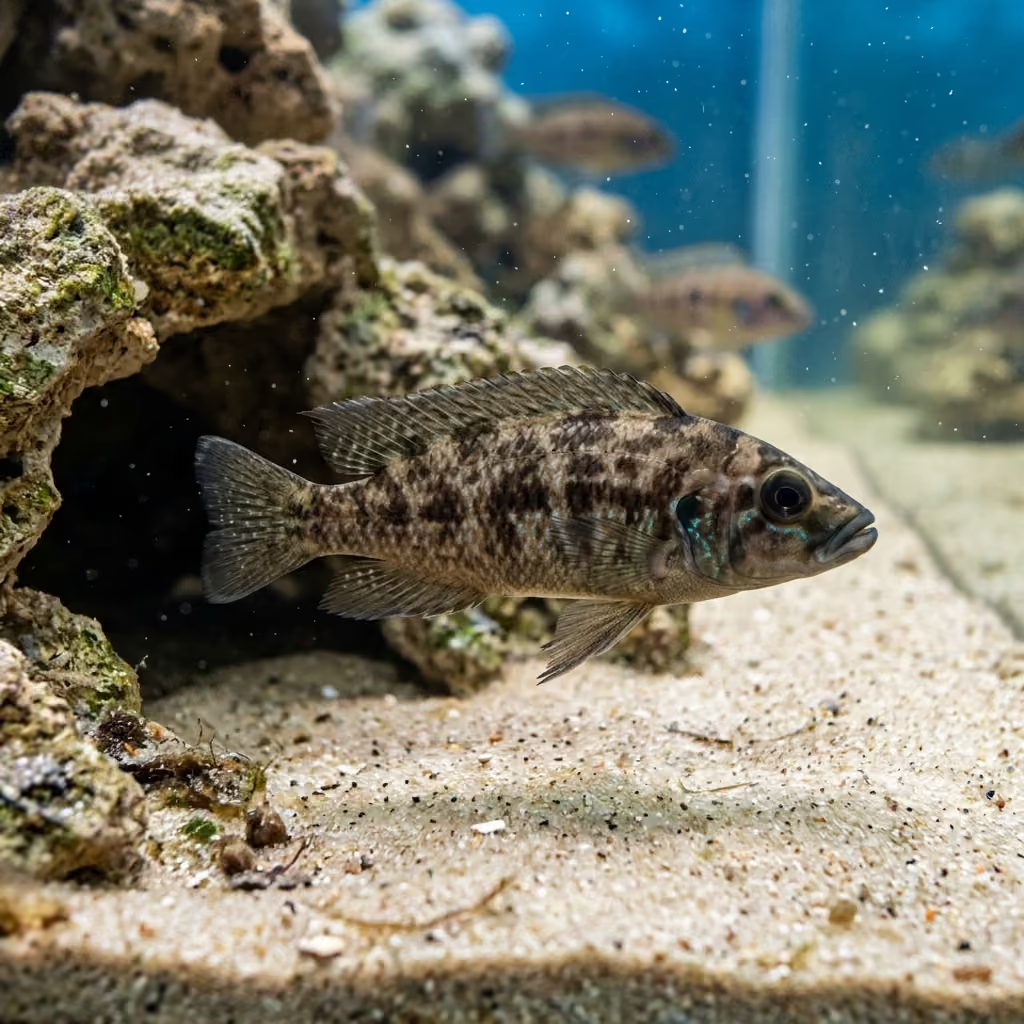
The Haplochromis sp. 44 (commercially known as 'Thick Skin' for the strange and robust conformation of its lips for biting) is one of the most fearless, ruthless and infamous predators of Lake Victoria. Under its deceptively stocky and short appearance (it reaches 10-12 cm / 4-5 inches), the male hides a livery of explosive beauty, with a greenish-yellow body surmounted by a blood red or bright orange belly and fins adorned with huge blinding yellow ocelli (fake eggs). Its notoriety, however, is due to its temperament: the sp. 44 is commonly described as a true "aquatic plague". Although small, it is an irreducible brawler, capable of killing or severely mutilating its peers and of subduing fish twice its size, demanding an expert breeder in the management of hyper-violent hierarchies.
24 - 28 °C
7.5 - 8.5
Freshwater
Bottom and middle
12 cm
>= 250 L
>= 5
10 - 20 dGH
5 - 10 dKH
200 - 400 ppm
313 - 625 uS/cm

Species description

Care, breeding and tankmates

Geographic origin and distribution
Origin

Fish profile
- Temperament
- Aggressive
- This species has a notoriously vicious and hyper-aggressive temperament. Dominant males are fearless and will assert dominance over the entire aquarium if permitted. Careful planning of rockwork and tank mates is necessary to manage their explosive anger.
- Diet
- Omnivore
- They are omnivores that lean towards a carnivorous diet in the wild. Feed them high-quality cichlid pellets, supplemented with frozen foods like mysis shrimp and krill. Ensure they also receive some spirulina or vegetable matter to maintain digestive health.
- Life expectancy
- 5-8 years
- Adult size
- 12 cm
- Sex ratio
- Harem
- Males are extremely violent towards conspecific males and will fight to the death in most aquariums. Keep a strict ratio of one male to a large harem of four to six females. This setup is essential to prevent the male from harassing a single female to death.
- Feeding frequency
- Twice daily
- Feed them once or twice daily, offering only what they can consume in a few minutes. Consistent feeding can slightly mitigate their intense aggression by reducing food competition. Avoid overfeeding to prevent water fouling and obesity.
- Bioload
- Medium to High
- The 'Thick Skin' cichlid produces a high bioload characteristic of aggressive African cichlids. Their hearty appetite and active swimming lead to rapid accumulation of organic waste. Over-filtration and diligent weekly water changes are crucial for long-term success.
- Flow
- Strong
- Moderate to strong water flow is ideal for this robust species. Good surface agitation is necessary to maintain high oxygen levels in their densely stocked setups. The flow also helps sweep waste into the filtration intakes.
- Jump risk
- Yes
- Due to their hyper-aggressive nature, tank mates are frequently chased and may attempt to jump to escape. The fish themselves may also jump during intense territorial disputes. A heavy, tightly fitted canopy is absolutely mandatory.
- Reproduction
- Rare / not documented
- They are highly prolific maternal mouthbrooders that will breed readily in captivity. The female will carry the eggs for approximately three weeks in her buccal cavity. Removing the holding female to a separate nursery tank ensures the fry's survival.
- Compatibility & tankmates
- Peaceful
- This is one of the most aggressive Victoria cichlids available in the hobby. It must be kept with heavily armored or equally aggressive African cichlids to prevent casualties. Never house them with peaceful fish, as they will be relentlessly bullied or killed.
- Tank level
- Middle/Bottom
- They dominate the middle and lower levels of the tank, particularly around rock structures. They will relentlessly defend their chosen cave or rocky outcropping from all intruders. They frequently swim out into open water to display their colors and challenge rivals.

Related species
Recommendations grouped by close relatives, companion choices, and similar care.