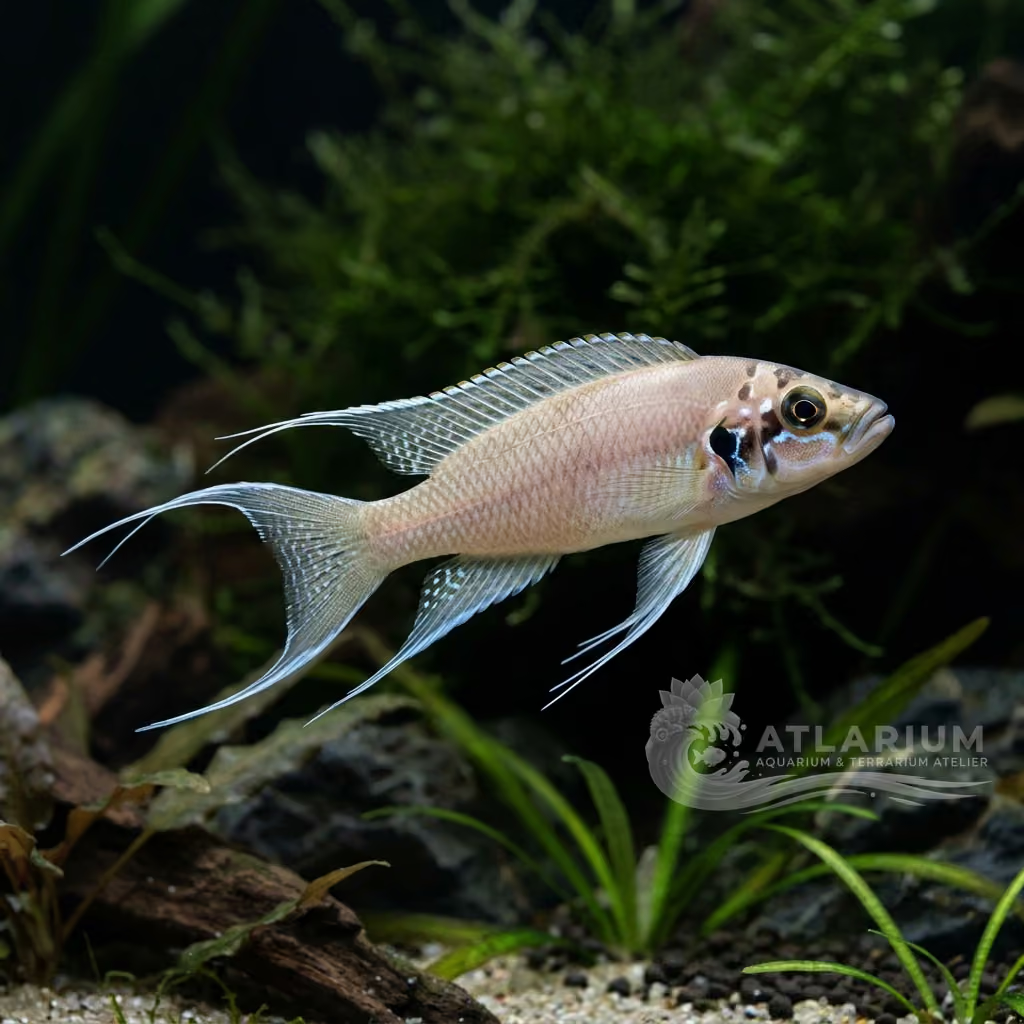
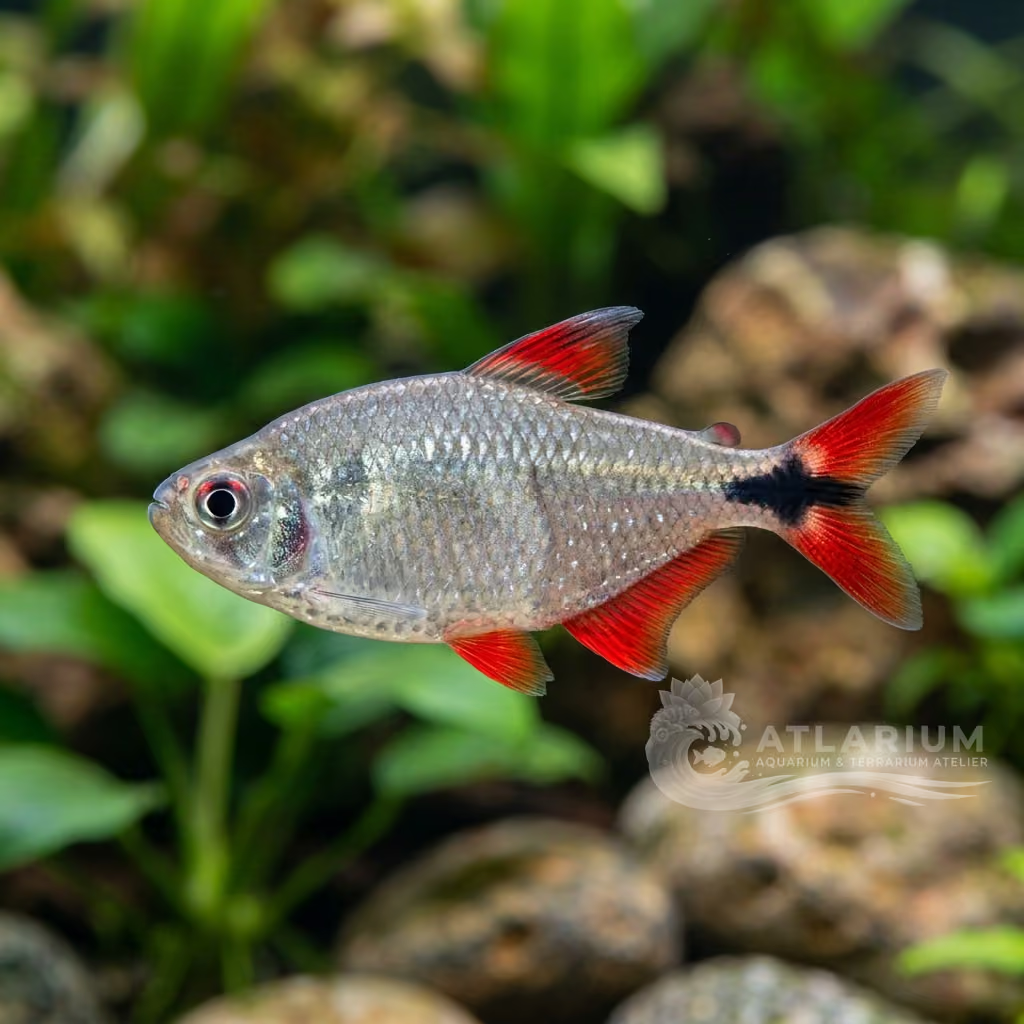
Green Texas Cichlid (Carpintis)
Herichthys carpintis
The Herichthys carpintis is the iridescent jewel of North America. Falsely but commonly sold as 'Texas Cichlid' (which is actually the H. cyanoguttatus, with much smaller dots), the Carpintis sports a grey-blue or greenish base coloration literally covered by gigantic iridescent plates of neon green or metallic turquoise (hence the name 'Pearlscale'). Easily reaching 20-25 cm (8-10 inches), it is a fish of substance, with mature males developing both a bulging forehead (nuchal hump) and an explosive character. Compared to pure predators like the Jaguar, it has a stockier profile and a smaller mouth (in nature it also feeds on debris and plant material), but its temperament is typical of large American cichlids: extremely grumpy and pugnacious in defense of its territory.
22 - 28 °C
7 - 8
Freshwater
Bottom and middle
25 cm
>= 300 L
>= 1
8 - 20 dGH
4 - 10 dKH
160 - 400 ppm
250 - 625 uS/cm

Species description

Care, breeding and tankmates

Geographic origin and distribution
Origin

Fish profile
- Temperament
- Peaceful
- It has a highly aggressive and bellicose temperament, characteristic of many large cichlids. It will not hesitate to bully or kill fish it perceives as a threat or competition. Its aggression multiplies significantly when breeding, making it a highly challenging fish for any community tank. It is strictly suited for experienced keepers prepared to manage its intense personality.
- Diet
- Omnivore
- This cichlid is a voracious omnivore with a hearty appetite, readily accepting most aquarium foods. Its diet should consist of high-quality cichlid pellets as a nutritional staple. Supplement with meaty foods like earthworms, krill, and chopped seafood to promote growth. Plant-based matter such as spirulina or blanched vegetables should also be provided to ensure a balanced diet.
- Life expectancy
- 10-12 years
- Adult size
- 25 cm
- Sex ratio
- Group
- Males are generally larger, more colorful, and may develop a prominent nuchal hump on their head as they mature. Females are typically smaller and possess a more subdued coloration profile. They are best kept as a single compatible male-female pair in a dedicated breeding setup. Keeping multiple males in the same tank often results in fatal territorial battles.
- Feeding frequency
- Twice daily
- Adults should be fed once or twice a day with carefully portioned amounts. Juveniles benefit from more frequent feedings to support their rapid growth rate and development. Avoid overfeeding, as uneaten food will quickly foul the water quality. A varied feeding schedule ensures optimal coloration and long-term vitality.
- Bioload
- Medium to High
- This large cichlid produces a substantial bioload due to its sheer size and heavy diet. Robust, oversized filtration is absolutely necessary to handle the massive amounts of waste it generates. Frequent, large water changes are required to keep nitrate levels in check and maintain optimal health. Regular gravel vacuuming helps remove organic debris accumulating in the substrate.
- Flow
- Strong
- It prefers moderate water flow that provides excellent oxygenation without overpowering the fish. Standard canister filters or sump returns usually provide adequate current for this species. It does not require highly turbulent waters like some fast-flowing river species do. Ensure there are calm resting zones among large heavy rocks and securely anchored driftwood.
- Jump risk
- No
- Reproduction
- Oviparous
- They are prolific substrate spawners that become fiercely protective of their eggs and fry. A flat rock or cleared area of the substrate is usually chosen and meticulously cleaned as the spawning site. Both parents actively guard the nest and will violently attack any intruders in the tank. The fry can be fed newly hatched brine shrimp once they are free-swimming.
- Compatibility & tankmates
- Species only
- It is a highly aggressive and territorial species, especially as it reaches adulthood. It should only be housed with other large, robust cichlids or heavily armored catfish in a massive aquarium. Small fish will undoubtedly be viewed as food and quickly consumed. A very large tank footprint is strictly required to attempt any kind of community setup.
- Tank level
- Middle/Bottom
- This heavy cichlid utilizes all levels of the aquarium, but heavily favors the middle and bottom sections. It constantly patrols its established territory near the substrate and decor. It is known to actively dig and rearrange the layout, so plants and hardscape must be incredibly secure. Open swimming space above the territory is also appreciated.

Scientific Parameters & Models
Window to the official scientific data of the species
- Trophic level
- 3.4 ± 0.1 se
- Resilience
- High (less than 15 months)
- Phylogenetic uniqueness (PD50)
- 0.5001
- Bayesian Length-Weight
- a = 0.01445, b = 3.08
- VulnerabilityLow vulnerability (11 / 100)

Related species
Recommendations grouped by close relatives, companion choices, and similar care.