Enantiopus melanogenys
Xenotilapia melanogenys
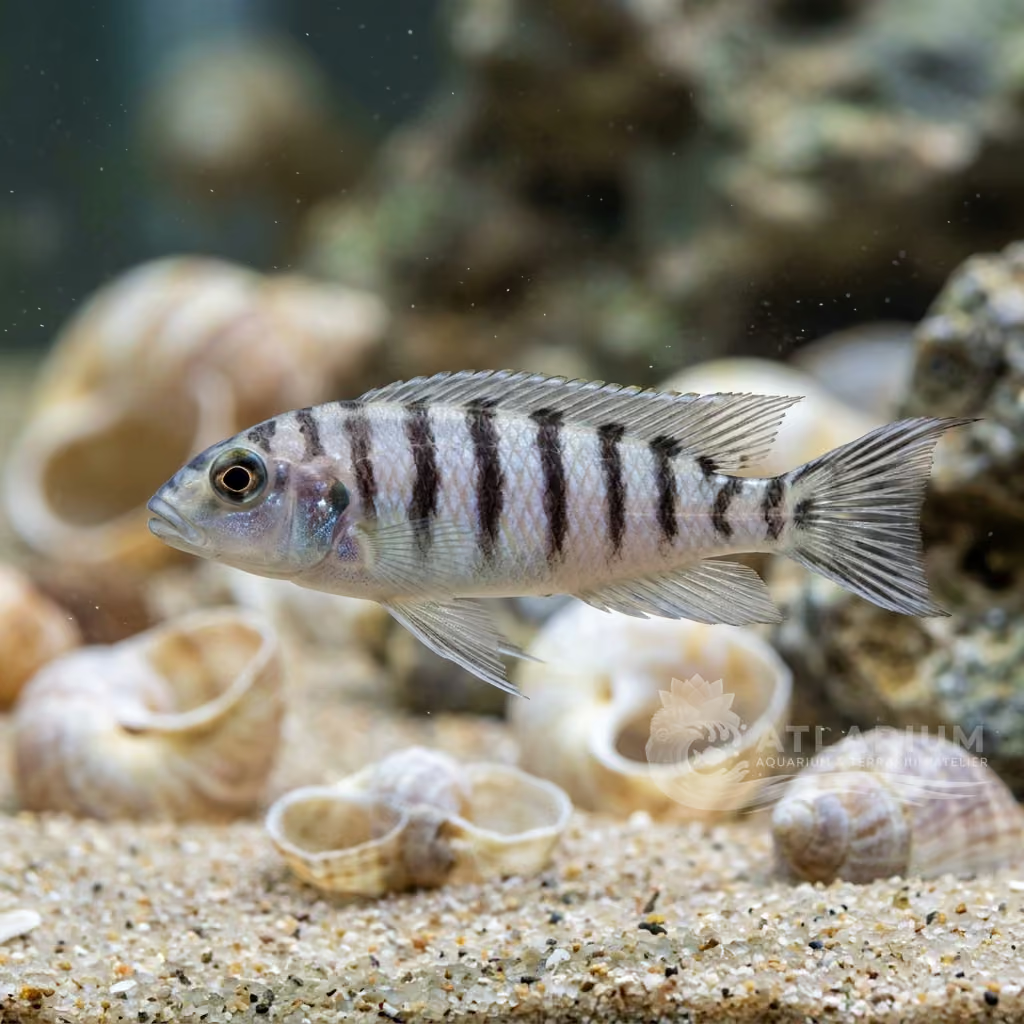
Splendid sand cichlid ('Sand Sifter', 15 cm). Dominant males are painted with incredible pastel rainbow iridescences. Assiduous digger of immense nuptial craters, demands vast bottoms and impalpable sand without obstructive rocks.
Water Temperature
24 - 27 °C
pH Value
8 - 9
Water type
Freshwater
Tank level
Bottom
Adult size
15 cm
Minimum tank volume
>= 180 L
Minimum group
>= 1
GH
10 - 20 dGH
KH
5 - 10 dKH
TDS
200 - 400 ppm
Conductivity
313 - 625 uS/cm

Species description
Geographical Origin and Habitat: Endemic to Lake Tanganyika, along the coast. Frequents exclusively sandy coastal zones, where it sifts the substrate far from rocky shelters.
Taxonomy and Morphology: Sand Sifter Cichlid (Xenotilapia melanogenys, formerly Enantiopus). Falls among the benthic cichlids (Ectodini). Sloping facial profile (horse face), very elongated cigar-shaped body, eyes bulging upwards.
Social Behavior: Extremely gregarious, MUST be kept in groups (2 males and at least 4-6 females). Chronic shyness turns into panic in isolated tanks. Males engage in scenic "battles" (displays) for breeding clearings.
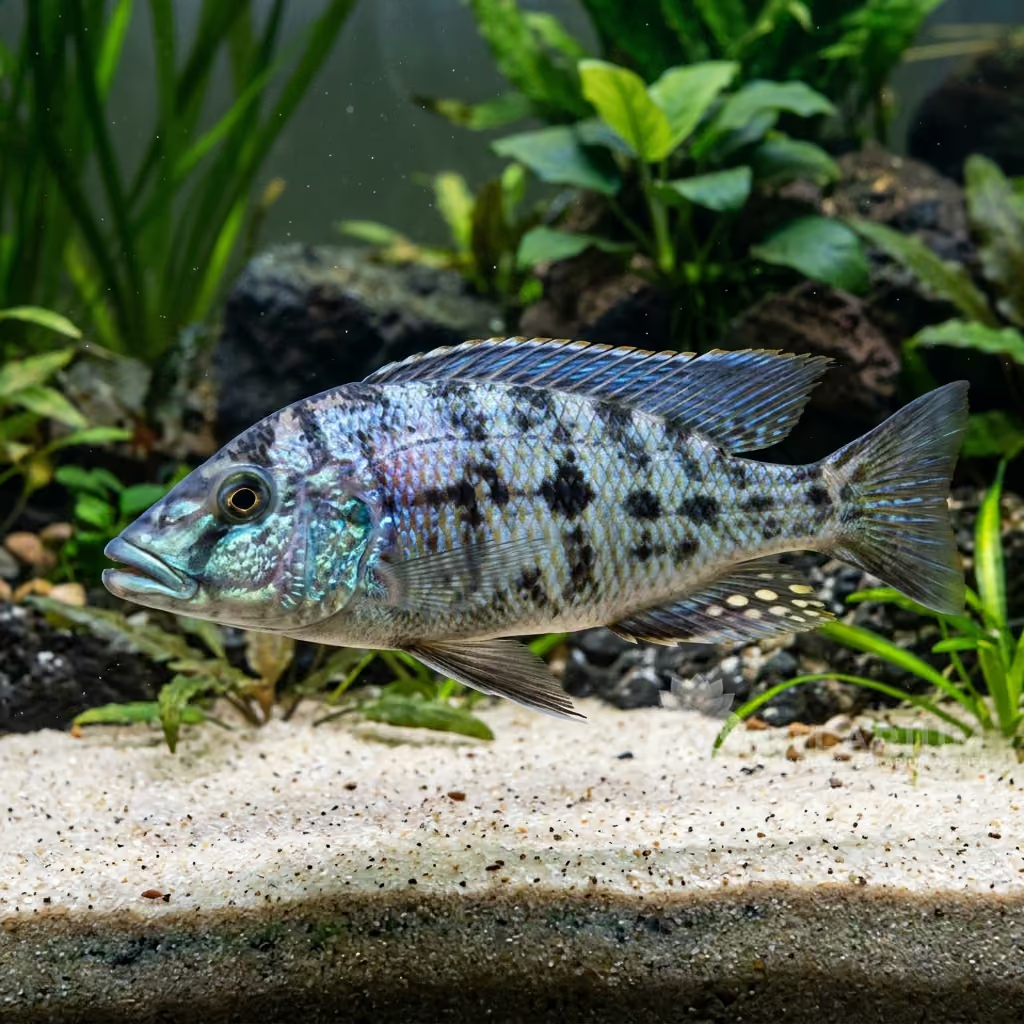
Coloration and Sexual Dimorphism: Drab and gray/silver females perfect for camouflage. Dominant males are an absolute spectacle: the lower lip becomes very black ("melanogenys") and they show off sun yellow and iridescent blue spots on the flanks and fins.

Care, breeding and tankmates
Aquarium Setup: Dimensions: minimum 150 cm x 50 (60 x 20 inches) depth for a group. NO rocks in the center, just an endless expanse of fine sand. Do not introduce coarse gravel, under penalty of wasting and infections of the mouth and gills.
Diet and Feeding: Feeds by swallowing shovelfuls of sand which it filters through its gills, retaining microcrustaceans. In the aquarium, offer very minute frozen food (cyclops, daphnia, baby brine shrimp) and ground spirulina/pellets that sink quickly.
Water Quality: Very strict requirement for the hard and alkaline water of Tanganyika. But the #1 threat is sand pollution, which must be kept moved and clean.
Compatibility and Cohabitation: Splendid pairing with schools of Cyprichromis, which occupy the upper water column, giving them security. Rocky and territorial cichlids (Julidochromis, Neolamprologus brichardi, Tropheus) are forbidden.
Aquarium Breeding: Maternal mouthbrooders. The male digs a huge flared nest in the volcanic sand (crater). With vibrant movements he attracts the female to it; once laid, she broods very large eggs for 20 days.
Risks and Diseases: Mechanical damage. They are "missiles" ready to go off if frightened at night or when the light turns on, and they die hitting tie-rods or glass. Frequent oral infections if forced in aquariums with sharp gravel.

Geographic origin and distribution
Endemic to Lake Tanganyika, along the coast. Frequents exclusively sandy coastal zones, where it sifts the substrate far from rocky shelters.
Origin
Africa and Madagascar

Fish profile
- Temperament
- Semi-aggressive
- They have a delicate, somewhat nervous temperament and require a calm environment to thrive. The males, however, become spectacularly bold and aggressively territorial toward other males during the spawning season, engaging in intense display battles. When housed correctly in a peaceful community, their synchronized swimming and constant sand-sifting behavior are mesmerizing. They demand respect and careful planning from the aquarist.
- Diet
- Omnivore
- In the wild, they are specialized sand sifters that extract small invertebrates, zooplankton, and crustaceans from the substrate. In the aquarium, they must be fed a high-quality, varied diet of sinking pellets, flakes, and small frozen foods like Cyclops, Daphnia, and baby brine shrimp. The food must be small enough for them to process through their gills while sifting sand. Vegetable matter should be kept to a minimum in their diet.
- Life expectancy
- 5-8 years
- Adult size
- 15 cm
- Sex ratio
- Harem
- They should be kept in groups, ideally with a ratio of one male to several females, or in large aggregations if the tank is massive. Males are highly territorial towards each other when breeding and need sufficient space to construct their individual bowers. If the tank is too small, a dominant male will relentlessly harass subordinate males and non-receptive females. A female-heavy harem diffuses this aggression.
- Feeding frequency
- Twice daily
- To mimic their continuous natural foraging behavior, they should be fed small amounts two to three times per day. Large, infrequent meals are poorly digested and can lead to water quality issues. Watching a group of Xenotilapia synchronized sand-sifting during feeding time is a captivating sight. Ensure the food reaches the bottom quickly before mid-water tank mates consume it all.
- Bioload
- Medium
- This elegant Tanganyikan cichlid contributes a moderate bioload to the aquarium. Because they are best kept in large groups, the collective waste output necessitates a strong, highly efficient filtration system. They are incredibly sensitive to deteriorating water conditions, meaning pristine water quality is non-negotiable. Large, weekly water changes are required to keep nitrates low and the fish healthy.
- Flow
- Stagnant
- They prefer a moderate water flow that keeps the water well-oxygenated and free of suspended detritus. The flow should not be so powerful that it creates shifting sand dunes, which would disrupt their habitat and stress the fish. A steady current that sweeps waste towards the filter intakes while leaving the sandy substrate mostly undisturbed is ideal. Good surface agitation is necessary to maintain high oxygen levels.
- Jump risk
- Yes
- Xenotilapia melanogenys are notorious jumpers, particularly when frightened or when the tank lights turn on or off suddenly. Their torpedo-like body shape allows them to build up immense speed and launch themselves out of the water with ease. A tight, heavy-duty lid with absolutely no gaps is required to prevent them from ending up on the floor. Dimming lights gradually can help reduce startle responses.
- Reproduction
- Oviparous
- They are fascinating maternal mouthbrooders. During spawning, males build impressive, large crater nests in the sand to attract females, displaying brilliantly colored fins. After laying the eggs in the nest, the female picks them up and incubates them in her mouth for several weeks. She will release fully formed fry, taking them back into her mouth if danger approaches. A large sandy footprint is required for breeding.
- Compatibility & tankmates
- Semi-aggressive
- They are relatively peaceful but highly active and somewhat skittish. Ideal tank mates are mid-water schooling fish like Cyprichromis, which occupy different tank levels and provide a 'dither' effect, making the Xenotilapia feel secure. They should not be kept with aggressive, territorial bottom-dwellers like large shell-dwellers or aggressive Mbuna, which will harass them. A peaceful Tanganyikan biotope is the perfect environment.
- Tank level
- Bottom
- This species is completely tied to the bottom level of the aquarium. They are obligate sand sifters that spend their entire day hovering just above or resting directly on the substrate. The aquarium must have a large footprint with fine, soft sand to prevent damage to their delicate gills. They will rarely swim up into the middle or upper water column unless startled.

Scientific Parameters & Models
FishBase
Window to the official scientific data of the species
FishBase v25.04Data synced on: 06/15/2026
- Trophic level
- 3.2 ± 0.4 se
- Resilience
- High (less than 15 months)
- Phylogenetic uniqueness (PD50)
- 0.5
- Bayesian Length-Weight
- a = 0.01445, b = 2.99
- VulnerabilityLow vulnerability (10 / 100)

Related species
Recommendations grouped by close relatives, companion choices, and similar care.